


Saturday, August 8, 2026
  • About C3
  • Advertising
C3GLOBE
  • Latest

    House in Fusato

    Natural History Museum Abu Dhabi

    3XN‘s Shenzhen Natural History Museum Opens as a topographic civic landscape

    BIG Reveals New Buildings for Francisco de Vitoria University Campus

    Pitaya House

    Hiraya Pavilion

    Tung Yuen Kindergarten

    Theodore Roosevelt Presidential Library

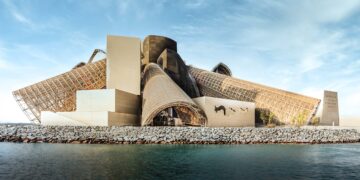
    Frank Gehry’s Guggenheim Abu Dhabi to Open in December 2026

  • Architecture
    • All
    • Asia
    • China
    • Japan
    • Korea
    • World

    House in Fusato

    Natural History Museum Abu Dhabi

    3XN‘s Shenzhen Natural History Museum Opens as a topographic civic landscape

    Pitaya House

    Hiraya Pavilion

    Tung Yuen Kindergarten

    Theodore Roosevelt Presidential Library

    House in Avándaro

    Songshan Lake Exhibition and Performance Center

  • Competitions
    • All
    • Call for Entries
    • Results

    BIG Reveals New Buildings for Francisco de Vitoria University Campus

    MVRDV wins Shift Embassy international design competition in Rotterdam

    Studio Campo Baeza and Maoda Win Ecuador National Museum Competition

    Coldefy Wins Rákosrendező Masterplan Competition in Budapest

    Istanbul‘s Ion Riva Masterplan Unveiled with Snøhetta, MVRDV, and BIG

    Mextrópoli 2026 Pavilion

    BIG unveils ‘The Sail’, a mass-timber community and convention center in Rouen

    Snøhetta Wins Design Competition for the Hangzhou Qiantang Bay Art Museum

    MVRDV’s “Grand Ballroom” wins competition for mixed-use arena, housing, and hotel complex in Albania

  • News

    Frank Gehry’s Guggenheim Abu Dhabi to Open in December 2026

    default

    Snøhetta’s Shanghai Grand Opera House to Open in October

    Large, a Contemporary Art Platform on the Former Renault Factory Site, to Open in Autumn 2026

    [Interview] OMA’s Architecture of Context and Encounter

    Fundació Mies van der Rohe Opens Exhibition of 500 Works Collected Over Four Decades

    2026 Serpentine Pavilion Open, LANZA Atelier’s ‘Serpentine’ Continues 25 Years of Architectural Experimentation

    Rudolph M. Schindler’s Unbuilt Architecture

    Smiljan Radić receives the 2026 Pritzker Architecture Prize

    Five Final Proposals Unveiled for Rotterdam Shift Landmark Design Competition

  • :
  • C3Magazine
No Result
View All Result
  • Latest

    House in Fusato

    Natural History Museum Abu Dhabi

    3XN‘s Shenzhen Natural History Museum Opens as a topographic civic landscape

    BIG Reveals New Buildings for Francisco de Vitoria University Campus

    Pitaya House

    Hiraya Pavilion

    Tung Yuen Kindergarten

    Theodore Roosevelt Presidential Library

    Frank Gehry’s Guggenheim Abu Dhabi to Open in December 2026

  • Architecture
    • All
    • Asia
    • China
    • Japan
    • Korea
    • World

    House in Fusato

    Natural History Museum Abu Dhabi

    3XN‘s Shenzhen Natural History Museum Opens as a topographic civic landscape

    Pitaya House

    Hiraya Pavilion

    Tung Yuen Kindergarten

    Theodore Roosevelt Presidential Library

    House in Avándaro

    Songshan Lake Exhibition and Performance Center

  • Competitions
    • All
    • Call for Entries
    • Results

    BIG Reveals New Buildings for Francisco de Vitoria University Campus

    MVRDV wins Shift Embassy international design competition in Rotterdam

    Studio Campo Baeza and Maoda Win Ecuador National Museum Competition

    Coldefy Wins Rákosrendező Masterplan Competition in Budapest

    Istanbul‘s Ion Riva Masterplan Unveiled with Snøhetta, MVRDV, and BIG

    Mextrópoli 2026 Pavilion

    BIG unveils ‘The Sail’, a mass-timber community and convention center in Rouen

    Snøhetta Wins Design Competition for the Hangzhou Qiantang Bay Art Museum

    MVRDV’s “Grand Ballroom” wins competition for mixed-use arena, housing, and hotel complex in Albania

  • News

    Frank Gehry’s Guggenheim Abu Dhabi to Open in December 2026

    default

    Snøhetta’s Shanghai Grand Opera House to Open in October

    Large, a Contemporary Art Platform on the Former Renault Factory Site, to Open in Autumn 2026

    [Interview] OMA’s Architecture of Context and Encounter

    Fundació Mies van der Rohe Opens Exhibition of 500 Works Collected Over Four Decades

    2026 Serpentine Pavilion Open, LANZA Atelier’s ‘Serpentine’ Continues 25 Years of Architectural Experimentation

    Rudolph M. Schindler’s Unbuilt Architecture

    Smiljan Radić receives the 2026 Pritzker Architecture Prize

    Five Final Proposals Unveiled for Rotterdam Shift Landmark Design Competition

  • :
  • C3Magazine
No Result
View All Result
C3GLOBE
No Result
View All Result
Home Architecture Japan

Haniyasu House

By the Time of Nature and the Properties of Materials
AATISMO

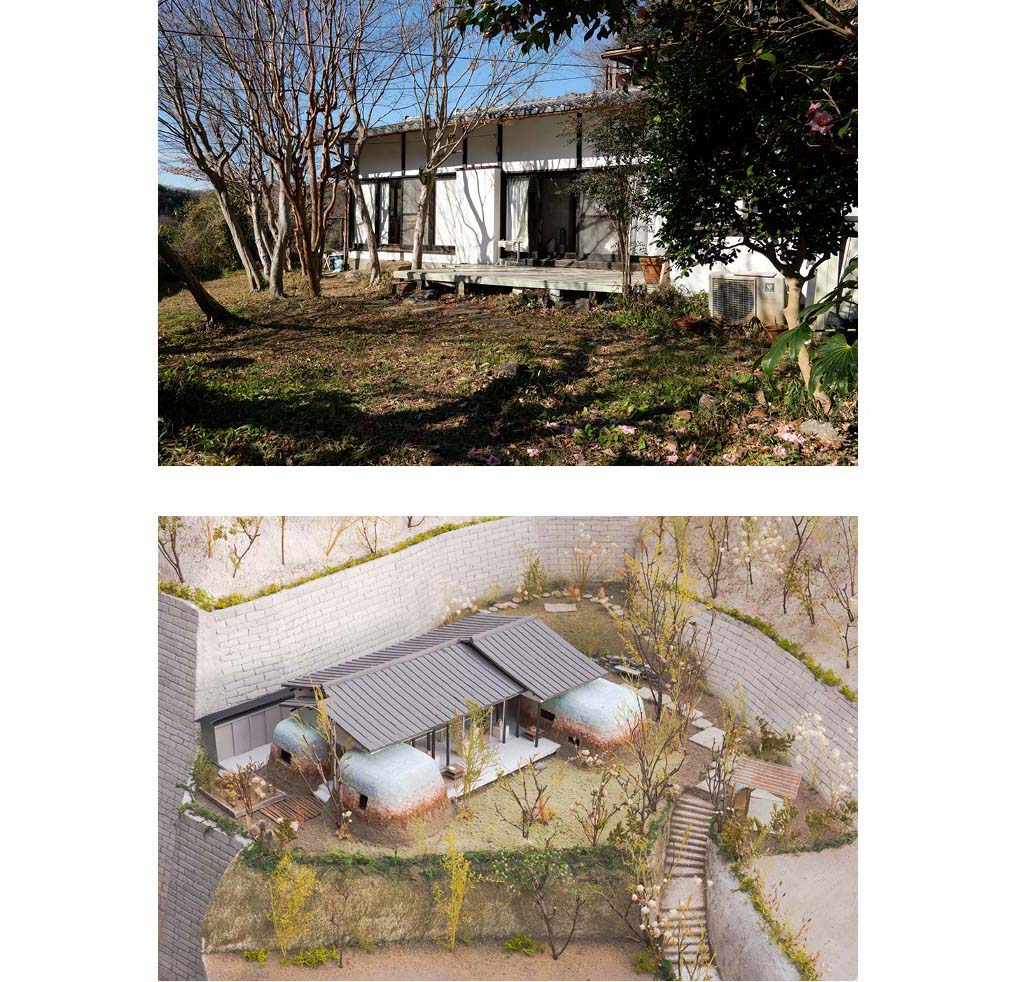
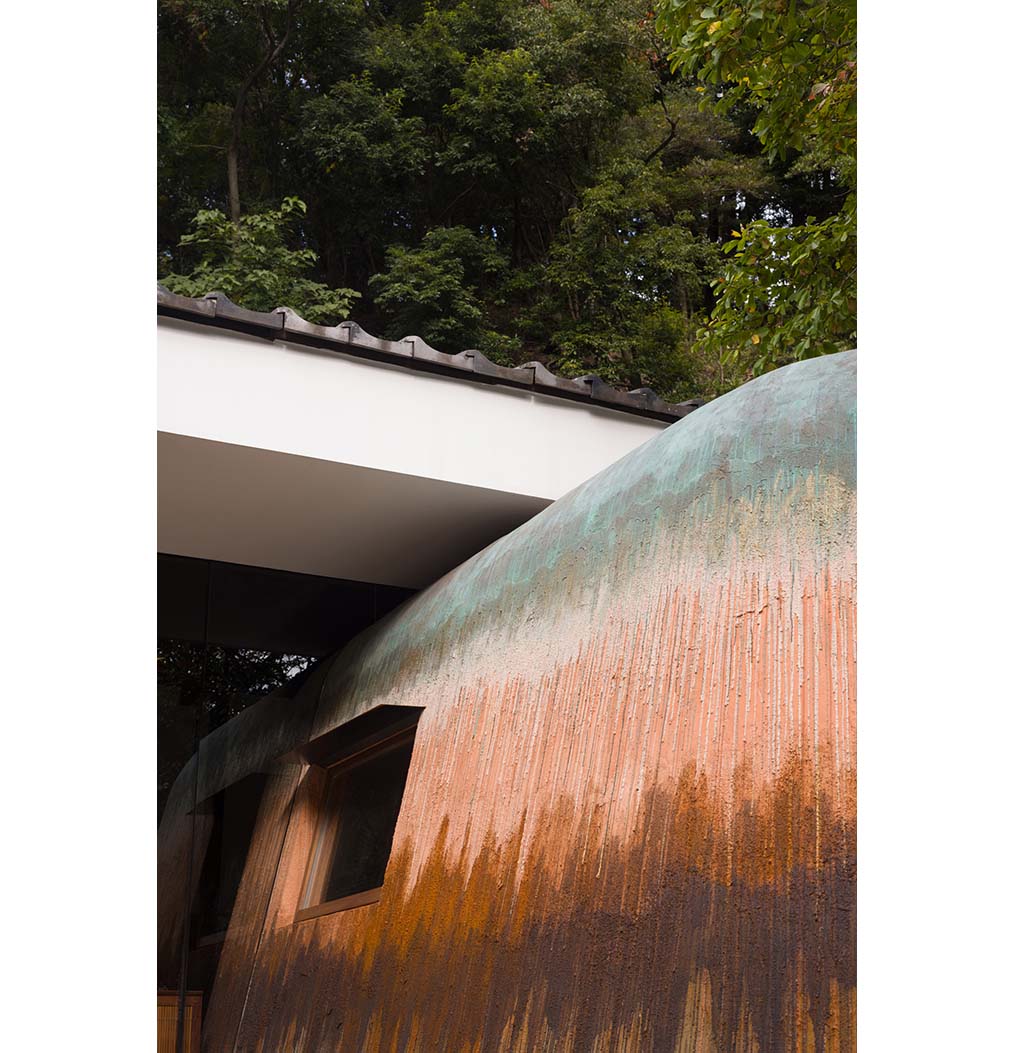
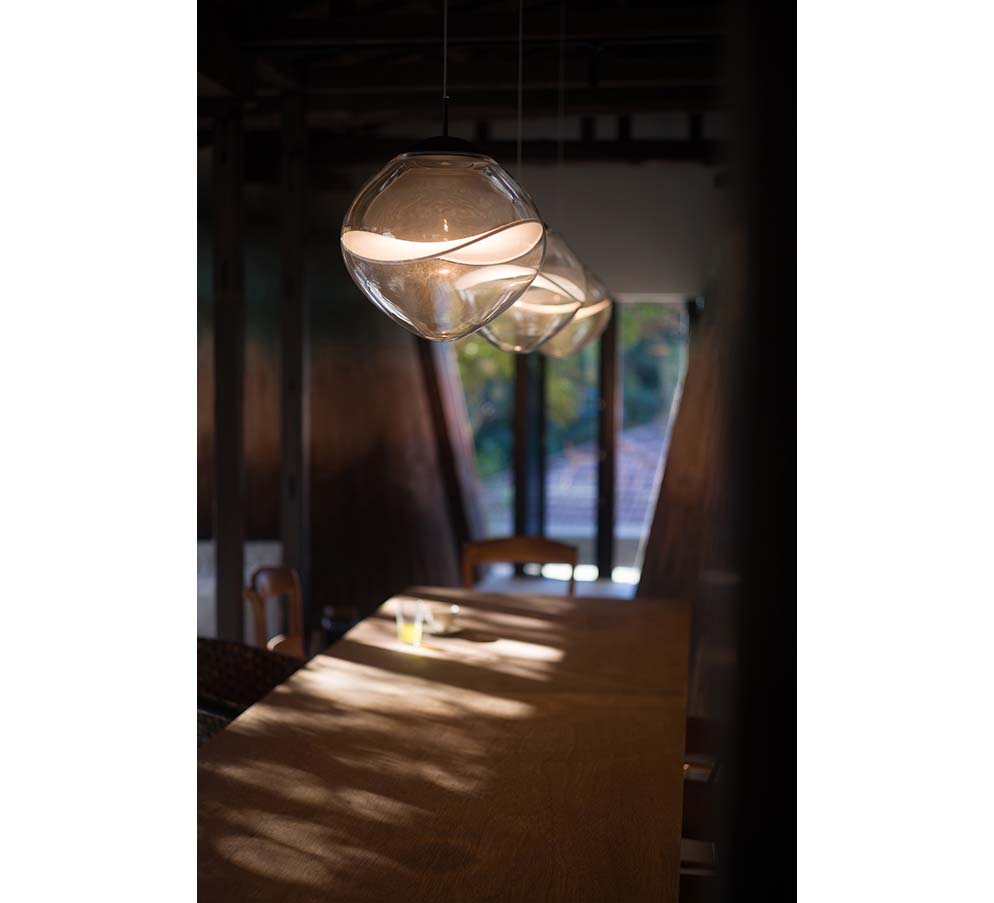
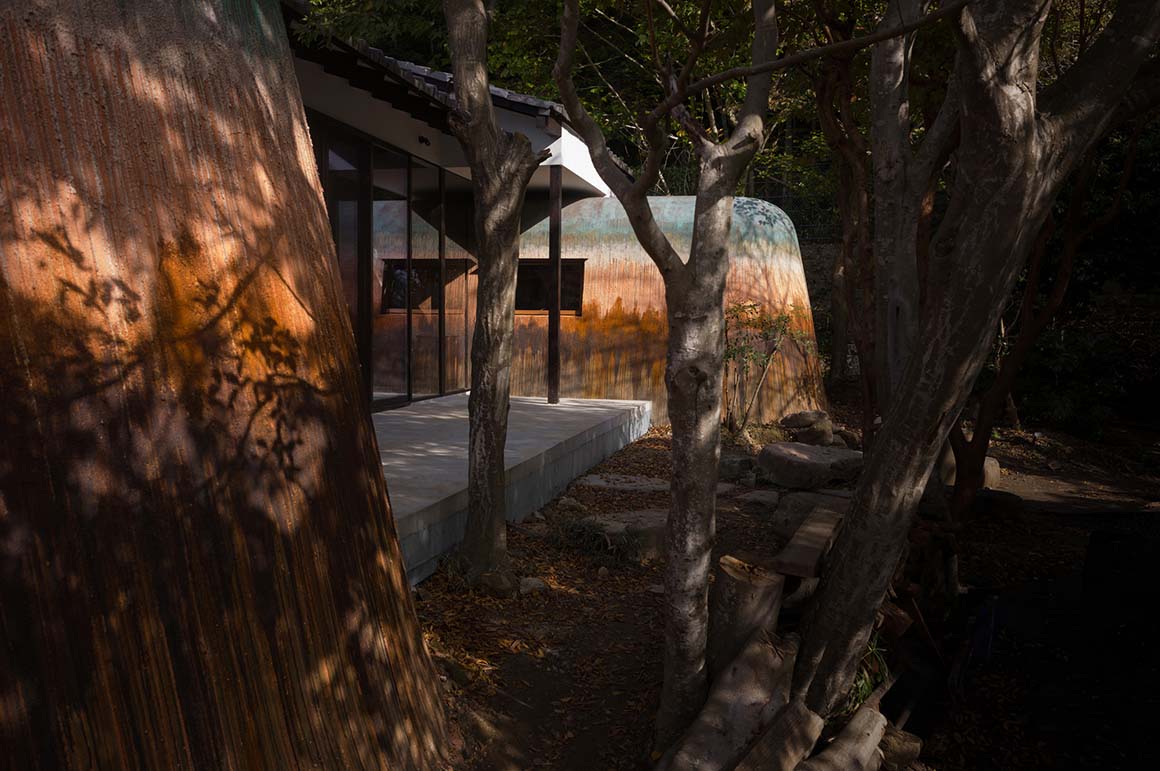
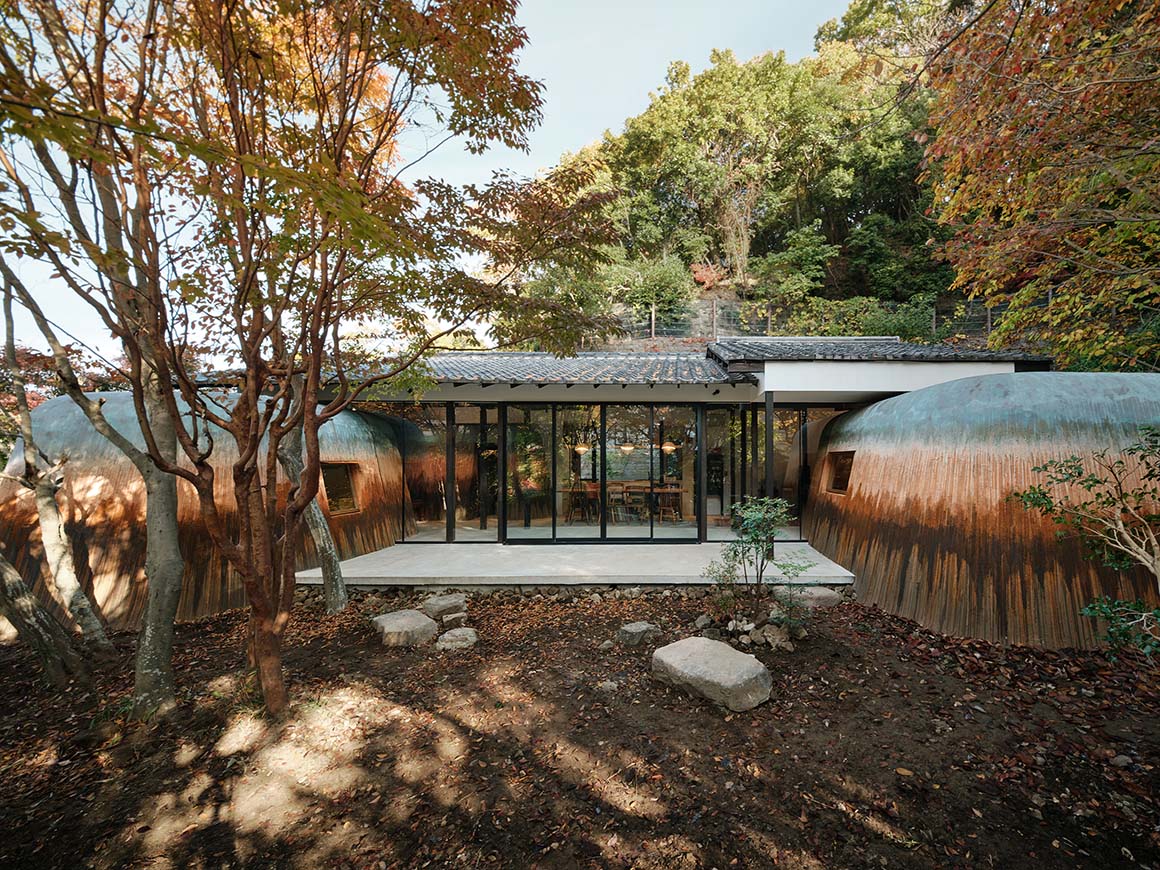
At the edge of a yato valley in Kamakura, where steep cliffs meet ancient cave tombs, stands a two-family house renovated from a single-storey dwelling built in 1967. Home to the owners and their ceramic-artist parents, the project responds to its strong geological context, rethinking architecture as an extension of the ground. The exterior, streaked with clay, soil, and metal powders, evokes ceramic glazes, while layers of material and their physical interactions shape the form.

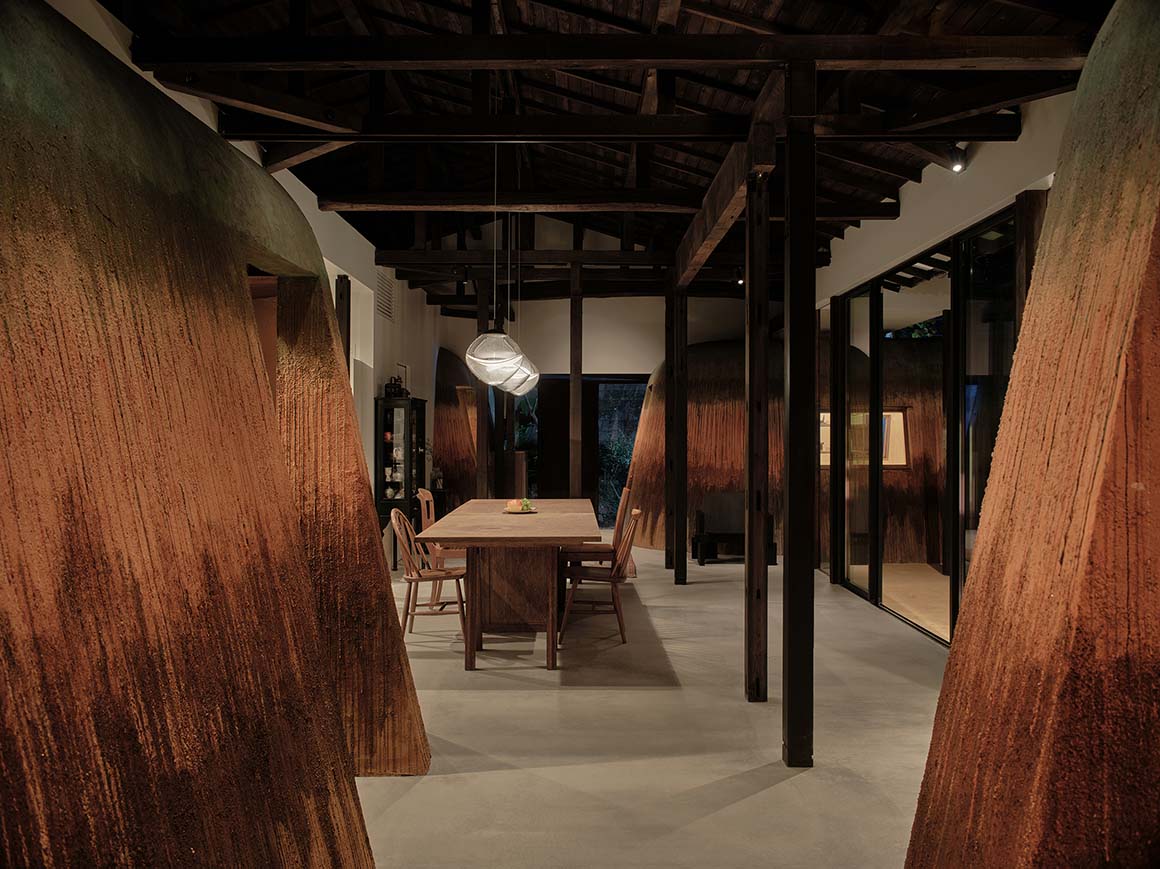
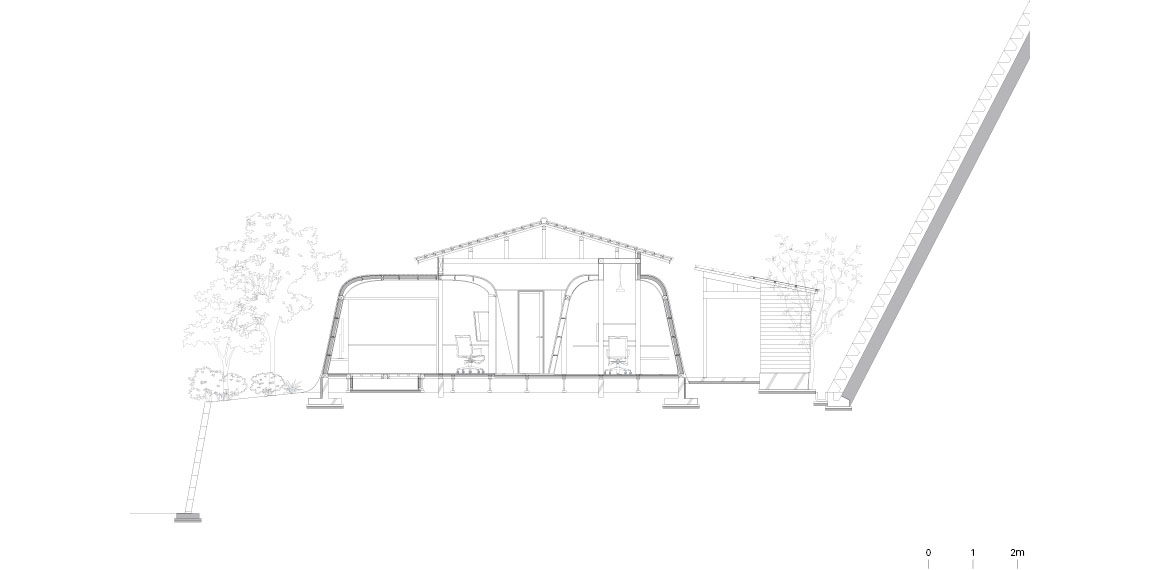
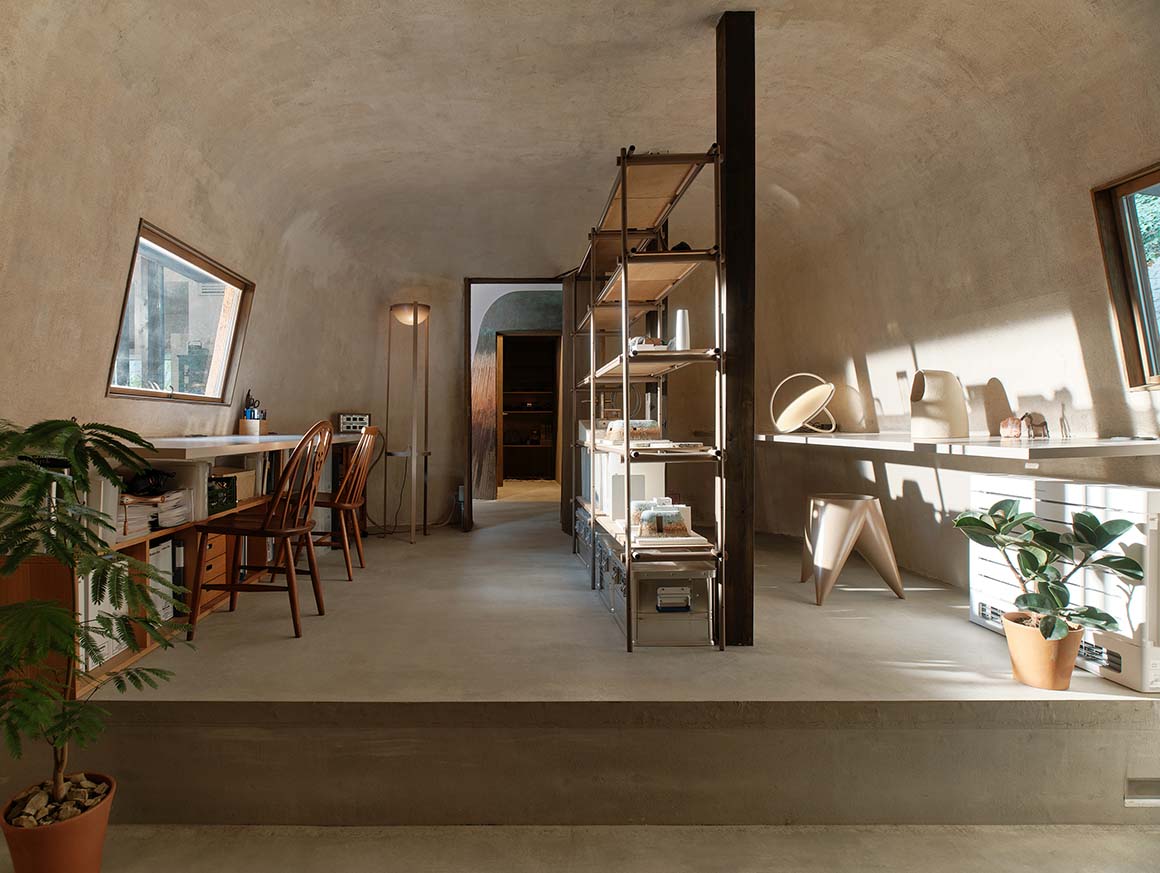
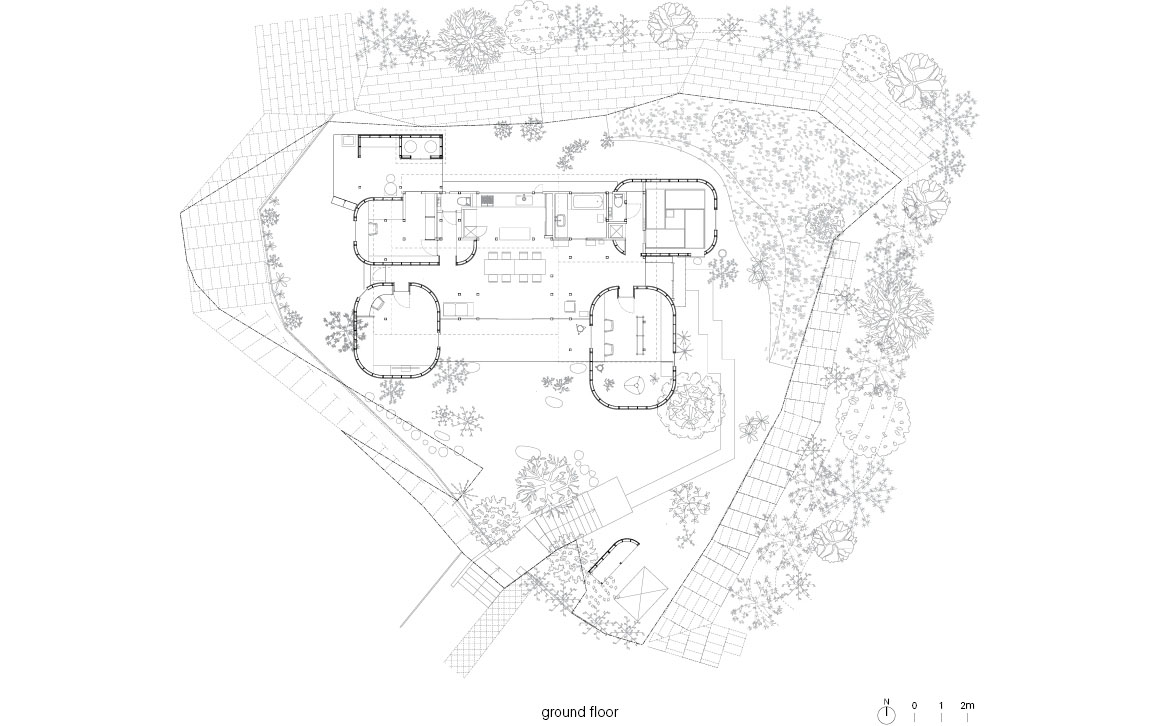
The renovation makes use of the existing structure. After being damaged by a typhoon, the original timber house was stripped back to its frame, and its interior was entirely removed to create a single, open volume. This central space, open to the surrounding environment, functions as a shared area combining atelier, living room, and kitchen, and extends toward a south-facing terrace.
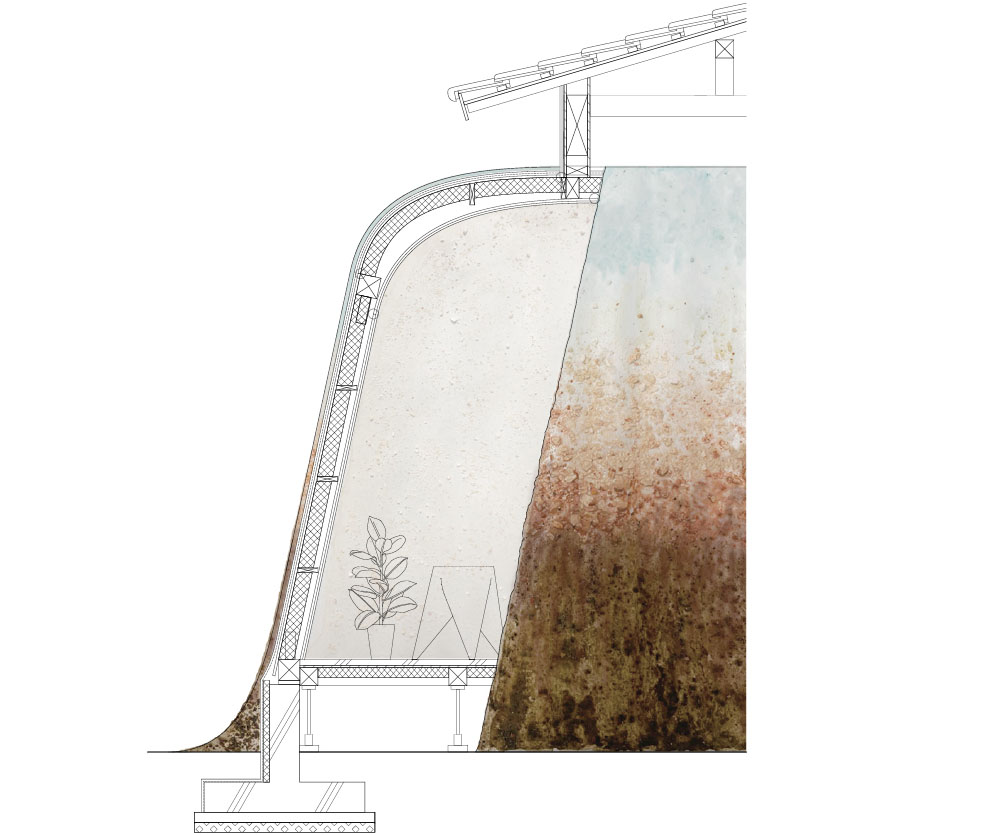
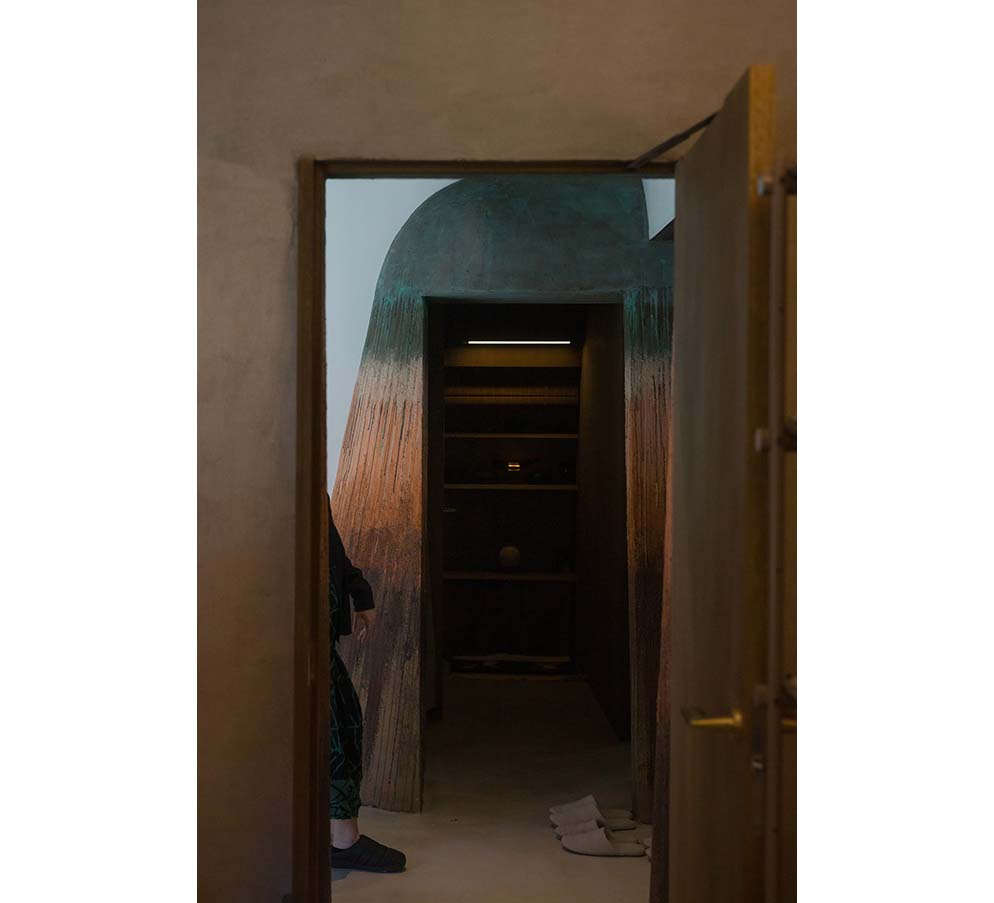
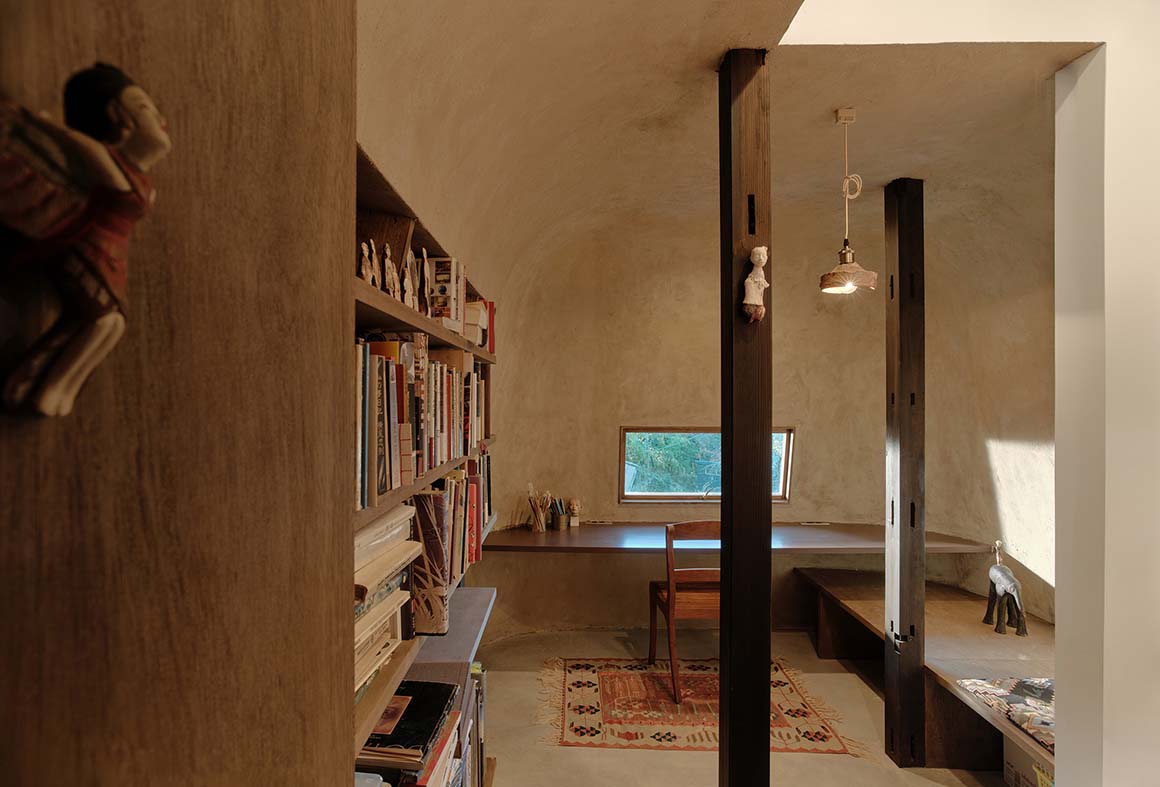
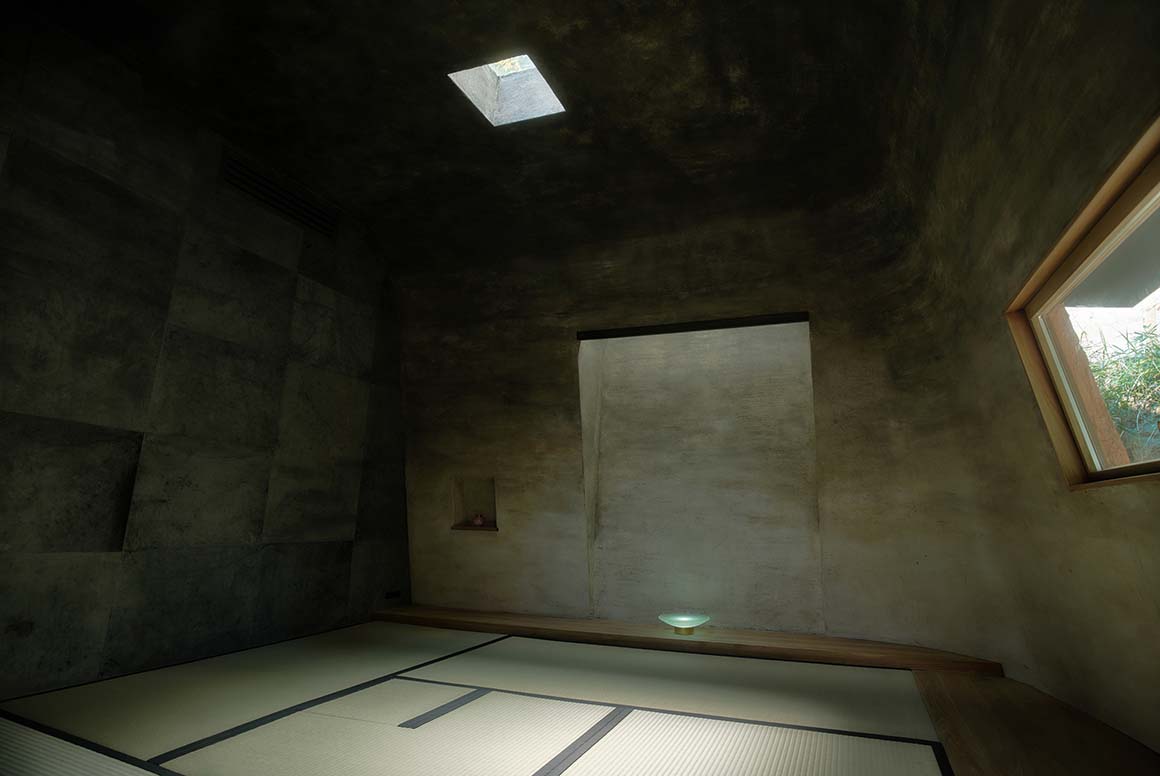
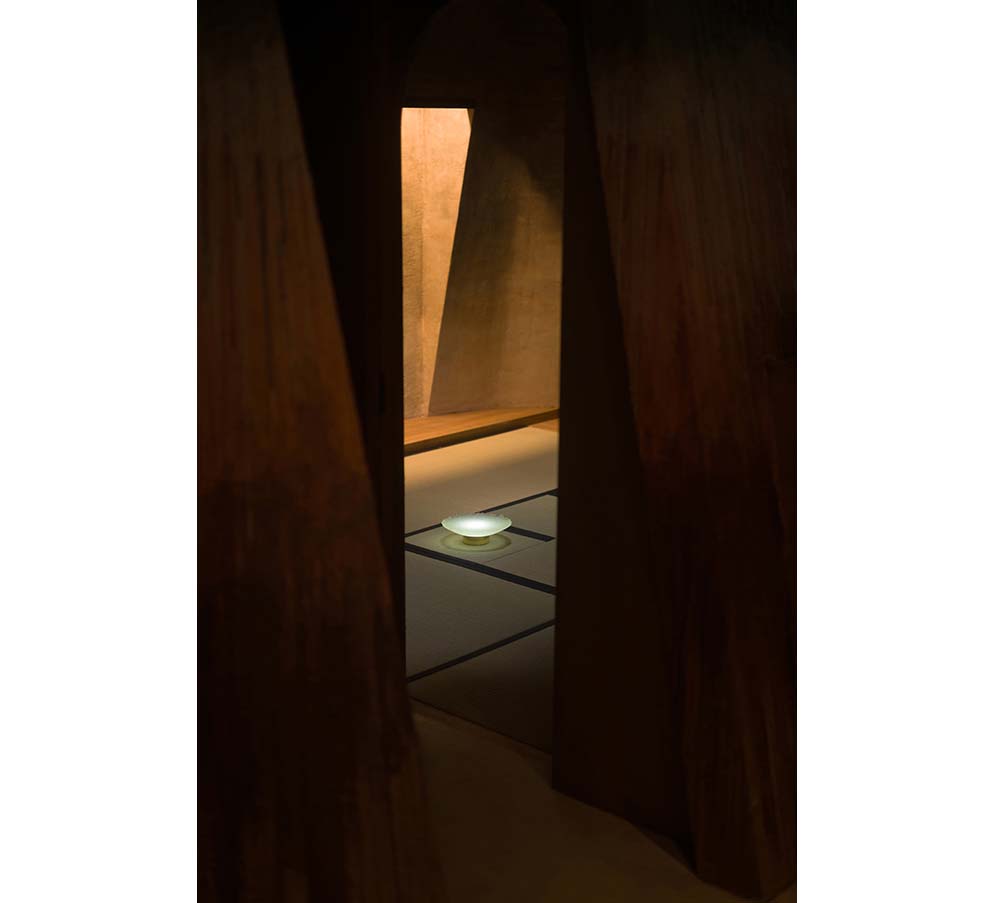
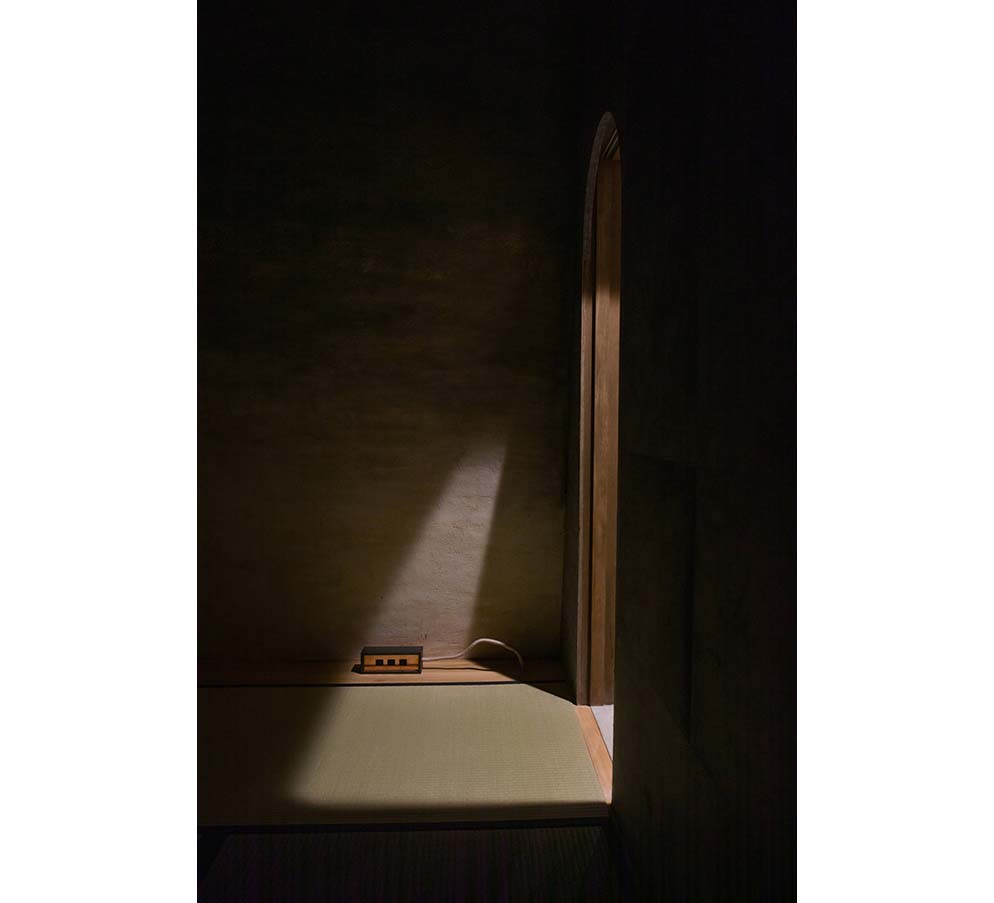
At the four corners of this space, new rooms were added, formed as earthen masses rising from the ground. This configuration recalls clusters of ancient settlements, with each family member occupying a cave-like, enclosed space. Three of the volumes serve as bedrooms and workspaces, while the northeastern volume contains a tatami-floored tea room with a skylight that also functions as a guest room.
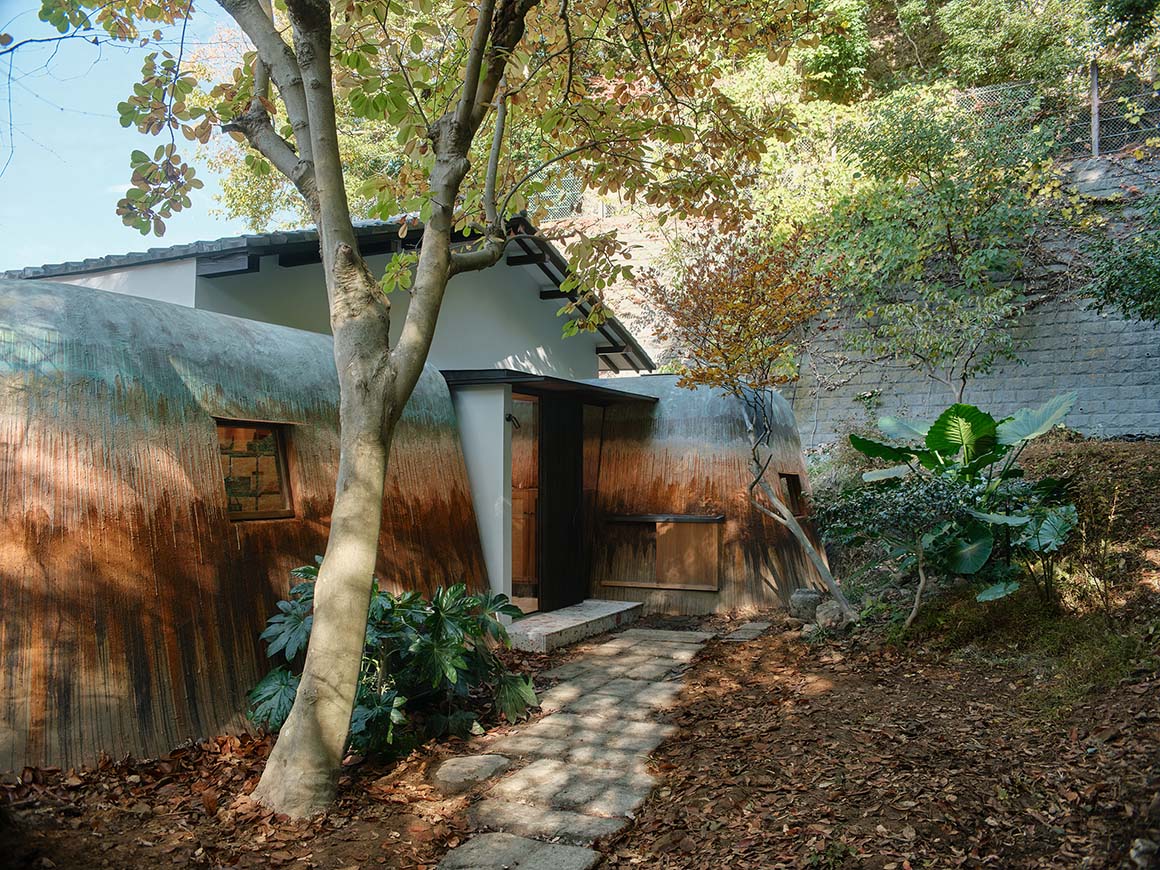
The name “Haniyasu” derives from a deity of earth and pottery in Japanese mythology, as well as an archaic word for clay. The house situates itself across the boundaries of land, architecture, and ceramics, aiming to traverse them through materials and acts of making. By supporting the existing structure with earthen masses that appear to emerge from the ground, it creates a temporal ambiguity in which it is unclear what came first.
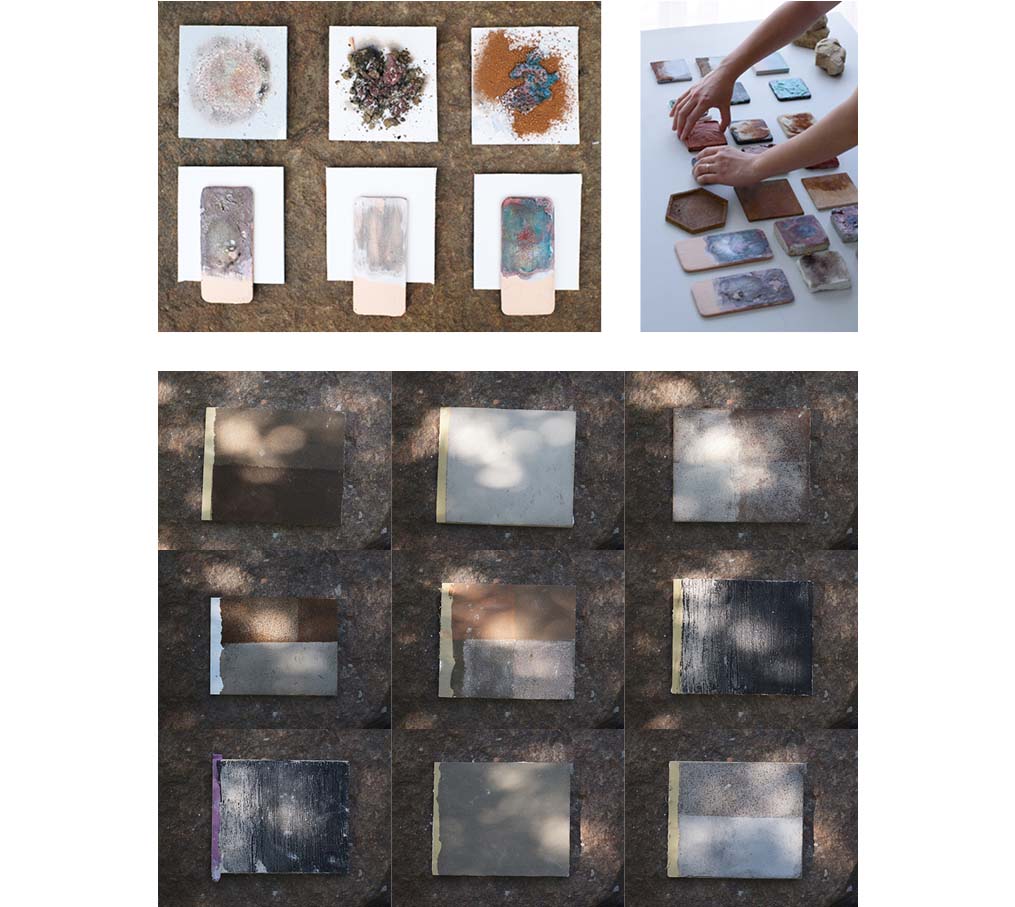
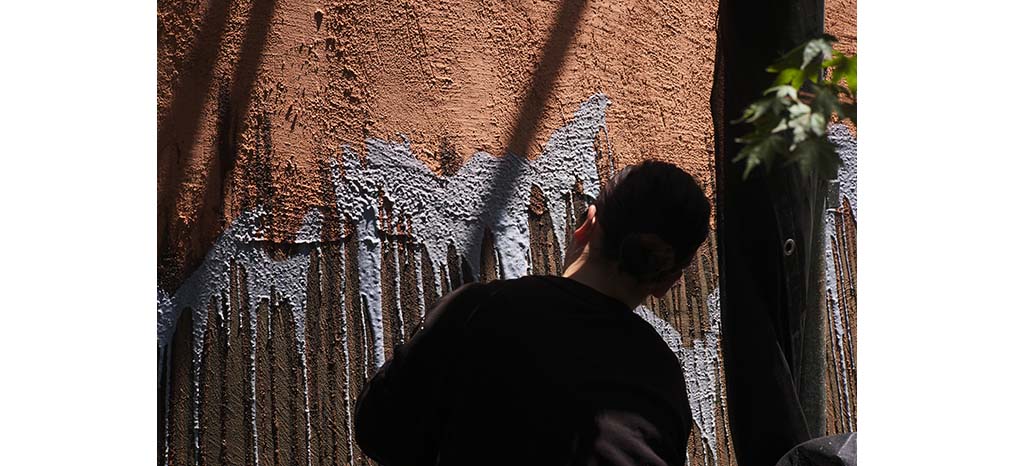
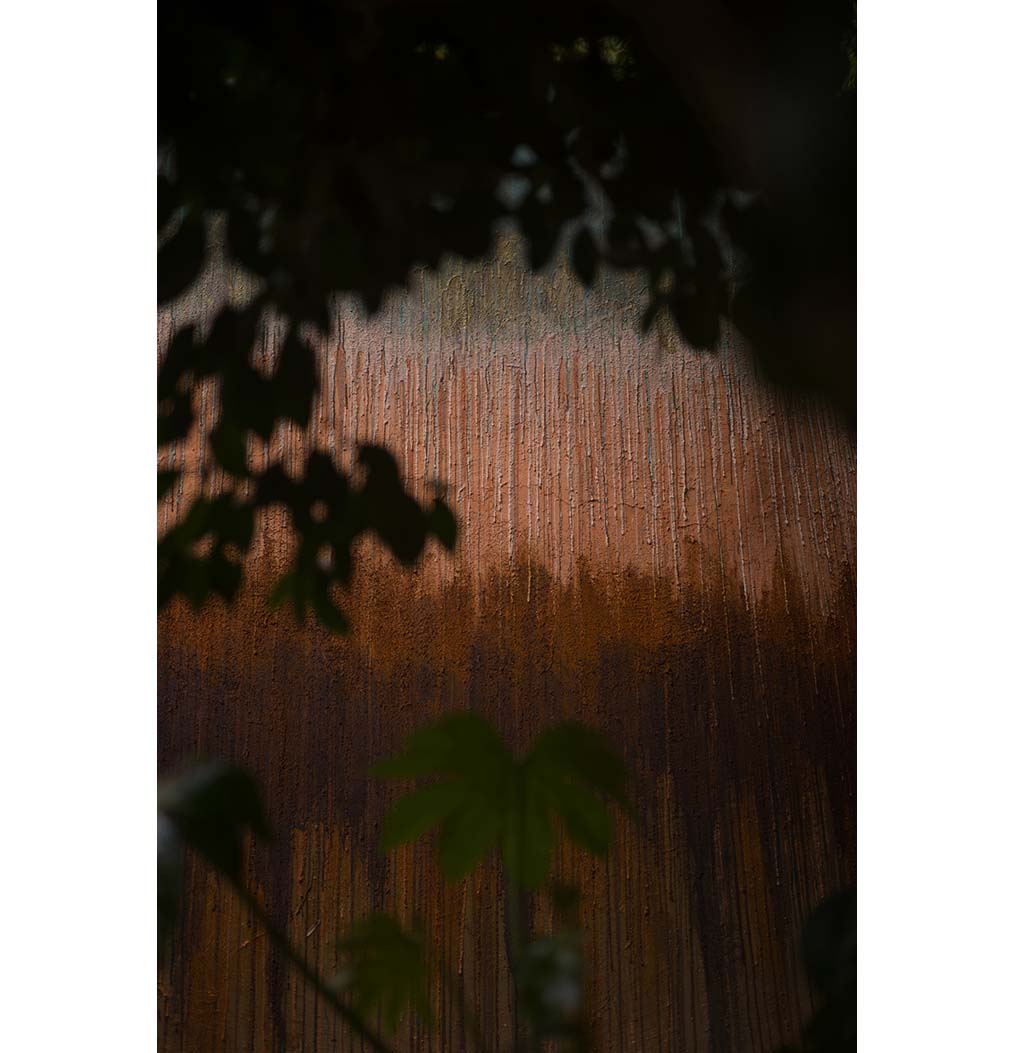
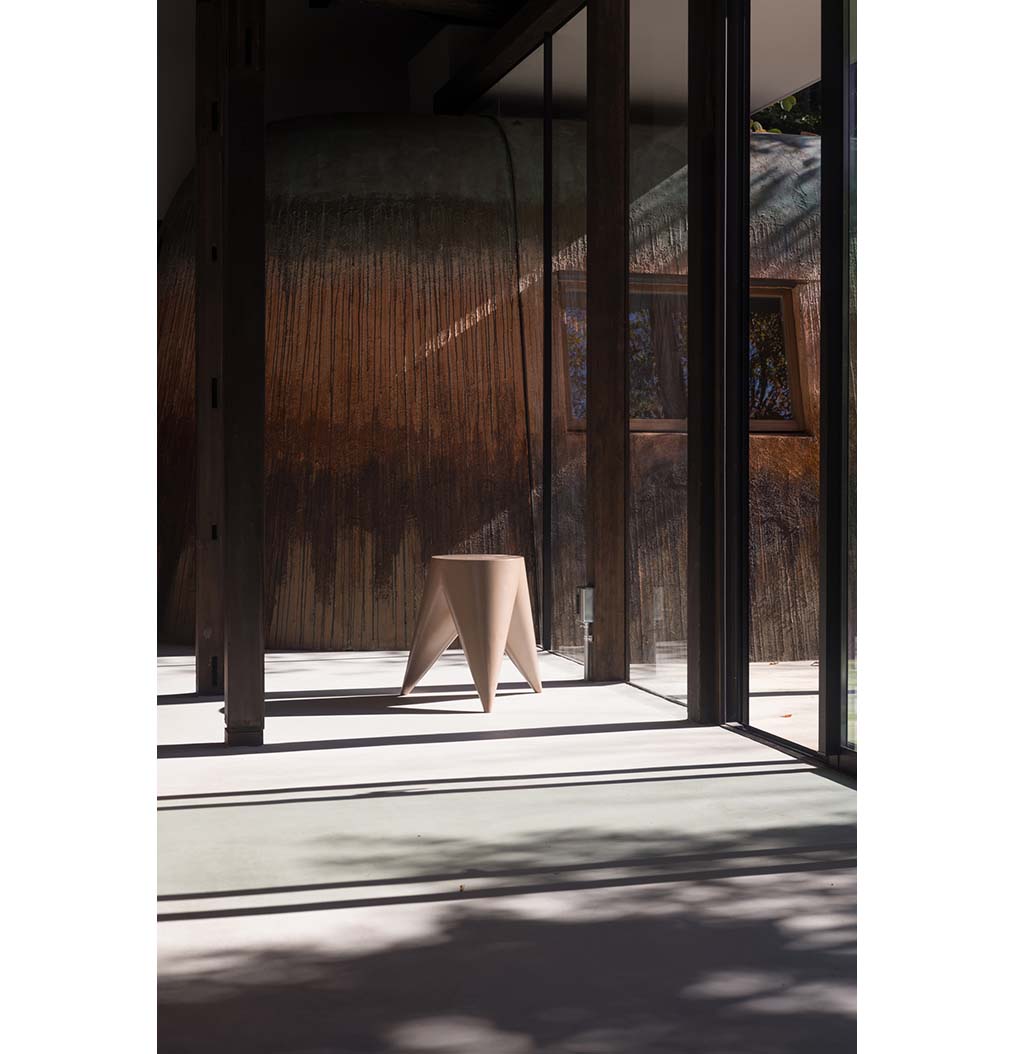
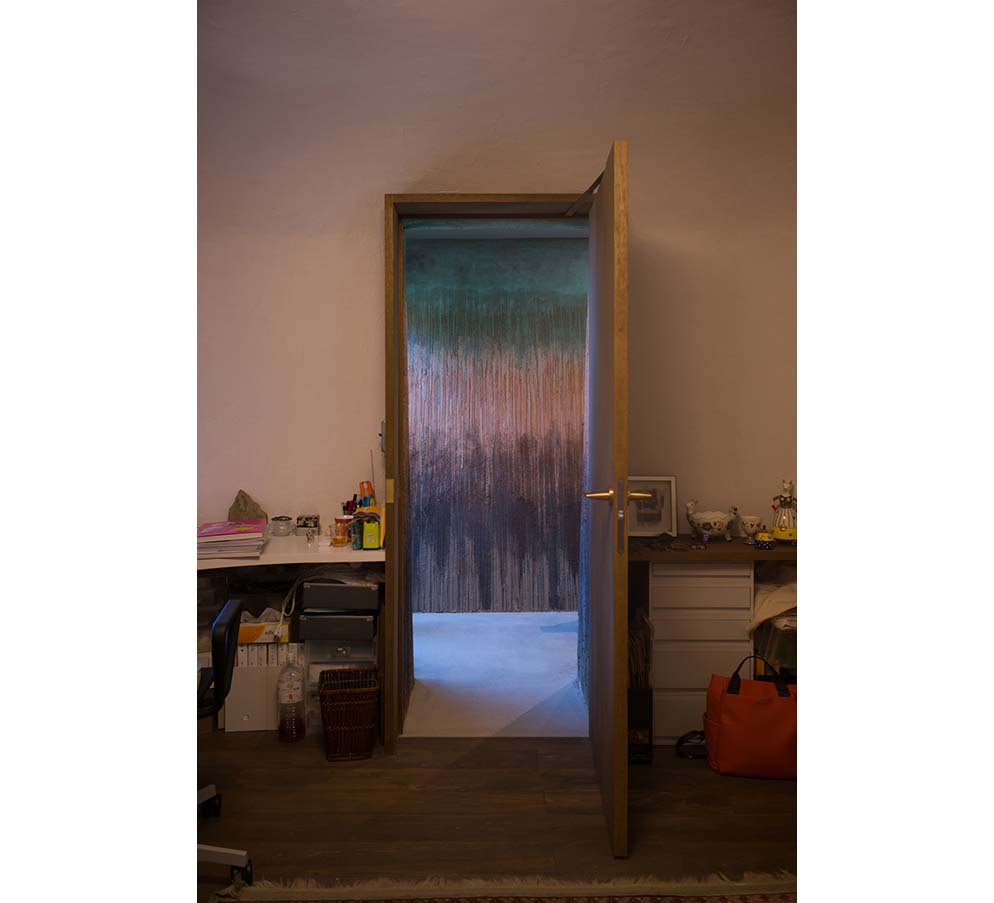
Material experimentation runs throughout the project. Clay-rich soil excavated on site was crushed and fired to be used as a finishing material, while discarded clay from ceramic production was bisque-fired and layered onto the walls. A plaster mixed with iron and copper powders was repeatedly poured over the exterior, and through oxidation, rust generates a shifting spectrum of colors from blue-green to brown and grey-green. The interior is also finished with rough plaster, forming a cave-like texture.
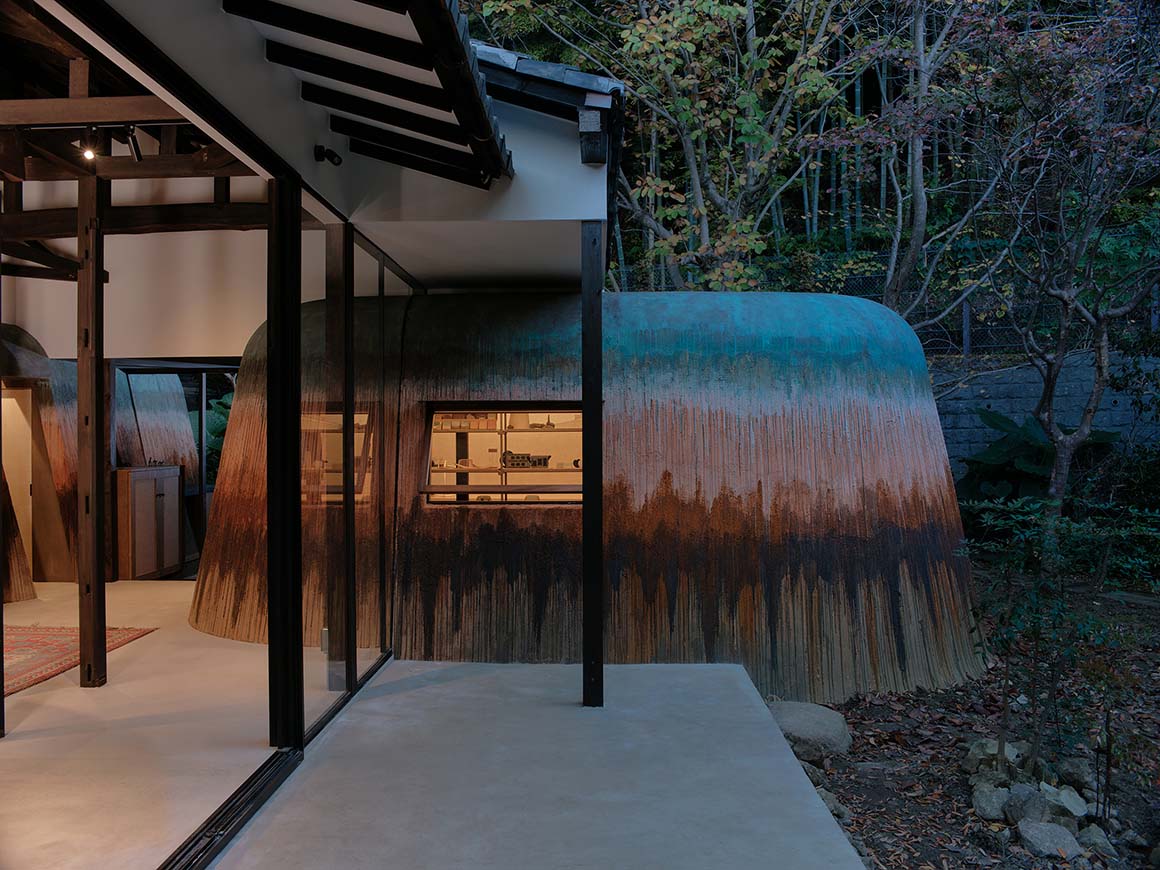
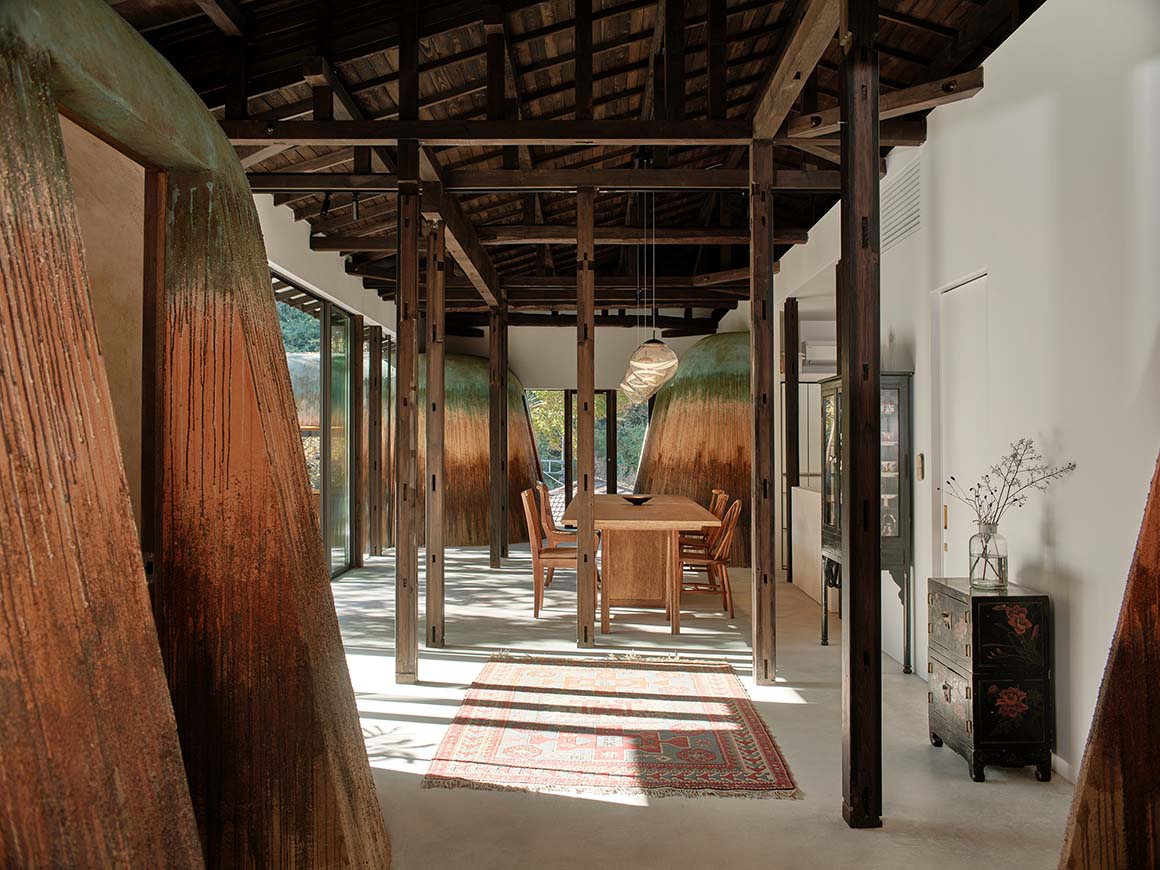
As in Japanese mythology, where Haniyasu is said to have been born from excrement, the house follows a cycle in which new material and space emerge from industrial and domestic waste. By actively incorporating techniques such as glaze pouring and the oxidation of metals, it embeds chance and the passage of time into the architecture. In this way, the overlap of craft, natural processes, and material transformation proposes a mode of living in which making and dwelling are not separated.

Project: Haniyasu House / Location: Kamakura, Kanagawa, Japan / Architect: AATISMO / Structural engineer: TECTONICA INC.,Mitsuhiro Kanada / Lighting adviser: DAISUKI LIGHT / Real Estate Consulting: Souzoukei Fudousan / Contractor: Yukari Construction / Plastering Supervisor: Imajo Sakan / Plastering Cooperation: Naoya Ago, Kanta Kajita, Kuya Yamamoto, Kirito Yaguchi, Koutaro Horibe, Taichi Kitamura, Yuzuki Kuribayashi, Yuzuka Kobayashi, Miyoshi Sugiyama, Katsura Tatsumoto, Hana Otani, Yasushi Degami / Furniture production: Sasaki Research Institute / Metalwork production: Studio Bead / Electrical materials provided: Panasonic BRIDGEHEAD / Use: residence / Site area: 544.80m² / Bldg. area: 132.07m² / Gross floor area: 132.07m² / Structure: wood / Completion: 2025 / Photograph: ©Shinya Sato (courtesy of the architect)

Tags: clayhouseJapanmetalrenovation


Related Posts

Japan

House in Fusato

Framing Landscape between Roof and Floor Slabs Studio Cochi Architects A house on a hill...

byc3editor
2026-08-08
Japan

Hiraya Pavilion

Rooted in the Ground Connecting Neighborhood and Nature YKAA The project began with a simple...

byc3editor
2026-08-03
Japan

Makino’s Roadside Station Sakawa

Flexible Timber Structured in Coexistence with the Forest Ecosystem Wakatake Town Planning Research Institute +...

byc3editor
2026-07-20
Japan

The Westin Miyako Kyoto Chapel Renovation

Highlighting the Beauty of the Shadows and Gradations KATORI archi+design associates The wedding chapel of...

byc3editor
2026-07-11
Japan

Hotel Siro

Exterior Stairs and Hallways Open towards the City Mount Fuji Architects Studio The Hotel Siro...

byc3editor
2026-07-04
Japan

Koenji Office Building

A Multi-Layered Platform Accommodating Diverse Relationships on a Small Plot SO&CO. Urban densification increasingly pushes...

byc3editor
2026-06-29
Next Post

Space Guy Môquet

  • About C3
  • Advertising
C3GLOBE

© All rights reserved. K-ARCHITECTURE | 18 GongHangDaeRo 2Gil GangSeo-gu Seoul 07622 Korea | Tel_+82 2 2661 1513 | Email_editorial@c3globe.com

Welcome Back!

Login to your account below

Forgotten Password?

Retrieve your password

Please enter your username or email address to reset your password.

Log In

Add New Playlist

No Result
View All Result
  • Latest
  • Architecture
    • Asia
    • China
    • Japan
    • Korea
    • World
  • Competitions
    • Call for Entries
    • Results
  • News
  • —
  • About C3
  • Advertising

© All rights reserved. K-ARCHITECTURE | 18 GongHangDaeRo 2Gil GangSeo-gu Seoul 07622 Korea | Tel_+82 2 2661 1513 | Email_editorial@c3globe.com