


The Axis of the Landscape as Spatial Order
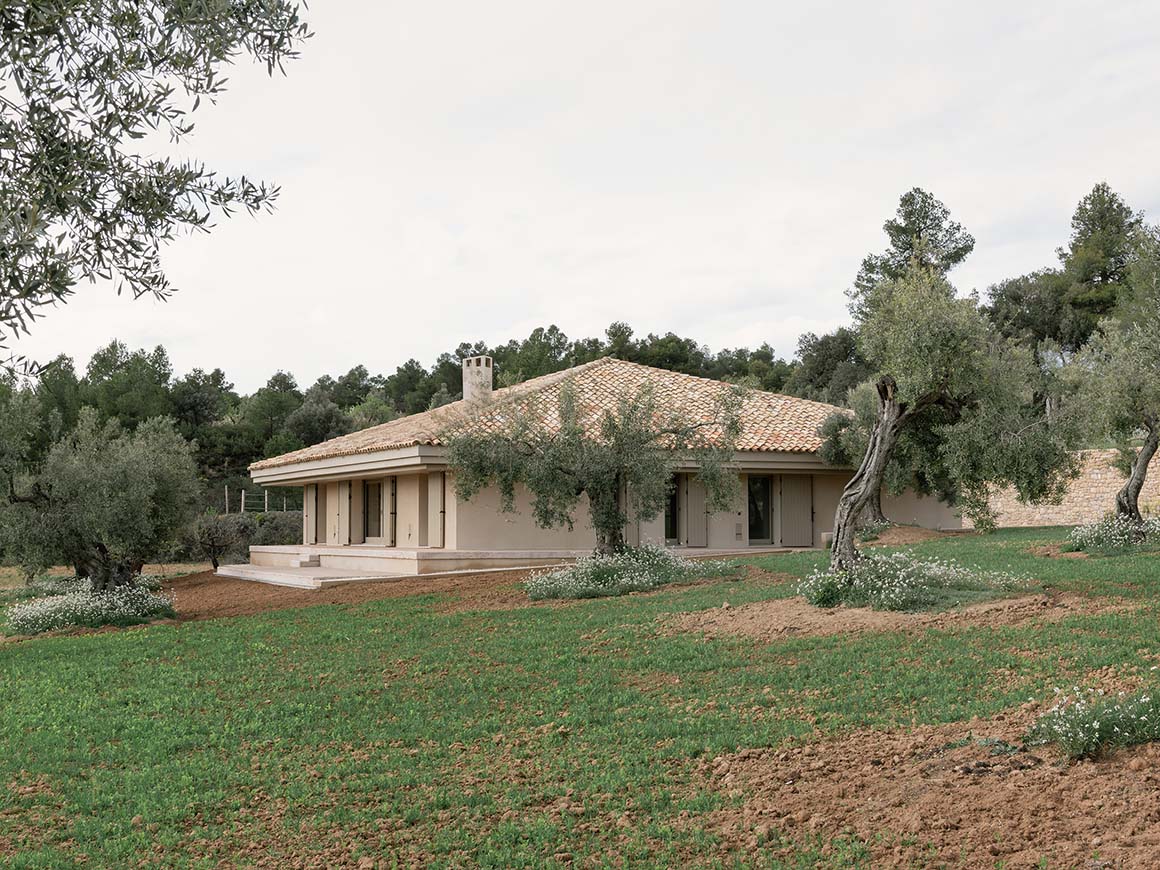
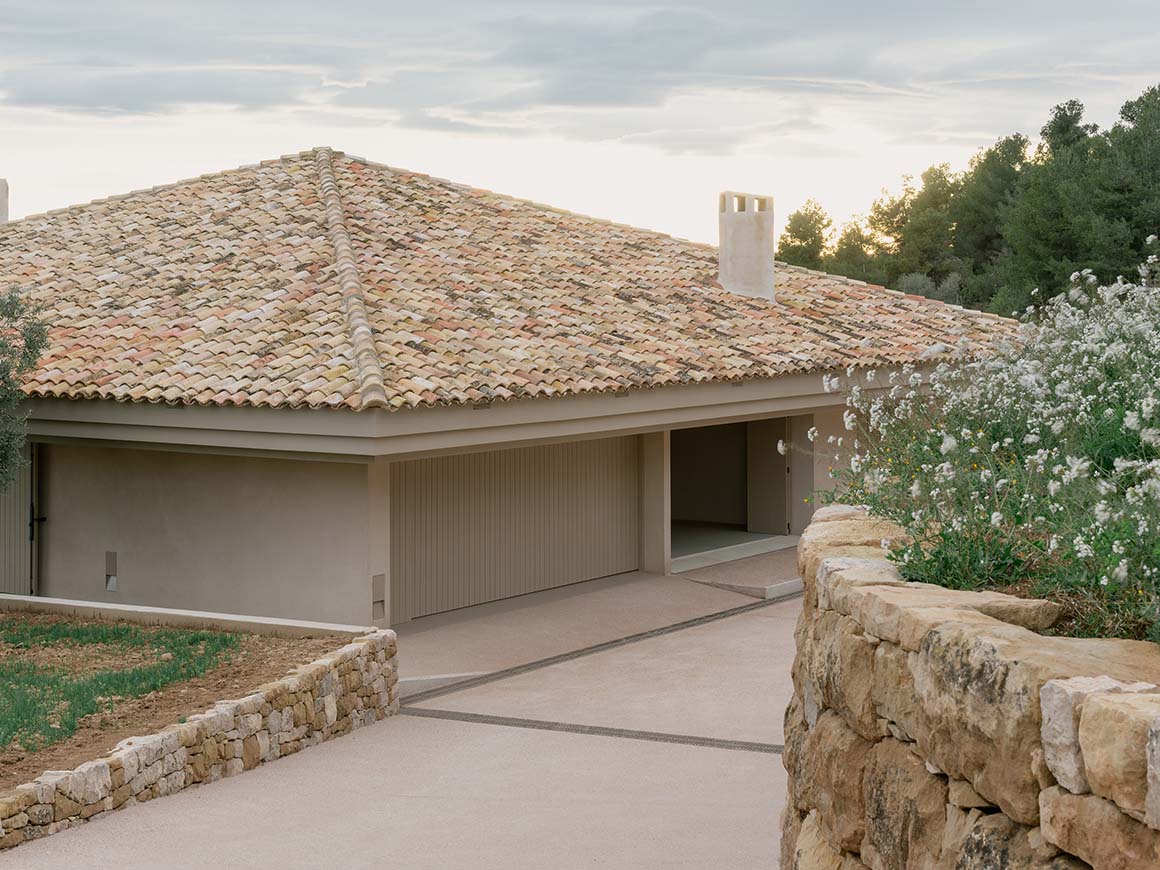
Valderrobres, a beautiful rural town often referred to as the “Tuscany of Spain,” features a new private residence nestled within a serene landscape of olive groves and vineyards. With its restrained form and natural materials, the house sheds the impression of an artificial structure; it is a modest home where a humble attitude toward nature is embedded in every detail.
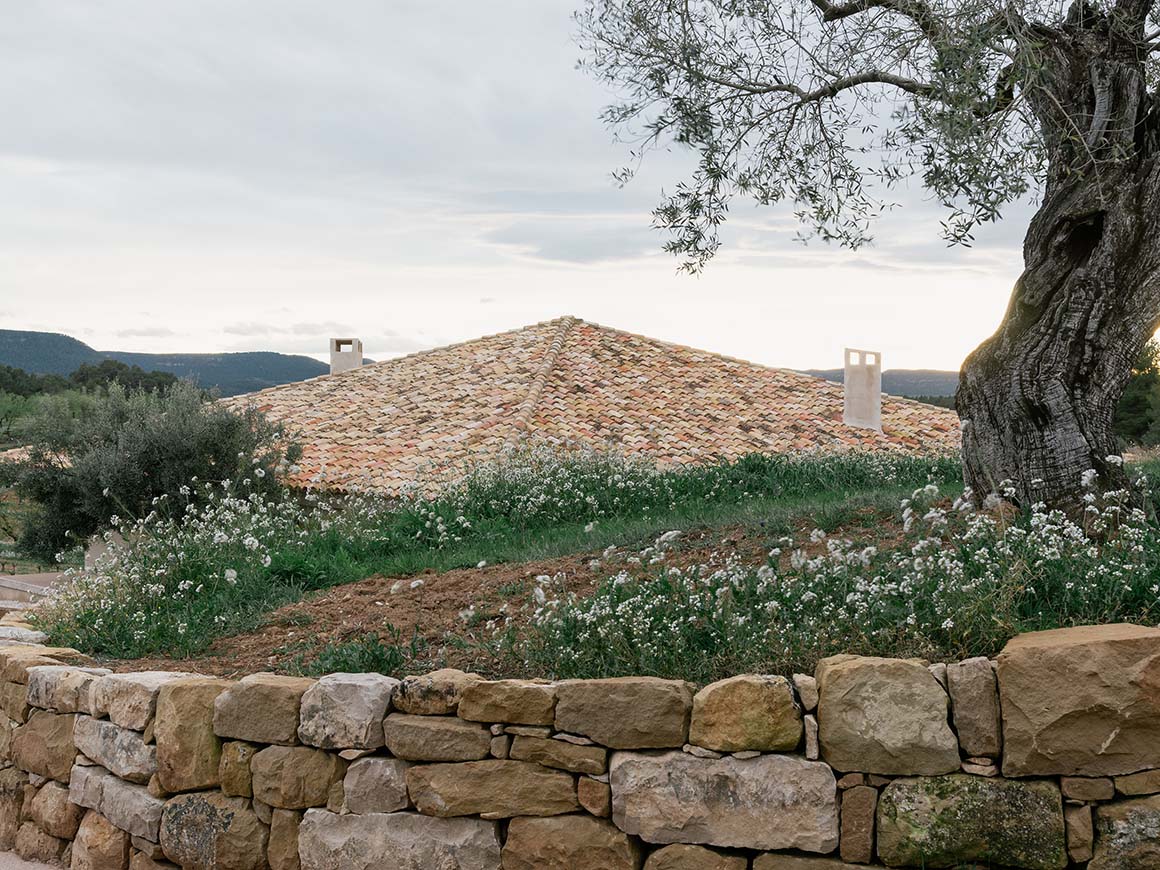
Behind the site, a gentle hill stands as a backdrop, while a vast vineyard unfolds in front. The house rests composedly between these two landscapes. Its low, horizontal profile does not obstruct the view but blends naturally with the surroundings, and the interior space is organized around a central axis that follows this landscape flow.
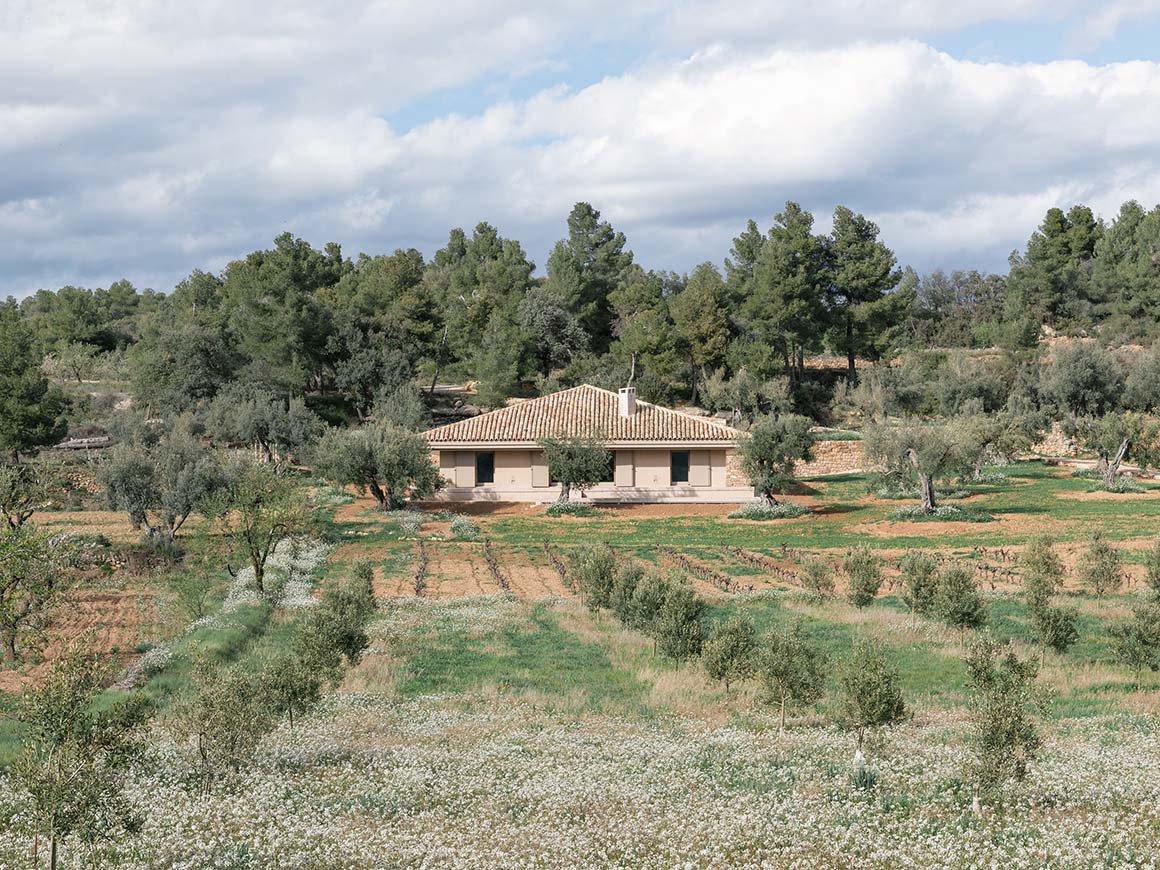
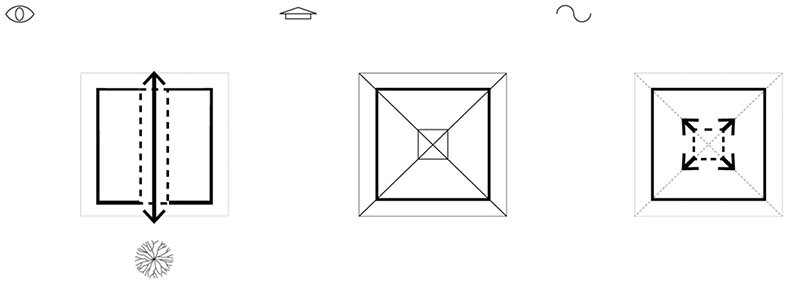
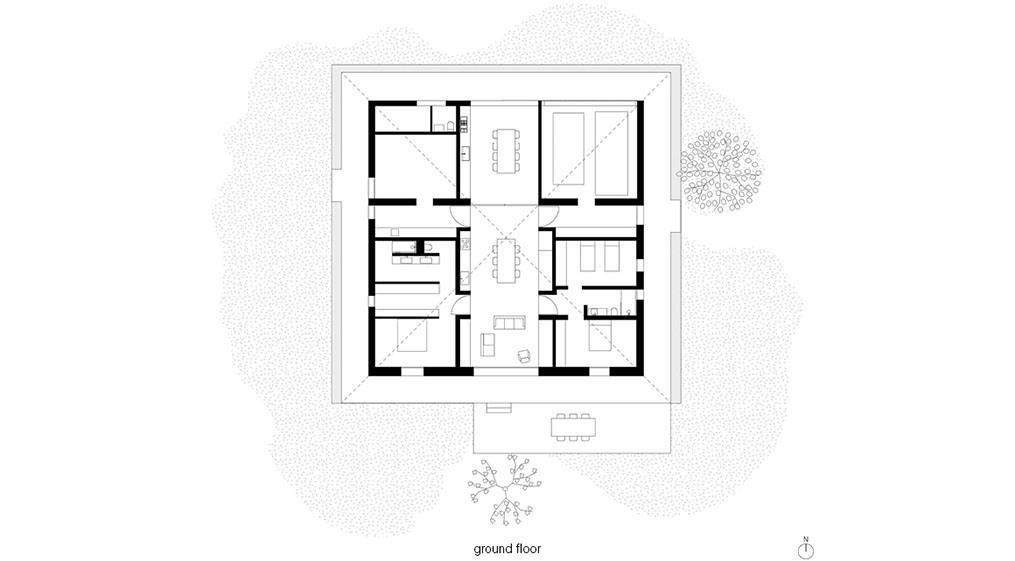
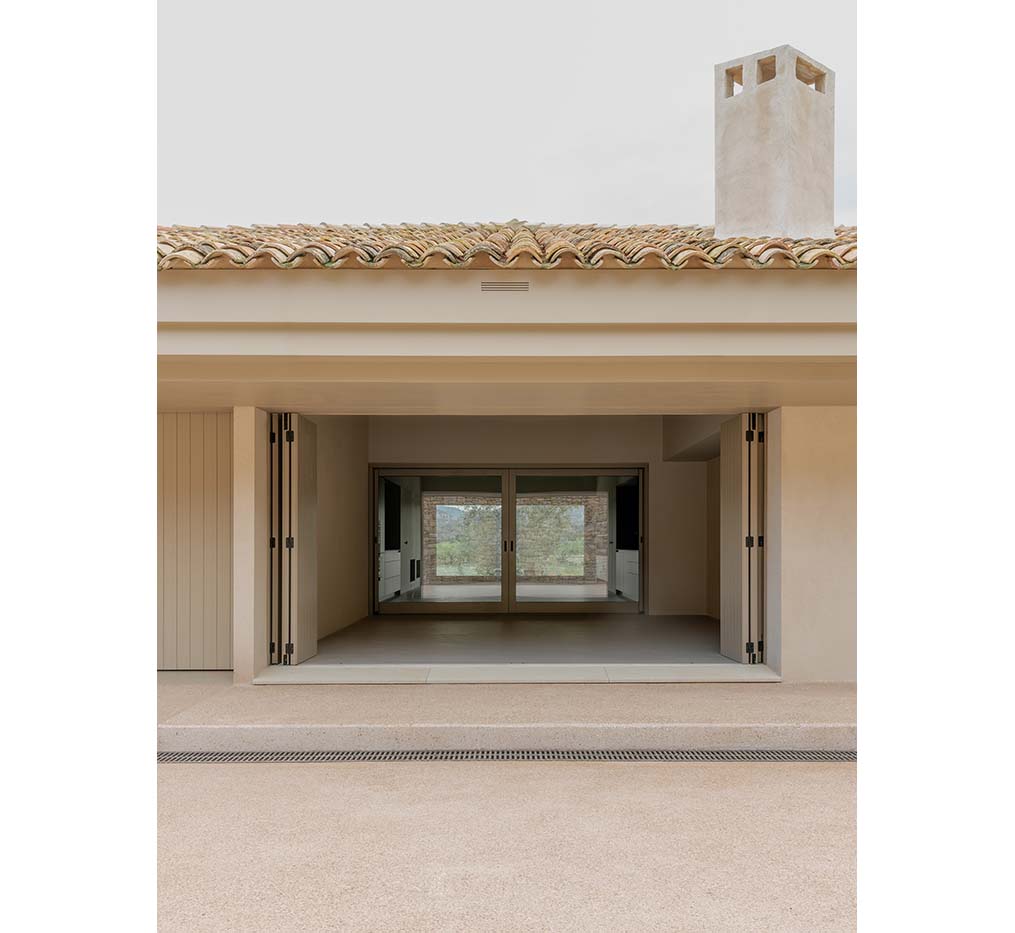
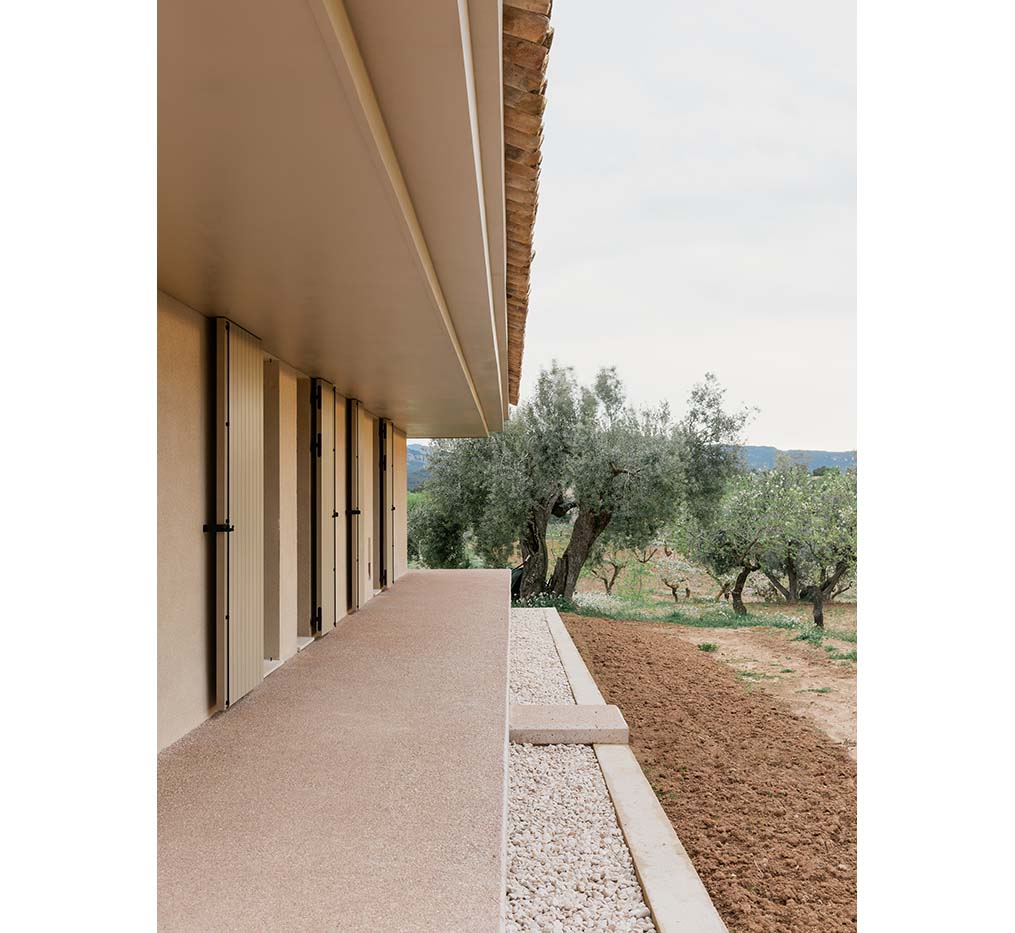
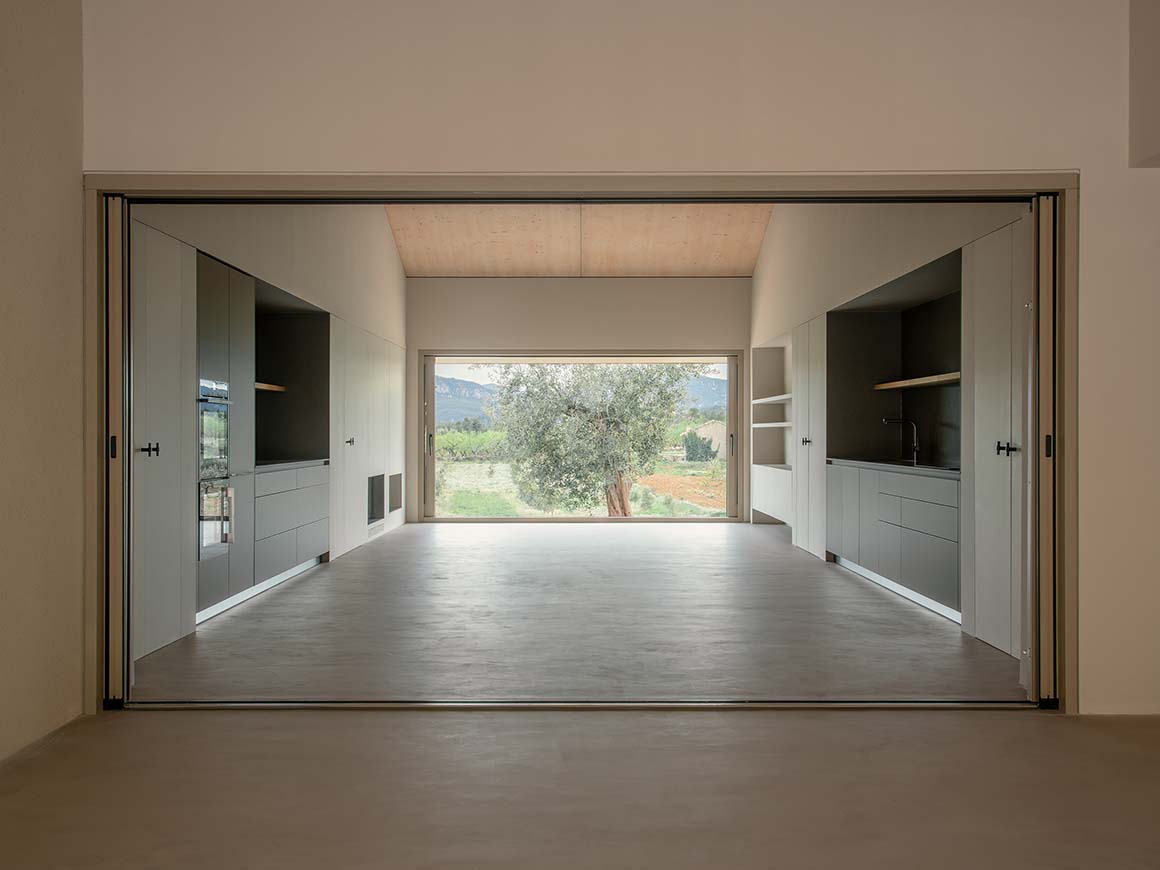
This central axis serves as the main circulation spine, stretching from the entrance to the garden, naturally drawing the stillness of the hill and the vibrancy of the vineyards into the house. In particular, when the doors of the central living room are opened wide, the boundary between inside and outside vanishes, and the house becomes a true extension of the landscape.
The square plan is organized into three distinct zones based on this axis: a private suite to the west, a guest wing to the east, and a shared central area containing the kitchen and living space. While each zone is clearly defined, they are flexibly connected through the central circulation.
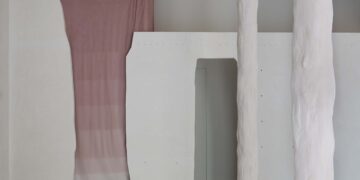
The material palette stems from this same philosophy. Natural elements such as lime plaster, untreated wood, and locally sourced stone age gracefully, deepening their harmony with the surrounding landscape over time. These materials not only reinforce the connection to the place but also serve as key elements in creating a warm and serene interior atmosphere.

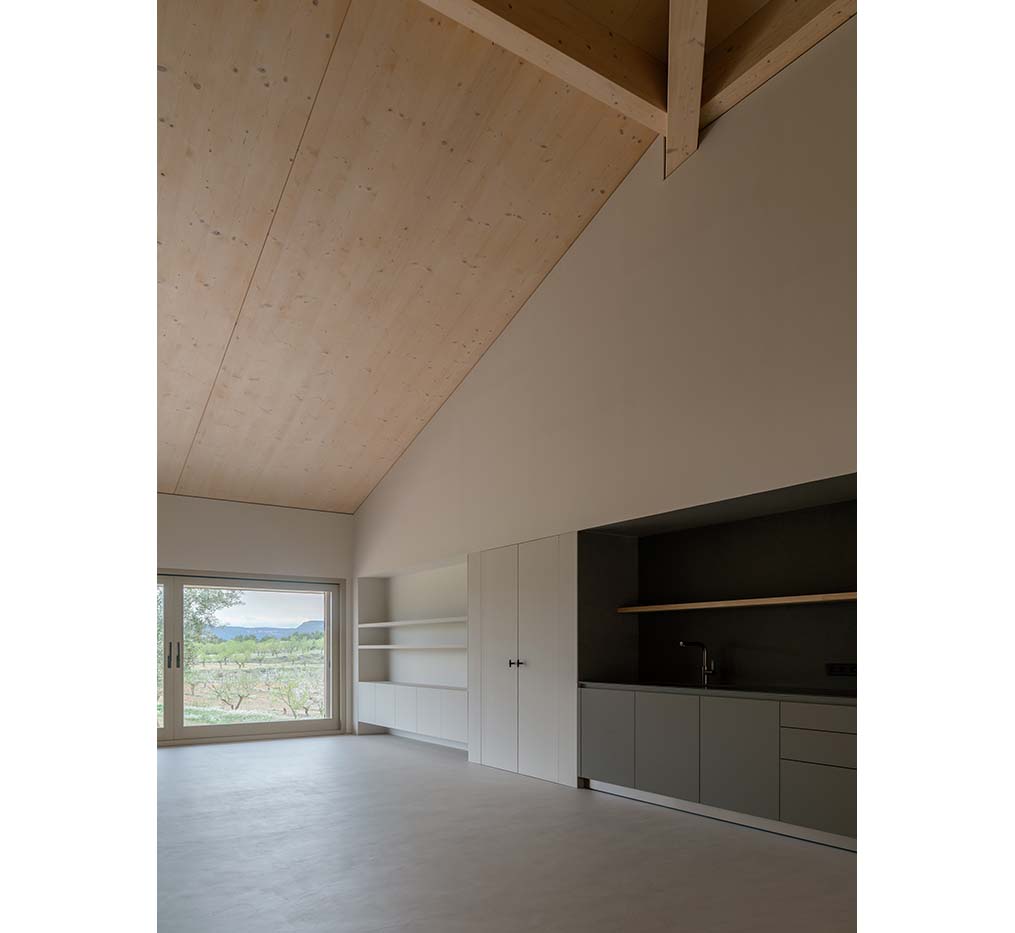
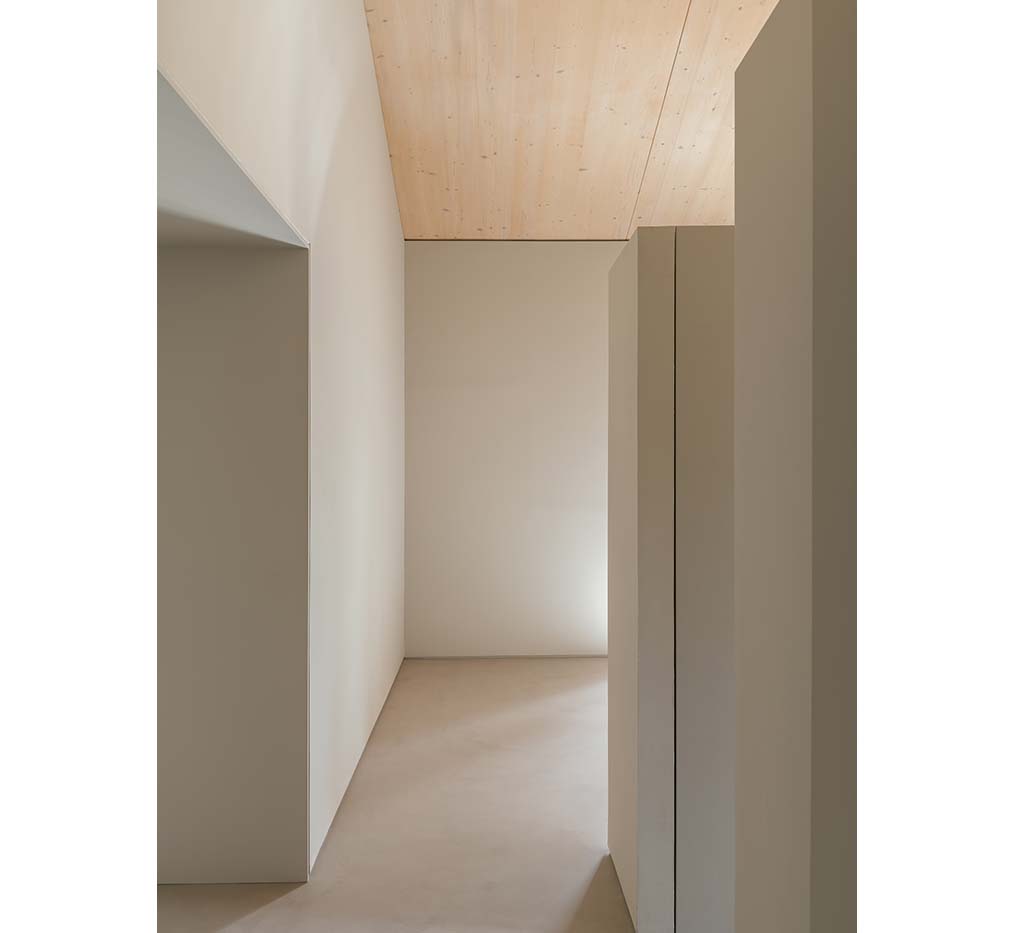
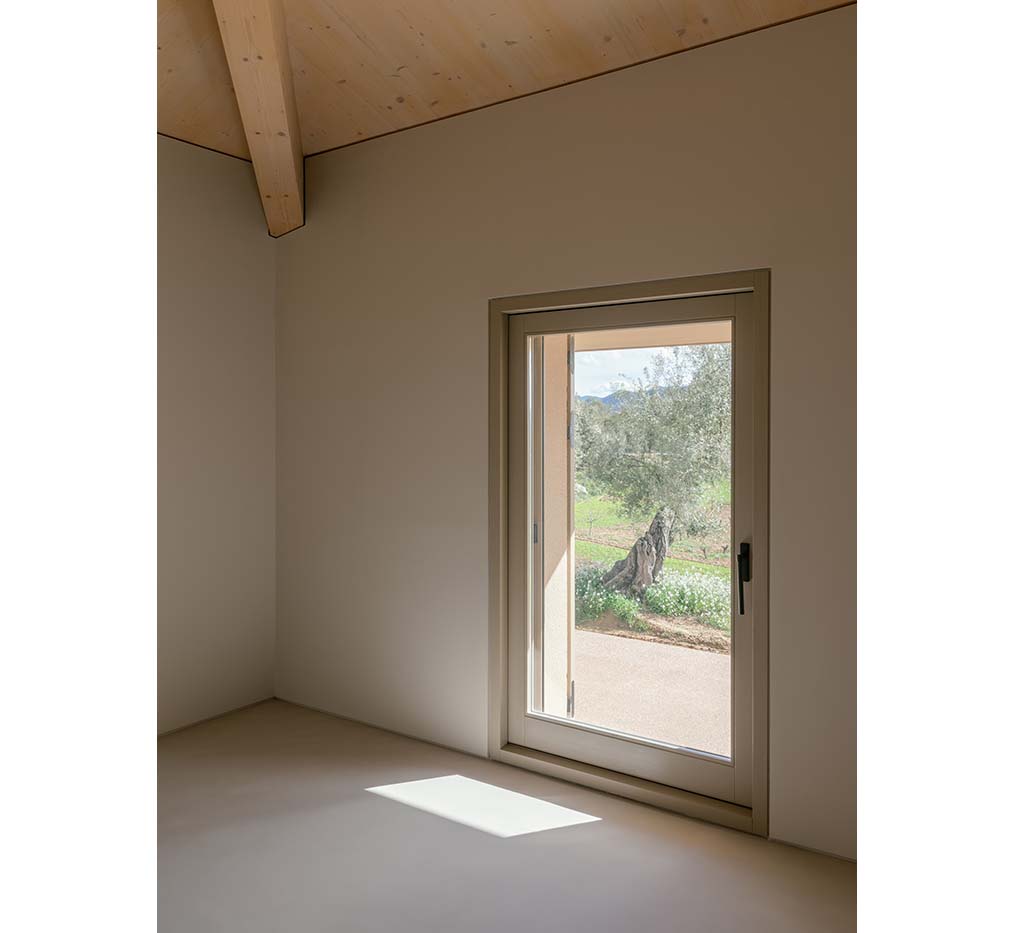
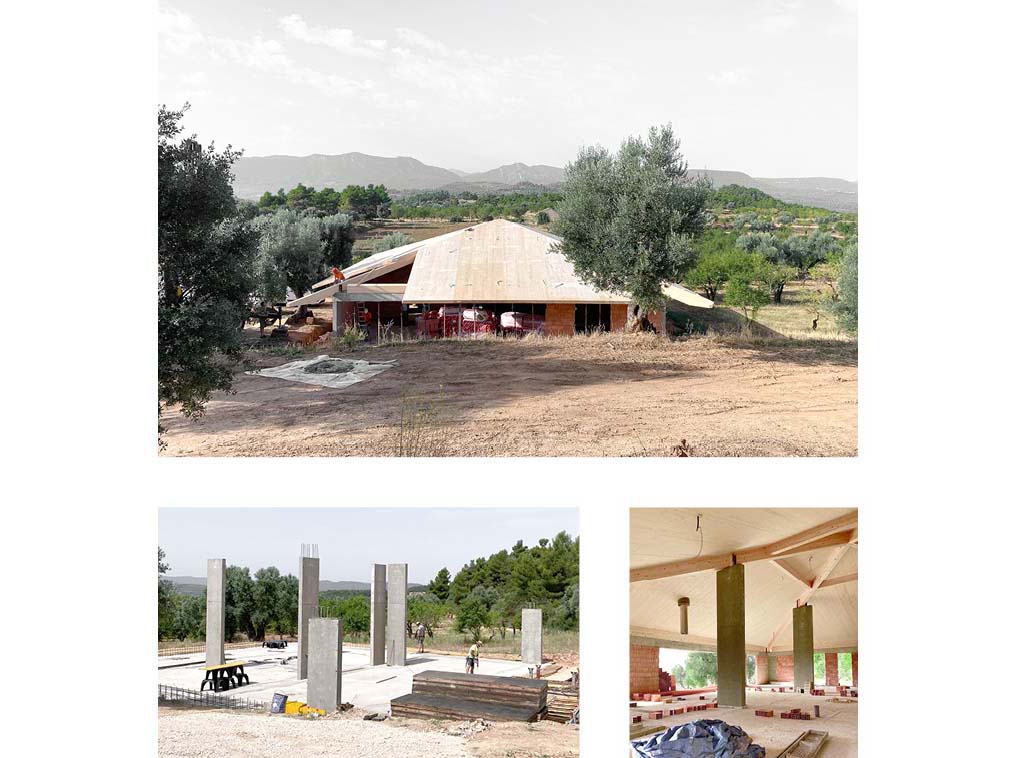
Structurally, the house combines reinforced concrete with lightweight interior partitions to ensure spatial flexibility. Passive environmental strategies—such as careful solar orientation, cross-ventilation, and deep overhangs—maintain comfortable indoor conditions throughout the year with minimal energy consumption.
Despite the openness of the site, the house maintains a sense of shelter and quiet, thanks to the surrounding native vegetation. These plants softly embrace the house, framing views, shielding it from external sightlines, and anchoring the building as an integral part of the land. Ultimately, through its modest form and careful materiality, this house quietly testifies to the essence of a contemporary residence rooted in its landscape. It demonstrates that architecture is more than just an act of construction; it is a process of becoming part of the scenery and allowing the building to gradually recede into its environment.
Project: EF House / Location: Valderrobres, Teruel, Spain / Architect: MDBA architects (Maria Díaz) / Project team: Iosune Martin, Sofia Simioni, Oana Birovescu, Daniela Pisingerová, Agata Komecka / Use: house / Site area: 12,721m2 / Gross floor area: 254.23m2 / Completion: 2025 / Photograph: ©Simone Marcolin (courtesy of the architect)