


Minimal Interventions under the Interpretation of the Spatial Order and Structural Logic
td-Atelier + ENDO SHOJIRO DESIGN
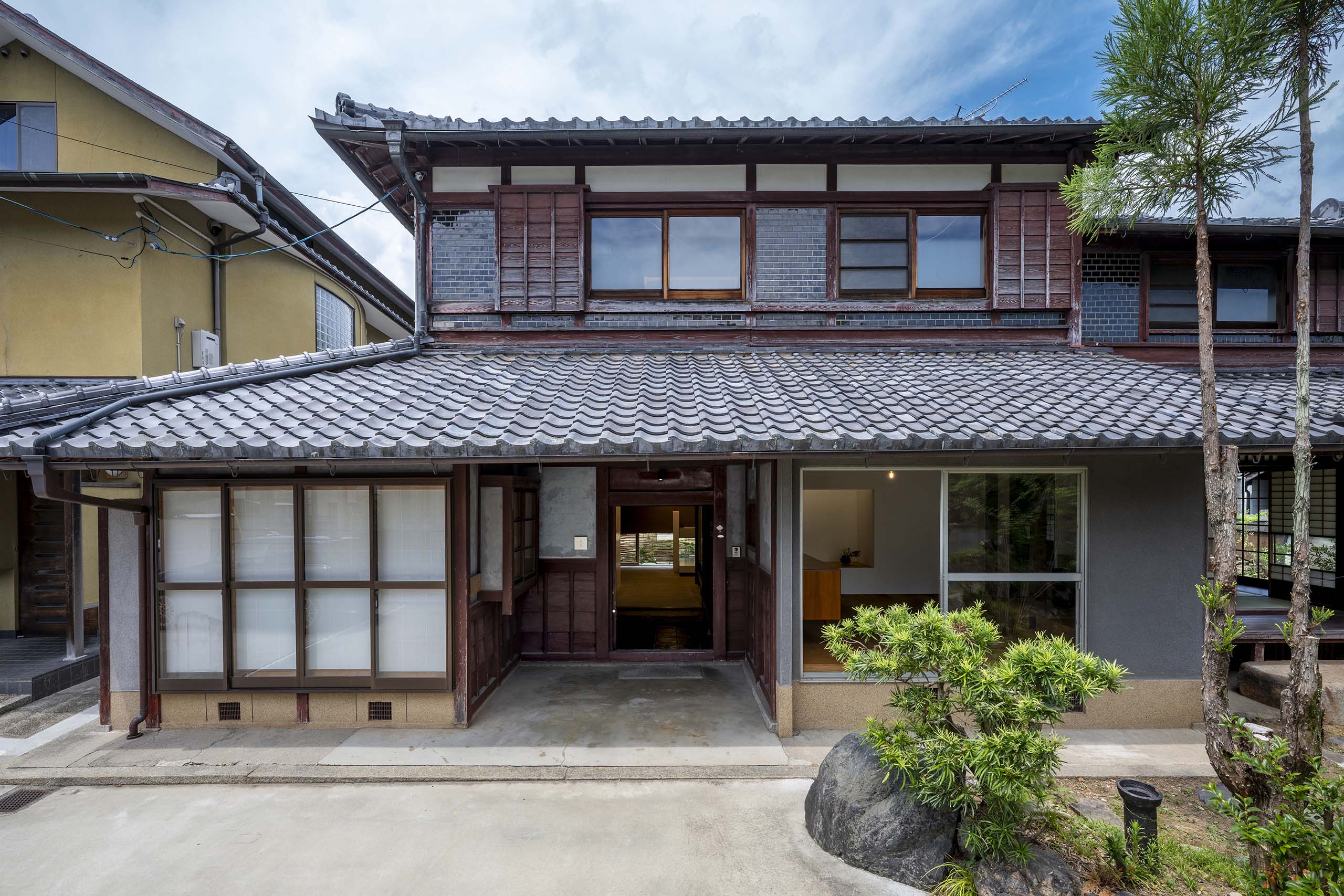
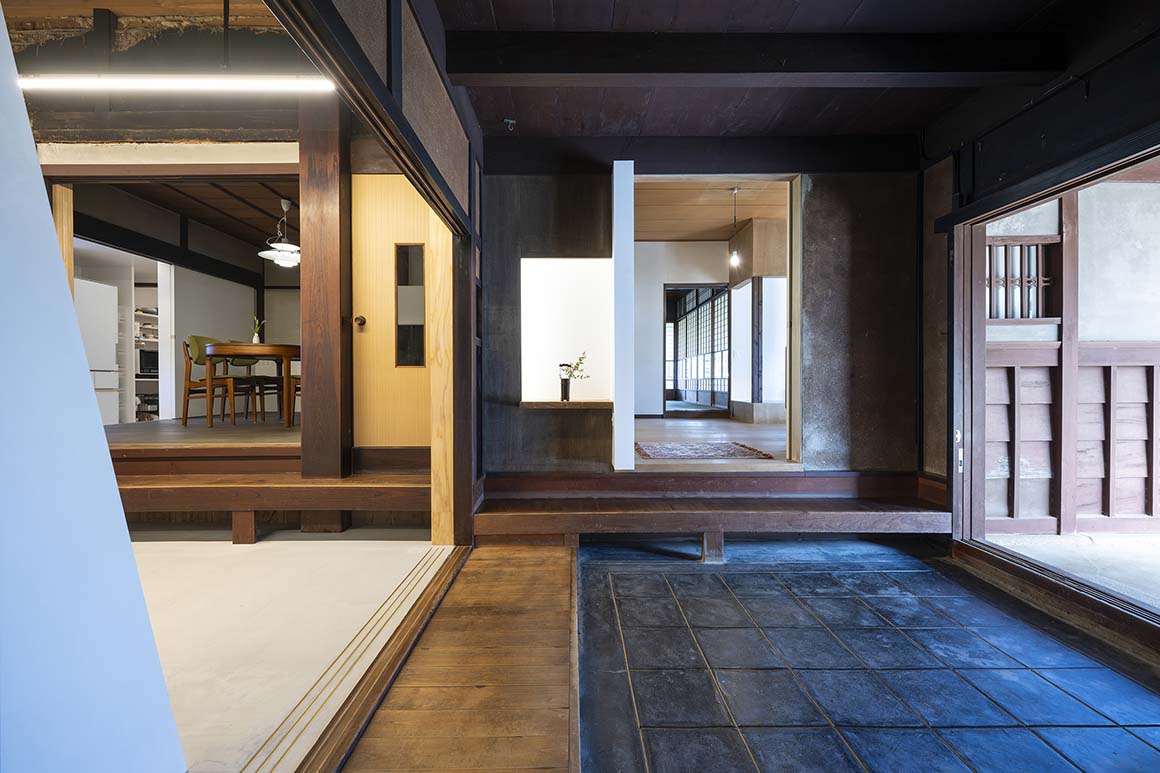
A traditional house in Iwakura, a northern district of Kyoto, has been transformed into a renewed living environment. New volumes are inserted into the earthen-floor space, while white walls and concrete flooring are introduced within the existing timber structure. Linear lighting runs through the elongated doma, illuminating the interior.
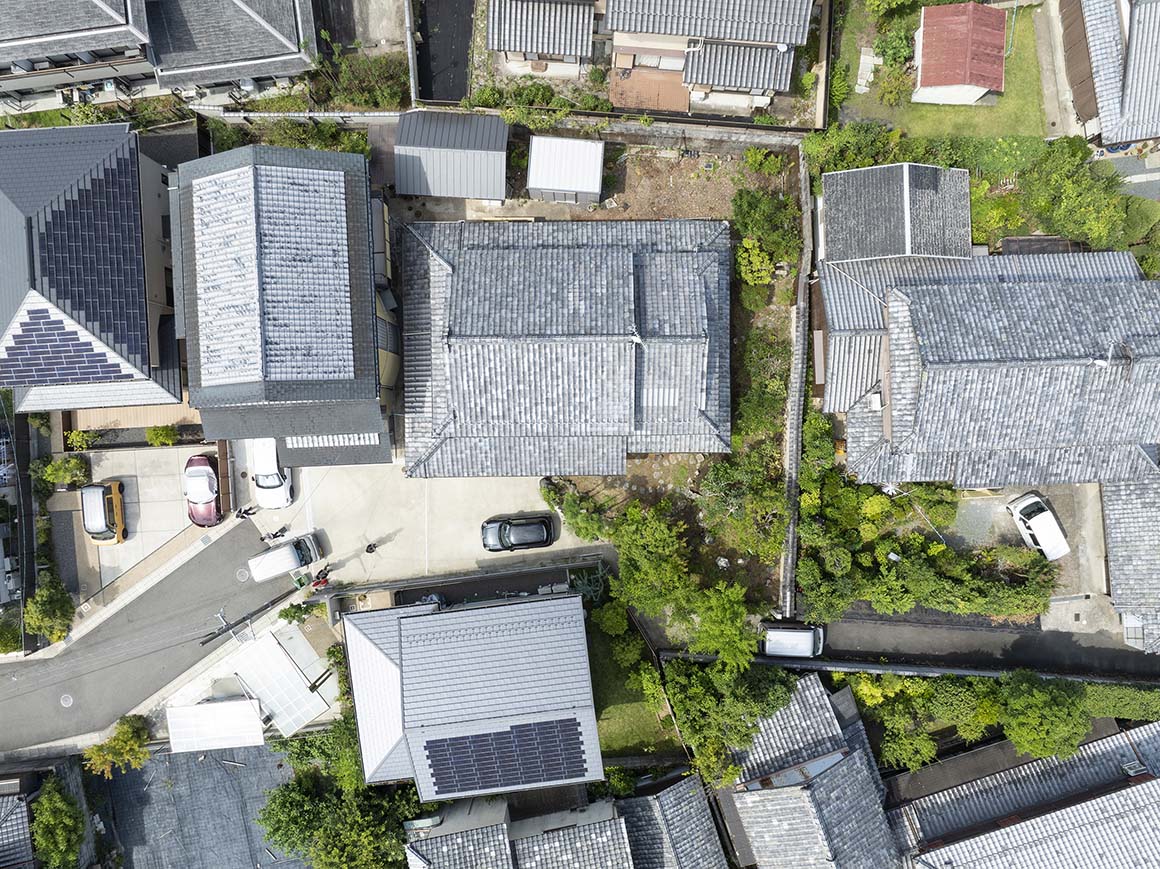
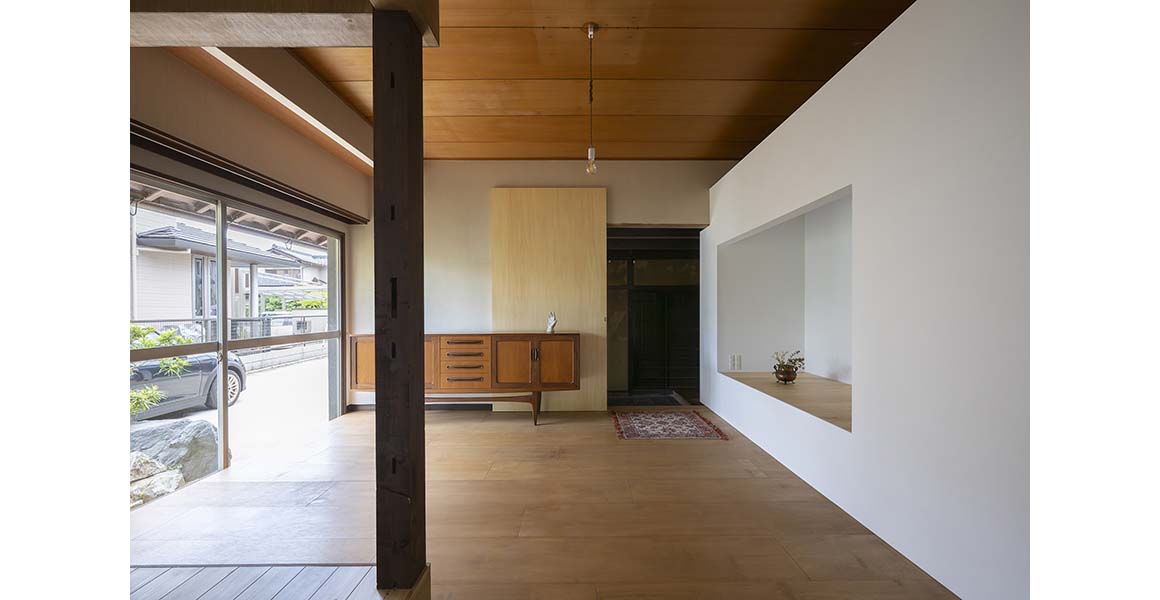
Archival research and architectural surveys confirmed that the house follows the typology of the “Iwakura-type house,” characterized by a linear doma running north to south with rooms arranged along both sides. Based on its heavy timber structure and spatial organization, the house is presumed to date from the late Edo to Meiji period. Evidence of extensions and alterations from the 1970s was also identified. Rather than erasing these historical layers, the design preserves the existing order and architectural character of the house. Lost elements were restored, while later additions that remained integral to the spatial organization were retained. New interventions were introduced with restraint so that different periods could coexist within a single environment.
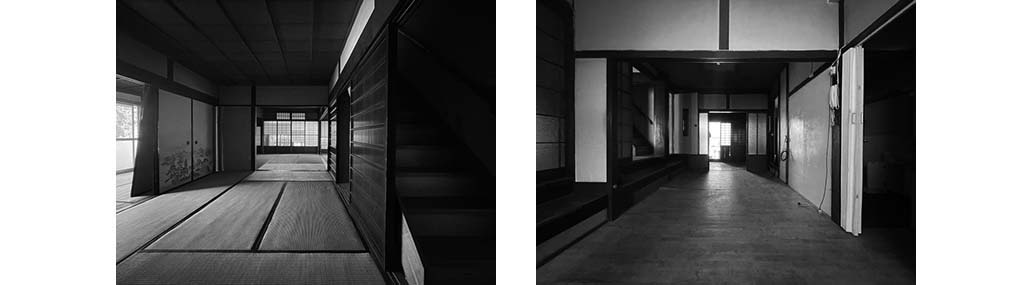
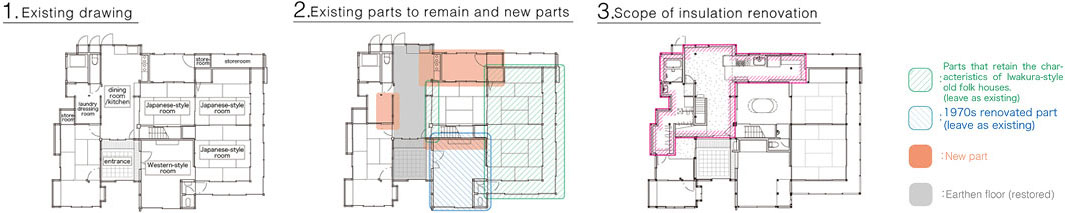
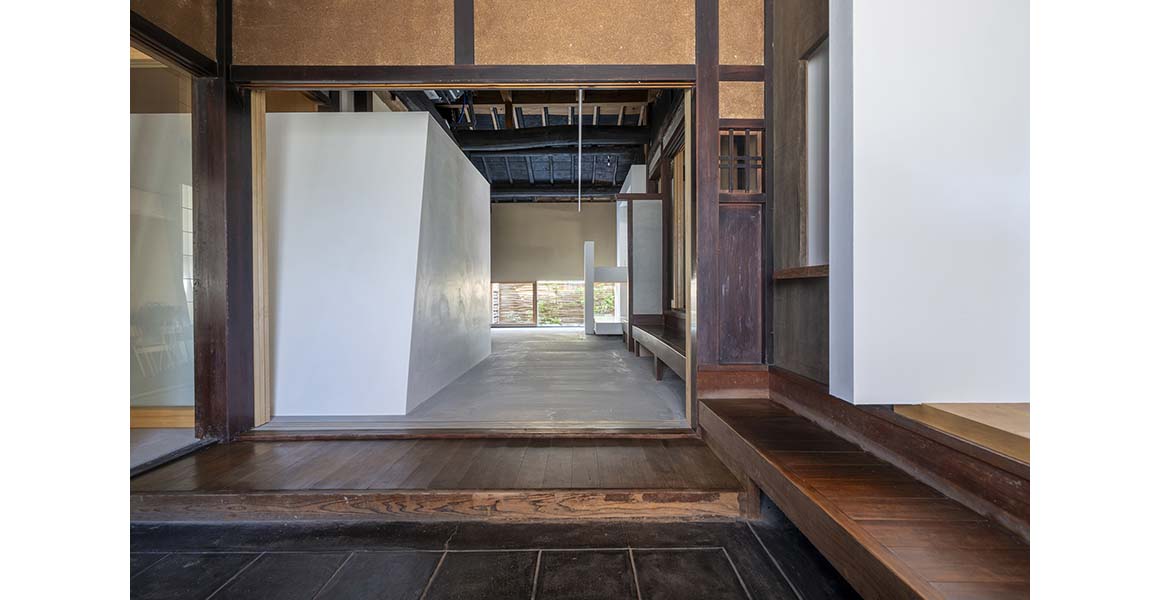
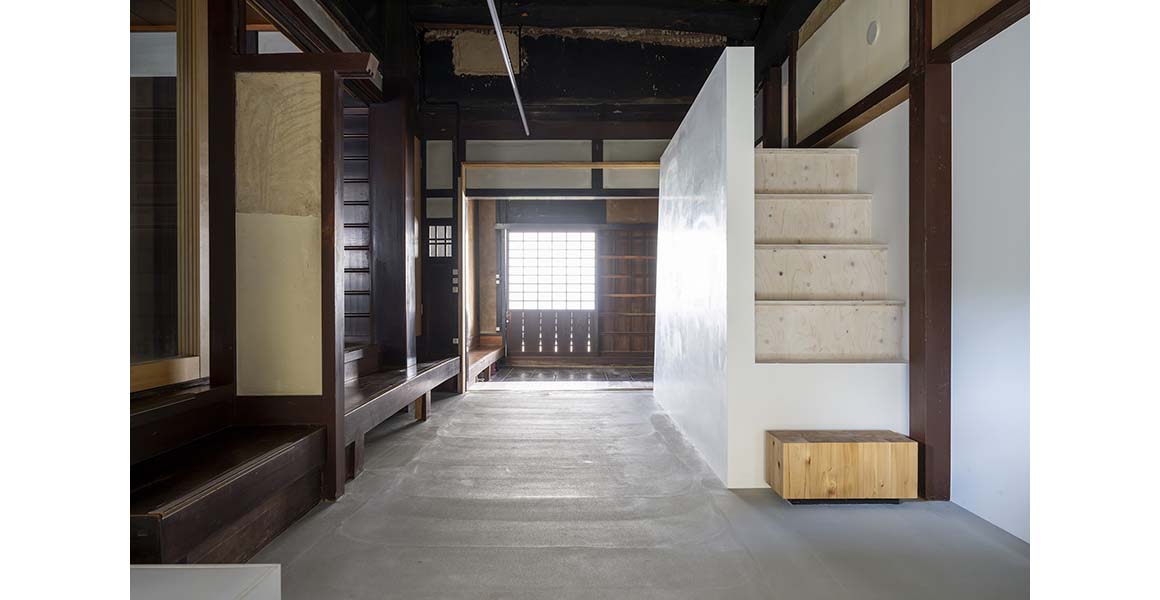
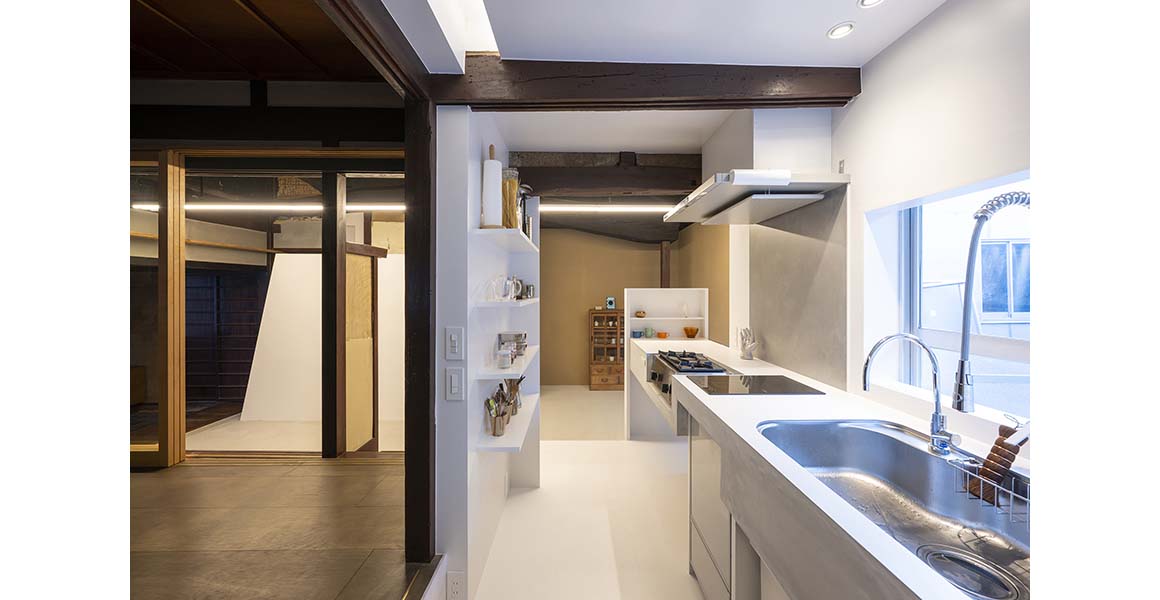
Tatami rooms and traditional Japanese spaces were repaired with minimal intervention, while the renovation focused on modernizing the kitchen and wet areas organized around the doma. During earlier renovations, the doma had been covered with plywood flooring; here it was restored as an earthen floor, while insulation improvements in the surrounding spaces enhanced the overall living environment.
Three small volumes were inserted into the elongated doma space. Each creates a different sense of scale and place within the continuous interior, introducing a new spatial rhythm. One of them, called the “observation platform,” has no fixed function. It serves both as a play area for the child and as a place to closely experience the timber structure. By slightly lifting the body off the ground, it also offers a new way of perceiving the interior landscape of the house.
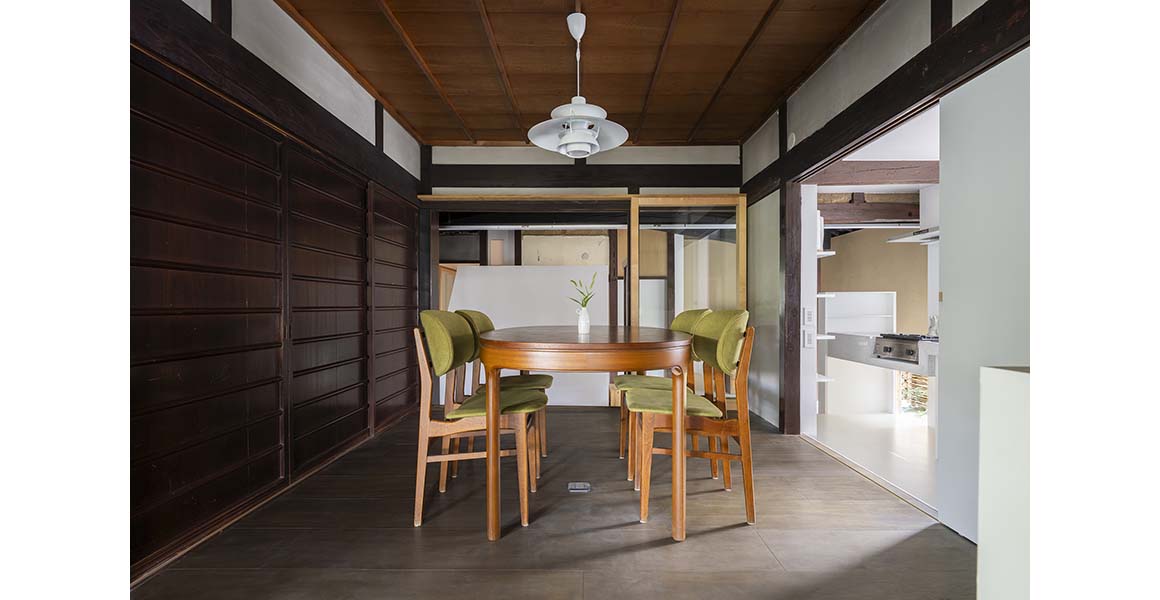
Inside, blackened timber members contrast sharply with bright new walls. Existing columns and beams remain exposed while contemporary elements are layered among them, allowing different eras to appear side by side. In particular, the mezzanine platform inserted beneath the high ceiling creates the impression of an abstract space nested within the original structure.
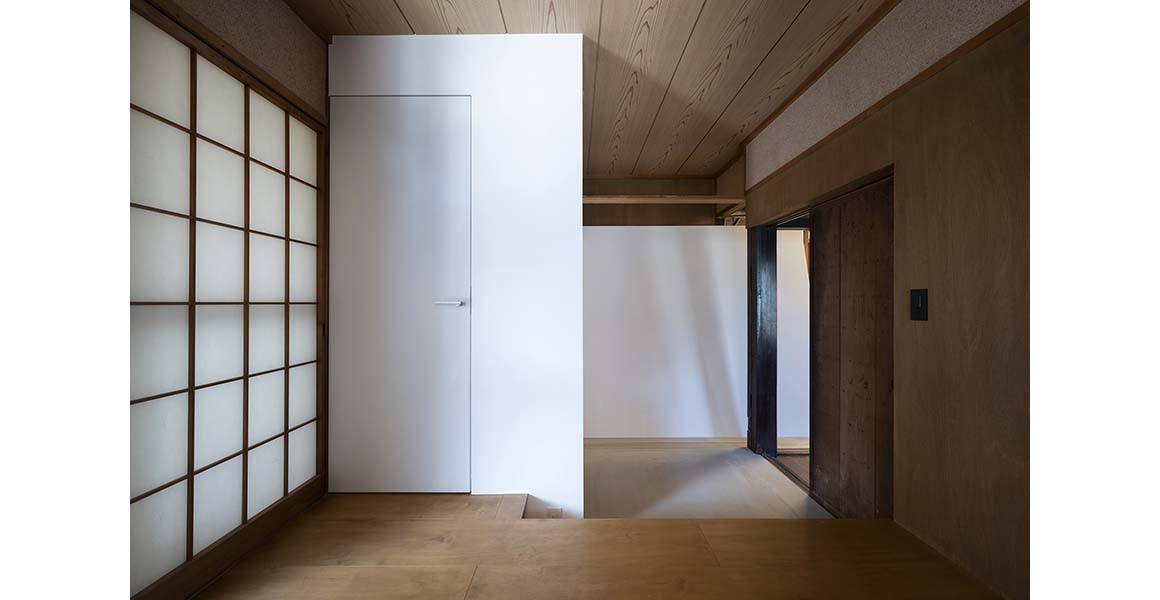
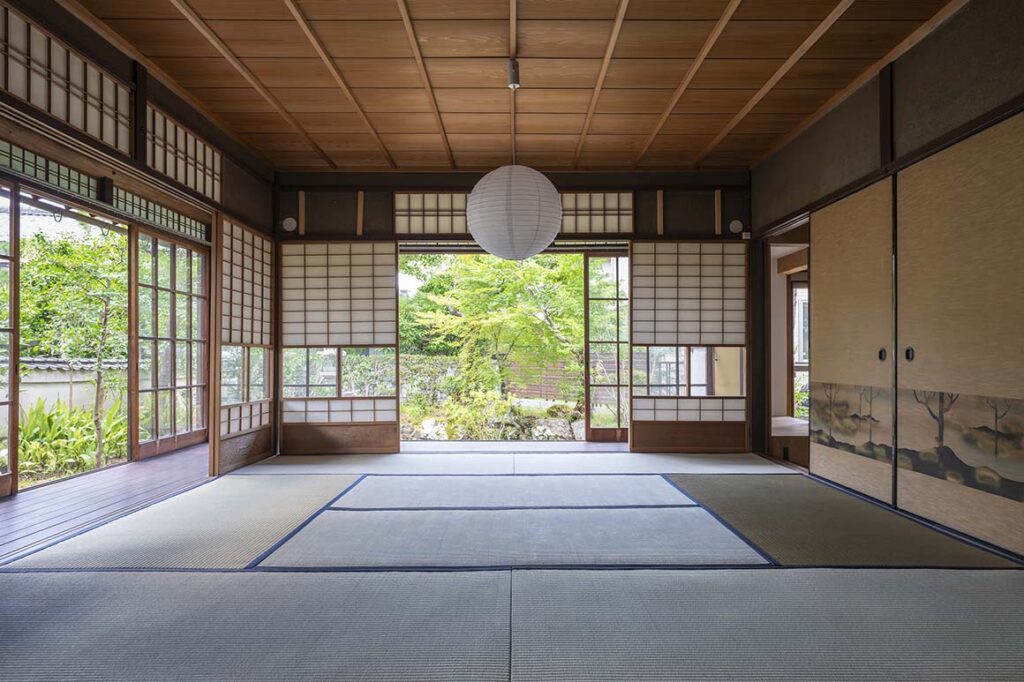
The tatami rooms facing the garden were treated more conservatively. Traditional elements such as shoji and fusuma sliding screens, timber ceilings, and the tokonoma alcove were preserved to maintain the atmosphere and spatial character of the house. The inner courtyard draws light and air deep into the interior, continuing the environmental strategies of the traditional house. By contrast, the kitchen and dining spaces adopt contemporary materials and fixtures while remaining carefully integrated with the exposed timber frame.
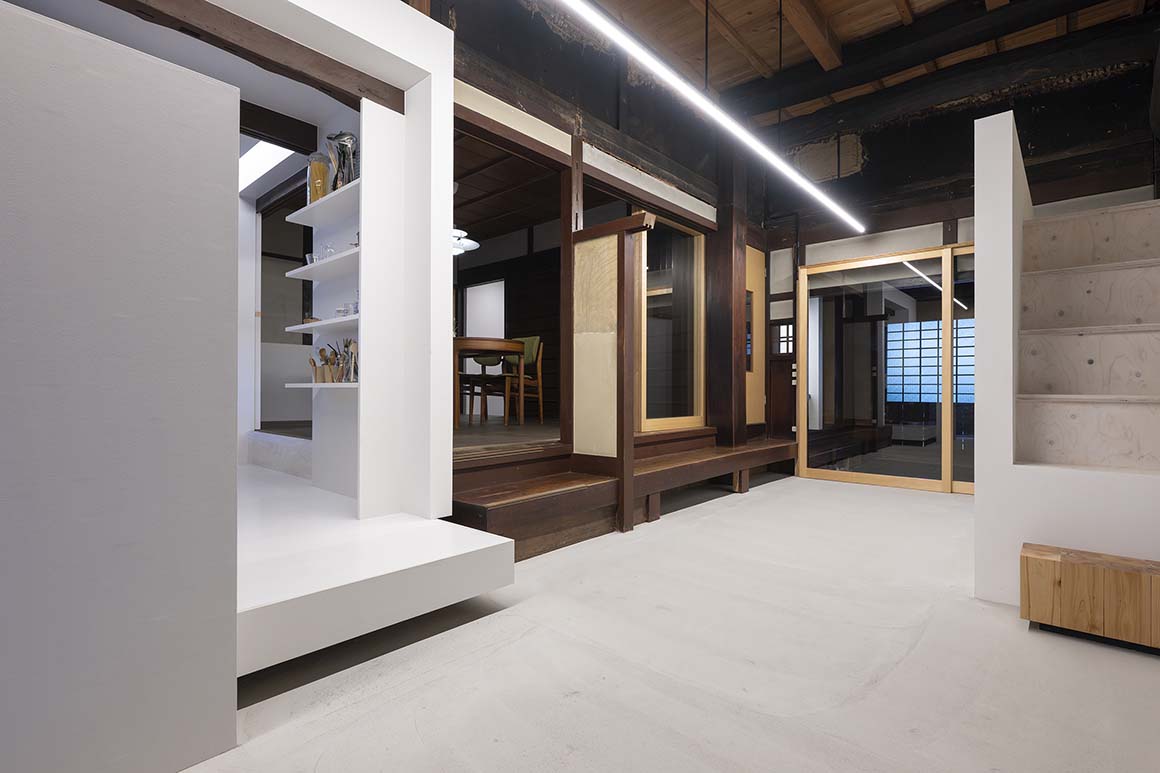
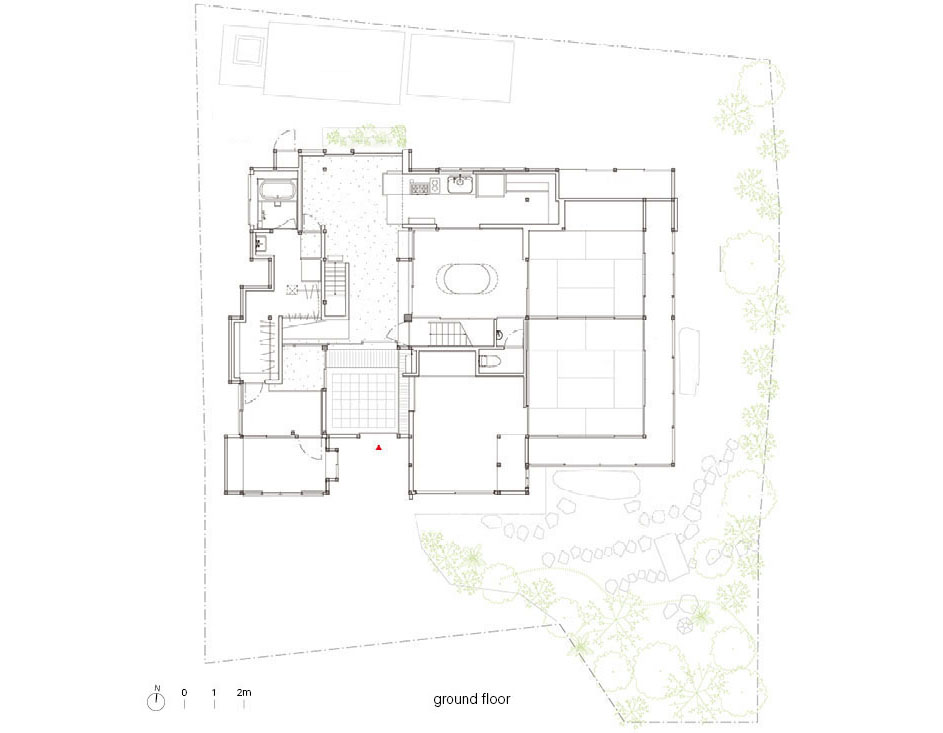
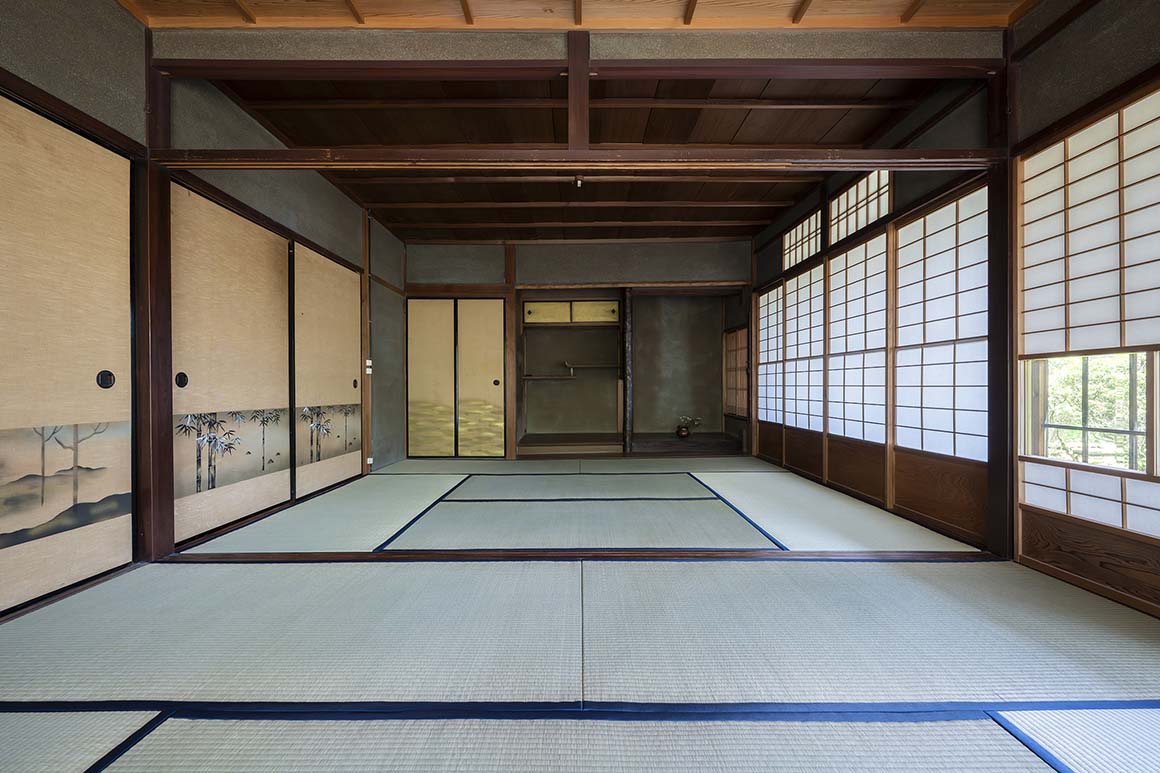
The Iwakura project differs from conventional renovations that strip a traditional house down to its structure before inserting entirely new programs. Instead, it interprets the spatial order and structural logic of the house, making minimal interventions to adapt it to present-day living. Contemporary domestic life is layered onto the accumulated time embedded within the house, allowing the building to continue evolving through contemporary inhabitation.
Project: Old Folk House in Iwakura / Location: Iwakura, Aichi, Japan / Architects: td-Atelier (Masaharu Tada) + Endo Shojiro Design (Shojiro Endo) / Structure advice: Yoshiki Mondo / Garden design: Michikusa,co.Ltd. / Contractor: Fujisaki Gumi.Co.,Ltd. / Use: house / Gross floor area: 150.29m² / Design: 2023.8-2024.12 / Construction: 2024.8-2025.6 / Completion: 2025 / Photograph: ©Matsumura Kohei (courtesy of the architect)