

White Walls of Light and Shadow
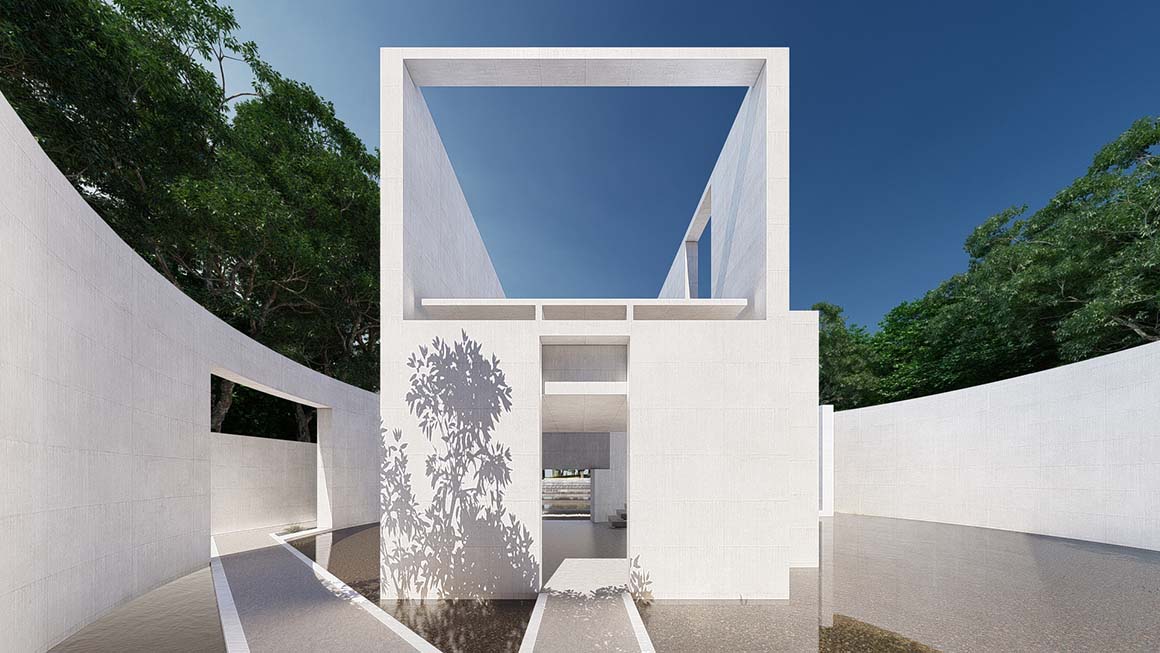
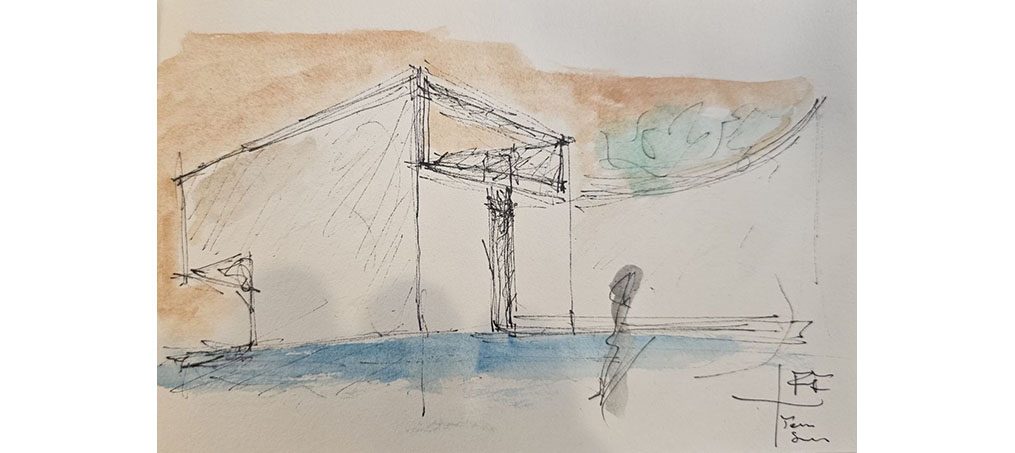
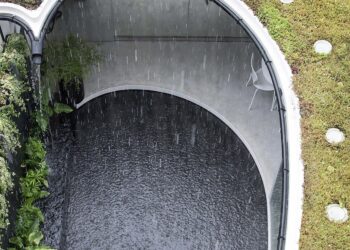
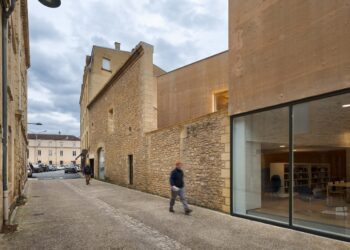
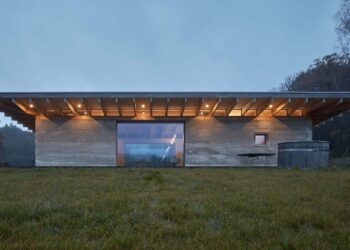
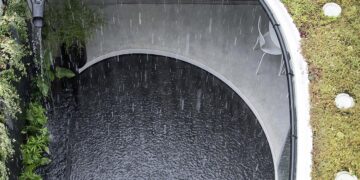
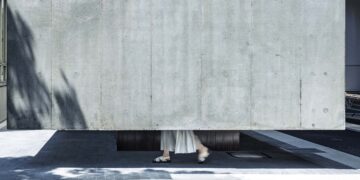
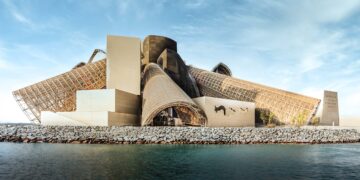
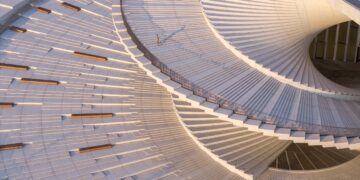
The continuous white walls receive the movement of light in a quiet yet deliberate manner. In Tuscany, where sunlight is both intense and clear, shifting shadows fall across walls and water throughout the day, continually altering the character of the space. “Temple of Silence” treats light as a material that reveals architecture. The interplay of light and shadow, water and walls creates a sensory experience that invites moments of stillness within everyday life.
Rather than serving as a decorative device, light gives physical presence to silence and defines the space itself. Shadows cast by trees, sky, and water move across the white mineral surfaces, inscribing the passage of time. Instead of offering a single viewpoint or an immediate visual effect, the building unfolds through a sequence of walls, voids, water surfaces, and openings, gradually transforming the visitor’s movement and perception.
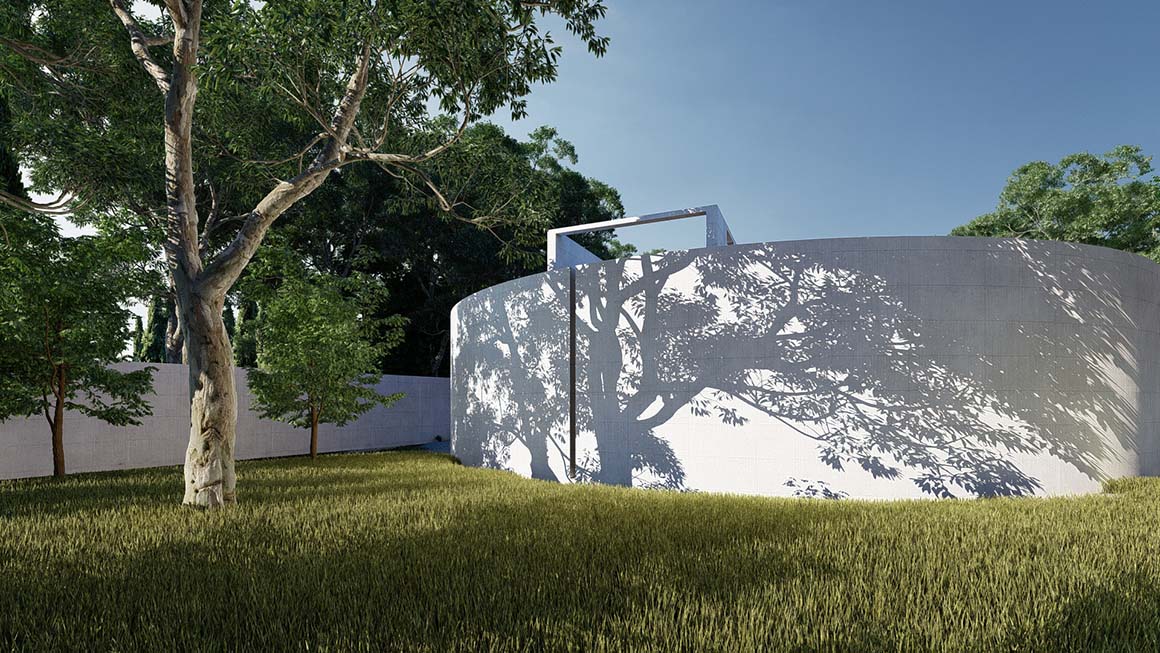
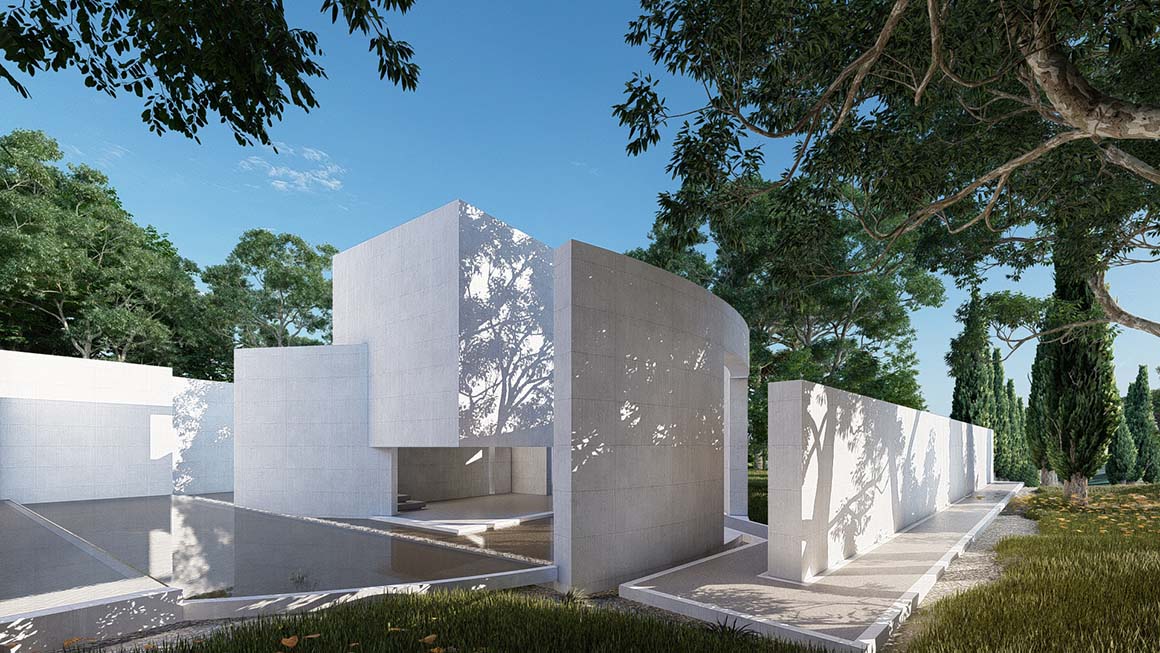
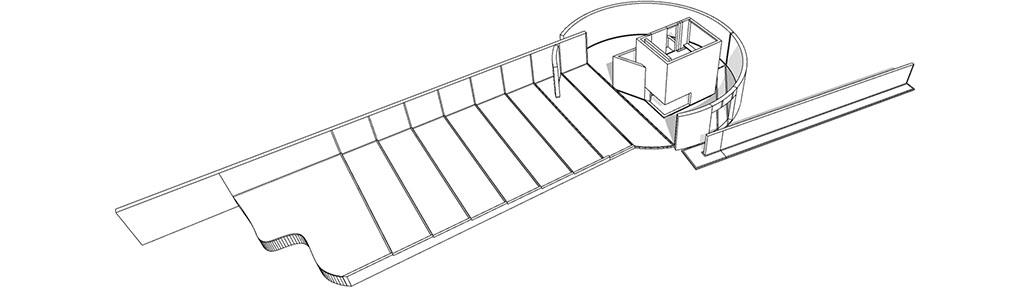
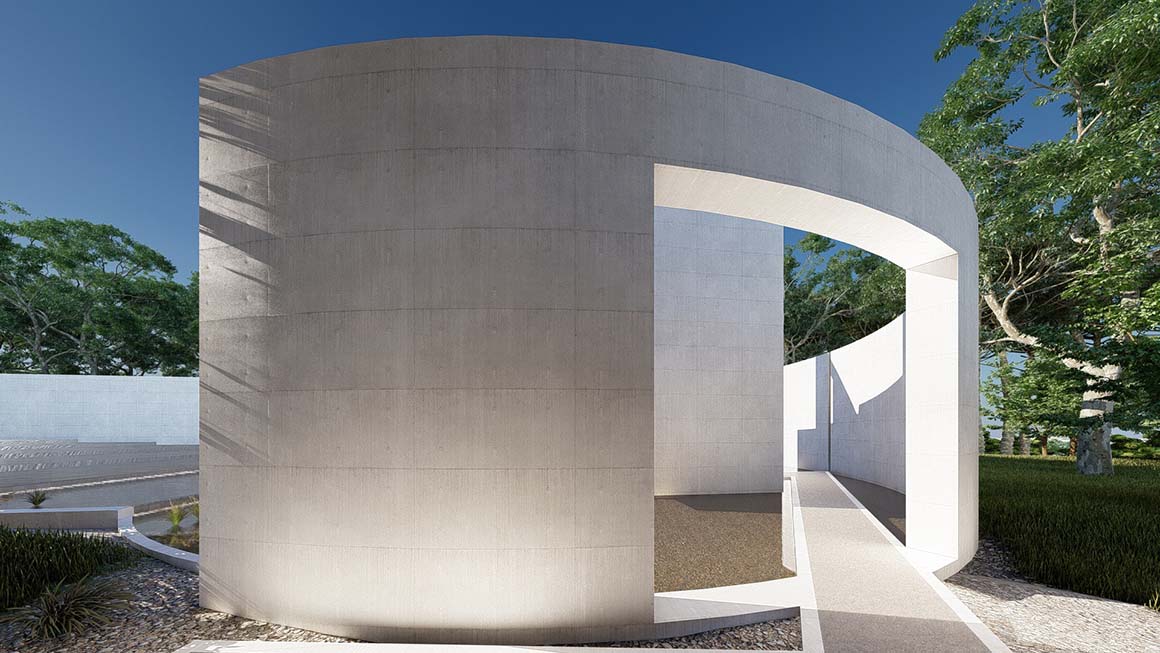
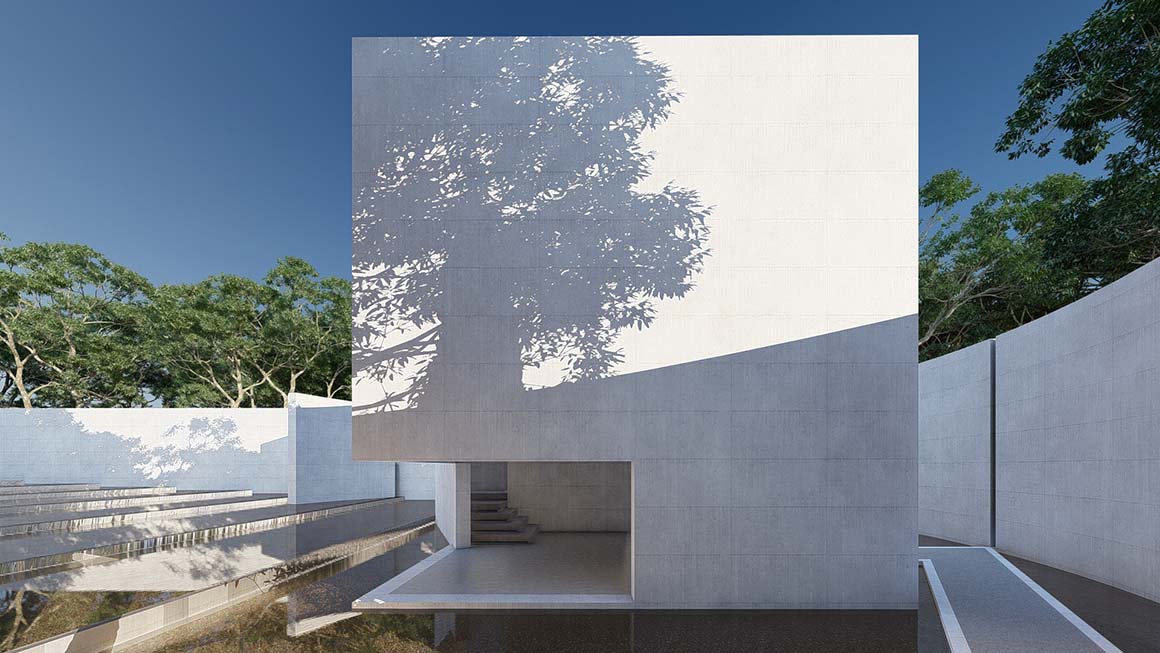
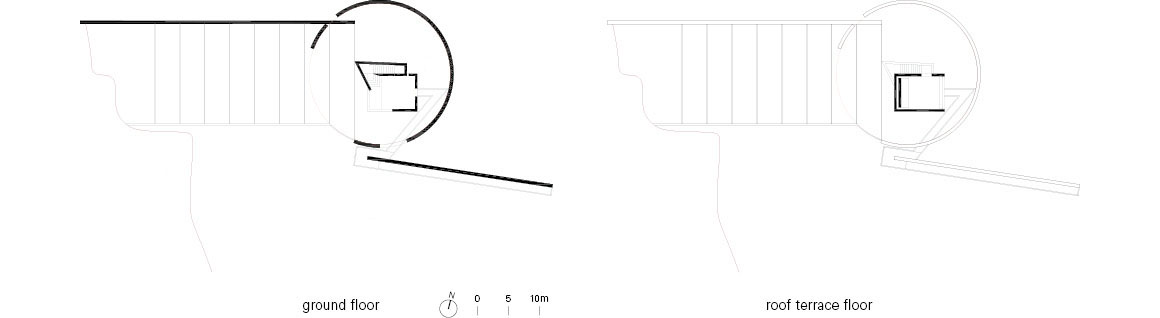
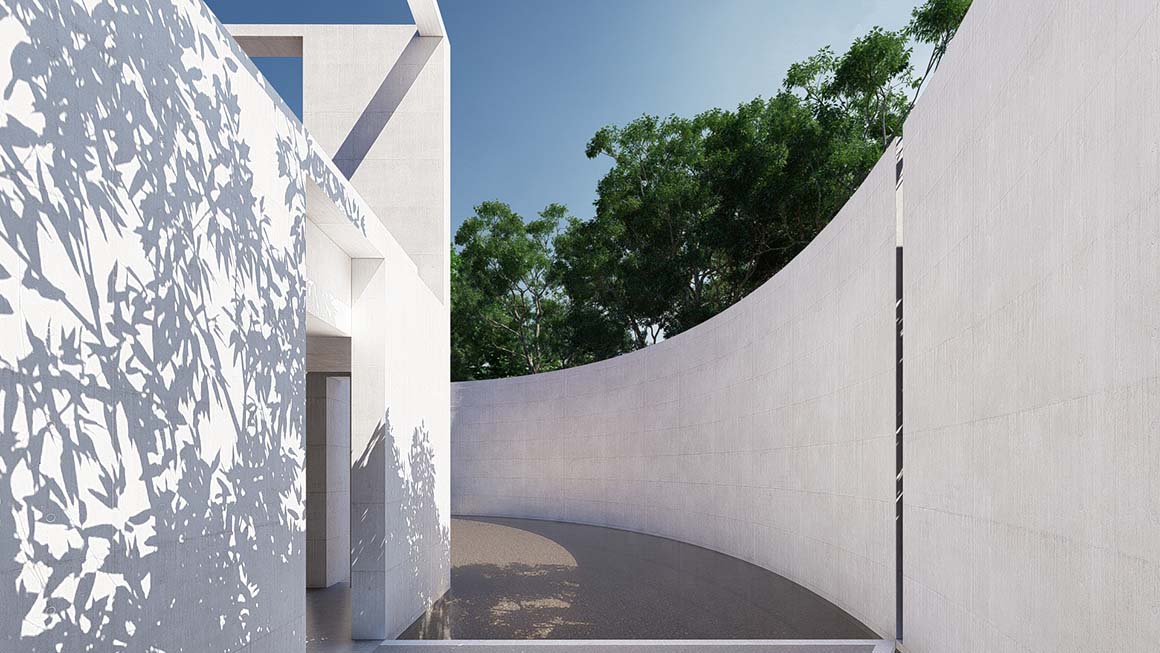
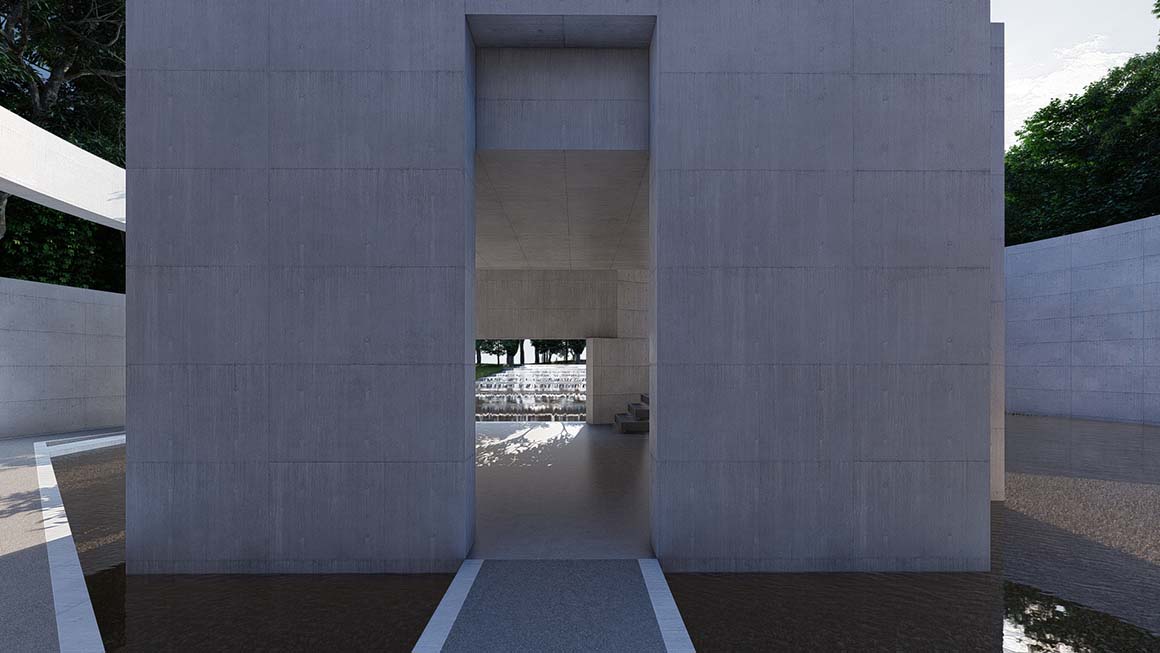
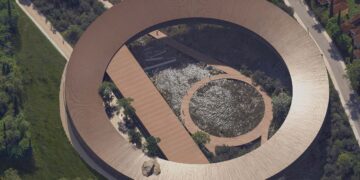
The composition is organized around two complementary forces: curves and straight lines. The curved enclosure shields the interior from external noise, while the vertical volume opens toward the sky. Within this tension between protection and openness, concealment and exposure, architecture becomes a place experienced through the body rather than an image to be consumed. The entrance is conceived not as a façade but as a threshold. Visitors do not simply enter a building; they move through a sequence of narrow passages touched by reflected light, quiet chambers, and spaces where water and shadow intertwine. Connected like a ritual journey, these elements slow the pace of movement and encourage a renewed awareness of place. Water is equally essential to the spatial experience. It amplifies light, reflects the architecture, and alters the perception of time. Stairs, corridors, chambers of silence, and the rooftop terrace are not isolated rooms but parts of a continuous path leading from external noise toward inner stillness.
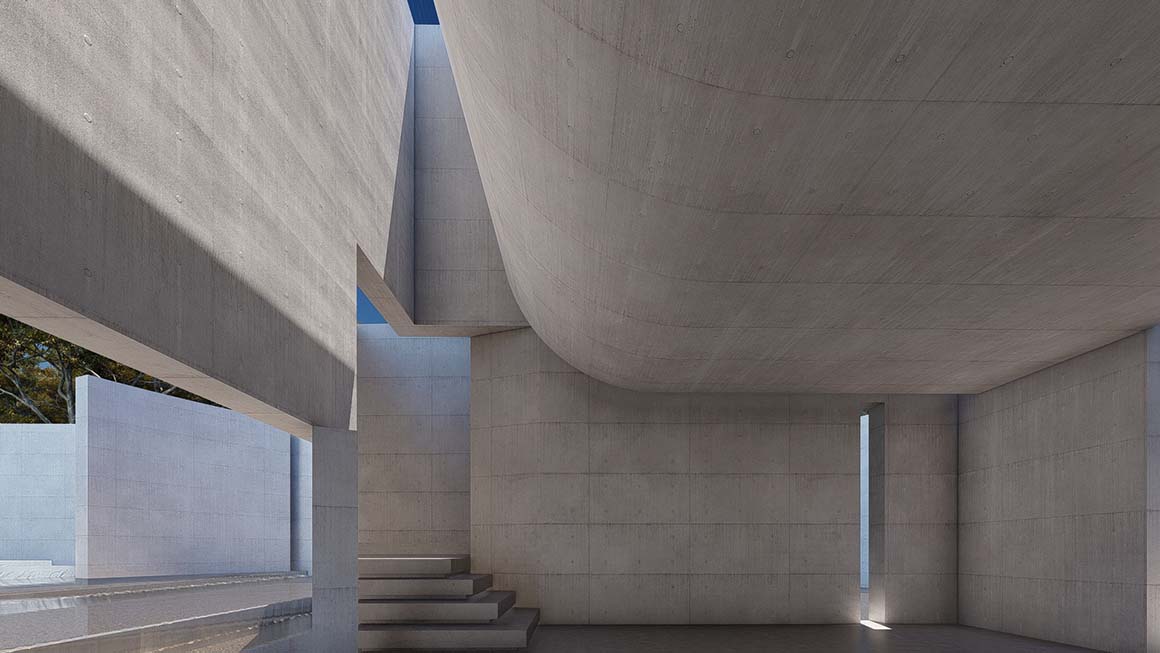
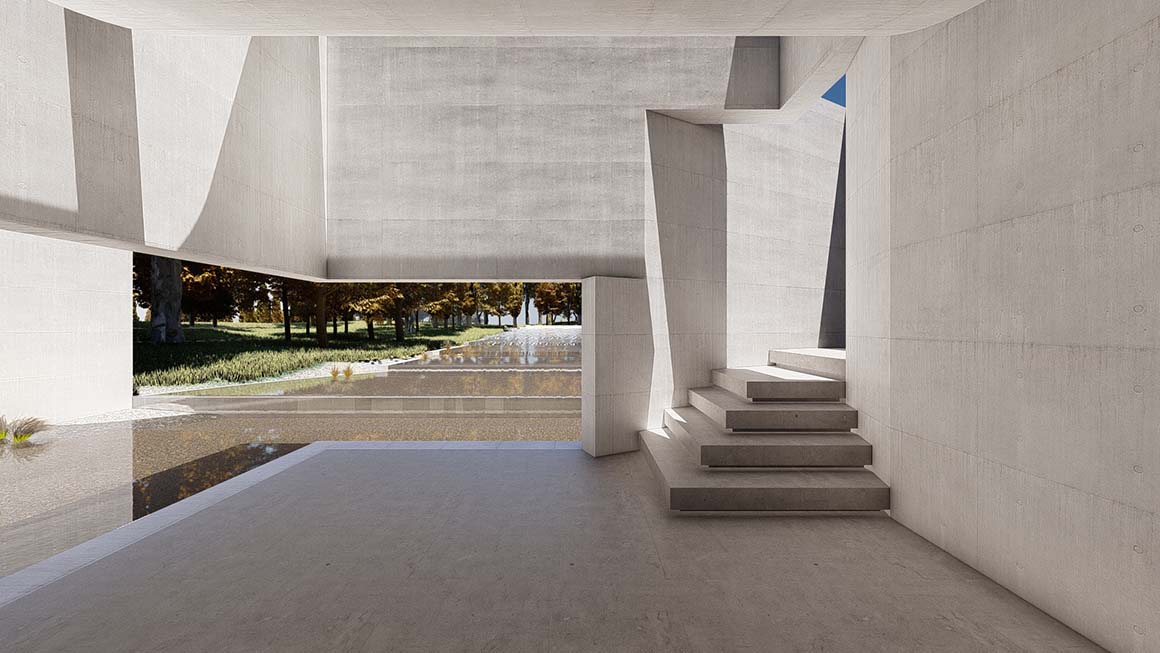

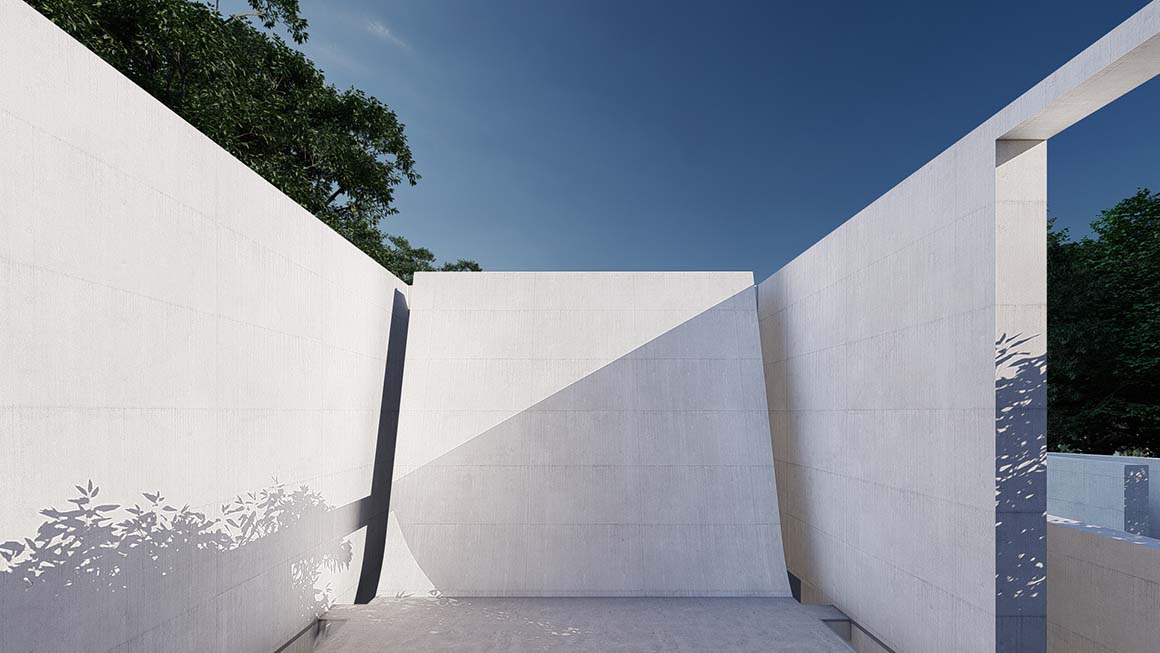
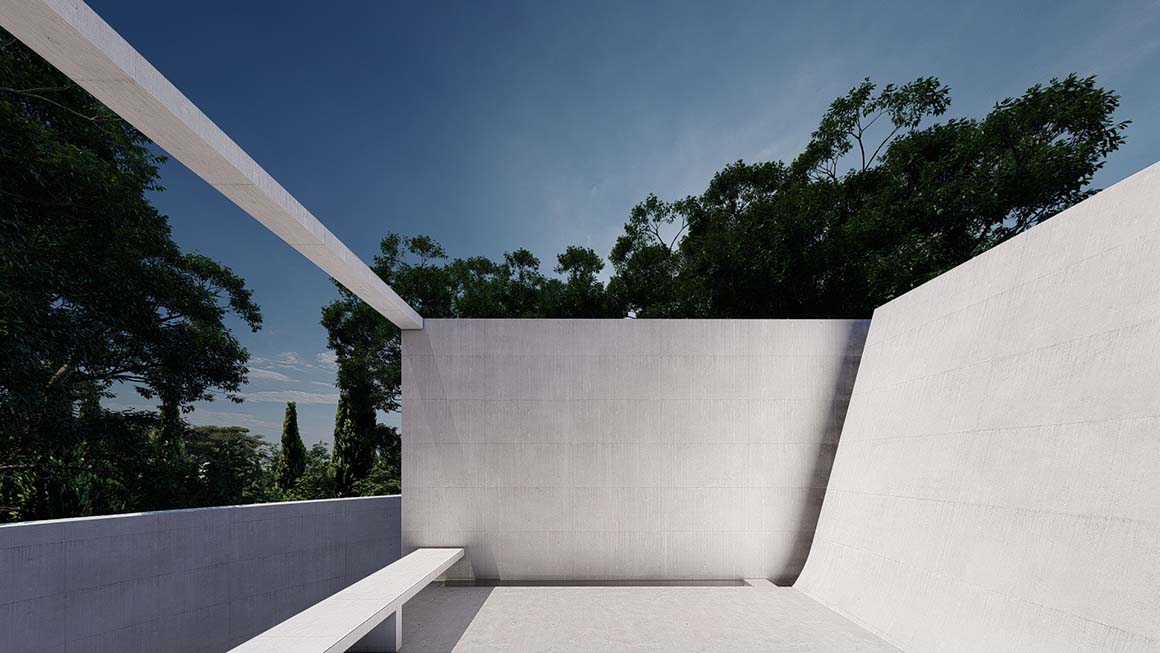
The architect’s work has long explored scale, boundaries, light, and the idea of architecture as an inhabitable work. Continuing this investigation, the project seeks monumentality not through size or dramatic expression but through the density of sensation and the depth of experience. Built on restraint, silence, and necessity, the architecture uses light as a fundamental material that animates the space and makes it tangible.
Project: The Temple of Silence / Location: Torrenieri, Siena, Italy / Author / Architect: Fausto Ferrara / Architecture studio: Arckeo | Executive Workshop di Architettura / Concept, architecture and artistic direction: Fausto Ferrara / Project development: Arckeo | Executive Workshop di Architettura / Collaborators: Valeria Agliolo, Barbara Romoli, Giancarlo Pesci / Project type: architectural work, contemplative pavilion / Main Materials: white mineral surfaces, concrete, water, natural light, shadow / Key Elements: threshold, curved enclosure, silent room, water surfaces, roof terrace, controlled openings / Design: 2025 / Images produced by: Arckeo | Executive Workshop di Architettura / Drawings and diagrams: Arckeo | Executive Workshop di Architettura / Copyright: ©Fausto Ferrara, Arckeo