
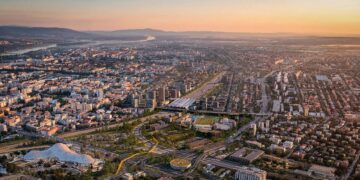

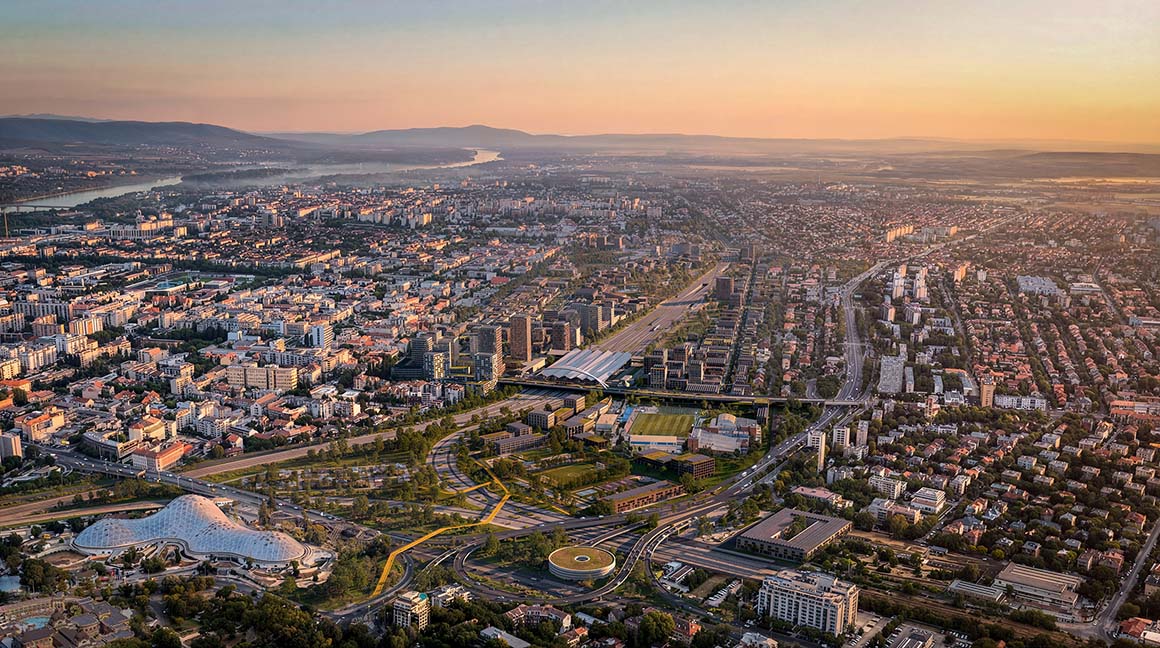
An international, multidisciplinary team led by French architecture practice Coldefy has won the Rákosrendező masterplan competition, commissioned by the Budapest Capital Asset Management Centre on behalf of the Municipality of Budapest. The project aims to transform a functionally obsolete former industrial site into a new green living district over the next 15 years.
The competition was launched to develop a comprehensive masterplan and public space strategy for the large-scale redevelopment of the Rákosrendező area. It called for an integrated approach to creating a sustainable and liveable urban environment, balancing natural and built systems while responding to long-term urban growth.
Located in the northeastern part of Budapest, the site has long been regarded as one of the city’s primary areas of industrial decline. The masterplan proposes a landscape-led mixed-use community comprising more than 10,000 homes, upgraded transport infrastructure, and a mix of commercial and civic functions. It is guided by the principles of the “15-minute city,” enabling daily life within a 15-minute walk or cycle at the neighbourhood scale. The jury described the proposal as a “strong and distinctive urban and architectural vision,” highlighting its “liveable residential environment” and “exceptional quality of public space.” It was also praised for combining a clear urban concept with a high level of feasibility. In particular, the scheme’s neighbourhood-based planning approach, its integration of public space and green networks, and its mobility strategy centred on public transport, walking, and cycling were identified as key strengths.
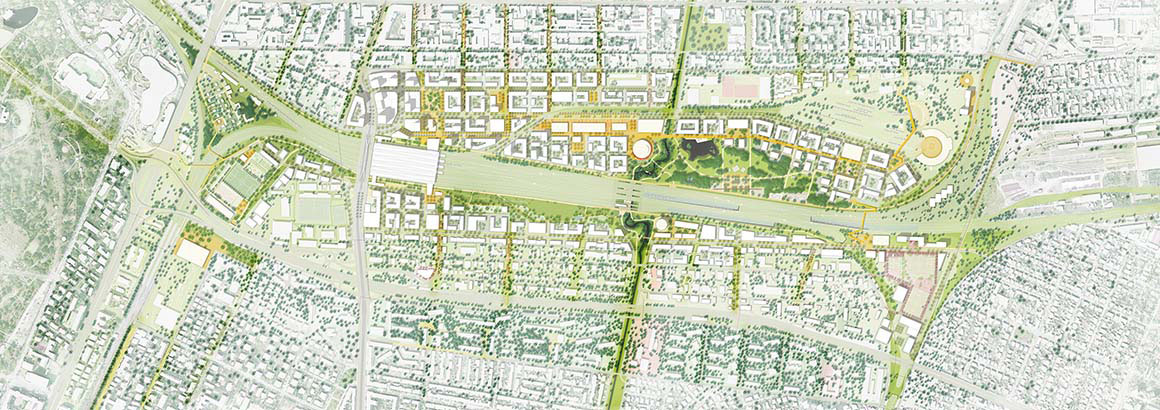
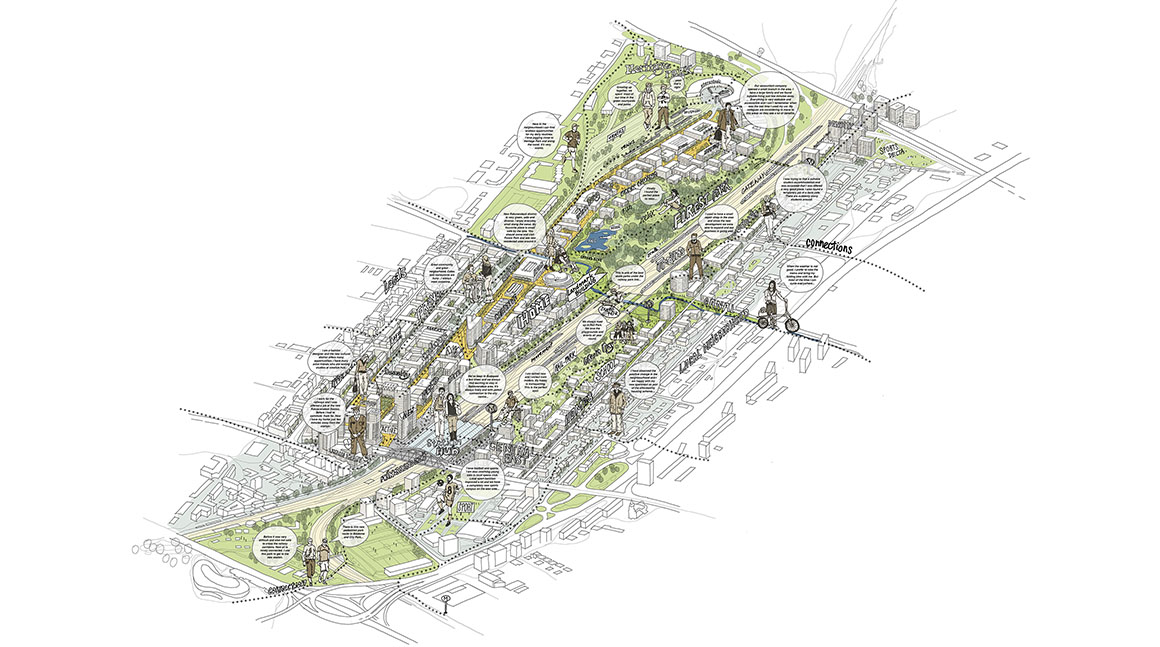
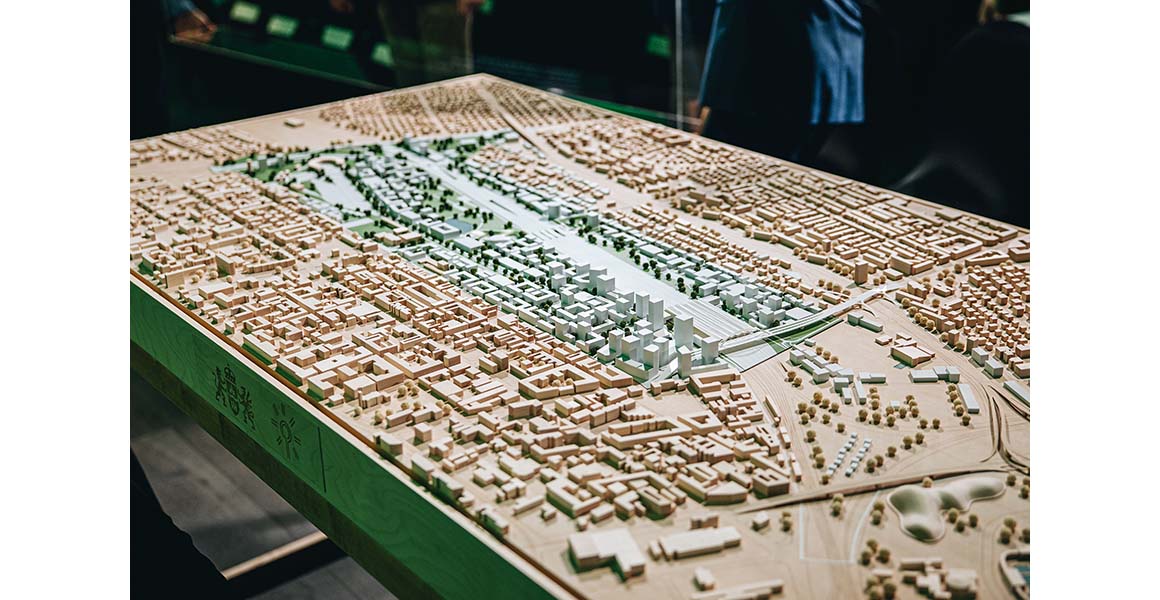
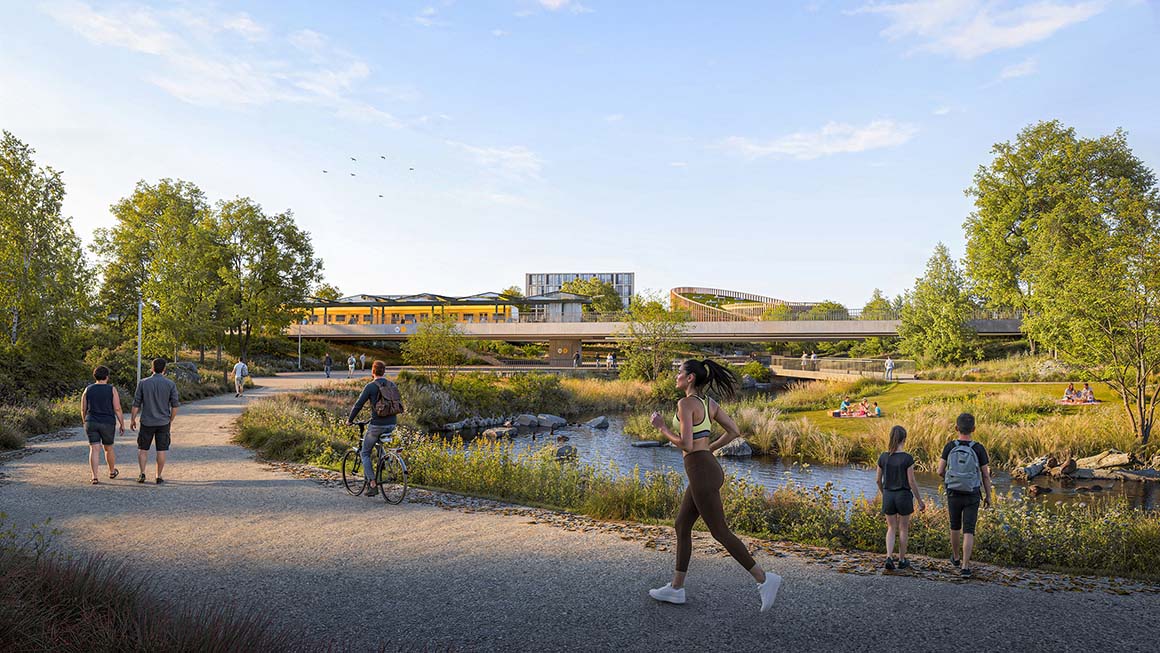
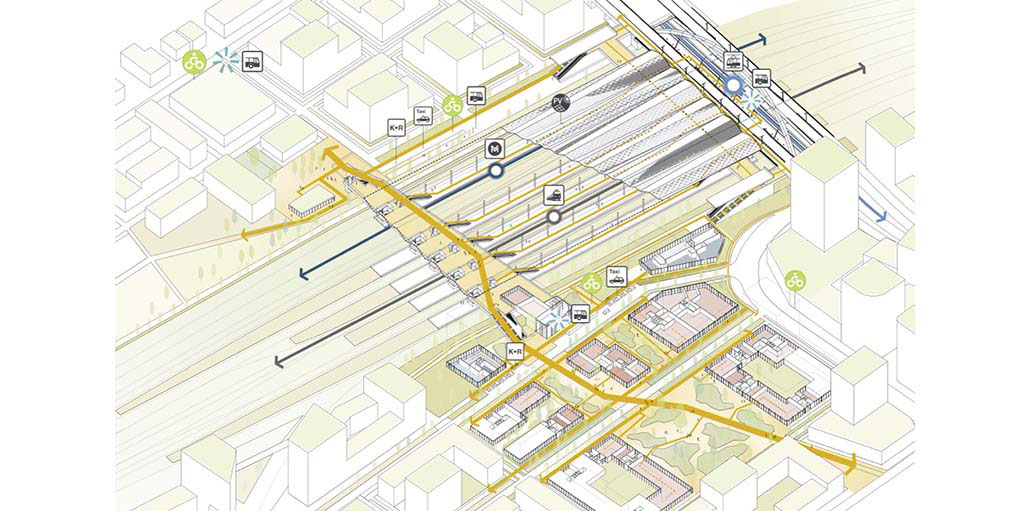
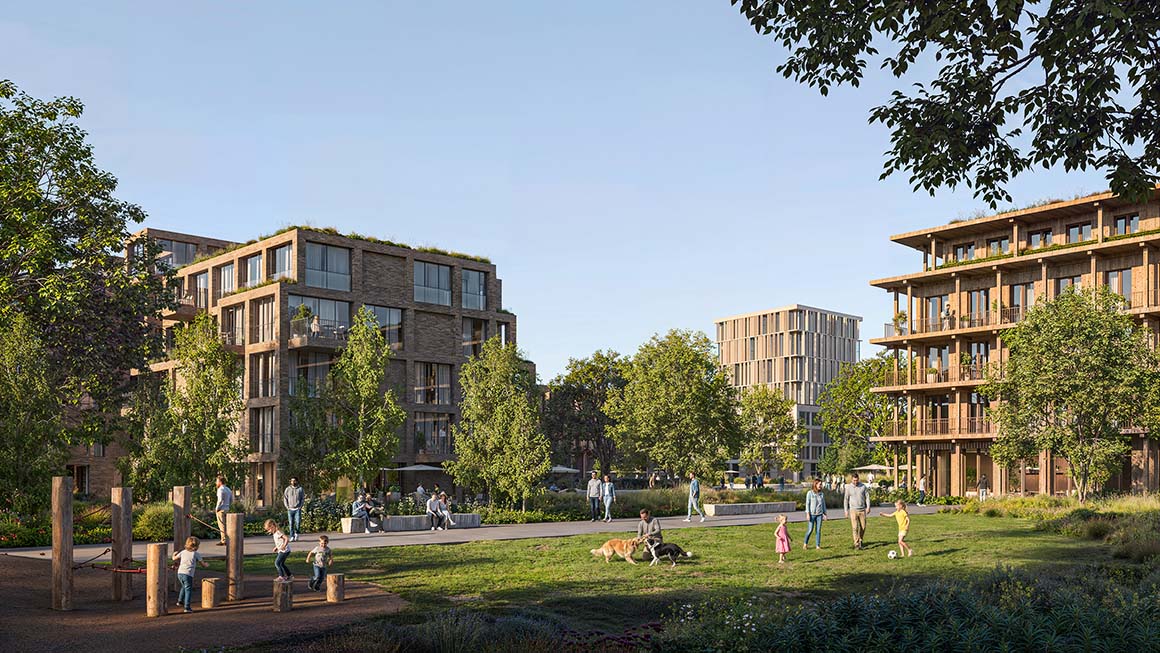
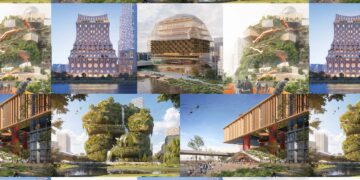
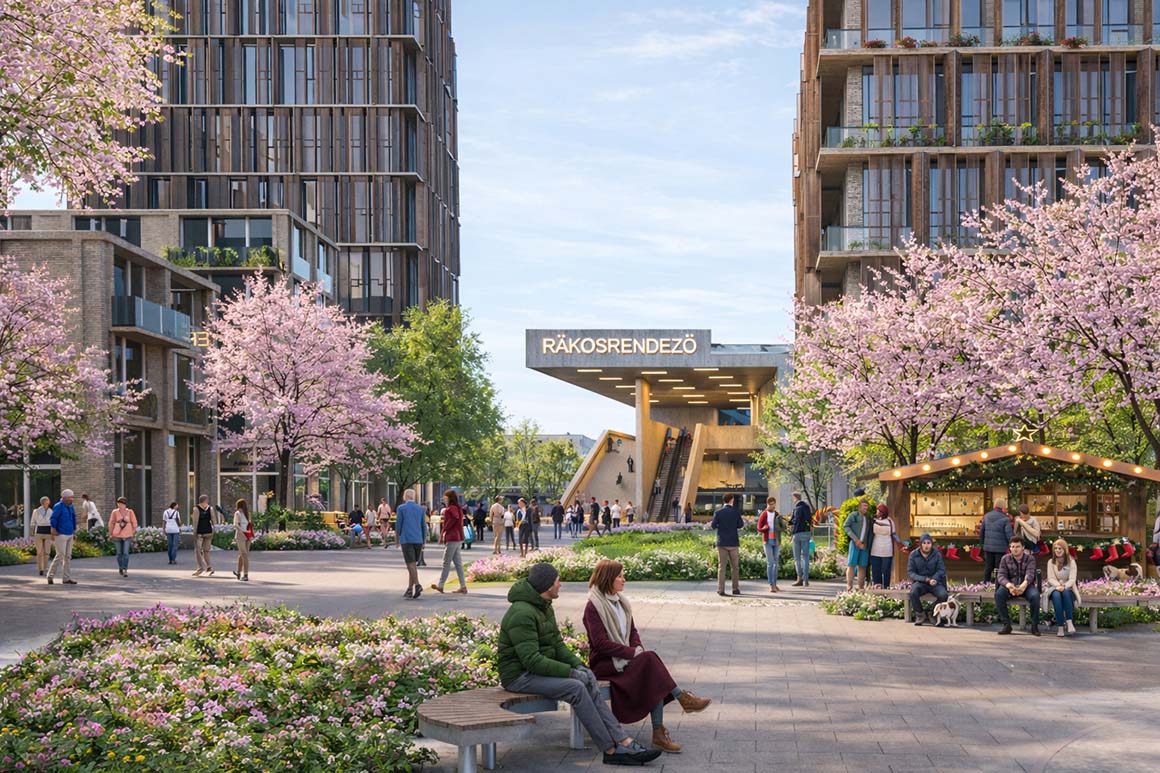
The winning proposal sets out a people-oriented urban framework that prioritises landscape and ecological continuity. The site is divided into six sub-districts, each with its own identity and anchored by a local centre that supports public life. This approach reinterprets the neighbourhood structure of Budapest’s historic inner city in a contemporary manner. The existing Rákosrendező railway station will be transformed into a multimodal hub serving as the central node of the development, connected to an extended metro line, a new tram line, and an active mobility network. The surrounding area will accommodate a high-density mix of offices, retail, hotels, and services. The station will also reconnect the currently divided eastern and western parts of the site, reinforcing its role within Budapest’s regional and long-distance transport network.
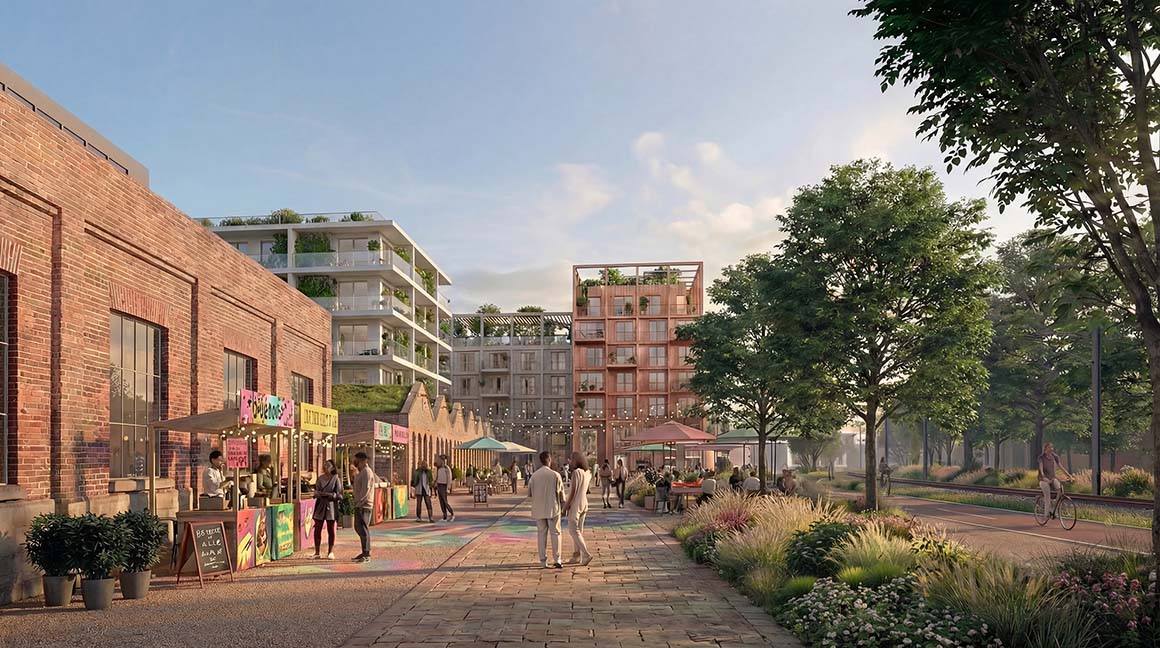
A new civic plaza in front of the station is designed as a year-round public space for markets, cultural events, and everyday activities, incorporating trees, water features, and shaded areas. It will establish a recognisable identity for the district while maintaining continuity with the existing landscape. The dense urban core gradually transitions into mid- and low-rise residential areas, supported by a continuous green network on both sides of the railway. With a strong emphasis on public transport, the plan reduces car dependency and enables pedestrian-oriented streets and public spaces.
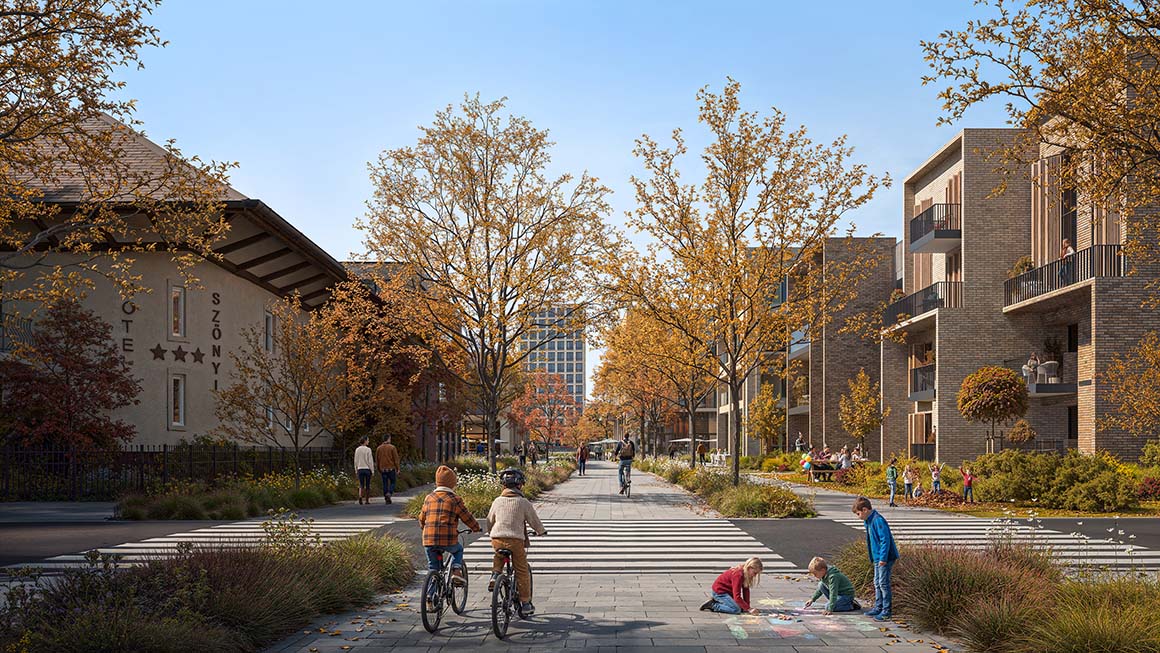
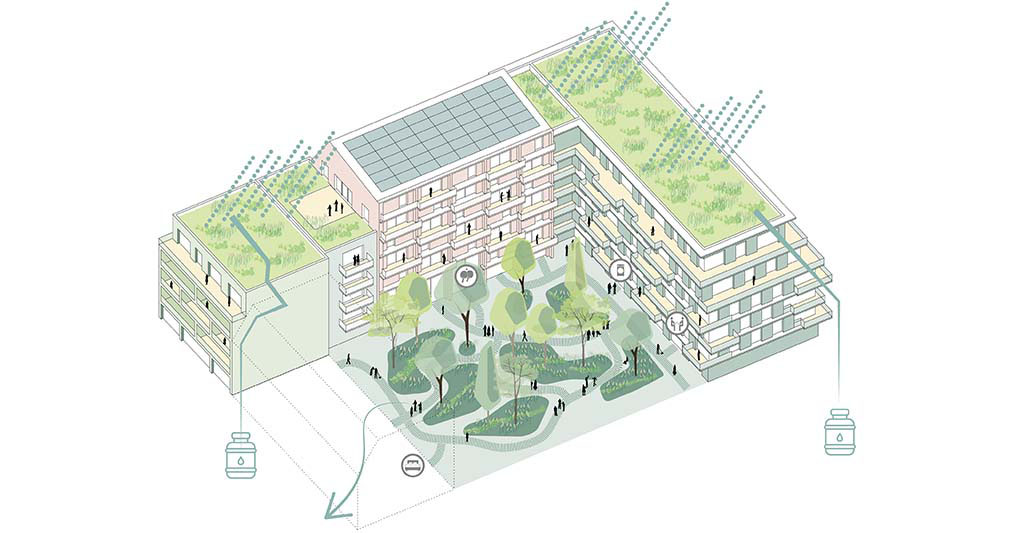
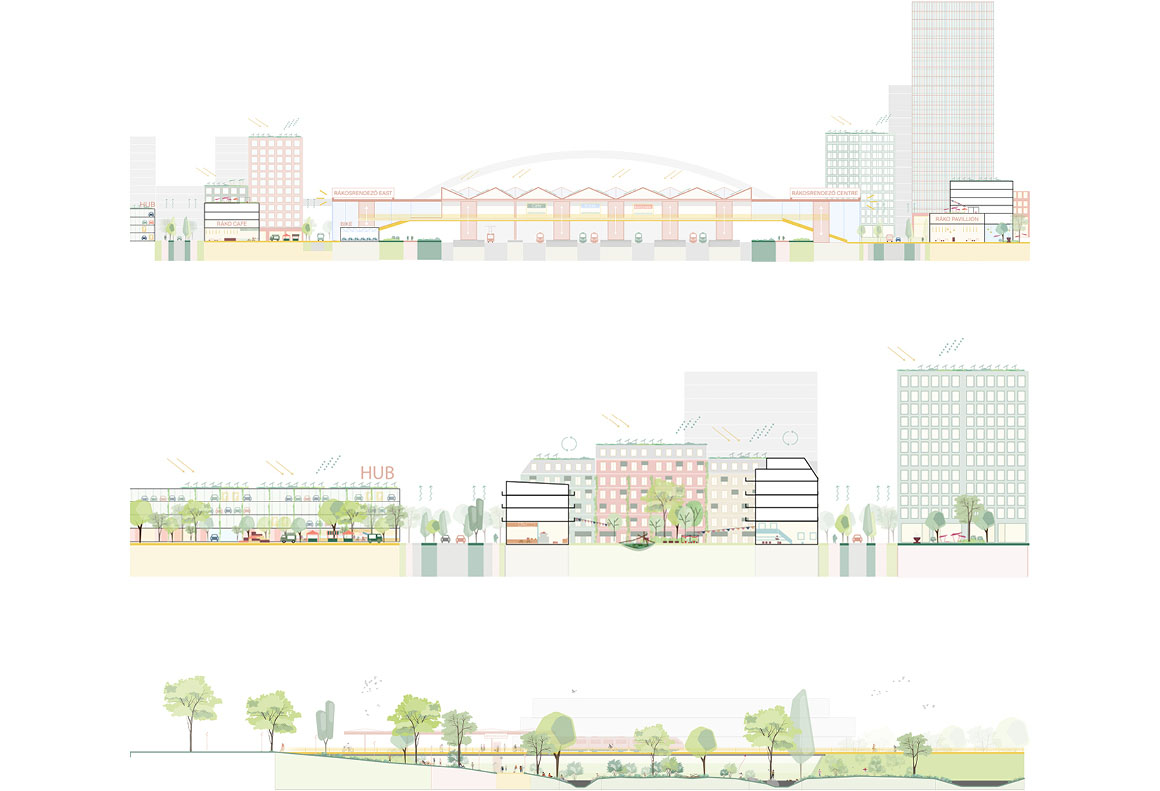
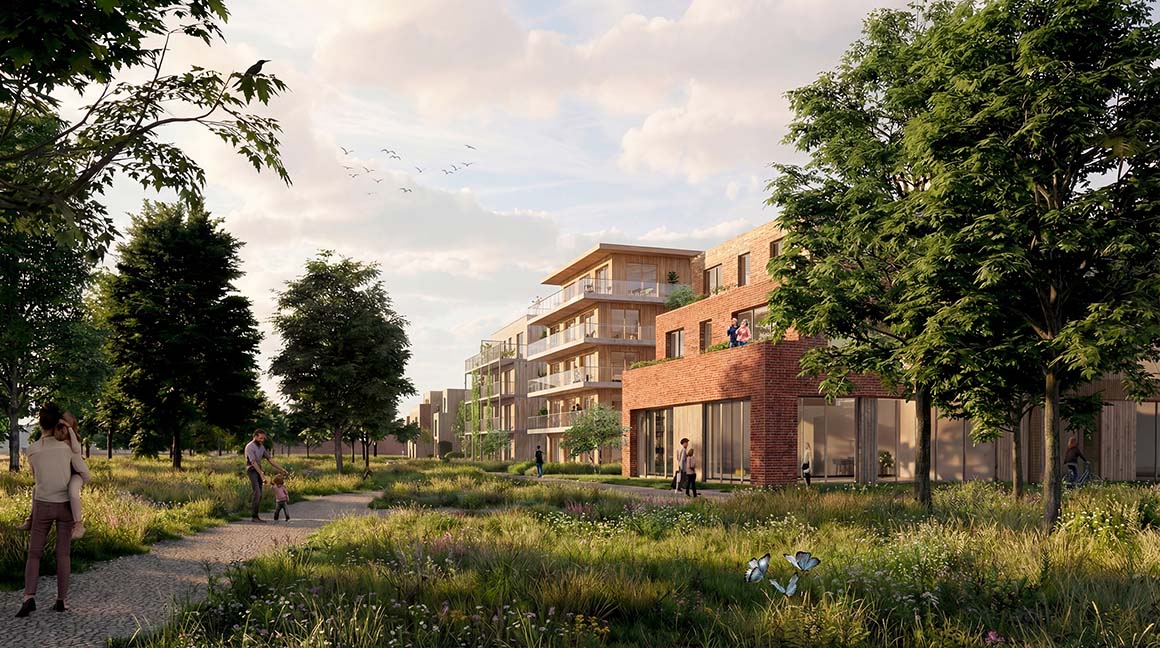
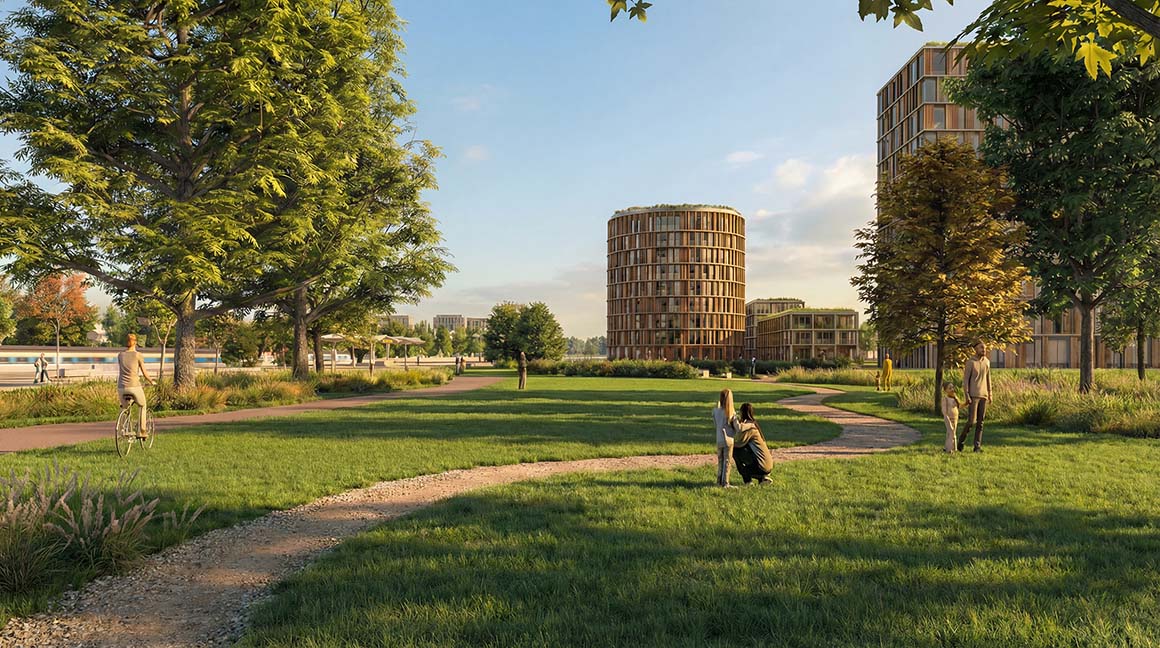
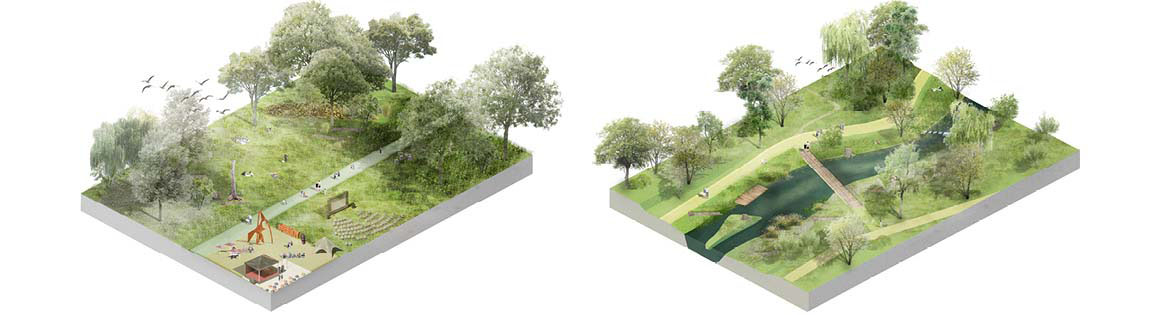
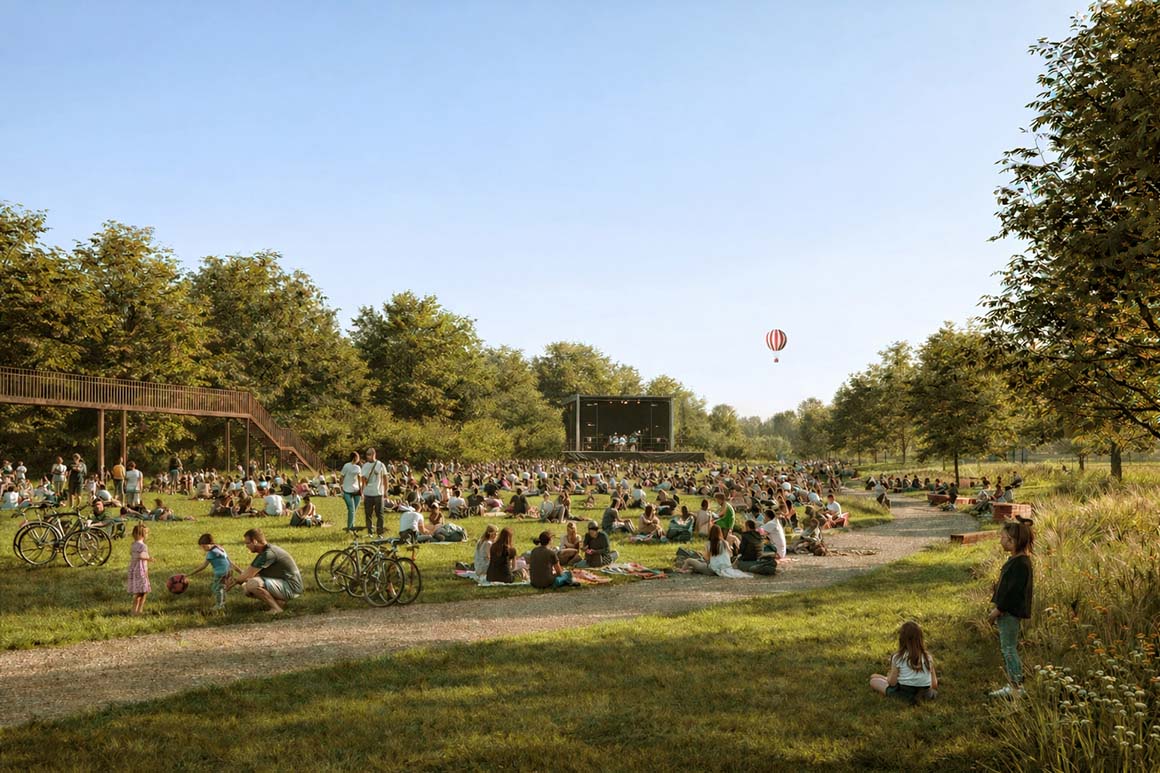
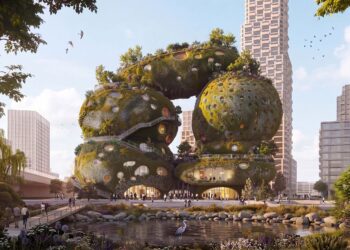
Connection to nature is a central component of the proposal. A combined blue-green infrastructure integrates water networks and green spaces. At its core is a 150,000m² Forest Park, linked to linear parks and the renaturalized Rákos Stream, forming a gently meandering waterscape. Redesigned embankments will provide terraces, walkways, and resting areas, enhancing access to the waterfront.
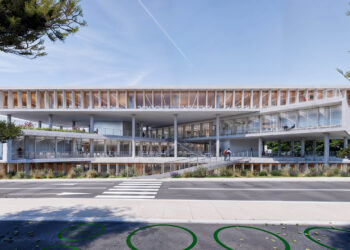
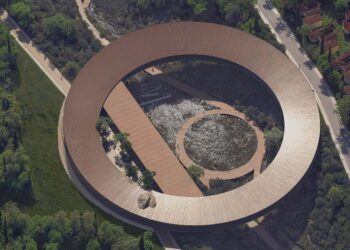
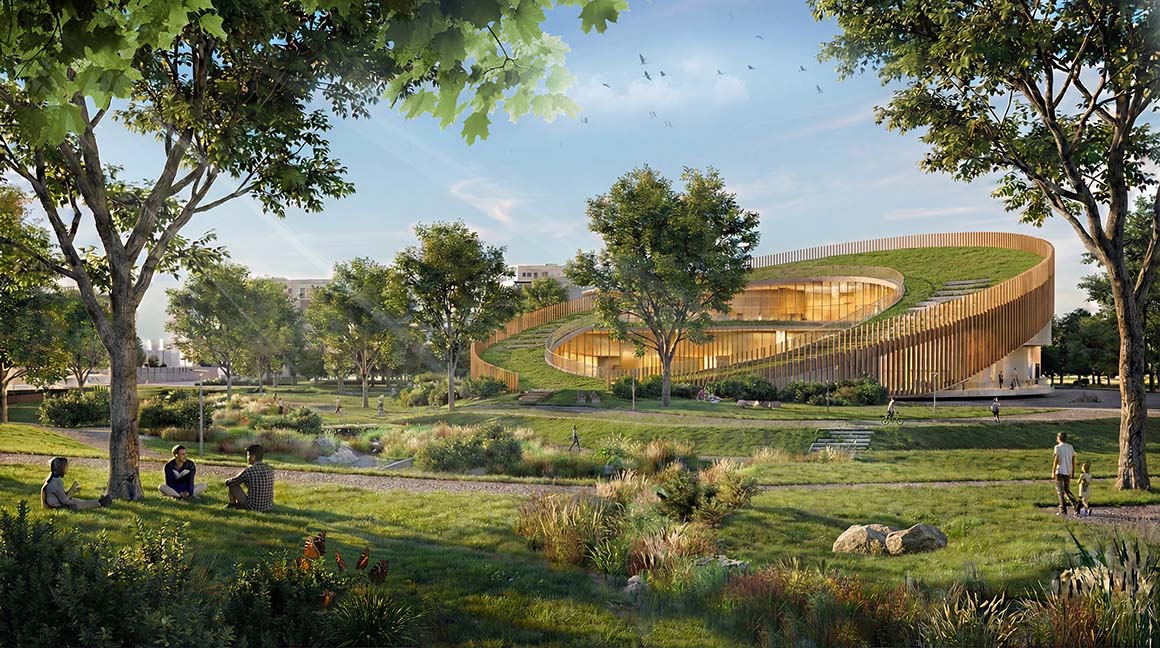
A new Railway Park will connect to the Forest Park across the railway, forming a major green corridor in northern Budapest. It will include meadows, event spaces, and a central lake. Beyond the Rákos Stream, fragmented landscapes will be reorganised into a sports and recreation zone with outdoor fields and facilities, along with an additional metro station. Existing railway buildings and depots will be repurposed into cultural facilities, including a municipal library and a railway museum. A continuous loop of public spaces will link neighbourhoods and cultural amenities, integrating the district into a coherent urban fabric.
The project is conceived as a long-term development based on phased implementation, to be carried out through manageable stages.