

An Urban Landfill Transformed into a Lush Mangrove Park
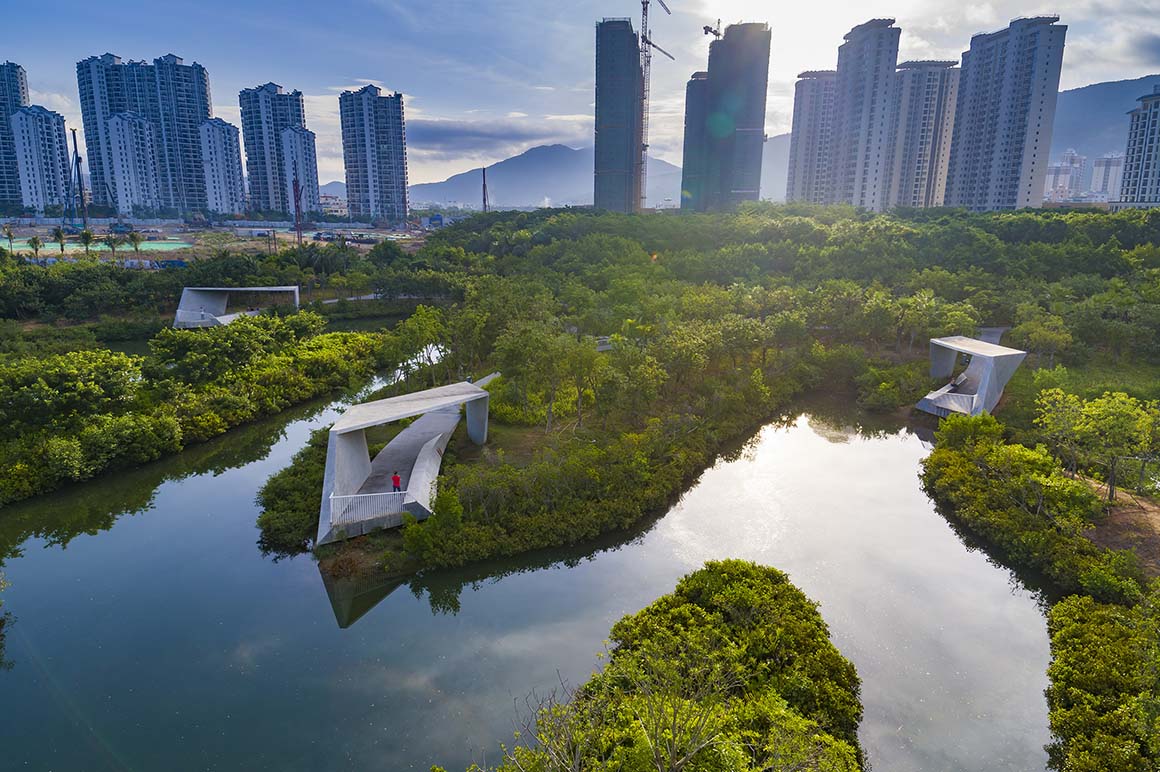
Ruthless development had destroyed natural landscapes in Sanya, a tropical tourist city in China’s Hainan Island. Waterways were polluted and filled with garbage. Concrete flood walls, built to claim land for development, killed the mangroves. In 2015, Beijing-based landscape architects Turenscape were commissioned to reverse the damage with a demonstration project rehabilitating the mangrove.
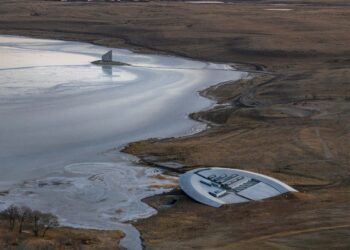
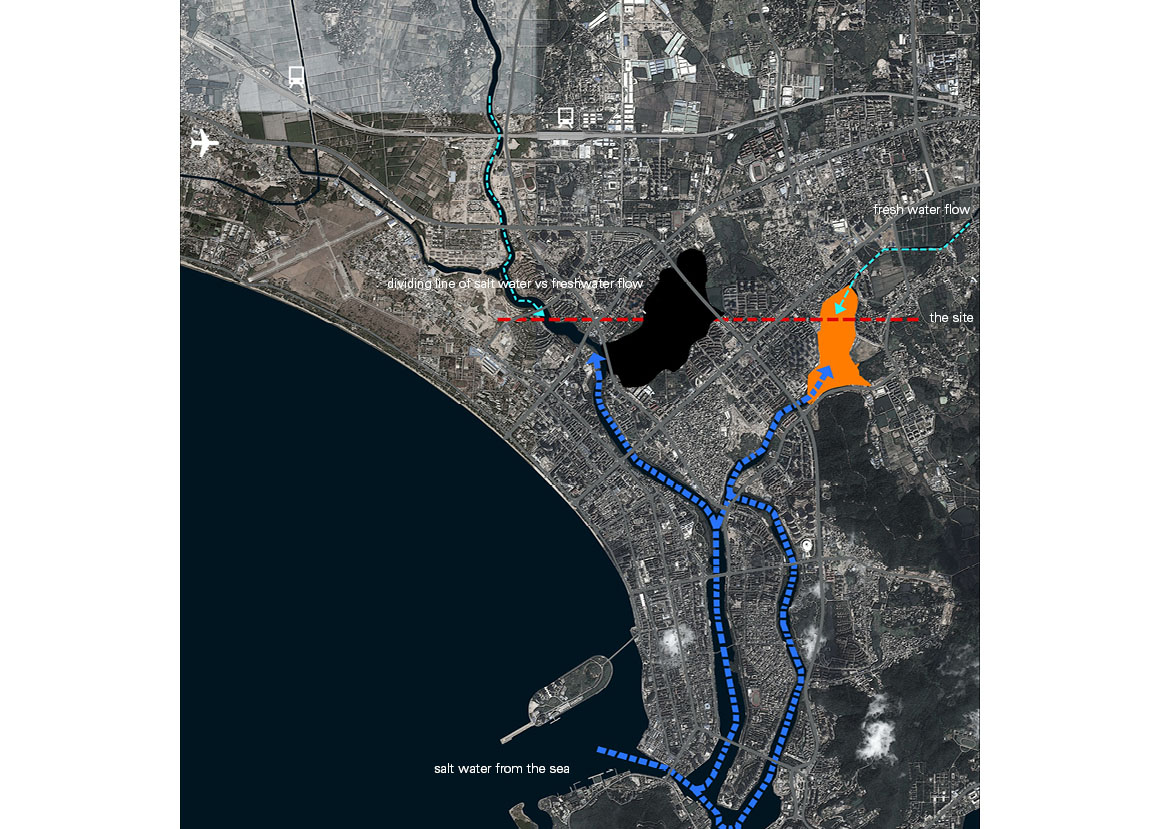
The 10 hectare site on the bank of Sanya River is critical to the ecological relationships between the sea and inland, where the sea tides meet fresh water. High concrete walls enclose urban landfill. There is a 9m steep drop from a road to the water, challenging public access.
The design objectives were to make the site a park showcasing urban renewal and ecological recovery. The challenges included (1) Wind: The strong annual tropical monsoon storms may destroy the fledging planting; (2) Water: Upstream monsoon storm water may wash young mangrove away; (3) Pollution: Urban runoffs may damage sensitive seedlings and biodiversity. (4) Access: public accessibility and natural restoration needed to be well integrated.
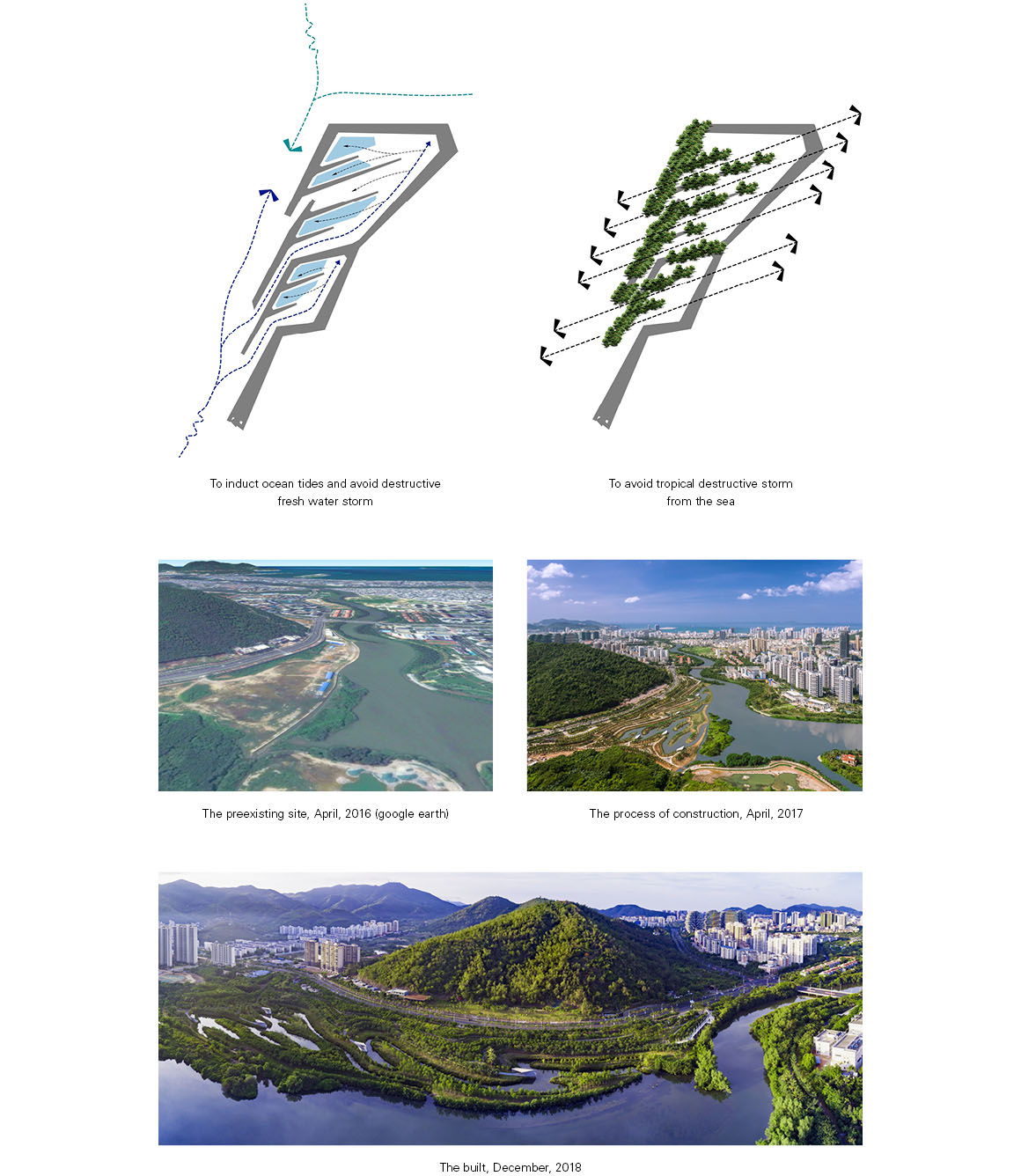
Designed Strategies: Form follows processes. The design strategies were:
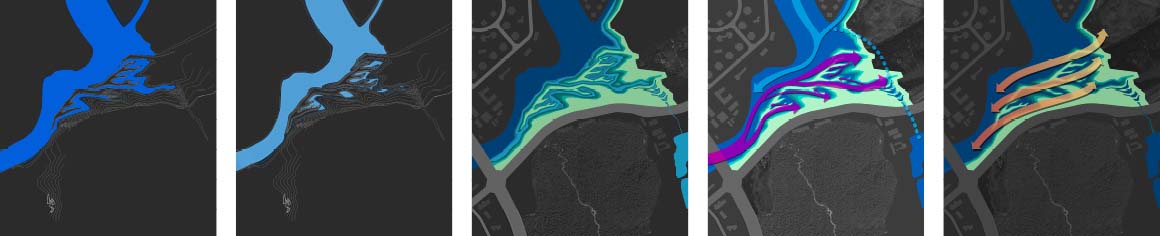
(1) By means of cut-and-fill and use of material on site, waterway ecotones (transitional areas between different ecologies) and water bank habitats at various elevations are created, to nurture biodiversity, and particularly different species of mangroves
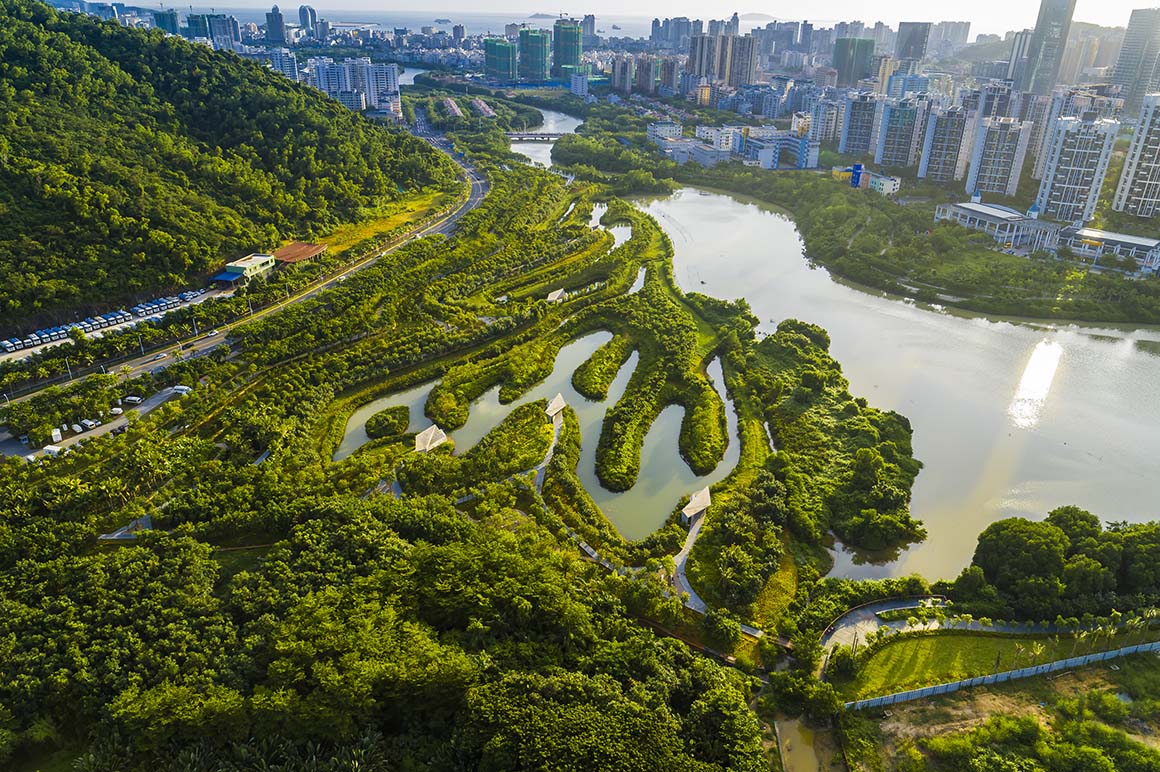
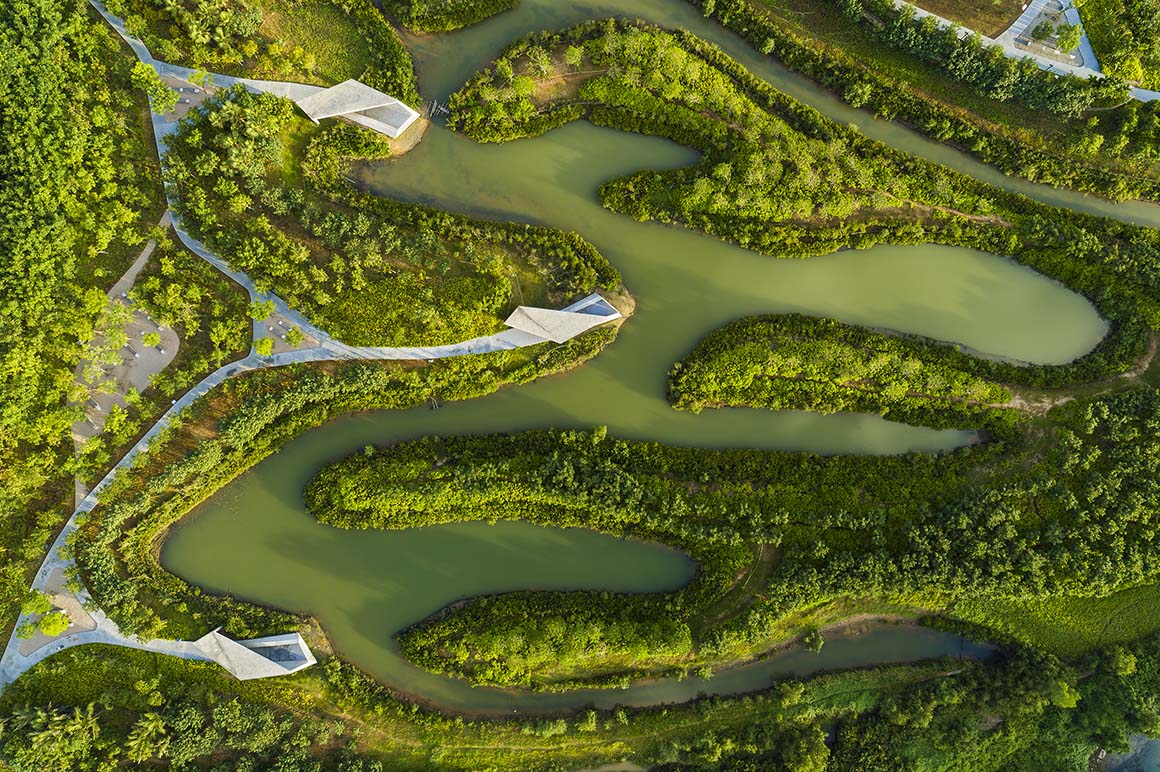
(2) A landform of inter-locked fingers was designed to channel ocean tides into the park. They avoid tropical storms from the sea and the upriver stormwater flood and pollution that may harm the establishing mangrove. The edge effects and habitat diversity are maximised, and a dynamic aquatic environment following tides emerges.
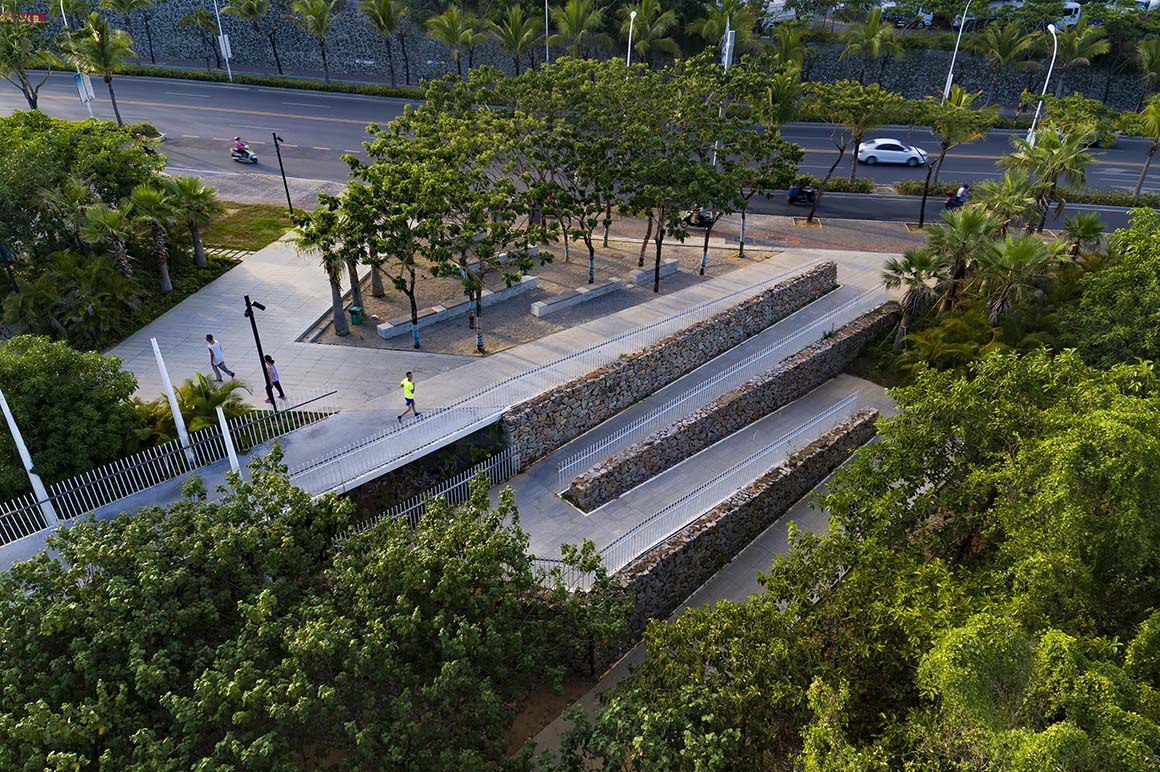
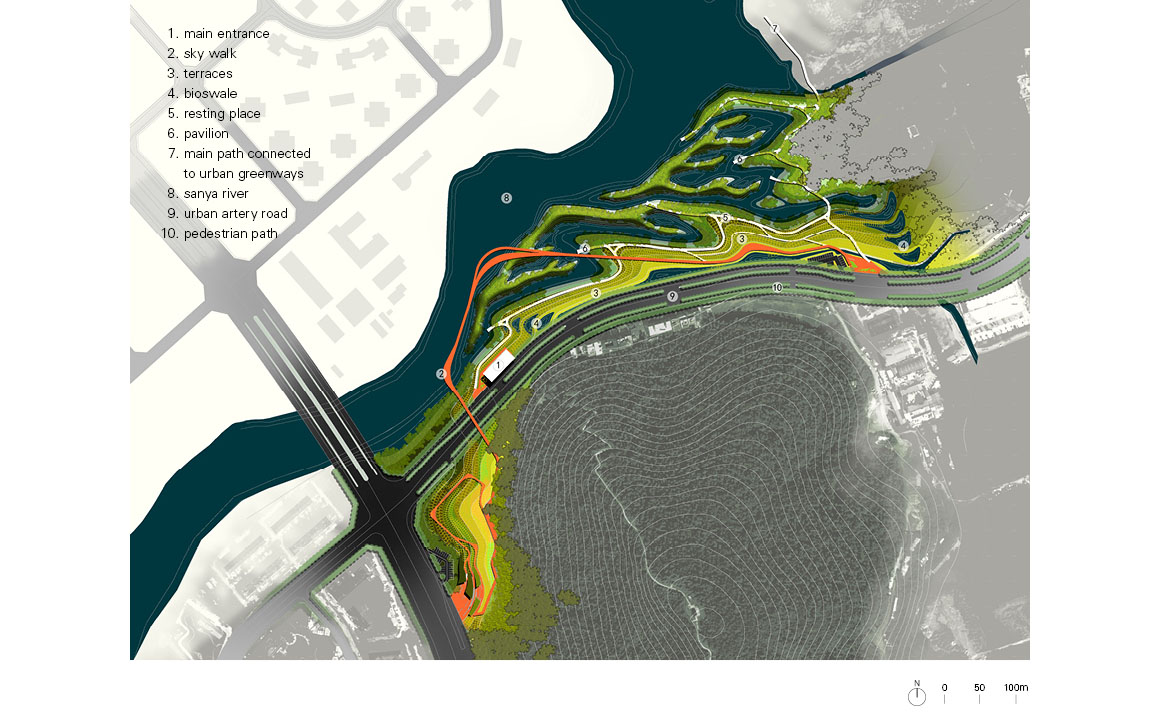
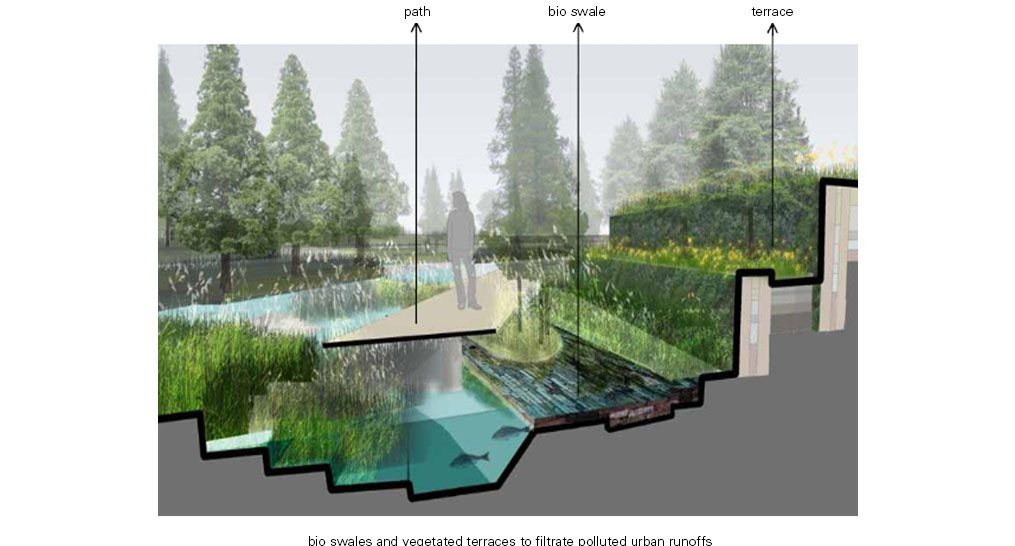
(3) Between the road and the water level, terraces are integrated with bio-swales to catch and filter urban stormwater run-off, creating public spaces at different elevations.
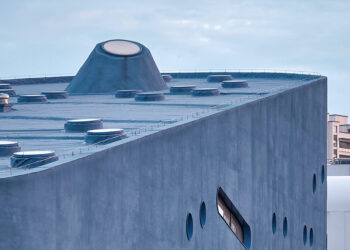
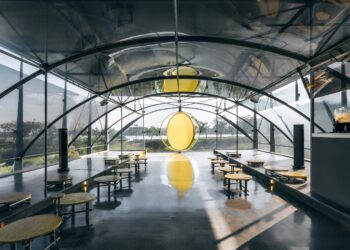
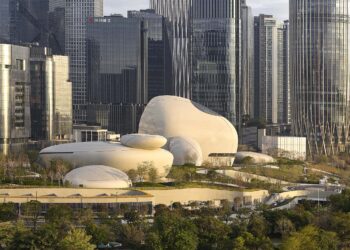
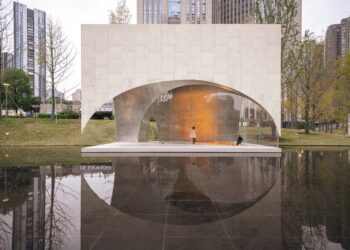
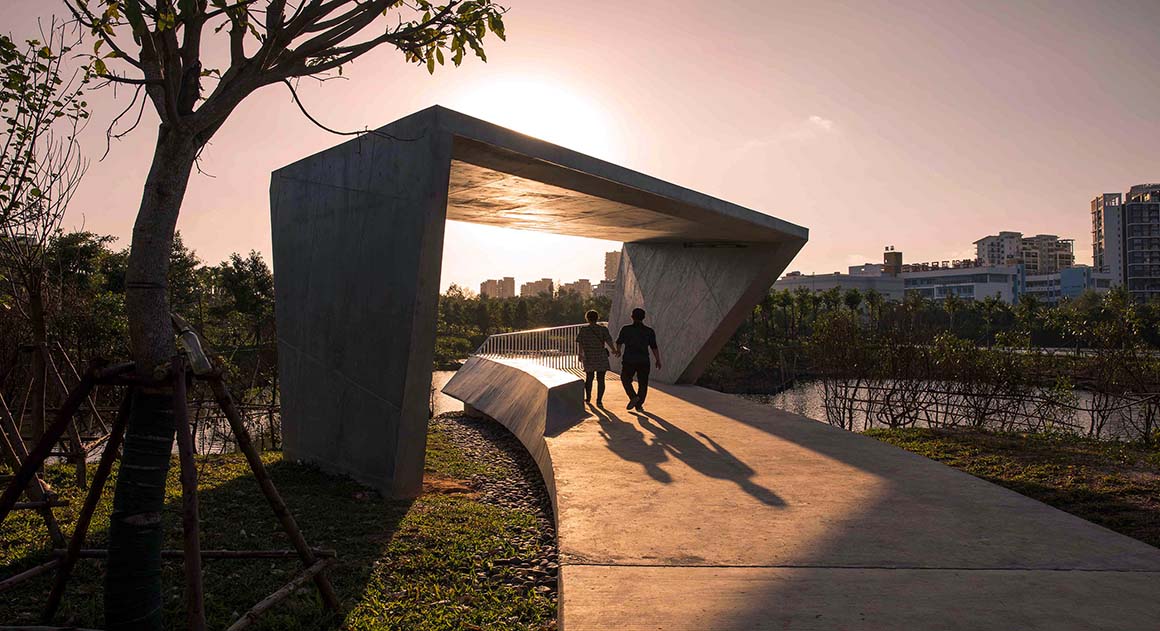
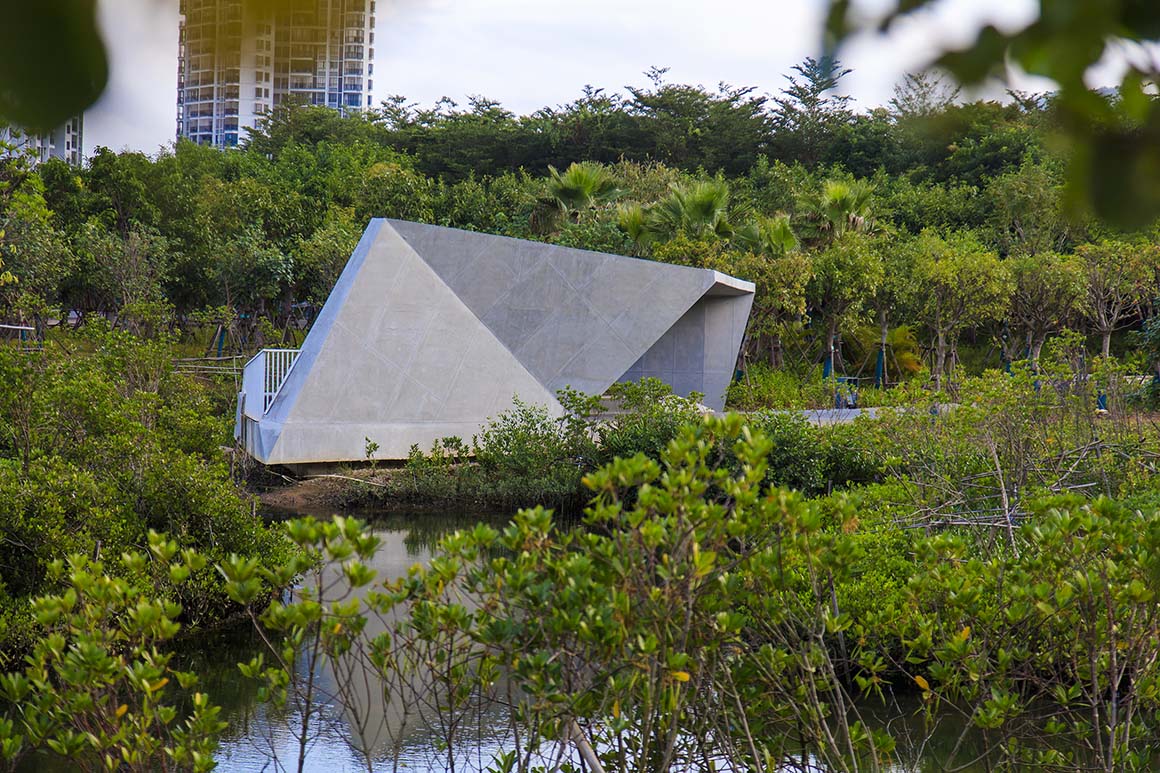
(4) A network of pedestrian passageways, including a skywalk, follow the landforms. Five pavilions, each a folded form of concrete, allow visitors to enjoy the park’s beauty, provide shelter and accommodate bird watching.
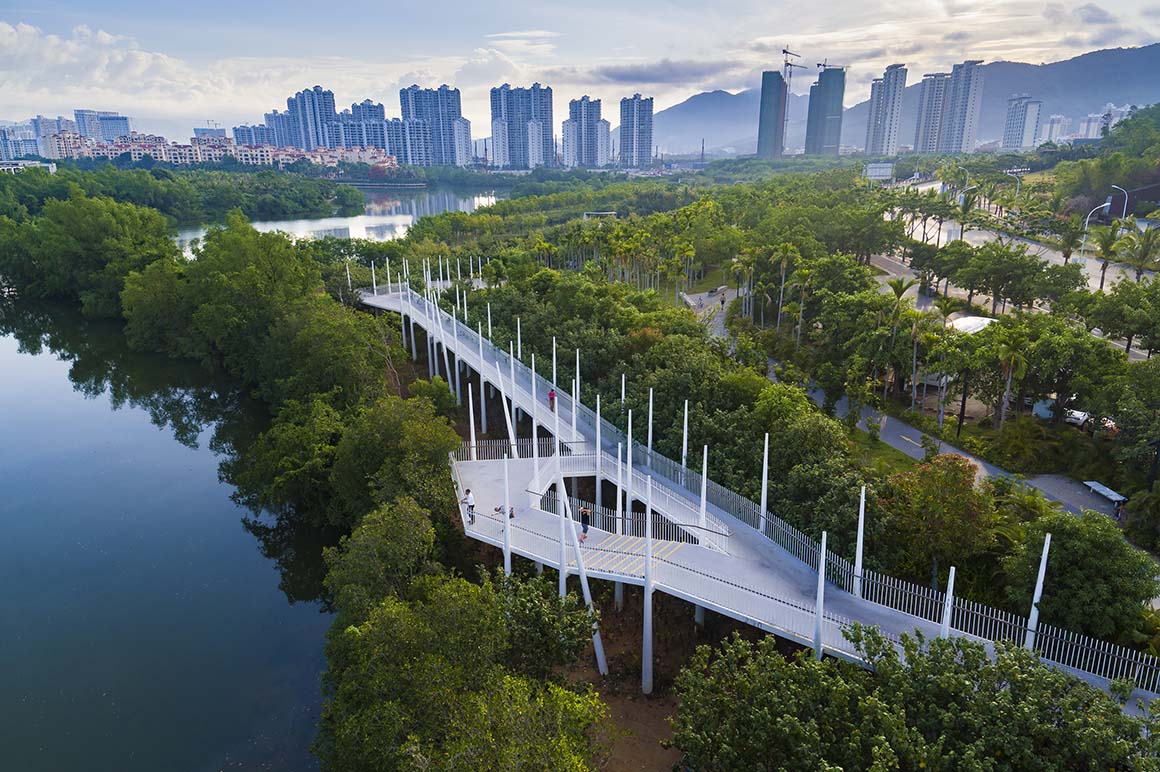
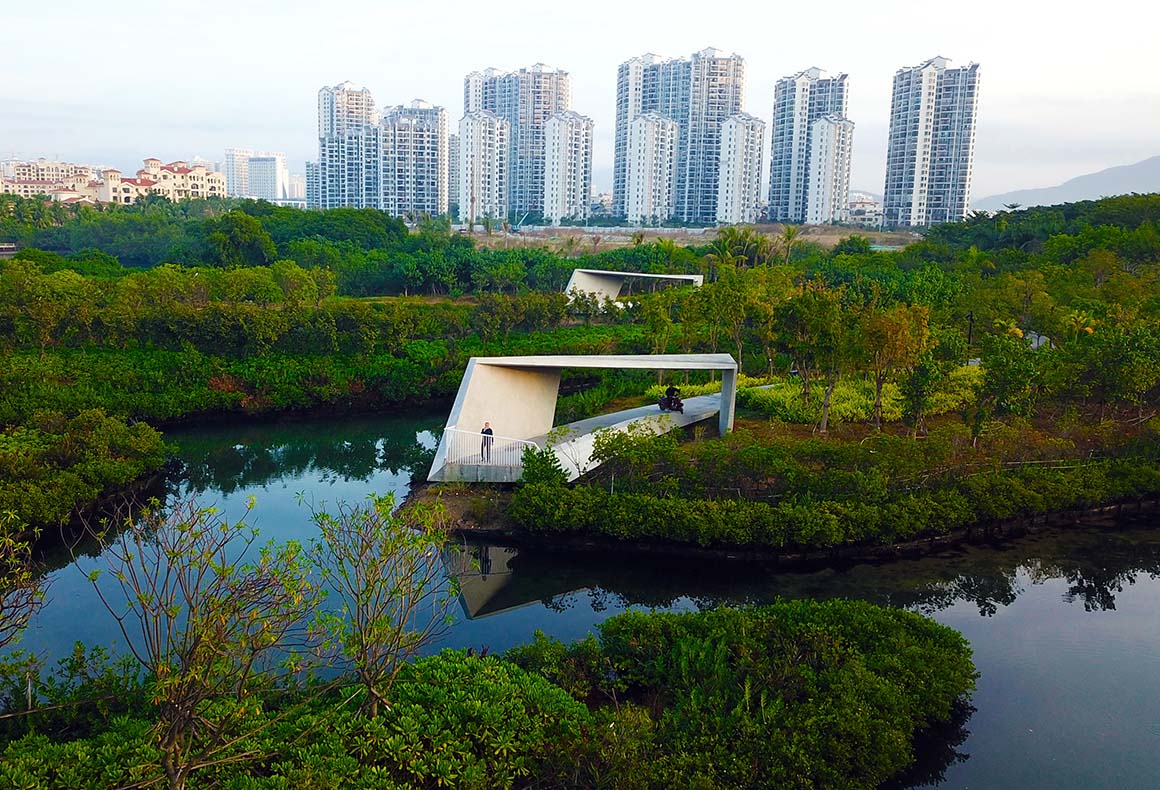
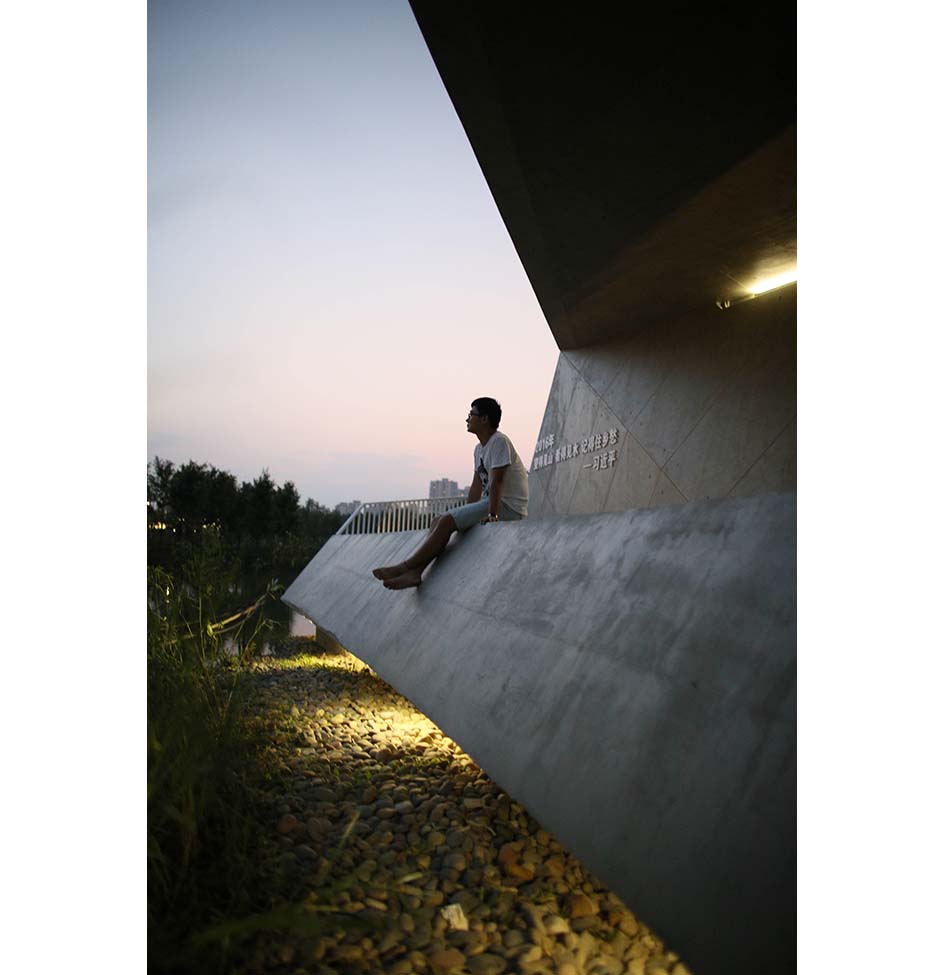
After just three years, the mangroves within the interlocked landform fingers are well established, and fish and birds are abundant. The park attracts visitors, serves local communities, and showcases ecological restoration. The project demonstrates the success of form that follows ecological processes to produce a designed ecotone that accelerates the process of mangrove rehabilitation.
Project: Sanya Mangrove Park / Location: China Sanya City, Hainan Province / Official Entrant: Kongjian Yu / Lead Designer: Kongjian Yu / Landscape Architect of Record/Firm (if applicable): Turenscape / Client/Owner: Sanya City Government, China / Design team: Kongjian YU, Design Lead / Participants: Lin Guoxiong, Zhang Yu, Zhang Jianqiao, Baizhen, Song Jia, Yu Wenyu, Zheng Junyan, Wu Fan, Wang Yufei, Li Fei , Wang Fang / Project Classify: landscape / Project Scale: 10 hectares / Design: August, 2015 / Construction: November, 2016 / Photograph: courtesy of the architect