

A Way to the Cloud
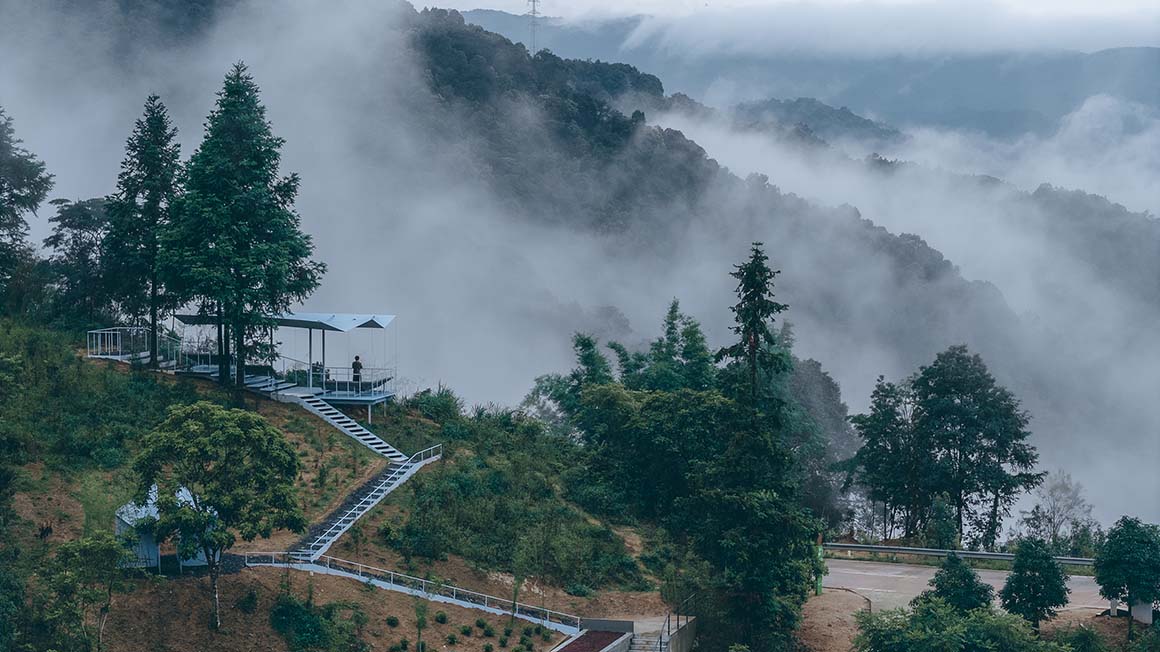
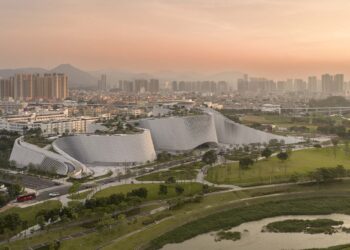
Located at the foot of Nankun Mountain in Huizhou, Guangdong, the Cloud Pavilion is part of the “Two-Mountain Architectural Art Program.” Huizhou is where the 11th-century Northern Song poet Su Dongpo stayed during his exile. His verse “viewing mountains after rain from a pavilion” describes his perception of landscape and becomes the conceptual basis of the project. The three lightweight structures—Mountain Post, Hometown Pavilion, and Cloud Pavilion—are arranged according to layers, fissures, and shifts in slope and circulation, transforming topographical variation into spatial rhythm. The project does not occupy the landscape but responds to it through topography, movement, and structure.
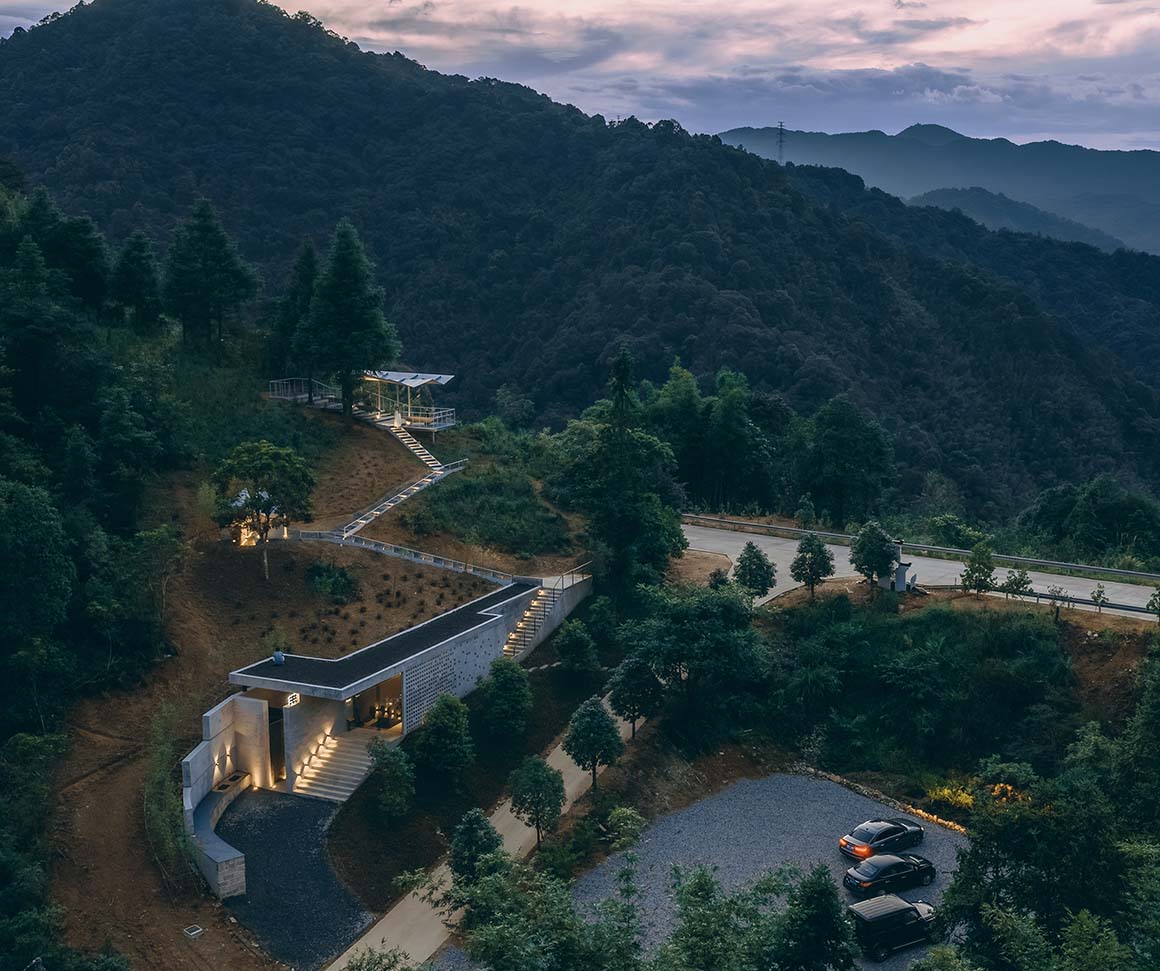
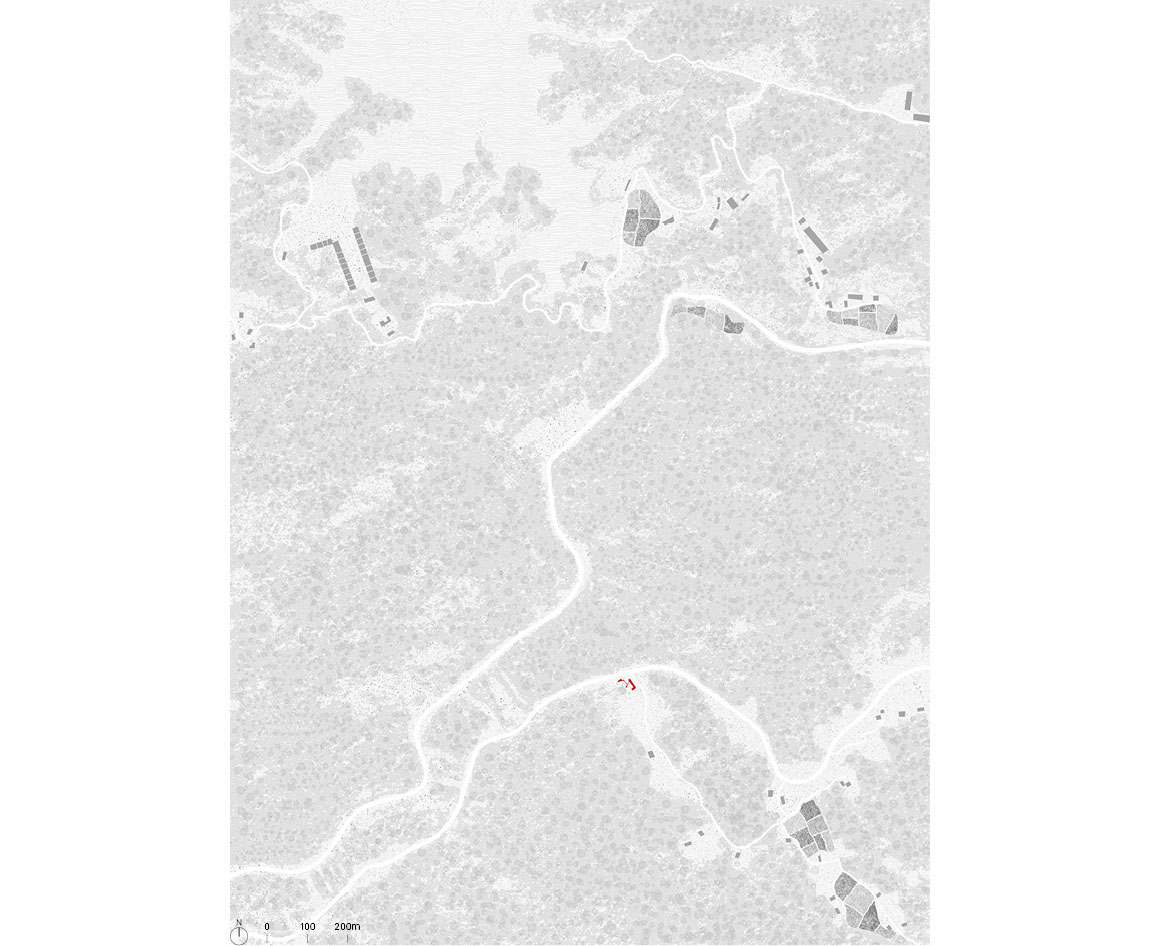
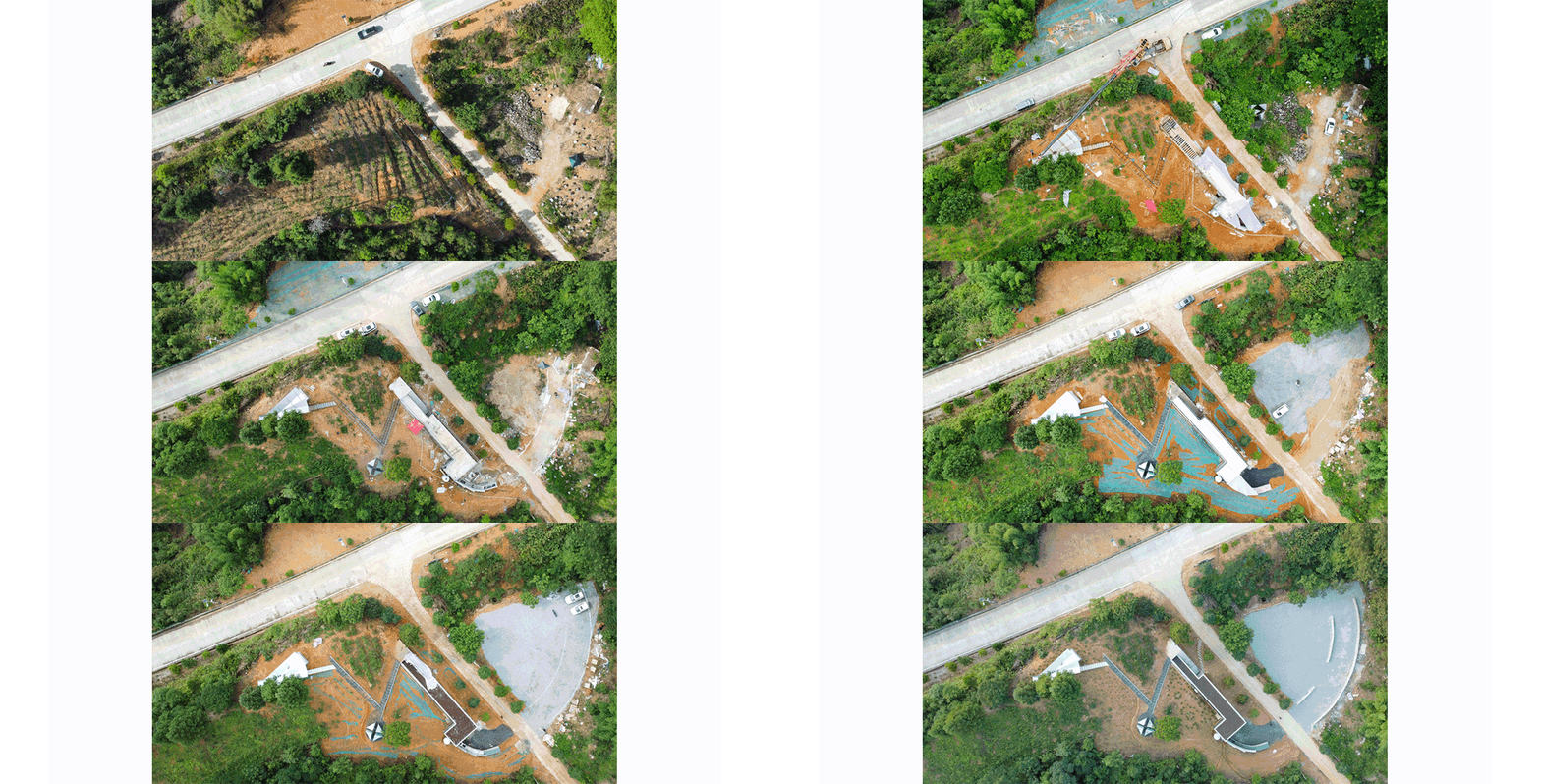
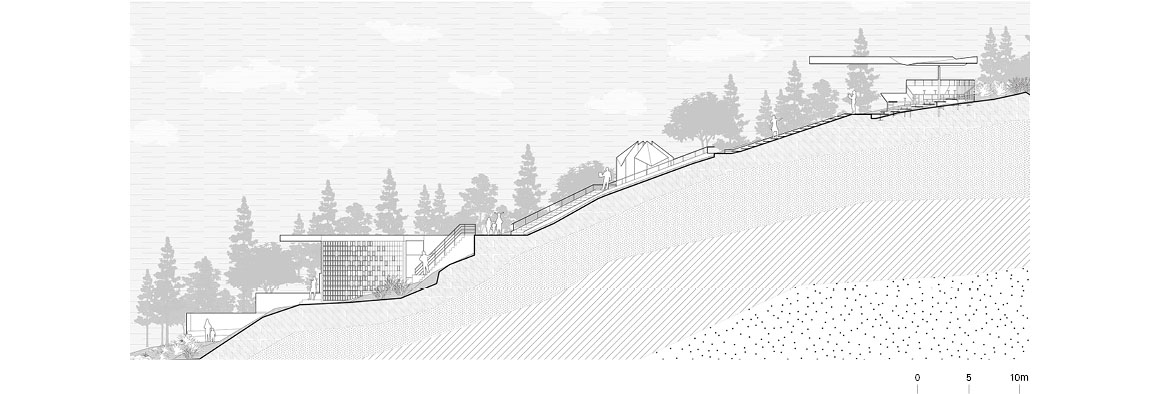
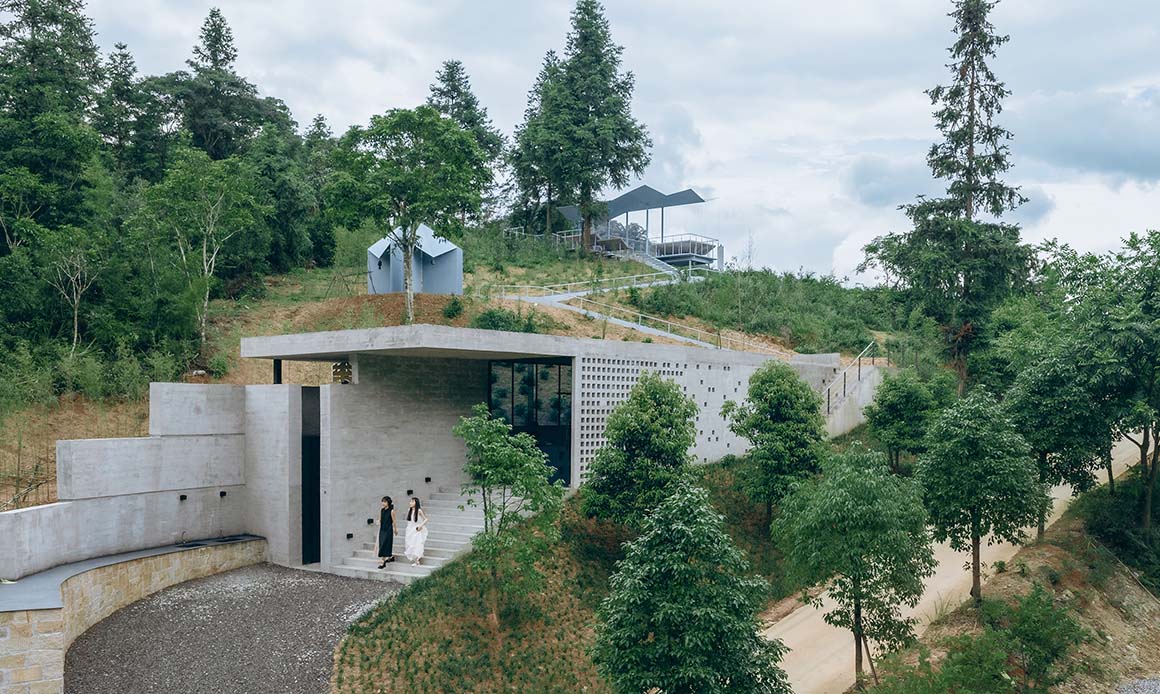
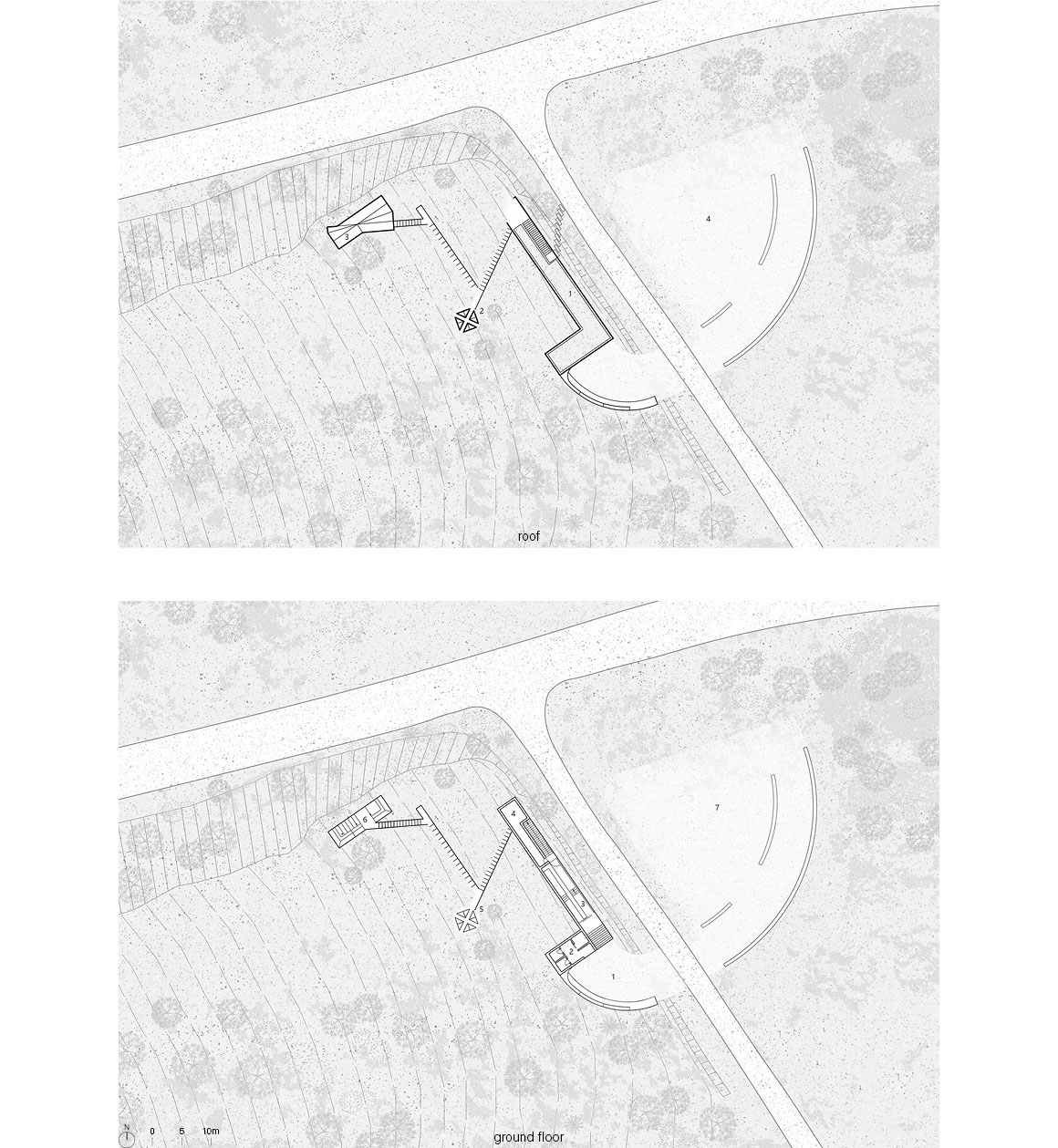
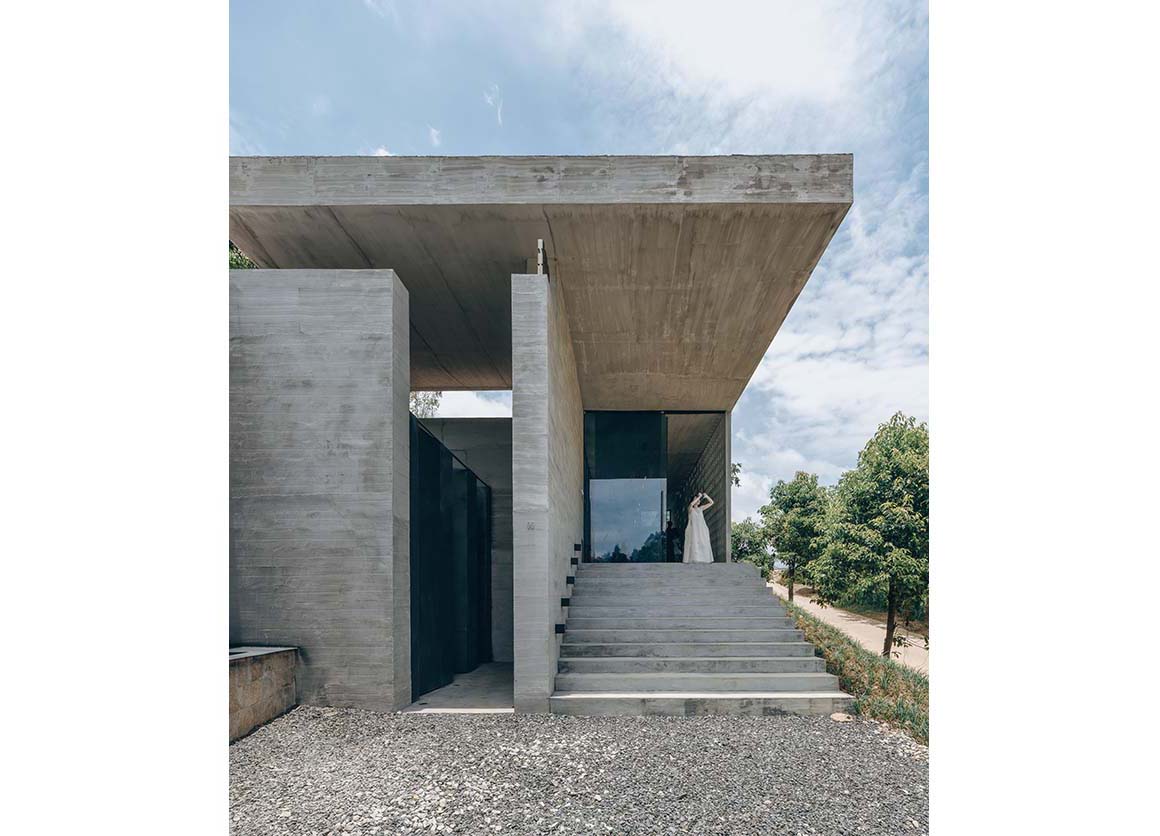
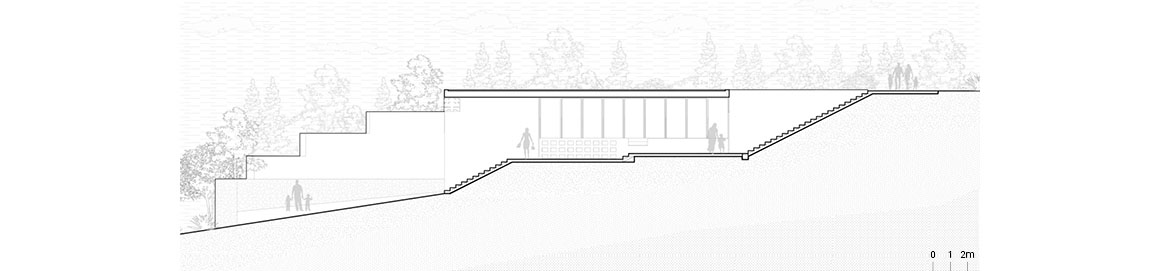
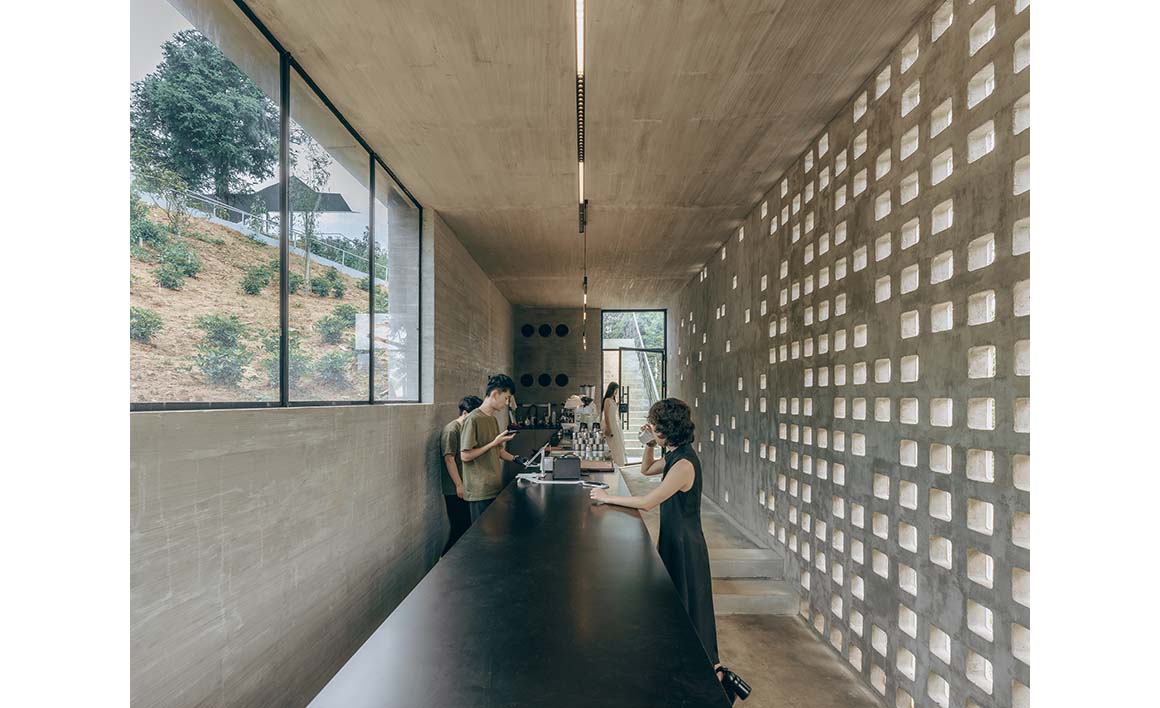
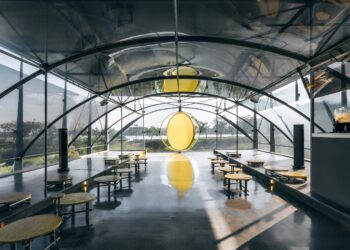
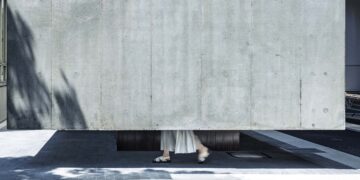
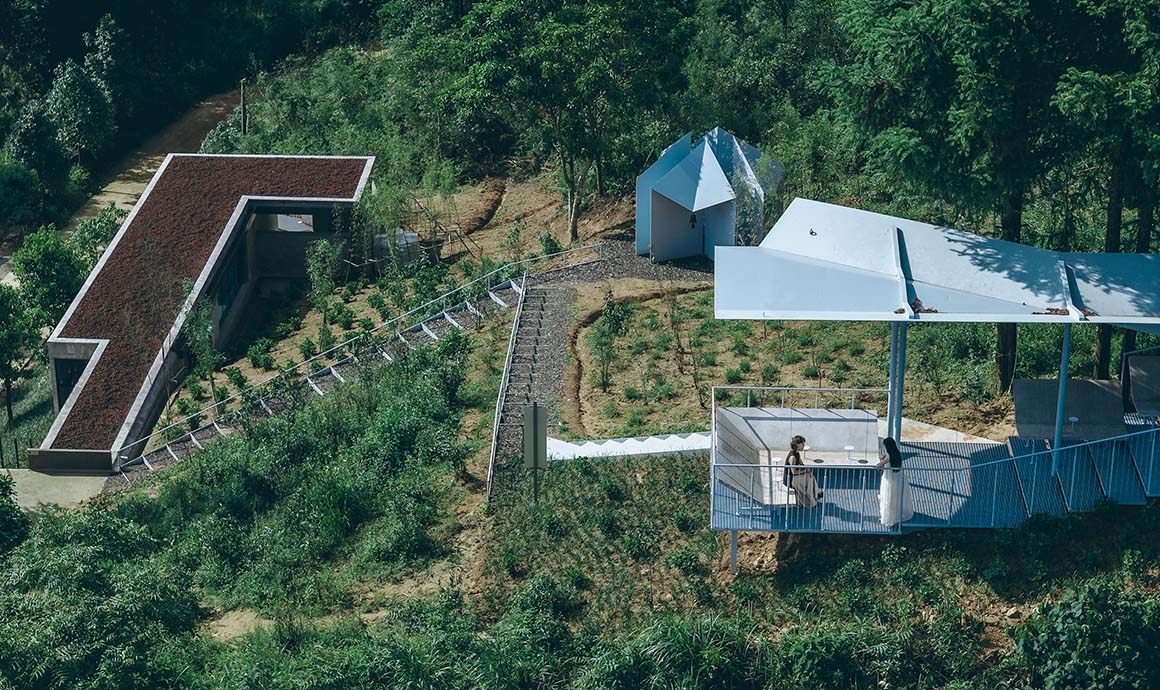
Circulation begins at the Mountain Post at the lowest southeastern point of the site. The system engages the level difference between the north-high–south-low terrain and the eastern road. The lower level aligns with road height, accommodating a café and public restroom, and gradually rises along the slope to meet the hillside. The upper portion connects to the northern slope and extends outward in a cantilever toward the landscape. The building intersects the mountain path vertically, fragmenting linear movement and shifting between movement and dwelling.
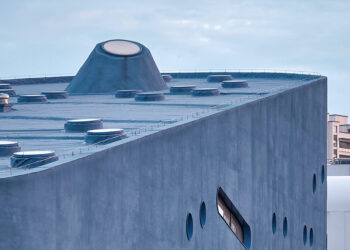
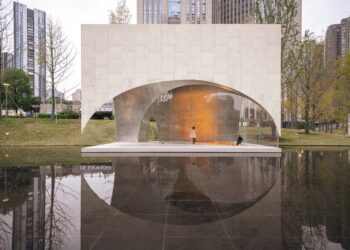
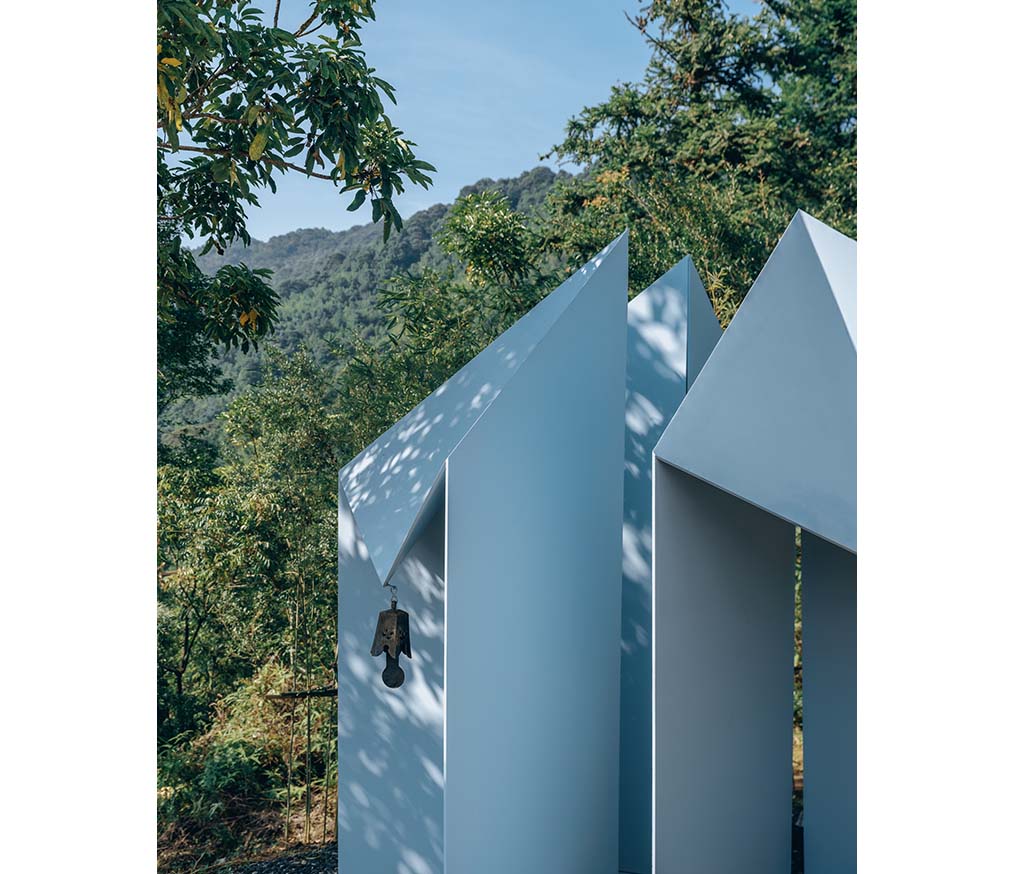
The Hometown Pavilion, designed by sculptor Li Nu, translates local identity into structure and space. Based on geometries derived from Northern Song clothing and Su Dongpo’s headwear, it is composed of four modules, eight walls, and sixteen steel plates. Positioned between sculpture and architecture, its interior forms dense spaces of dwelling, its exterior enables circulatory viewing, and the gaps between modules create passages. Layers of enclosure and openness, dwelling and movement overlap, while light and water resonate on the metal surfaces.
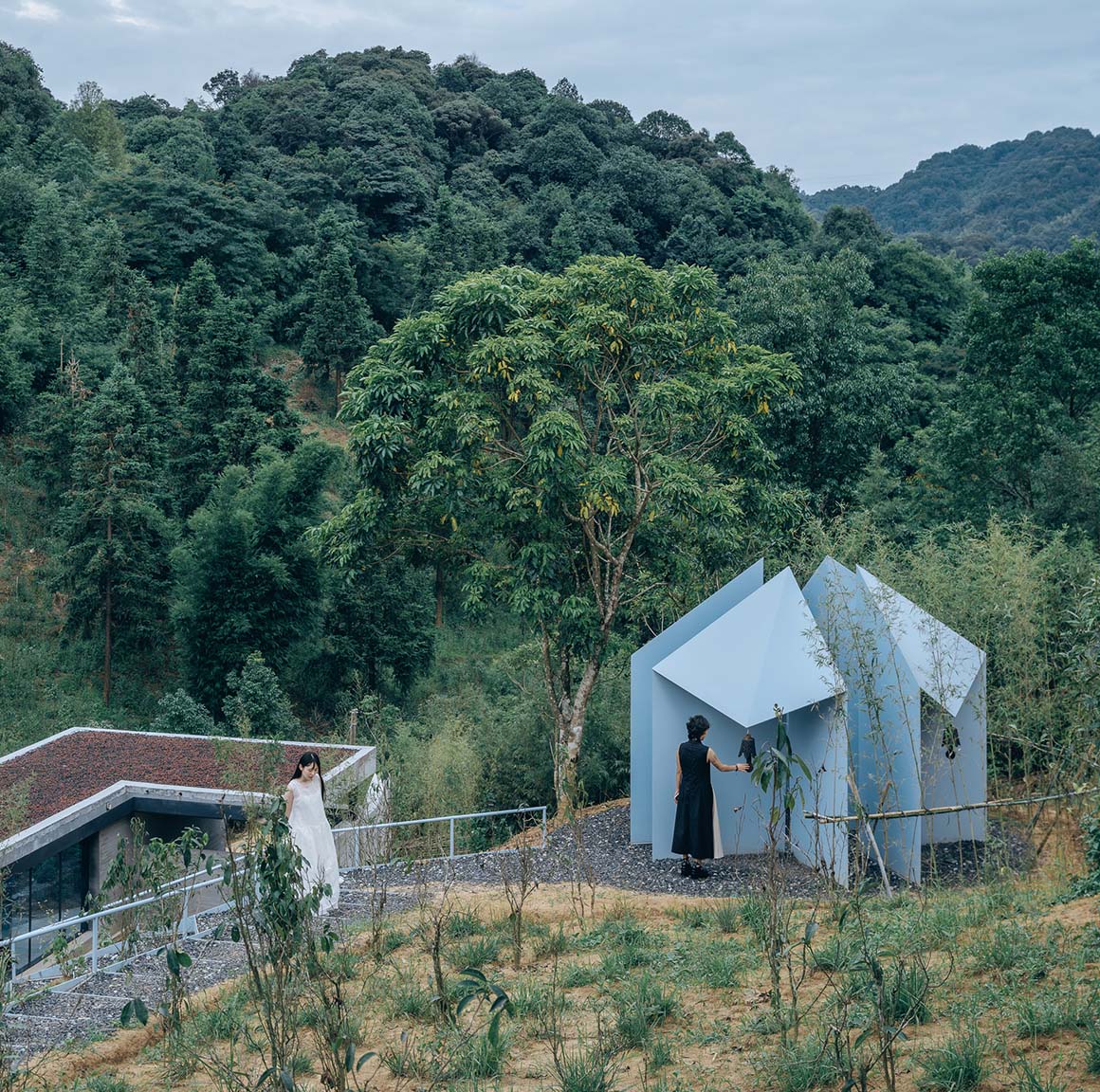
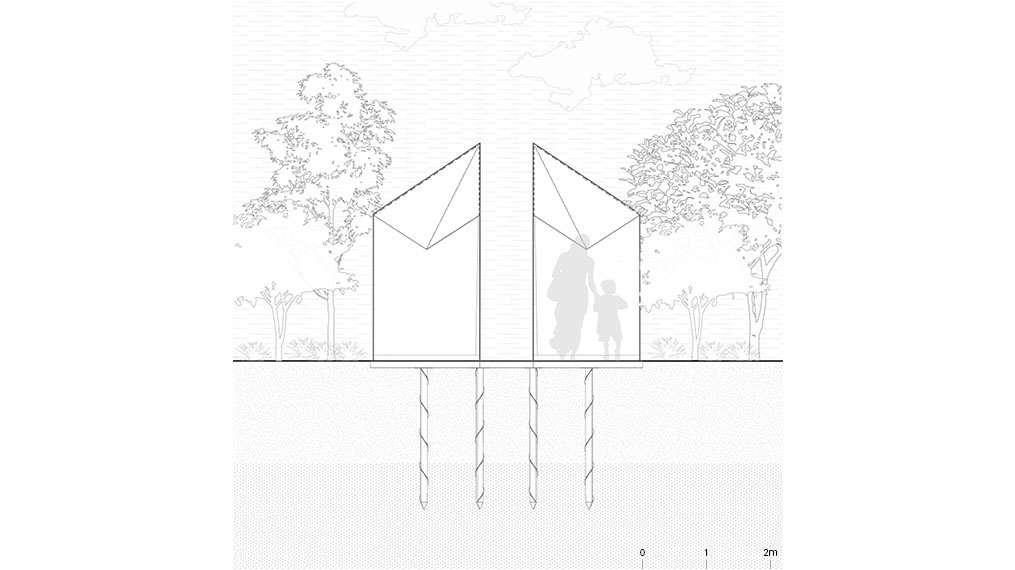
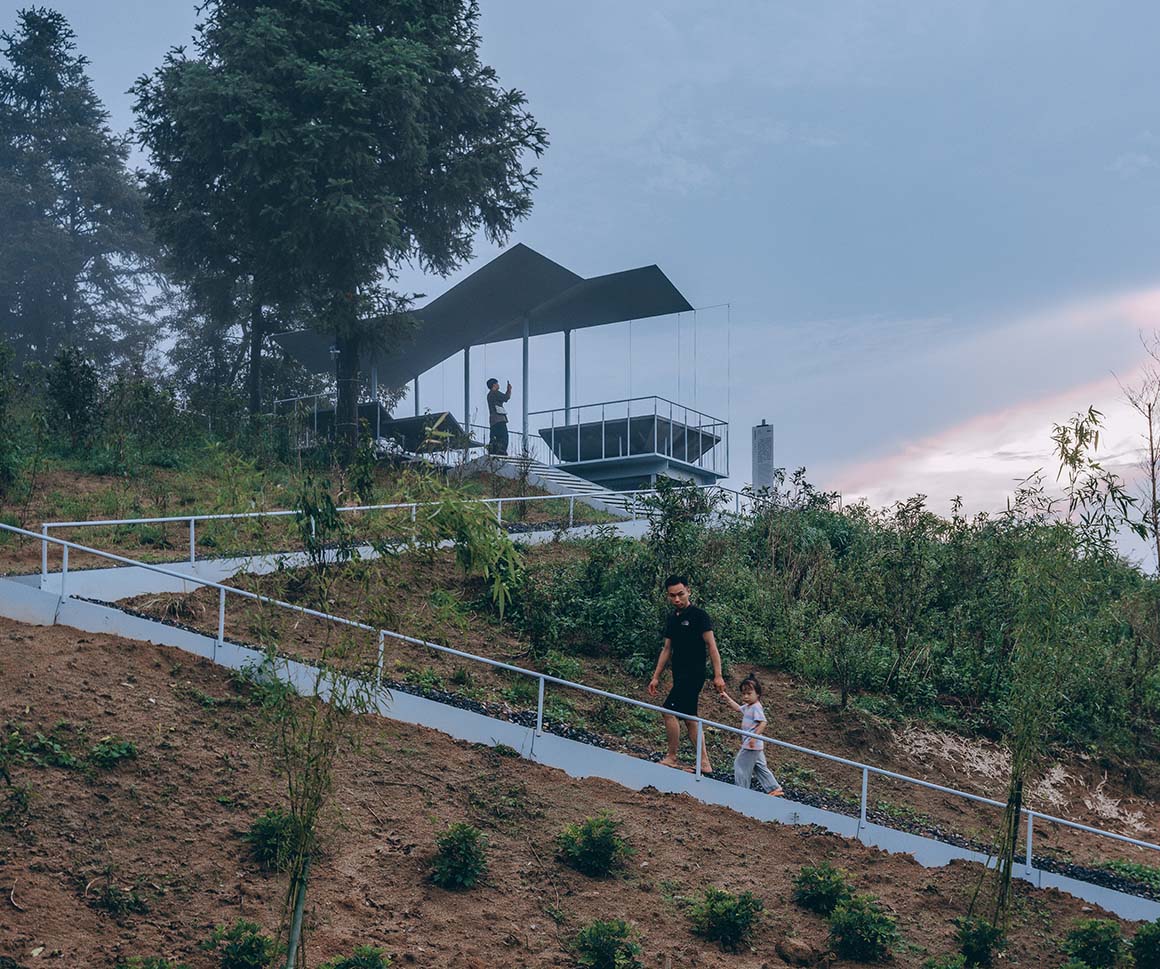
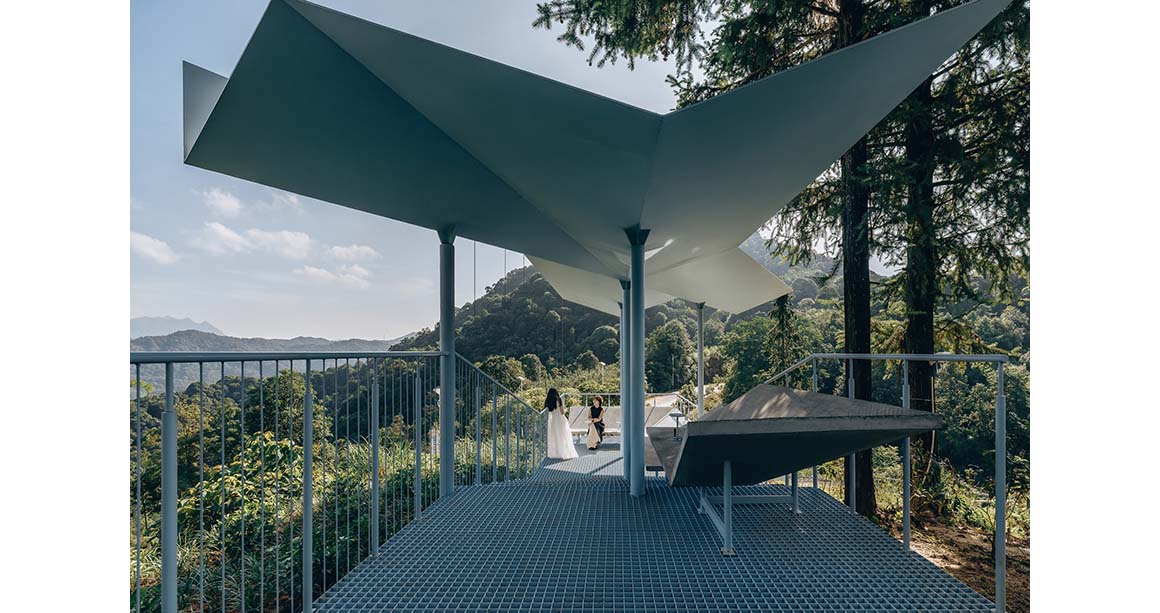
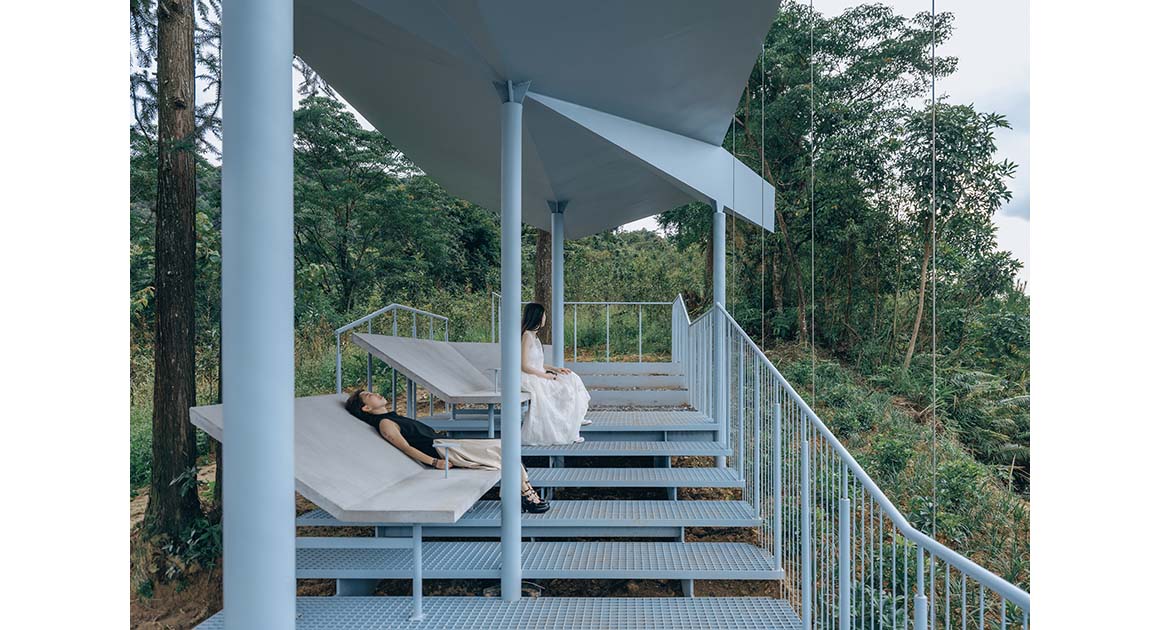
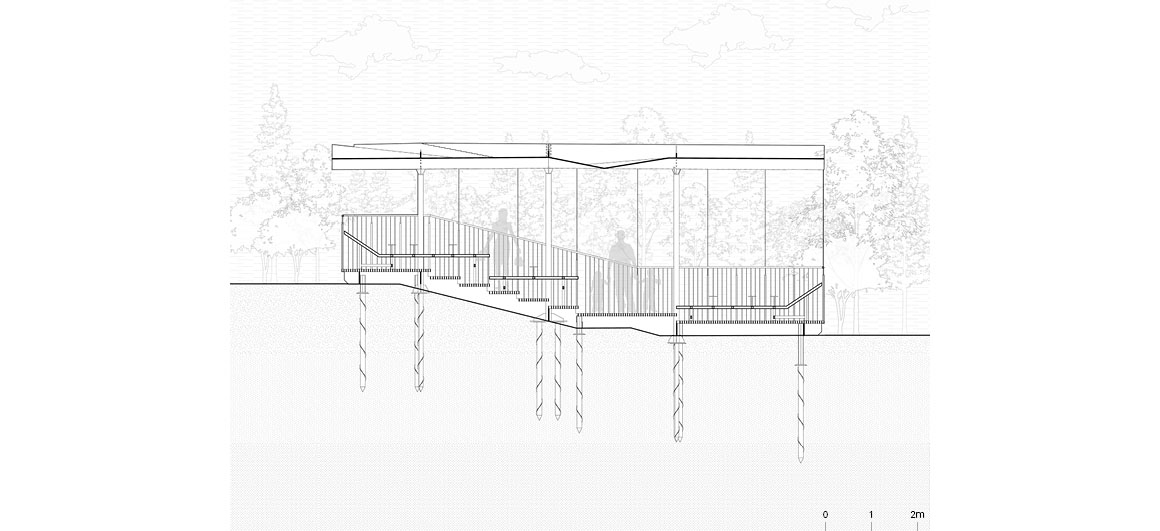
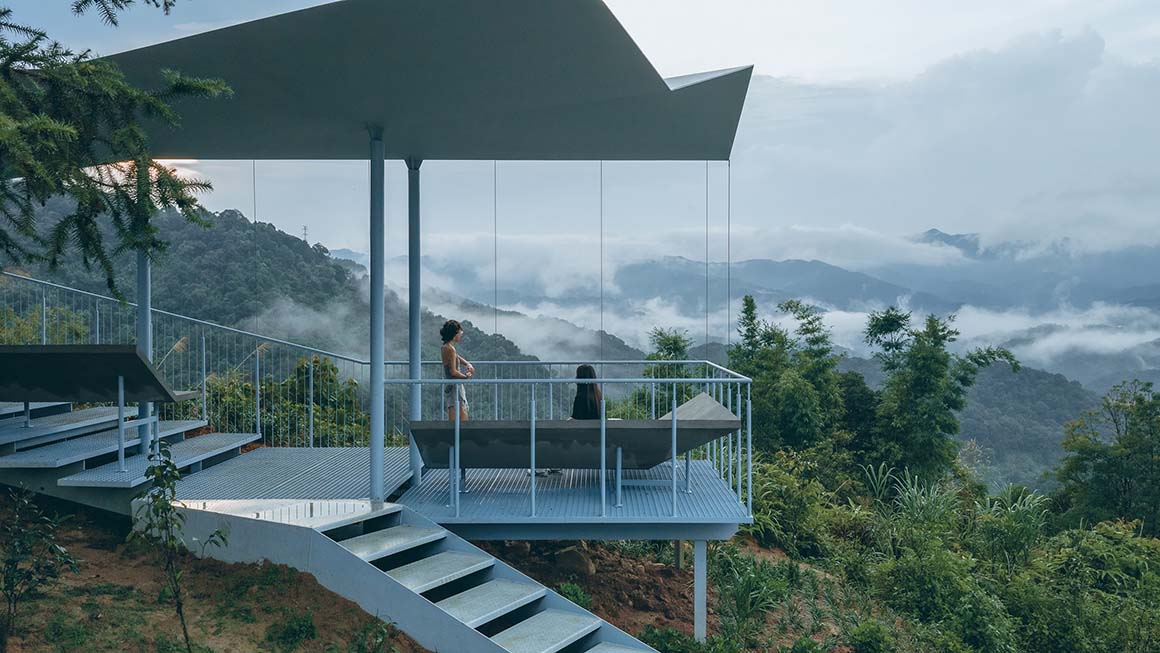
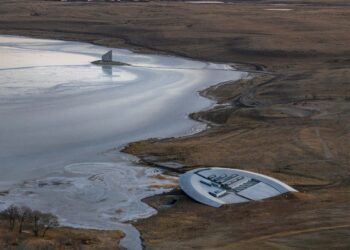
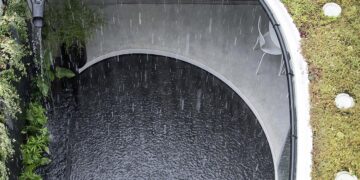
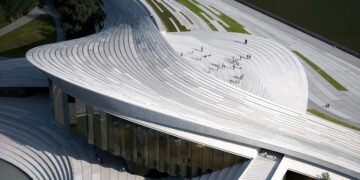
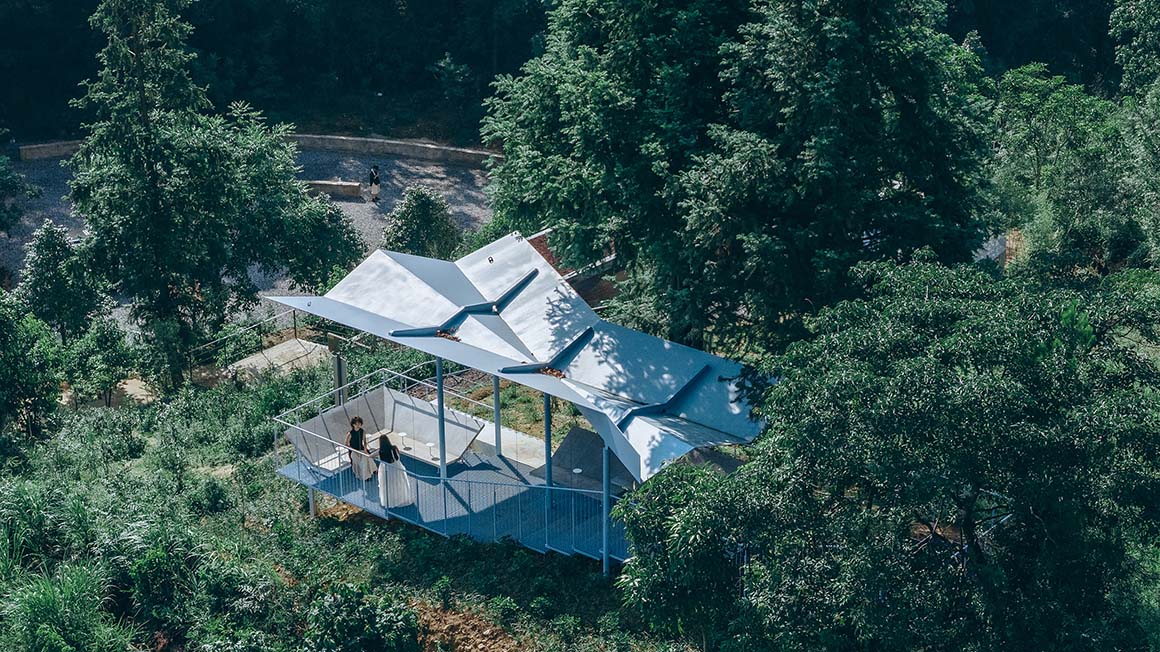
Located on an open mid-slope, the Cloud Pavilion marks the end of the route and an expanded viewing point. Built with a lightweight steel system, it shares a geometric language with the Hometown Pavilion but engages the landscape more horizontally. Two V-shaped folded roof plates collect and channel rainwater while generating varying silhouettes depending on viewpoint. From the terrace, clouds, sky, and landscape shift with altitude and air currents.
The three structures are constructed elements with clear beginnings and ends, yet they form a loosely connected sequence that follows the terrain through restrained design and light materiality. Within this continuity, they organize layers of perception and propose a way of inhabiting and resonating with the landscape.
Project: Half-Mountain Cloud Station / Location: Intersection of Provincial Road 254 and Township Road 229, Longmen County, Huizhou City, China / Architect: Studio Qing / Project team: Hu Xing, Liu Changming, Yan Chunyang, Luo Tingkai, Tang Ziji, Xu Yanjun, Ren Shiyang, Jin Xin / Resident architect: Tang Ziji / Executive unit: Shanghai Fengyuzhu Culture & Technology Co., Ltd. / Supervisor: Lü Ningjue / Implementation manager: Zhang Jingwei / Engineering management: Yan Jiarun, Zou Kefei / Steel structure: Wuhan Tingjun Design & Construction Co., Ltd. / Artist: Li Nu / Lighting engineer: CDN Light / Paint coating: Bidestar / Contractor: Wuhan Dongtong Decoration Design and Engineering Co., Ltd._Jiao Jingjia (project coordinator); Hu Tianchen, Lin Yuxuan (on-site construction); Huang Jianjian (precision steel structure) / Use: cafe, pavilion / Gross floor area: 200m² / Completion: 2025.7 / Photograph: ©Zhu Yumeng (courtesy of the architect)