




The time and space regained by restoring the sense of place
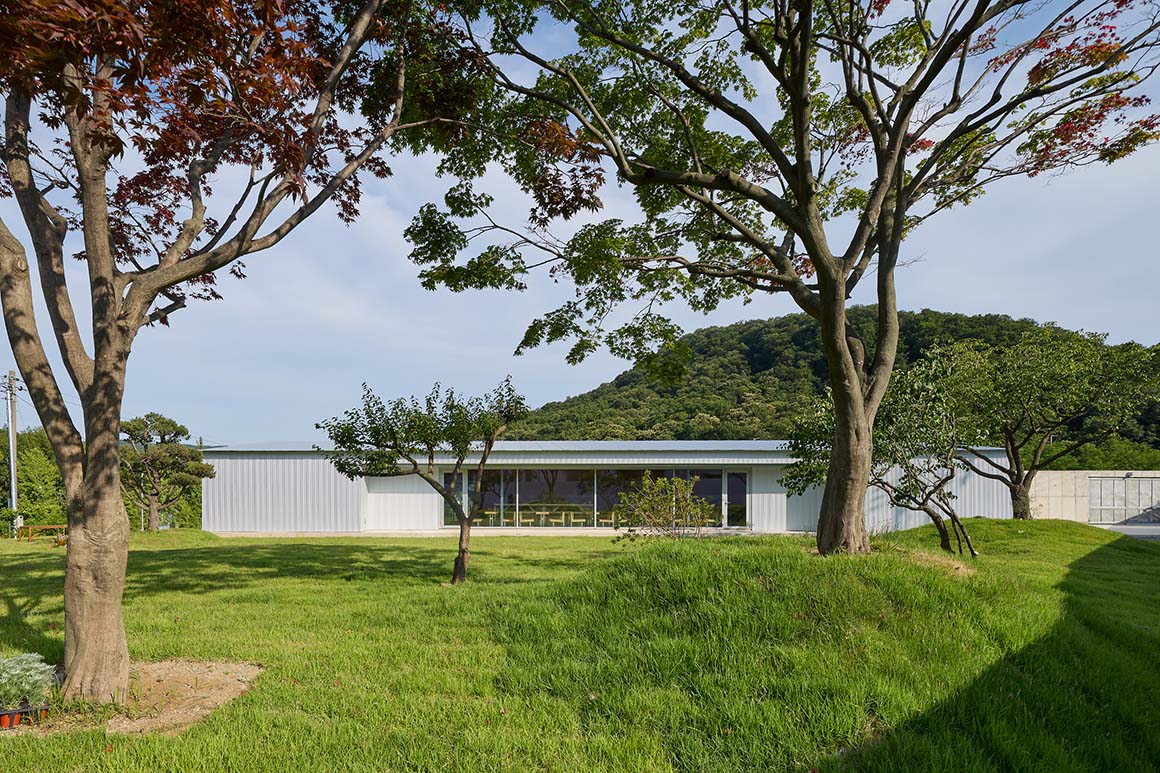
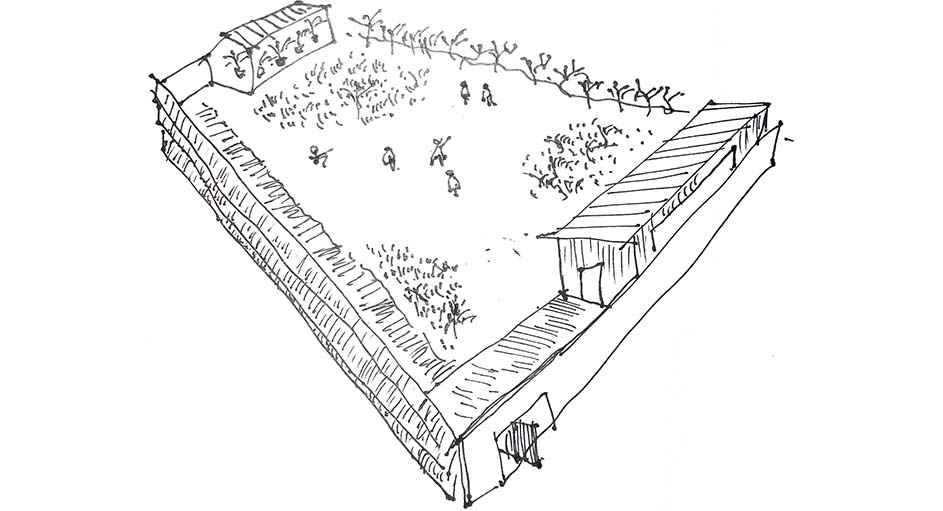
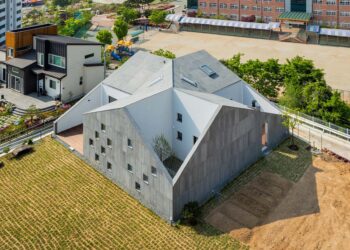
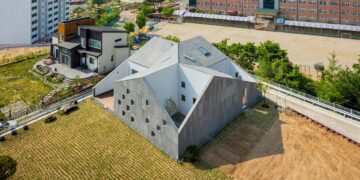
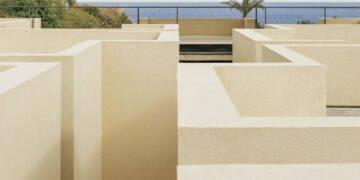
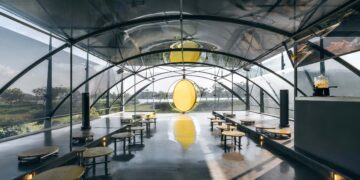
Orchard Project occupies an unlikely site: a strip of road threaded between Icheon’s busy logistics complexes, where heavy trucks pass without pause. On first arrival, the architect found little of the pastoral orchard one might imagine. What dominated instead were speed, noise, and a coarse, infrastructural atmosphere. Attention turned to the low mountain ridge running behind the plot. Taking it as the site’s essential backdrop, the architect began not by trying to correct the external commotion but by proposing a shift in perception: establishing a firm boundary wall and turning the gaze inward. Once across that threshold, the flow of the surroundings seems to step back. Visitors are released from the site’s external pressures and allowed to dwell—quietly—within the space itself.
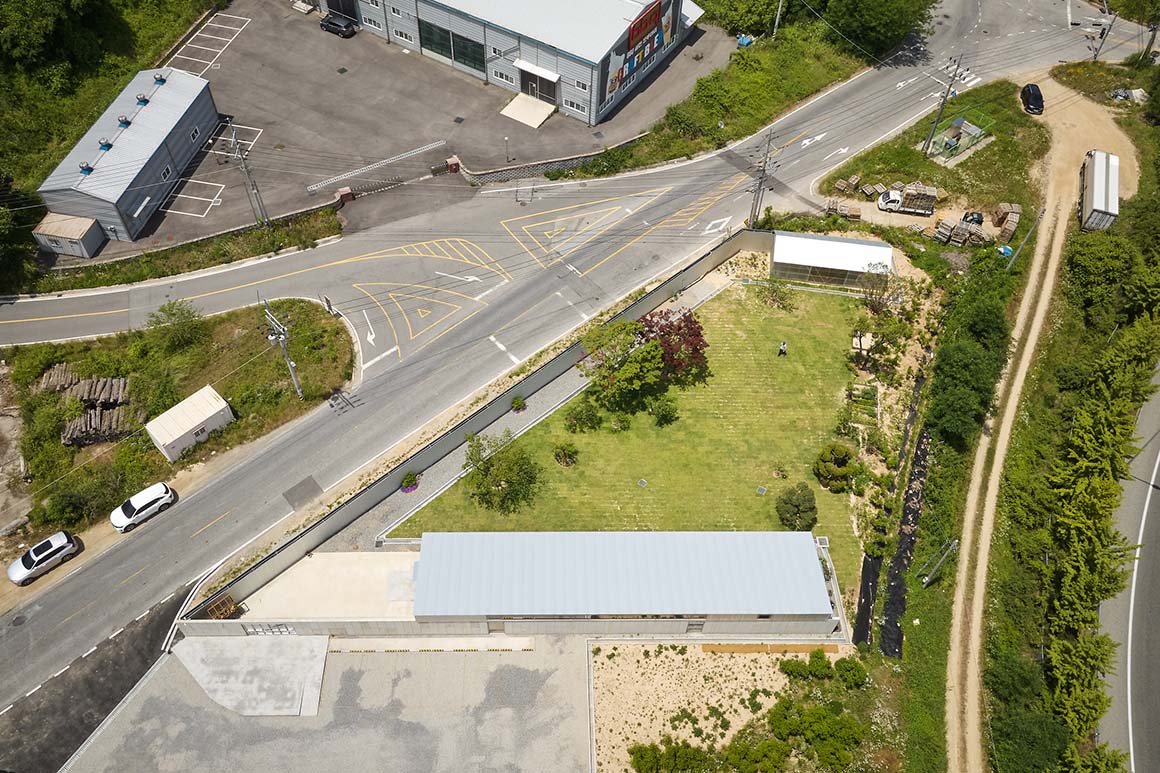
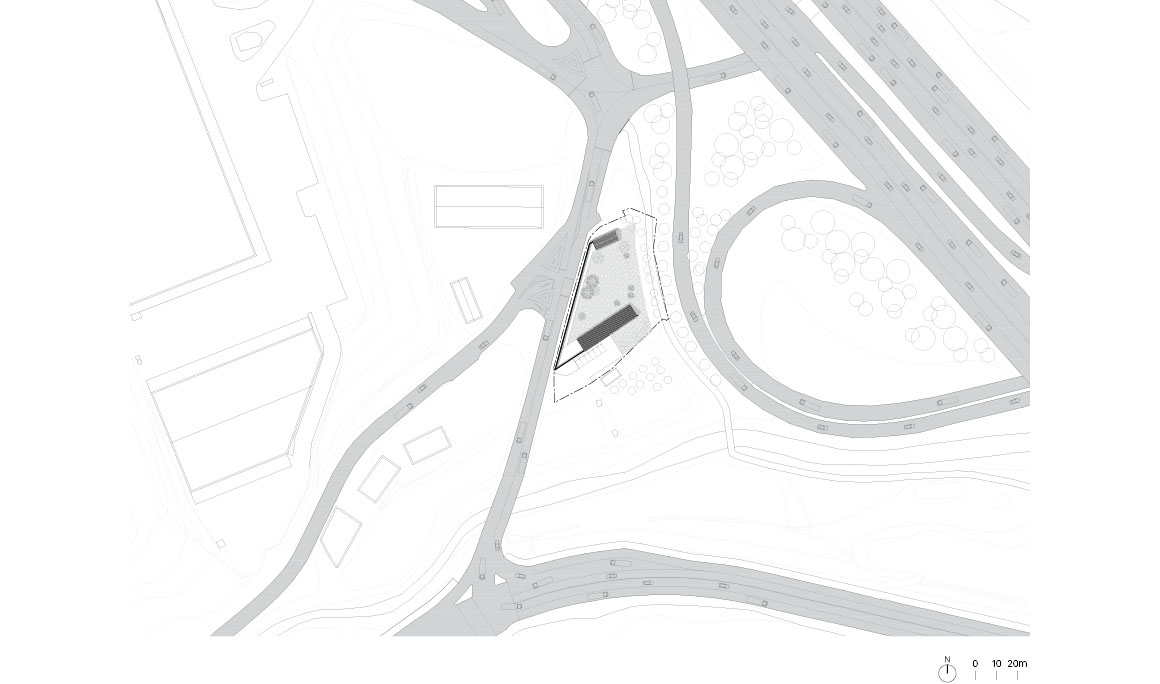
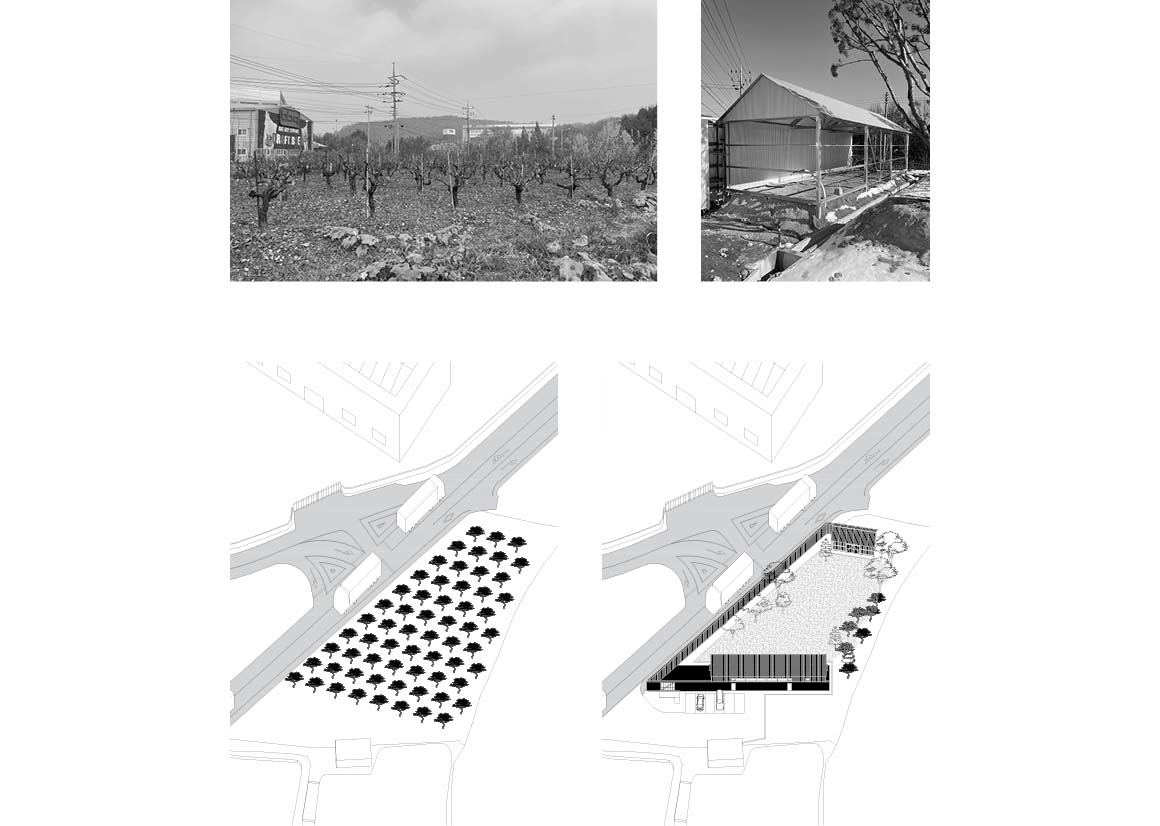
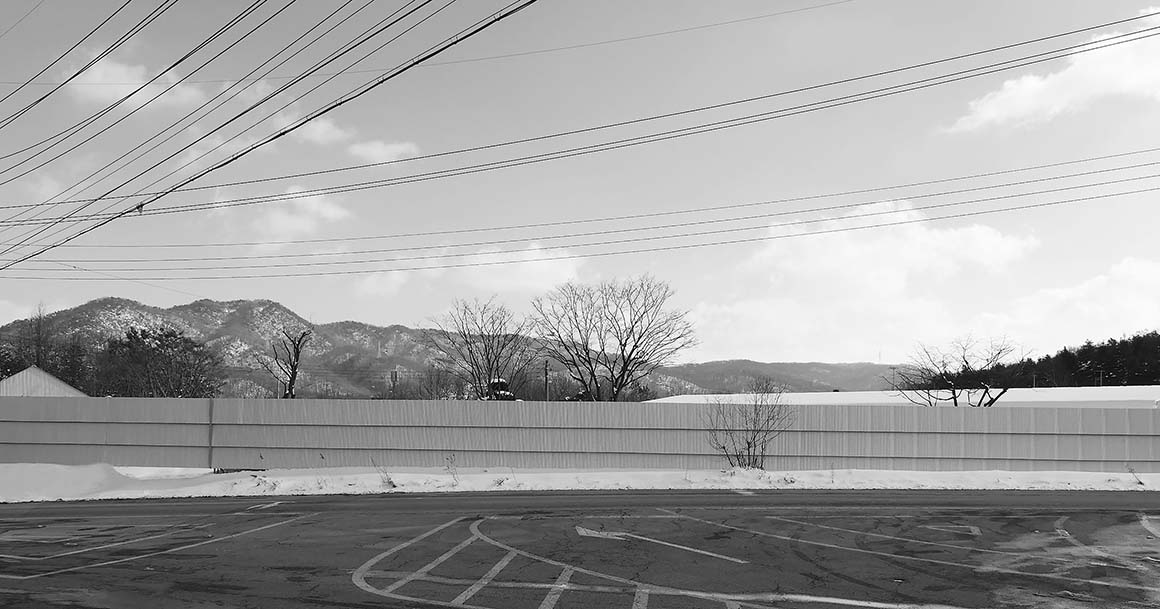
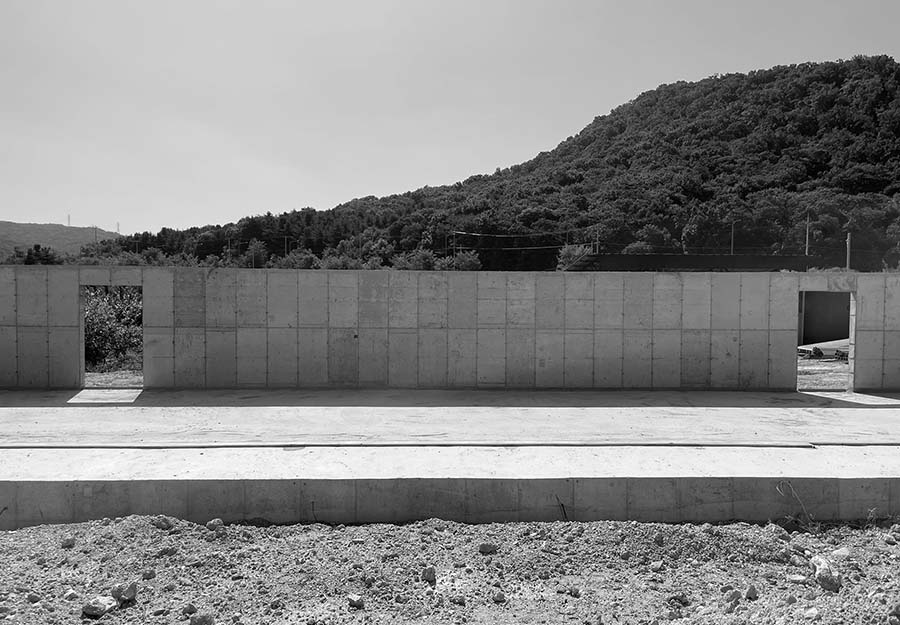
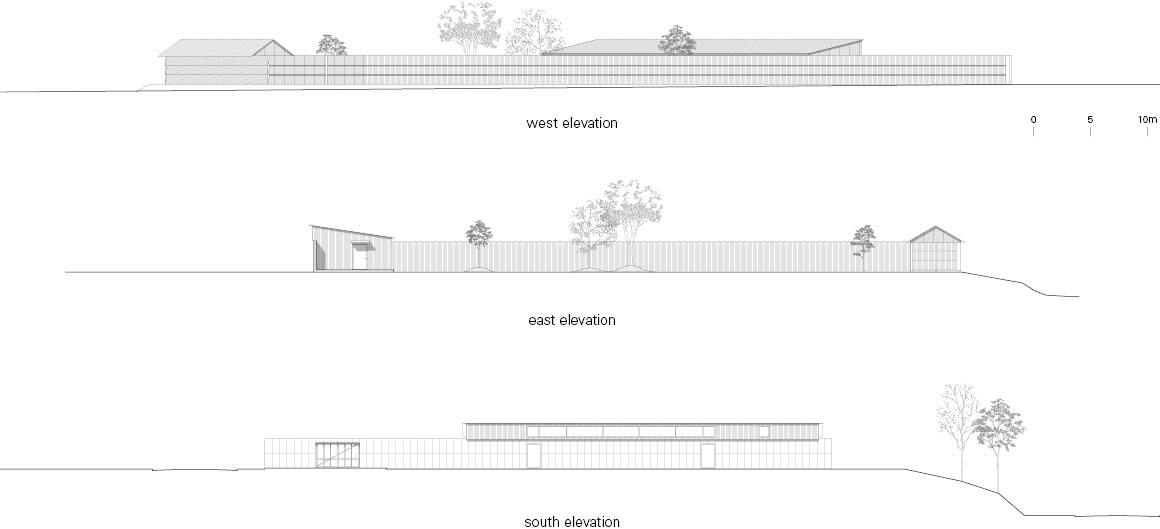
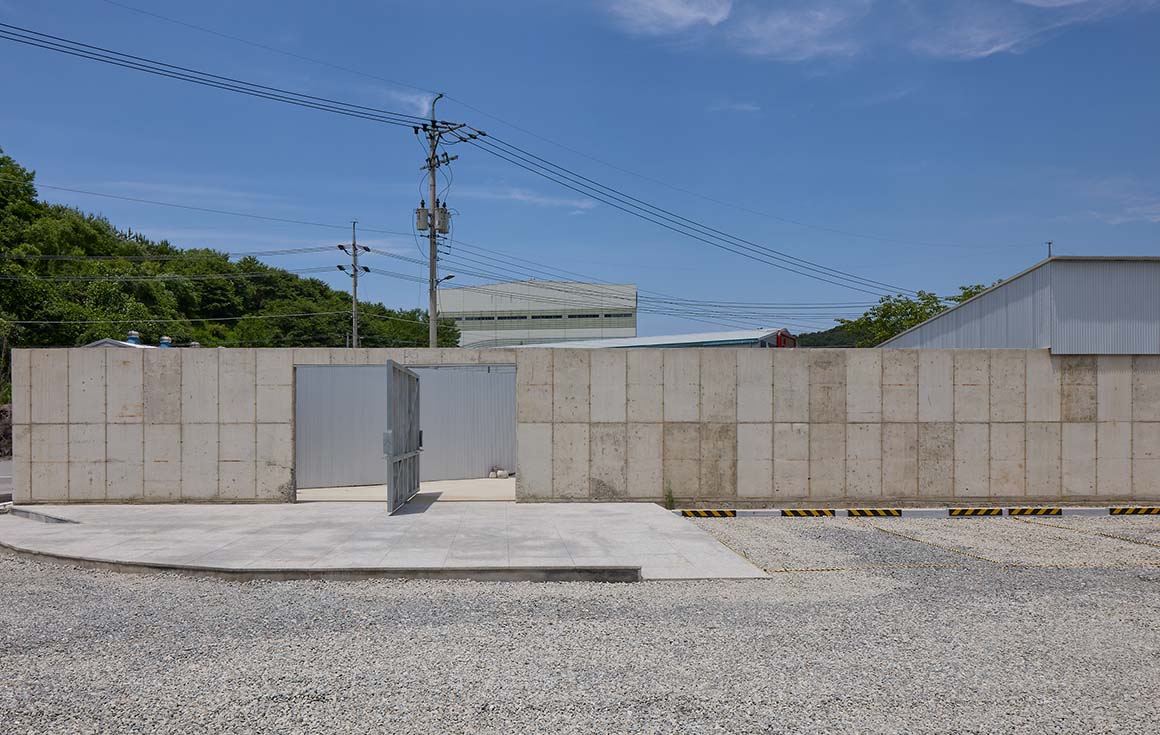
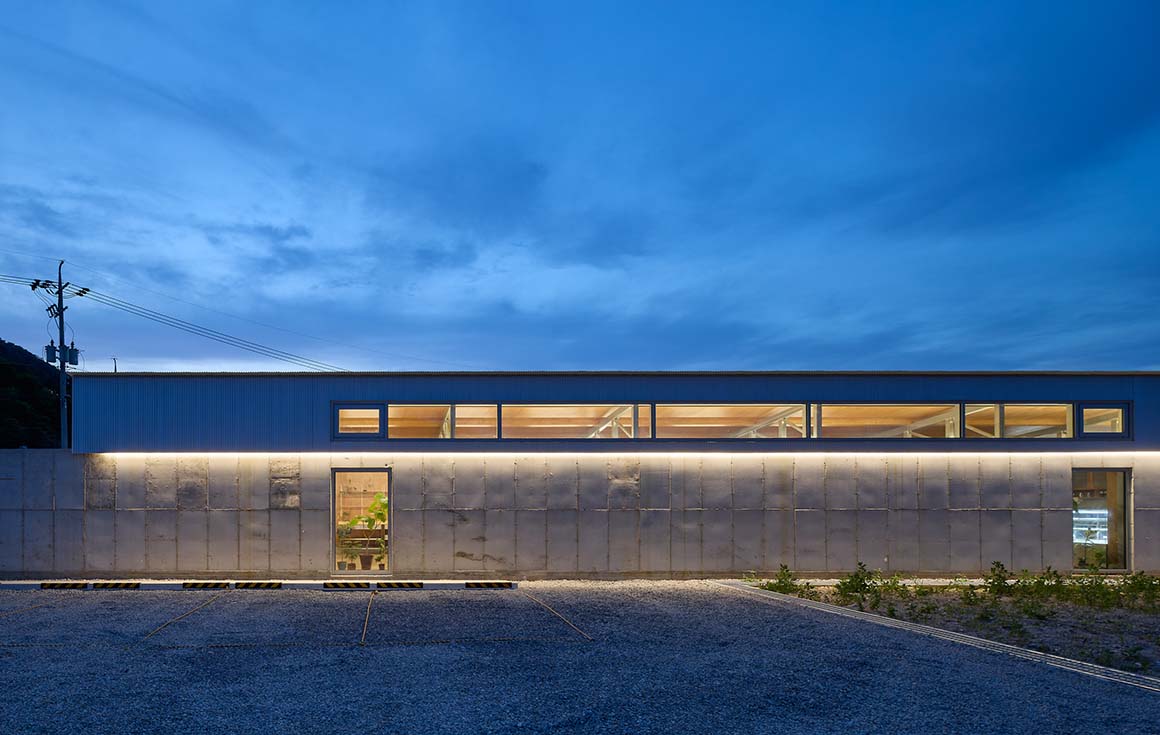
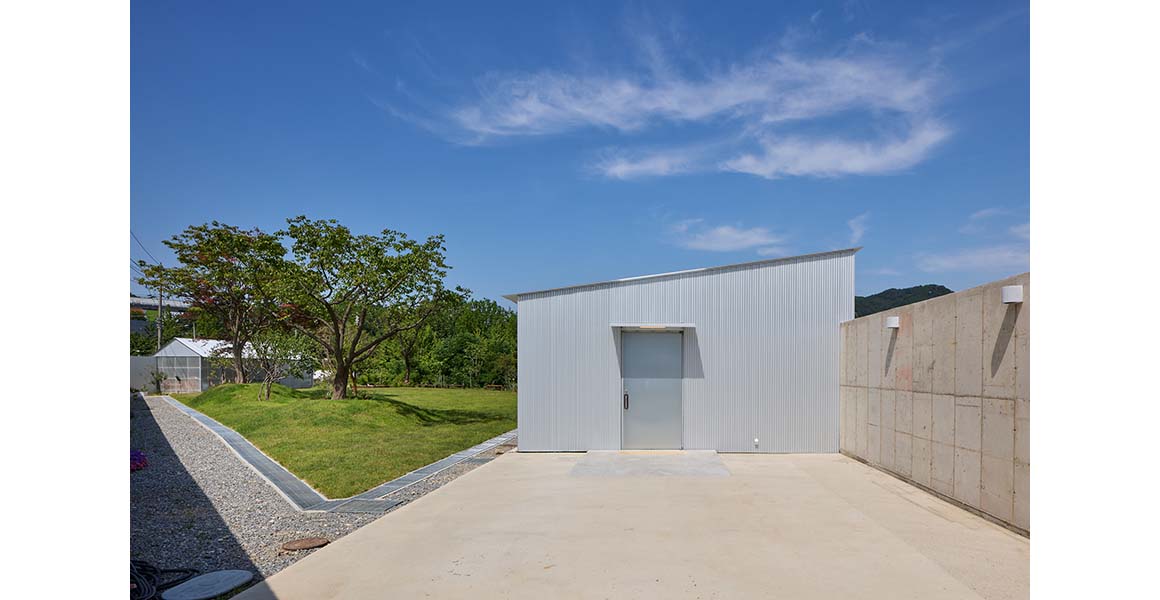
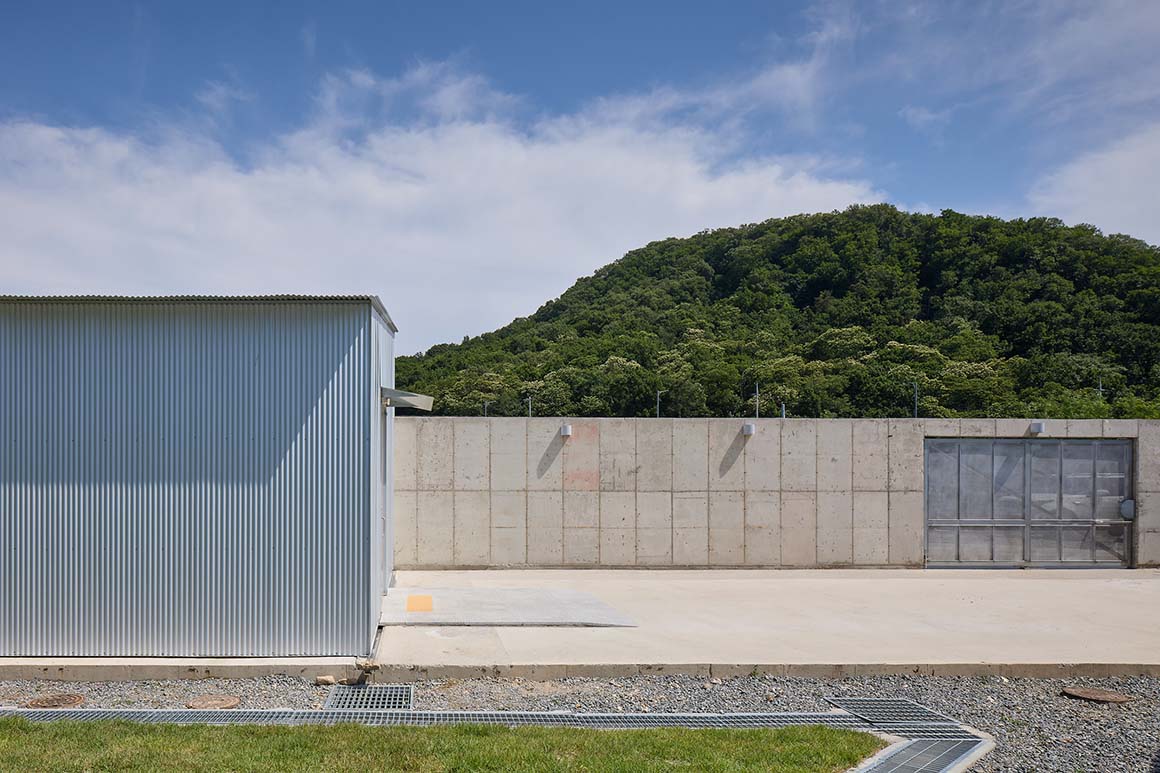
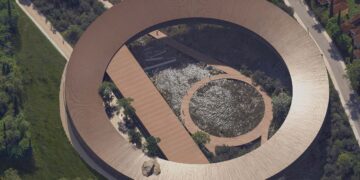
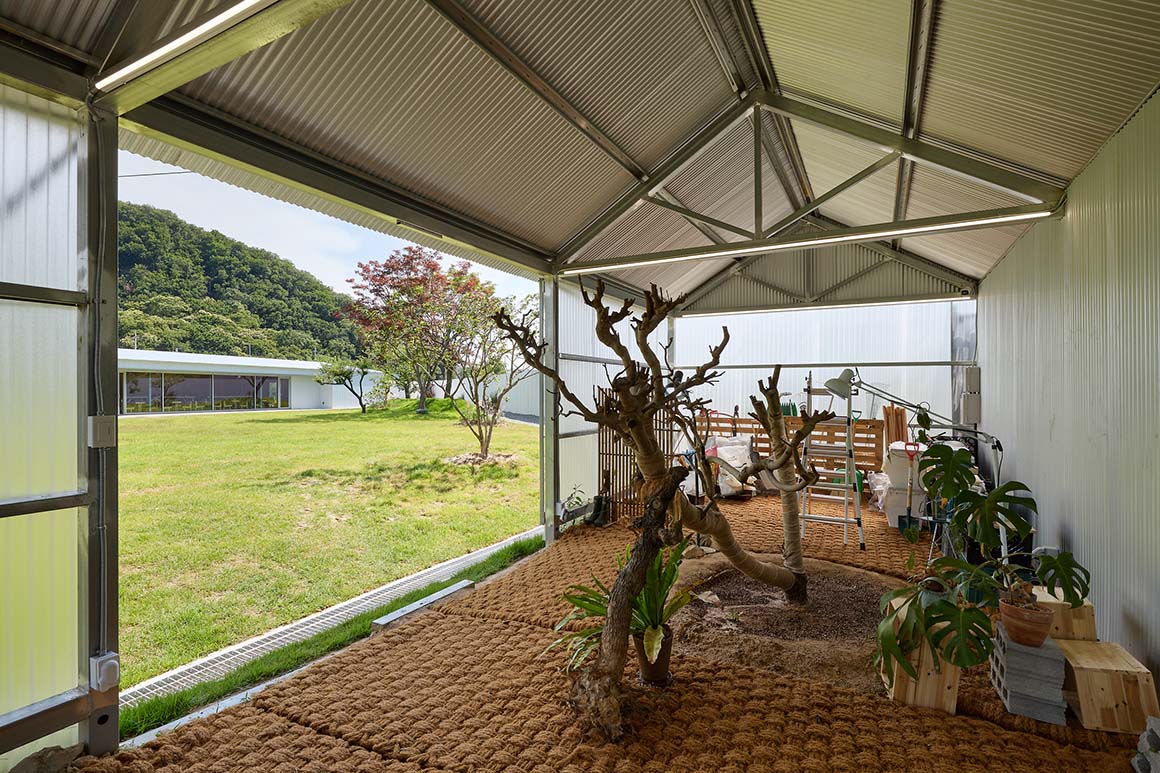
The project’s layout reinterprets the ordered rows of the orchard that once stood here, translating that latent structure into the form of enclosing walls. The design concentrates less on addition than on what should be cleared and what should remain. From that logic emerges an emptied central court: a space that holds physical distance from the road while forming its own internal climate. In place of applied decoration, the court is inhabited by sky, light, and the slow register of time. Sightlines are drawn along the circulation and, almost inevitably, toward the mountain behind. The orchard is not recreated as an image, yet the memory of walking between trees—its rhythm and bodily sensation—is carried forward, recast in the language of a contemporary spatial sequence.
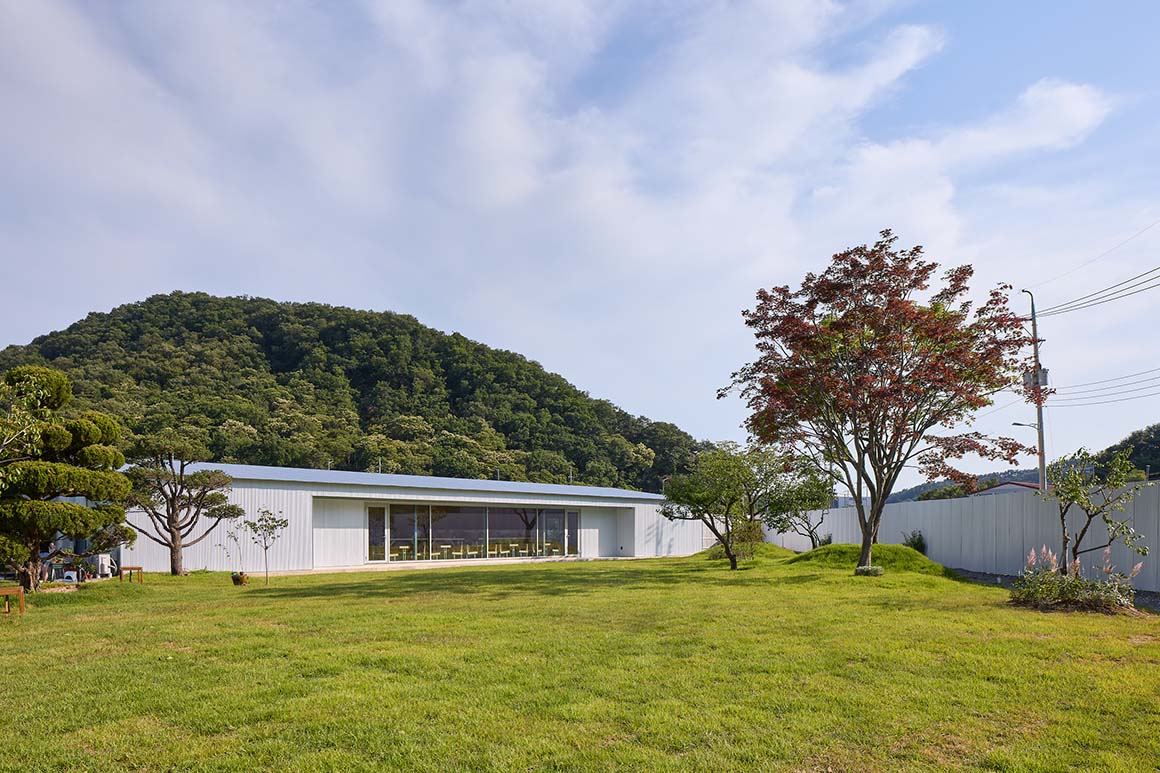
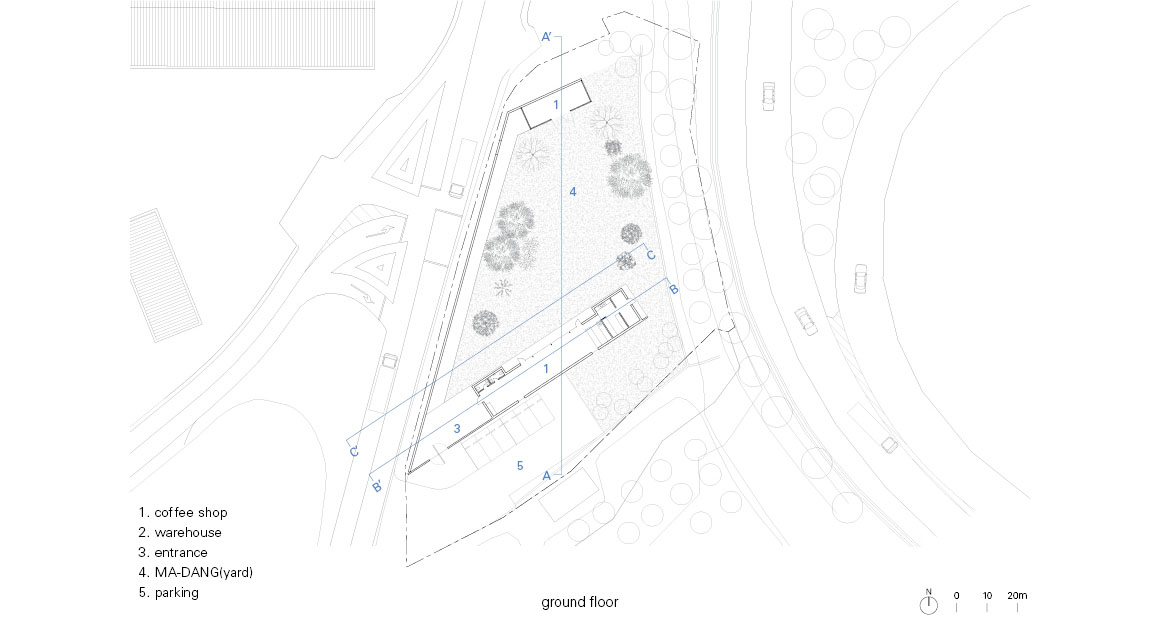
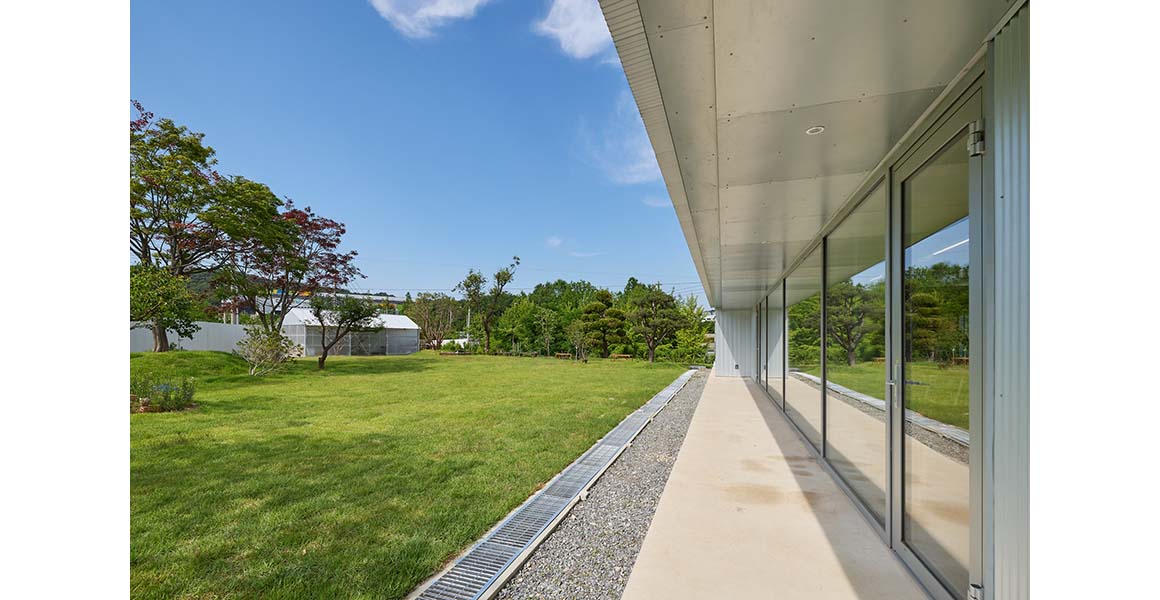
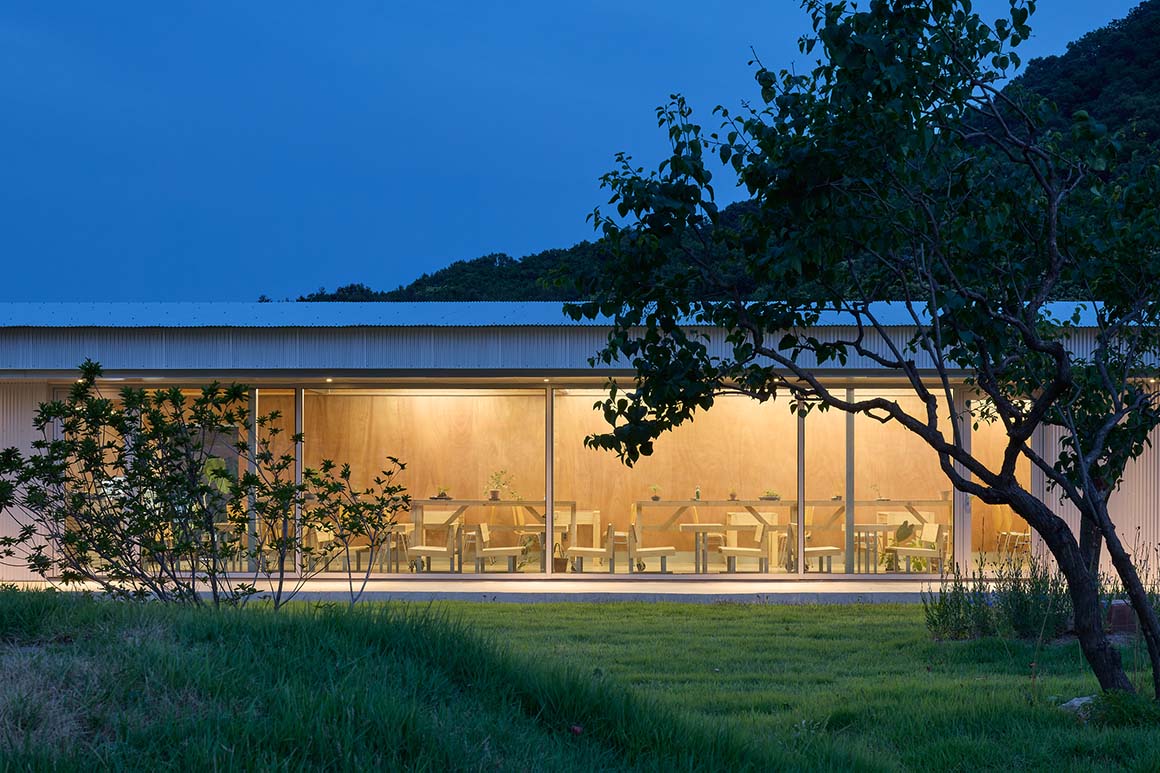
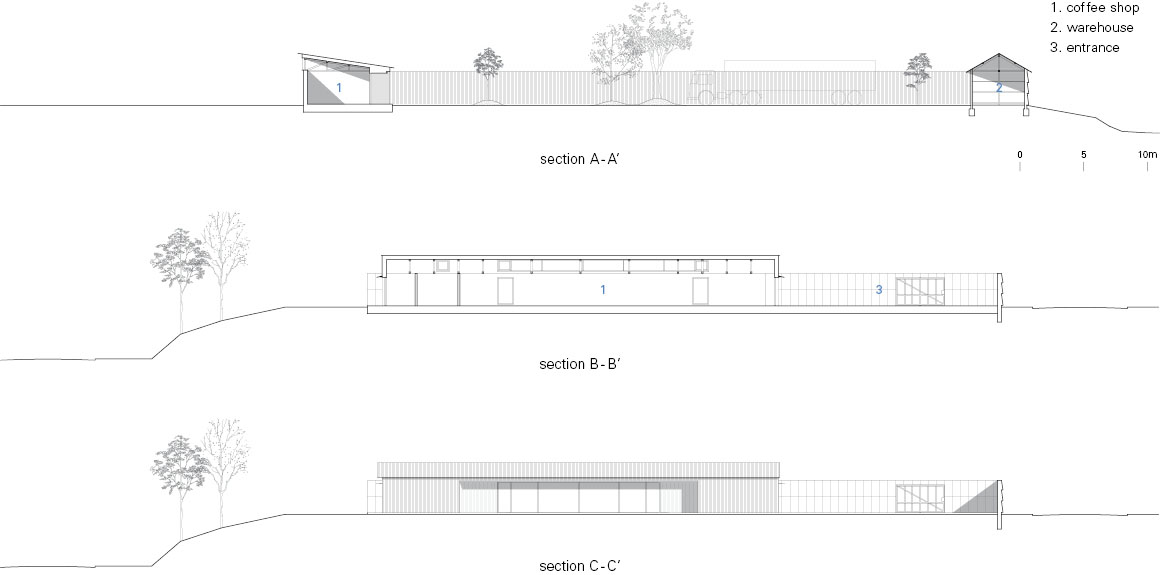
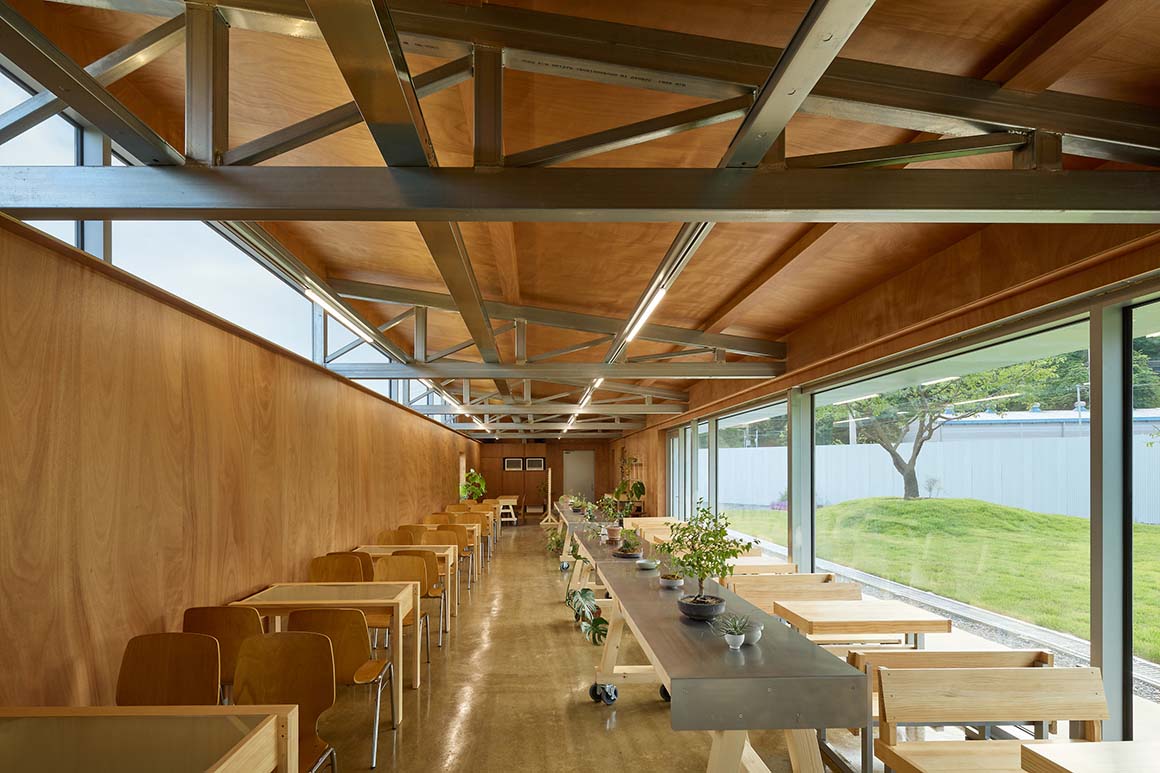
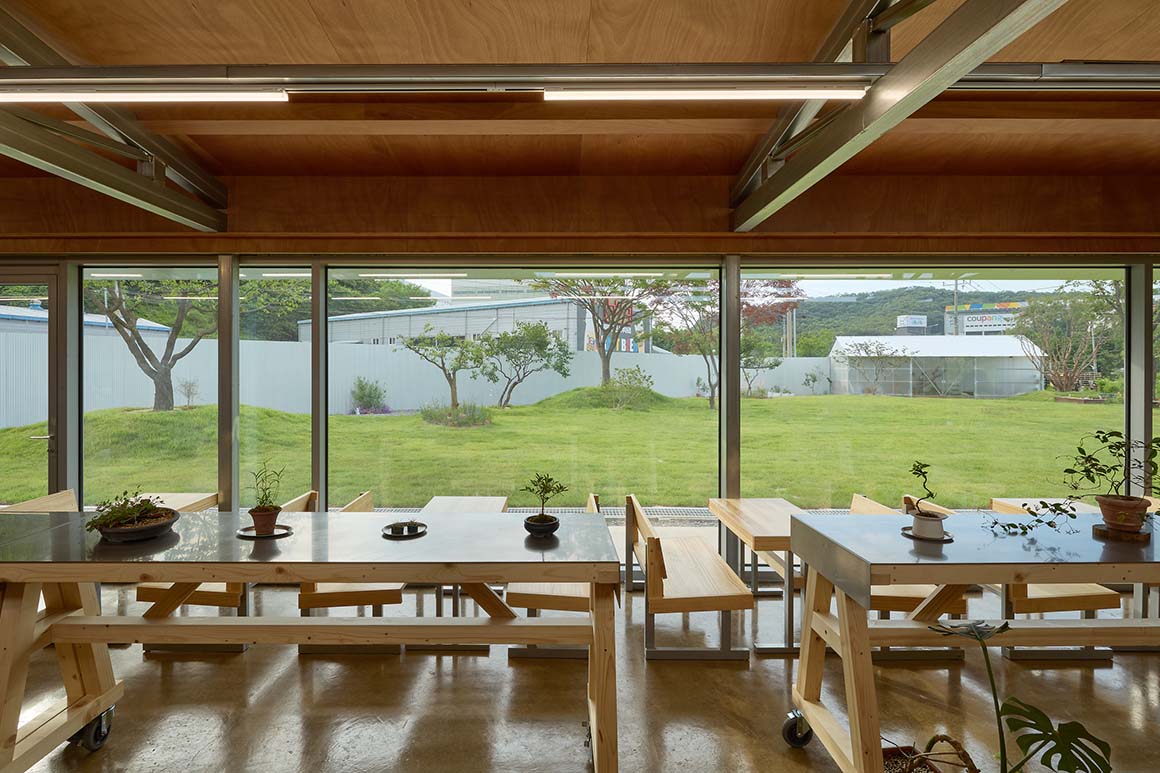
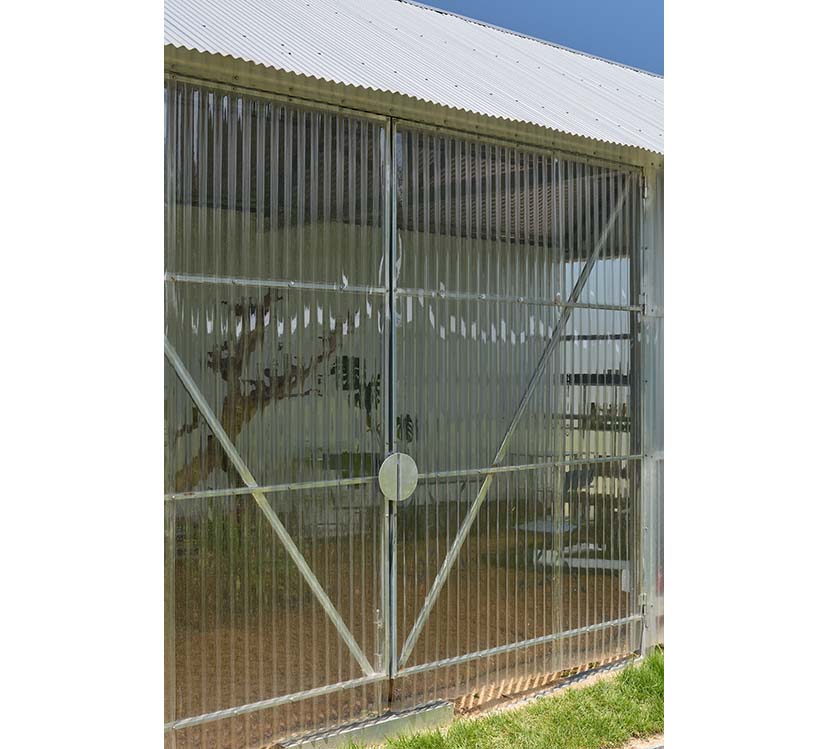
The architect describes the making of the project not as a pursuit of spectacle, but as a rigorous process of retaining essentials and stripping away excess. Practical constraints—budget and construction realities—were treated less as impediments than as a disciplined filter, a clear criterion for deciding what was unnecessary. By simplifying structure and materials and allowing them to appear without embellishment, the space gains clarity and resilience. Countless on-site decisions and adjustments keep the building from becoming a self-contained object; instead, it acts as a restrained frame that enables the space to disclose itself.
Orchard Project does not treat its conditions as something to be “overcome.” It accepts them with a measured humility and, within that acceptance, finds a more precise direction for architecture. Valuing the time and sensations that gather within over formal display, it quietly demonstrates how architecture can become the ground of everyday life—recovering place, and with it, a different tempo of experience.
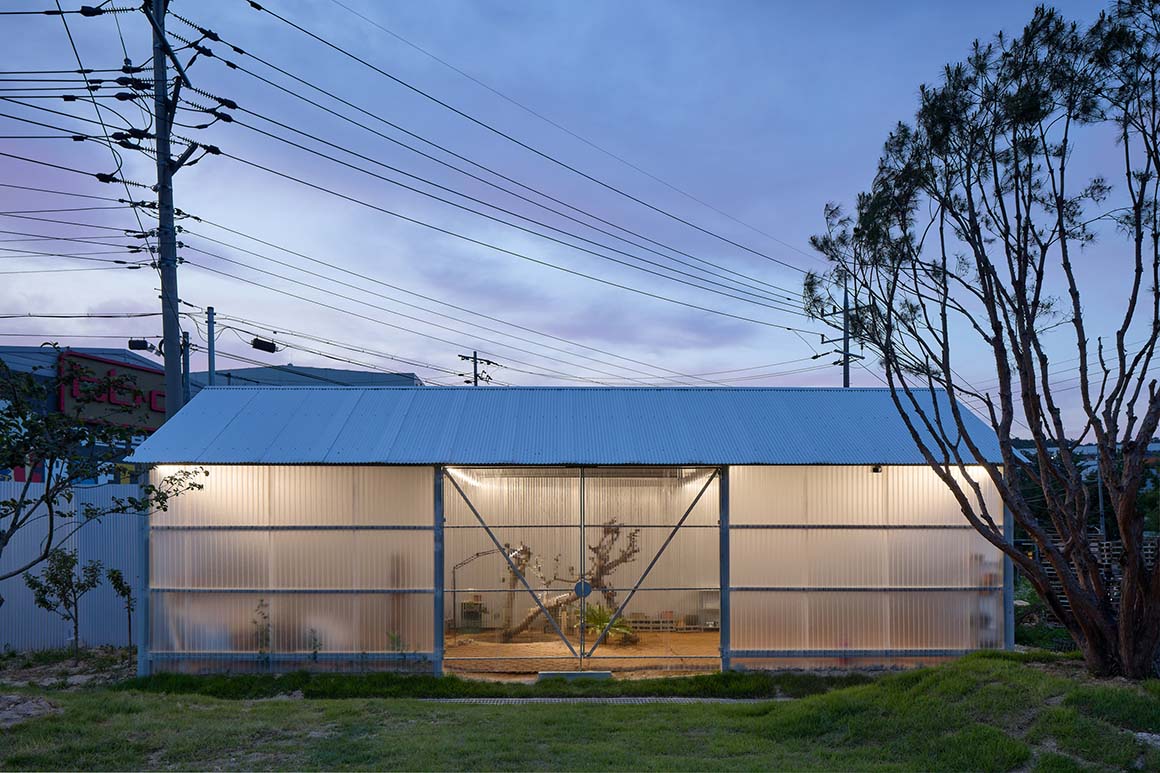
Project: gsw project / Location: 300, Ijang-ro, Majang-myeon, Icheon-si, Gyeonggi-do, Republic of Korea / Architect: soje Architects (Hyunsik Lee) / Structural, mechanical, electrical engineer: RIEUM Architect / Branding design: hyunhyun / Furniture design: studio hyeminki / Landscape architect: client -managed / Contractor: Baha P&D / Use: neighborhood living facilities / Site area: 1,692.0m² / Bldg. area: 215.4m² / Gross floor area: 215.4m² / Bldg. coverage ratio: 18.83% / Gross floor ratio: 18.83% / Bldg. scale: one story above ground / Height: 3.8m / Parking: 6 cars / Structure: RC, light steel frame structure / Exterior finishing: galvanized corrugated steel, exposed concrete / Interior finishing: transparent oil stain on Okoume plywood / Design: 2024.1~2024.6 / Construction: 2024.9~2025.5 / Completion: 2025 / Photograph: ©Kyung Roh (courtesy of the architect)