




230 Years of Time Reclaimed within a Ruin
Wikerstål Arkitekter + Tengbom
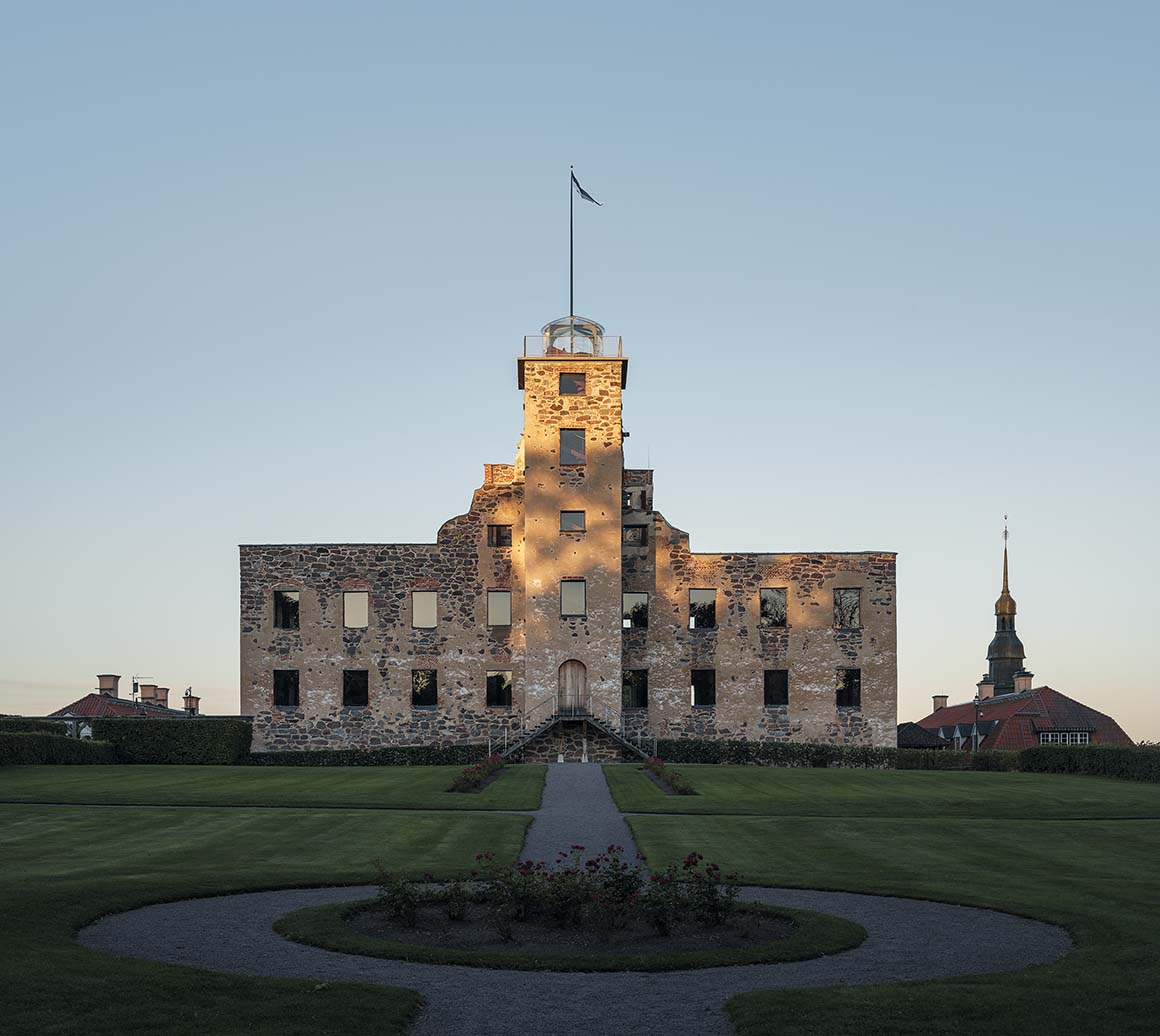
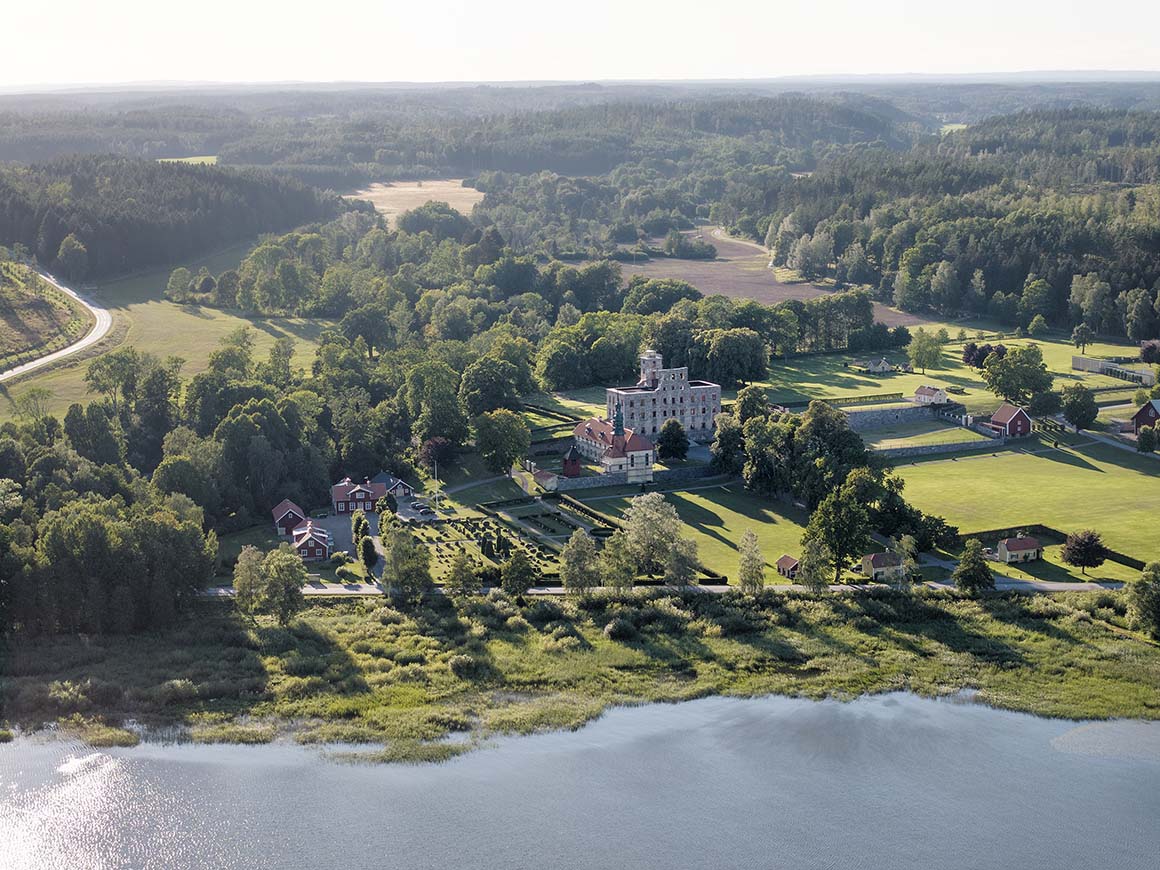
Located on the western shore of Lake Roxen, northeast of Linköping in Östergötland County, Sweden, the ruins of Stjärnorp Castle present an alternative approach to the preservation of architectural heritage. Considered a notable example of 17th-century Swedish Baroque architecture, the castle remained a ruin for more than 230 years after a fire in 1789. A recent restoration has transformed it into a space that preserves the traces of the past while allowing safe public use.
Stjärnorp Castle was built between 1654 and 1662 and is believed to have been designed by Nicodemus Tessin the Elder. The estate originally consisted of a four-storey stone main building, a stair tower facing the gardens, and two wings overlooking Lake Roxen. In 1789, a major fire destroyed most of the main building and both wings. Although part of the estate, including the chapel wing, was later restored, the main building remained a ruin exposed to the elements for centuries. Only limited stabilisation work was carried out during the 20th century, and the site is now protected as a historic monument. Before restoration, the structure was in severe condition. The masonry walls were close to collapse, having suffered extensive damage from freeze-thaw cycles and salt erosion. The roof and floor structures had long disappeared, and parts of the cellar vaults had collapsed. Vegetation growing within the masonry further weakened the structure, making access to the ruins difficult and unsafe.
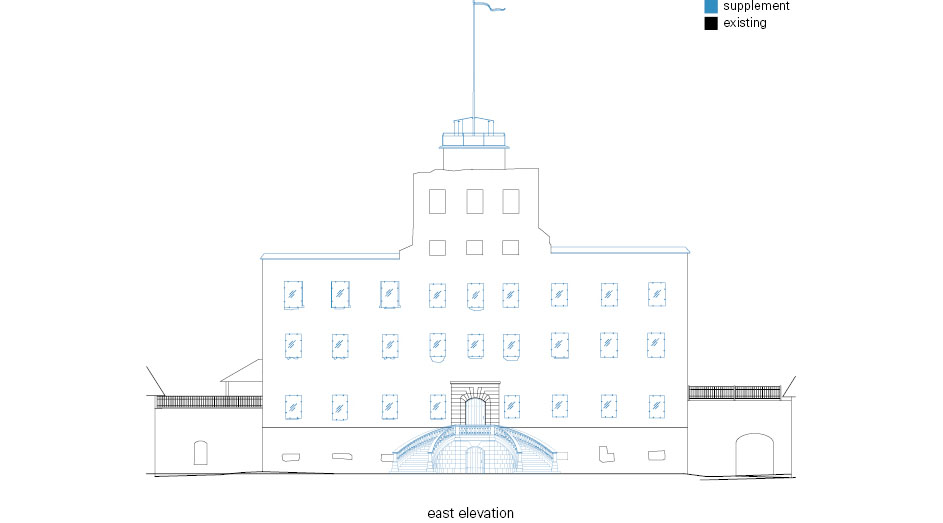
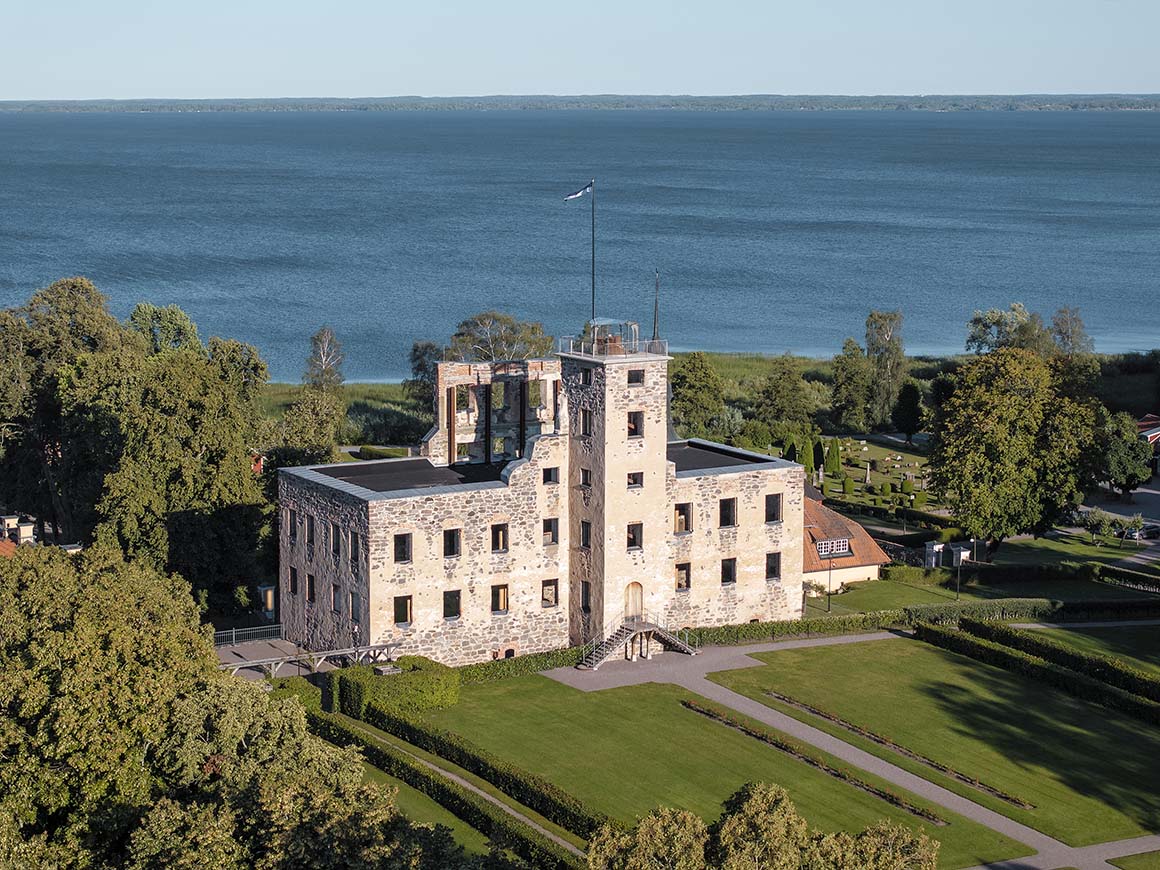
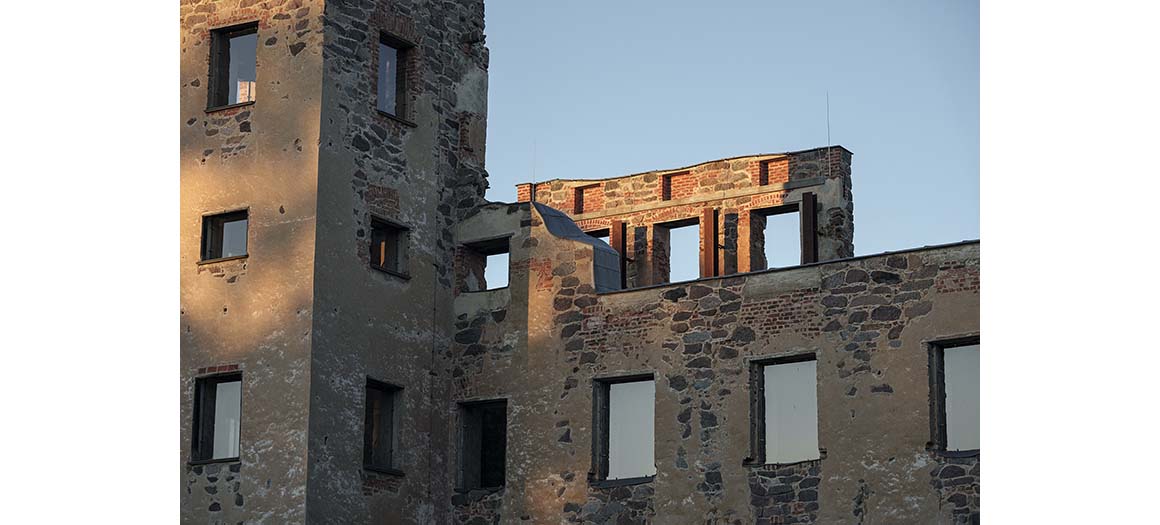
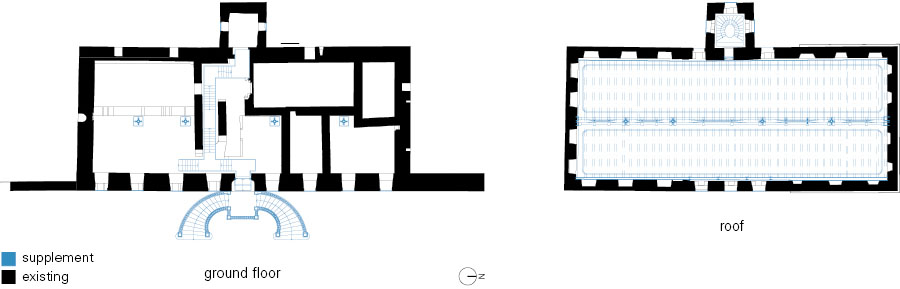
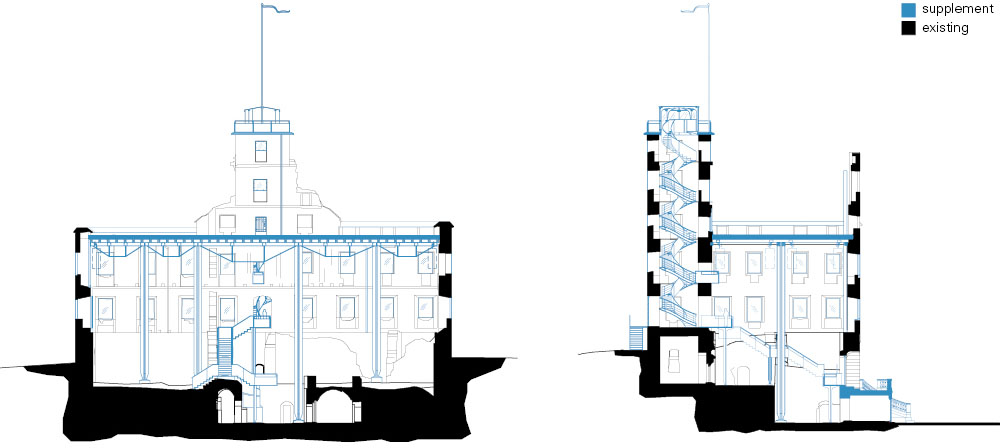
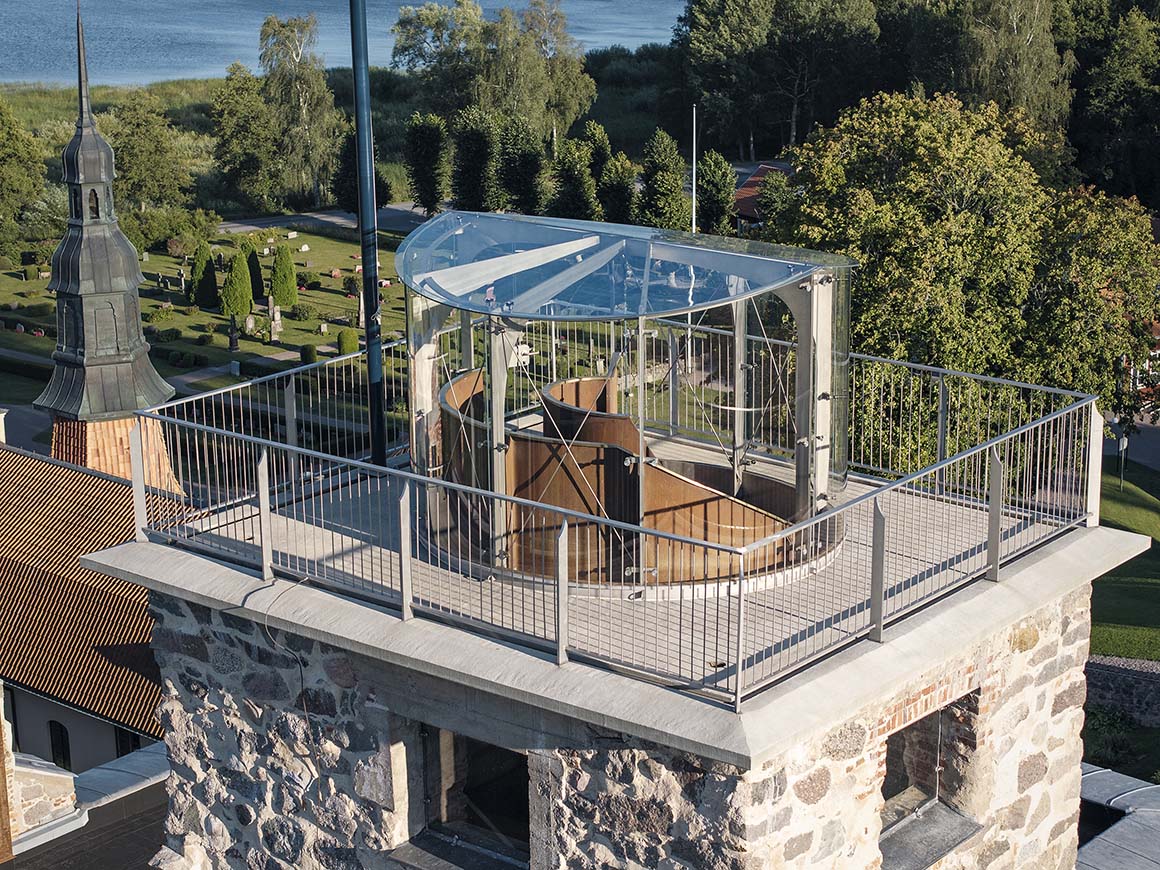
To preserve the site while allowing limited public access, an architectural competition was launched in 2012. The resulting restoration project was shortlisted for the 2026 Mies van der Rohe Award. Rather than reconstructing what had been lost, the project focused on preserving the ruin itself. New interventions were kept to a minimum, while added structures and materials were clearly distinguished from the historic fabric. At the same time, all additions were designed to be reversible, ensuring that the site’s historical value remained intact while improving safety and usability. The exterior was preserved as a ruin. Inside, however, a new protective structure was introduced. Its key element is a roof concealed behind the walls at the level of the former attic. Almost invisible from the outside, it protects the interior from rain and snow. Rather than loading the historic walls, the roof is supported by four steel columns founded independently from the original structure.
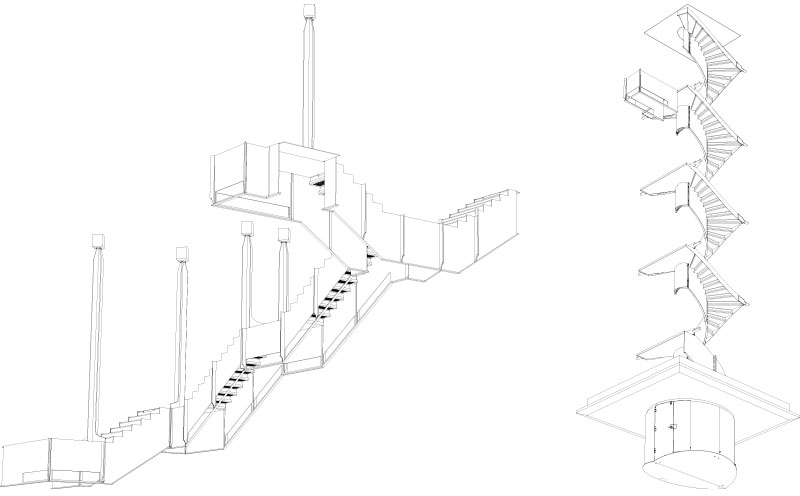
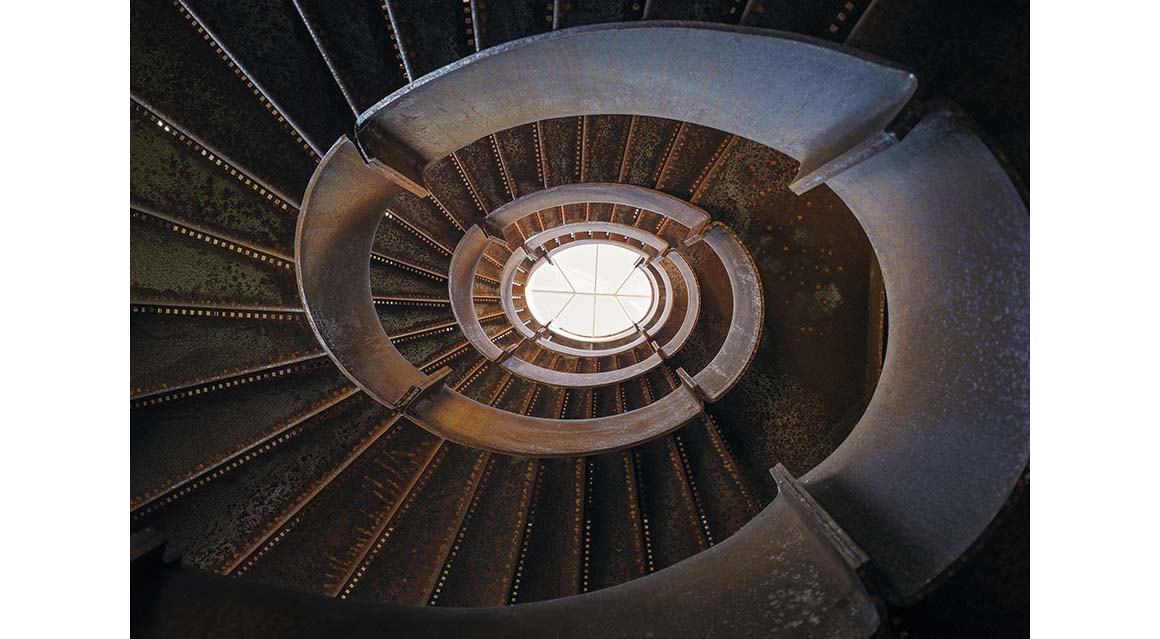
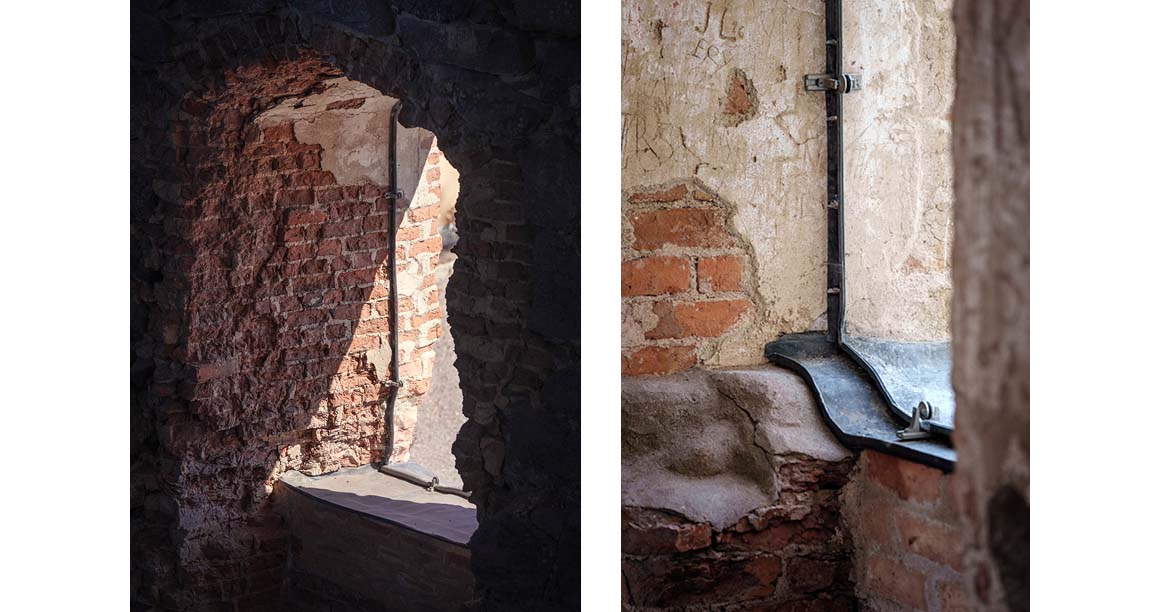
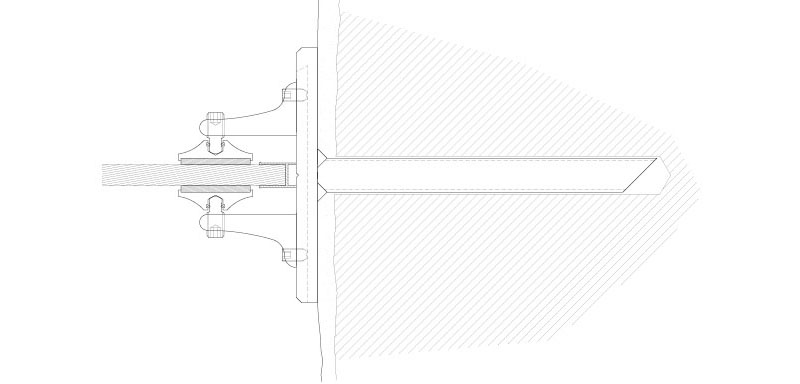
Timber sourced from the estate’s forest was used for the roof construction, with long beams processed on site. The collapsed central wall was reinforced using double beams supported by steel columns clad in timber. Custom-shaped lead cappings were installed on wall tops and window sills to prevent water penetration, while custom-fitted laminated glass was fitted into the window openings to protect the interior without compromising openness. New oak entrance doors were added in a manner that respects the material character of the original building. Accessibility improvements were introduced with equal restraint. A self-supporting staircase was installed in the great hall on steel columns positioned between the cellar vaults, while an elliptical spiral staircase was inserted into the stair tower. Made of weathering steel with brass handrails, both staircases clearly express their contemporary origin while remaining compatible with the historic setting.
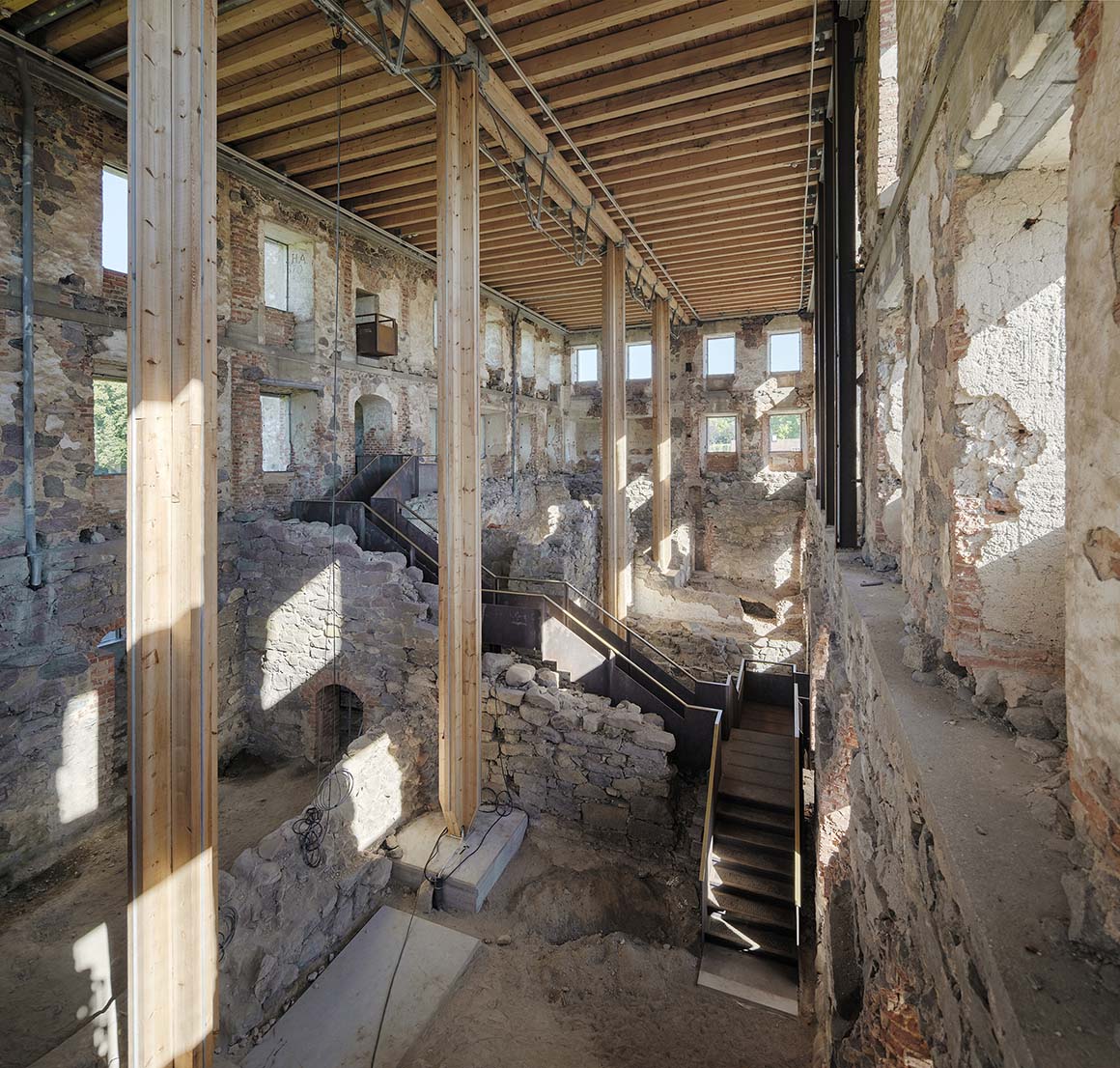
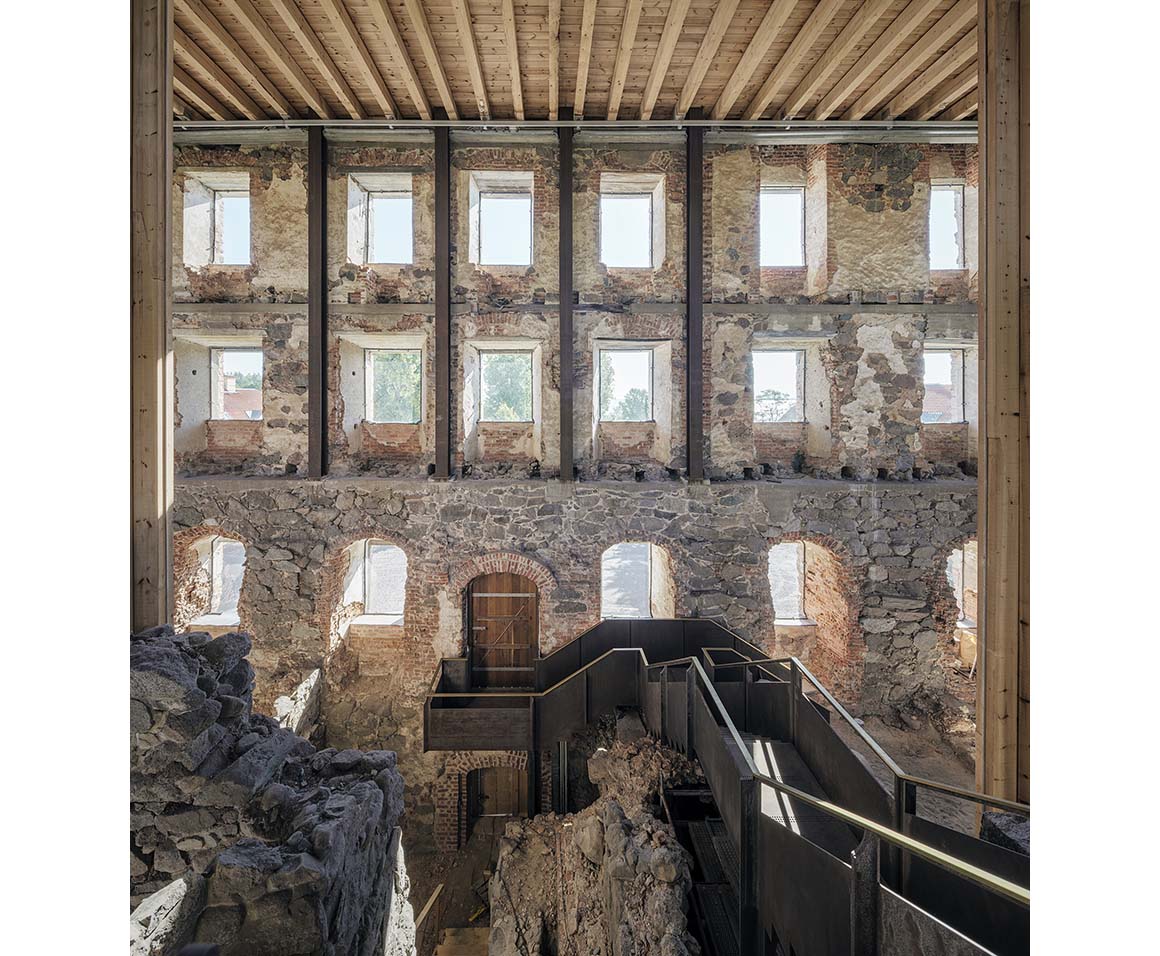
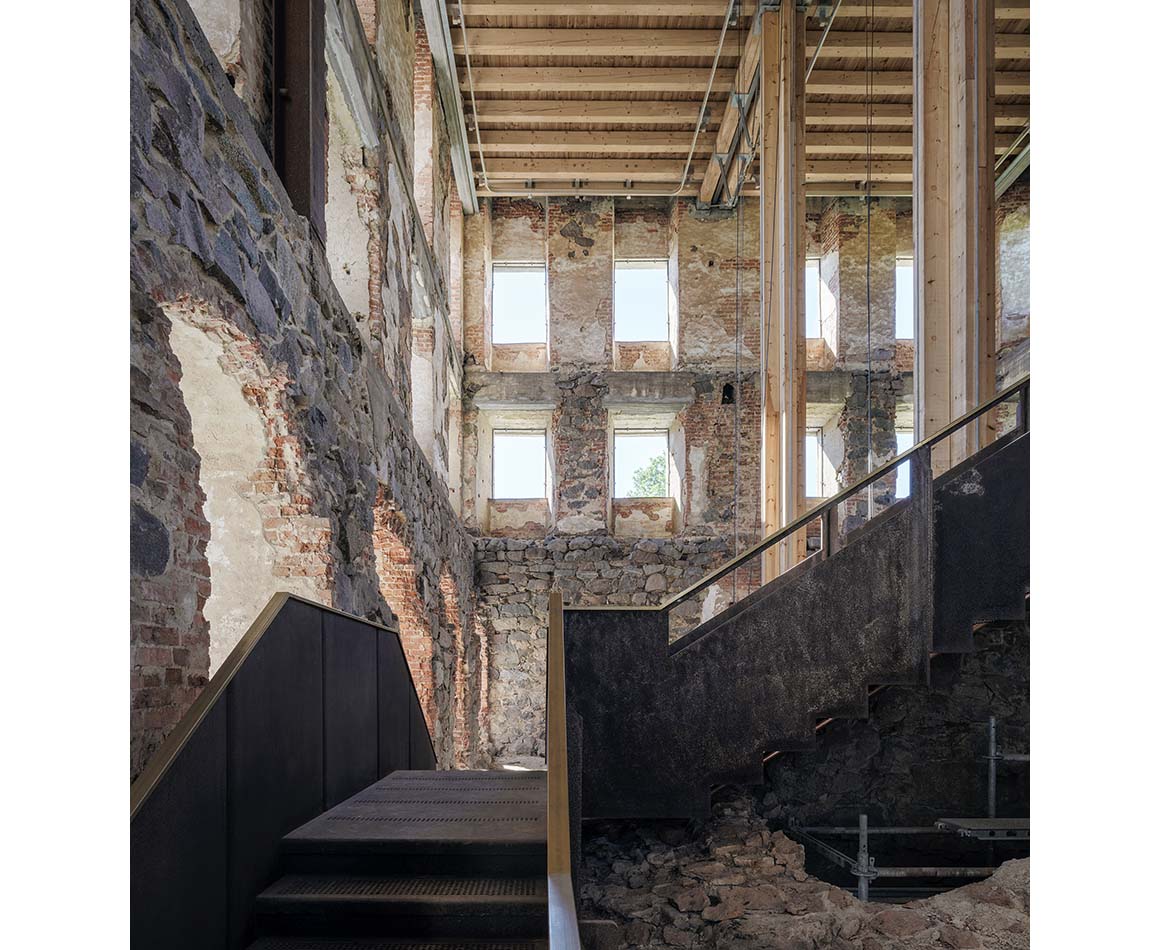
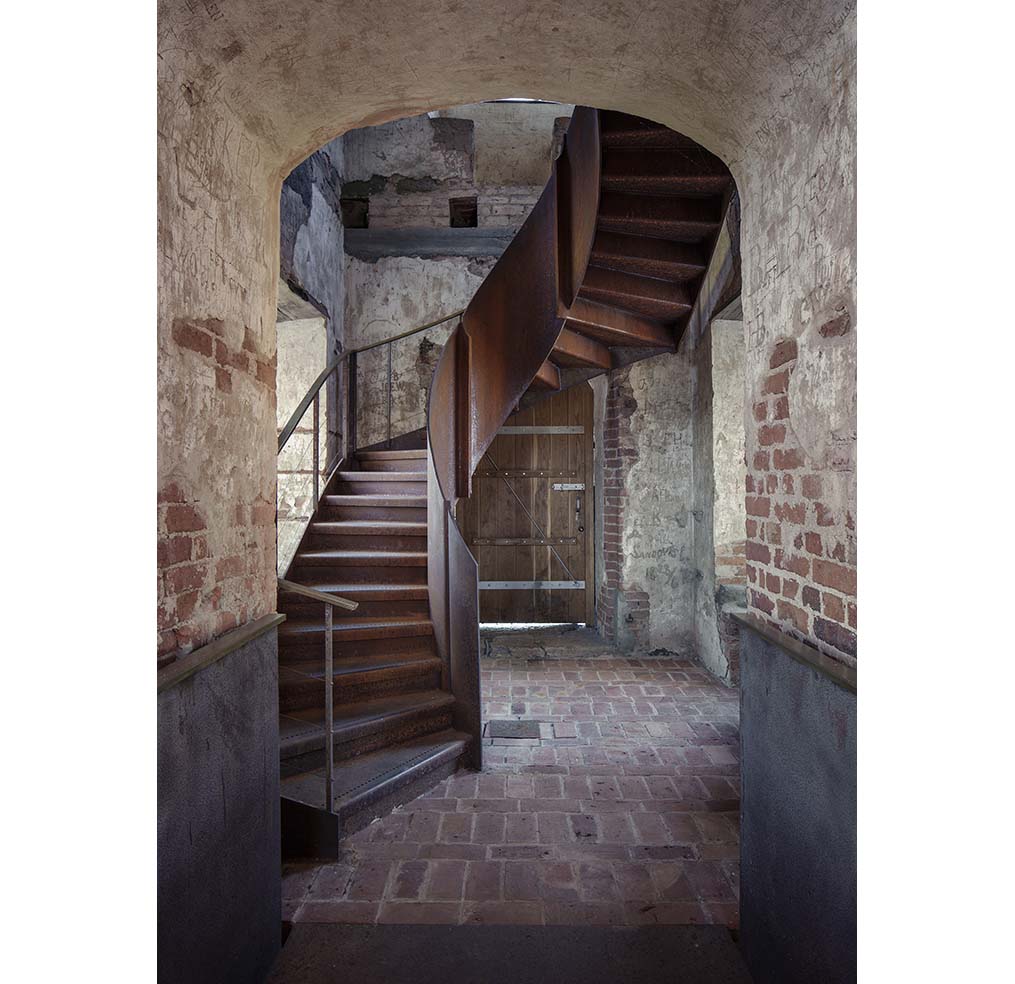
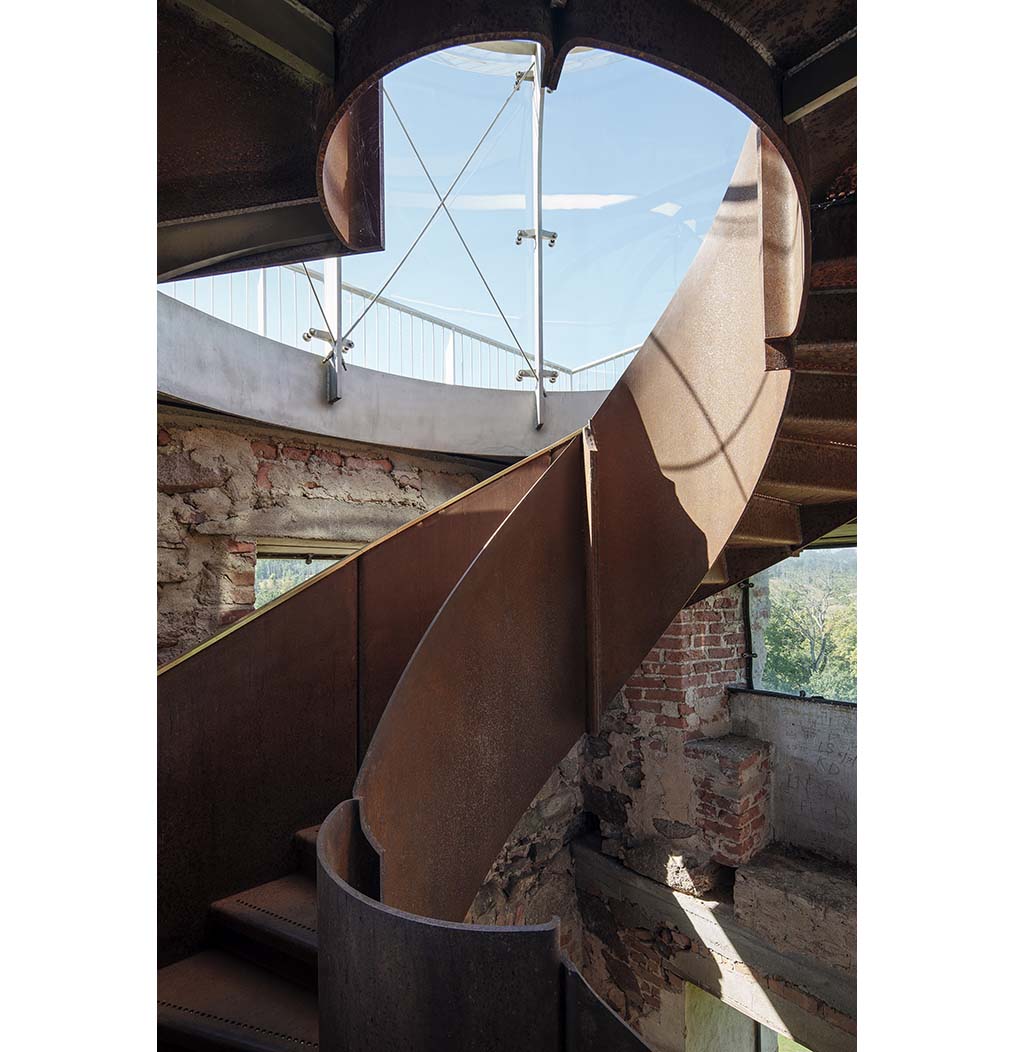
The building has not been restored to its 17th-century appearance, yet it has not been turned into a static museum relic either. New structures and materials extend the life of the monument without concealing its history, allowing visitors to experience the site safely. The exterior remains a ruin, while the interior accommodates a new role through carefully measured interventions. In this way, the restoration of Stjärnorp Castle accepts the traces of time rather than attempting to erase them, offering a compelling model for the preservation of historic architecture.
Project: Stjärnorp Castle Ruin / Location: Stjärnorp Castle, Linköping / Architects: Wikerstål Arkitekter + Tengbom / Lead architect: Erik Wikerstål / Project architect: Caroline Hahn Nilsson / Project team: Ebbe Jensen, Martin Jakubowski, Thea Klitte, Rikke Hagedorf, Jenny Hennig, Jeppe Appelin, Simon Fast, Tarek El Ali, Hans Ahrland, Jonas Torle / Structural engineer, conservation and heritage consultant: Tyréns, Balksten Byggnadsvård / Electrical engineer: SWECO / Main contractor: Miljöbyggarna Entreprenad / Contractors: Byggnadssmide i Mjölby, Planglasteknik, Nordéns Skyddsglas, Åby Fasad, Berland Tak, Bravida, Svenska Hantverksplåtslageriet, Stjärnorps Skog & Trädgård / Client: Slottstornet AB / Use: cultural / Gross floor area: 600m² / Construction: 2014-2022 / Completion: 2022 / Photograph: ©Felix Gerlach (courtesy of the architect)