


Architecture of Landscape
The map that best highlights the scenery of Jeju Island is Dae-dong-yuh-ji-do, by Kim Jung Ho. Kim’s map draws the mountain ridge of Mt. Halla and the valley lines spreading out across the ocean, demonstrating how the topography of Jeju Island should be understood as vertical, not horizontal. The connection between Mt. Halla and the ocean is the spine of Jeju’s ecology; thus, any architecture that interferes with this link would be in opposition to Jeju. Road 516 follows the perimeter of Jeju, severing the spine of the island’s ecology. The coastal road, which is a non-ecological public work, makes Jeju seem like an island floating in asphalt, not the ocean. Jeju’s fundamental architecture creates a passage connecting Mt. Halla to the ocean; the architecture is arranged vertically to this line as arranging it to monopolize the view of the ocean not only impedes the flow of nature, but also violates the public nature of the site.
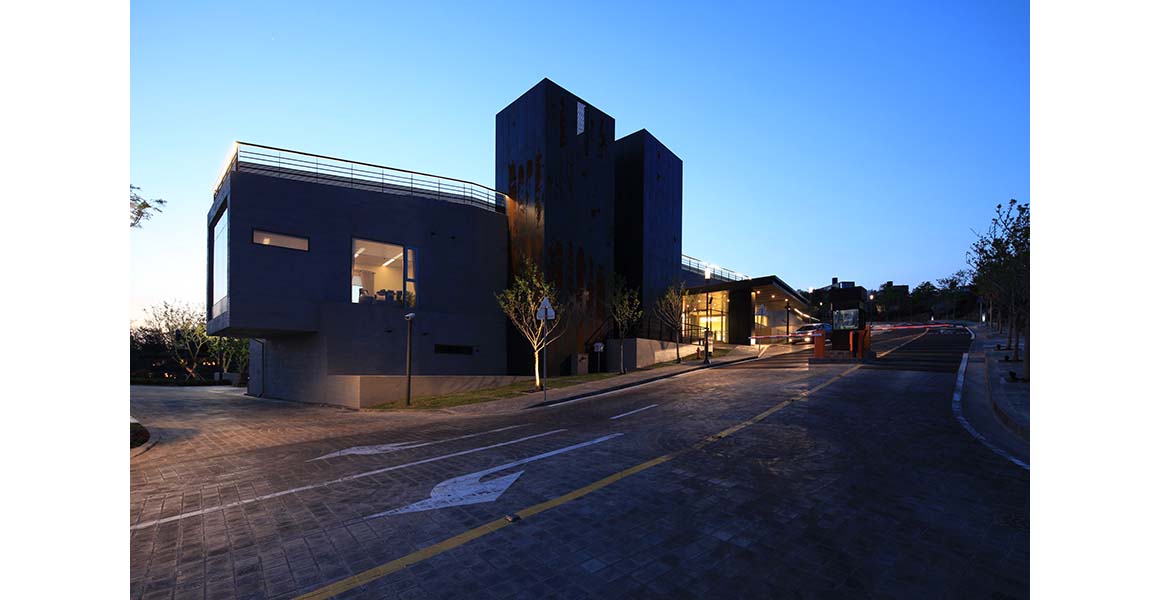
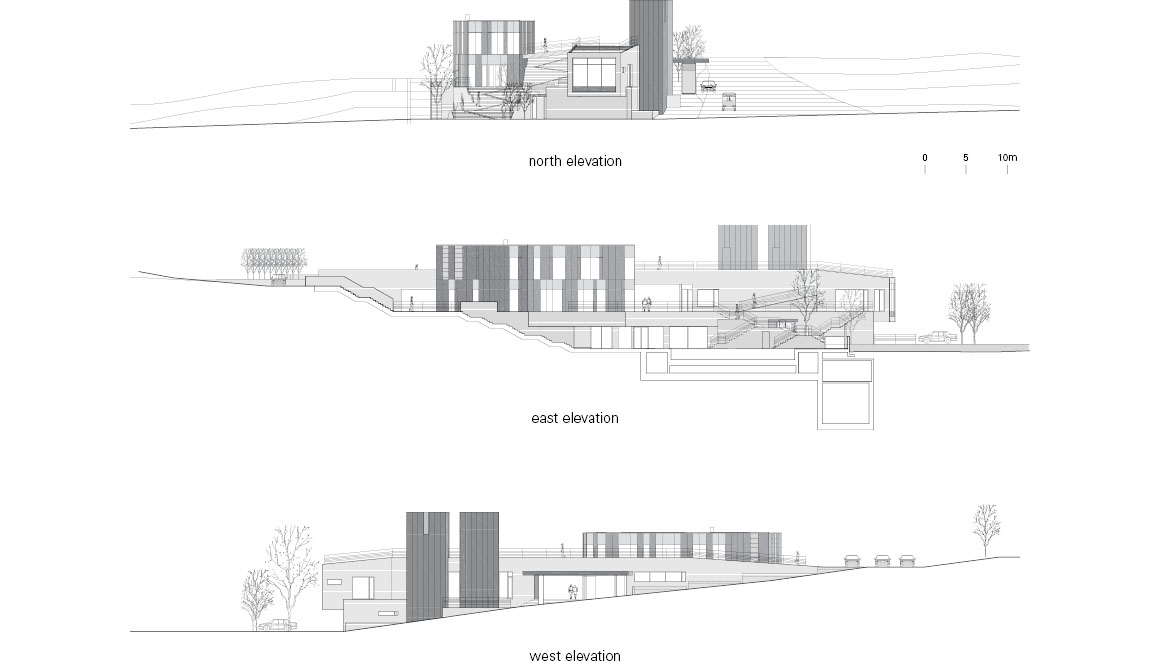
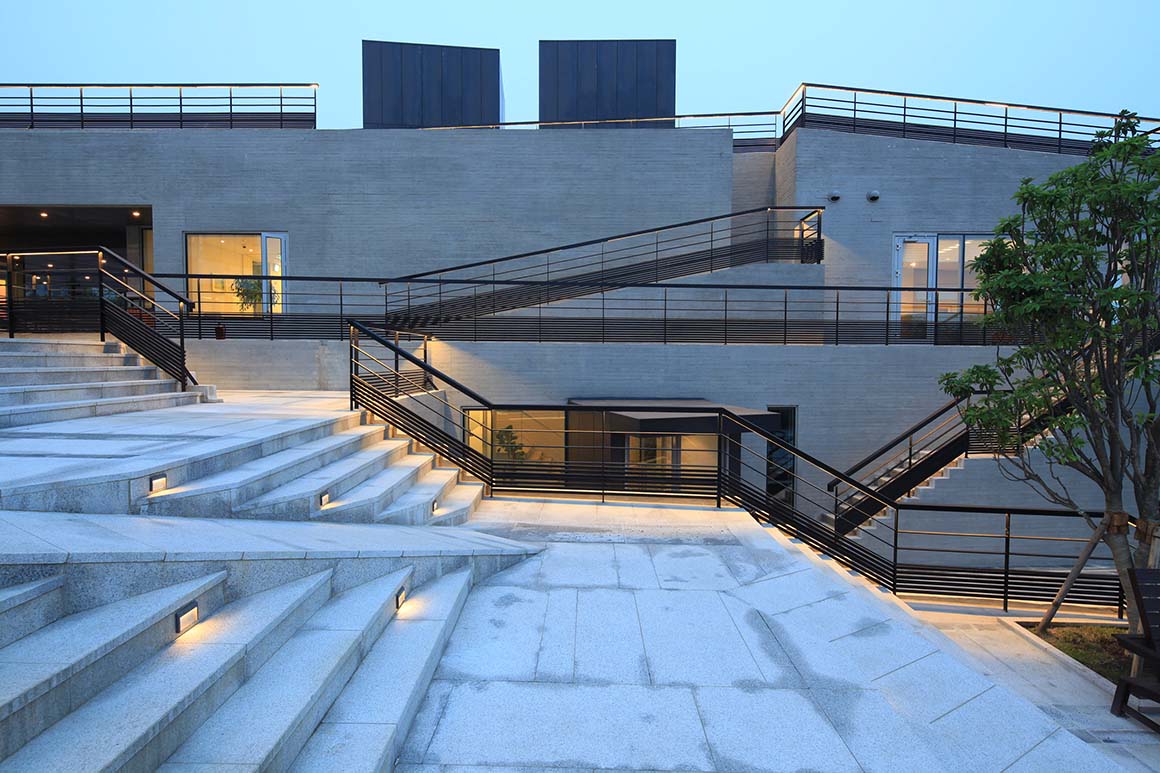
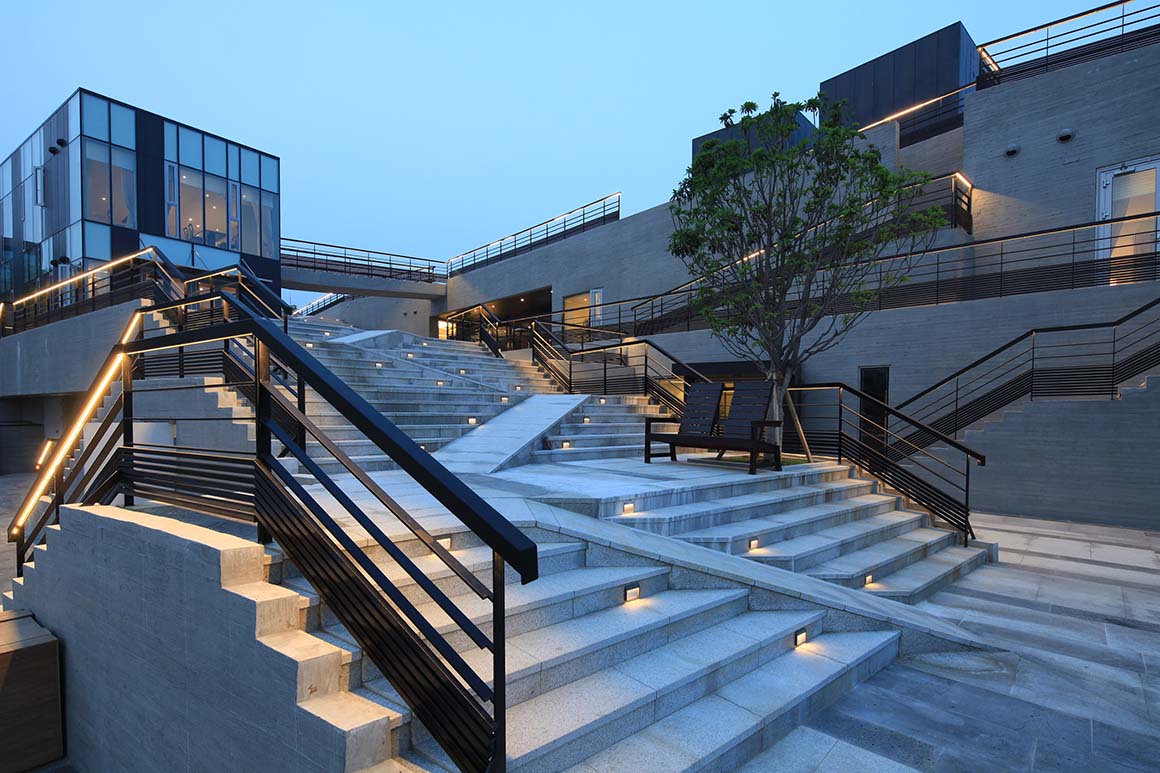
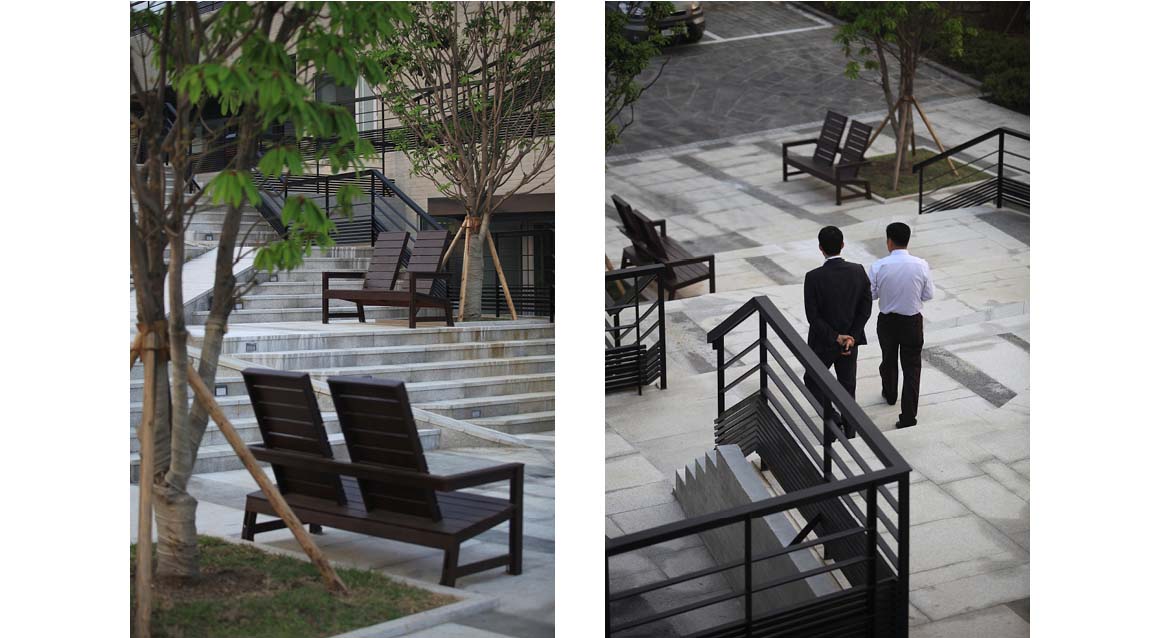
Although DA, which was in charge of the project’s master plan, acknowledged quite a few of my opinions, the limitation of the consultation was evident. Above all, the control of the density was not smooth, making it difficult to create the relaxed atmosphere of a resort town. Consequently, the use of empty passages became critical.
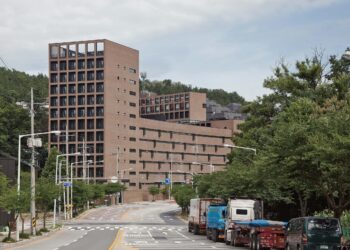
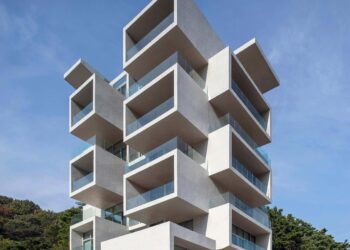
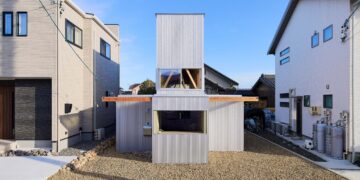
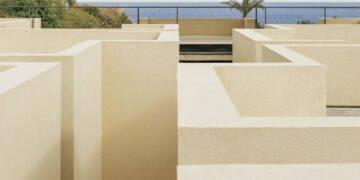
I was in charge of Block A, which is located in the highest part of the region. Gaps between households were maximized so as not to interfere with the view of Mt. Halla. As a result, it was necessary to create a long vertical plane. A unit was made from the flat plane of a single, non-partitioned room to continue the flow. Overall, the scenery connecting Mt. Halla and the ocean flows between the units as well as the sequence of the scenery is maintained throughout the house, with the passage of the scenery being the main focus.
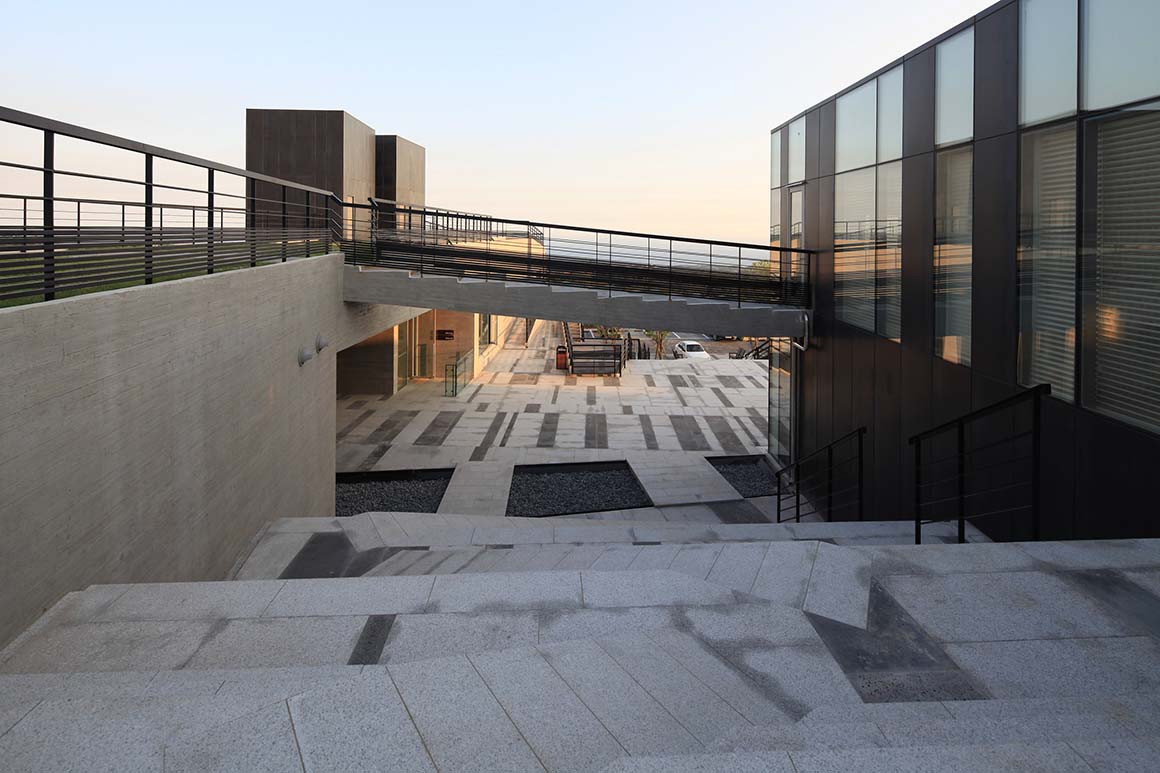
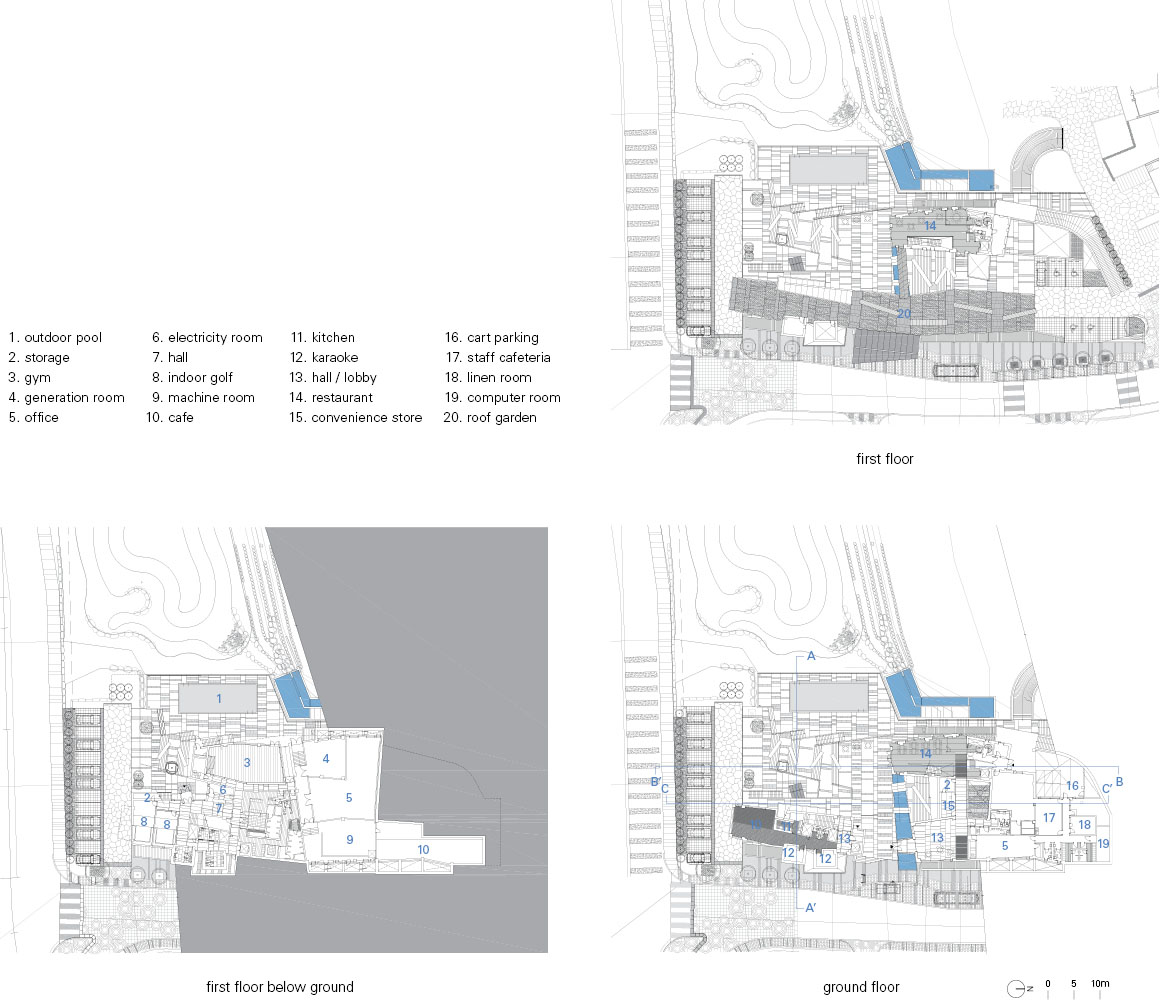
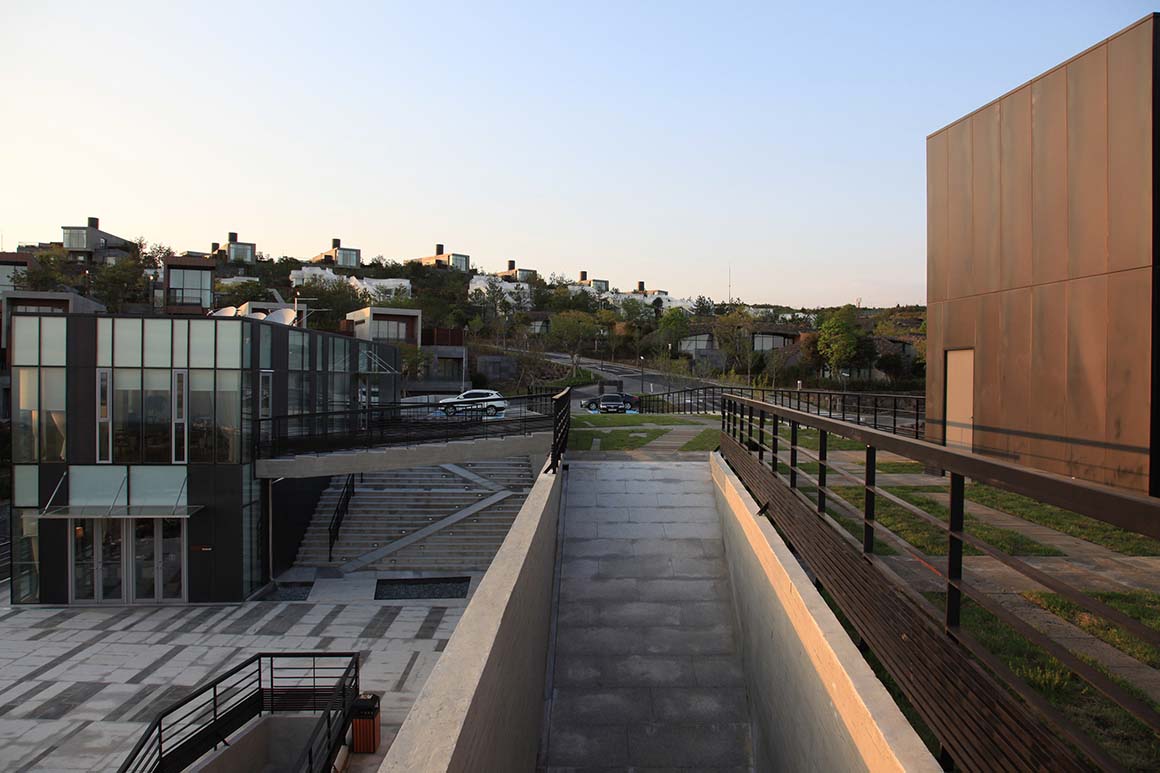
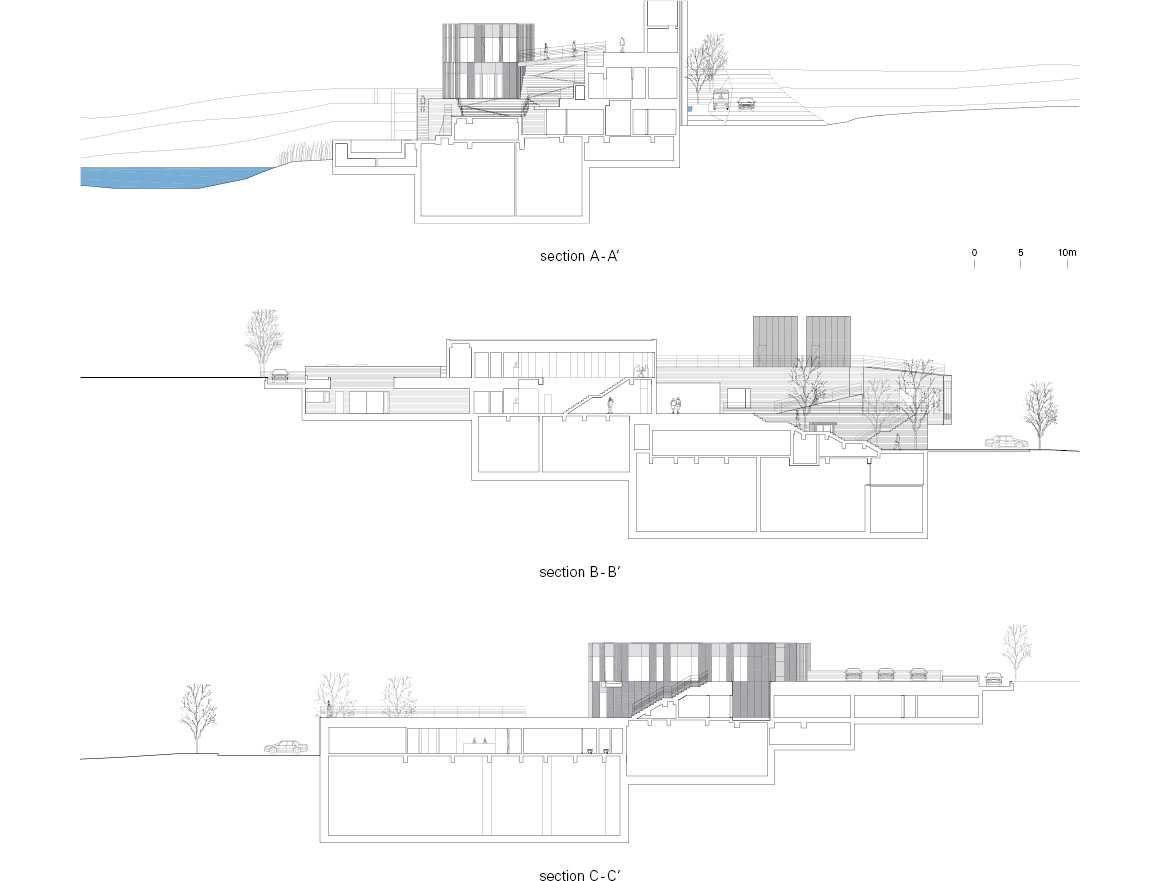
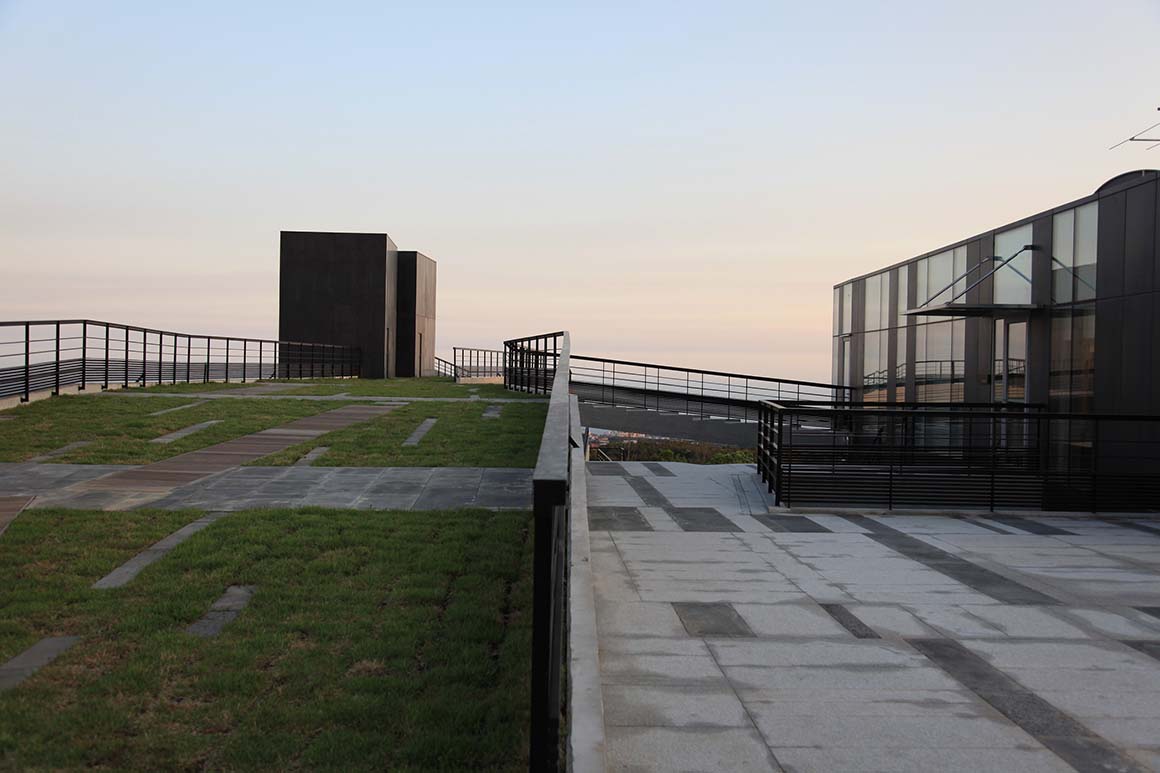
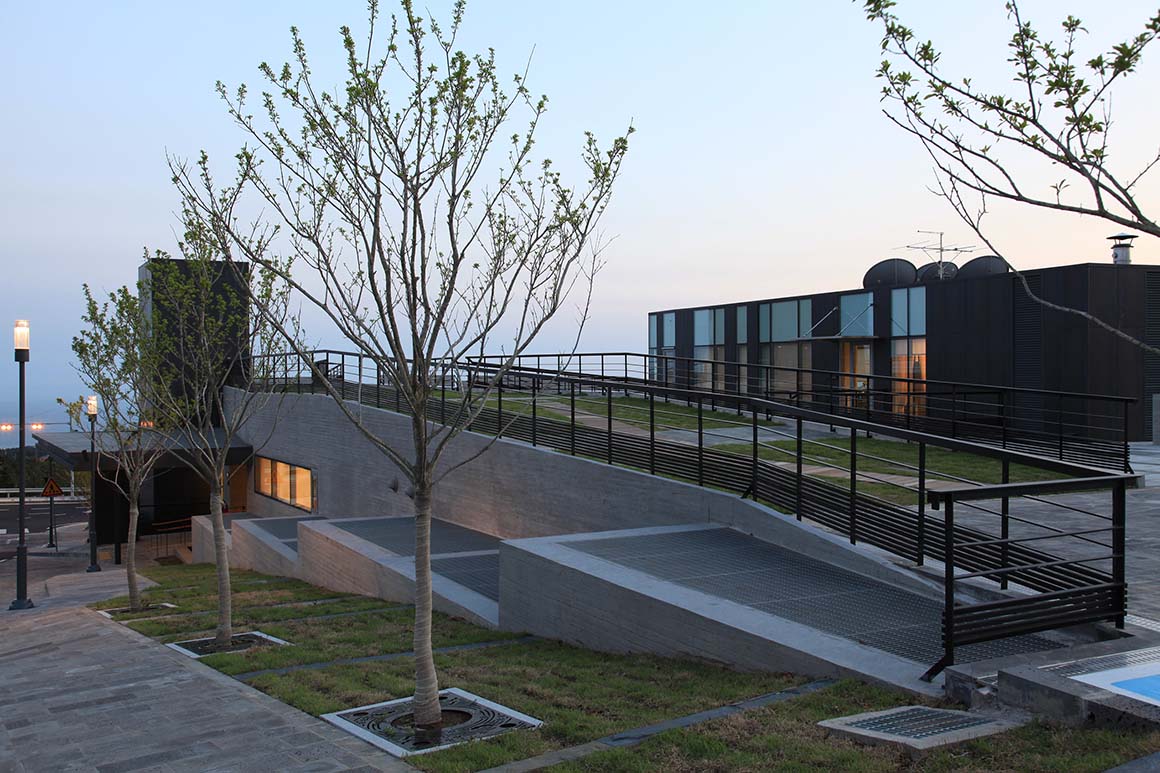
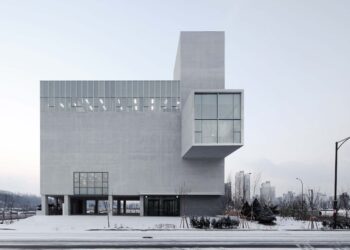
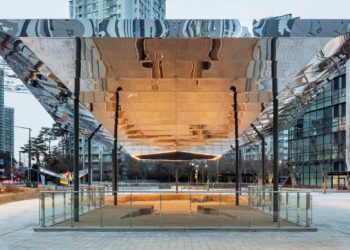
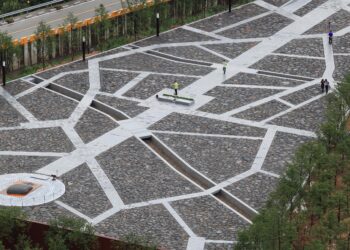
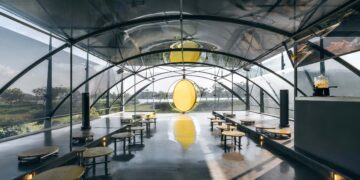
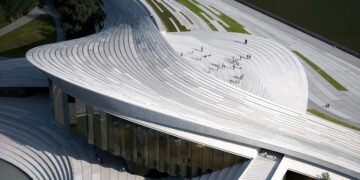
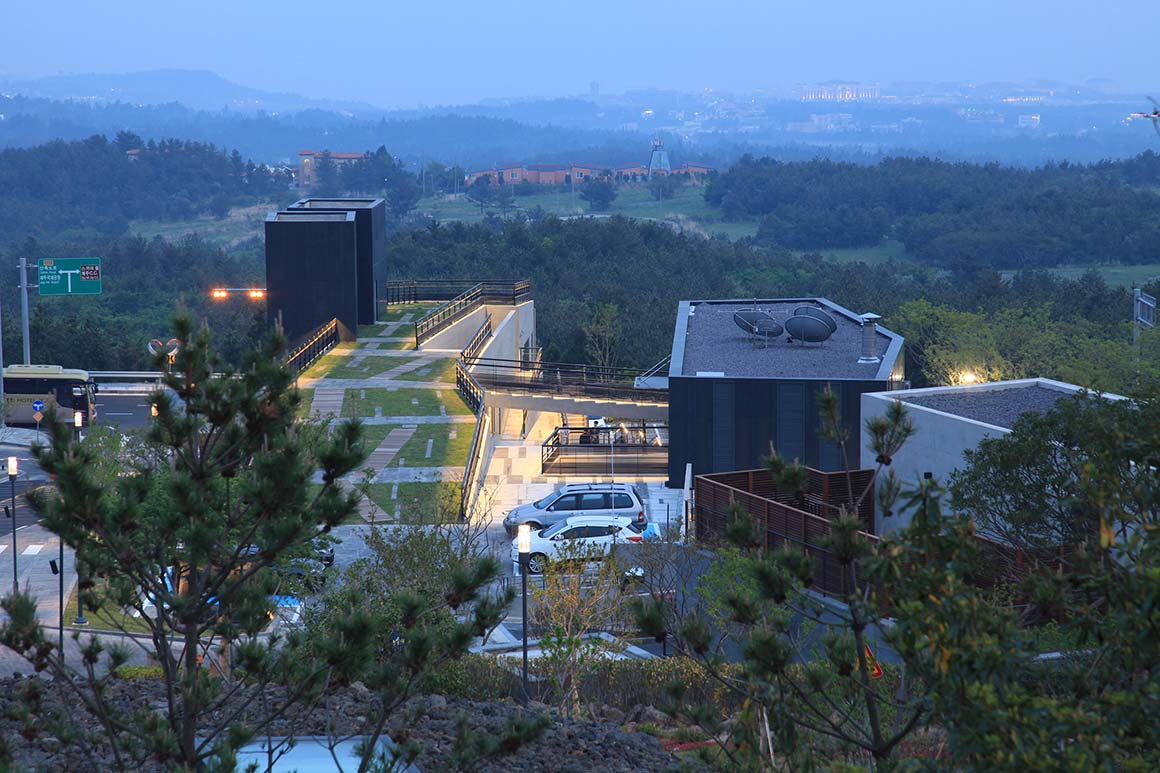
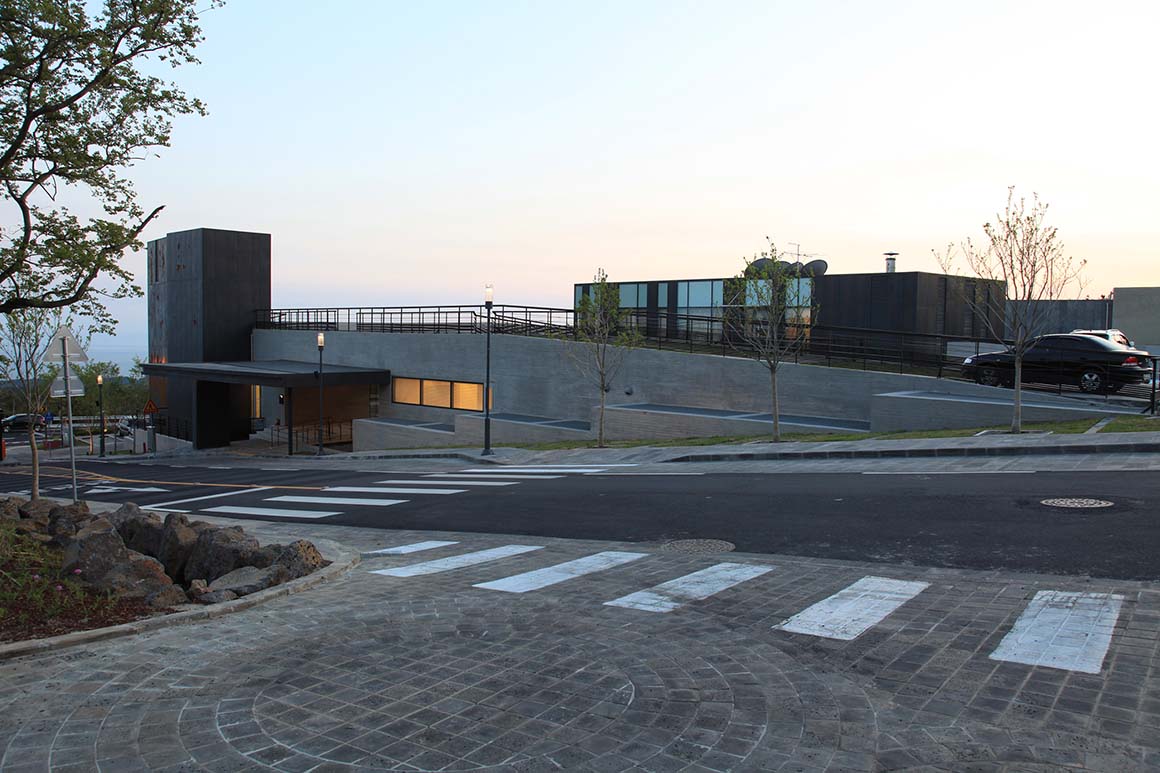
The clubhouse located at the entrance of the complex maintained the theme of the scenery. The clubhouse sits upon varying levels of ground extending in all directions. These different levels are organically connected via the architecture. In one area, the ground serves as a roof terrace for the clubhouse. Following up the inclined entrance leads to other grounds; the path continues on to the cafeteria, the yard, the gallery, and the pool. In this way, the topography forms the architecture. The building has no form or symbolization. The only lasting impression is that of the landscape.
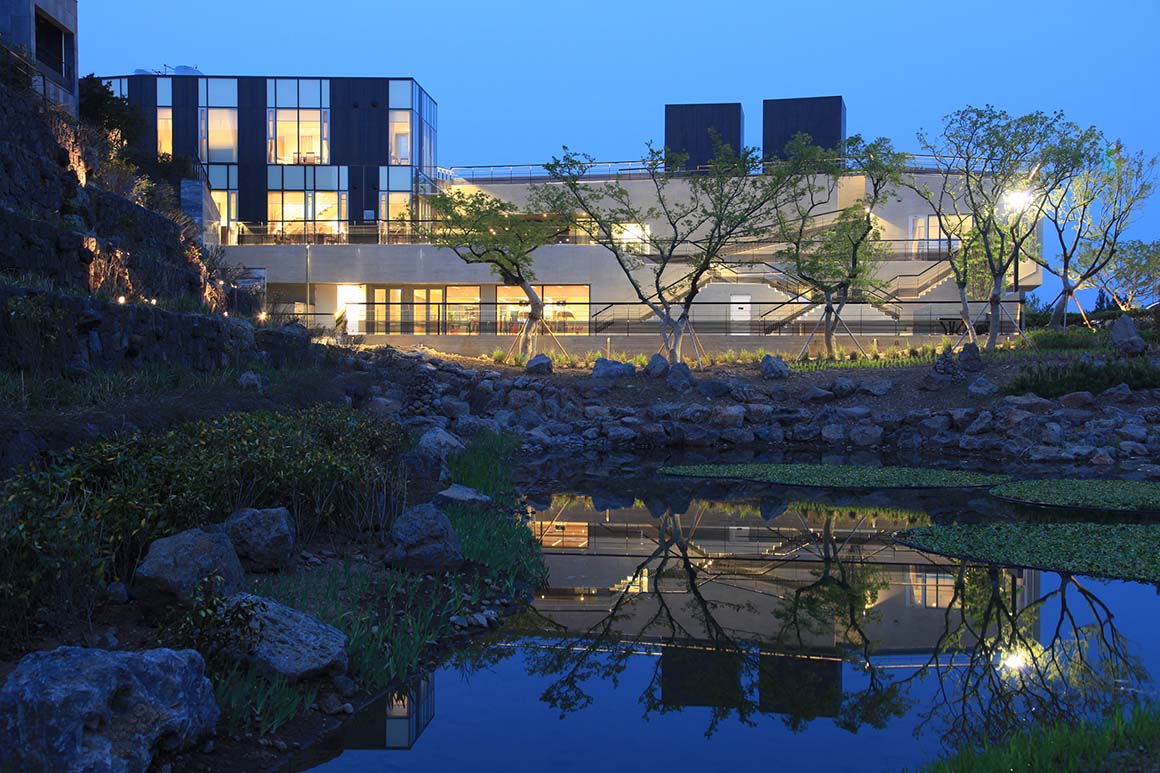
Project: Jeju Art Villas / Location: SaekDal-Dong Mountain, SeoGwiPo-Si, JeJu Special Self-Governing Province, Korea / Architect: IROJE Architects & Planners (Seung, H-Sang) / Project team: JongTae Yun / Structural engineer: Mirae ISE / Mechanical engineer: Yungdo ENG / Electrical engineer: JungMyoung / Lighting engineer: New Lite / Landscape architect: HAIIN Land+Scape Design / Use: condominium / Site area: 83,841.60m² / Bldg. area: 16,173.09m² / Gross floor area: 19,211.62m² / Building Scope: 62 Villas, 73 Rooms / Structure: reinforced concrete / Construction period: 2010.7~2012.3 / Photograph: ©JongOh Kim