



Sustainability in Hanoi‘s traditional craft on wastes
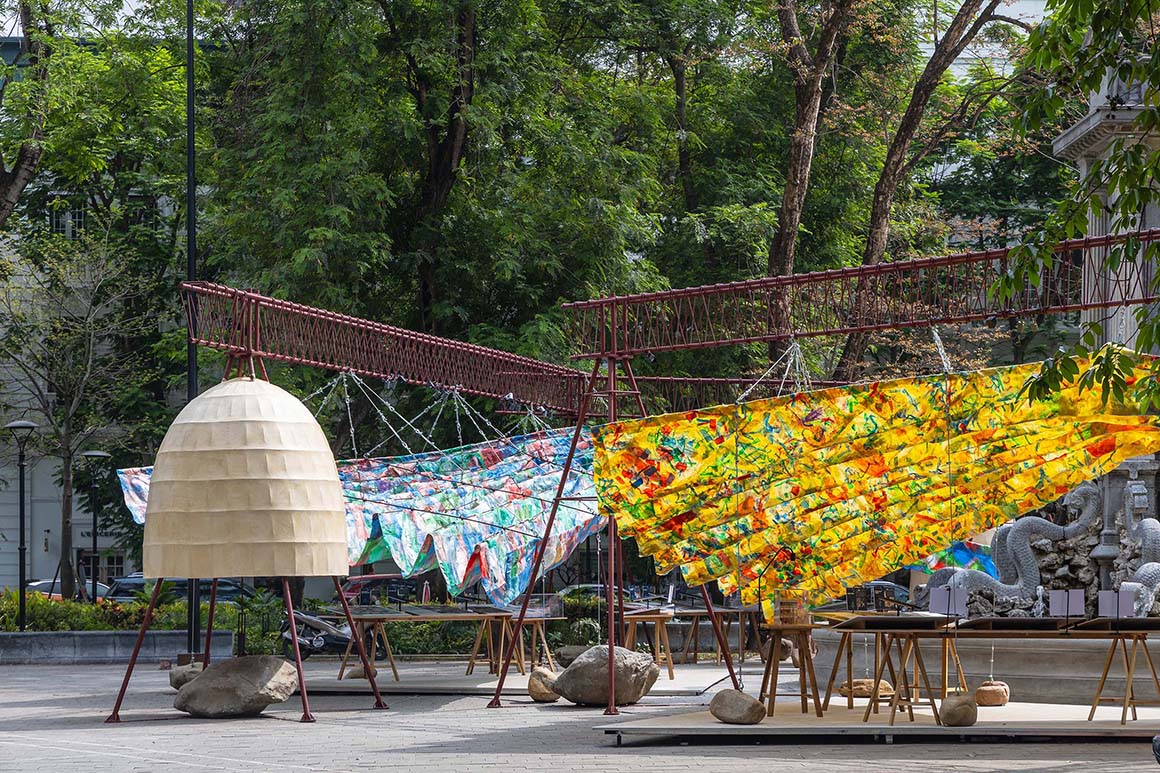
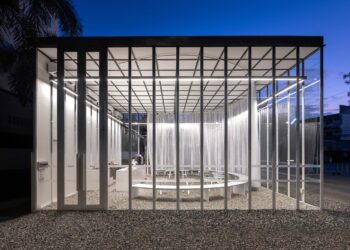
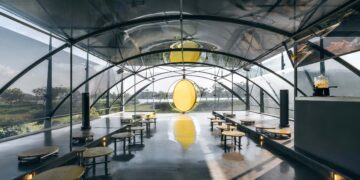
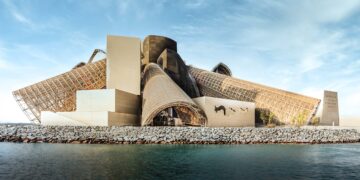
The T10A Pavilion in Hanoi, Vietnam, is an experimental structure that connects waste, craft, and architecture. More than 40,000 recycled plastic bags and traditional handmade paperGiấy Dó were used as the main materials. The collected bags were processed into translucent panels forming the roof and exterior envelope, while the traditional paper was applied to small dome structures installed within the exhibition space. Volunteers collected the waste materials and took part in the construction, and the structure was completed through the cooperation of the local community.
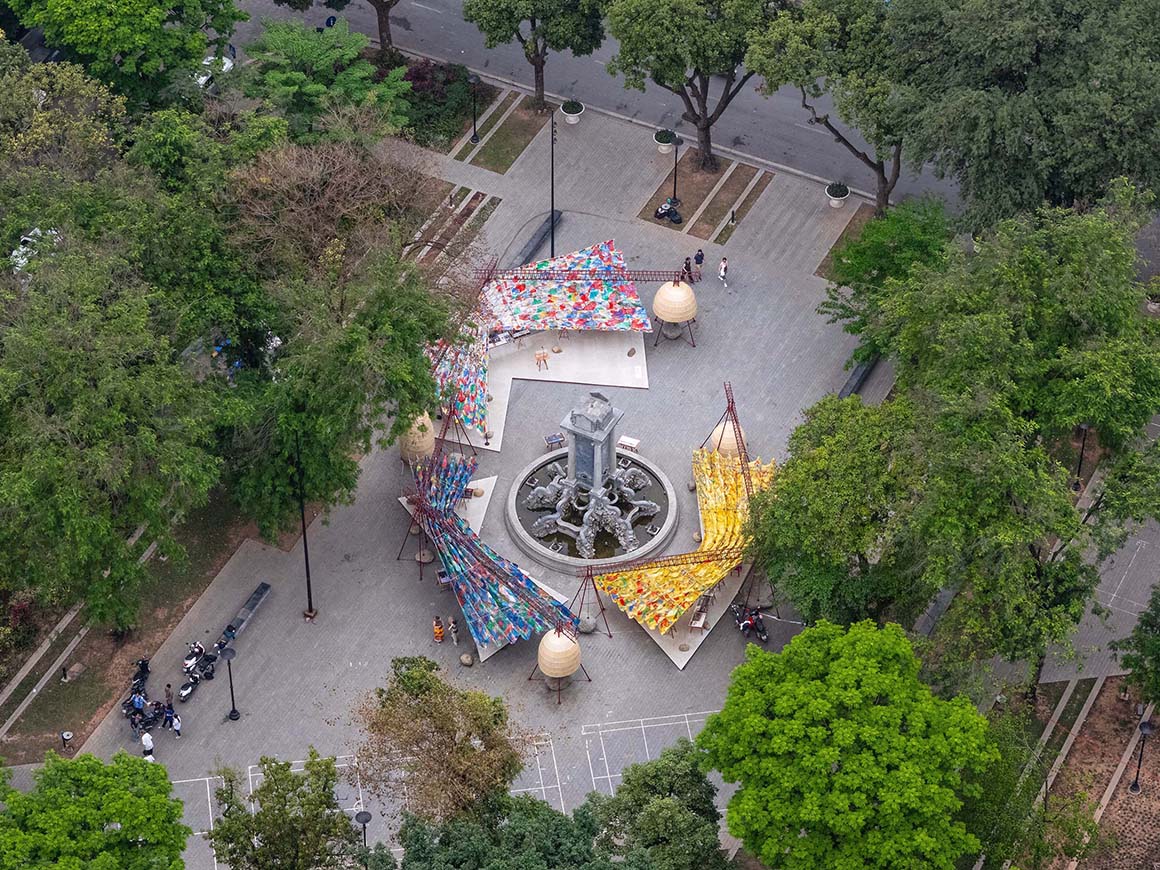
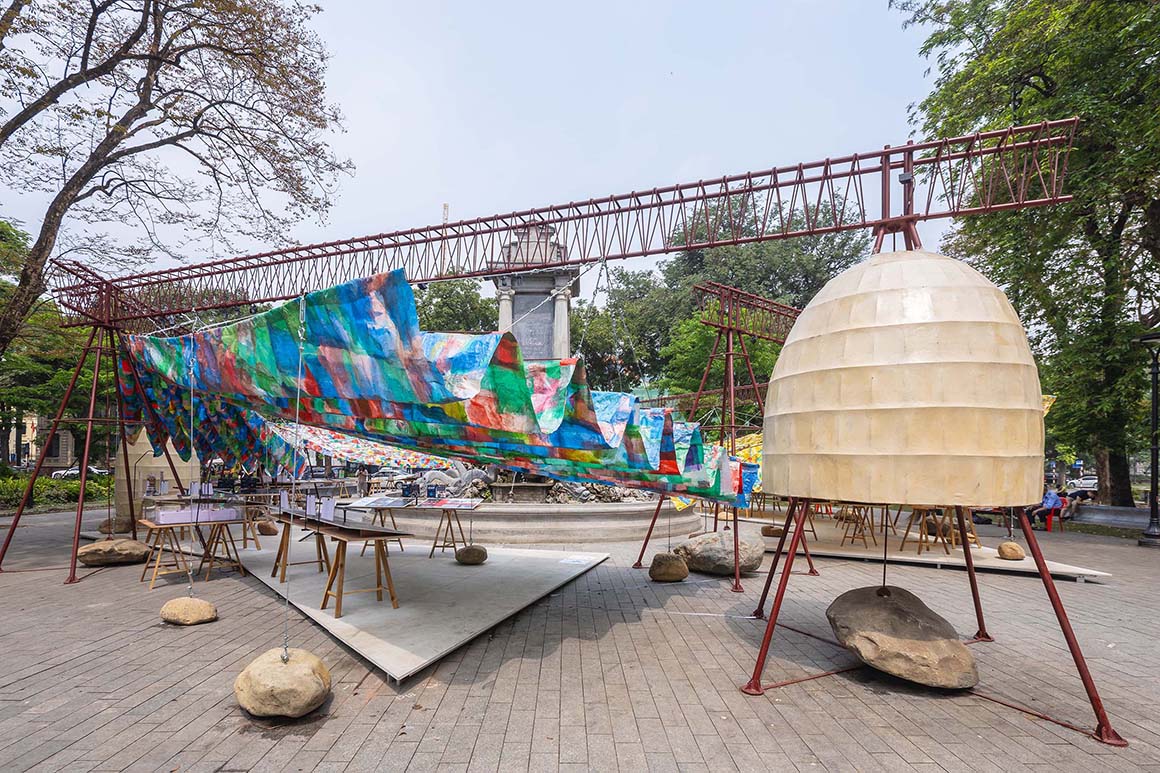
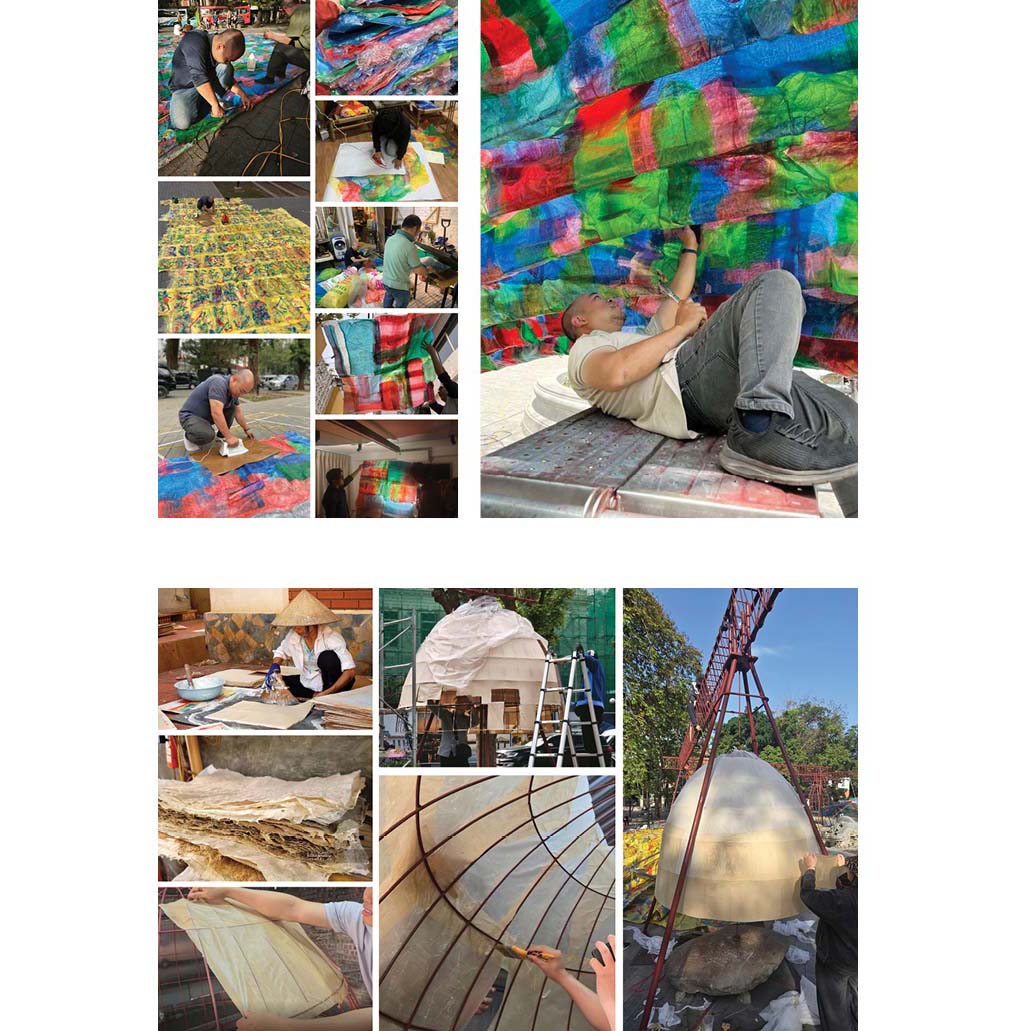
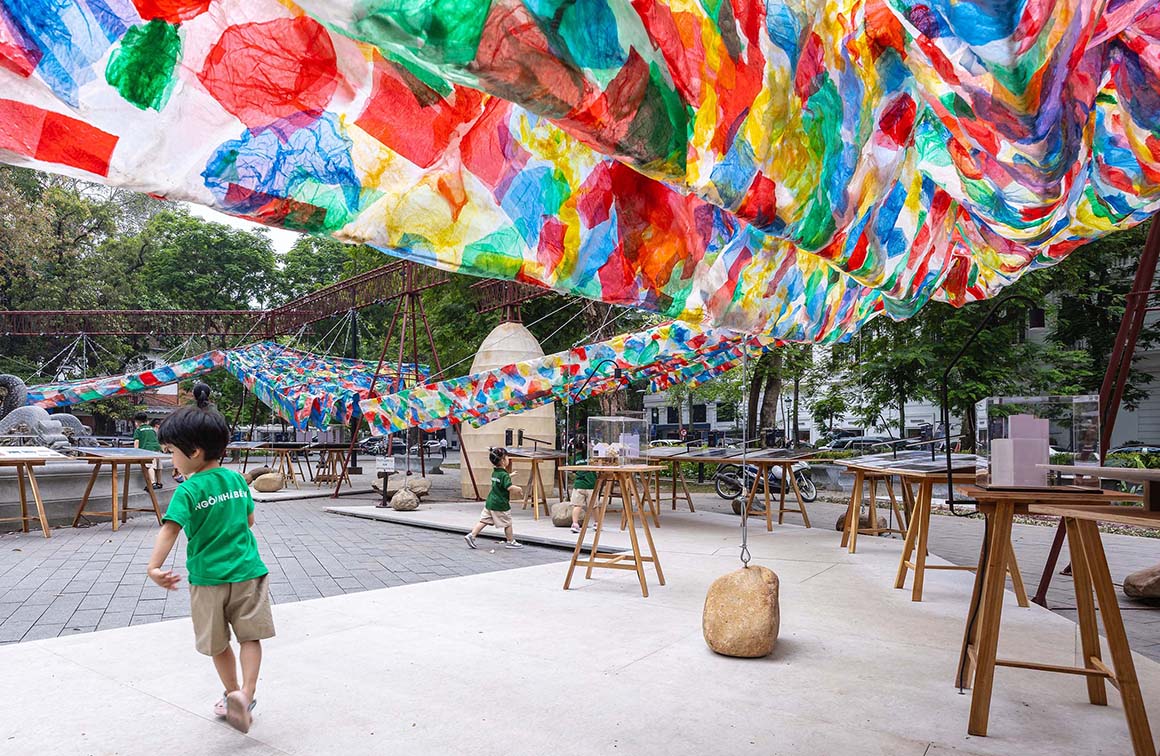
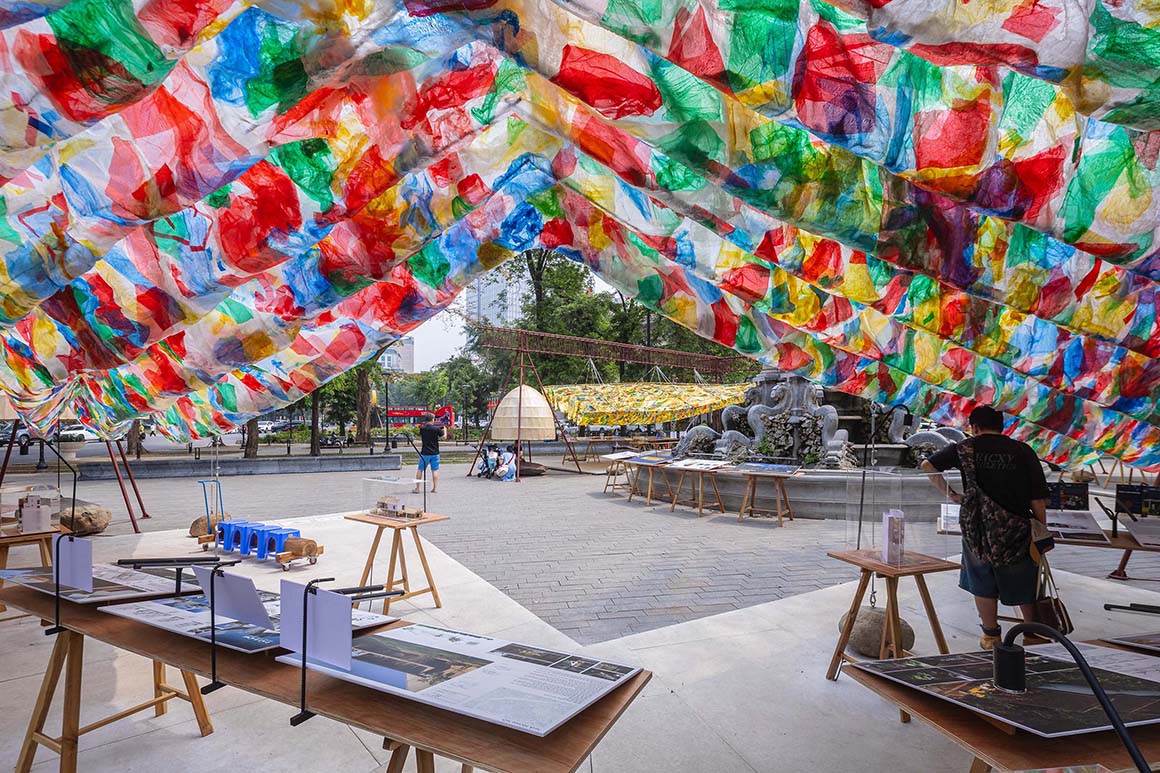
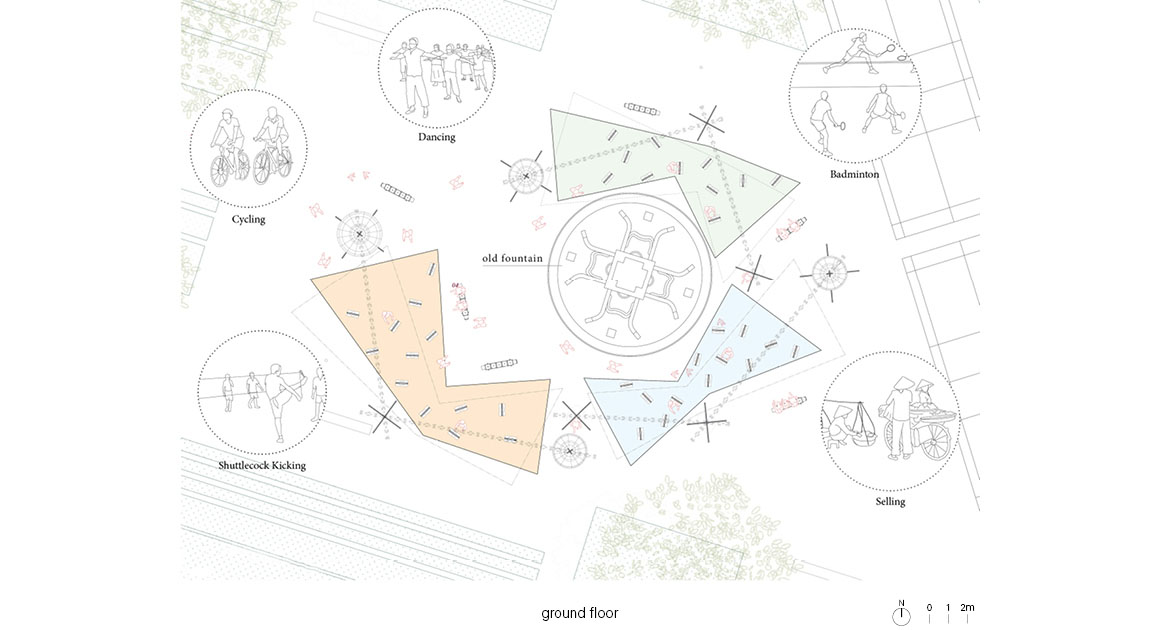
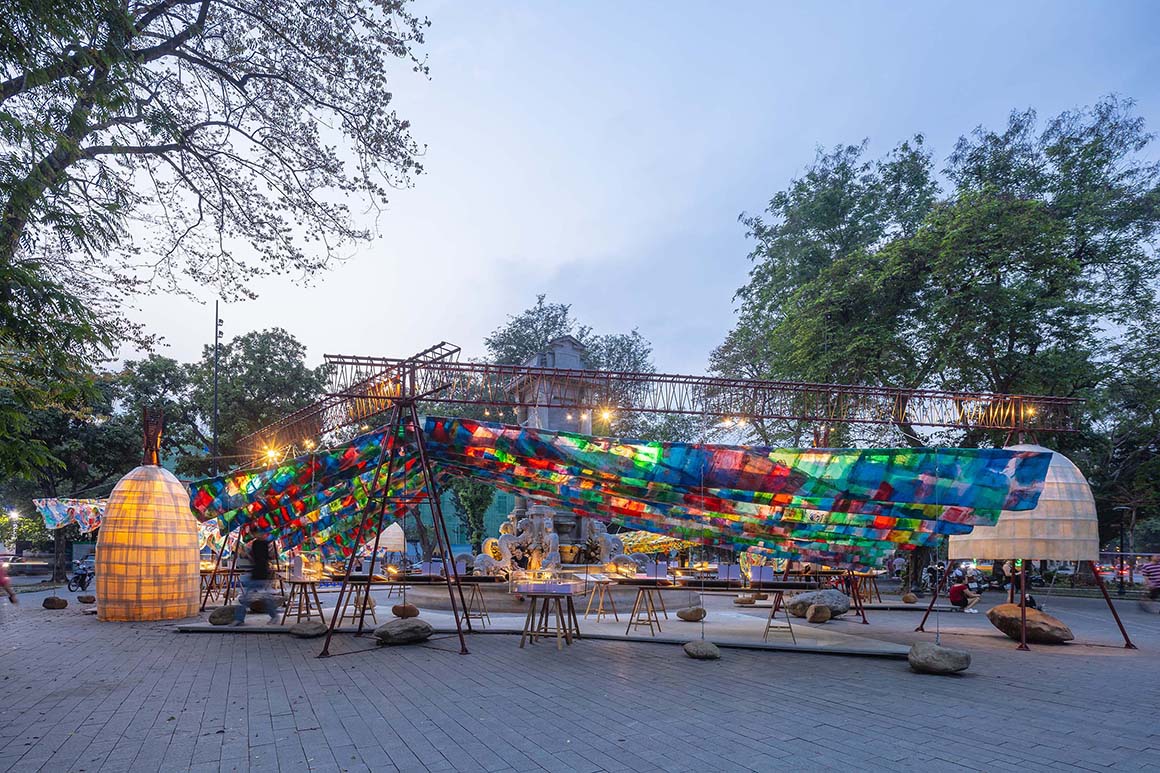
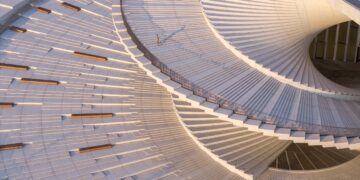
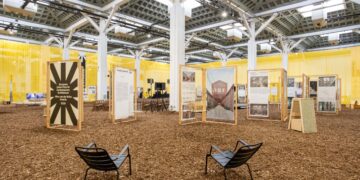
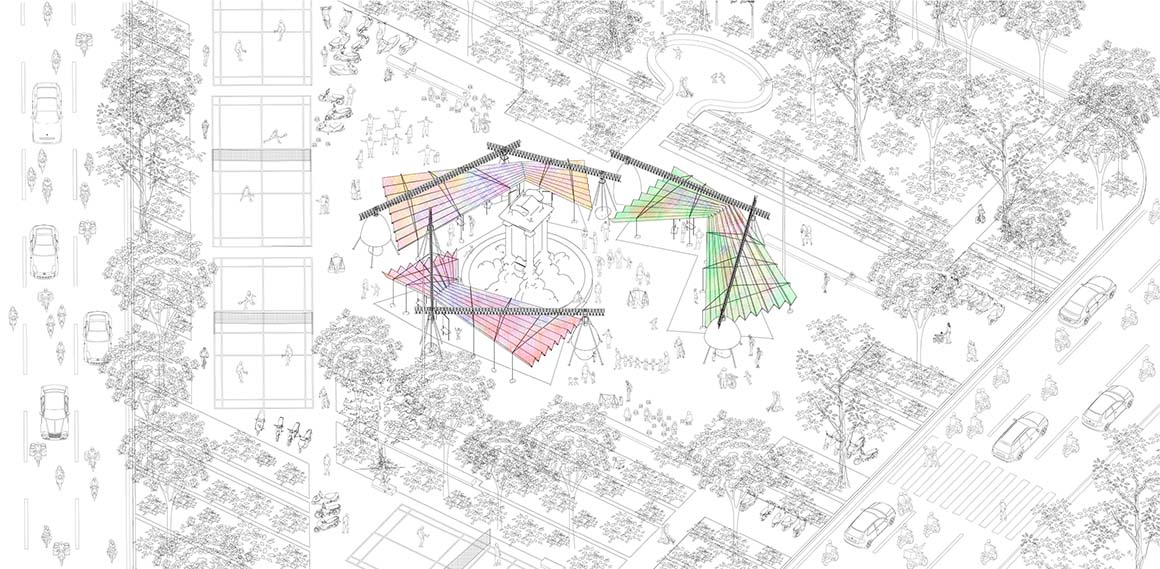
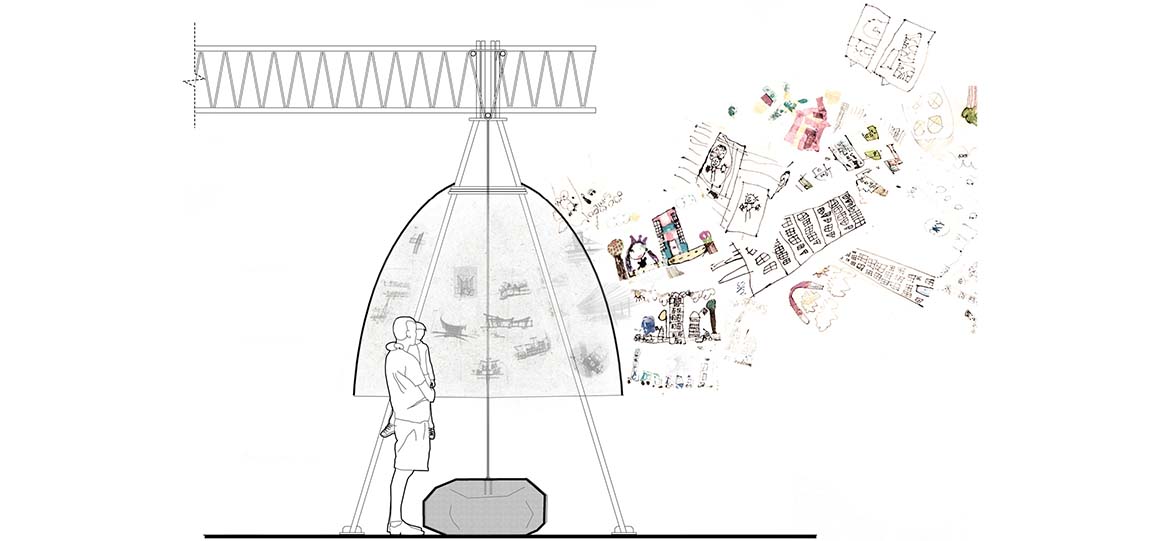
In Vietnam, approximately 25 million tons of household waste are generated each year. The pavilion responds to this reality as an architectural alternative, presenting the possibility of transforming waste into a new resource. By making recycling and upcycling key design agendas, it demonstrates that materials easily discarded can simultaneously possess architectural beauty and function. The structure consists of three wing-like roofs set on a lightweight steel frame. Each wing symbolizes one of three exhibition themes—residential architecture, interior design, and sustainability—and different color schemes guide visitors naturally through the space. Translucent recycled plastic panels filter light softly, casting changing coloured shadows inside, and at night the pavilion glows like a lantern in the city as interior lights illuminate the structure. The spatial composition also incorporates traces of local culture. Inside domes made from traditional handmade paper, visitors can view architectural drawings, diagrams, and interactive content, while domes of different sizes and heights create a rhythm of movement and a more intimate exhibition environment. In addition, kindergarten children contributed drawings of their imagined cities, adding a playful and human layer to the space.
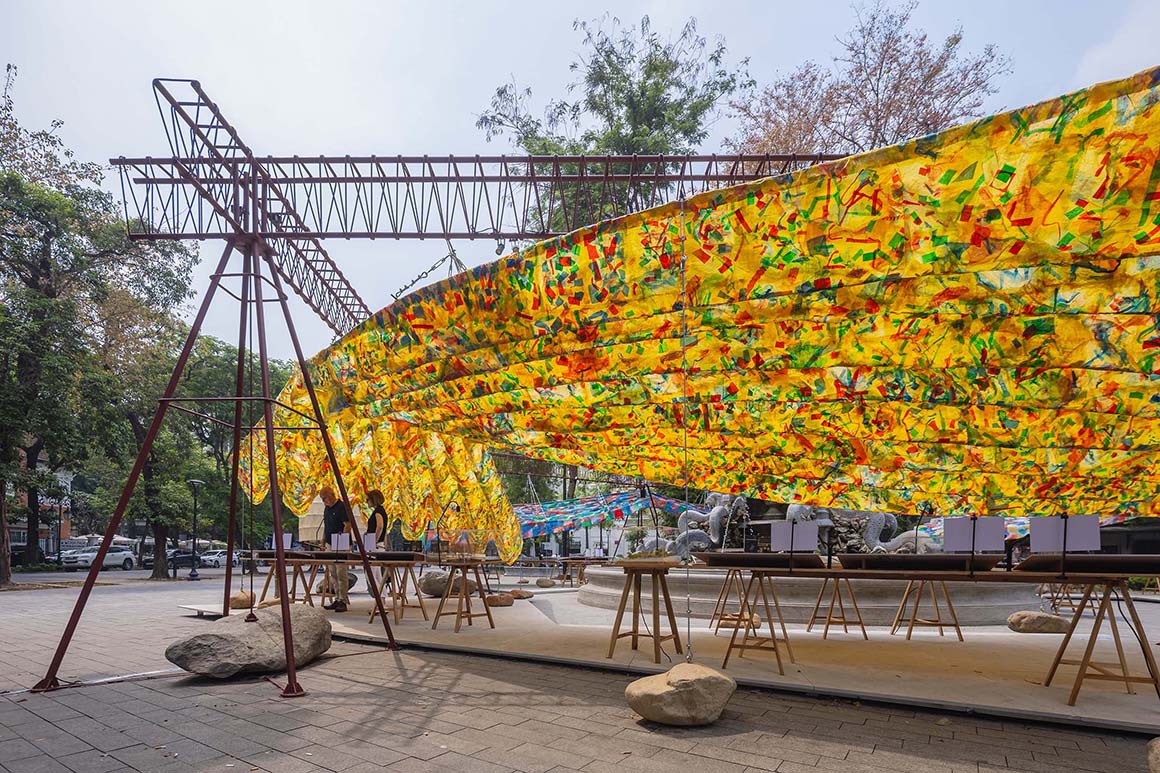
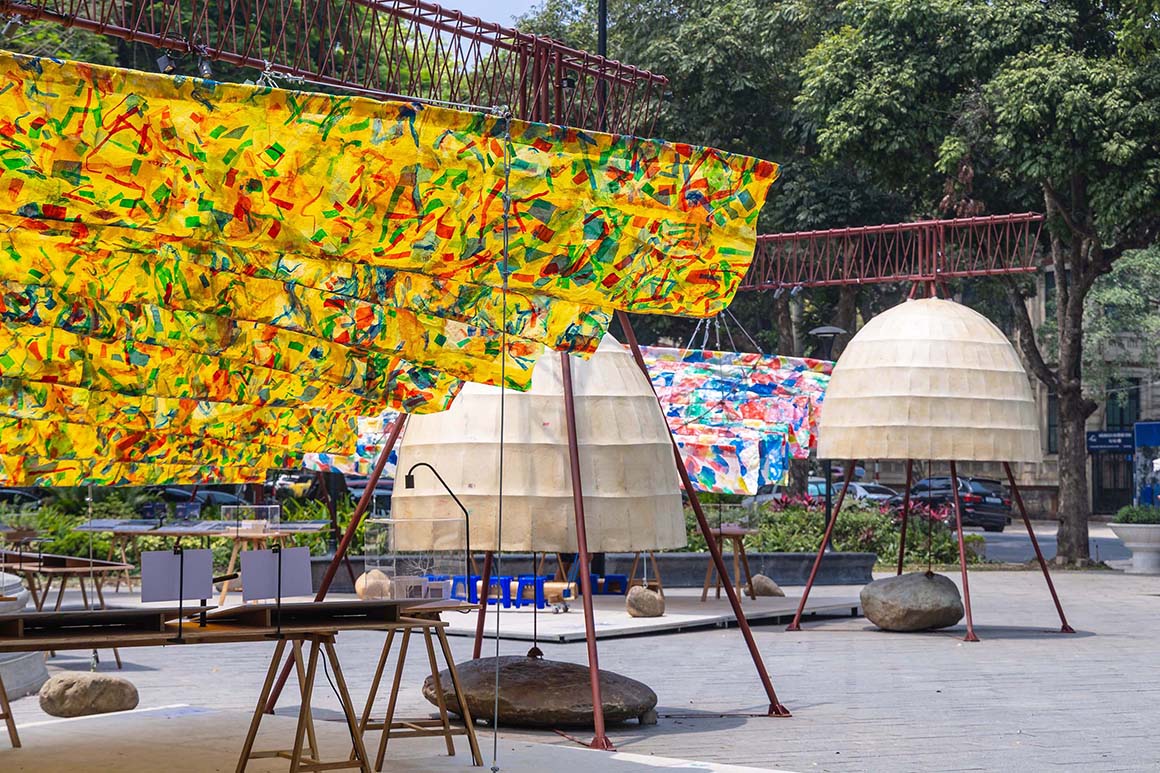
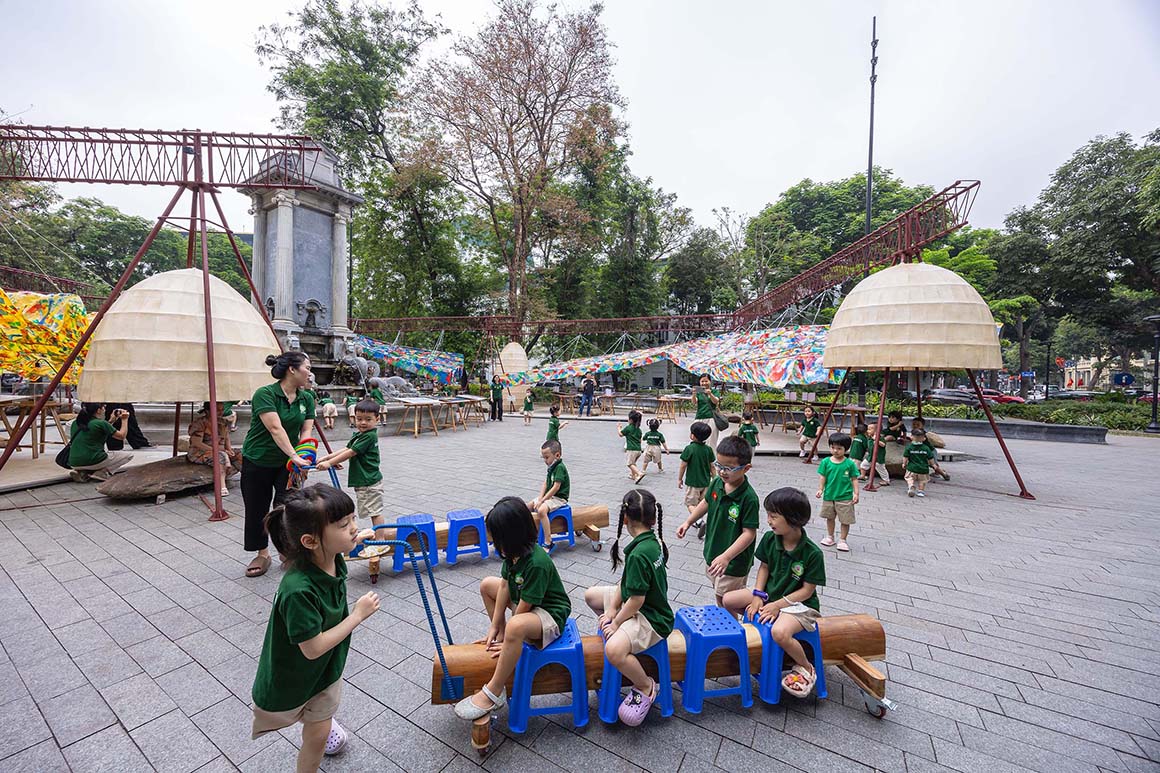
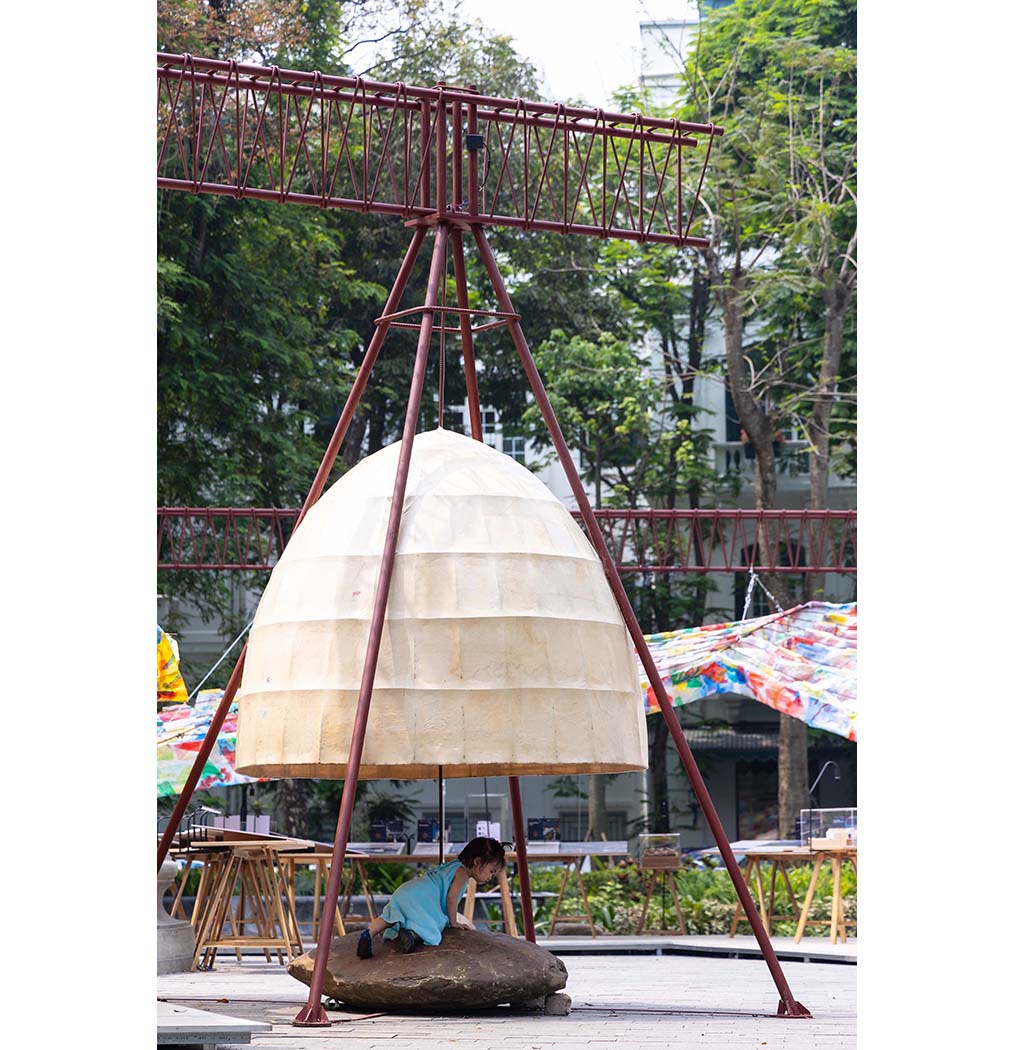
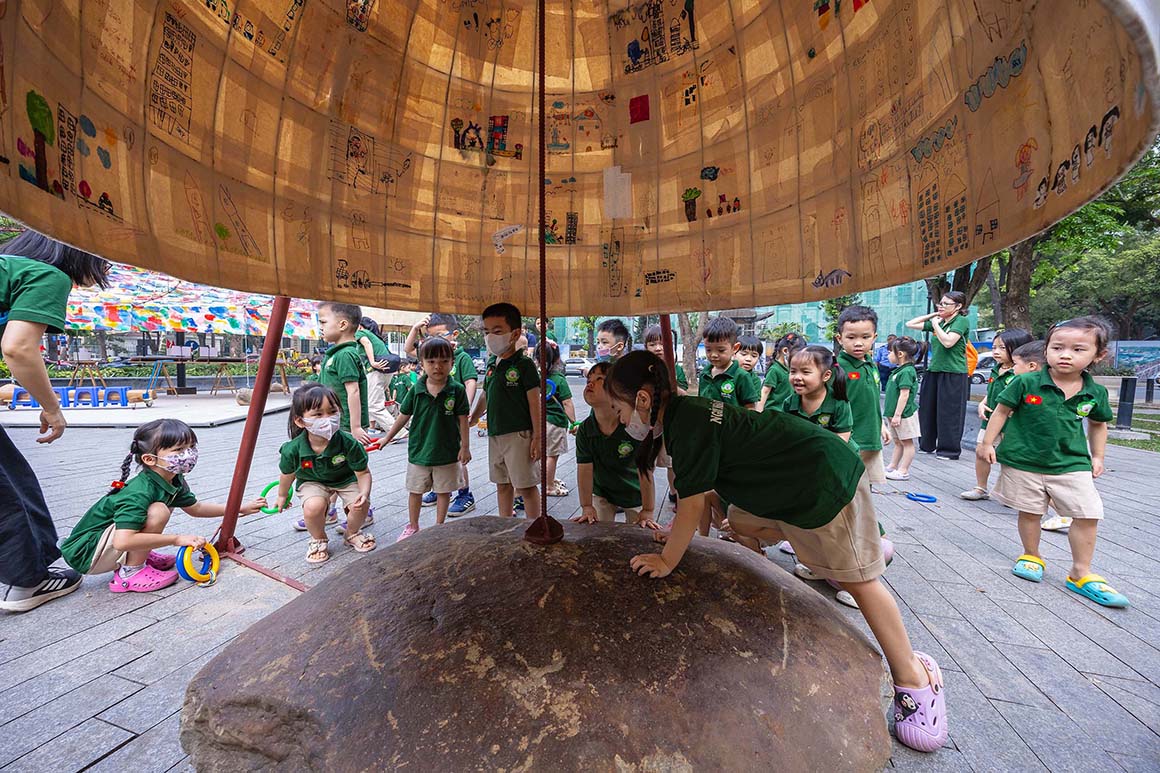
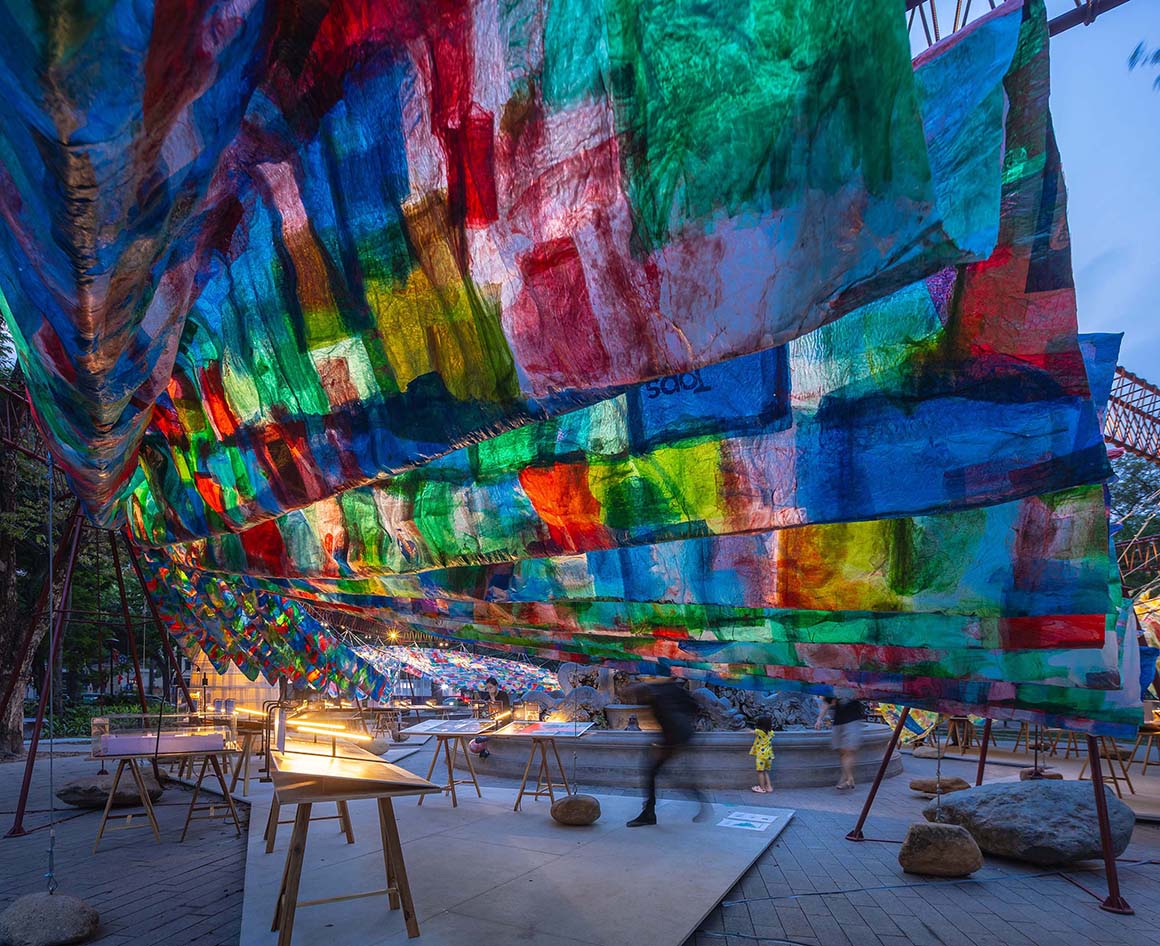
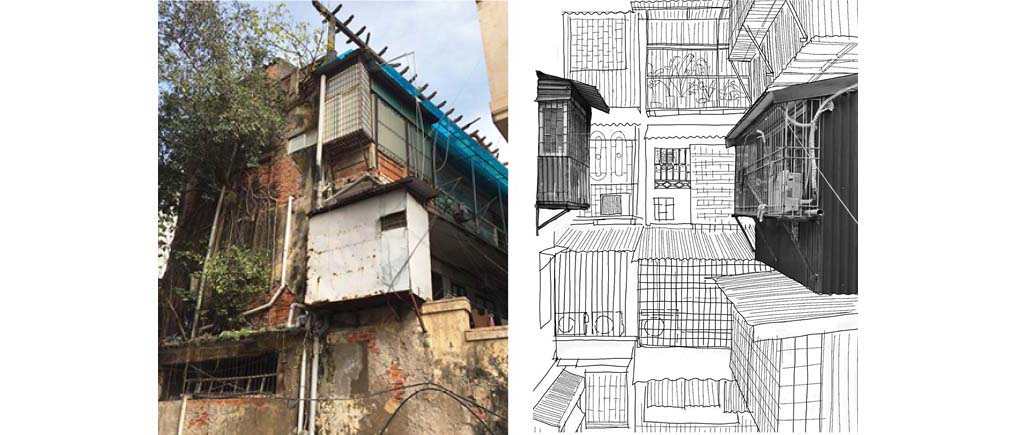
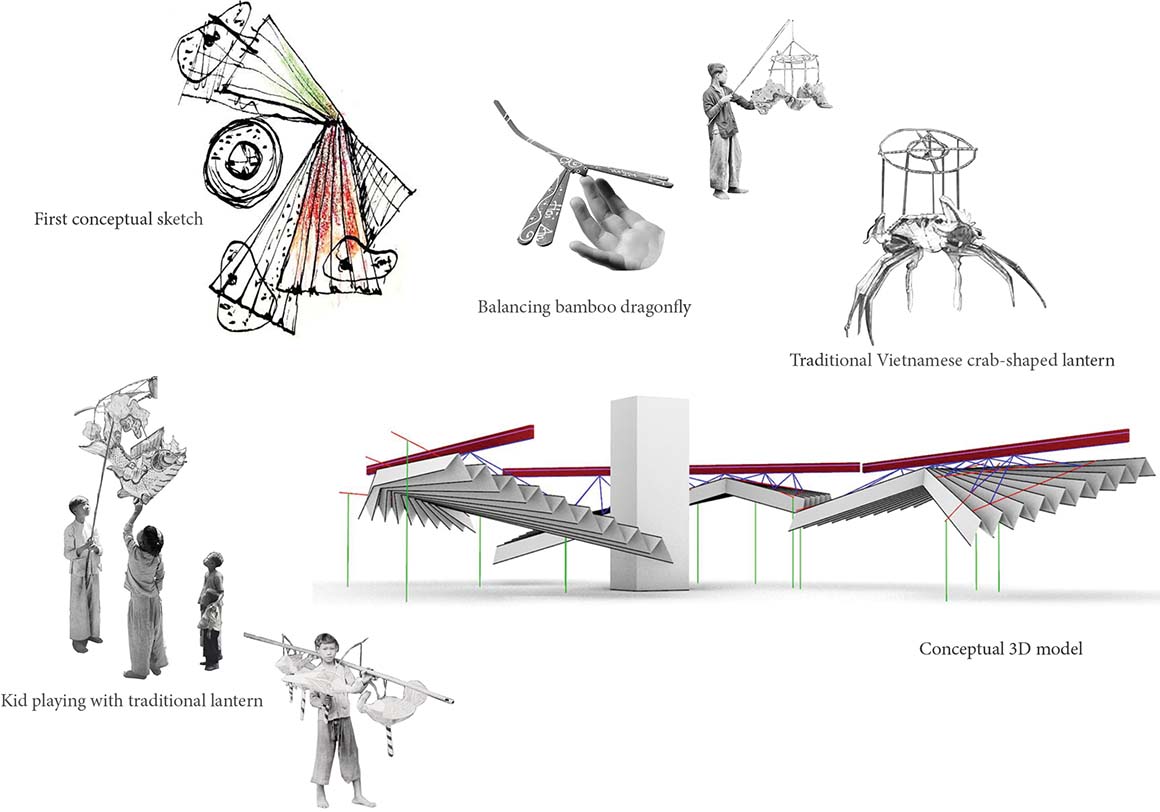
The design draws Inspiration from Hanoi’s craft traditions and urban environment. By combining papermaking techniques with recycled plastic derived from everyday plastic shopping bags, the project links local craft with contemporary sustainability. The steel structure supporting the pavilion was inspired by practical construction methods commonly seen in Vietnamese cities. More than just an exhibition space, the experimental platform proposes a new perspective on architecture, materials, and the environment, and it will continue to be used after the exhibition ends. The recycled plastic panels used for the roof will be turned into design products such as bags. It is a case that implements circular thinking—viewing waste not as something useless but as a resource—within the actual design and construction process, showing how discarded materials can be reborn as a new architectural language.
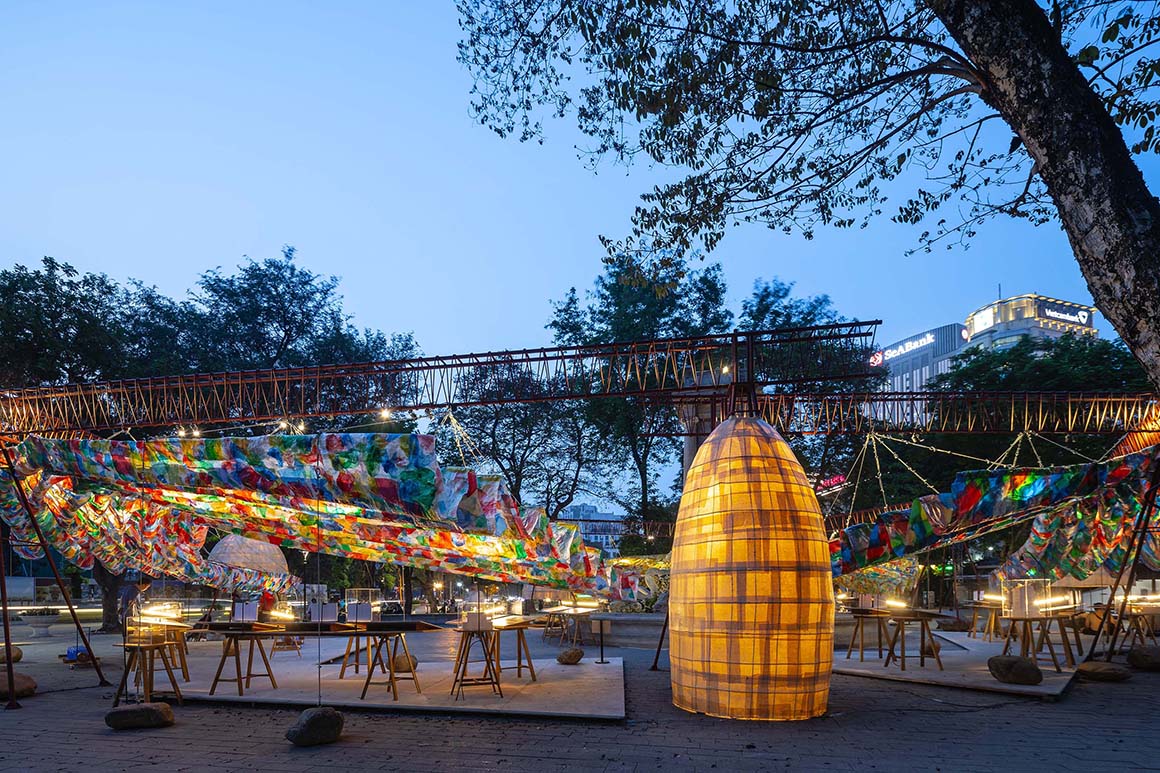
Project: T10A Pavilion / Location: Hanoi, Vietnam / Architect: ODDO architects (Mai Lan Chi Obtuloviová, Nguyen Duc Trung, Marek Obtulovi) / Project team: Le Duy Huy Recycled plastic sub-contractor: Red River Recycling, Duc Pham / Client: Kienviet.net / Use: exhibition pavilion, installation / Gross floor area: 320m² / Completion: 2025 / Photograph: ©Trieu Chien (courtesy of the architect)