




Time for Trees to Nurture and for Children to Grow
“Toys are the first works of art that humans encounter in their lives.”
This was the founding statement of Japan’s first toy museum when it opened in 1984, and it remains a phrase that most clearly defines the essential values such a space should uphold. Having long championed the philosophy of “education through wood” across 14 locations throughout Japan, the Tokyo Toy Museum has now embarked on a new journey in Seoul.
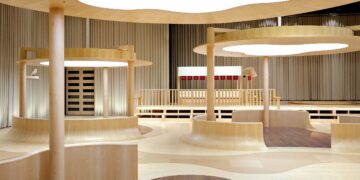
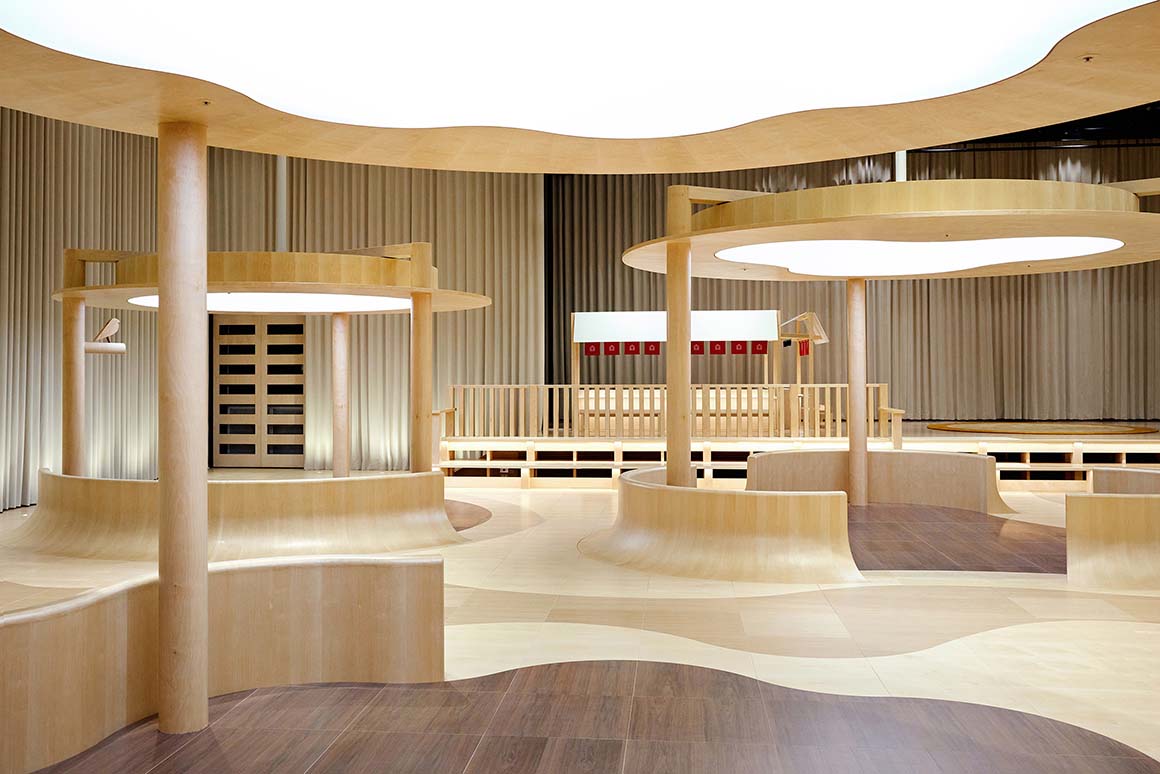
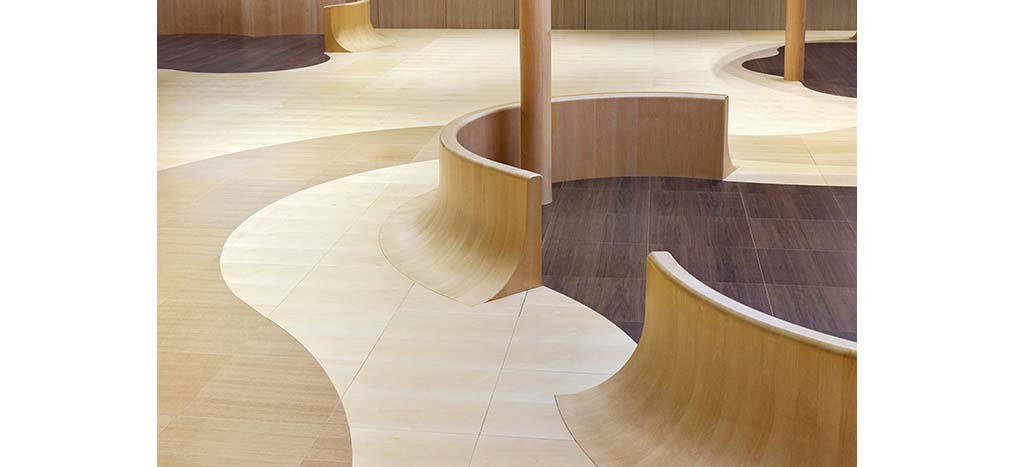
The design team at Maum Studio translated the narrative of this play space into architectural language by drawing on the Han River as a powerful site-specific symbol. At the heart of the space lies the flowing trace of a river, crossed by four towering tree-like columns rising above it. Together, they encapsulate Seoul’s geographic dynamism while providing children with intuitive spatial markers for free exploration. The designers interpreted the river’s shimmering surface and its seasonally shifting hues through variations in material tone and texture, while skylights and façades were composed to allow light and shadow to generate a rhythm of time. As a result, the space functions as a “living landscape,” continually changing its expression throughout the day.
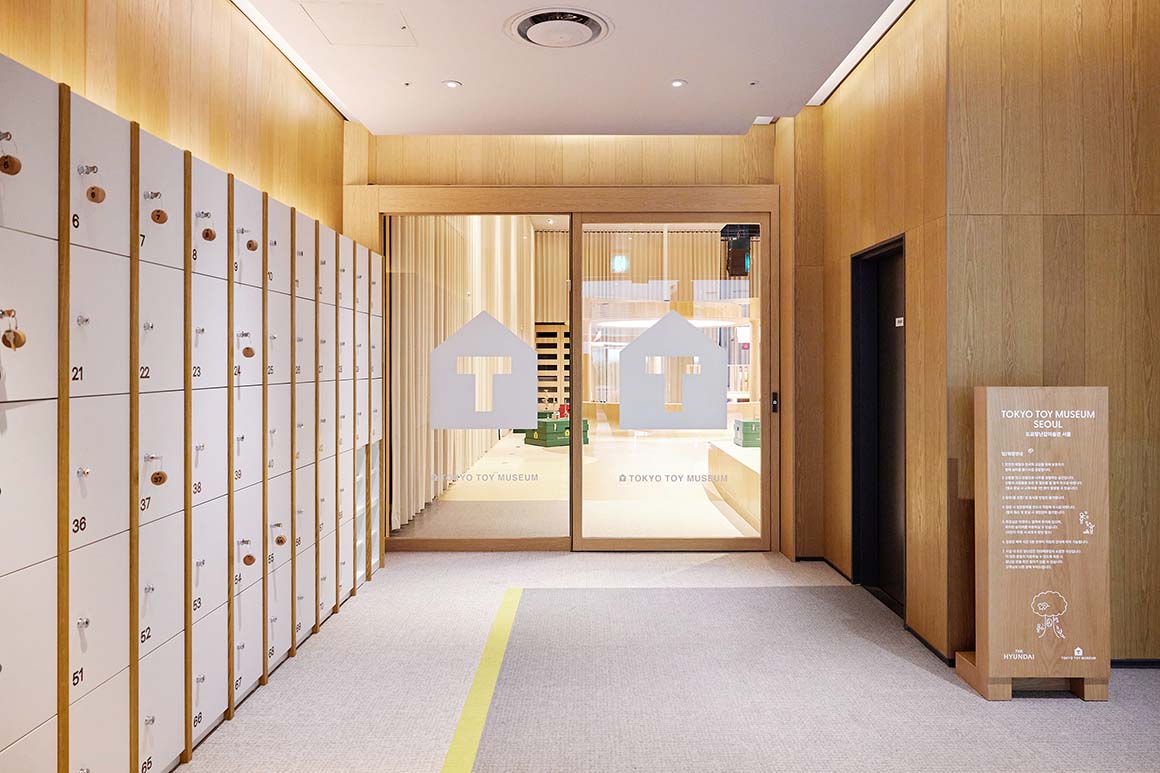
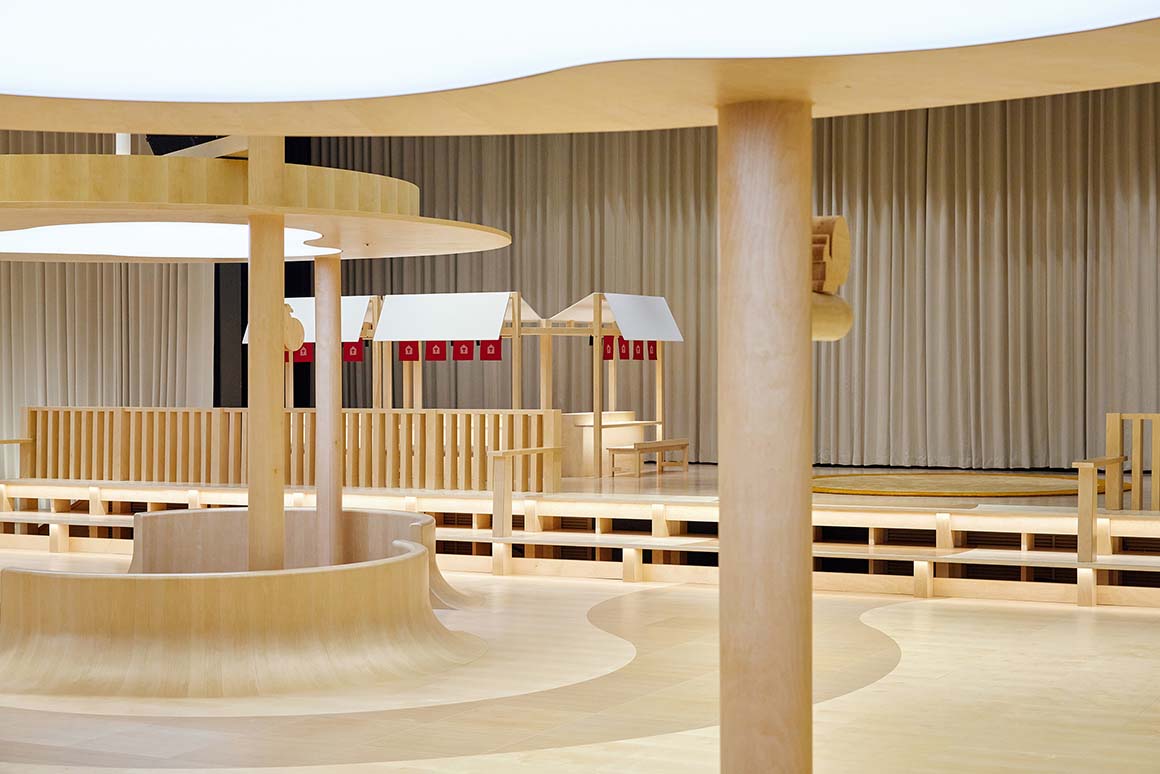
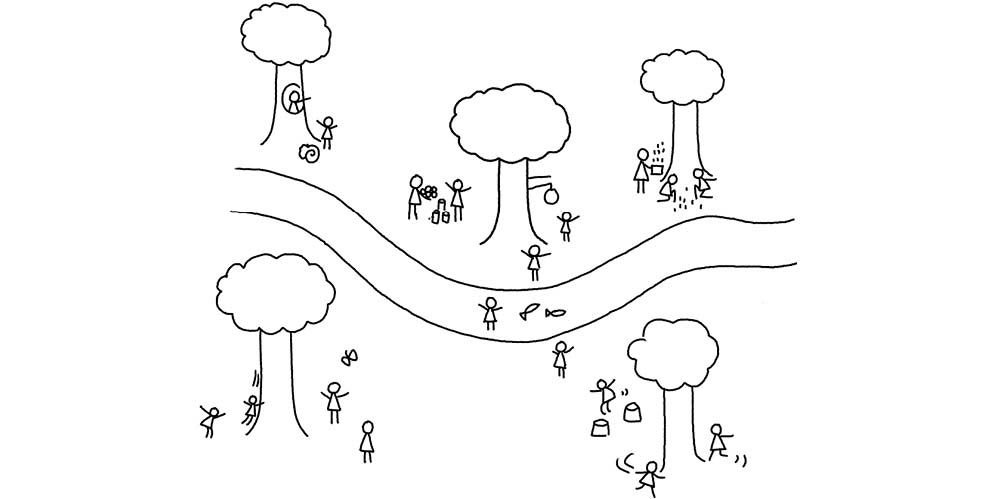
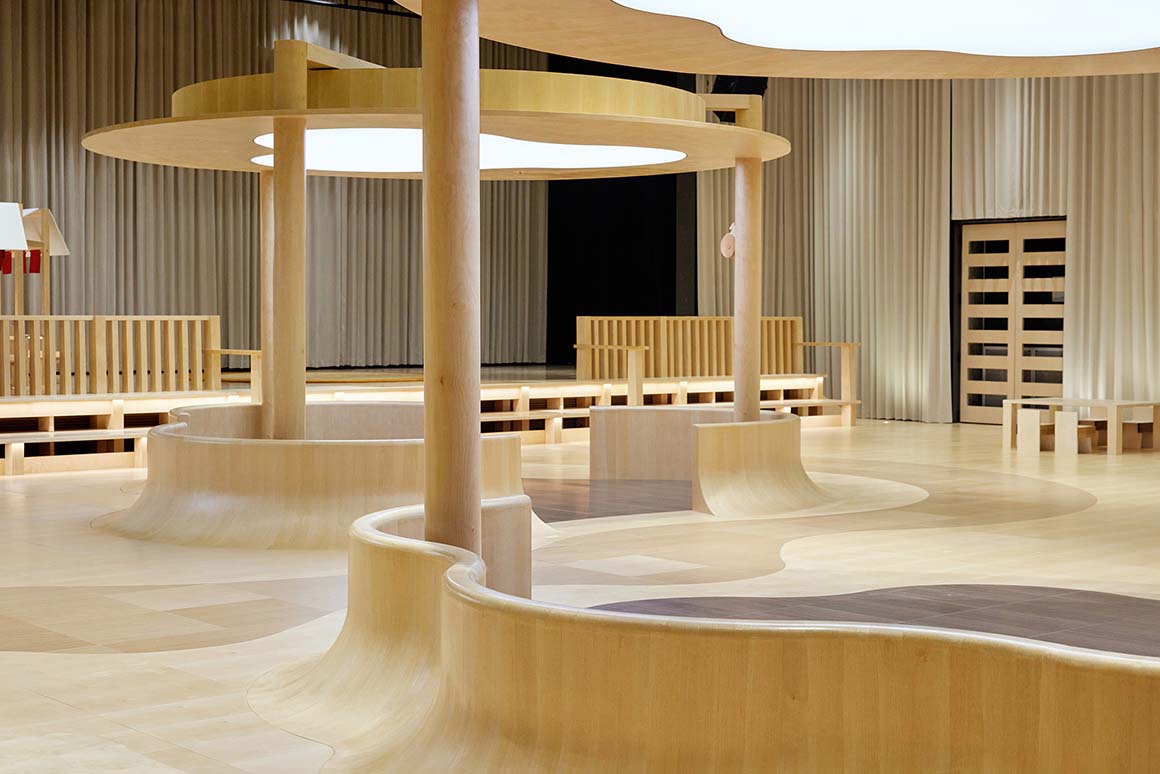
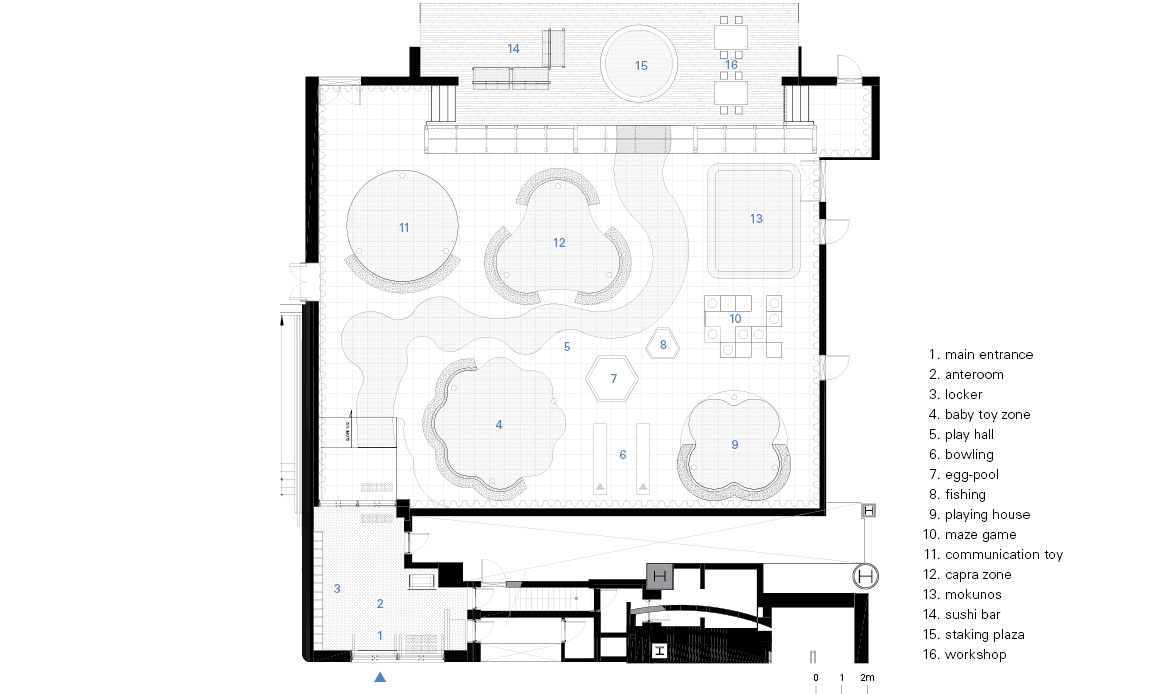
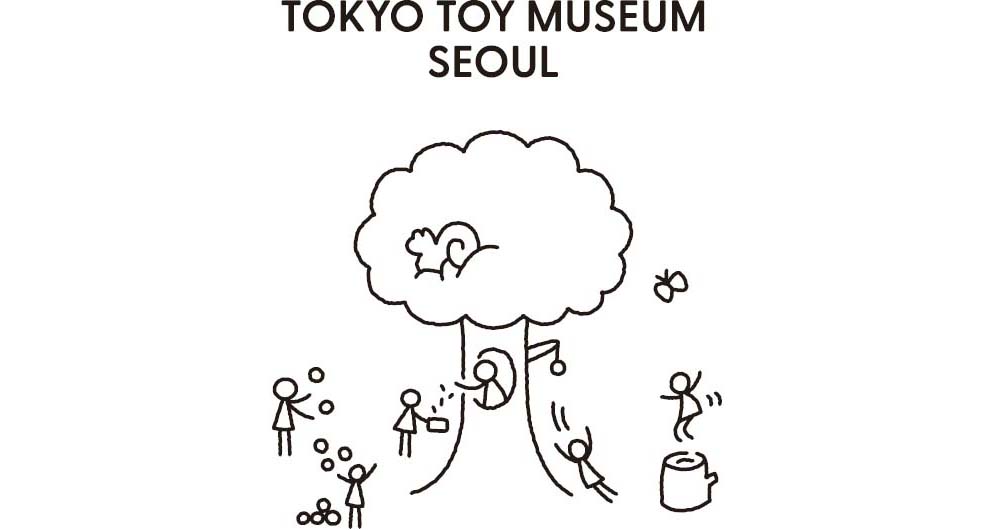
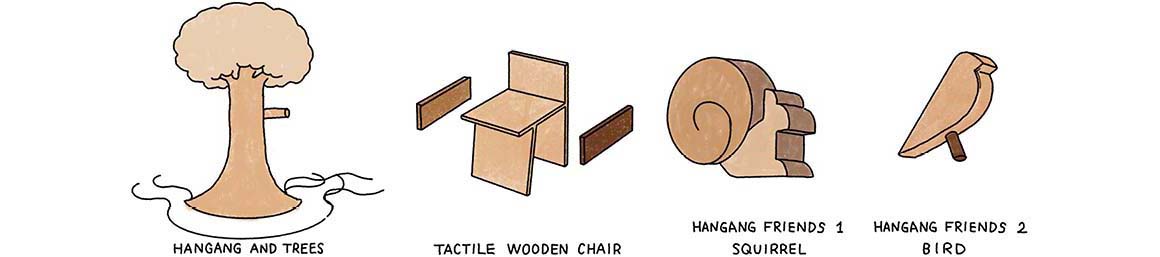
Children wander through the space as if swimming along a river, eventually entering tree structures that each hold a different theme, where new forms of play await discovery. What stands out here is the message of “coexistence” embedded in the design. Within the trees, habitats are created not only for children but also for squirrels, birds, caterpillars, and other living creatures. The space makes visible the idea that land, vegetation, humans, and nature are interconnected within a single ecological order. Functioning both as an educational device and a sensory scene, this arrangement allows children to experience ecosystems through sight, touch, and sound, embodying the museum’s philosophy of “learning through play.”
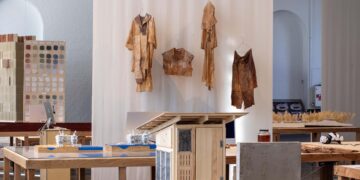
Underpinning this spatial composition is the philosophy of wood education, which emphasizes the tactile relationship between wood and the human body. In order to realize the virtuous cycle in which caring for wood ultimately nurtures children, the designers paid meticulous attention to material treatment. The grain of the wood is carefully preserved at every point of physical contact, while a variety of tree species are distributed throughout the space to stimulate children’s senses through their distinct textures and presences. Japanese hinoki, locally sourced pine, and birch come together to offer differing scents and tactile qualities, with each species contributing its own narrative layer to the space. During fabrication, chemical treatments were minimized to preserve the wood’s natural color, allowing it to function as a “material of time” that ages organically. The warmth conveyed by wood’s low thermal conductivity becomes a key physical element, offering psychological comfort within the cold, artificial context of the city.
Within this structure—both sturdy and supple—children grow by testing their bodies, engaging with others, and learning through physical experience.
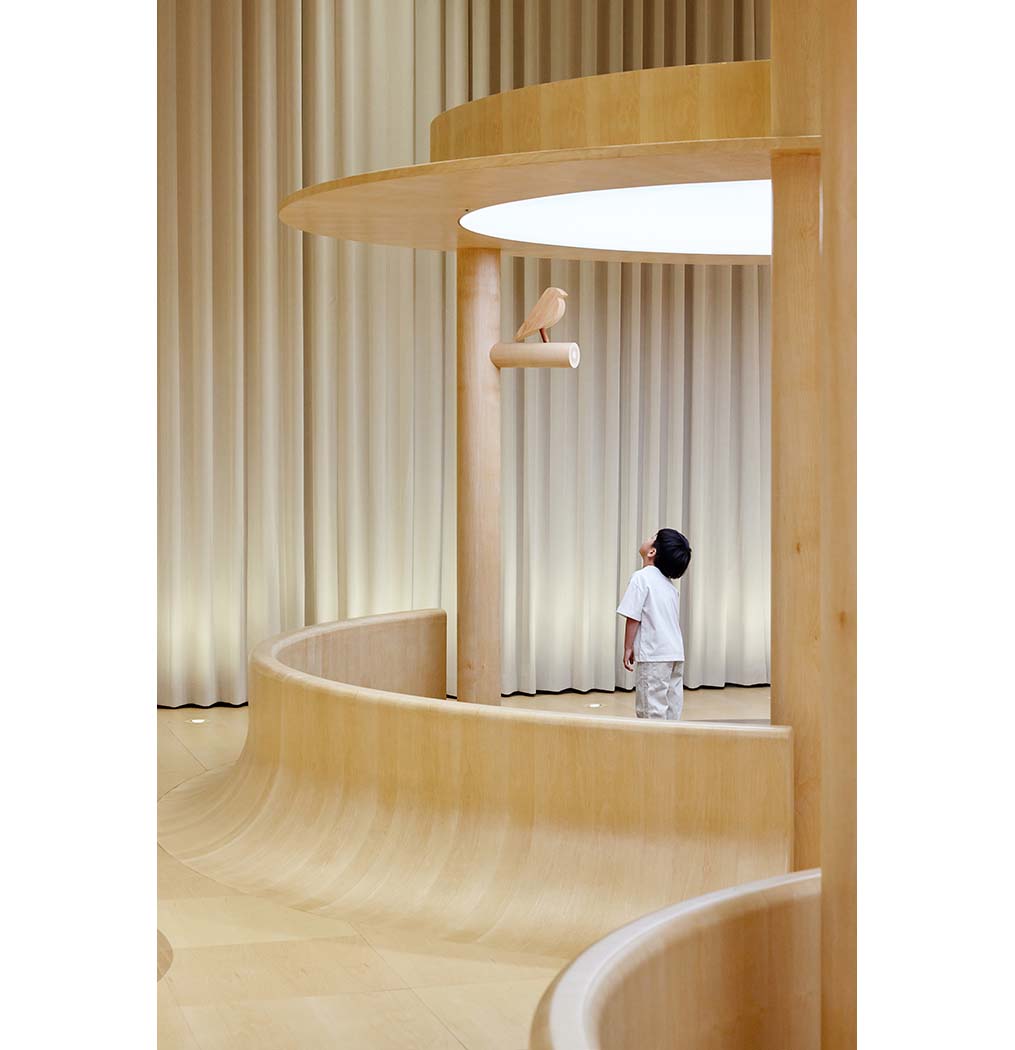
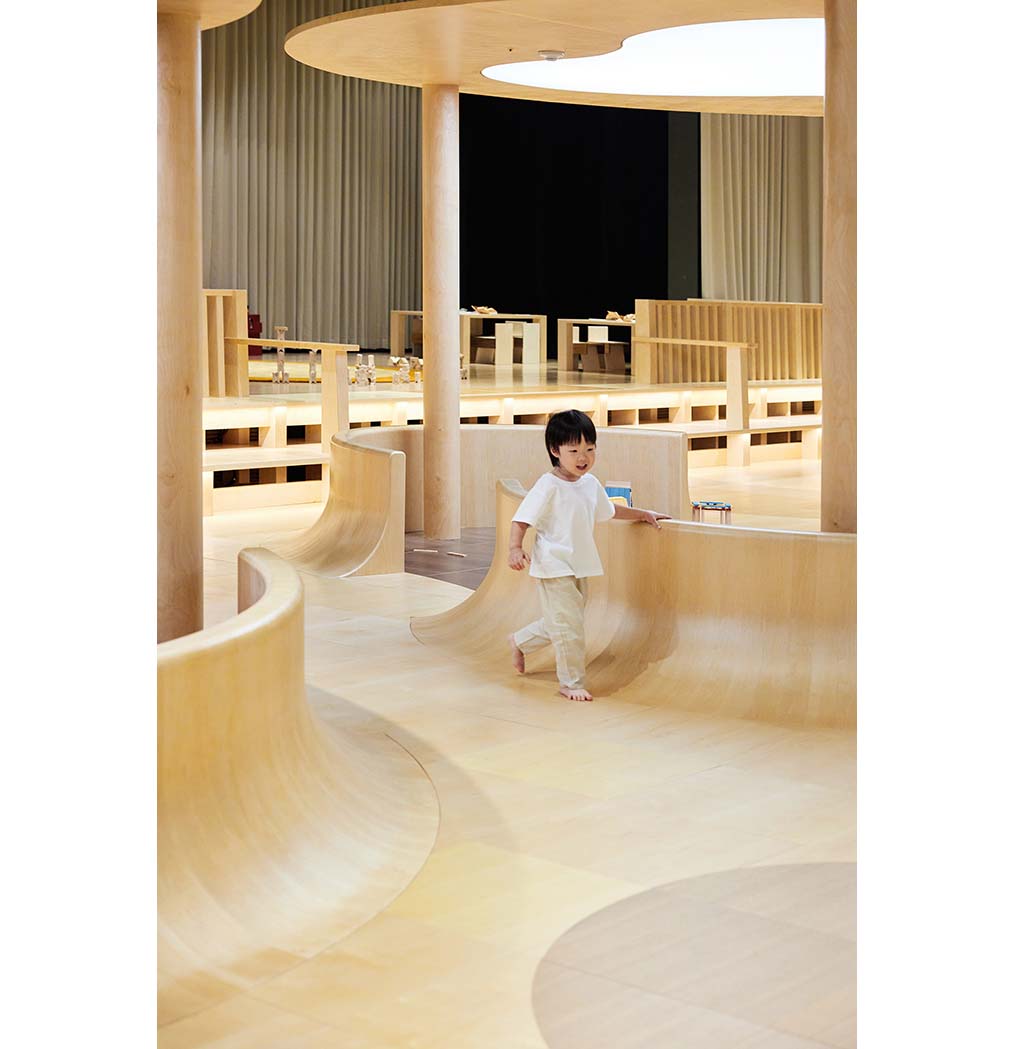
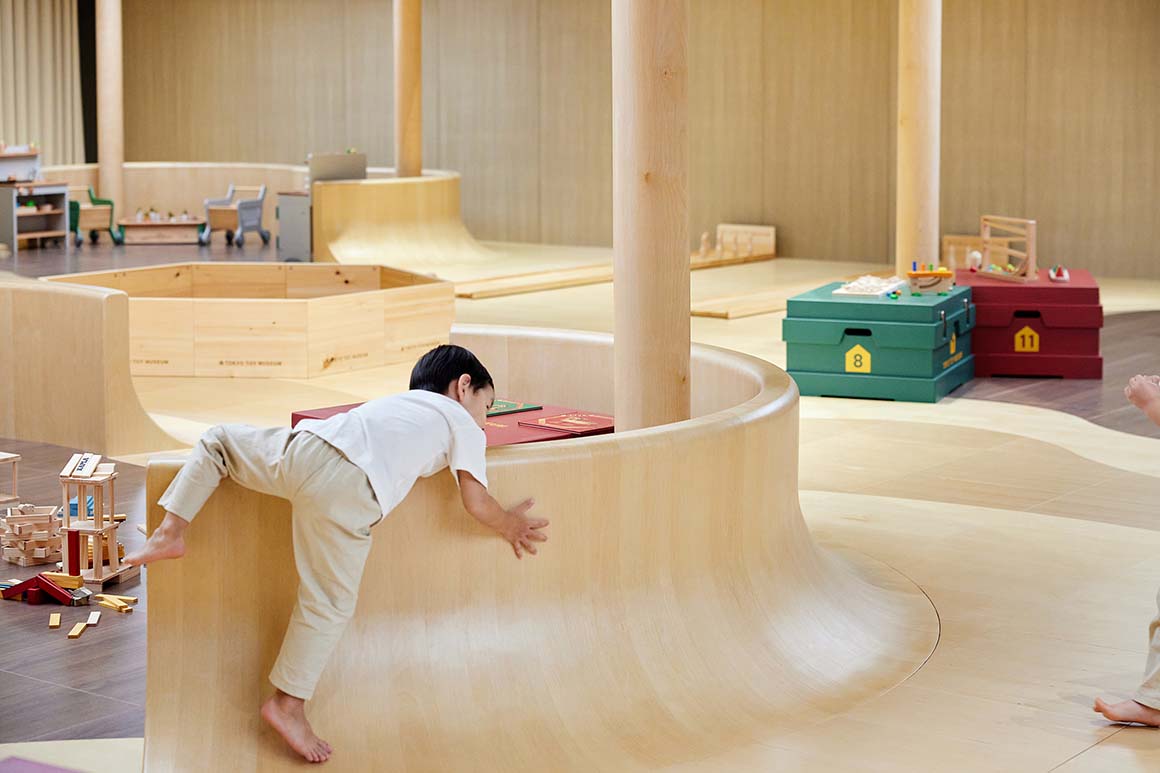
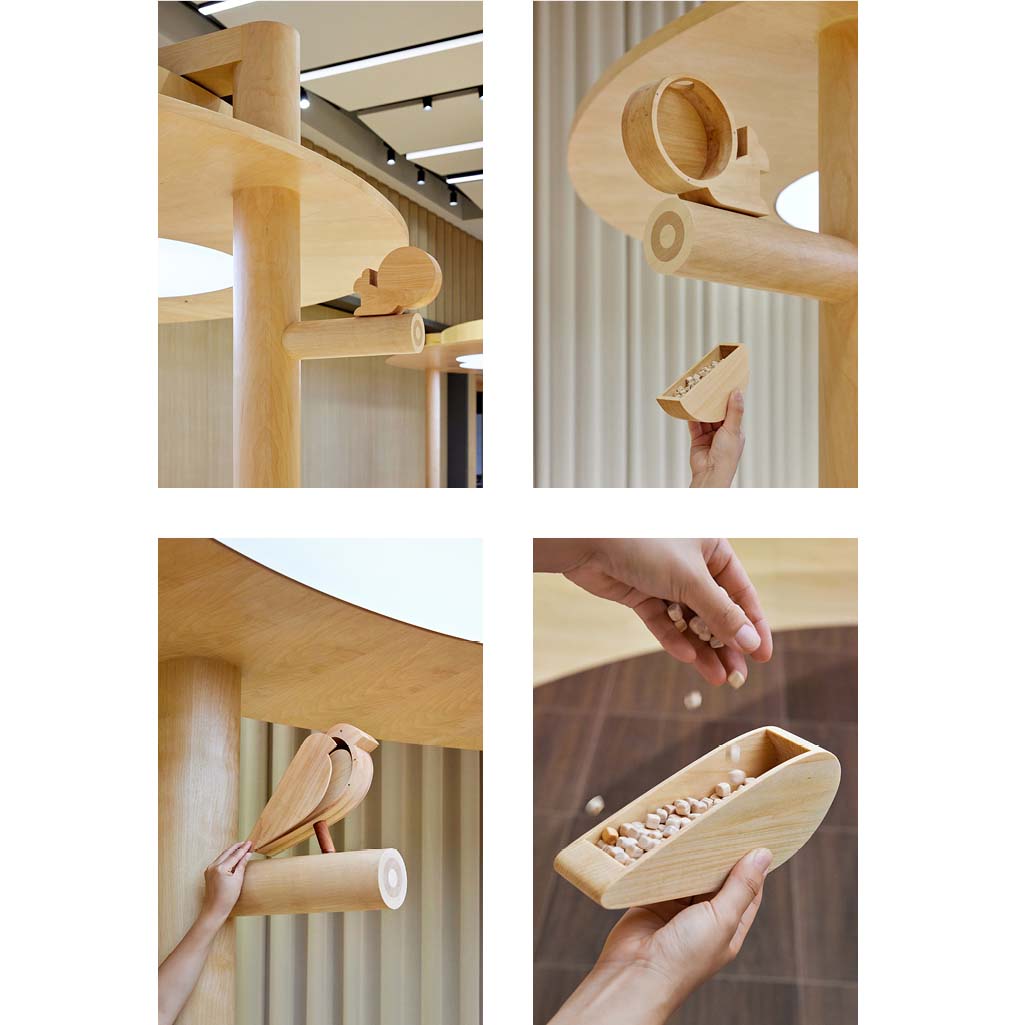
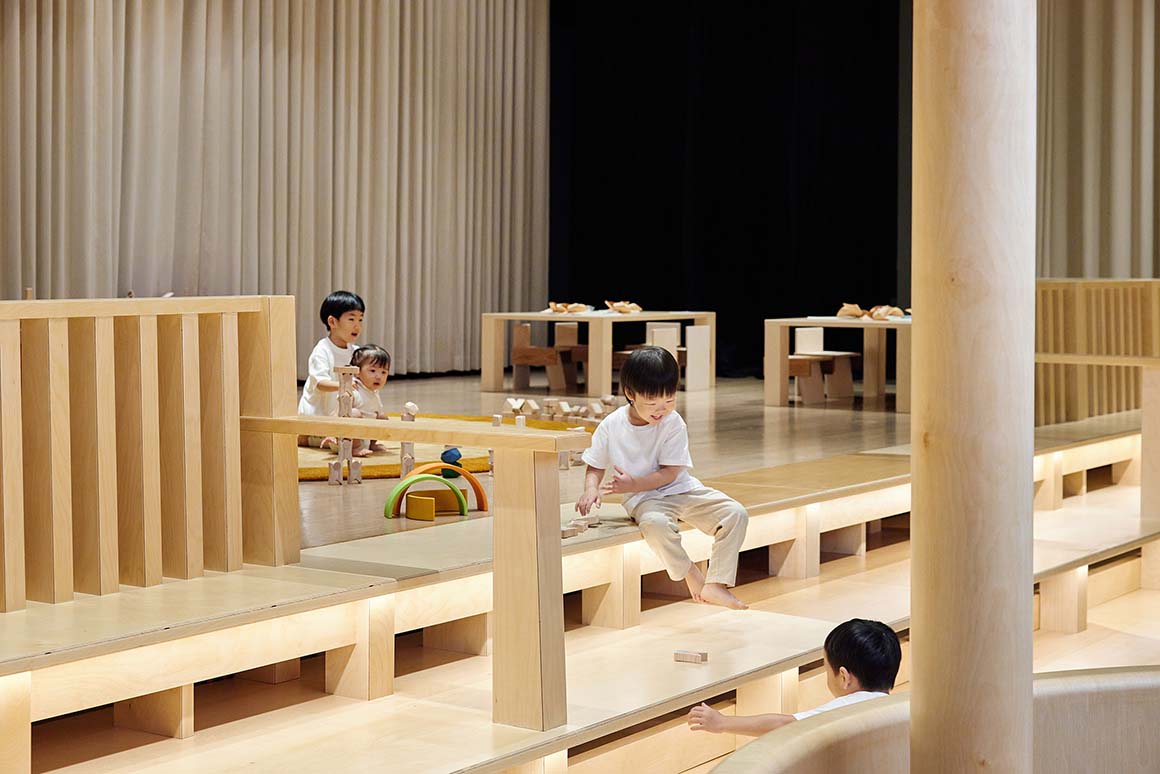
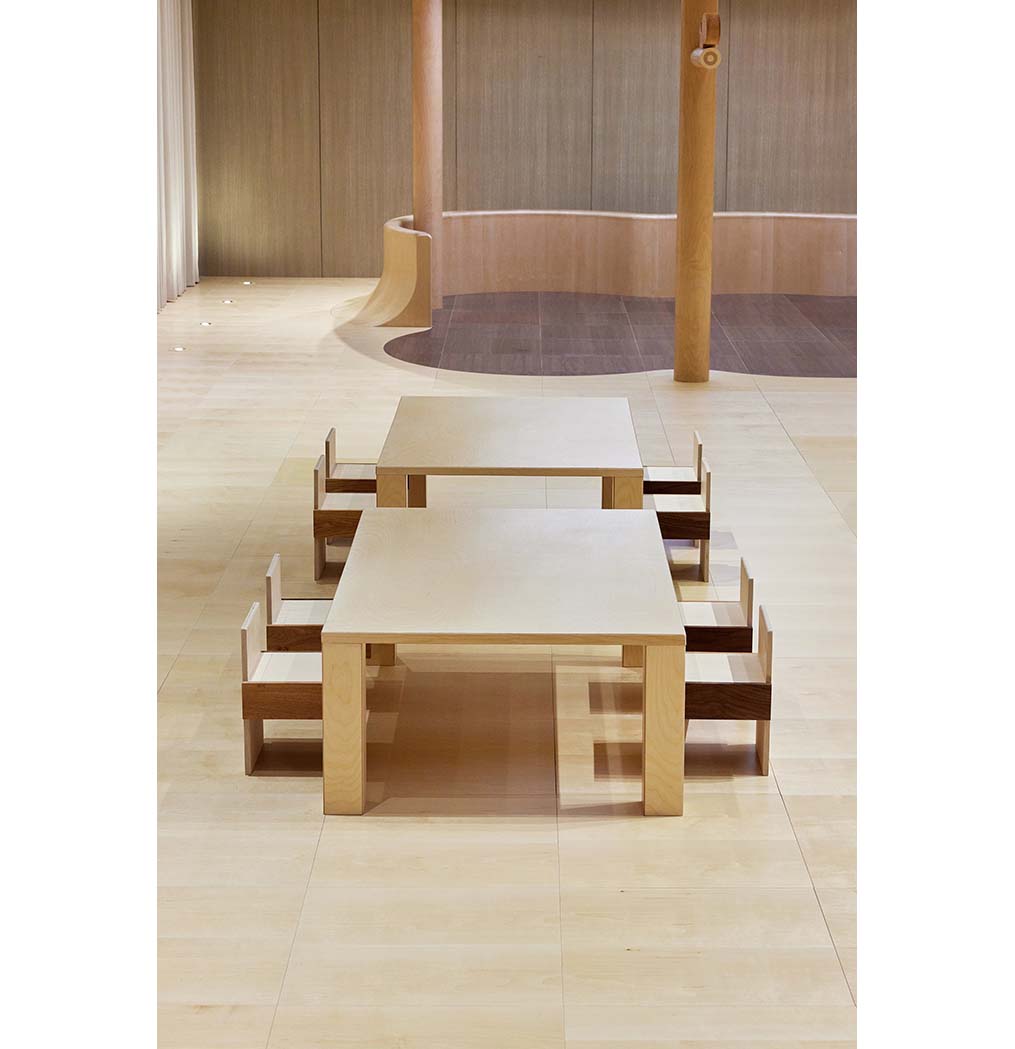
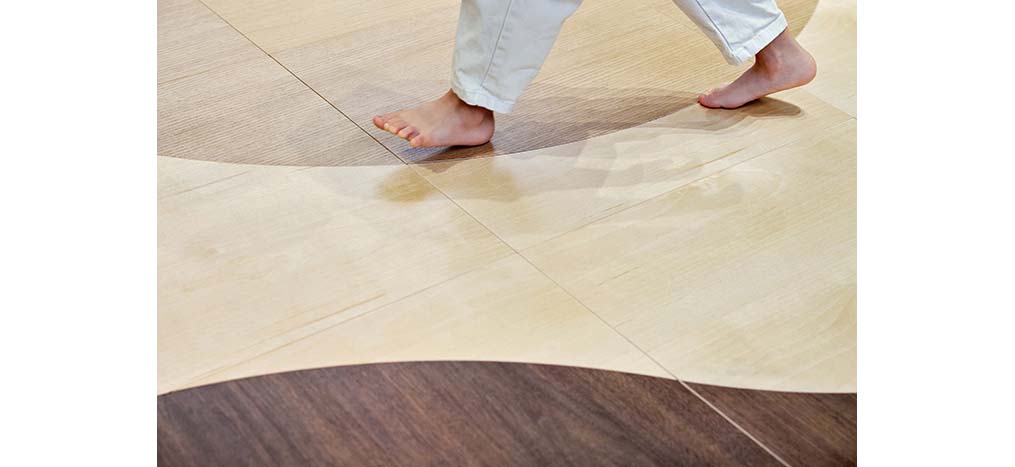
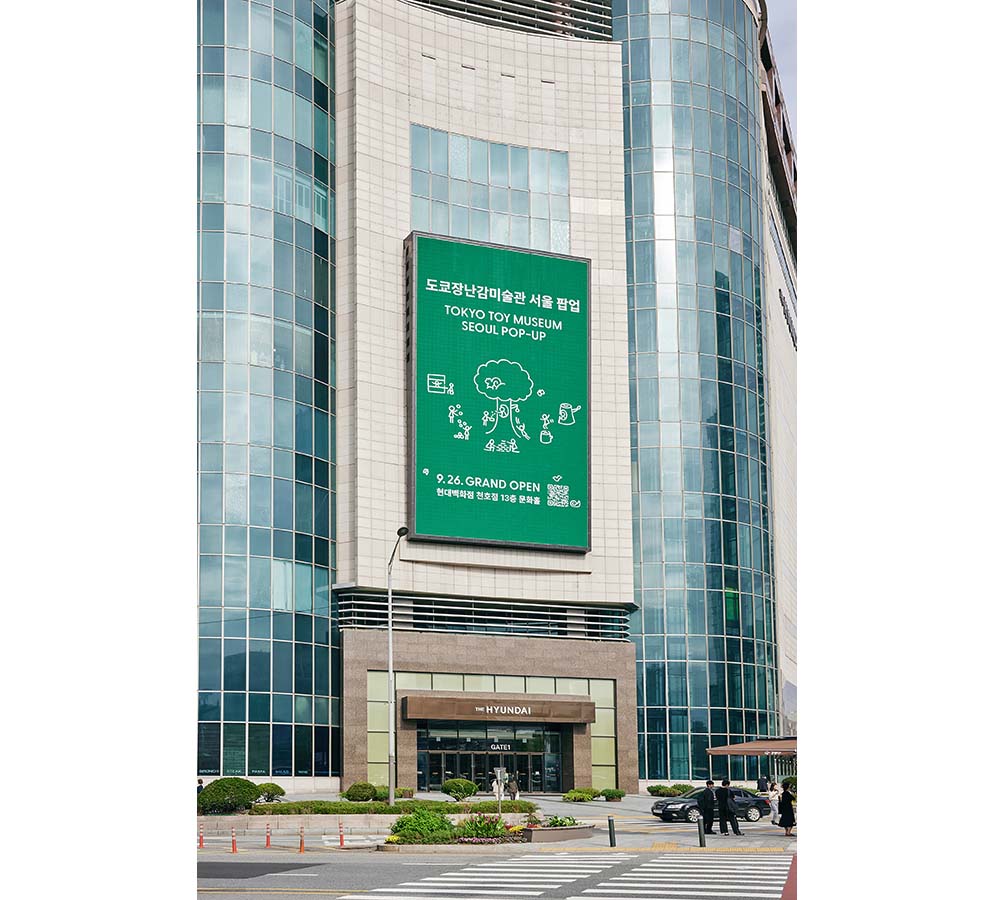
Tokyo Toy Museum Seoul is not merely a place for children to play. It is a sensory interface that reconnects dulled urban perceptions with nature, and a site of concentrated experience. Play here expands beyond entertainment into a humanistic encounter that reshapes how children perceive materials, environments, and relationships with others. Surrounded by the breath of wood, children learn to understand the world through the act of touching and feeling. Serving both as a vessel for children’s laughter and growth and as a source of inspiration within the city, the museum is scheduled to operate for the next two years at The Hyundai Department Store, Cheonho branch.
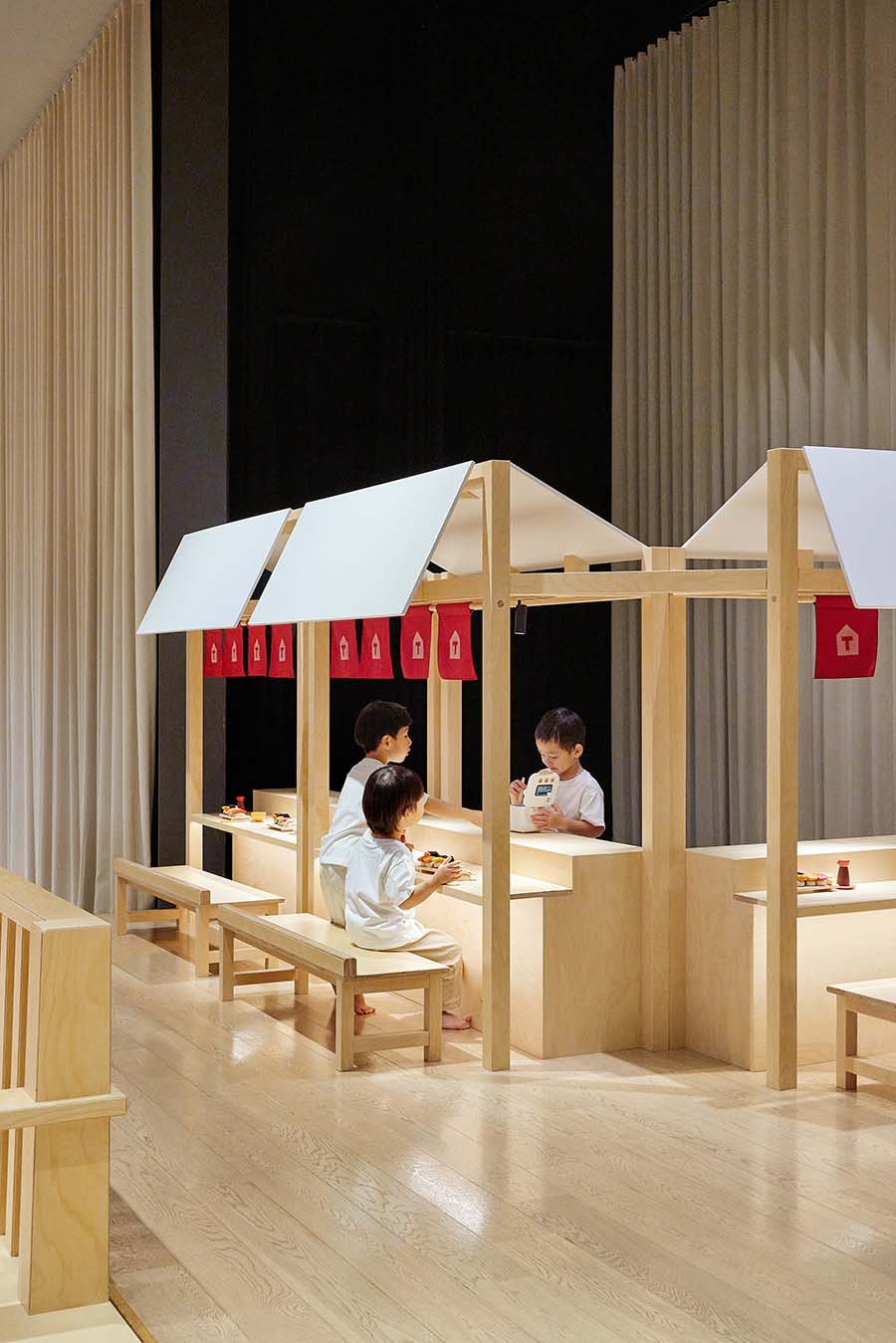
Project: Tokyo Toy Museum Seoul / Location: 1005, Cheonho-daero, Gangdong-gu, Seoul, Republic of Korea / Architect: Maum Studio (Dalwoo Lee) / Project team: Eunhye Oh, Yoojeong Yoon, Youngjin Lim, Yoonji Lee, Eunjin Kim, Kumiko Suzuki / Client: Hyundai Department Store Art & Culture / Use: kids cultural facilities / Gross floor area: 398m² / Design and con onstruction: 2025.4~2025.10 / Completion: 2025.10 / Photograph: ©Juyeon Lee (courtesy of the architect)