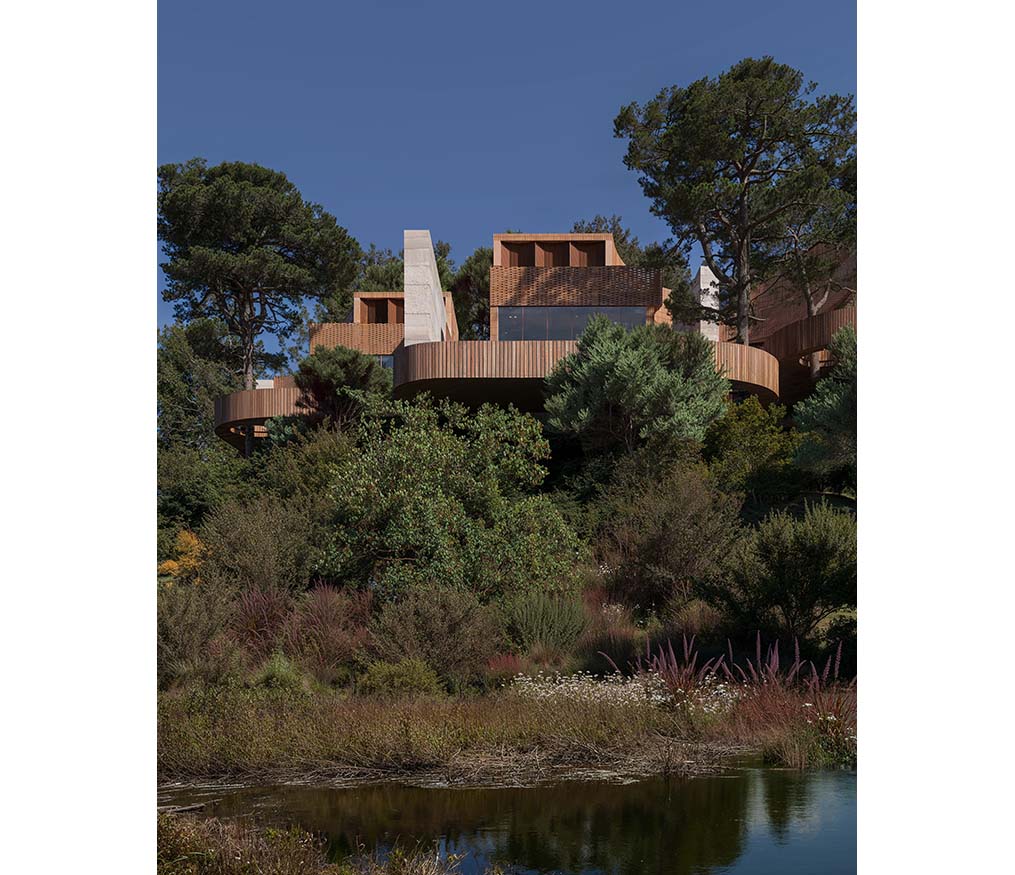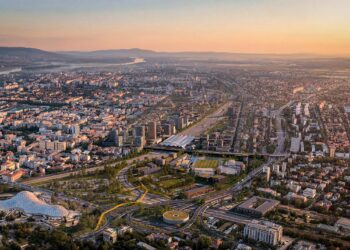


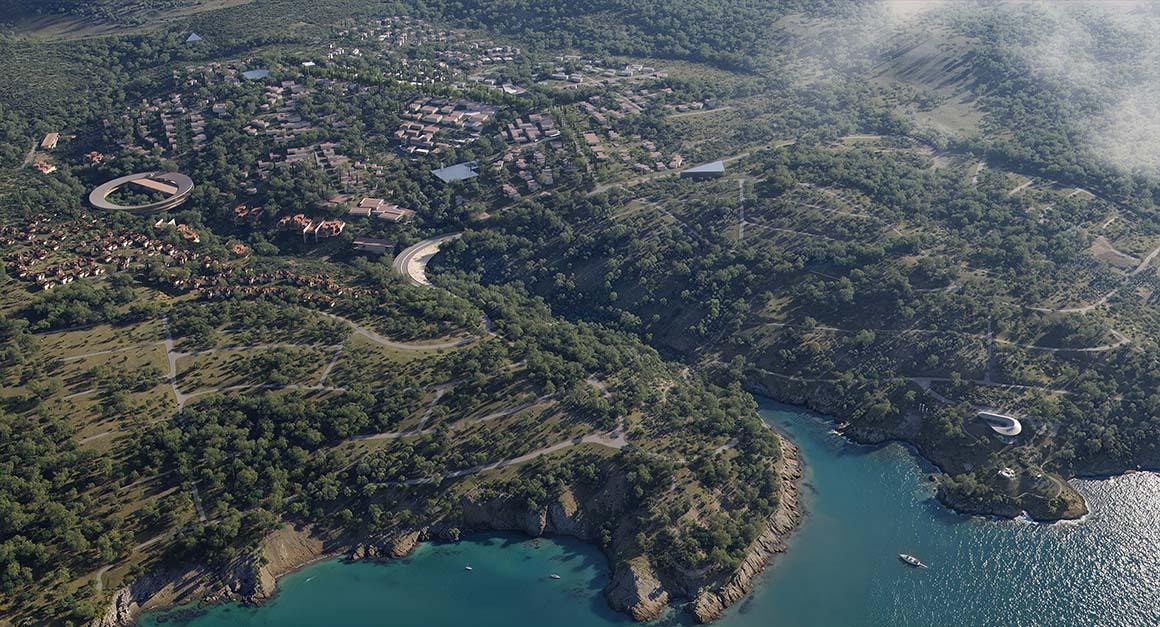
World-renowned architecture firms, Snøhetta, MVRDV, and BIG have been commissioned to design key buildings for the Ion Riva masterplan, a new coastal development on the Black Sea north of Istanbul, Turkey. The 840,000m² site will accommodate a residential community for approximately 3,000 residents, four major cultural facilities, and about 100,000m² of ecological green space, forming a new coastal community. The international design team collaborates with Turkish practices KEYM, DB Architects, Rasa, and Bilgin Architects. Ion Riva is planned as a landscape-led masterplan based on the natural ecology where forest, river, and sea meet. Housing and public spaces follow the natural topography to maximize views toward the coastline and valley while minimizing environmental intervention. Materials will primarily consist of locally sourced stone and timber, and modular construction methods will be applied to reduce embodied carbon while improving construction efficiency.
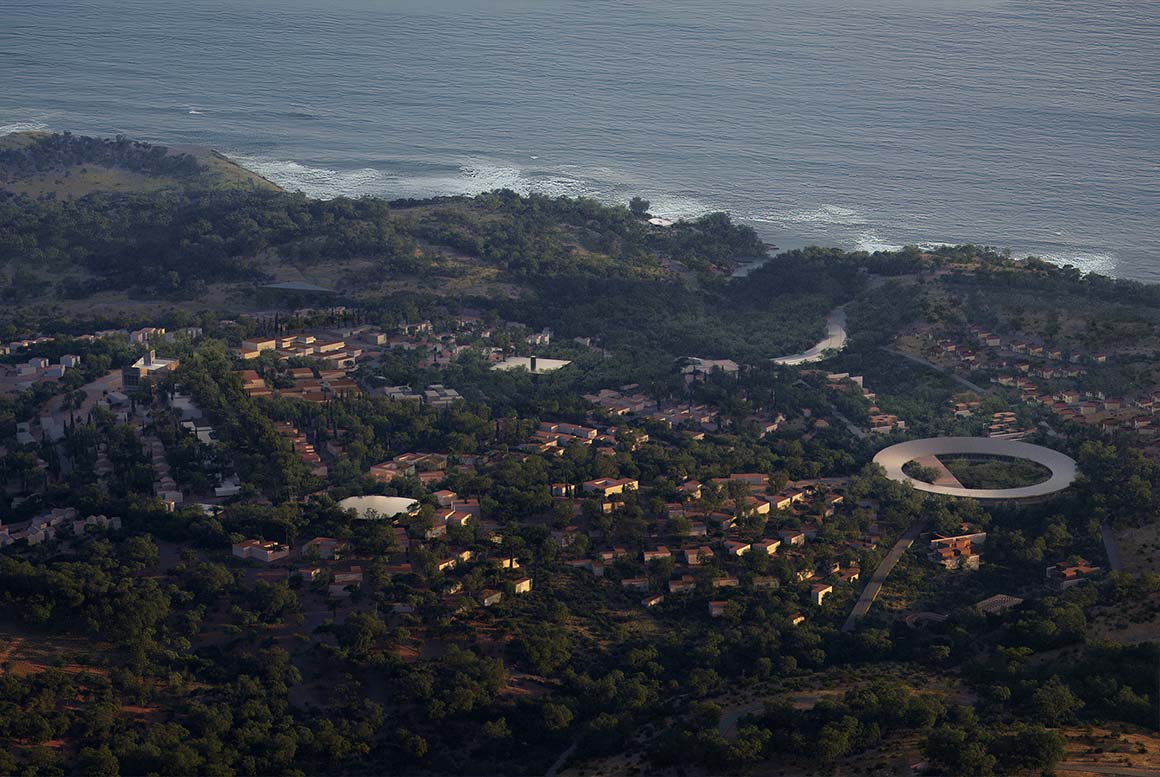
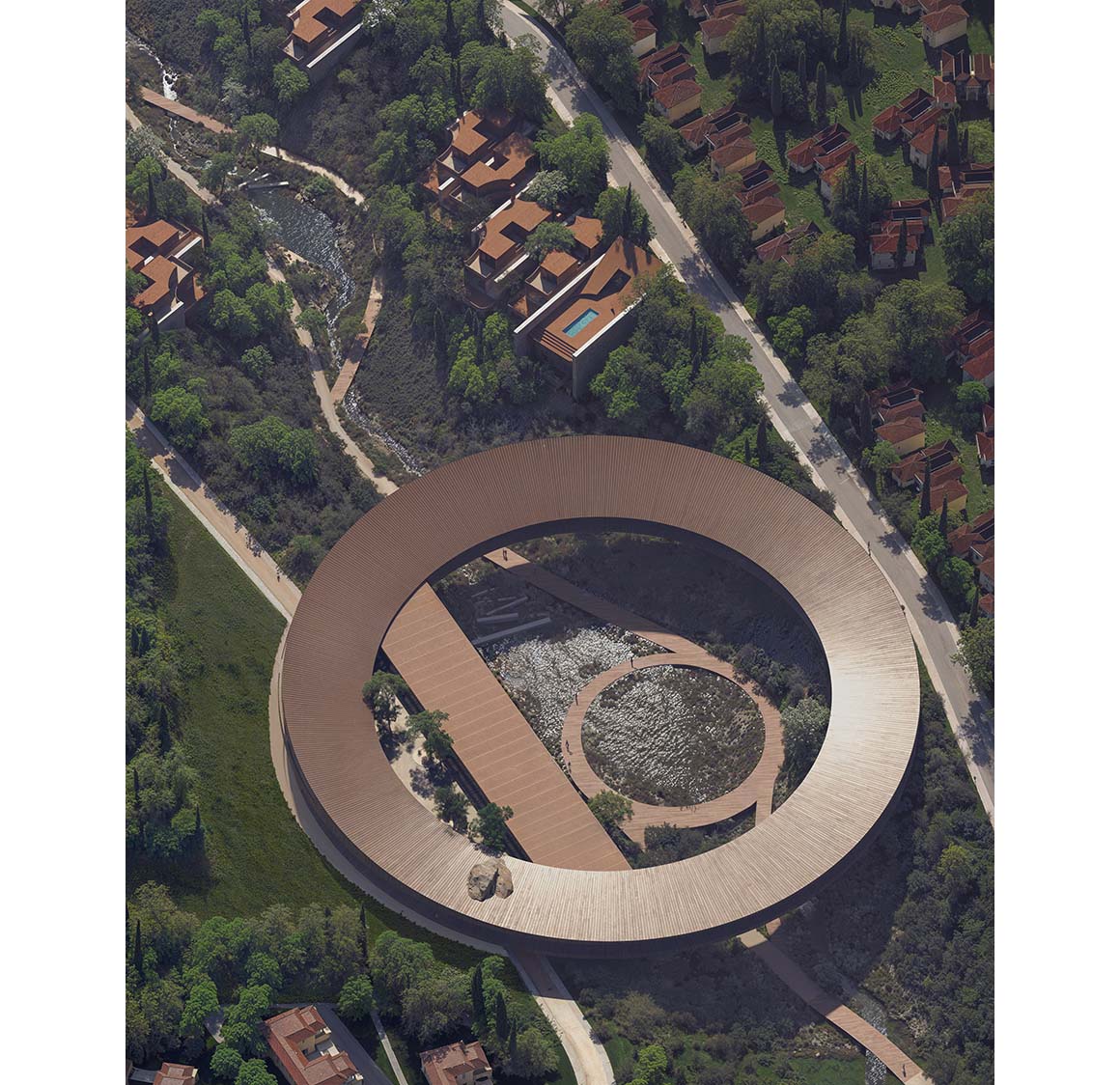
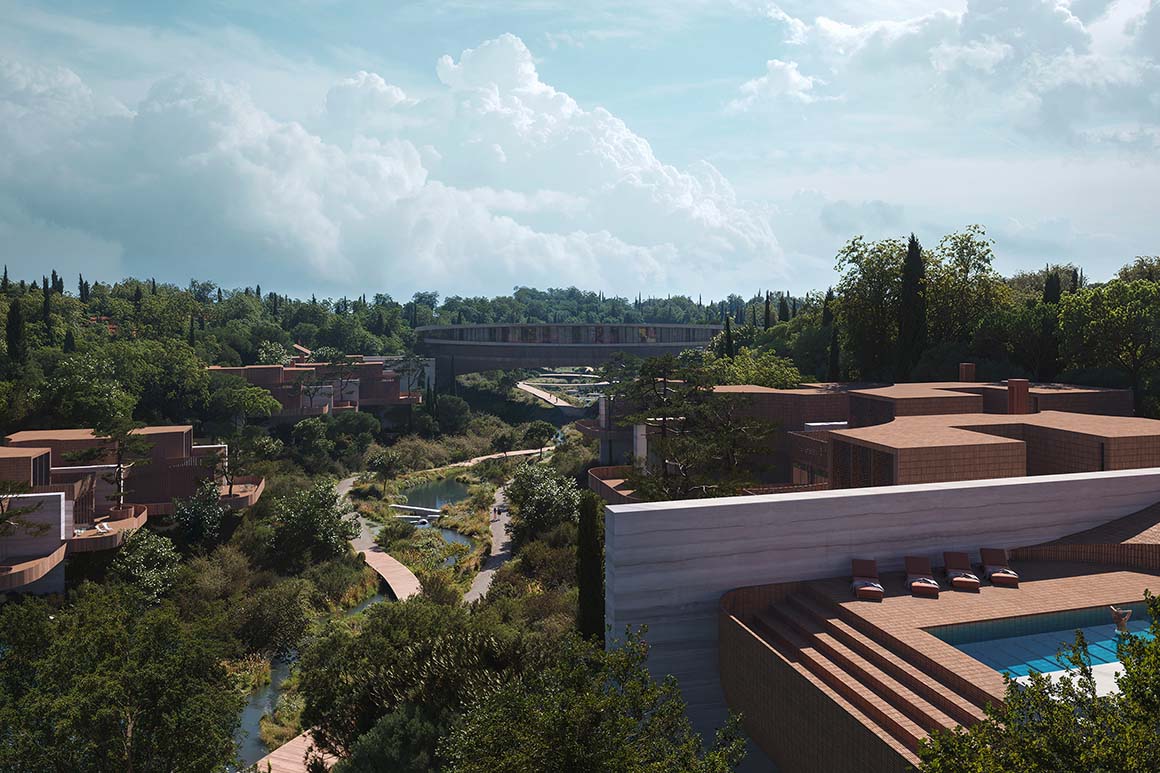
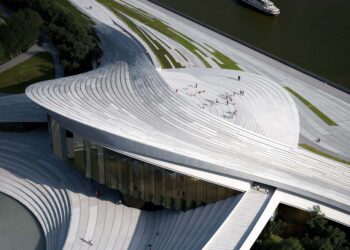
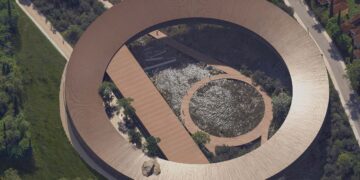
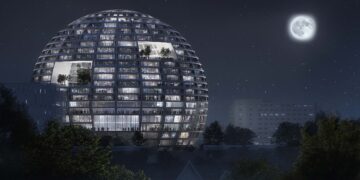
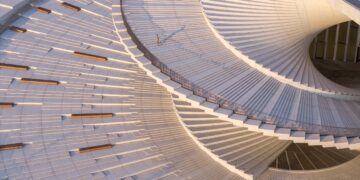
Within the masterplan, Snøhetta is responsible for the Greenhouse district, which includes approximately 400 homes as well as commercial and office spaces. Snøhetta co-founder explains that the landscape of Ion Riva was treated as the first architect. Rather than overwriting the natural framework formed by forest, river, and sea, the design begins by reinforcing these conditions. In this context, architecture is understood not as a singular object but as an evolving relationship between people and nature over time. Snøhetta’s proposal takes the form of The Ring, a circular structure spanning the valley. The ring appears to float above the river, functioning as both a bridge across the valley and a public promenade that frames views of the surrounding landscape. The building is planned as a facility for wellness and community activities, with learning spaces and community programs inside. In the lower areas that meet the natural terrain, stables and allotment gardens support ecological education and local food production.
Housing in the Greenhouse district is organized into small clusters of roughly 50 to 80 homes, each with a distinct landscape identity. Shared amenities and public spaces encourage interaction while maintaining connections to the surrounding forest, river, and green spaces. Materials reference regional architectural traditions, using locally sourced stone and timber and emphasizing simple forms and low environmental impact to harmonize with the landscape. Shaded pedestrian paths and green corridors link the neighborhoods, forming a network of parks, walking trails, and sports facilities. Solar panels, rainwater harvesting, and greywater recycling systems are also incorporated as part of broader renewable energy and resource-circulation strategies.
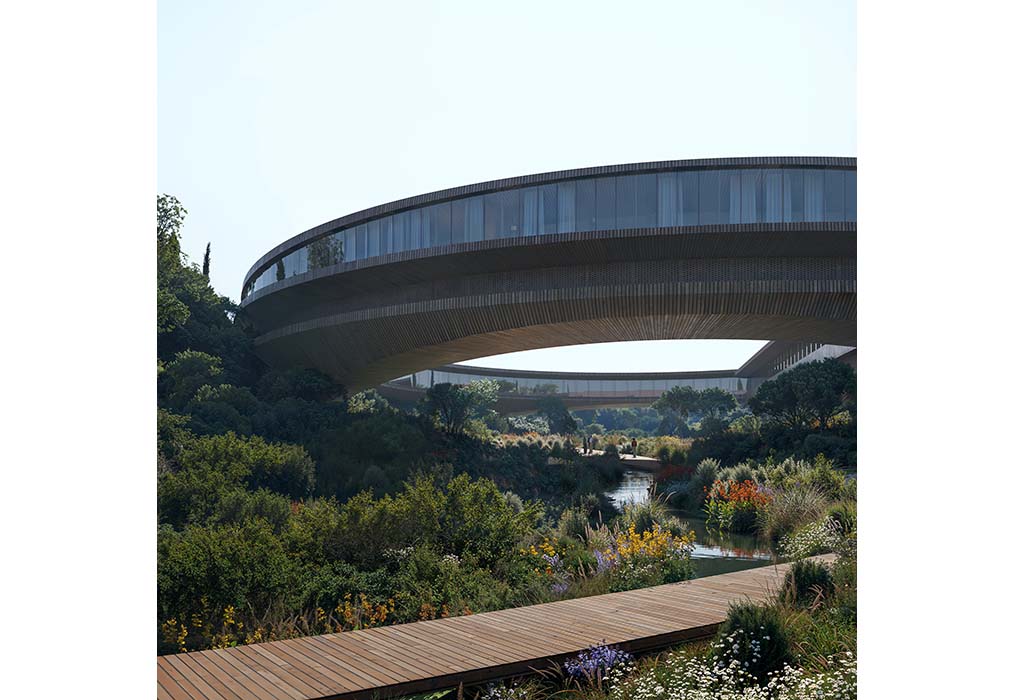
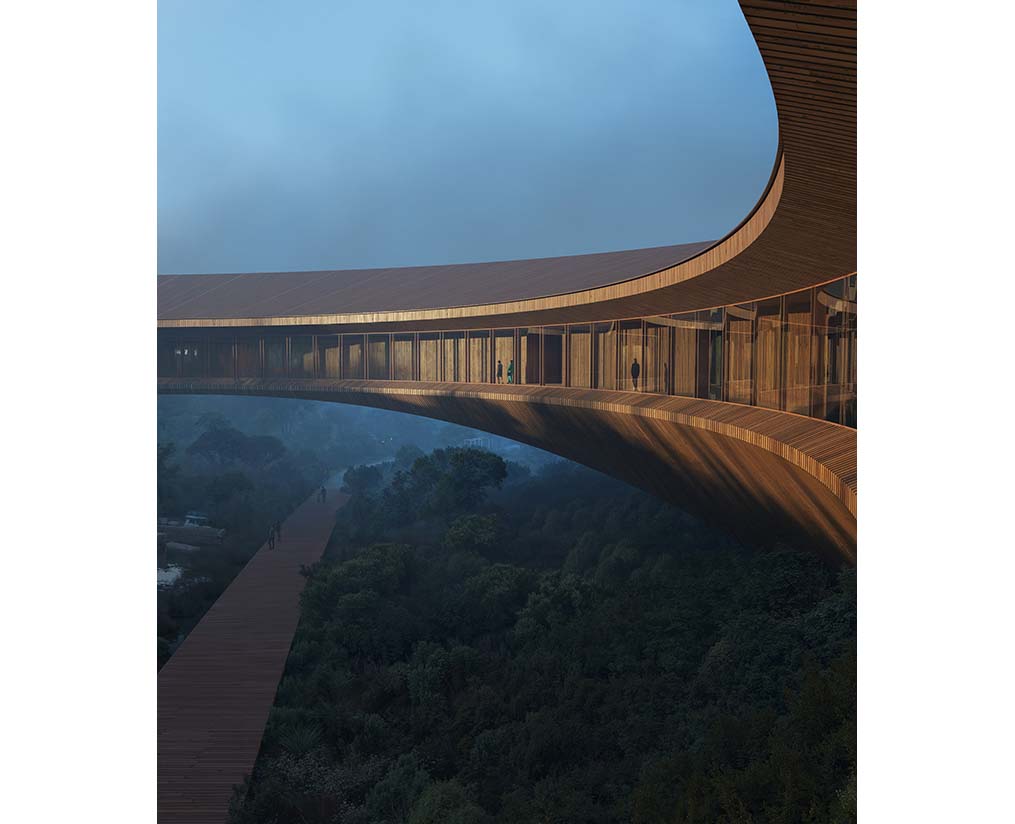
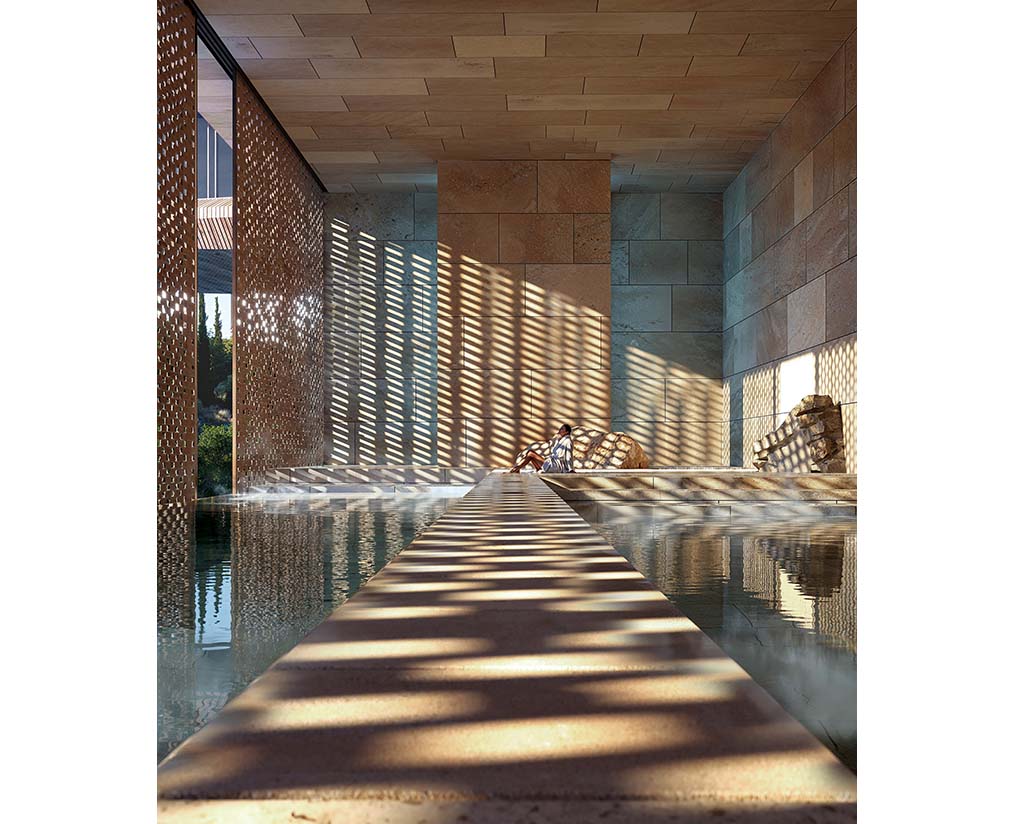
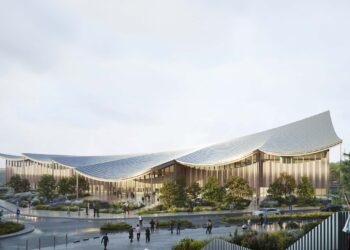
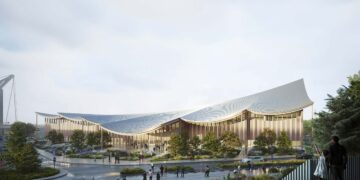
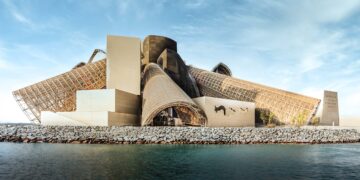
Together with The Ring, three additional cultural buildings define the spatial identity of Ion Riva. Two of these have been designed by BIG and MVRDV, while the remaining project has yet to be revealed. Located at the end of the masterplan’s central axis along the coastline, BIG’s The Drop is a droplet-shaped timber building overlooking the Black Sea that includes cafés, restaurants, and spaces for art and wellness. The form begins as a linear volume facing the street before curving toward the sea, framing views and creating a sheltered courtyard. Interior spaces step down along the natural slope of the terrain. A café and lounge occupy the upper level overlooking the sea, with a restaurant below and a spa with swimming pools carved into the hillside at the lower level. Basalt flooring reflects the rocky terrain of the Black Sea coast, while rotating timber louvers and a slate roof moderate wind and sunlight from the sea. Around the building, pathways and boardwalks lead to outdoor areas that include fire pits, an open-air amphitheater, seating areas, and viewing terraces.
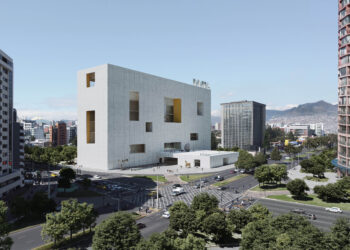
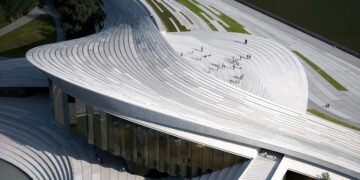
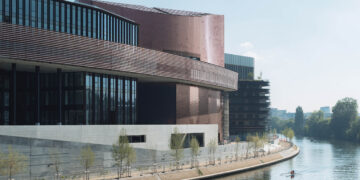
MVRDV’s The Lantern is a performing arts-focused cultural complex located at the central square of the residential district. The building houses an auditorium, gallery, bookshop, café, and a range of public spaces for cultural activities and community programs. A continuous vertical circulation route organizes the interior, guiding visitors naturally upward through the building. The rooftop terrace serves as a public viewing space overlooking the forest, valley, and sea, and functions as a platform for outdoor performances, music programs, and community events. Its exterior is formed by a woven ceramic façade that filters daylight into the interior during the day and emits light at night.
Ion Riva is being developed in phases by Ion, founded by Turkish architect. The first phase will deliver 969 housing units, with initial occupancy scheduled to begin in 2027.