

A Space for Pause and Flow Amid Regional Ceramic Culture
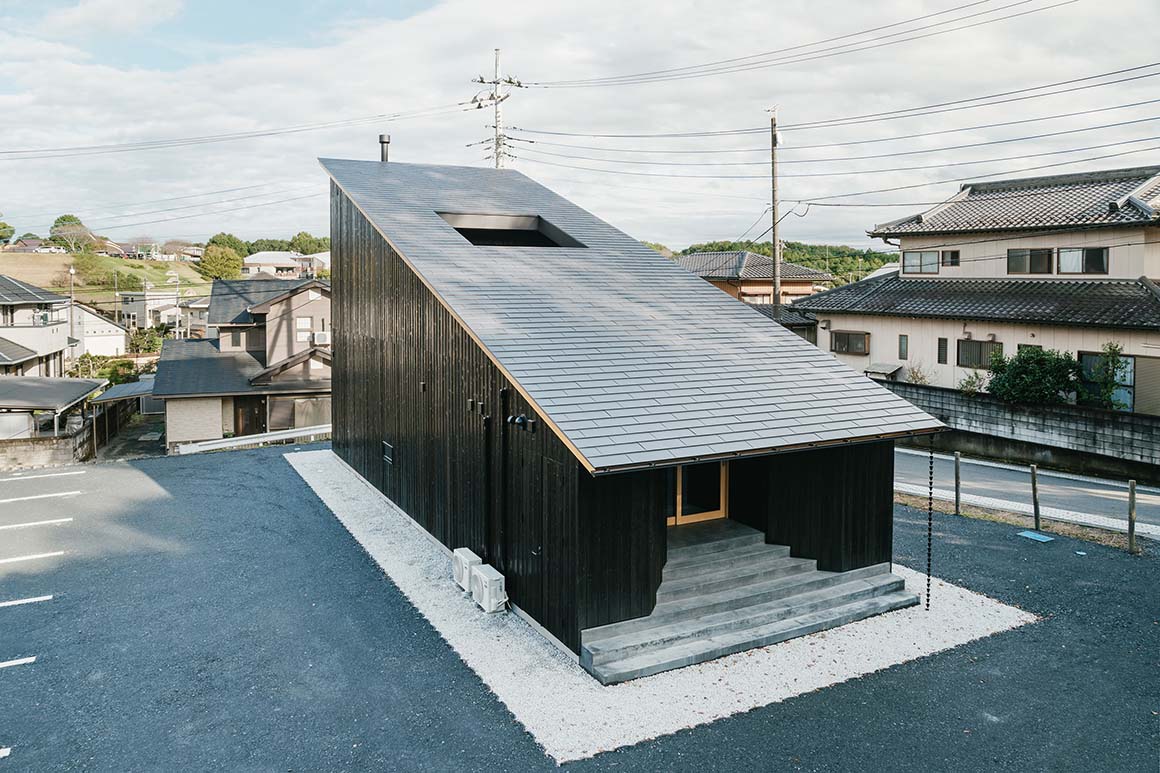
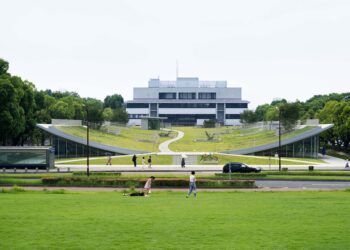
Kasama City in Japan has sustained its ceramic culture based on the tradition of Kasama-yaki, which dates back to the Edo period. The Kasama School of Ceramic Art, which continues this lineage, serves as both an institution preserving tradition and a laboratory for contemporary experimentation, while also functioning as a platform that supports the region’s culture and economy. Within an environment where museums, sports facilities, and residential areas coexist, Kasamabi Sauna was designed as a paradoxical space: protected from external views due to its programmatic nature, yet not isolated from its surroundings.
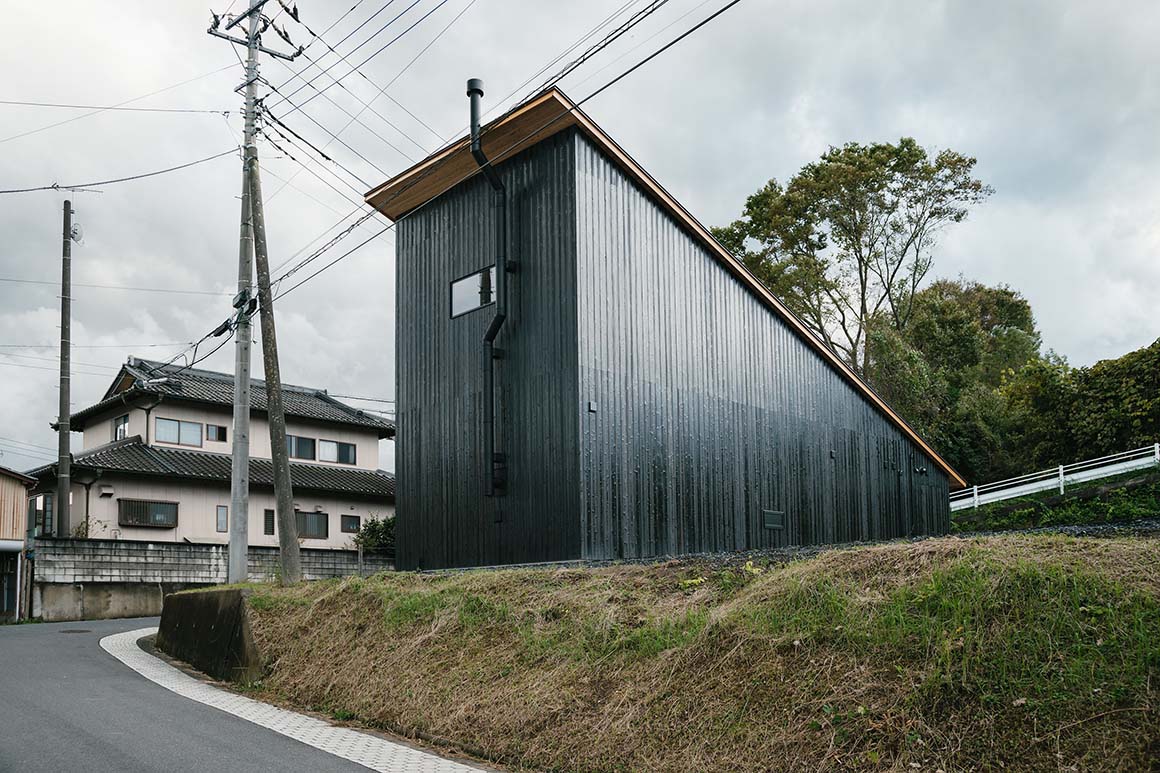
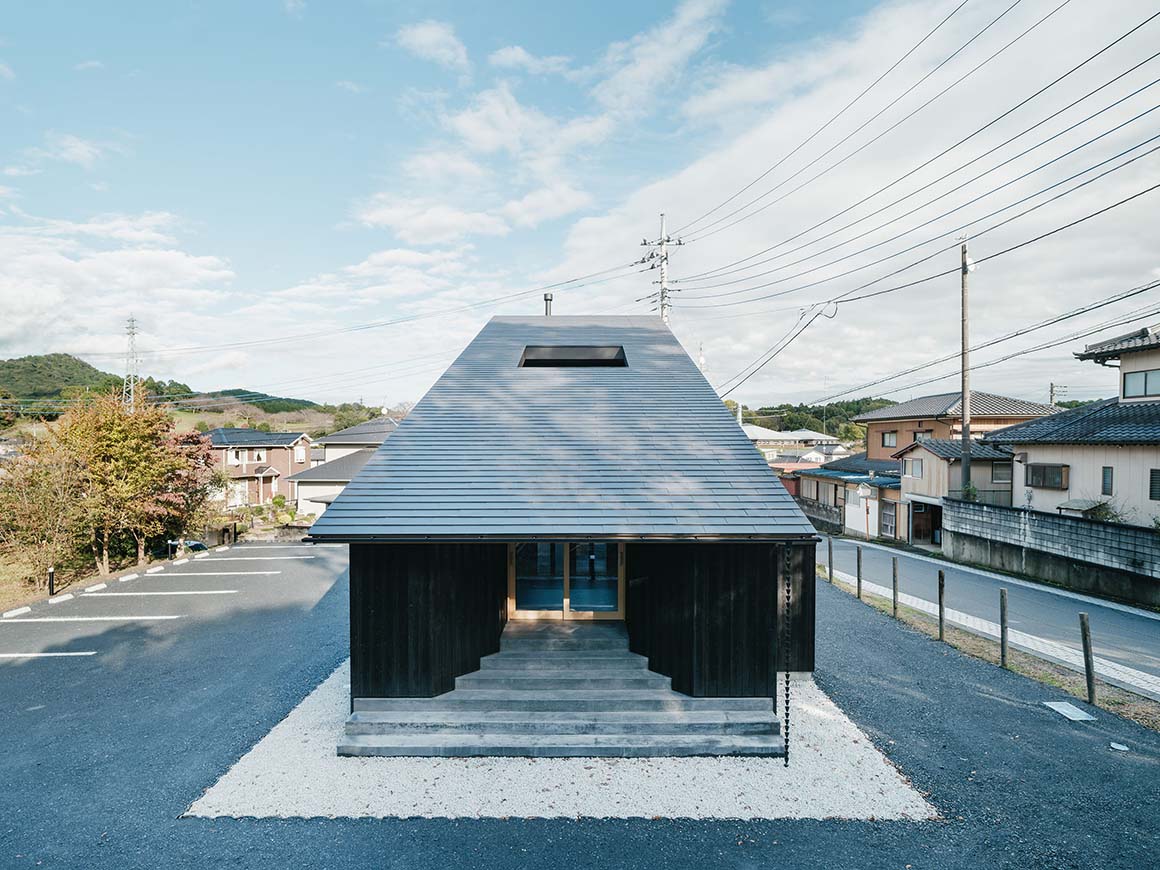
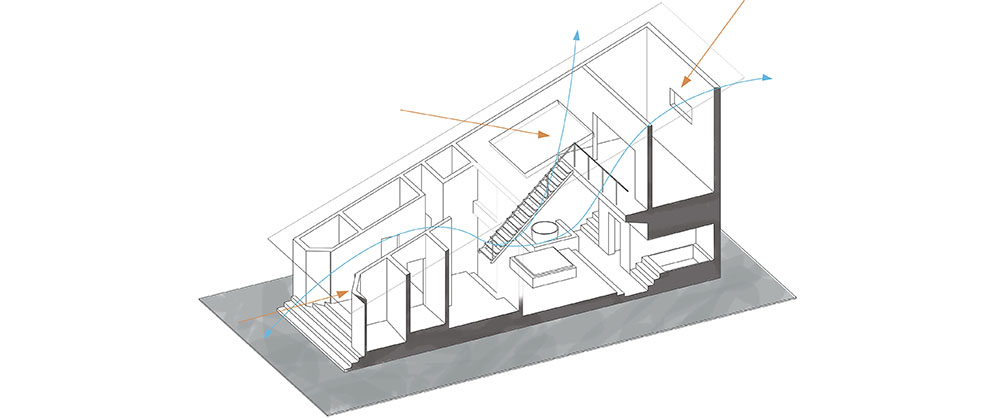
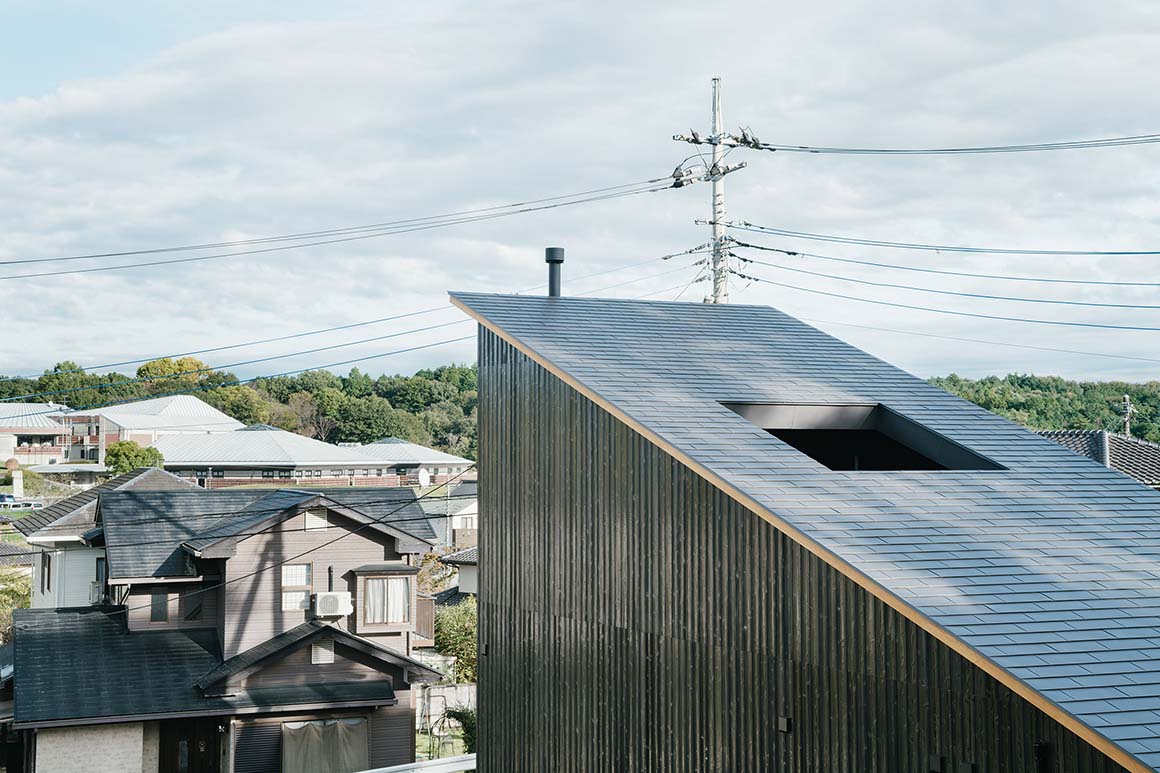
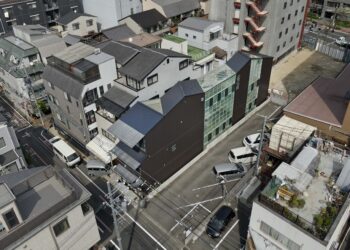
Surrounded by neighboring houses and roads, the project found its context as both “a place to dwell” and “a place where flows are generated.” This dual character—preserving the memory of the city and its culture while creating new movements—is expressed through the motif of the climbing kilns scattered throughout Kasama. The form and construction principles of kilns placed on slopes are reflected in the building’s section and circulation system, transforming enclosed conditions into an active field of relationships through a structure in which air and people circulate and linger.
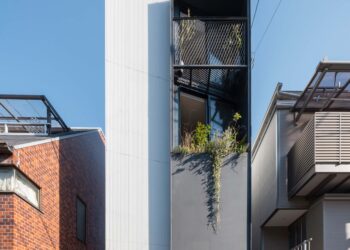
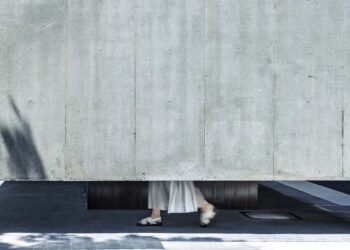
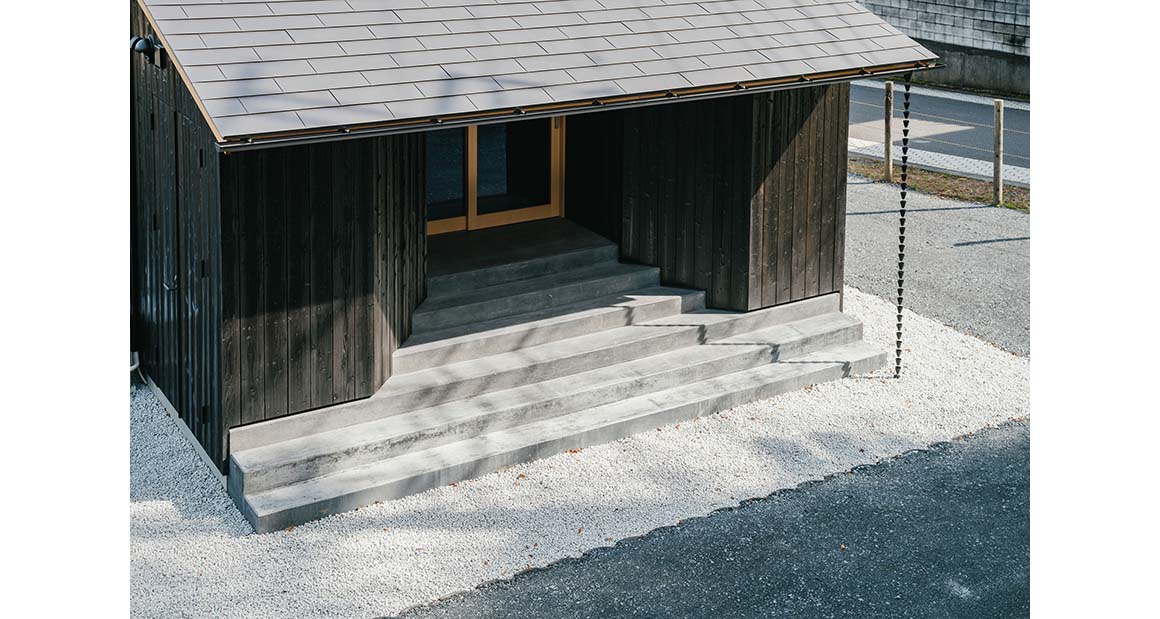
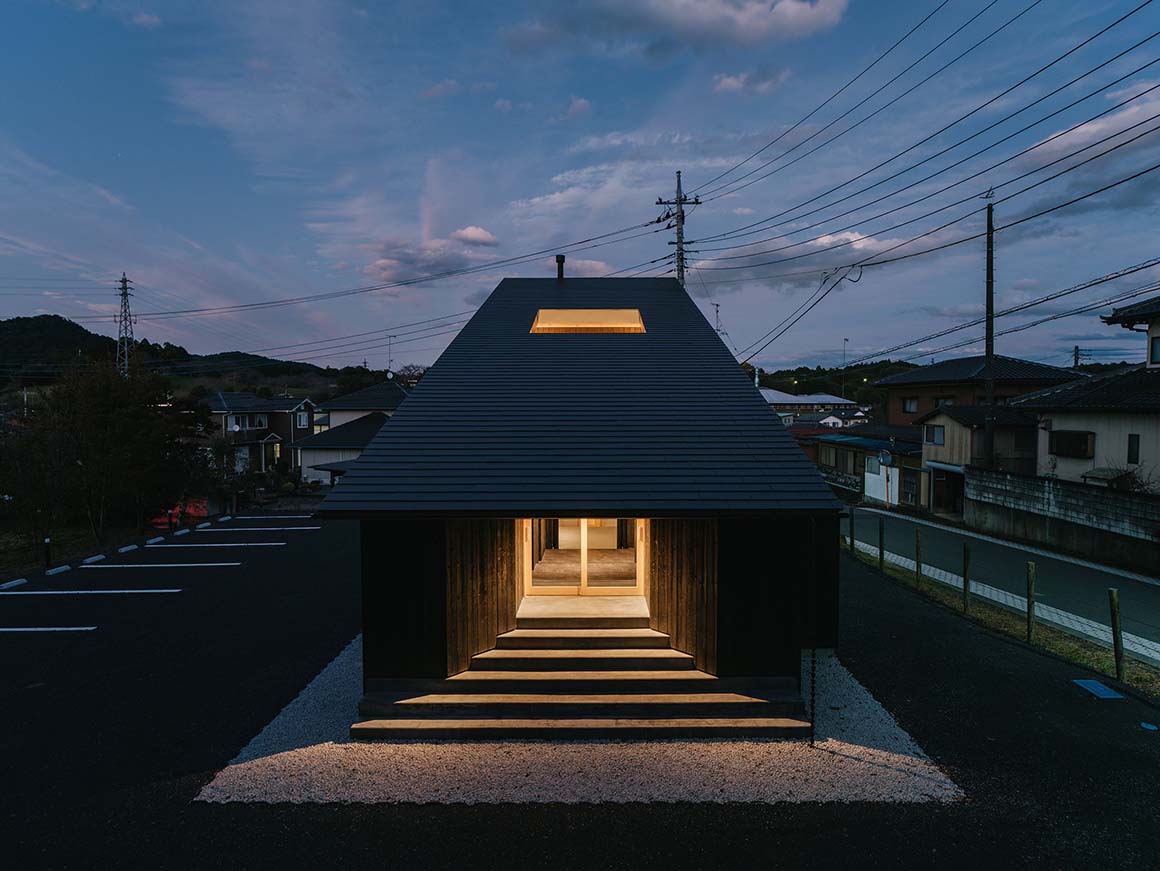
Dark-toned cedar boards treated with a charring technique reveal a deep texture. The gently sloping roof, reminiscent of a climbing kiln, follows the gradients commonly found in the region while adding a contemporary reinterpretation. Black concrete steps mediate between the charred timber façade and stone paving, emphasizing material continuity. Gravel laid around the building visualizes the boundary of the site.
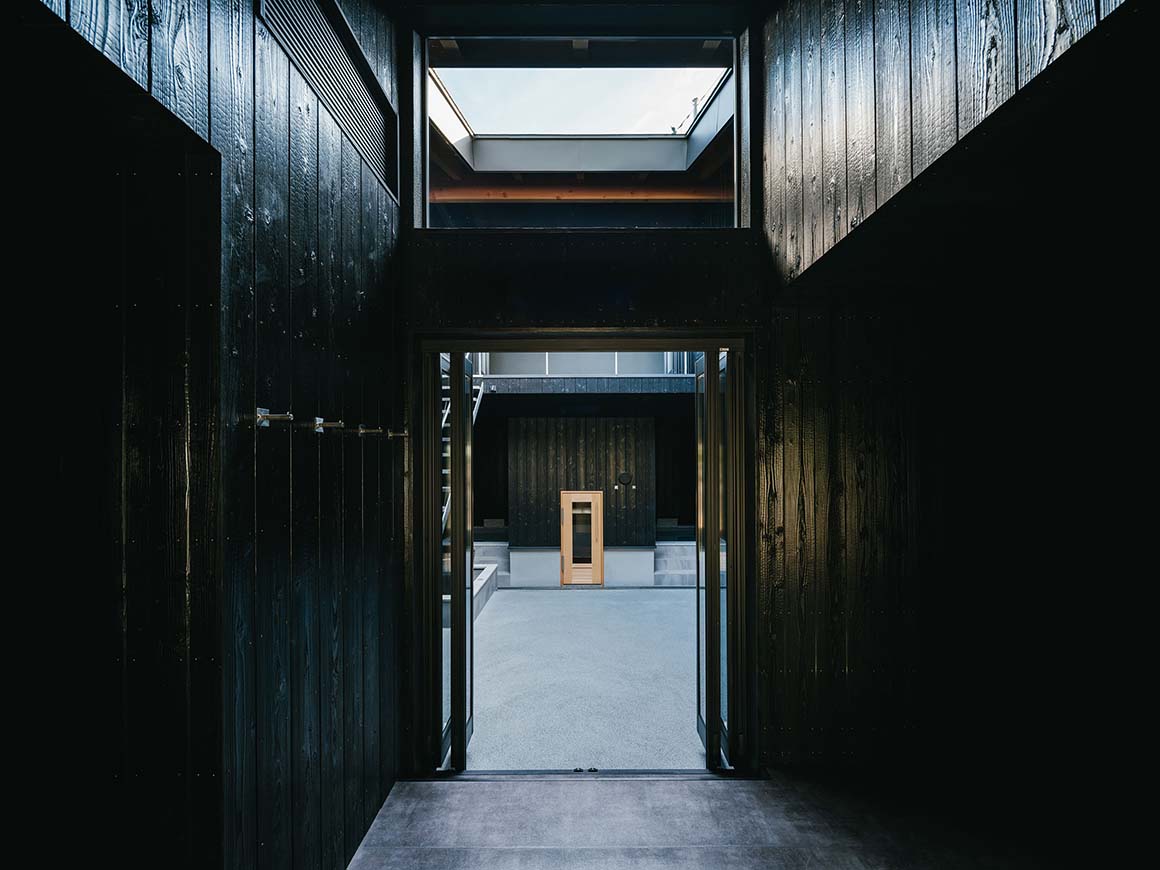
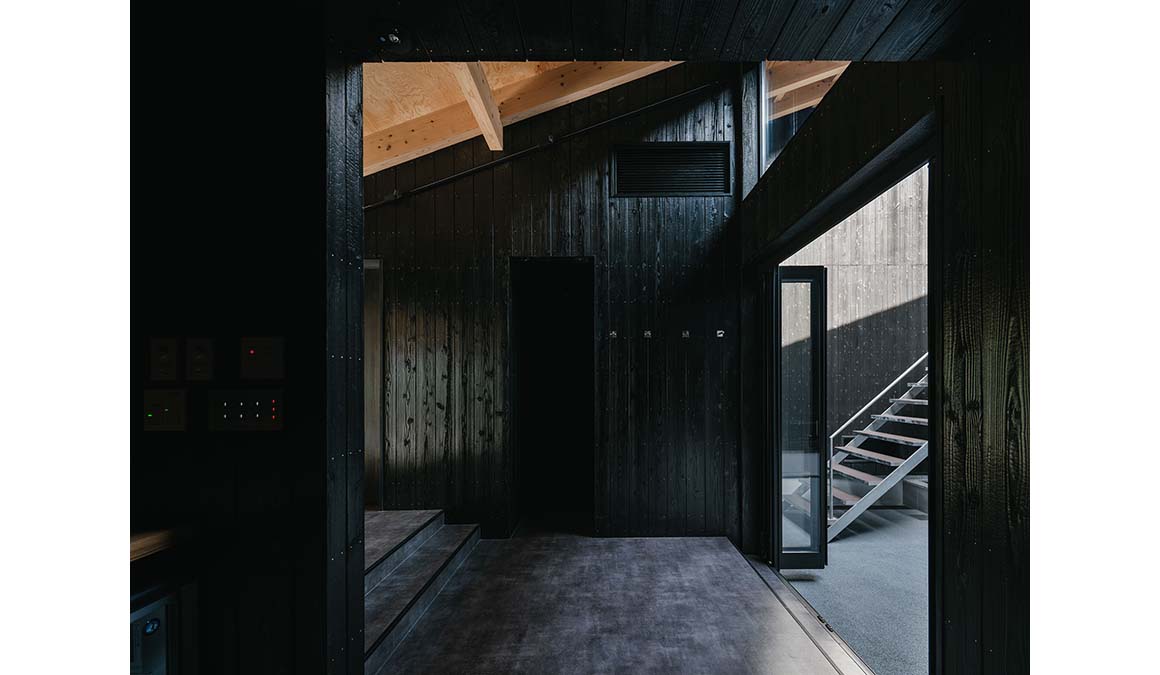
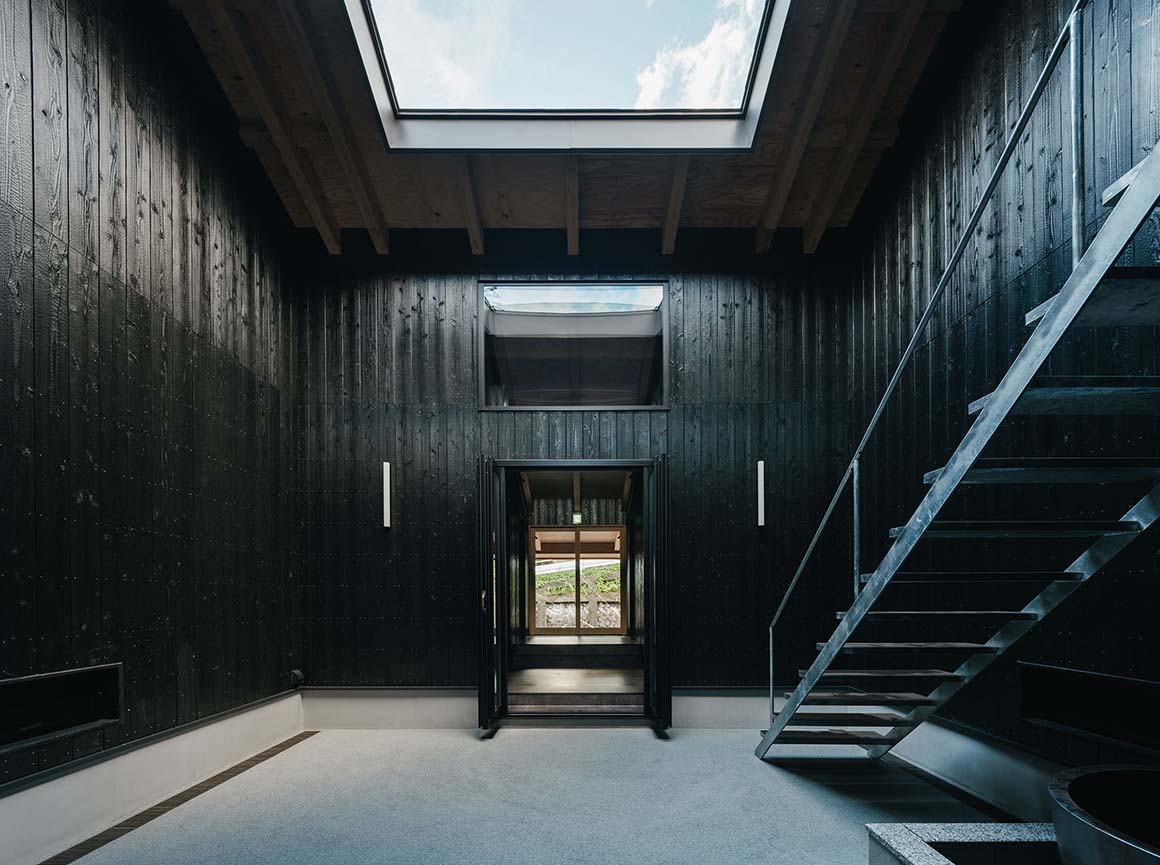
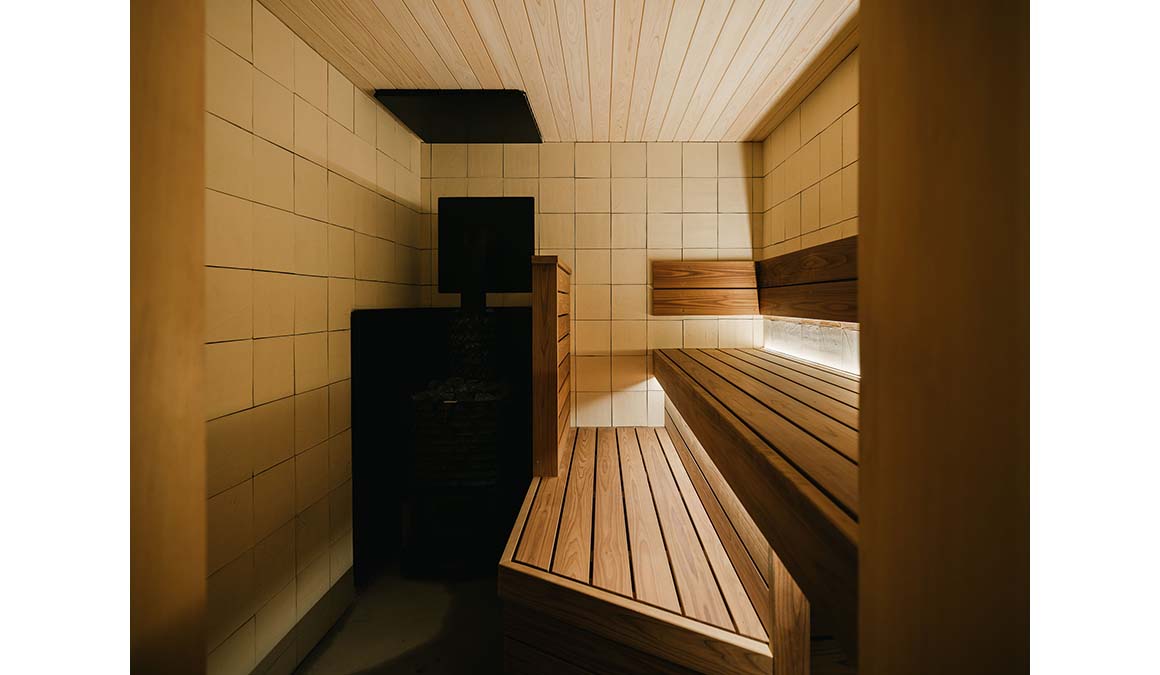
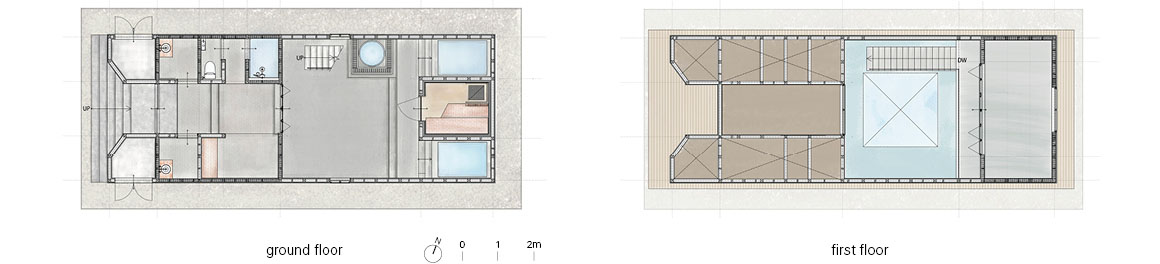
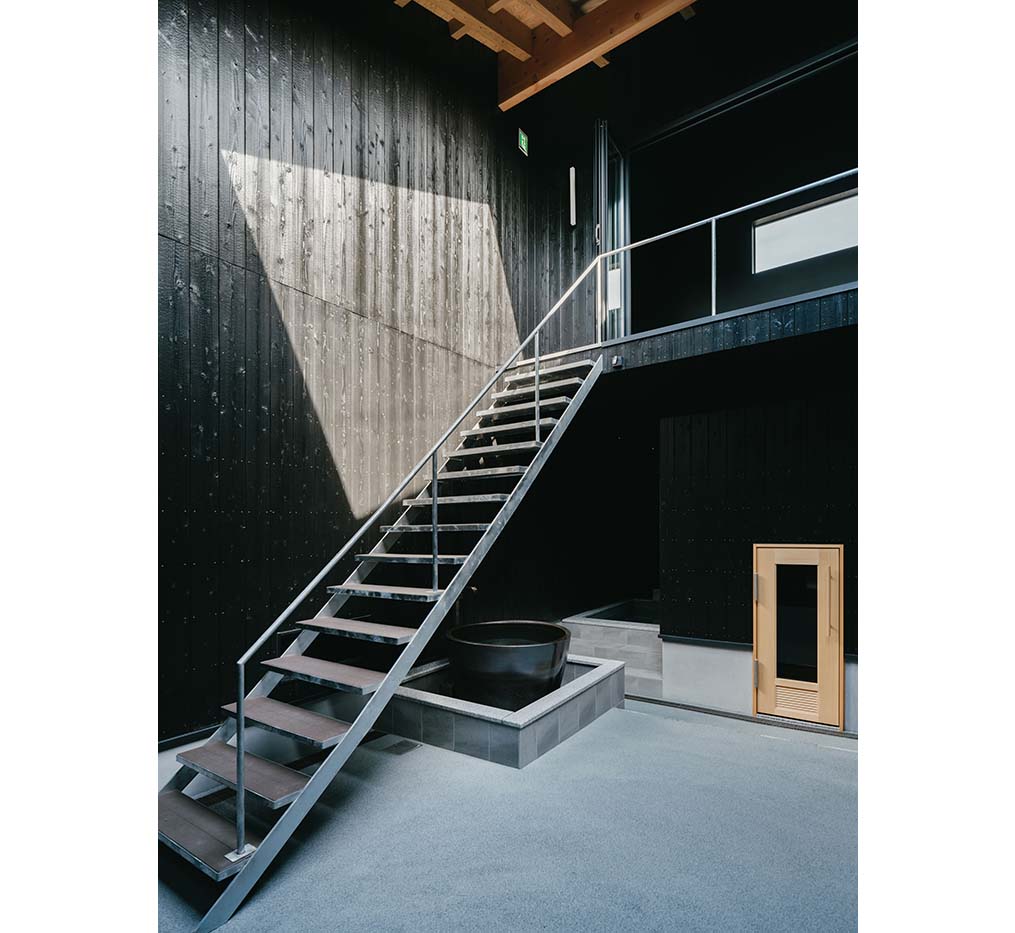
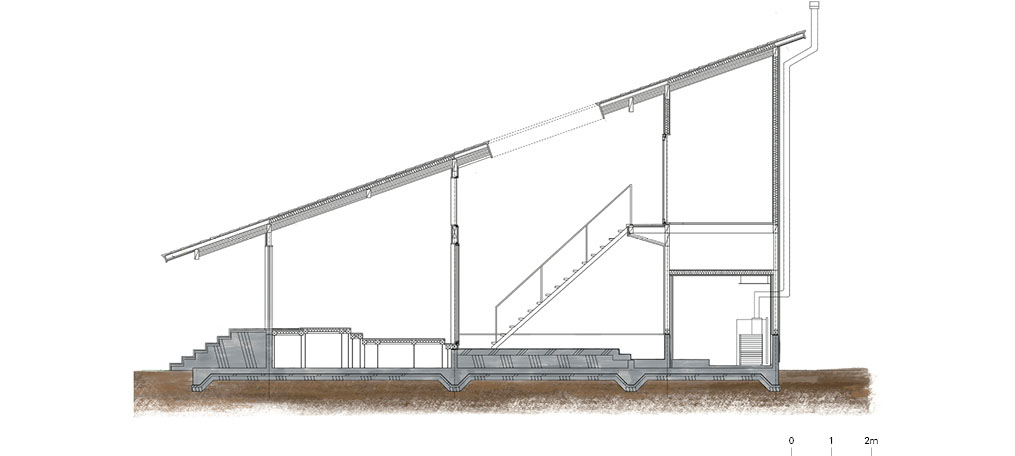
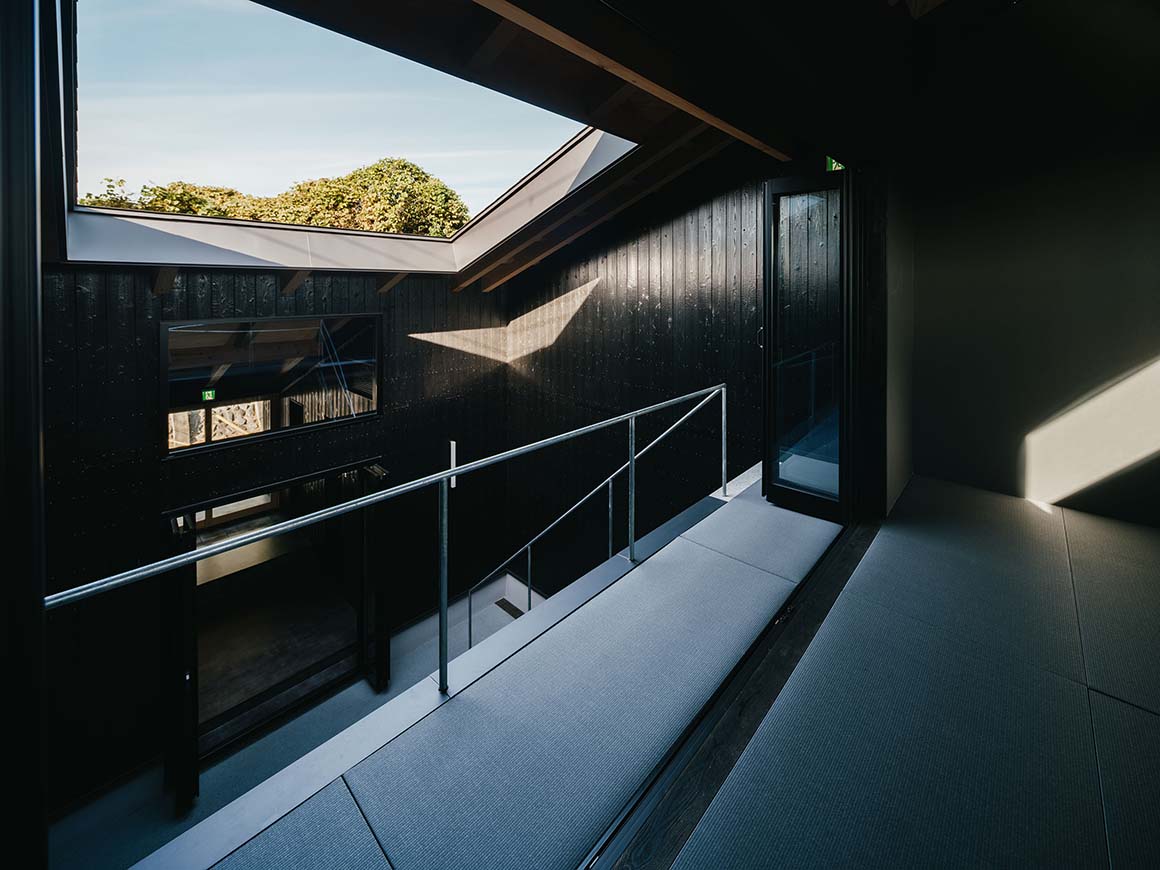
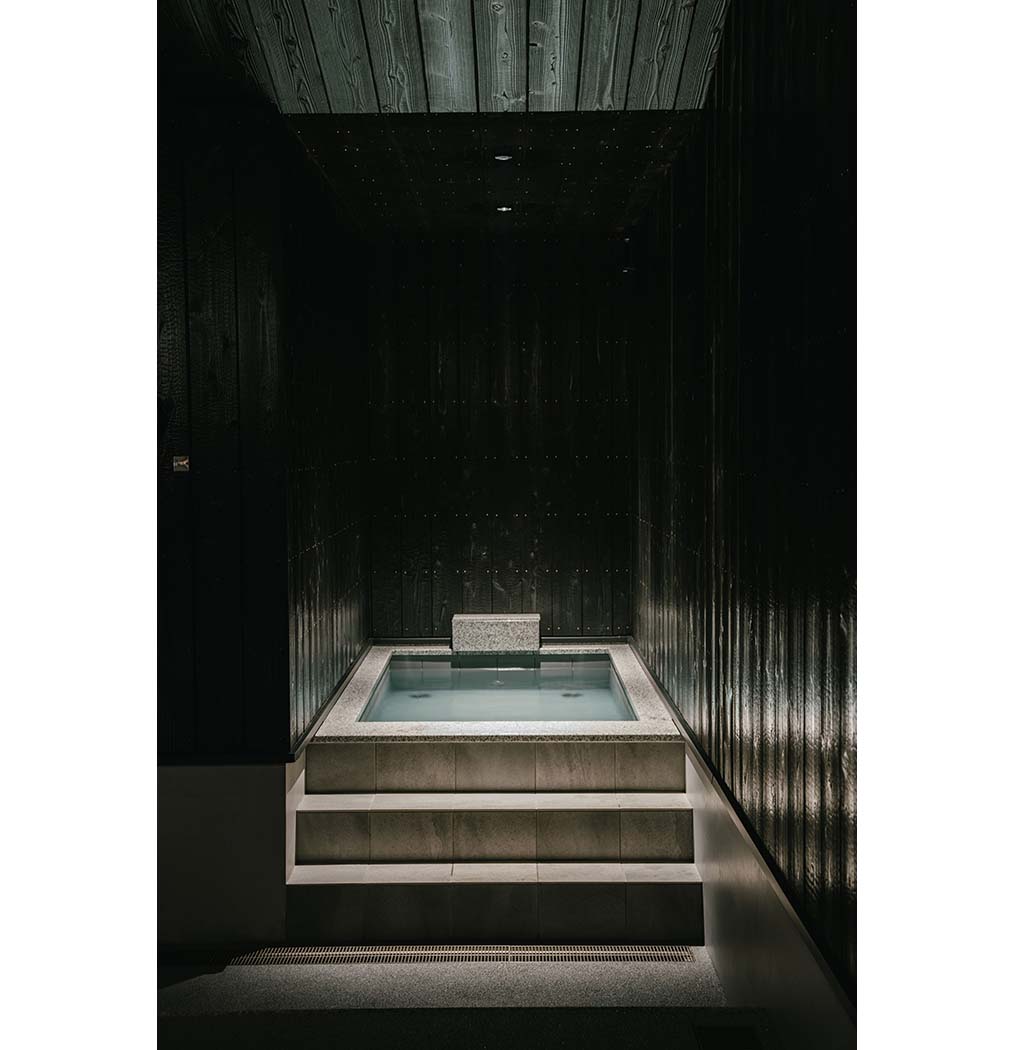
The interior is organized clearly around horizontal circulation and a vertical axis. The changing room, baths, showers, and restrooms are integrated into a single plan, arranged so that the sauna space is naturally perceived along the approach sequence. A three-meter-high atrium is introduced in the open-air bath to block views from the nearby hill while drawing in light and wind. A linear path that anticipates the transition between heating and cooling the body leads to the sauna. Centered on the sauna, cold and hot baths are arranged symmetrically, and a ceramic tub beneath the stairs uses well water to maintain a constant temperature throughout the year. Within a tranquil atmosphere that filters out the noise of the city, the flames of the wood-burning stove flicker, ripples spread across the water’s surface, and light filtering through the atrium suggests the passage of time, creating sensory scenes.
The roof form derived from the climbing kiln, restrained materials, and a clear axial and circulation system weave the interior and exterior into a unified field. Kasamabi Sauna translates the memory of the region’s ceramic culture into a contemporary architectural language, offering an integrated experience in which elements of nature permeate the space.
Project: Kasamabi Sauna / Location: 2192-2 Kasama, Kasama City, Ibaraki Prefecture, Japan / Architects: ujizono architects (Kazuki Ujigawa, Mirai Ozono) + bench (Shota Ueno) / Structural engineer: Kataoka Structure / Contractor: Oeda Construction / Client: VIGOL Use: sauna / Site area: 573.85m² / Bldg. area: 79.50m² / Gross floor area: 80.83m² / Structure: wooden / Completion: 2025 / Photograph: ©Yosuke Ohtake (courtesy of the architect)