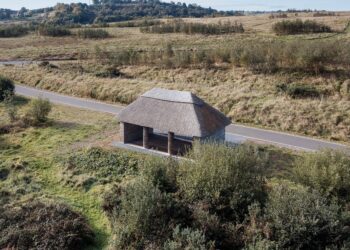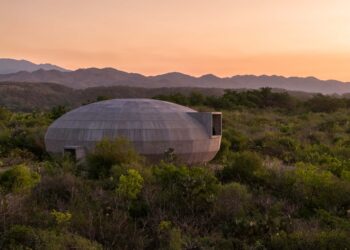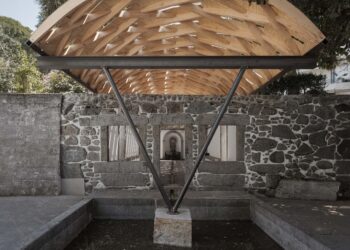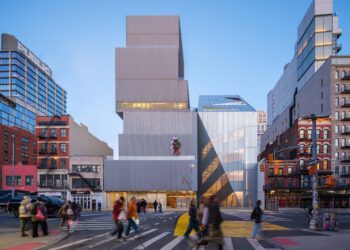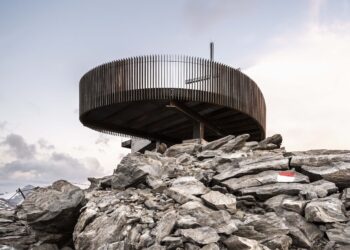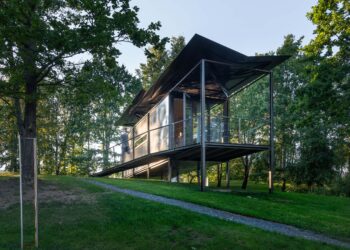
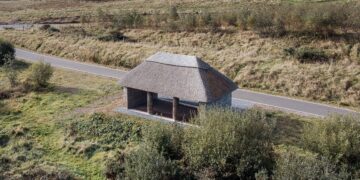
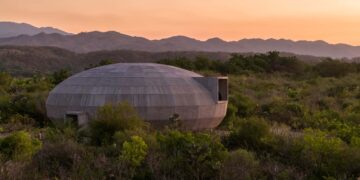
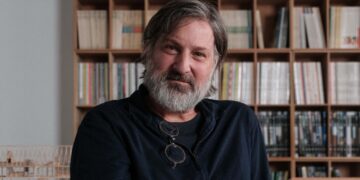


Chilean architect Smiljan Radić has been named the laureate of the 2026 Pritzker Architecture Prize. He is the second Chilean architect to receive the award following Alejandro Aravena, the 2016 laureate, and becomes the 55th laureate in the history of the prize.
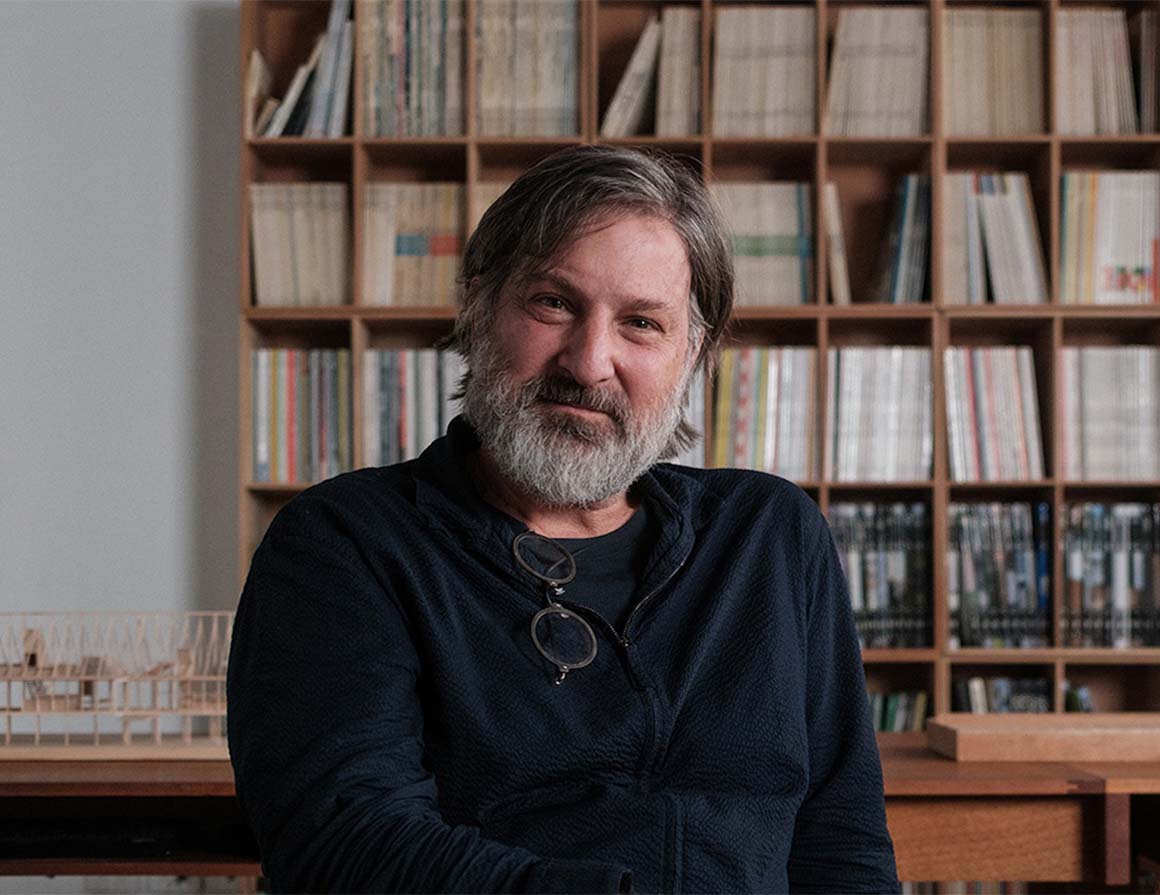
Architecture Gently Set Upon the Landscape
“Architecture exists between large, massive, and enduring forms—structures that stand under the sun for centuries, waiting for our visit—and smaller, fragile constructions—fleeting as the life of a fly, often without a clear destiny under conventional light.”
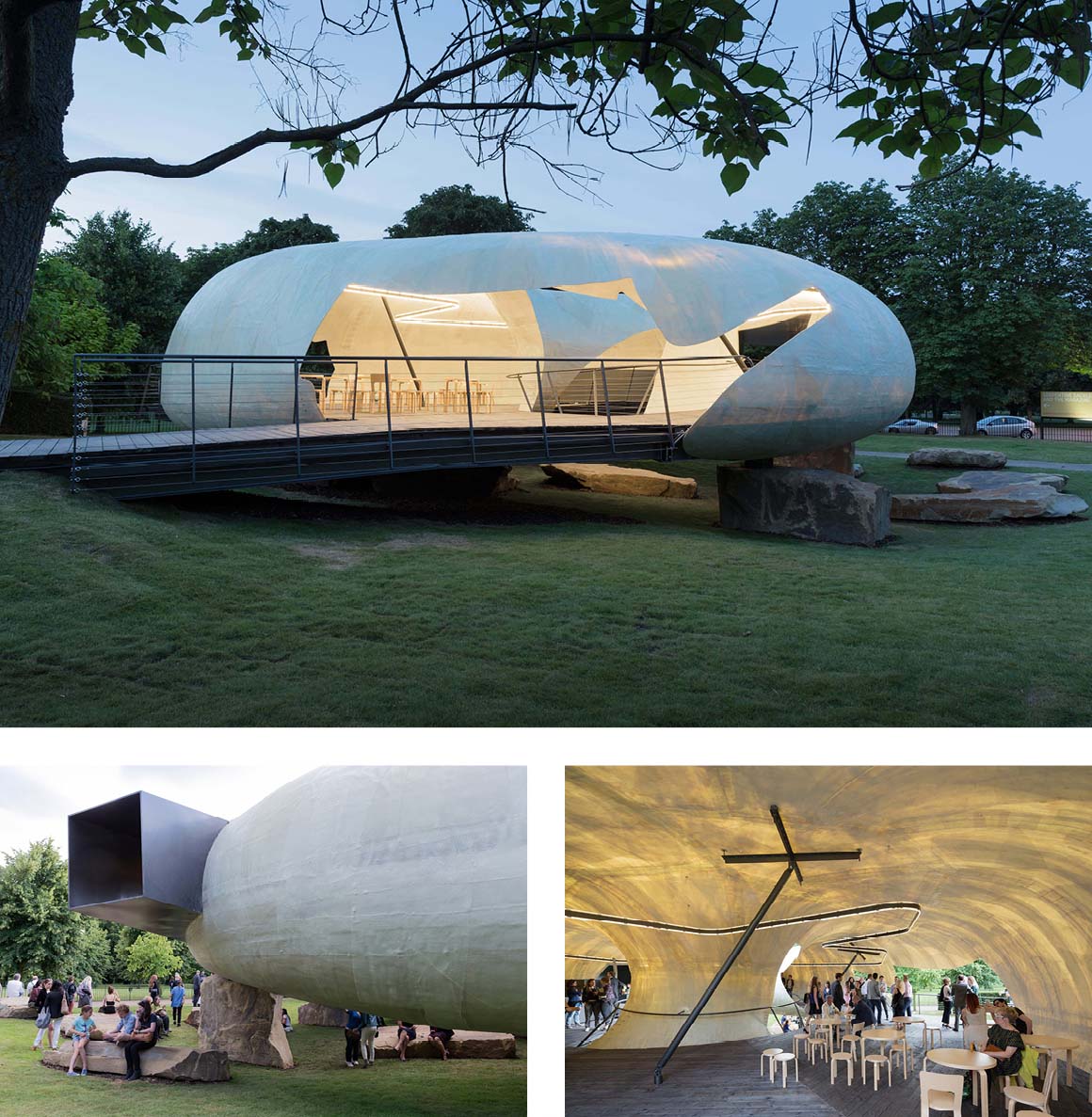
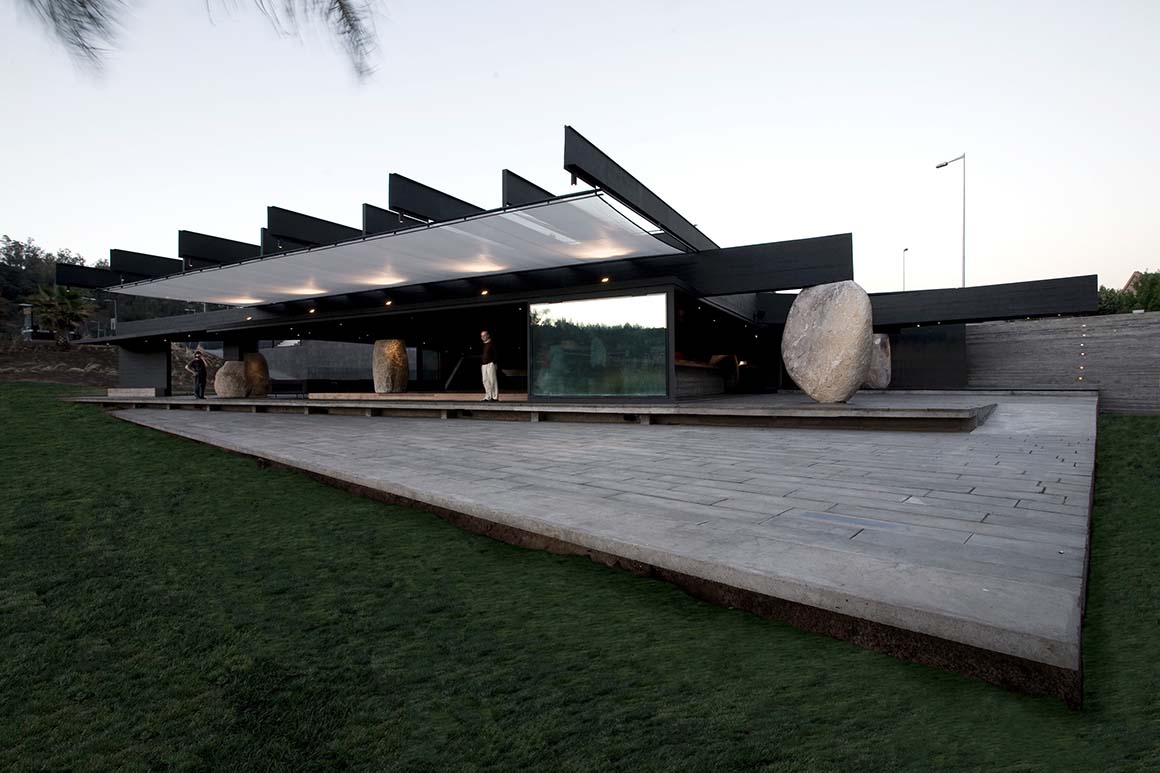
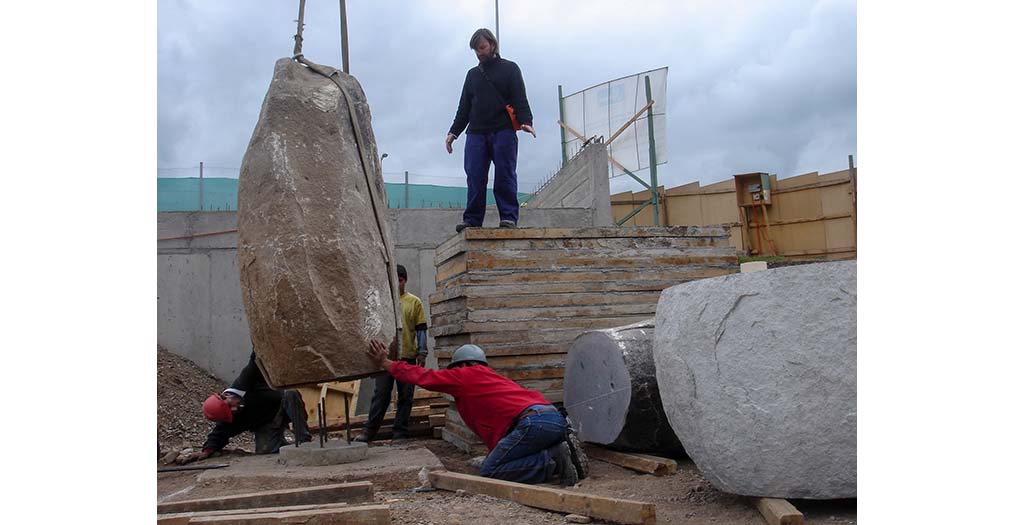
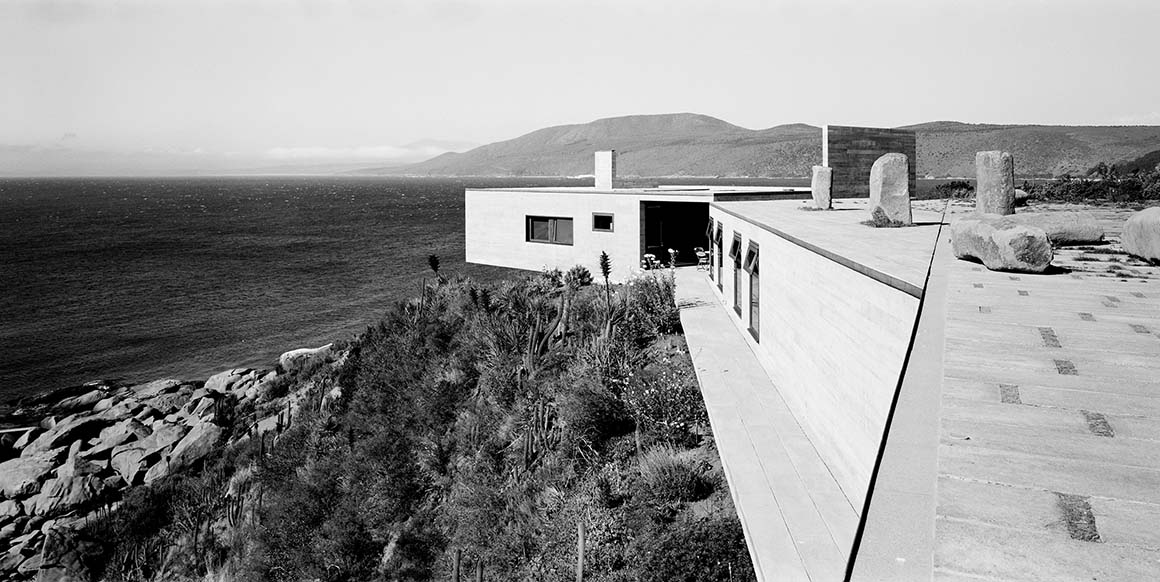
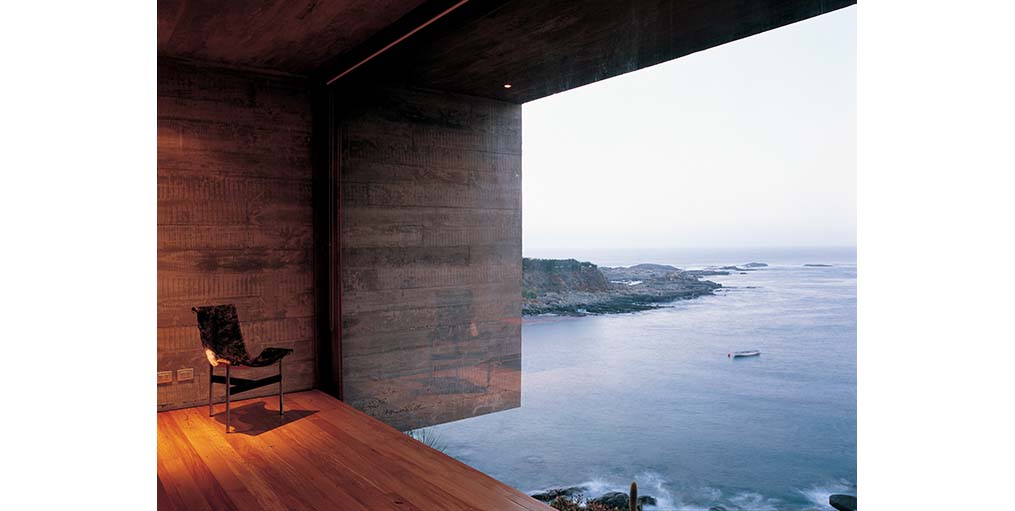
A key concept often used to describe Radić’s work is fragility. His buildings rarely appear firmly anchored to the ground; instead, they seem to rest lightly upon the site, as if they have just landed there. Rather than dominating their surroundings, they settle quietly within the landscape. For Radić, architecture behaves less like the owner of the land than a temporary guest. This sensibility is reflected in construction methods that minimize disturbance to the ground and in buildings that retain an atmosphere suggesting they might disappear at any moment.
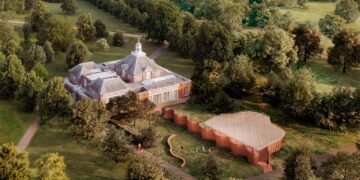
The Serpentine Gallery Pavilion(2014) clearly illustrates this approach. Large natural stones support a curved fiberglass shell, creating the impression of a lightweight membrane gently resting on the ground. The pavilion maintains a porous relationship with the surrounding park, softening the boundary between interior and exterior. Through this loose connection between inside and outside, architecture operates not as a permanent occupation of space but as a temporary presence within the landscape.
A similar attitude appears in the Pite House(2005), located on a coastal cliff in Chile. Responding to strong winds and intense sunlight, the orientation of the building and its openings were carefully calibrated to the natural conditions of the site. The result is not an isolated object placed on the cliff but a structure that participates in the larger flow of the surrounding landscape.
At Restaurant Mestizo(2006) in Santiago, uncut natural stones are used directly as structural columns alongside concrete elements. The visual contrast between raw natural material and constructed structure makes the building’s relationship to the ground especially legible.
Spatial Tension Shaped Through Materials
“We try to create spaces that make people pause and look again at the world they might otherwise pass by without noticing.”
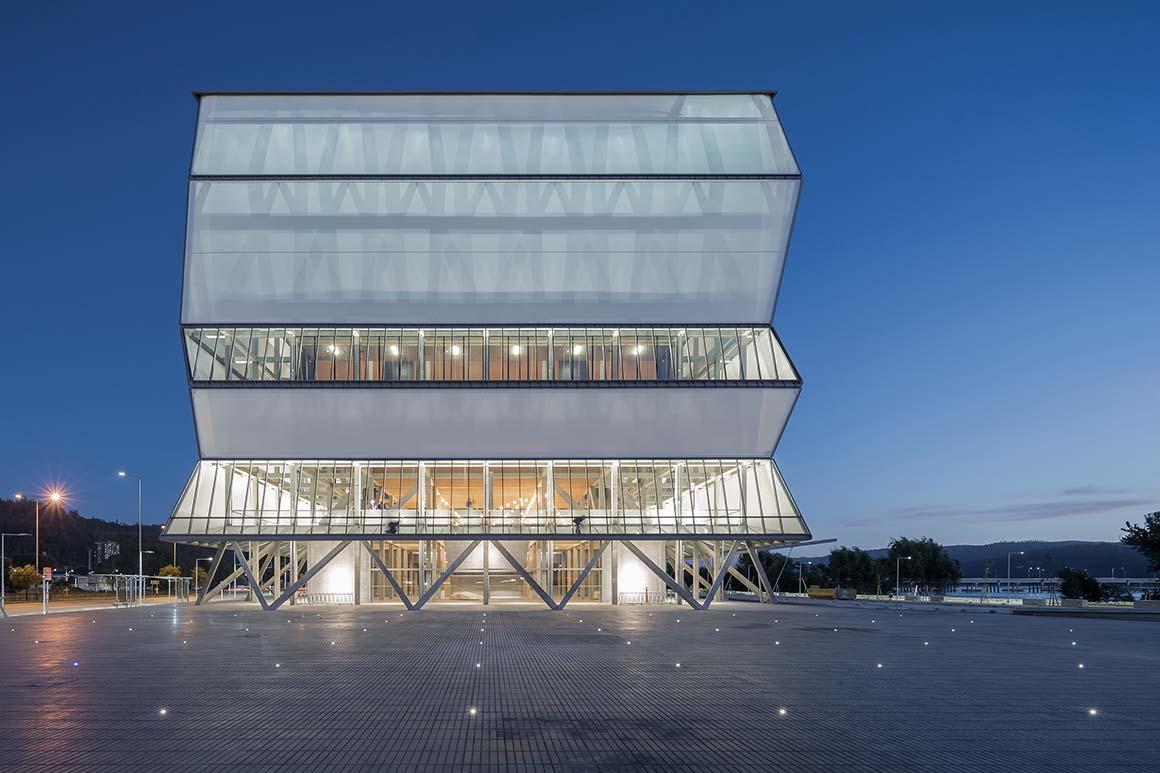
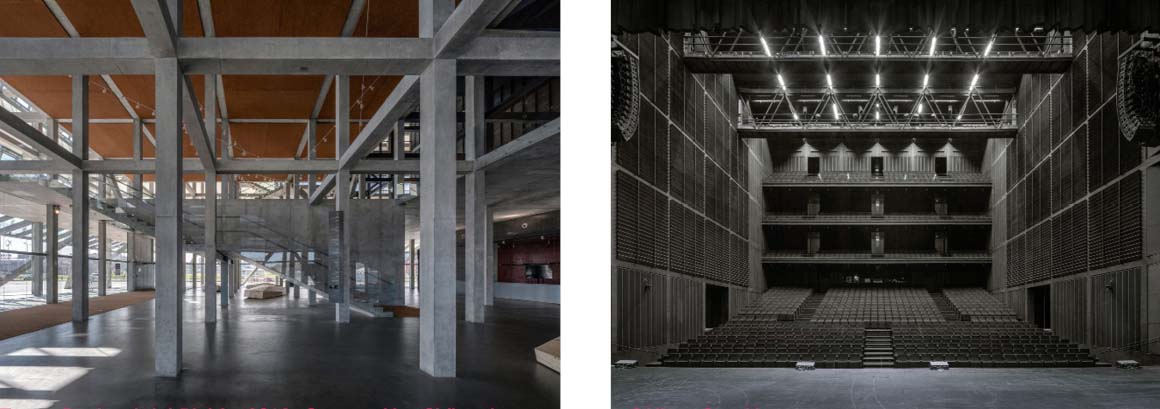
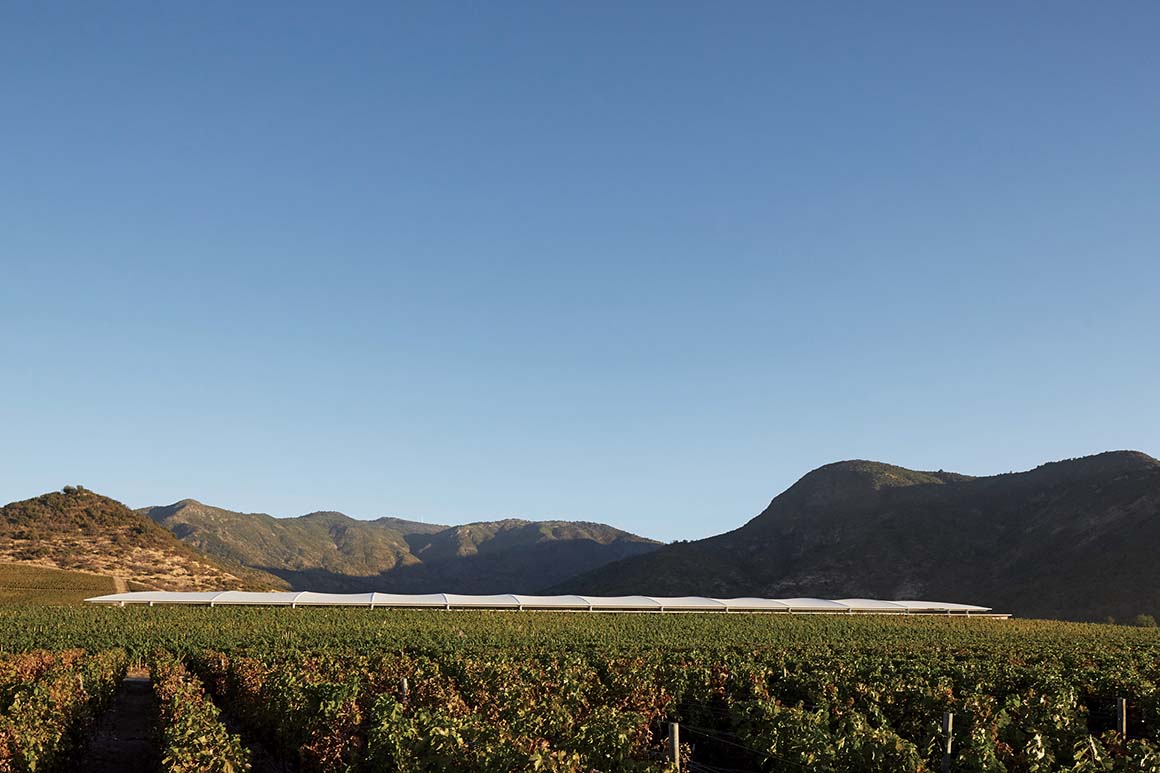
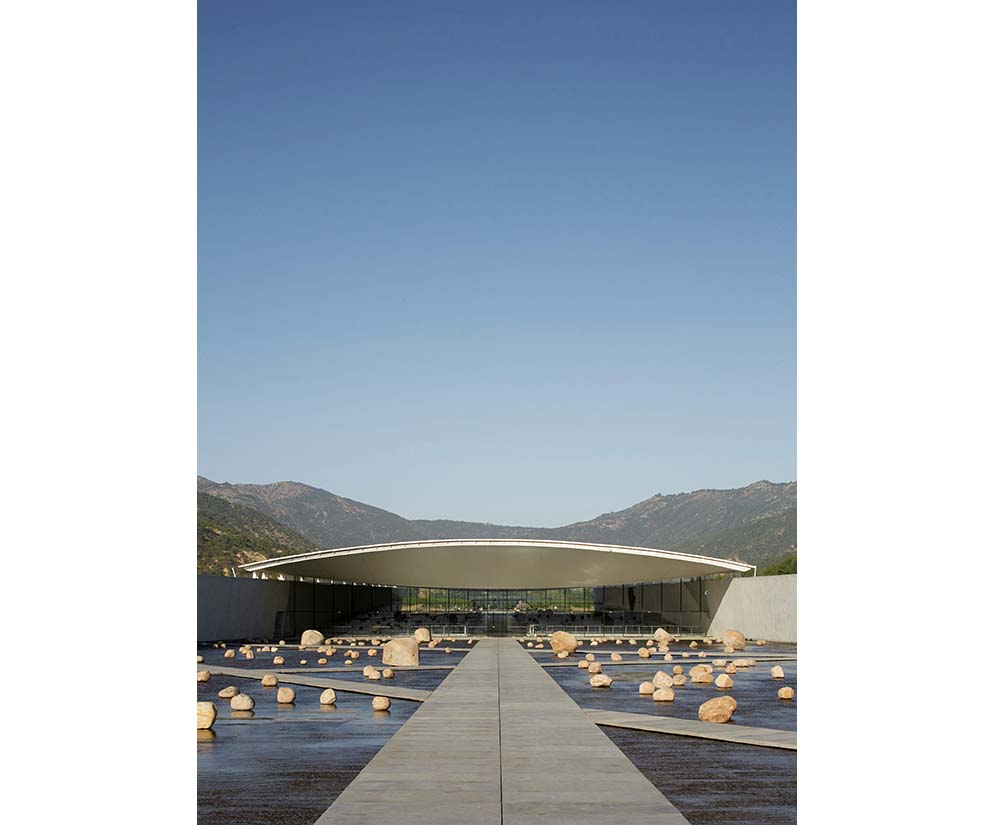
In Radić’s work, materials function as more than structural components; they operate as a primary language through which spatial experience is formed. Concrete, glass, natural stone, timber, and membrane structures coexist without hierarchy. Industrial and natural materials, refined surfaces and rough textures, are brought together within the same space. Rather than repeating a stylistic vocabulary, his projects explore the relationships between materials themselves. The jury explains that Radić carefully orchestrates elements such as weight, light, texture, and sound, allowing the act of construction itself to unfold as a spatial narrative.
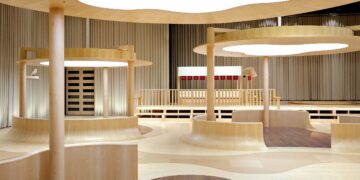
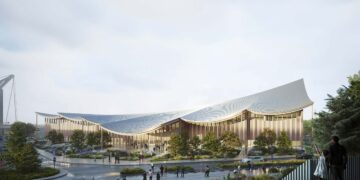
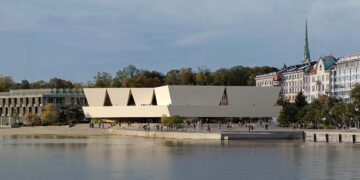
At the Teatro Regional del Bío-Bío(2018) in Concepción, a translucent outer skin envelops the performance halls and diffuses daylight throughout the building. During the day the structure appears as a soft membrane within the urban landscape, while at dusk it glows gently as interior light filters outward. The atmosphere of the building emerges through the material qualities of its envelope and the changing conditions of light.
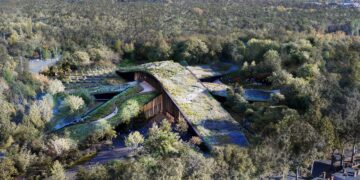
A more intimate exploration of material relationships appears in Radić’s studio and residence in Santiago, Pequeño Edificio Burgués(2023). From inside, expansive views of the city unfold, while from the outside chain-link curtains conceal the interior. Single-pane glass walls allow rain, wind, and sound to enter the building, bringing daily weather conditions directly into the spatial experience. Below, a quieter studio is shaped by earthen berms that filter sunlight and introduce nature into the workspace. Through the careful orchestration of textures, transparency, and material contrasts, architecture becomes a field of sensory experience rather than a static object.
Architecture Linking Different Temporalities
Radić’s work does not follow a continuous architectural lineage; instead, it connects fragments from different times. The jury describes this approach as “noncontinuous history,”in which architecture emerges from the intersection of historical memory, cultural context, and contemporary conditions.
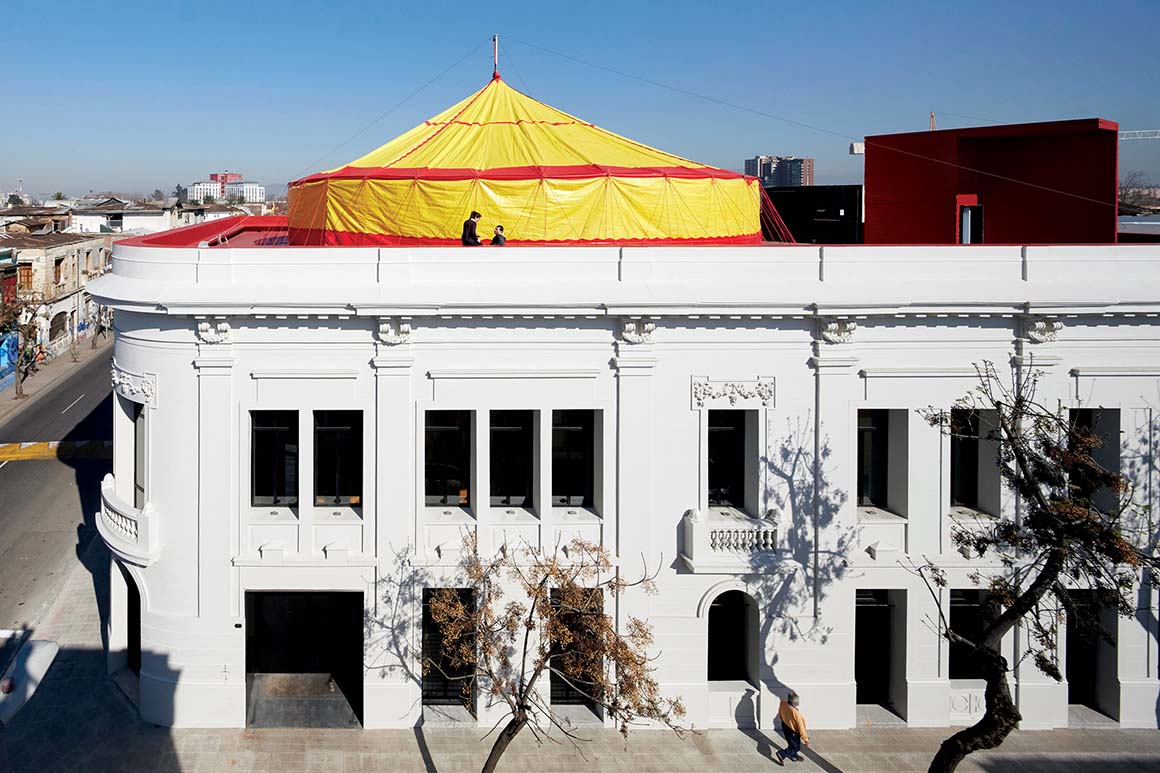
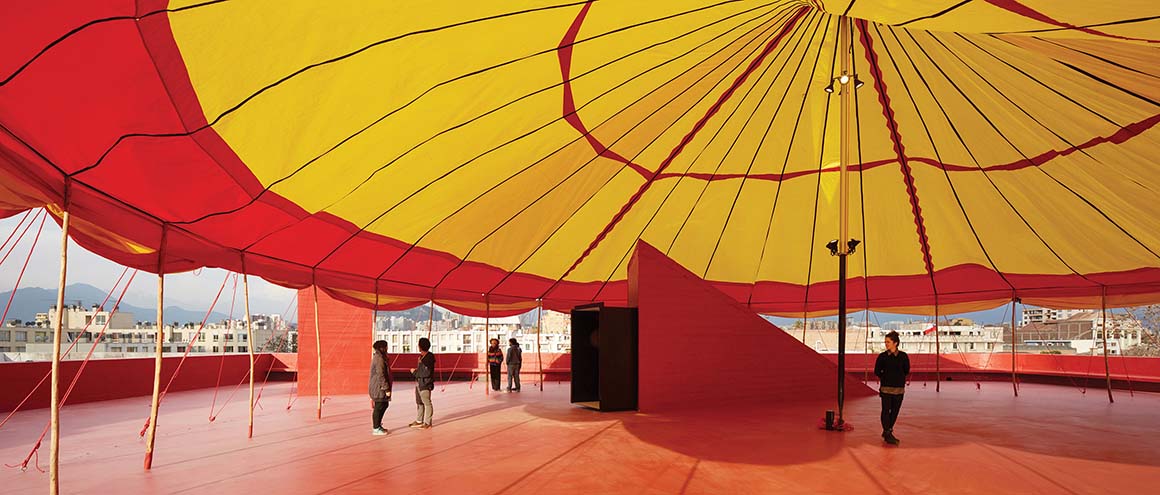
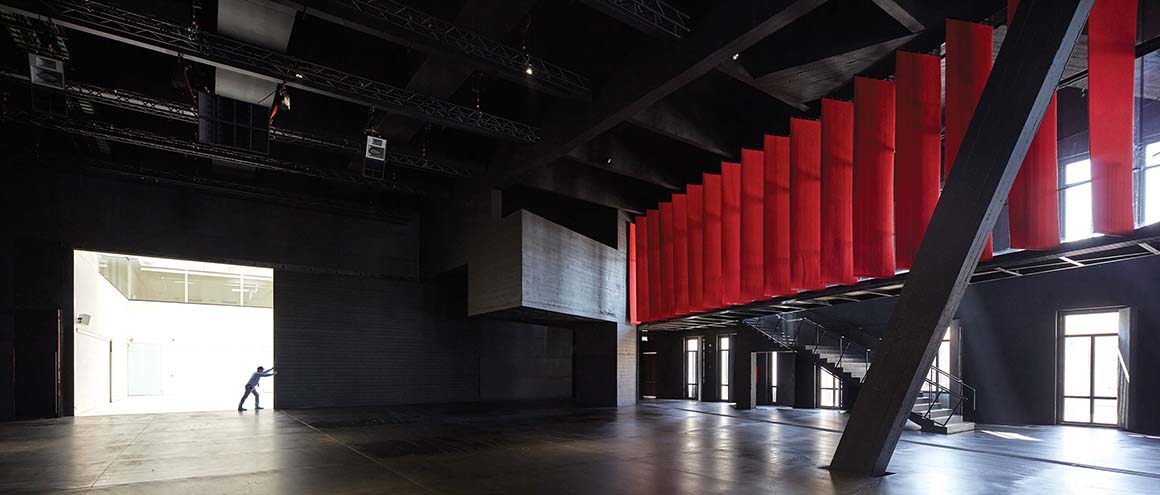
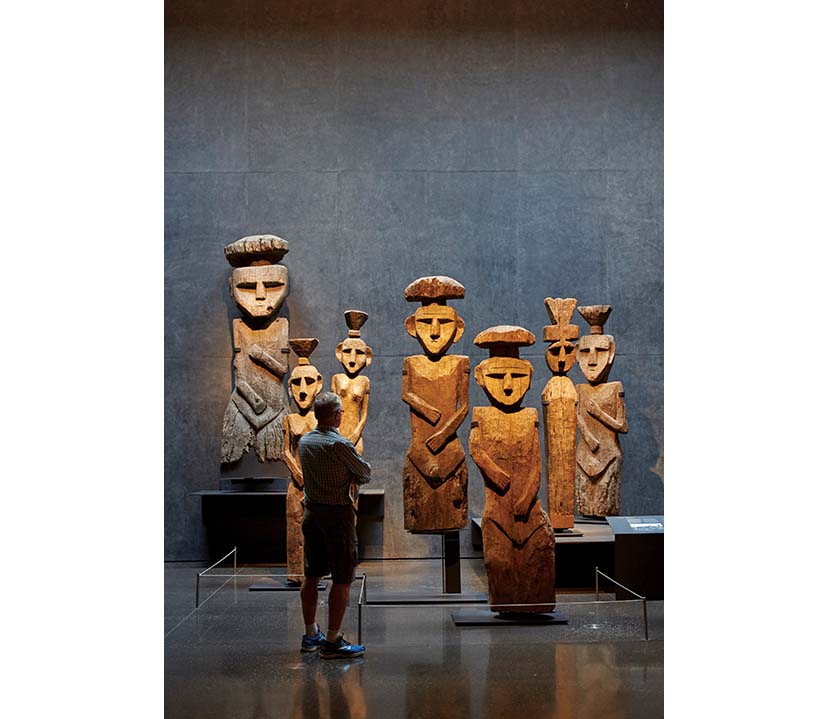
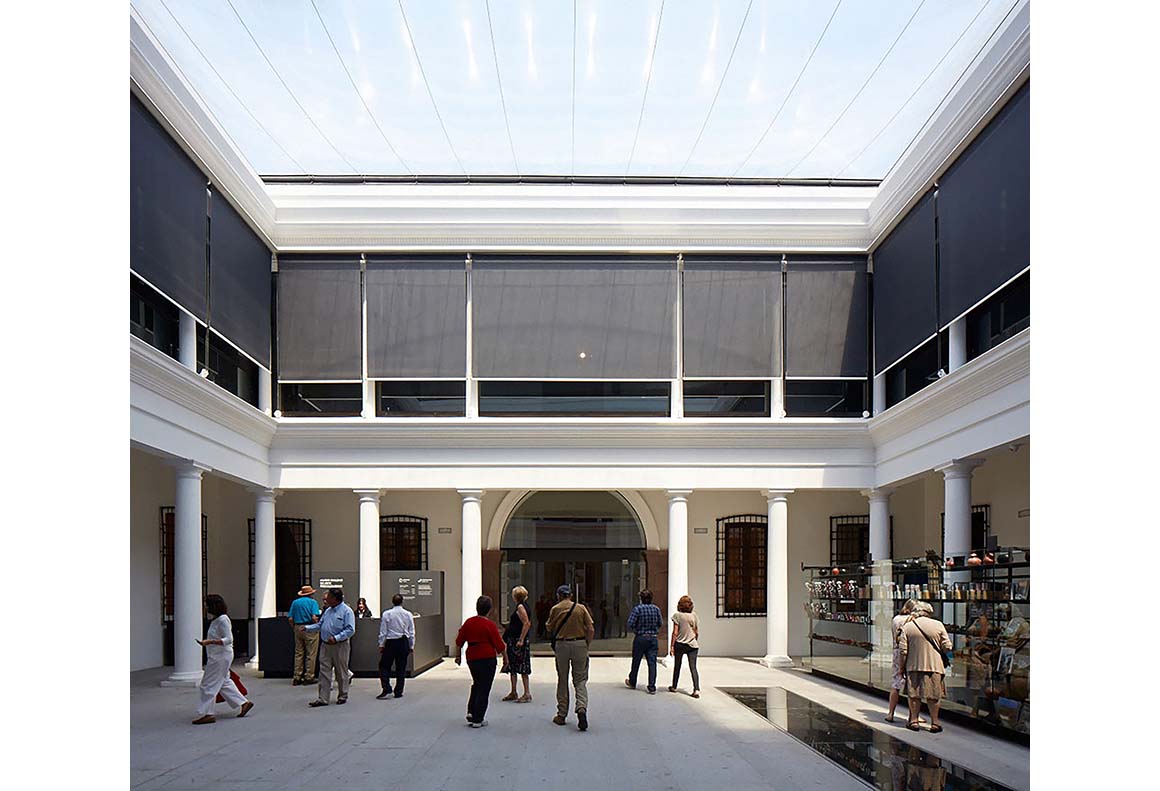
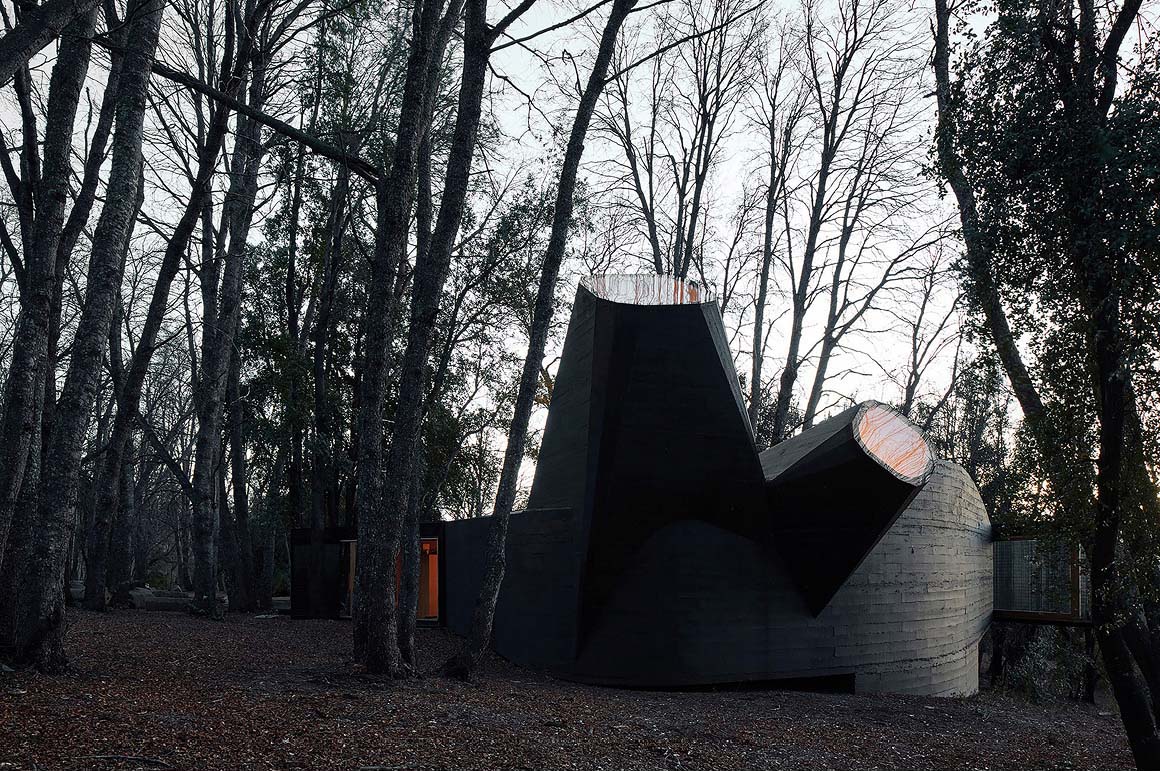
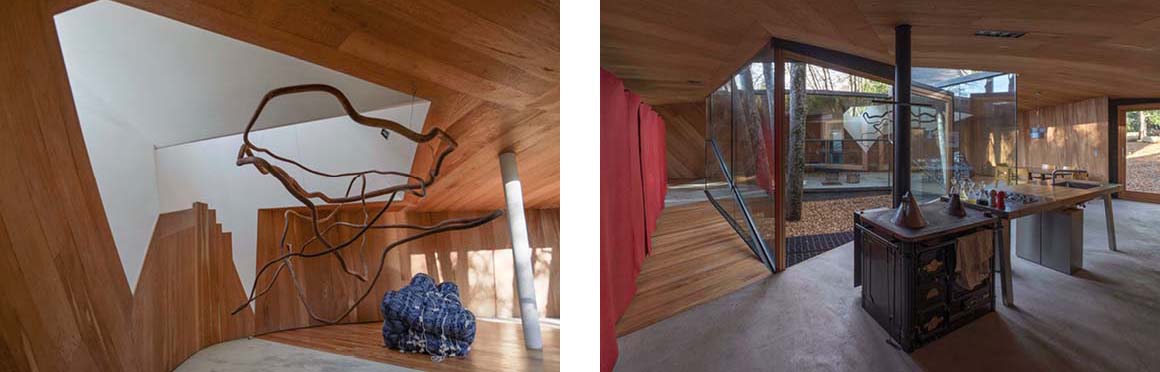
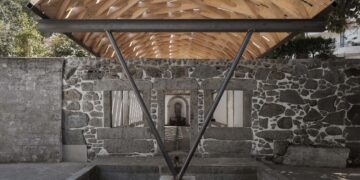
This attitude becomes particularly evident in Radić’s interventions in existing buildings. For him, intervention is neither restoration nor replacement but the insertion of new layers defined by carefully calibrated scales and uses. A clear example is the NAVE Performing Arts Center(2015) in Santiago. The project transforms an early twentieth-century residential building damaged by natural disaster into a cultural venue. The existing structure is retained while new spaces for performance, rehearsal, and workshops are inserted. On the roof, a lightweight structure resembling a circus tent introduces a provisional and celebratory atmosphere that contrasts with the grounded intimacy below. Different temporal layers thus coexist within a single building.
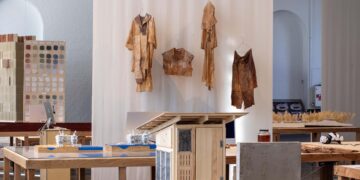
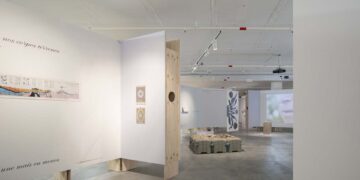
Radić’s interest in extending architectural inquiry beyond the built object is also reflected in the Fundación de Arquitectura Frágil(2017)in Santiago. Bringing together research materials and experimental works by various architects, the space functions as a platform for exchange and reflection. It suggests that architecture is not merely the product of an individual author but a field in which ideas accumulate across time—an outlook that resonates with Radić’s own approach, where different historical moments and modes of thought intersect to generate new spatial possibilities.
The jury further notes: “To render the qualities of his architectural work in spoken language is intrinsically difficult, for in his designs he works with dimensions of experience that are immediately palpable but escape verbalization—like the perception of time itself: immediately recognizable, yet conceptually evasive. His buildings are not conceived simply as visual artifacts; rather, they demand embodied presence.”
Jury Chair Alejandro Aravena similarly described Radić’s work as architecture that returns to fundamental principles while opening new and unexplored possibilities.