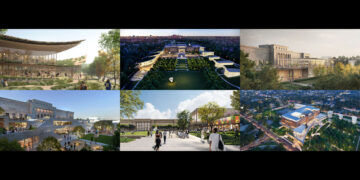


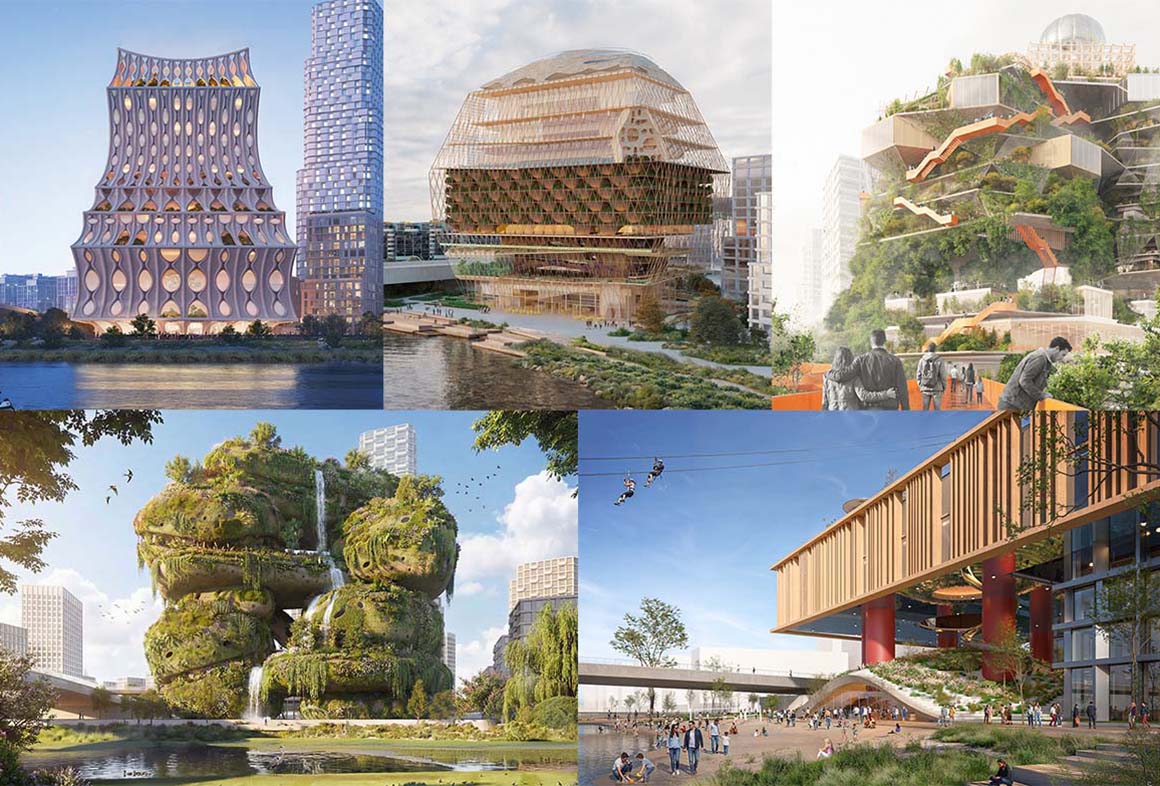
Five finalist proposals have been revealed in the international design competition for a new landmark in Rotterdam. The selected teams—Ecosistema UrbanoSpain, Heatherwick StudioUK, MecanooNetherlands, MVRDVNetherlands, and Office for Political InnovationSpain—each presented designs interpreting sustainability and urban experience in distinct ways.
Initiated by the social enterprise Shift, the Shift Landmark project aims to build a network of mixed-use facilities across six continents that promote circular economy principles and sustainable lifestyles. The first landmark will be located in Waterkant, an emerging waterfront district in southern Rotterdam. Currently under development around a tidal park and riverside landscape, the area is envisioned as a future-oriented urban model. The building is planned to span approximately 25,000~30,000㎡ and will feature a 10,000㎡ immersive exhibition space as its centerpiece, alongside a hotel, conference and meeting center, and food and beverage facilities. The total project cost is estimated at around €240 million. Launched in January 2025, the competition received proposals from 80 teams, from which five finalists were selected. The winning design will be announced in spring 2026.
A Living Landmark / Ecosistema Urbano
Collaborator: Fabrications, ARUP
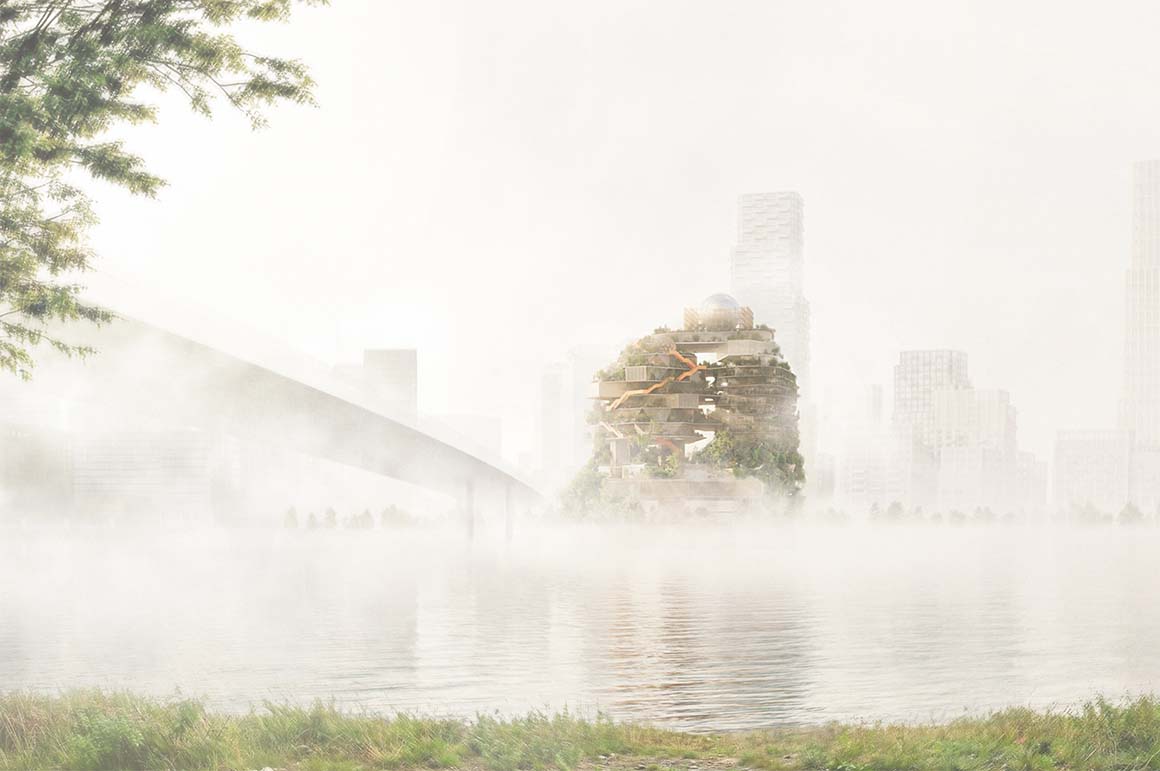
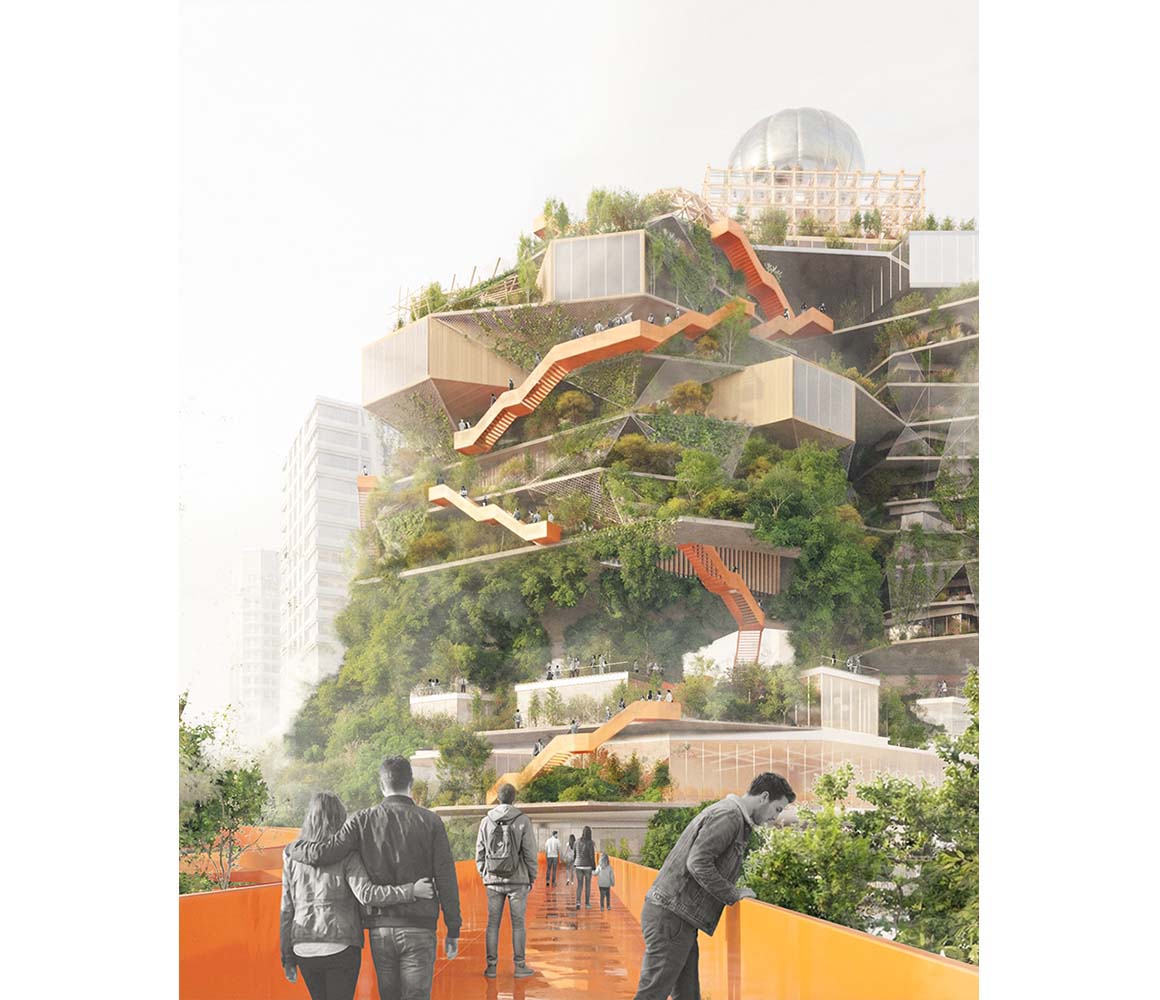
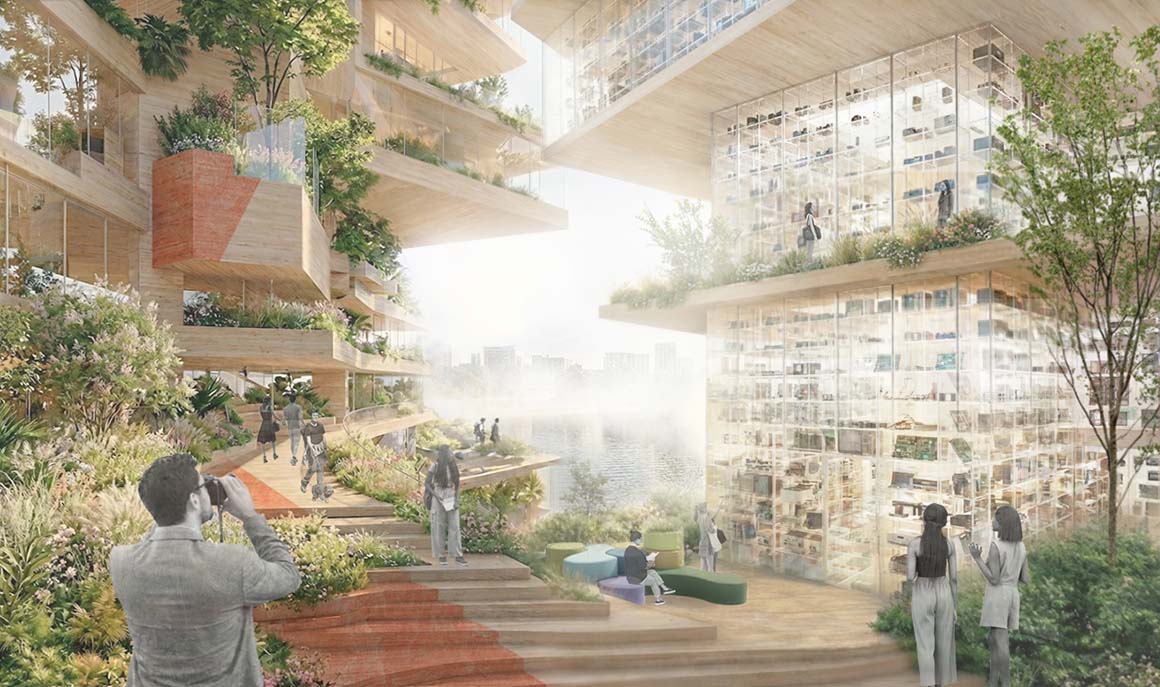
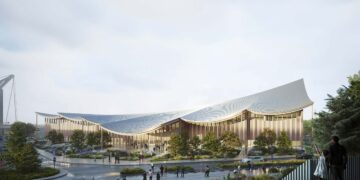
Urban Reef / Heatherwick Studio
Collaborator: Nudus, Ramboll, Oosterhoff, RAA, RLB
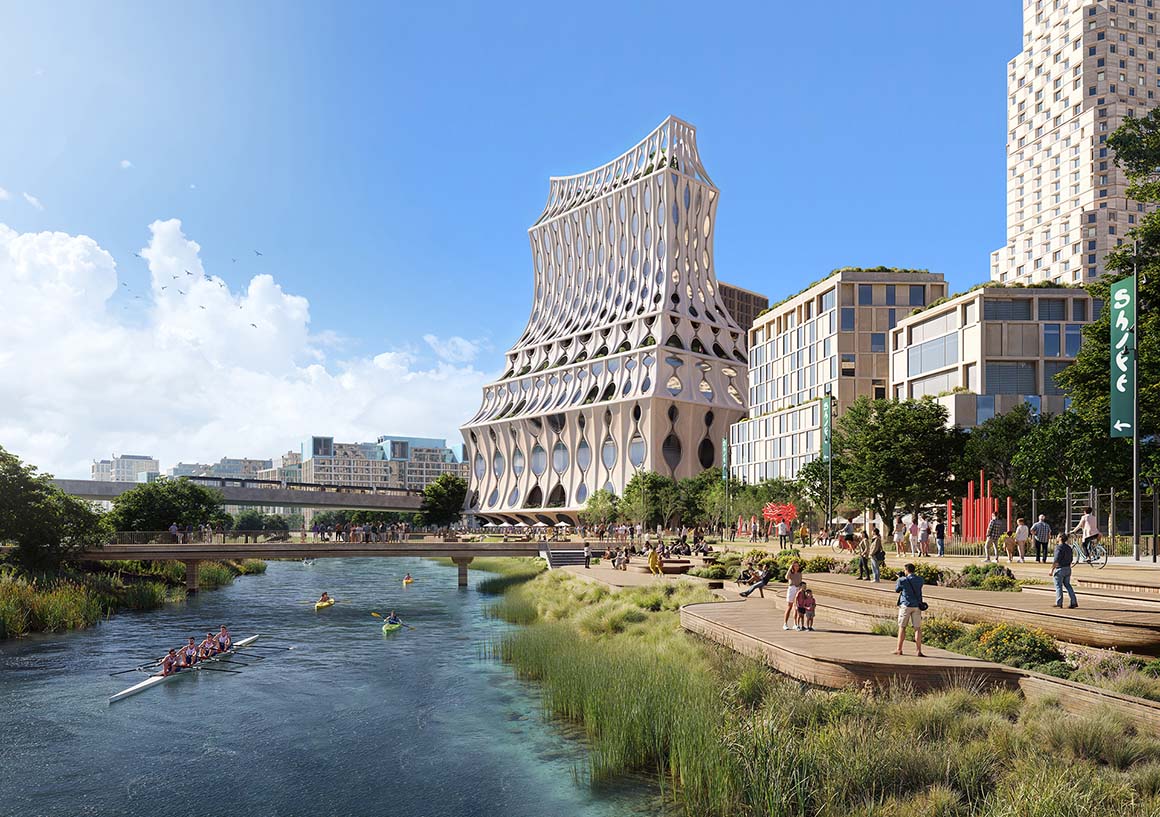
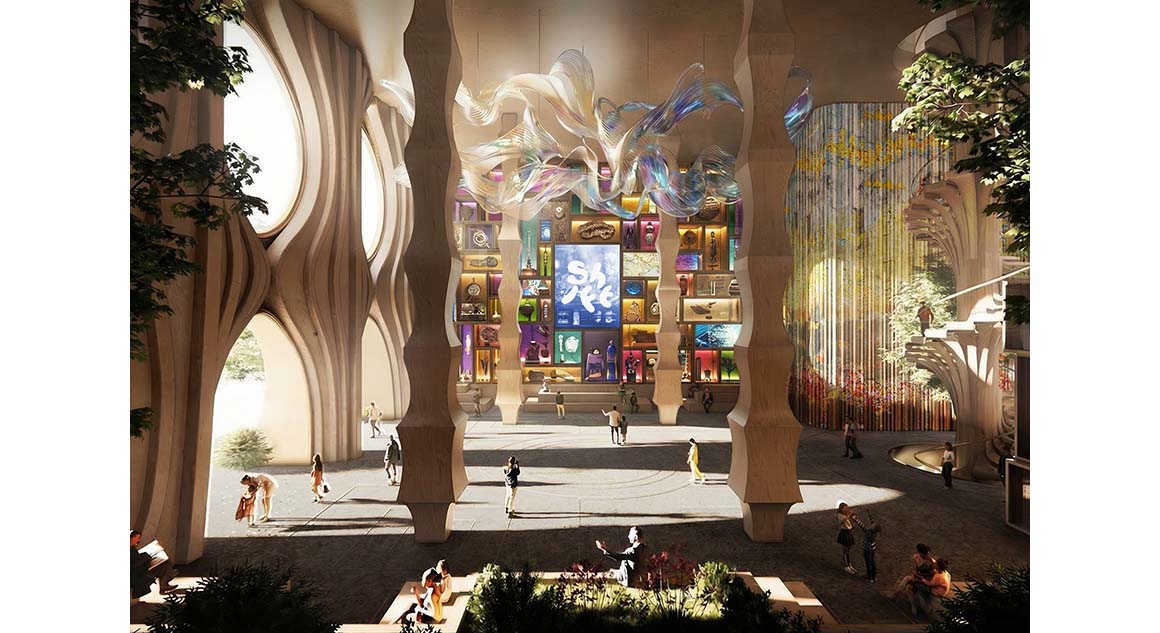
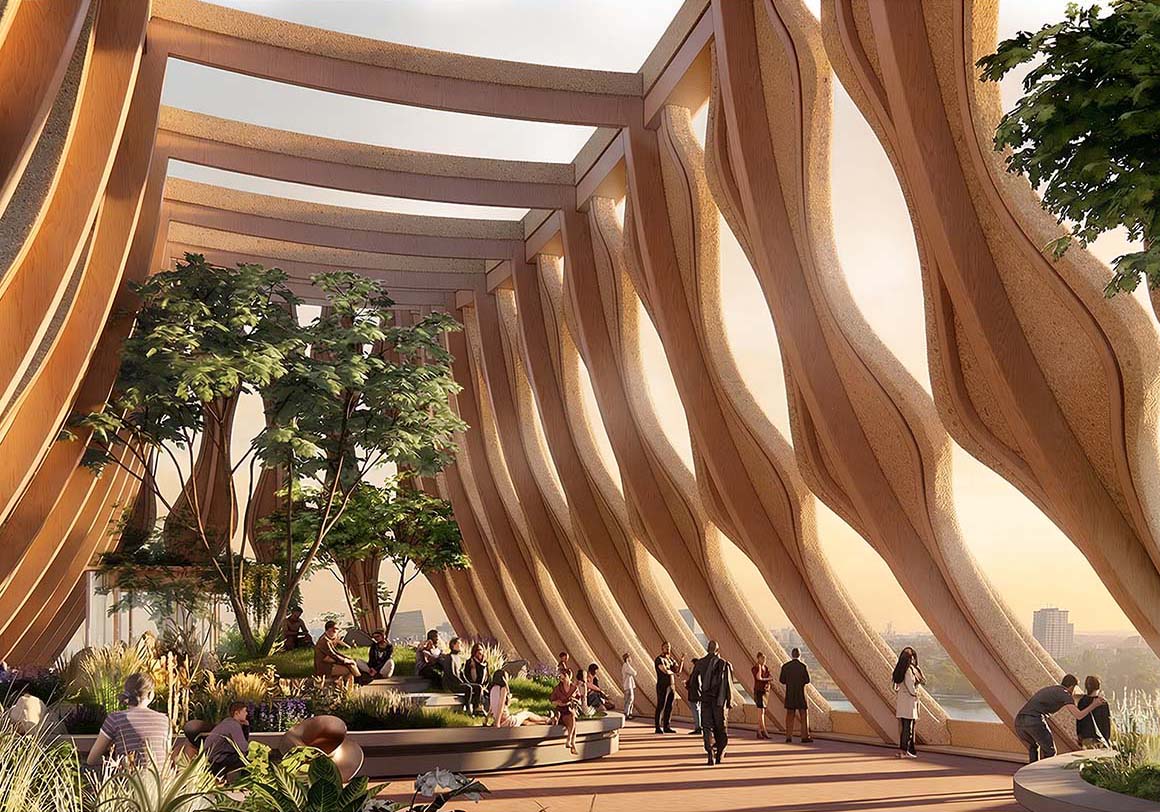
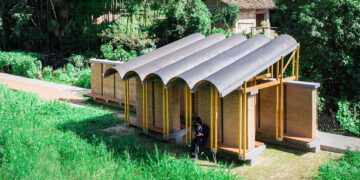
The House of Shift / Mecanoo
Collaborator: ARUP, Tellart
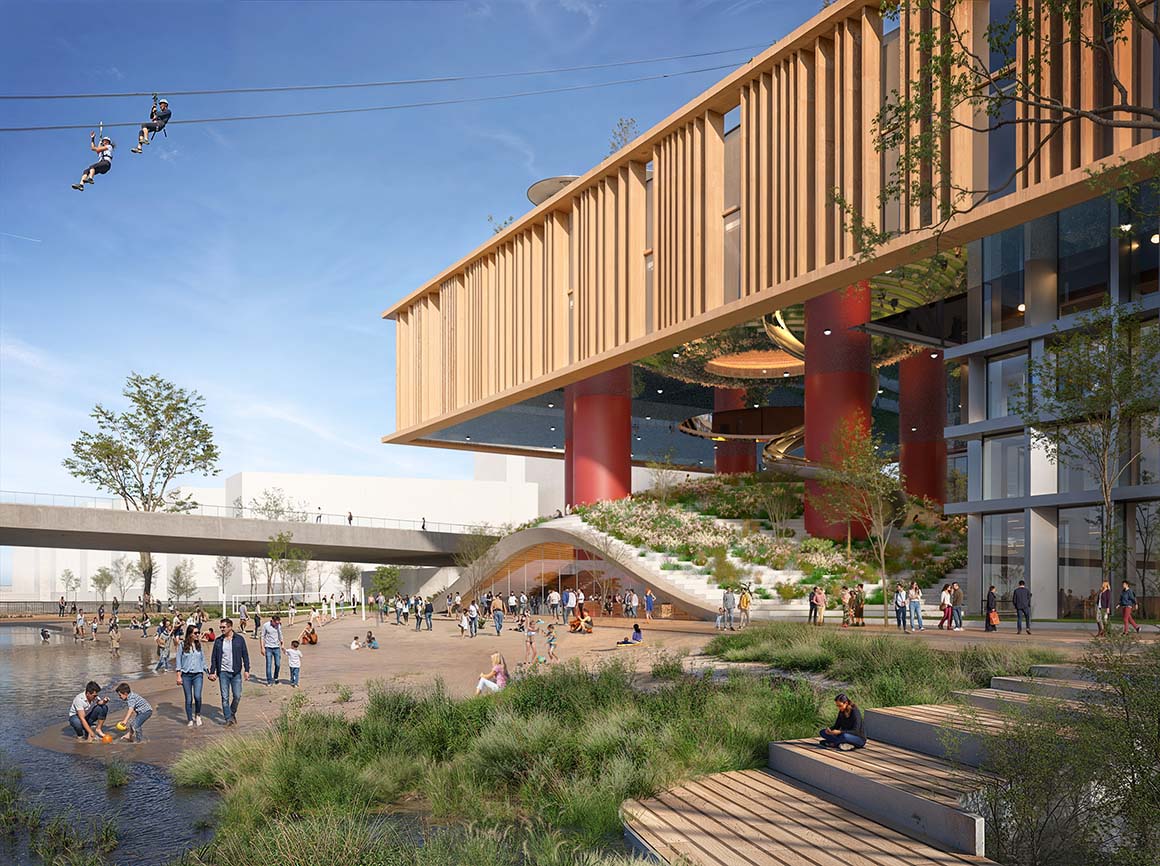
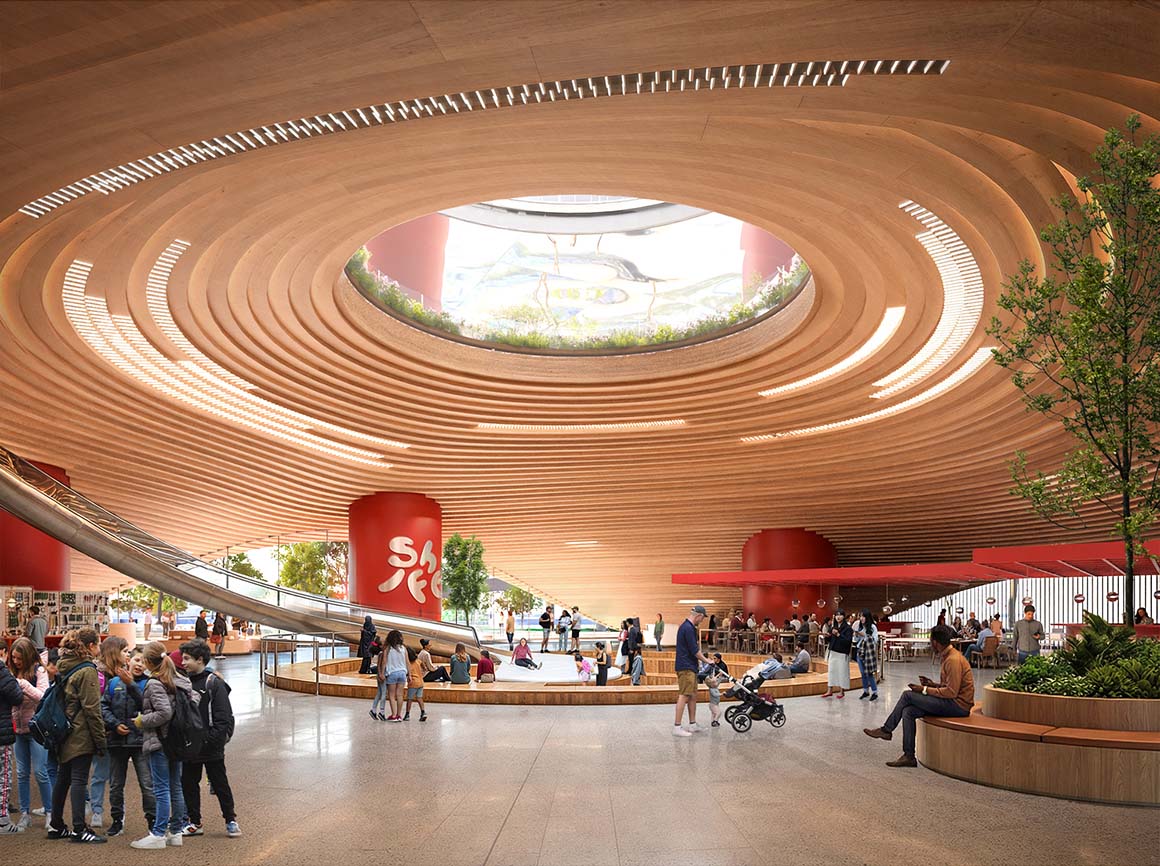
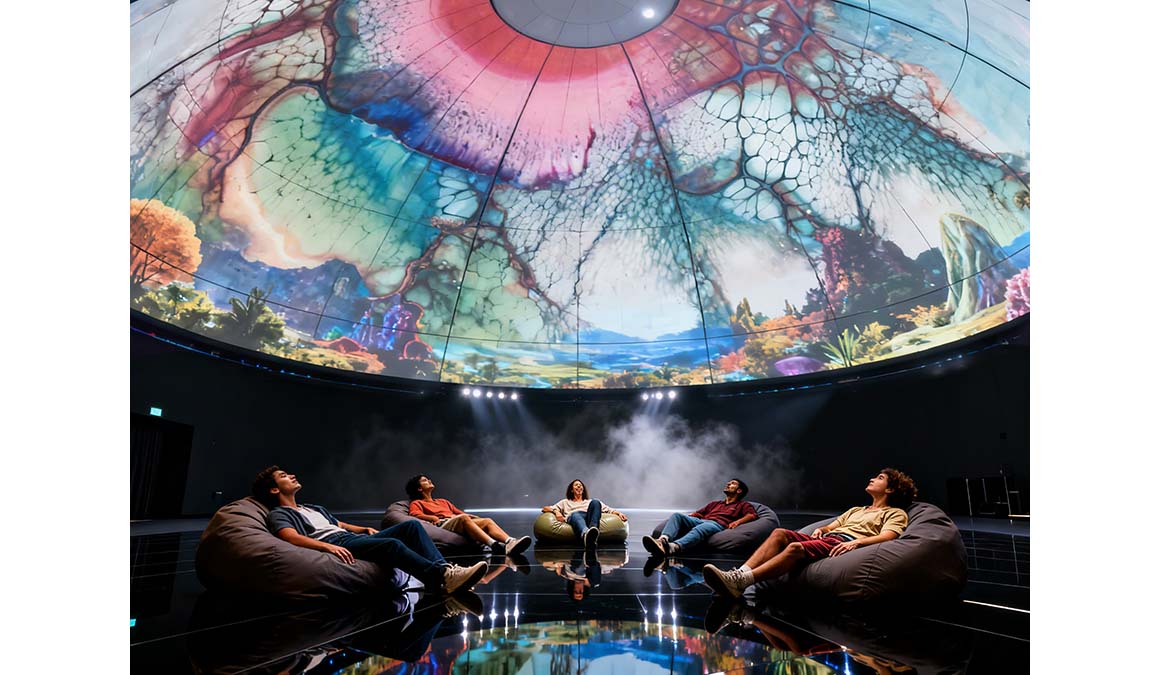
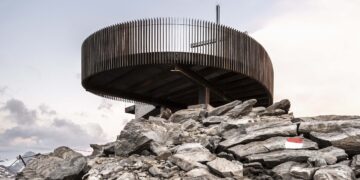
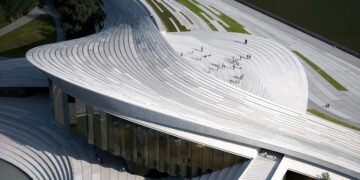
Rotterdam Rocks / MVRDV
Collaborator: dGmR, ARUP, Arcadis, Studio Bertels, Joris Laarman Lab
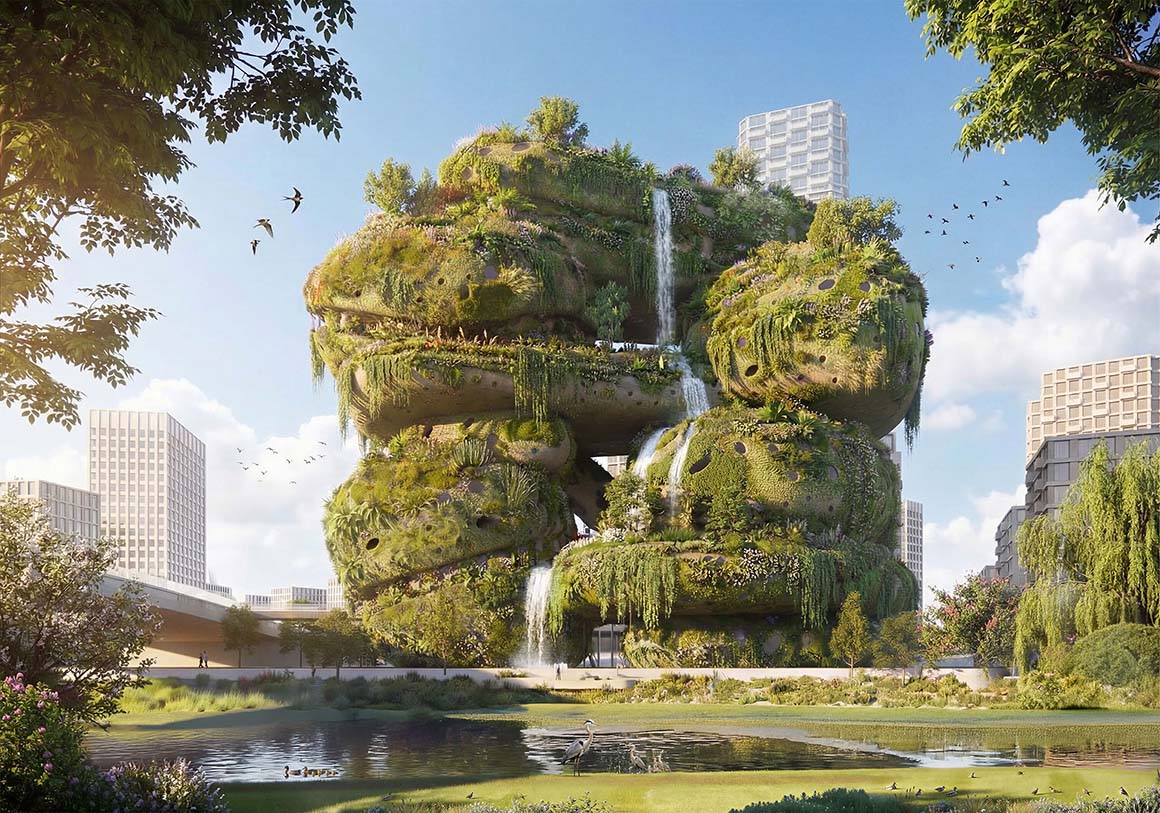
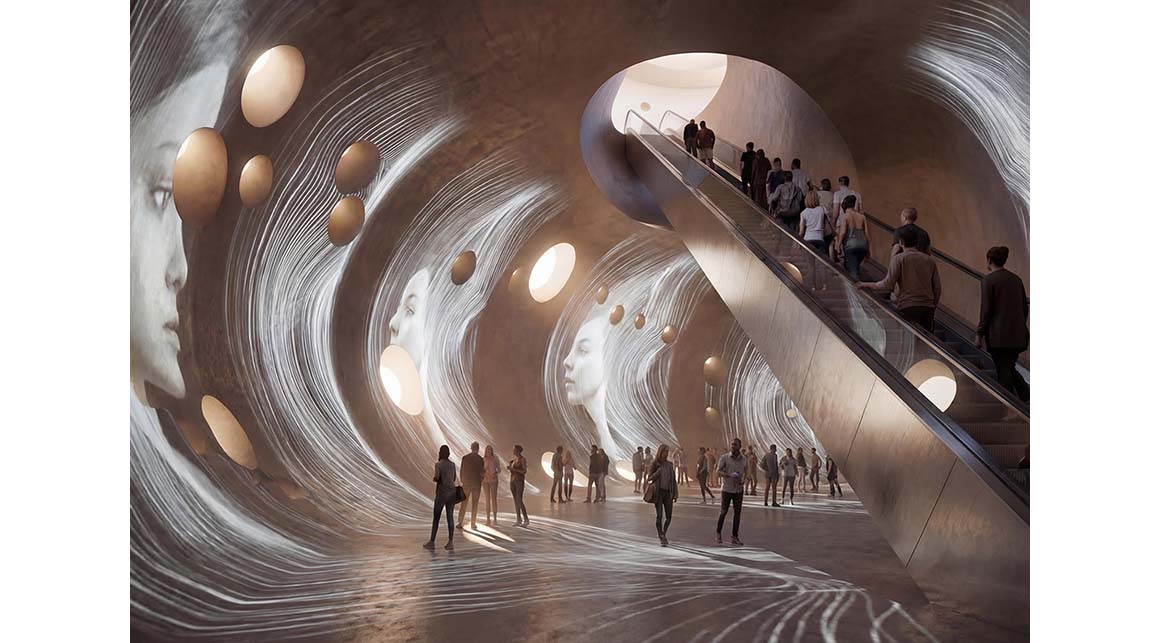
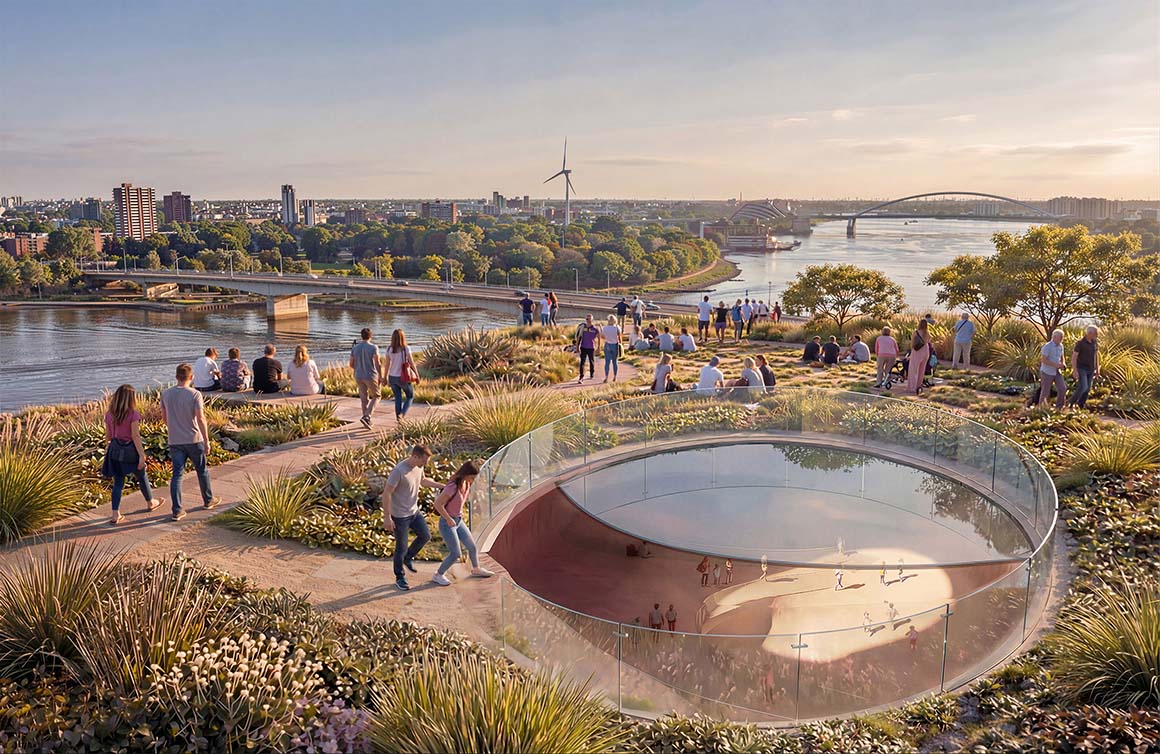
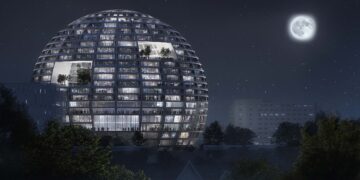
Planetary Landmark for the Climate Age / Office for Political Innovation
Collaborator: Kaan Architecten, LOLA Landscape Architects, iart, Pieters Bouwtechniek, Stadium Consultancy, IGG Bouweconomie, WSP, Envirotecnics
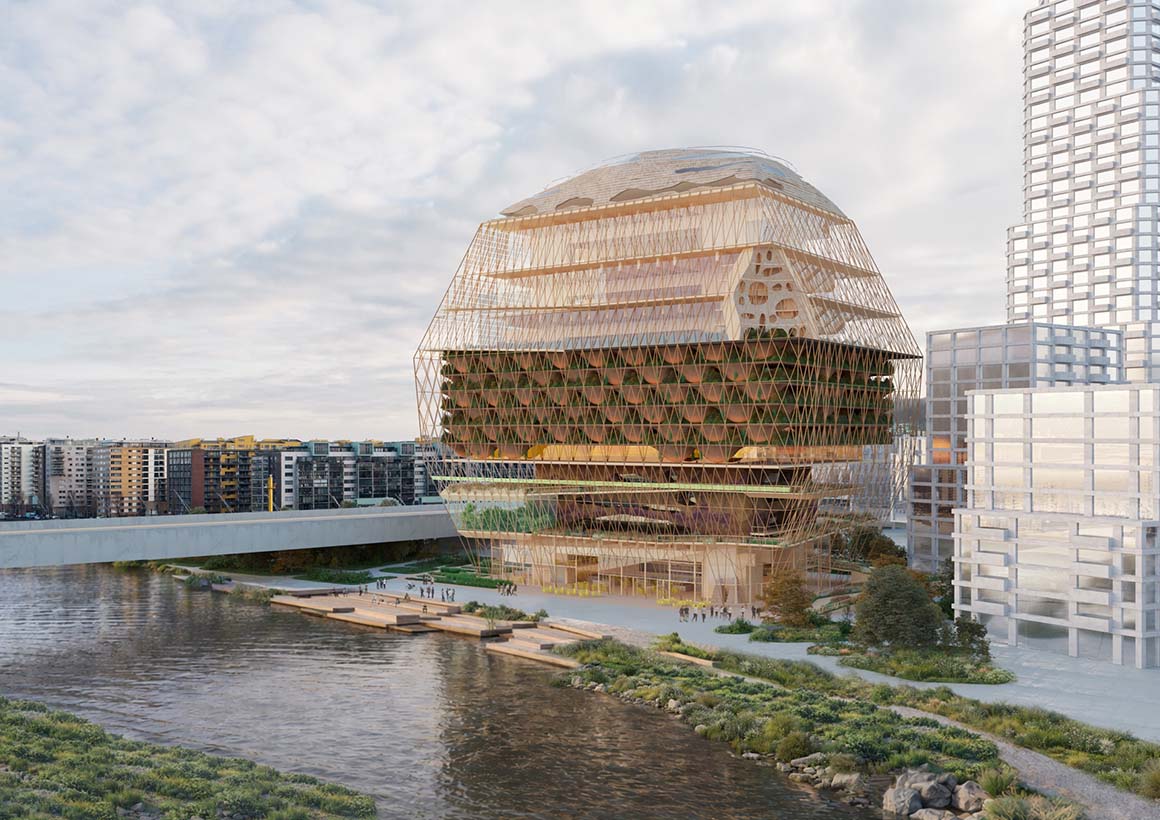
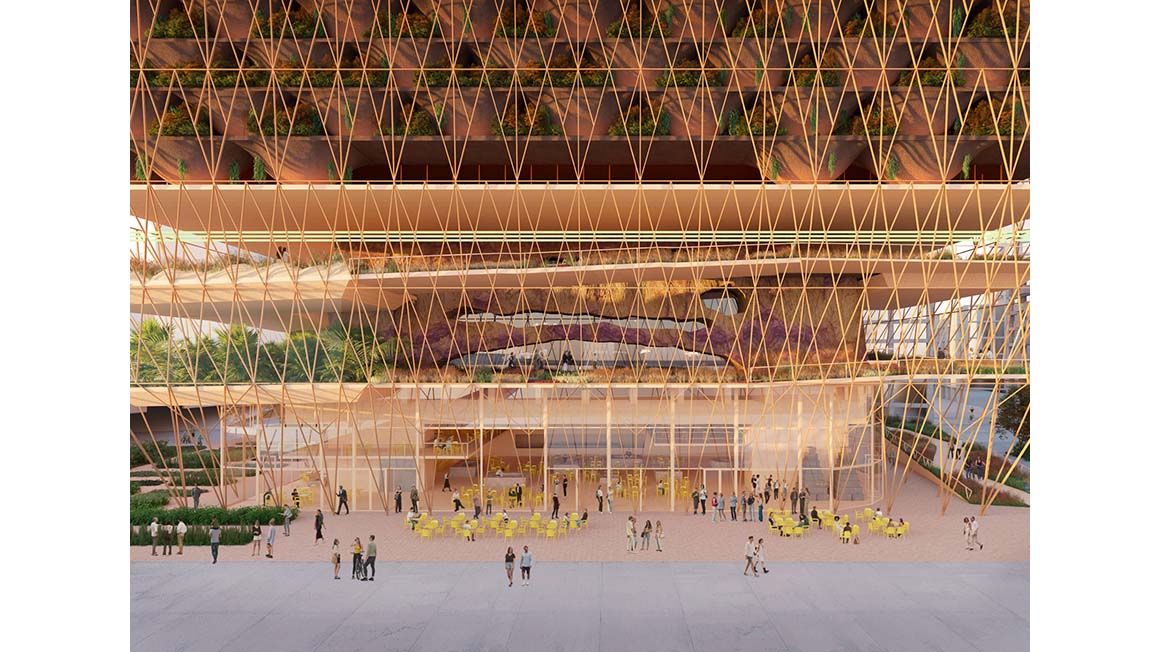
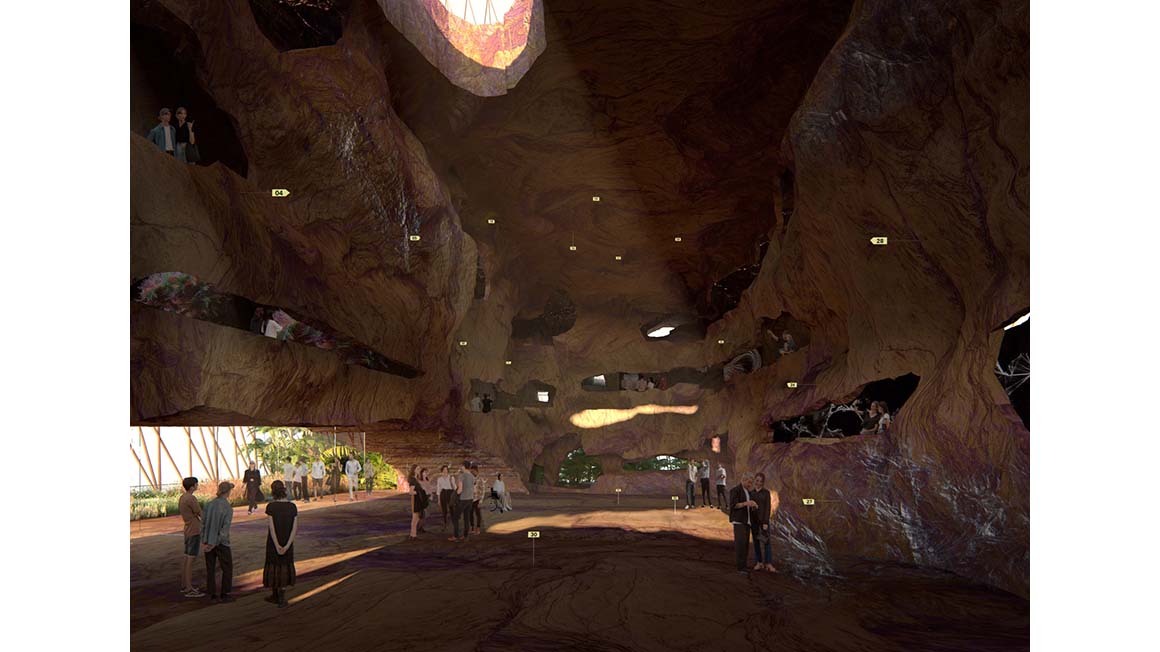
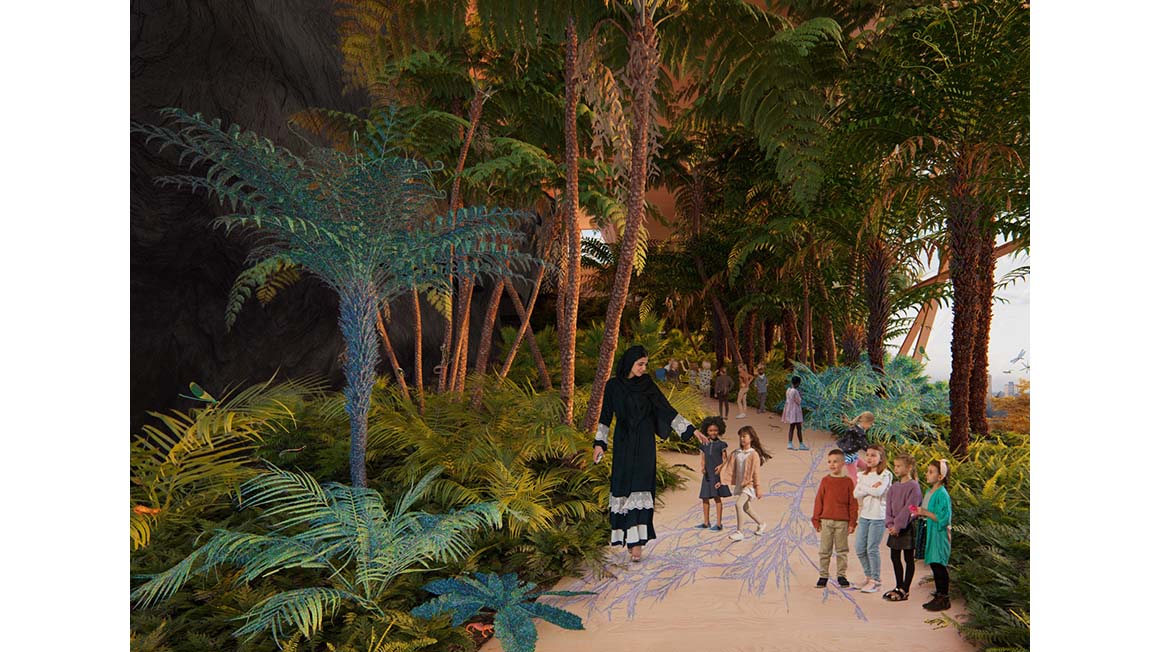
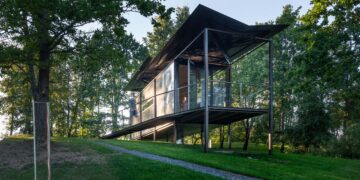
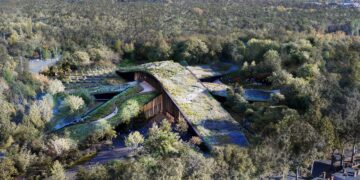
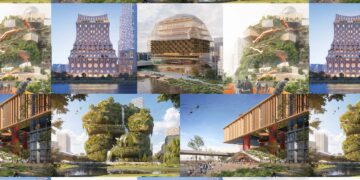
Ecosistema Urbano proposed a regenerative system that combines ecological performance with public activity. Their concept interprets architecture as a “living landmark,” connecting urban ecological networks with a social platform that integrates public space and biodiversity. Heatherwick Studio presented a design inspired by reef ecosystems. Six interdependent levels create overlapping paths of movement and activity, forming an environment where visitors can experience climate awareness and sustainable ways of living.
Mecanoo’s proposal focuses on upcycling, carbon storage, and energy neutrality as key strategies. The design envisions an experiential space where imagination, exploration, learning, and play intersect. MVRDV designed a landscape-like structure composed of stacked porous rock forms. Viewing architecture as part of the urban ecosystem, the proposal combines nature and public activity through an organic structure that appears to breathe, emphasizing Rotterdam’s experimental urban identity.
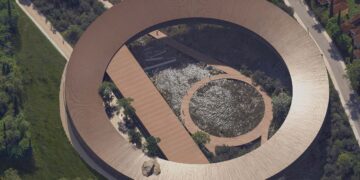
Office for Political Innovation proposed a spatial concept centered on a “section” addressing climate change. Rather than a monumental object, the project functions as an experimental platform where visitors can experience how climate is perceived and transformed.
The Waterkant district, where the Shift Landmark will be built, is part of a major urban development project along Rotterdam’s southern waterfront. Centered on a tidal park, the plan envisions a future urban environment integrating residential and cultural programs. With 55 percent of the Netherlands exposed to flood risk and about 90 percent of Rotterdam located below sea level, the city is considered a key site for experimenting with climate adaptation and sustainable urban strategies. The final evaluation will be conducted by an international jury, after which the winning team will enter a participatory process in collaboration with the local community.