



A new stratum on the ground
Studio Mumbai + Studio Méditerranée
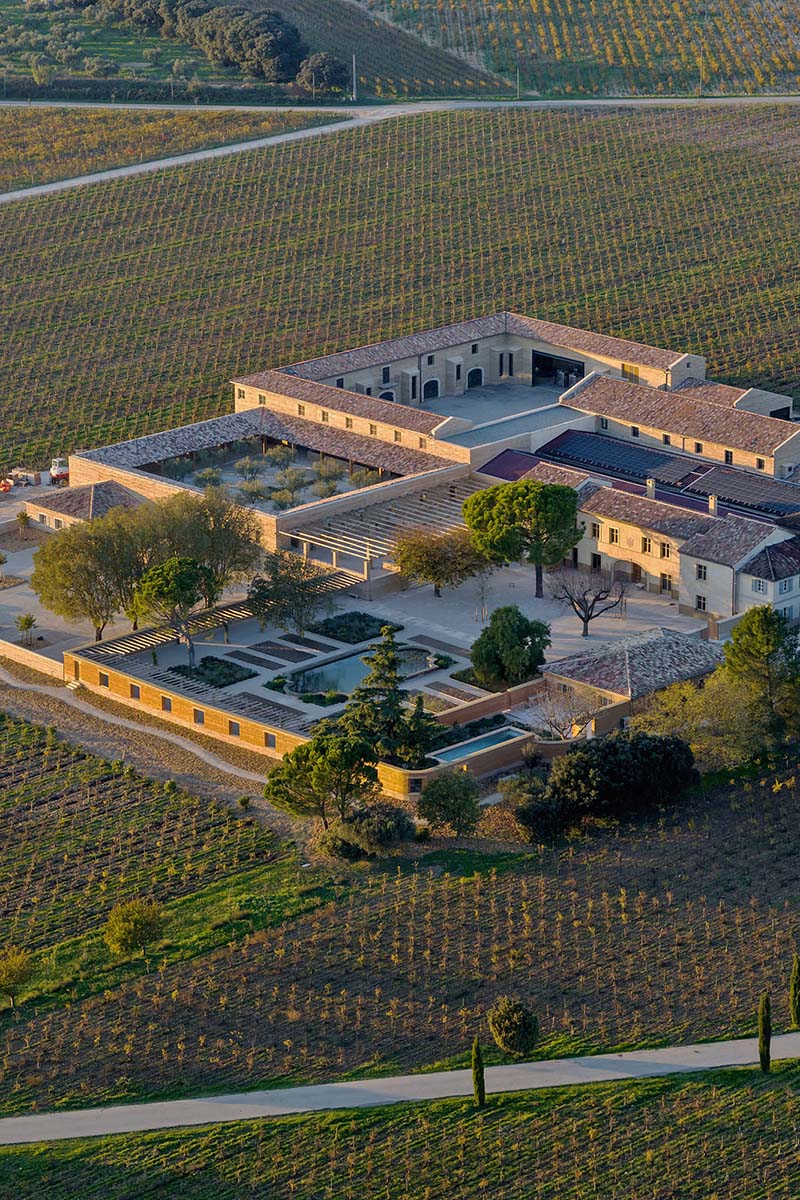
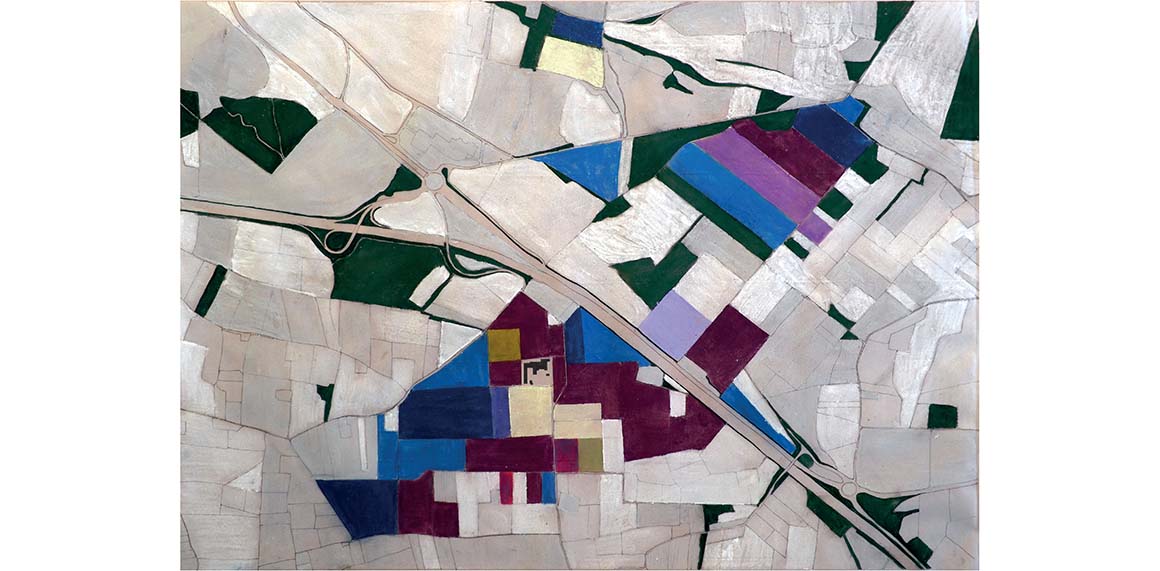
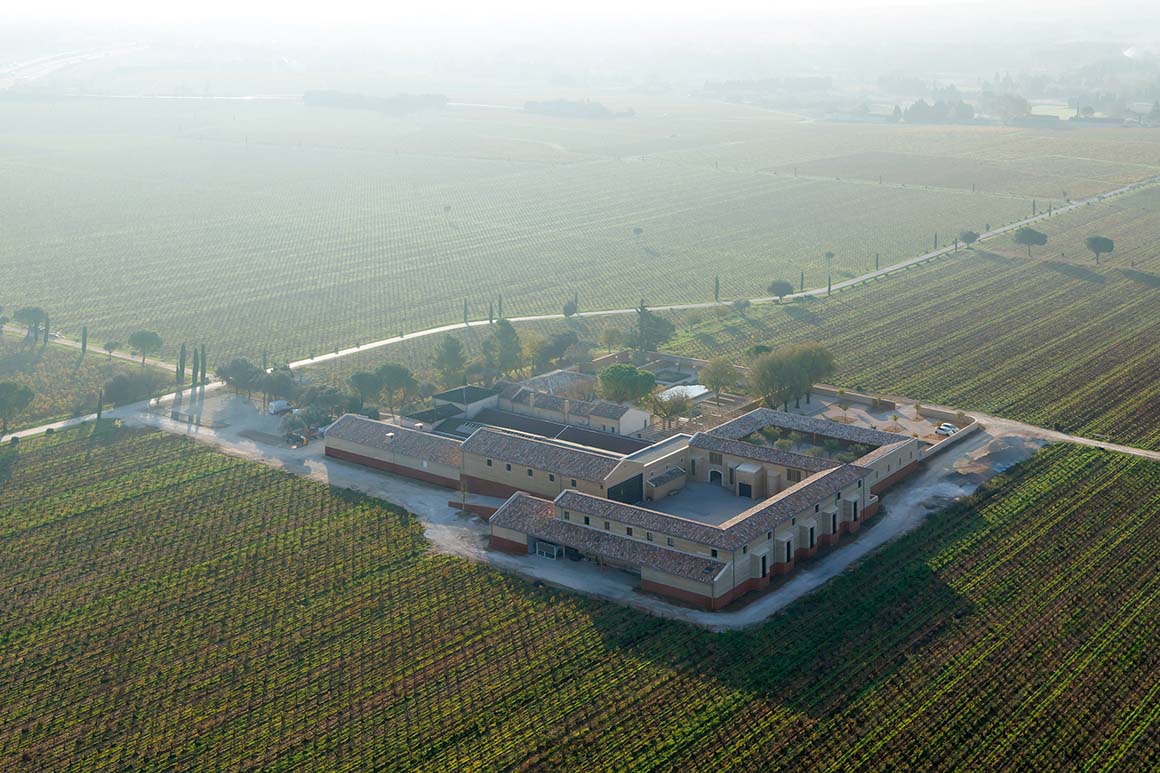
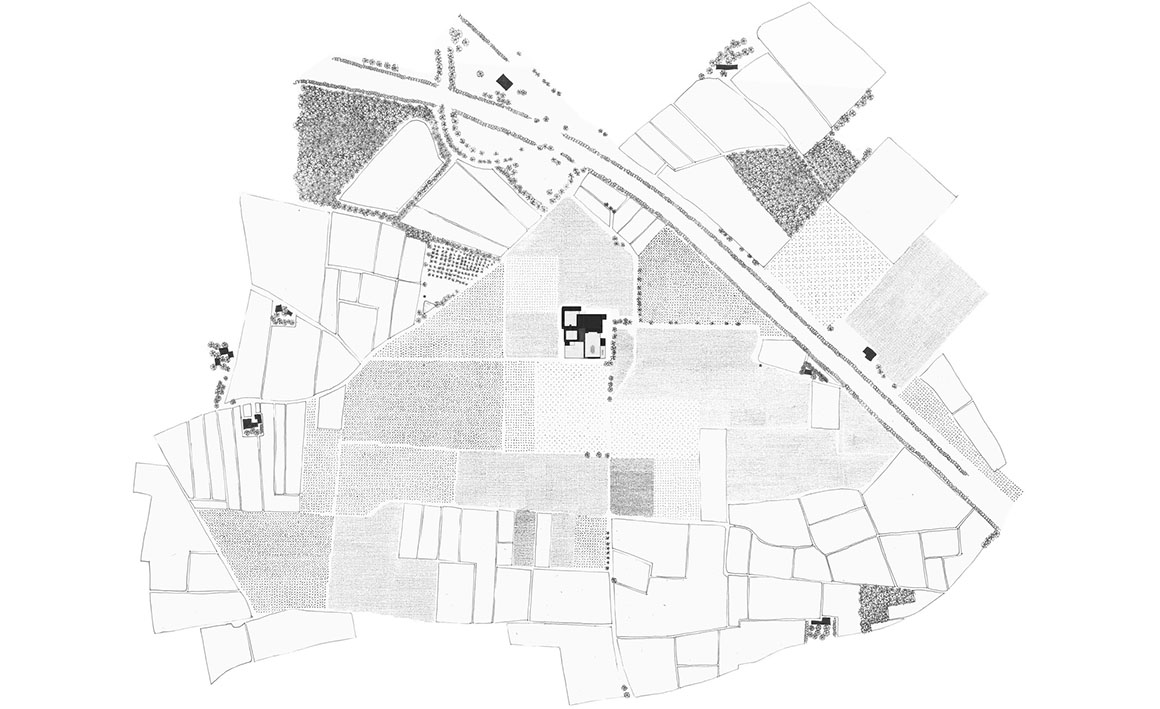
Châteauneuf-du-Pape, whose name originates from a 14th-century papal fortress and summer residence, stands as one of the premier wine regions in southern France. The intense Mediterranean sun and the coarse pebbles that blanket the terrain have long been the source of the profound depth and character found in the local wines. Stewards of this land for five generations, the Perrin family recently deepened the winery’s roots within this landscape through a significant expansion. More than a mere increase in capacity, the project seeks an architectural response that preserves the essence of the terroir and carries the vitality of the land forward to the next generation.
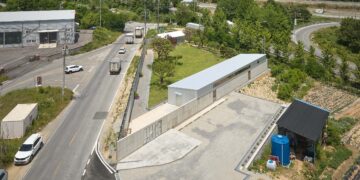
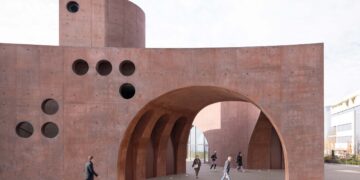
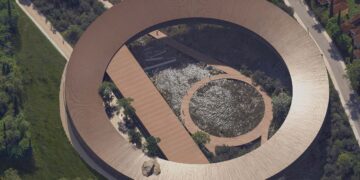
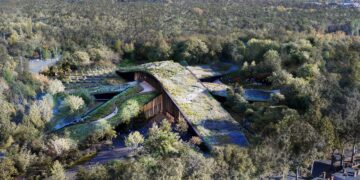
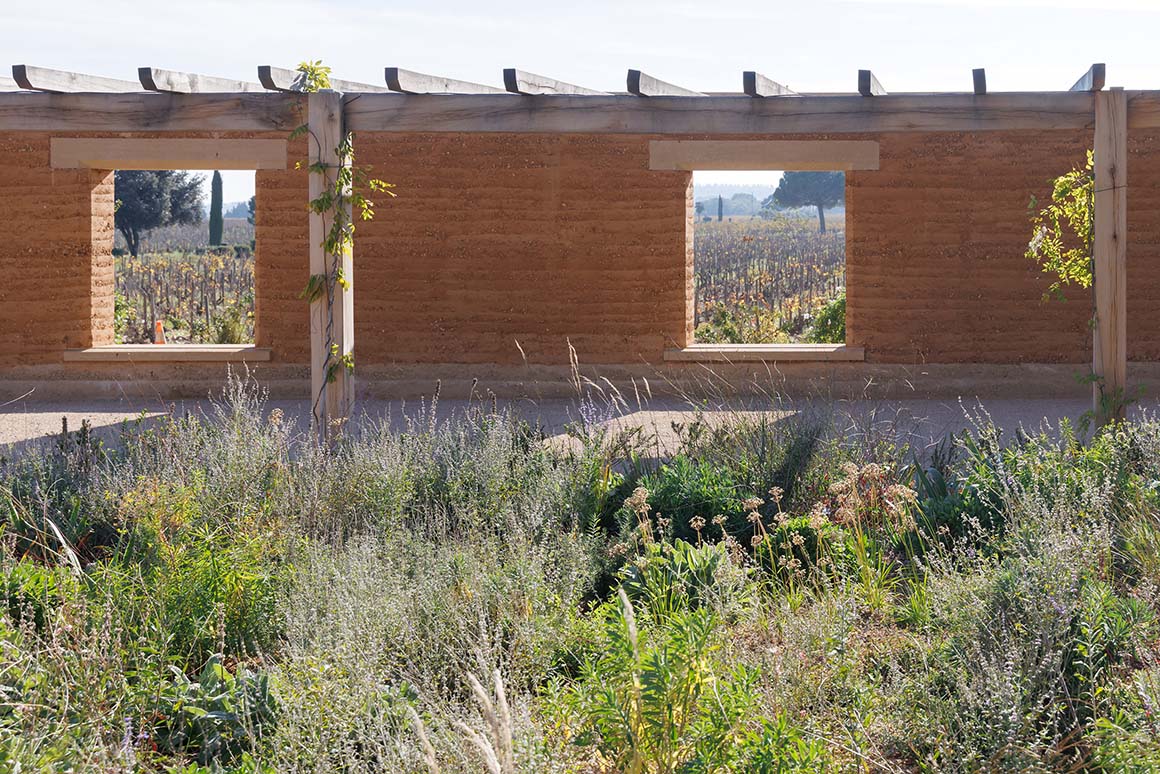
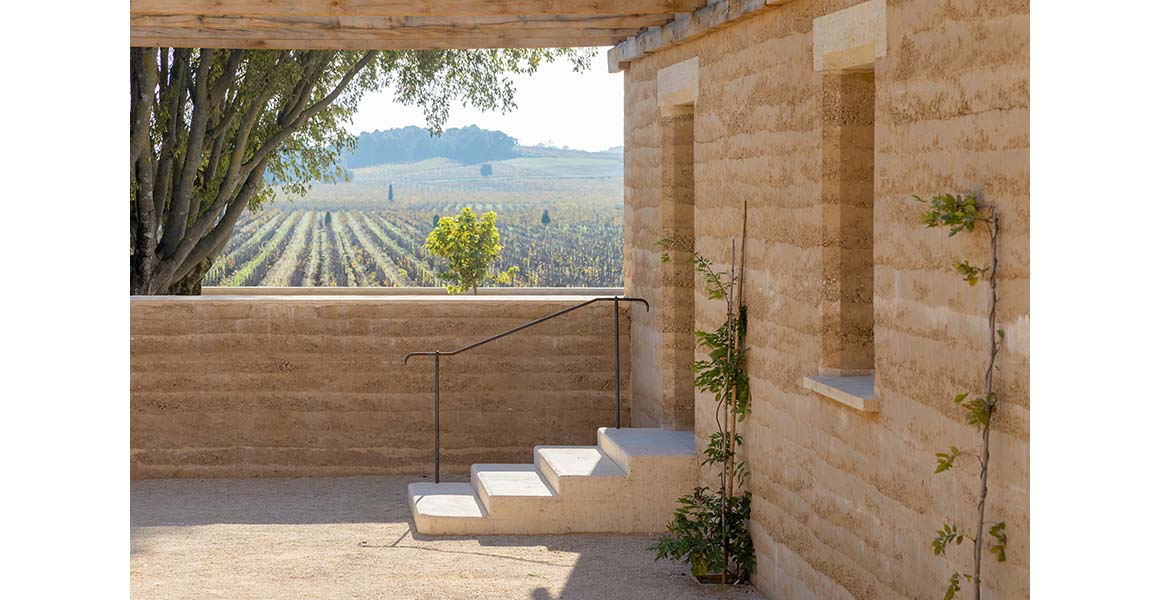
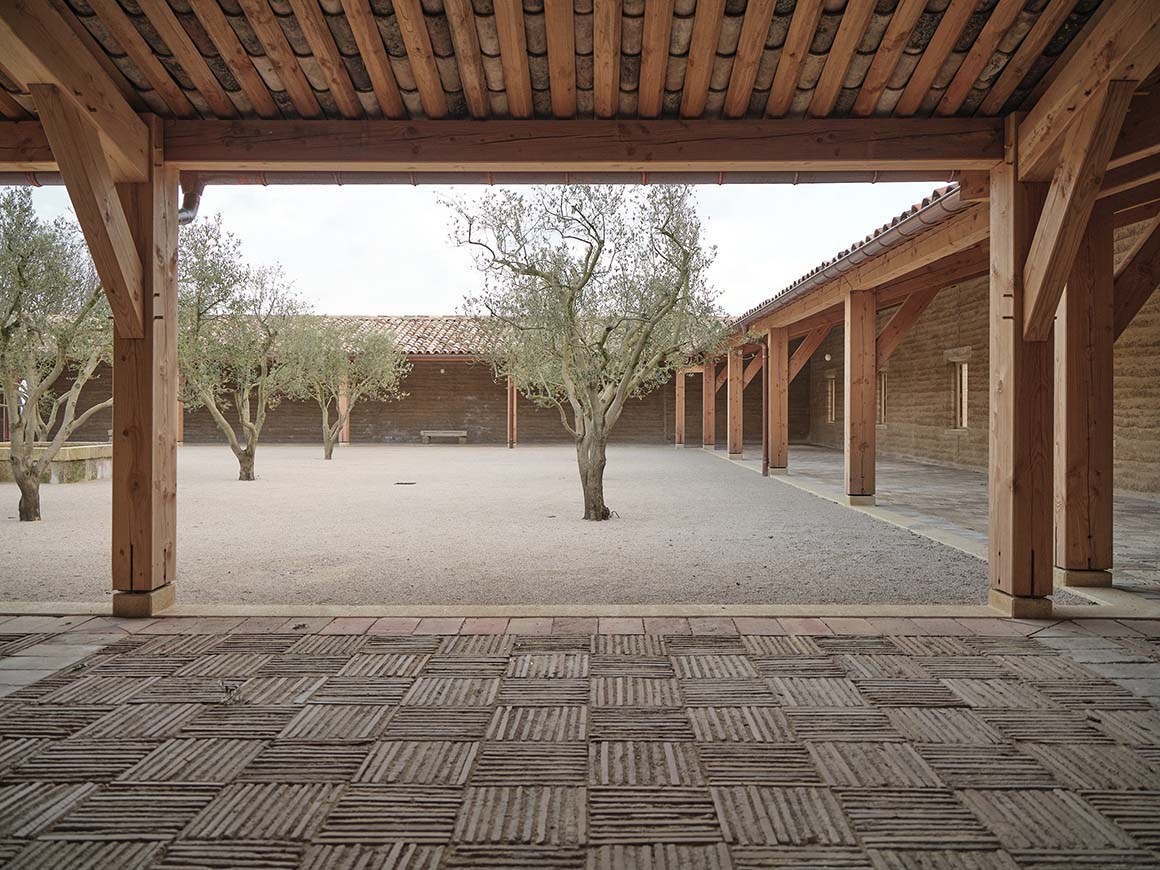
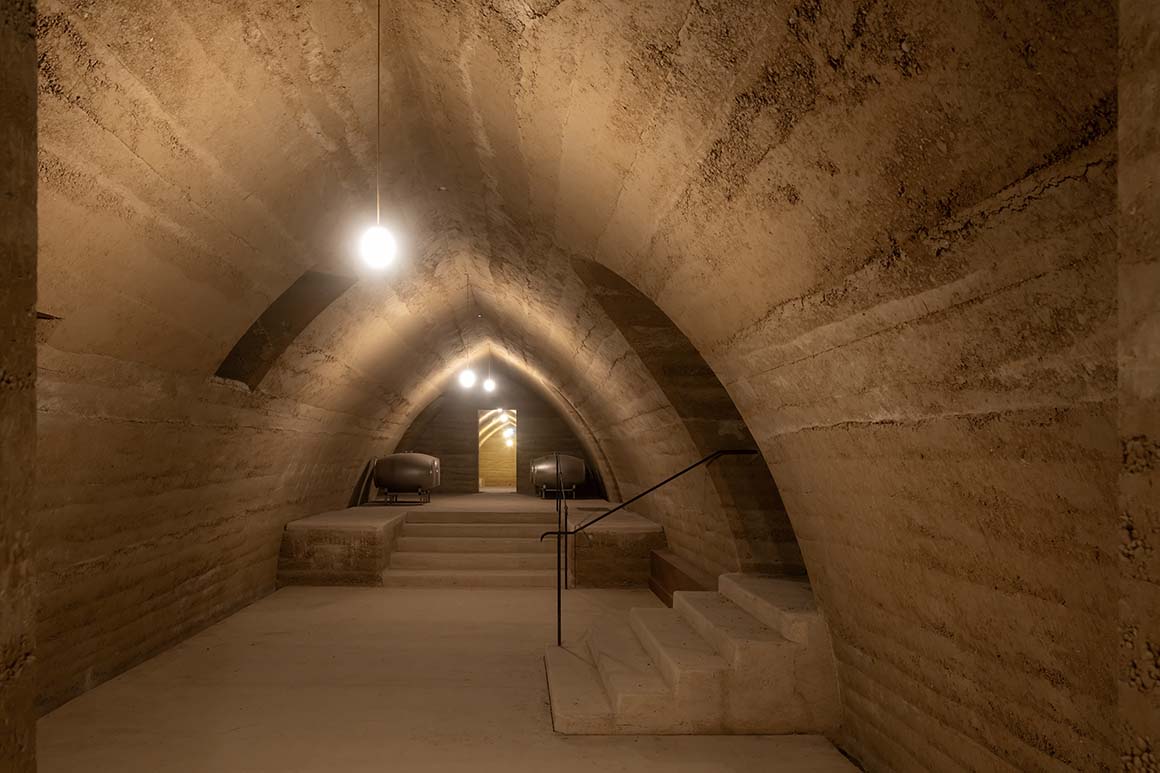
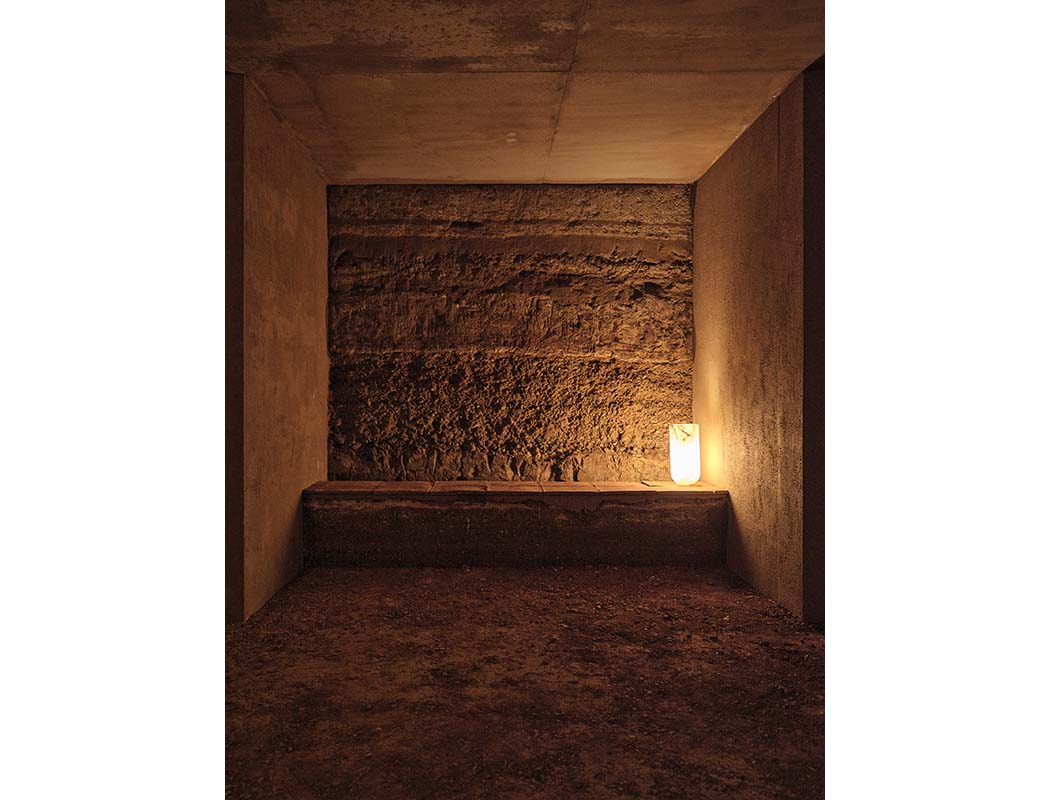
The design begins by deciphering the invisible narratives embedded within the ground. Rather than imposing a new form, the architecture becomes a means of bringing buried time and material back to the surface. Walls constructed from earth and gravel harvested directly from the site carry the accumulated memory of the land. As these elements take shape, the building remains low, whispering into the vast vineyard landscape and seemingly erasing its own presence. Architecture here moves beyond serving as a functional vessel, becoming an organic entity that embraces the energy of the earth.
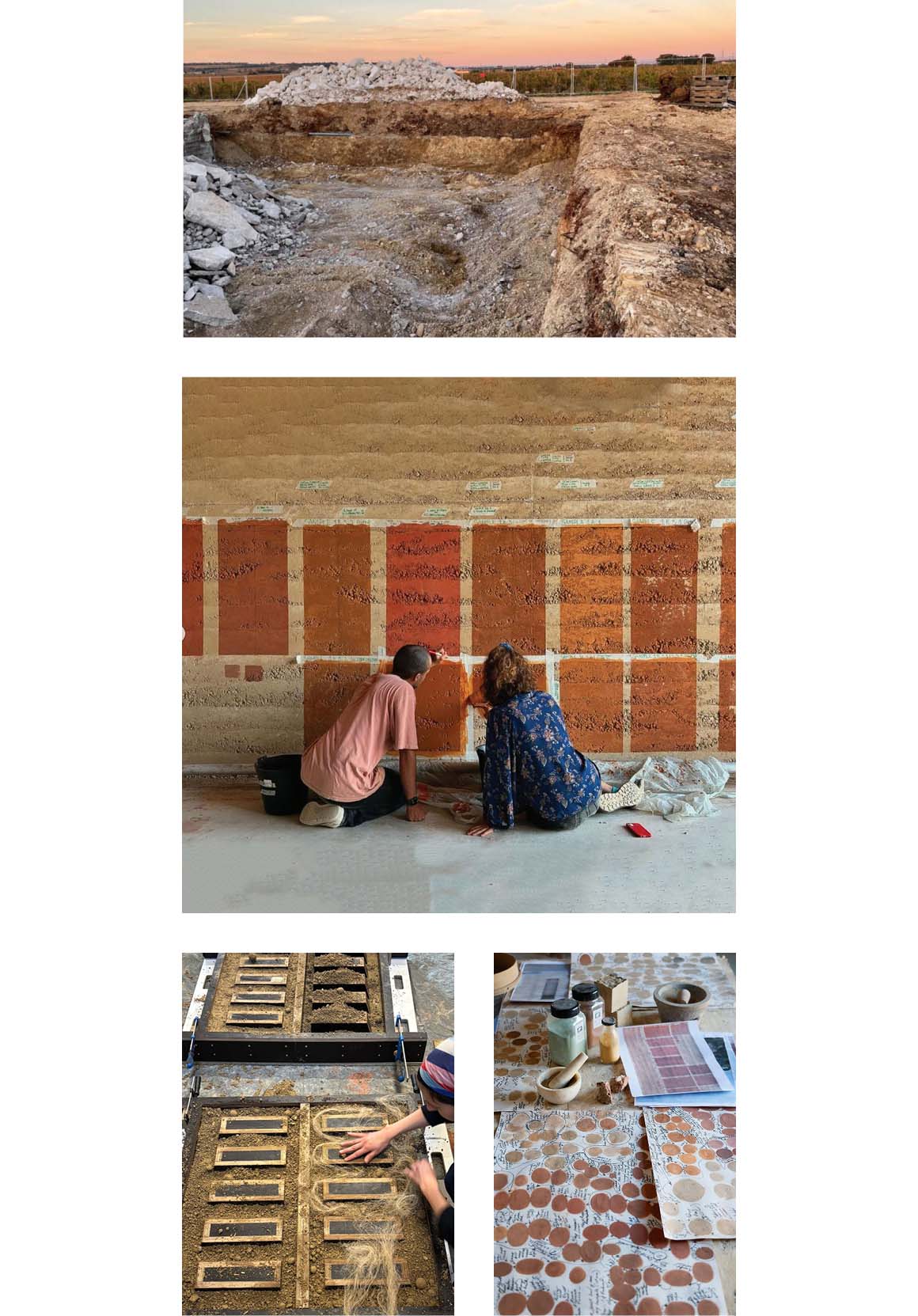
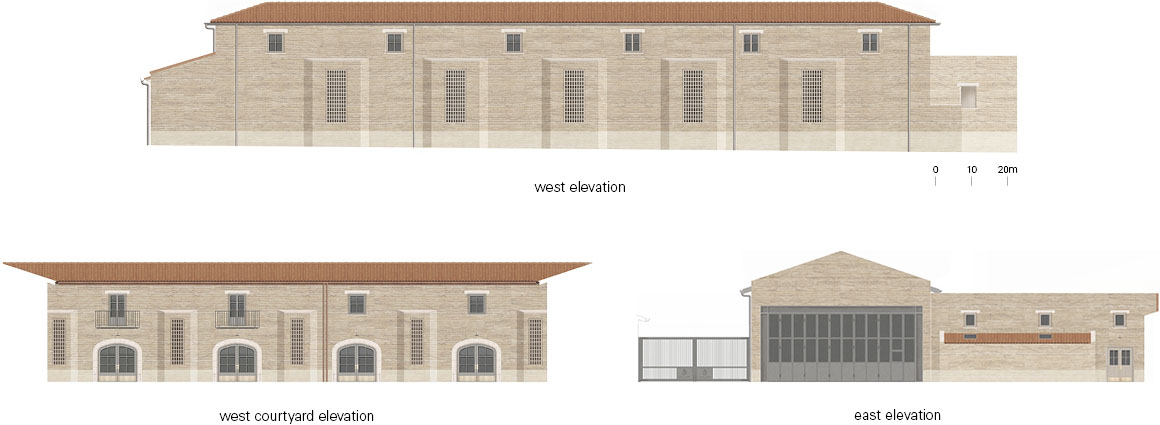
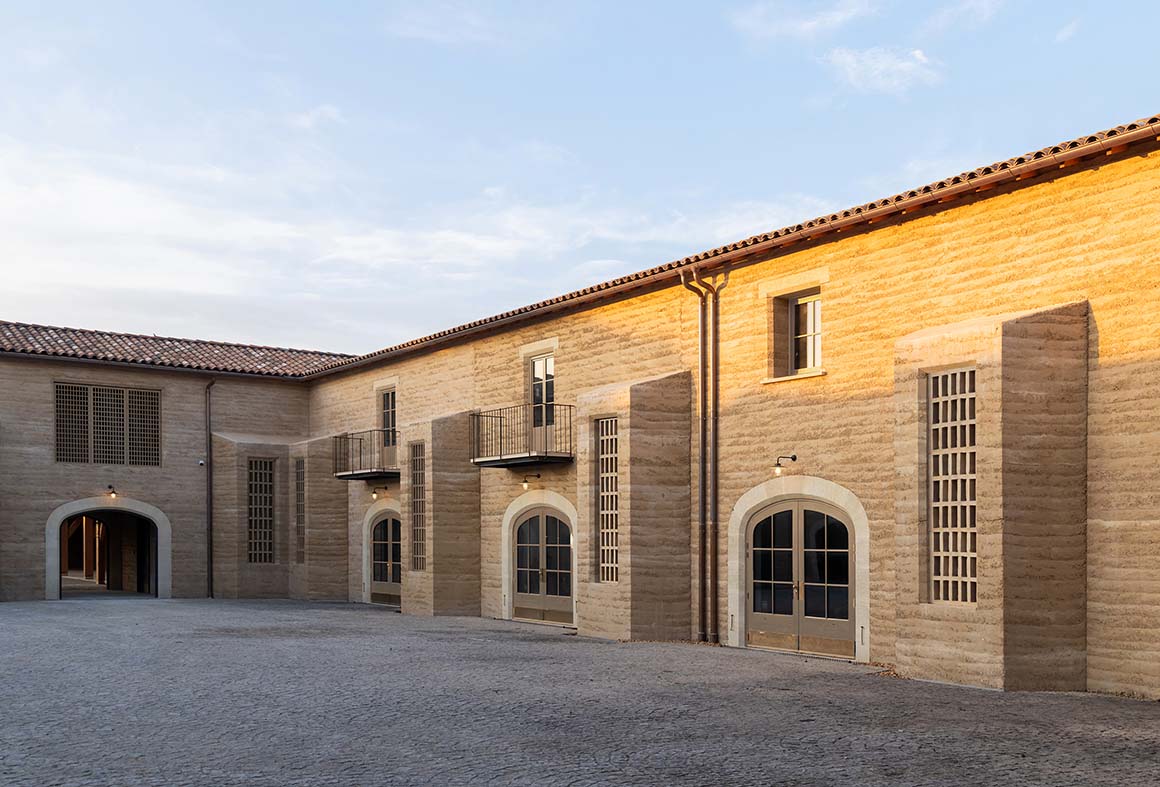
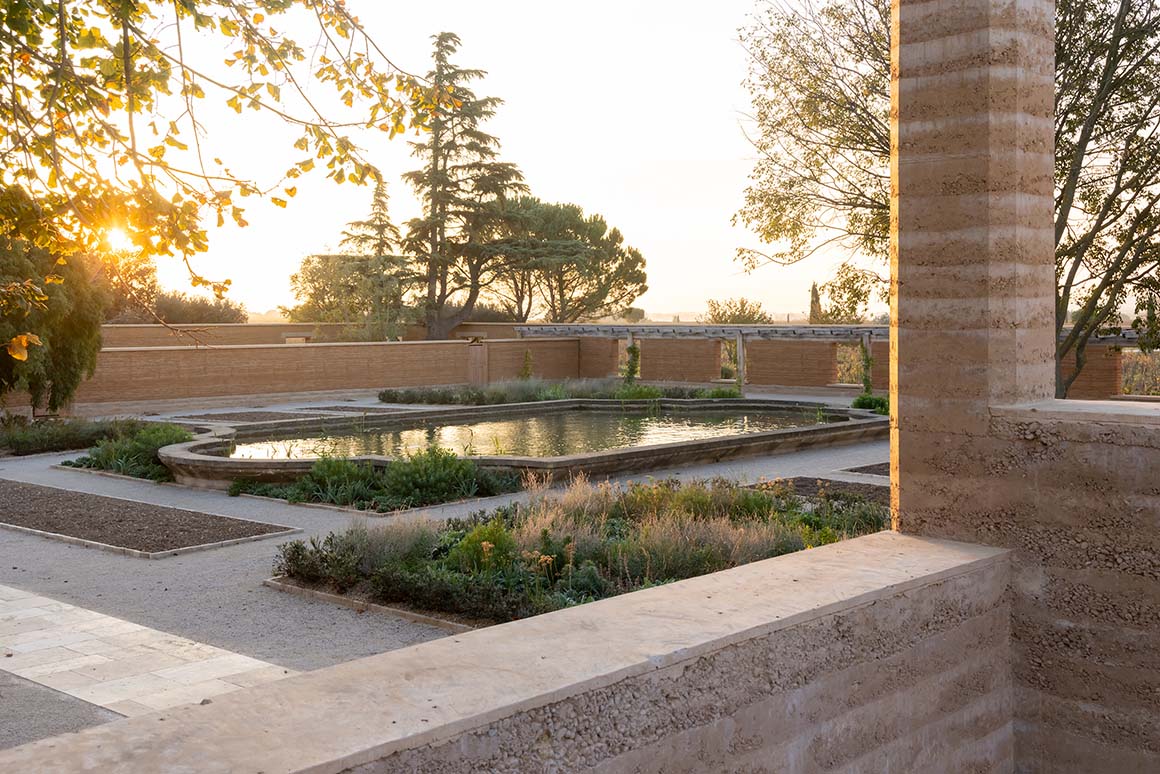
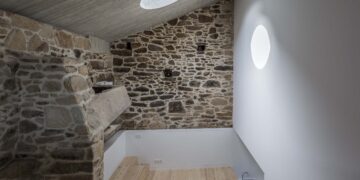
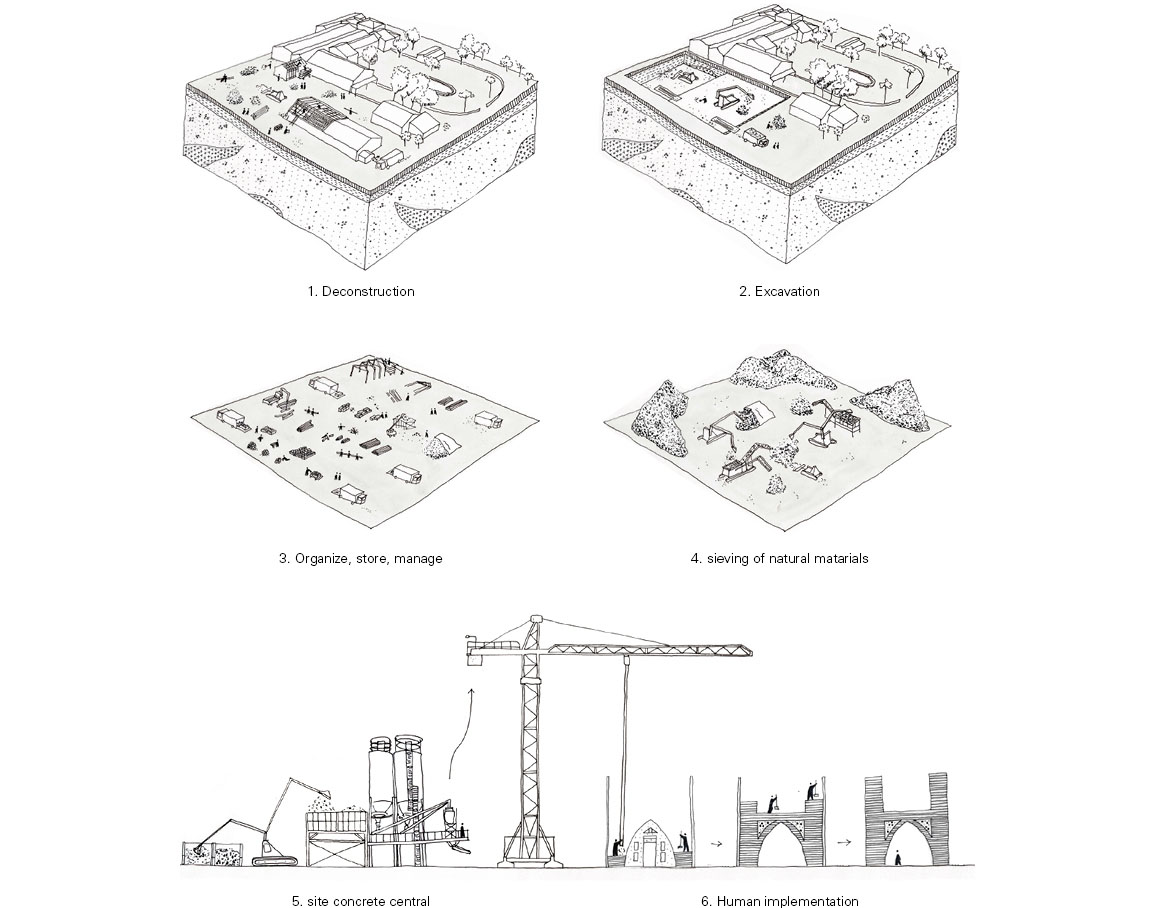
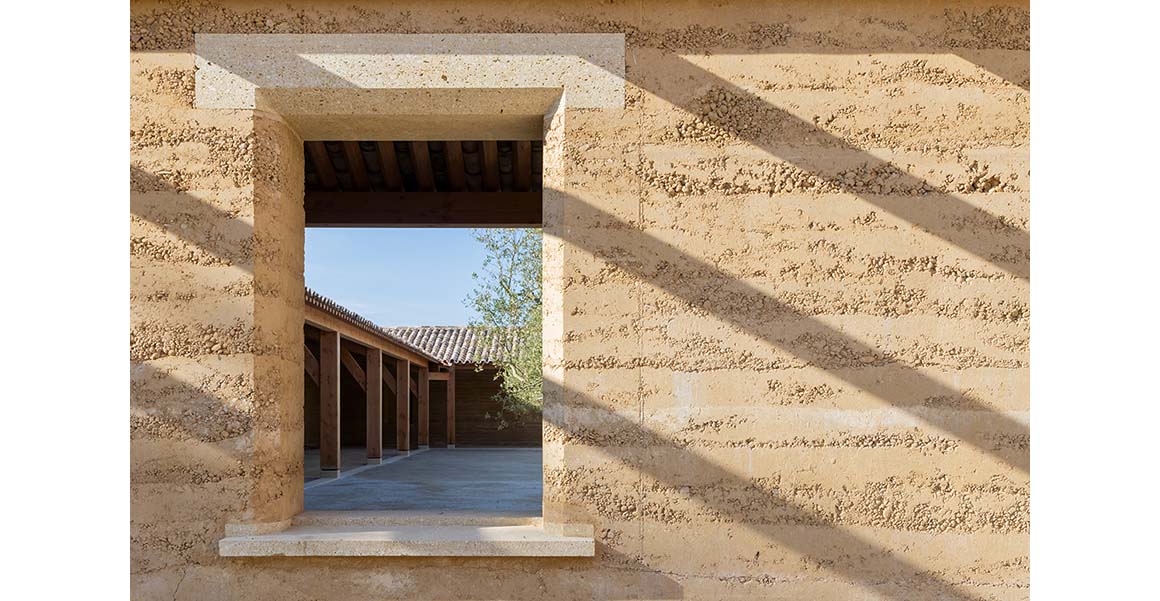
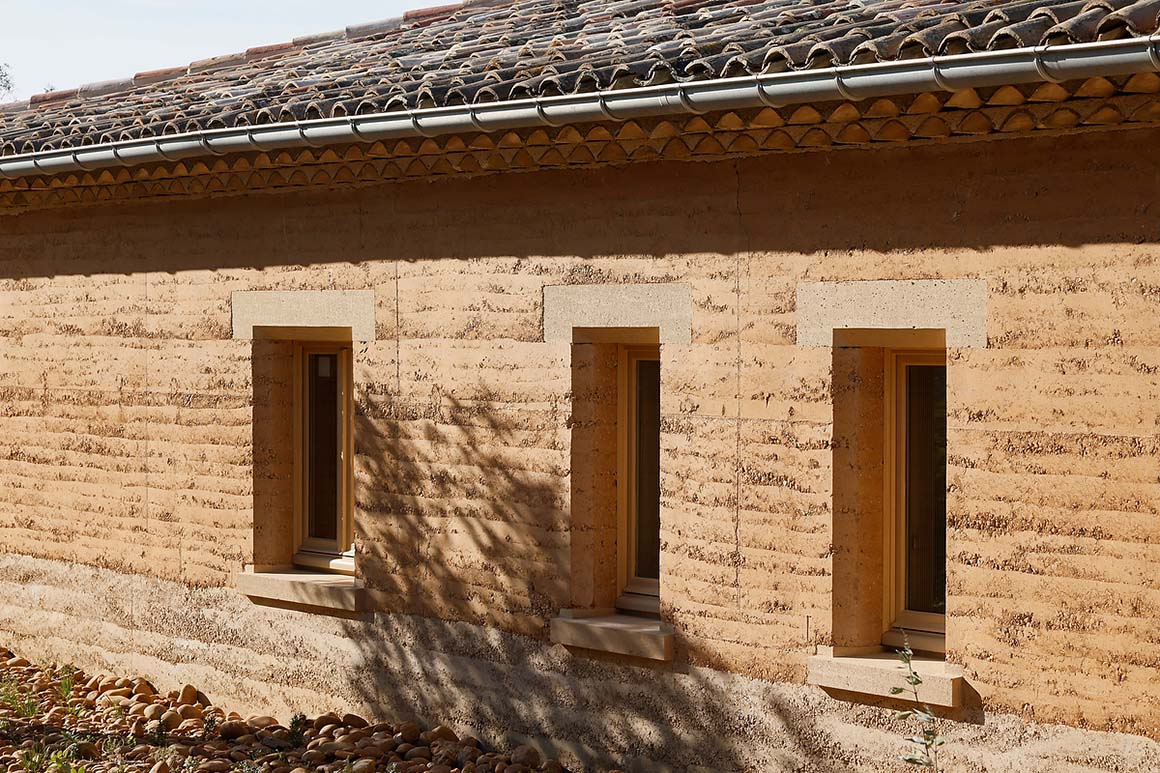
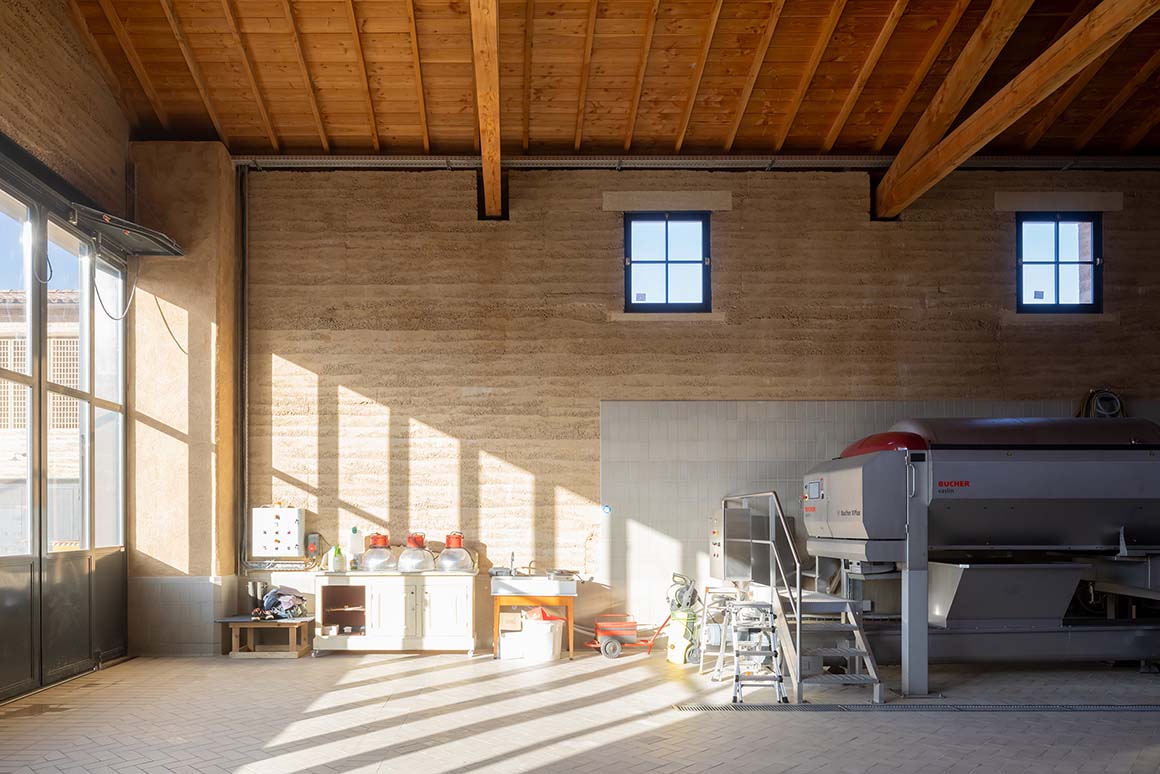
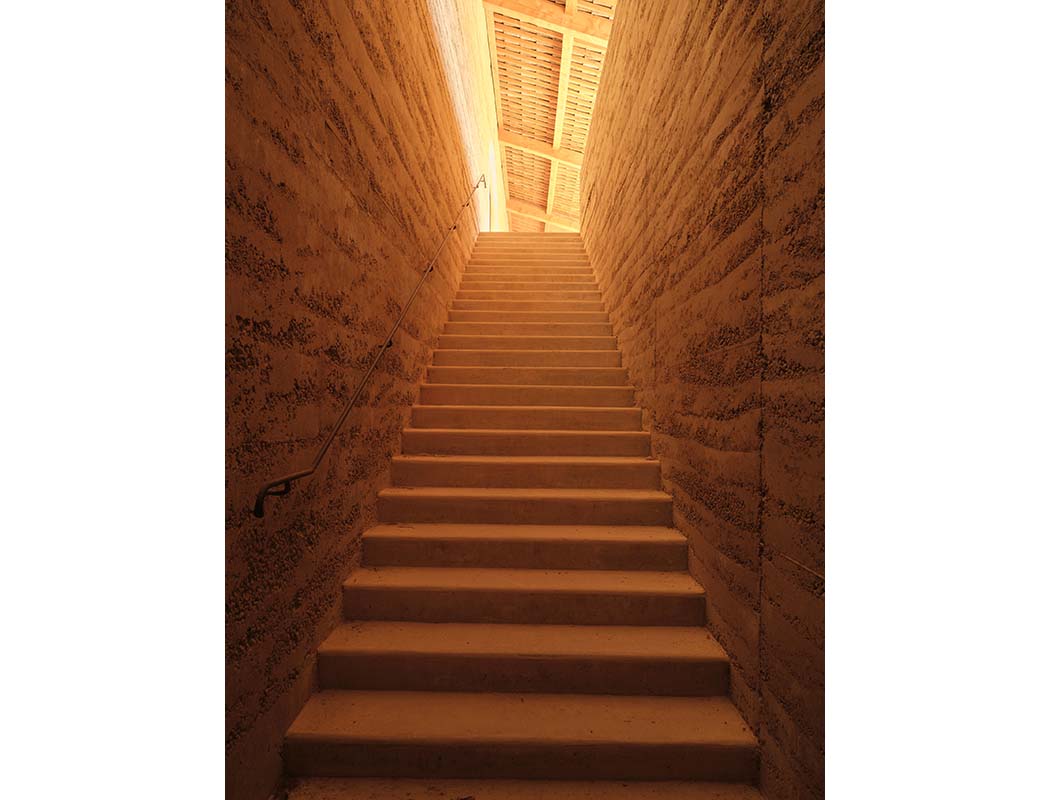
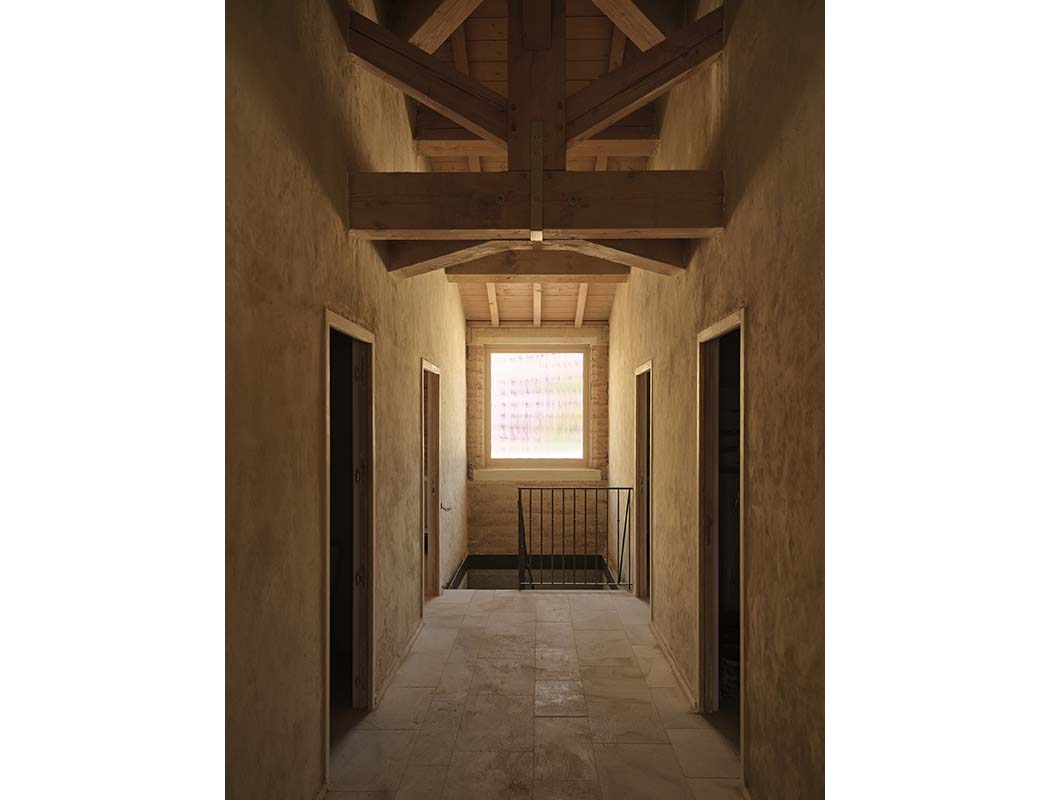
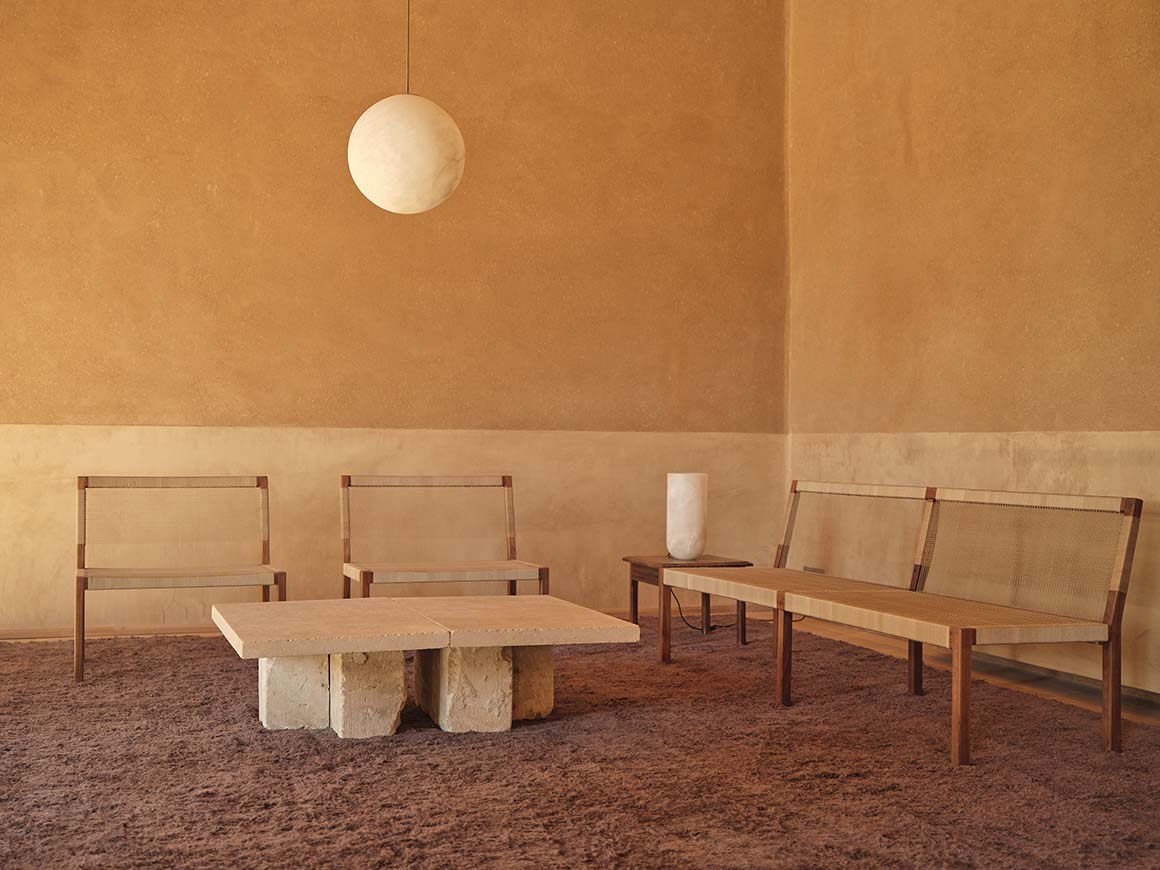
This respect for the land is embedded in the construction process itself, where excavated soil is transformed into the primary building material. Approximately 25,000m3 of clay and gravel, unearthed from a 60×40 meter site, were crushed and sorted to form the building’s structural backbone. The clay was used to create rammed earth walls for the main structures and enclosures, while sand and gravel were combined with recycled concrete debris from demolished buildings to produce a site-specific concrete unique to Beaucastel. Even the remaining soil was repurposed—mixed with lime and hemp to create finishing mortars and paints—echoing vernacular techniques long employed by local farmers.
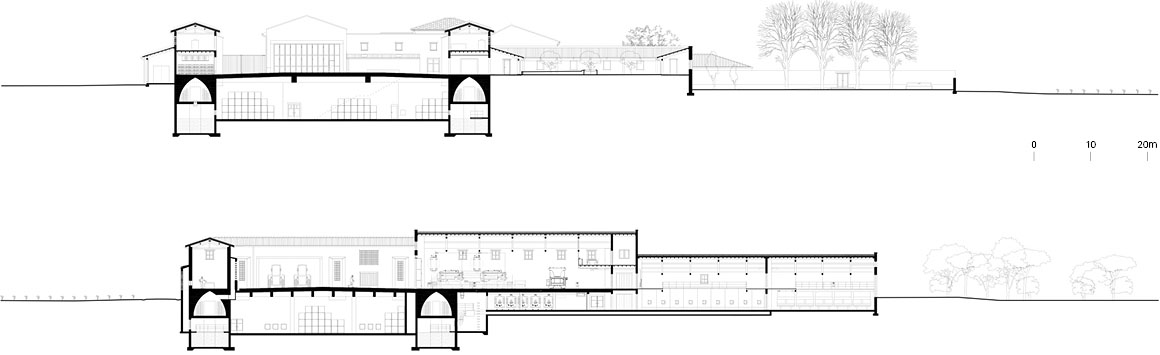
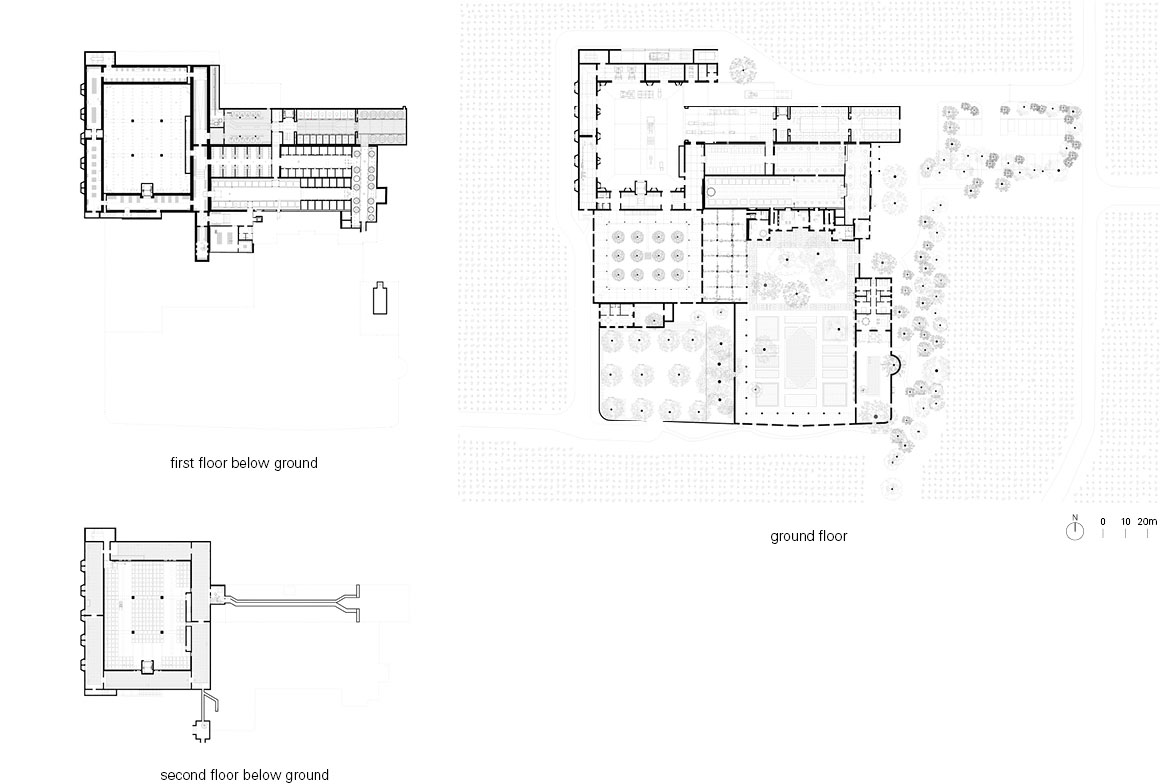
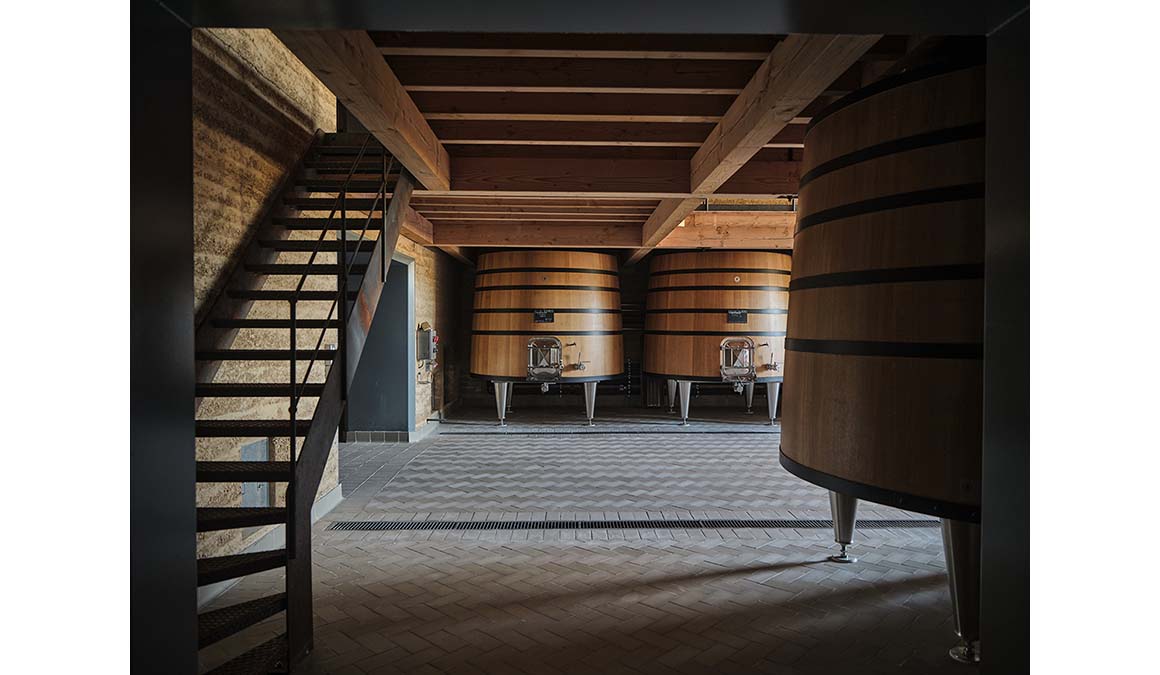
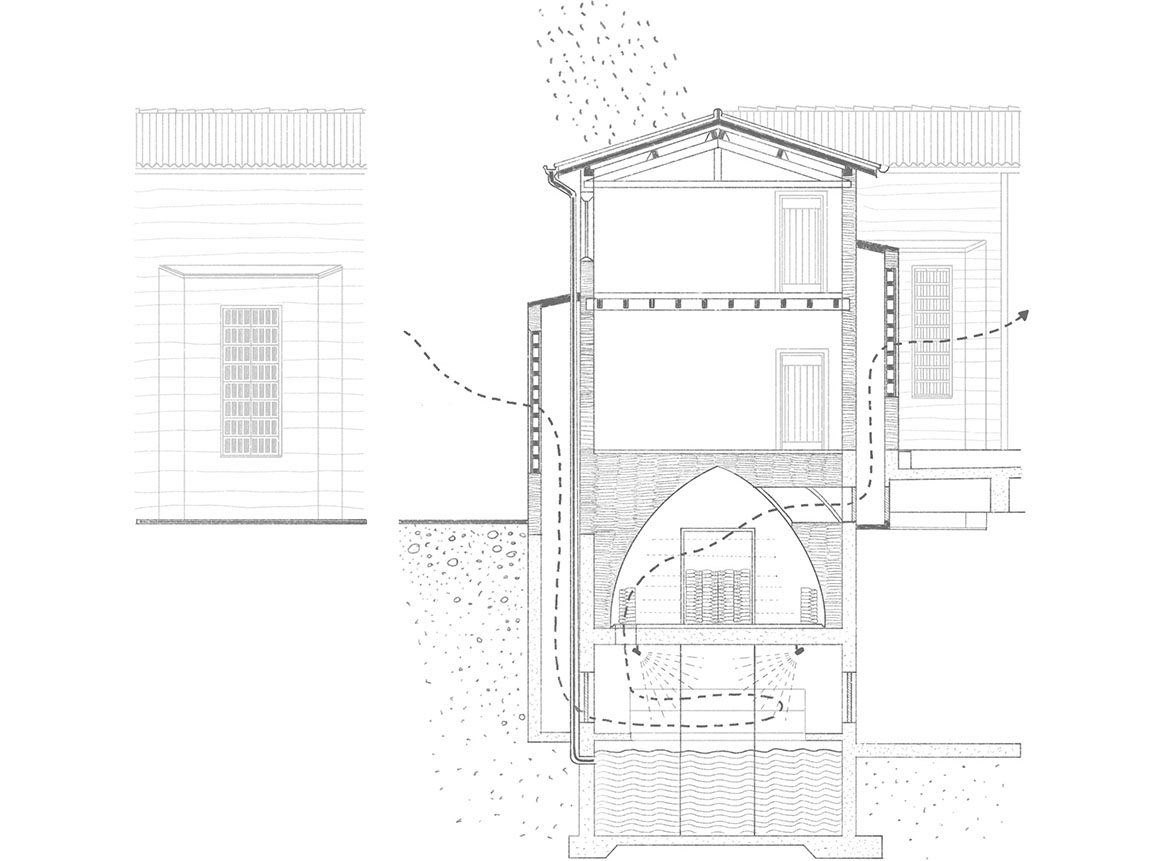
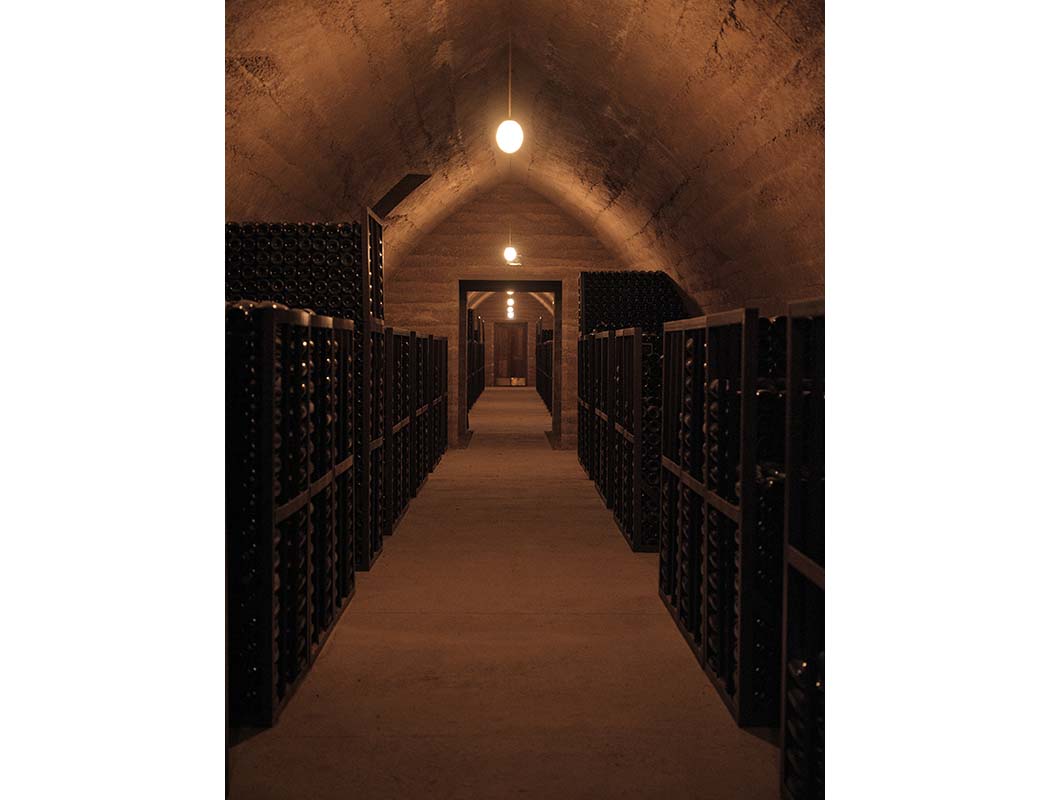
The subterranean spaces carved out during excavation form the heart of the winery’s terroir. Wine cellars and a vast rainwater reservoir are organically integrated beneath the surface. The reservoir not only supplies water for the winemaking process but also serves as a critical thermal regulator. As the Mistral—the fierce northwesterly wind characteristic of southern France—is drawn into the building through discrete air intakes, it cools as it passes through underground passages. The air then flows over the 14°C water reservoir and through a misting system, reducing its temperature by a further 5°C. Even at the height of summer, air cooled to approximately 15°C is delivered indoors. This passive system orchestrates wind, water, and temperature to maintain optimal conditions for wine maturation without reliance on external energy.
Built from the very ground on which it stands, Château de Beaucastel breathes in rhythm with its surroundings, extending the temporal depth of the land itself. Rather than depending on complex mechanical systems, it offers an honest testament to how architecture—through structure and material alone—can once again become part of the earth.
Project: Château de Beaucastel Winery / Location: Courthézon, Vaucluse, France / Architects: Studio Mumbai (Bijoy Jain) + Studio Méditerranée (Louis-Antoine Grégo) / Project team: Studio Mumbai_Giacomo Monari; Studio Méditerranée_Simone Picano, Lucas Stein / Building consultant: Batiserf_Philippe Clément, Frédéric Blanc, Sylvain Logeay / Structural engineer: Jean Claude Morel / Fluids engineer: Dr. Jochen Kähferhaus / Electrical engineer: Ingerop_Arnaud Prince / Process engineer: Ingerop_Stéphane Hamel / CVC consultant: Ingerop_Jean-Baptiste Flande / Technical controller: APAVE Sudeurope_Laurent Dandres, Yael Rivasi / Landscape architect: Tom Stuart Smith Ltd_Tom Stuart Smith, Nicolas Pusterla / Client: Perrin family / Use: winery, garden, housing / Type: renovation, extension & new construction / Gross floor area: 7,400m² / Extension: 4,500m² / Renovation: 2,900m² / Cost: 15,5M € / Design: 2017 / Construction: 2021.11-2025.5 / Completion: 2025 / Photograph: ©Iwan Baan (courtesy of the architect); ©Michael Falgren (courtesy of the architect)