


In Memory of Scattered Houses Across the Landscape
Lahdelma & Mahlamäki Architects
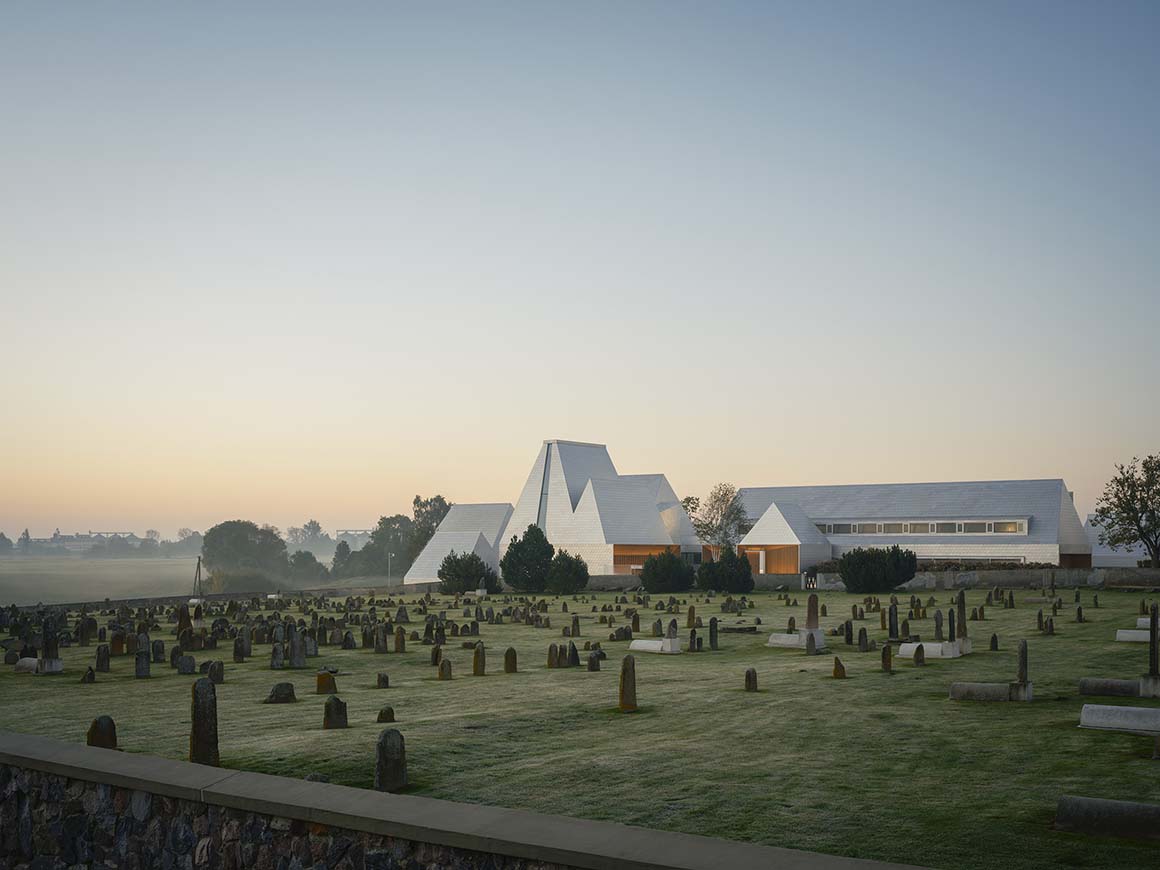
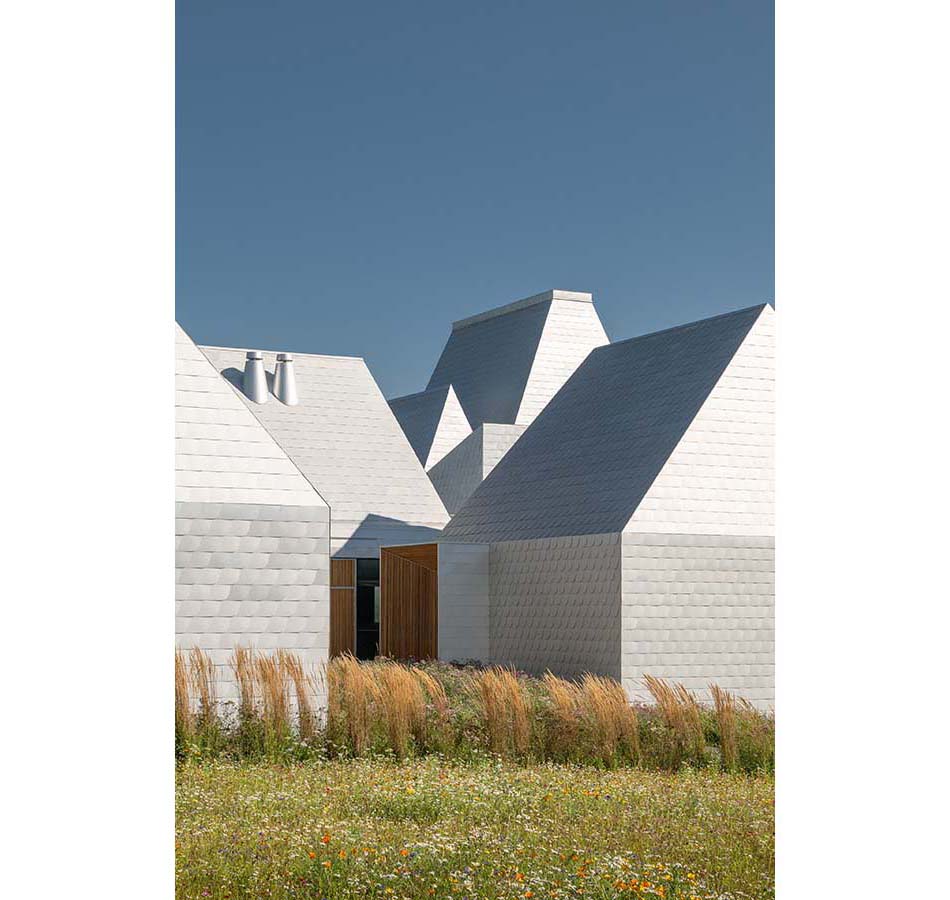
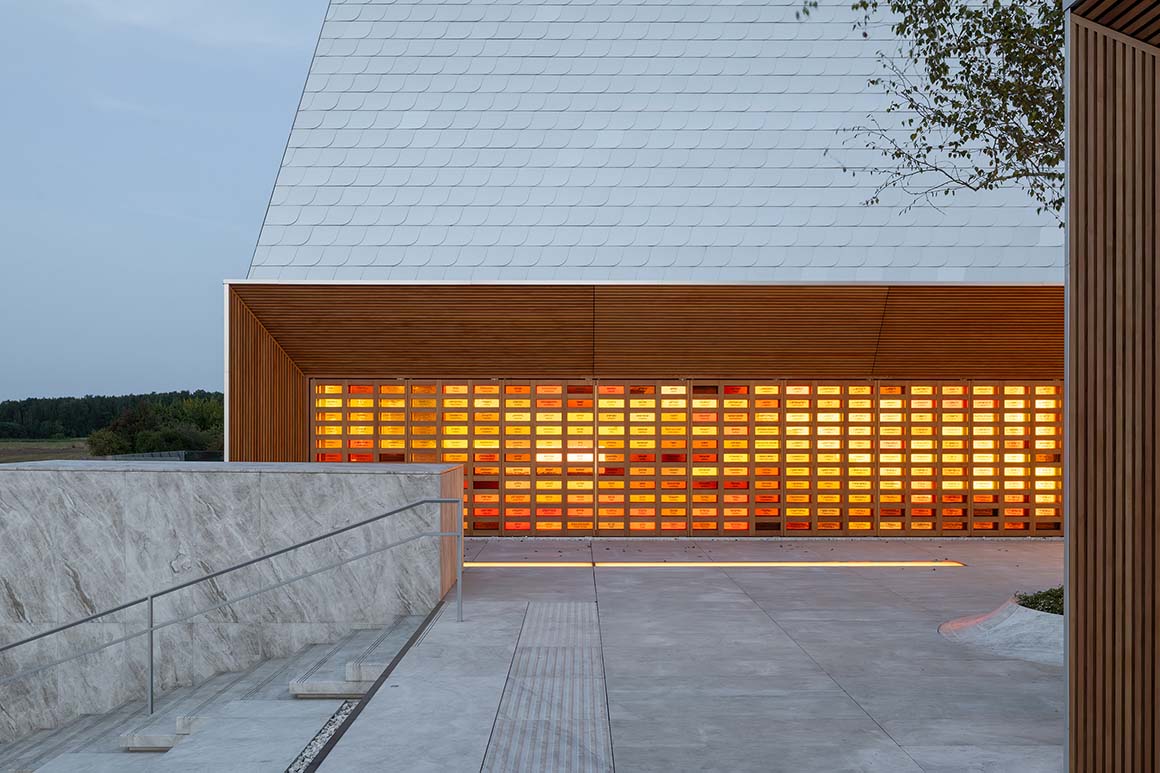
The architecture avoids monumentality. Instead of a singular building, the museum is composed of a cluster of small, house-like volumes with pitched roofs. Abstracted in form yet familiar in scale, these structures recall the image of a shtetl village without reproducing it literally. Scattered across the landscape, they settle quietly into the open terrain, defined less by hierarchy than by their relationships to one another.
The museum is embedded within a broader memorial park. Curving paths move through birch groves, meadows, wetlands, and orchards, making movement through the landscape an essential part of the visit. Nearby, the historic Jewish cemetery subtly anchors the site, orienting views and reinforcing the sense that the museum does not stand apart from its surroundings, but grows out of them.
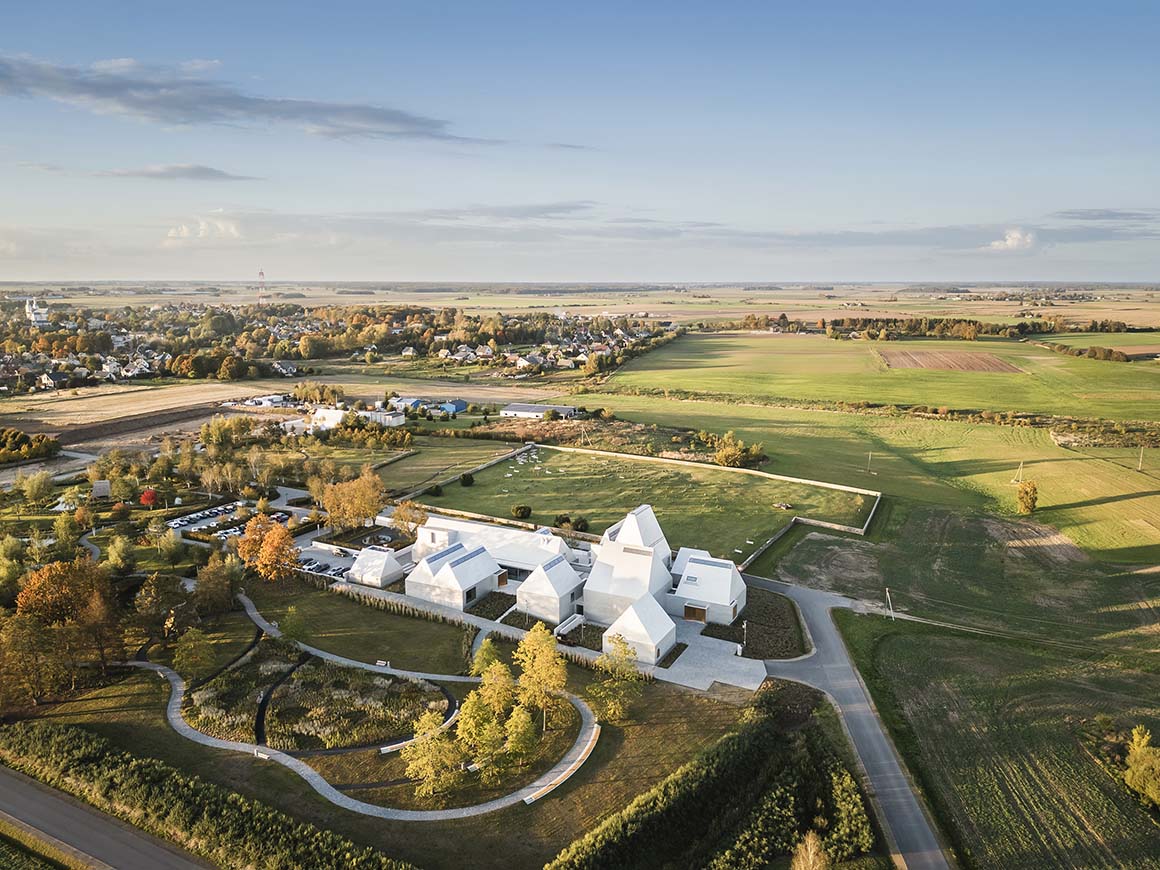
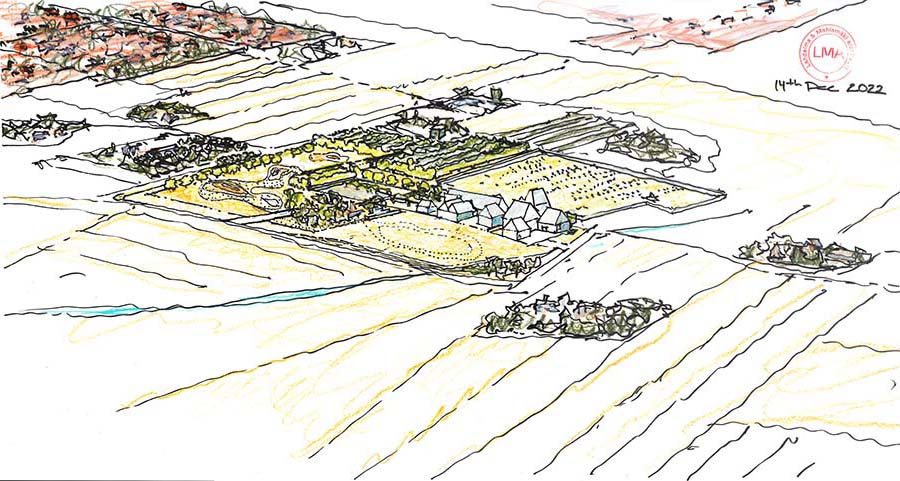
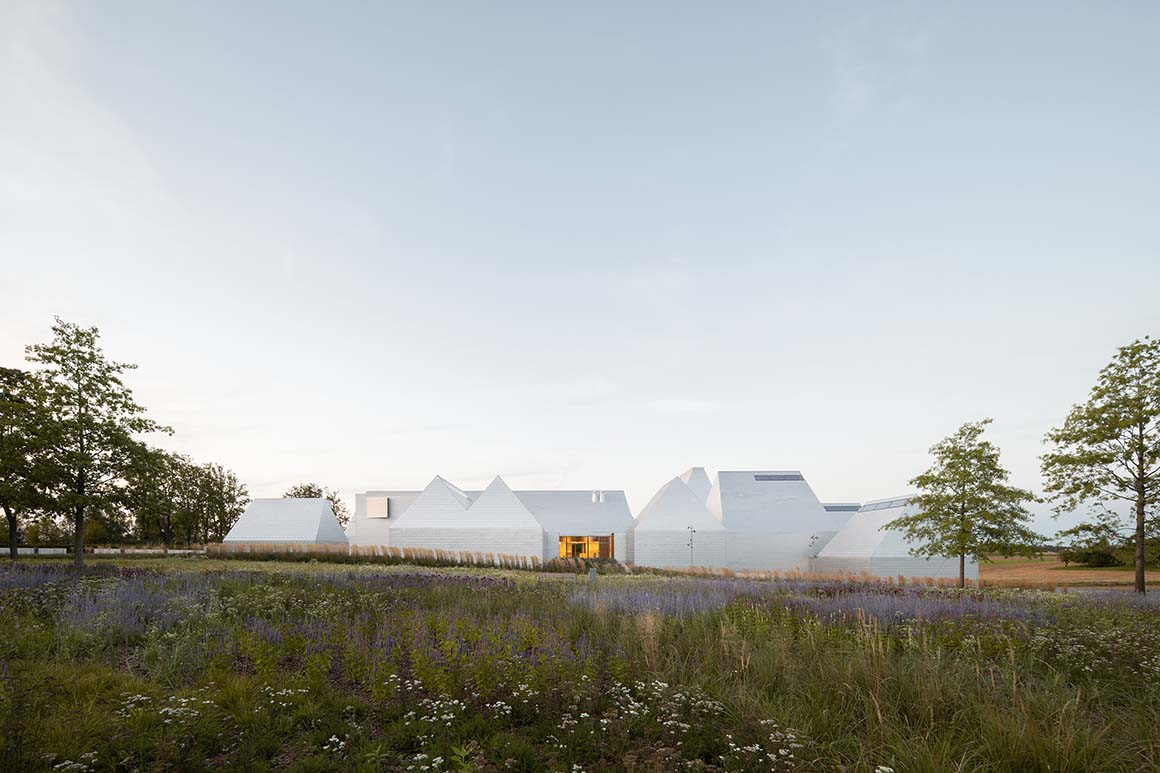
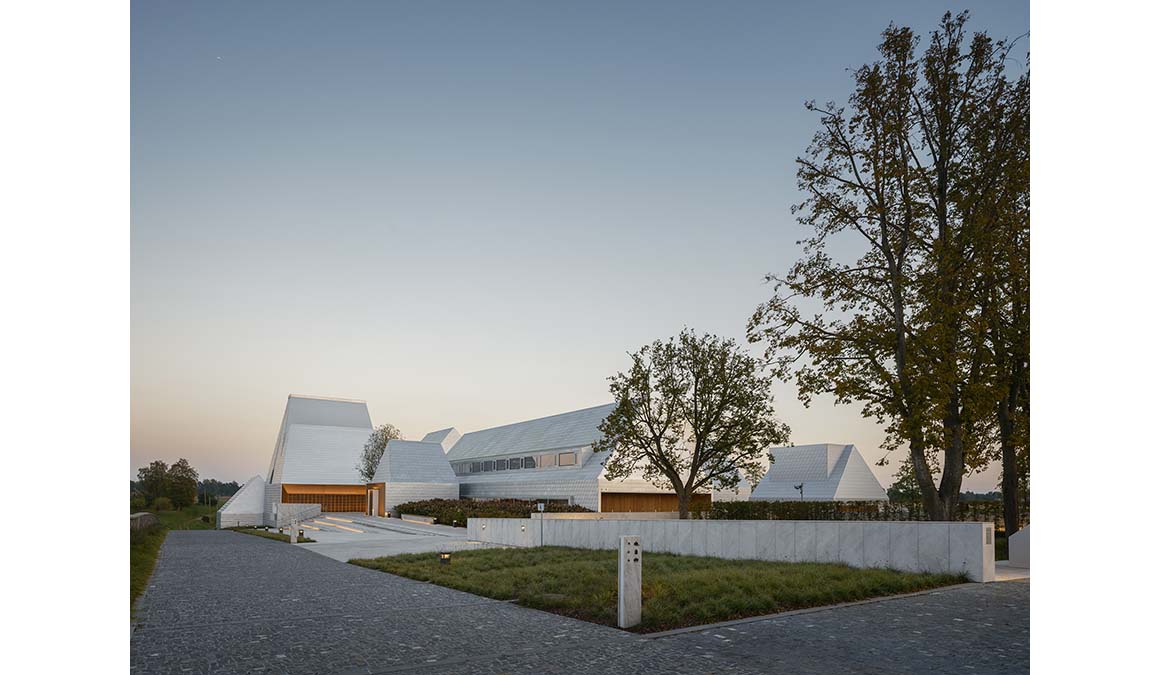
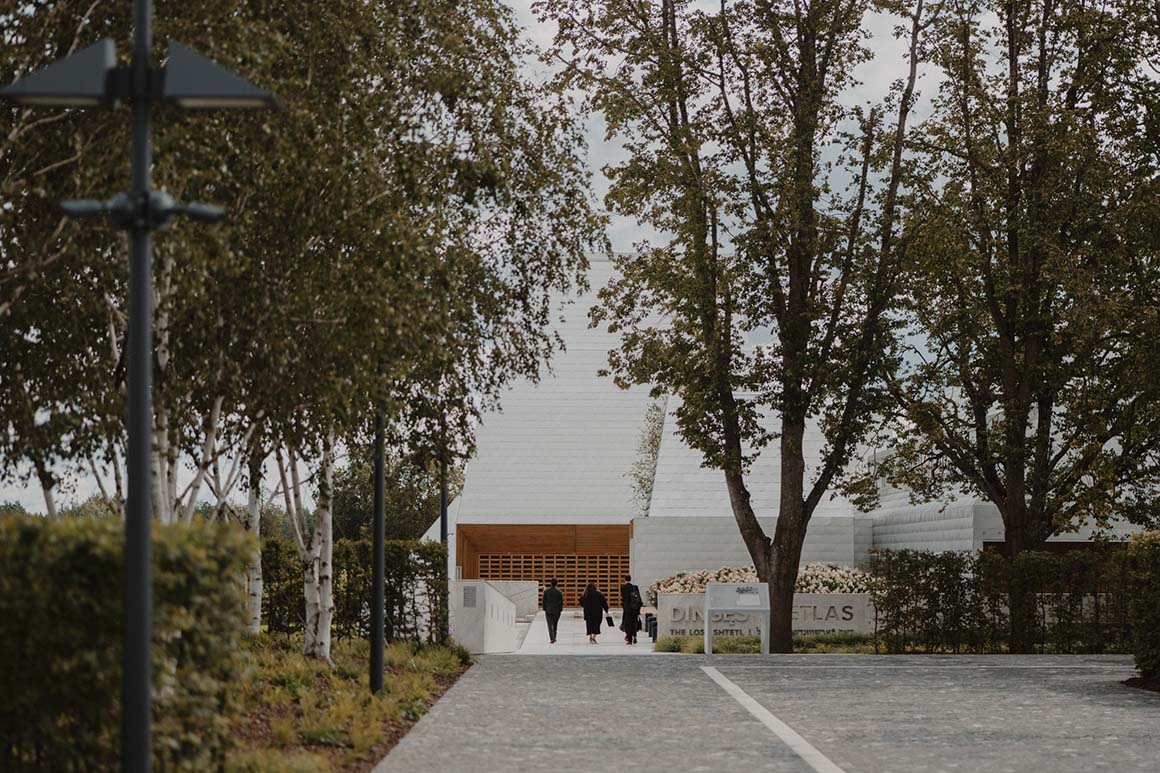
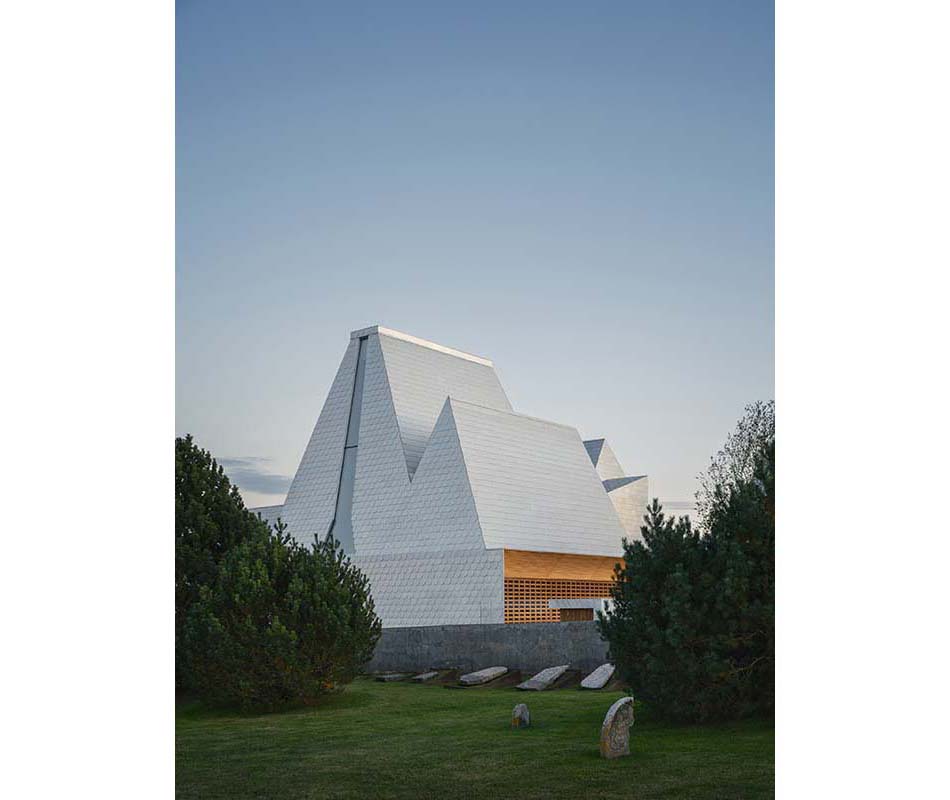
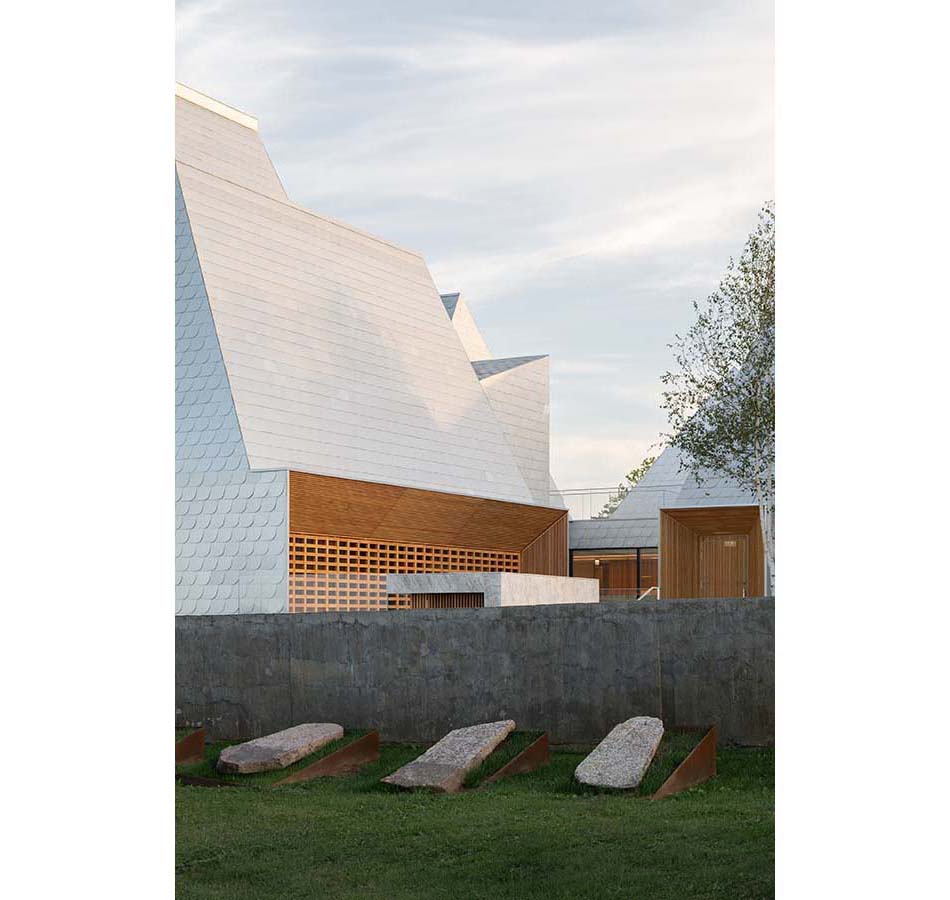
Set in the small town of Šeduva in northern Lithuania, The Lost Shtetl Jewish Museum takes its name from the term shtetl, which refers to the small Jewish towns that once shaped everyday life across Eastern Europe. The museum begins from the traces of communities that have disappeared, reflecting on their cultural presence rather than a single historical event. Through architecture and landscape, it considers how memory, absence, and daily life continue to resonate in place.
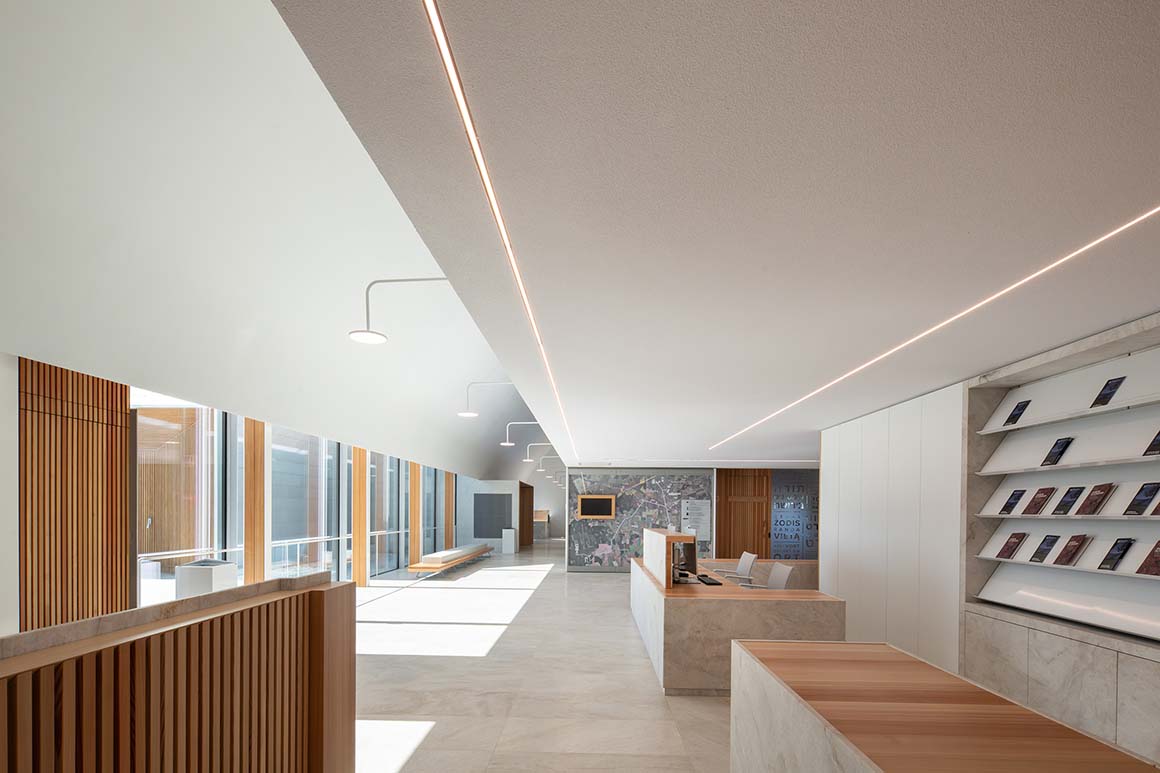
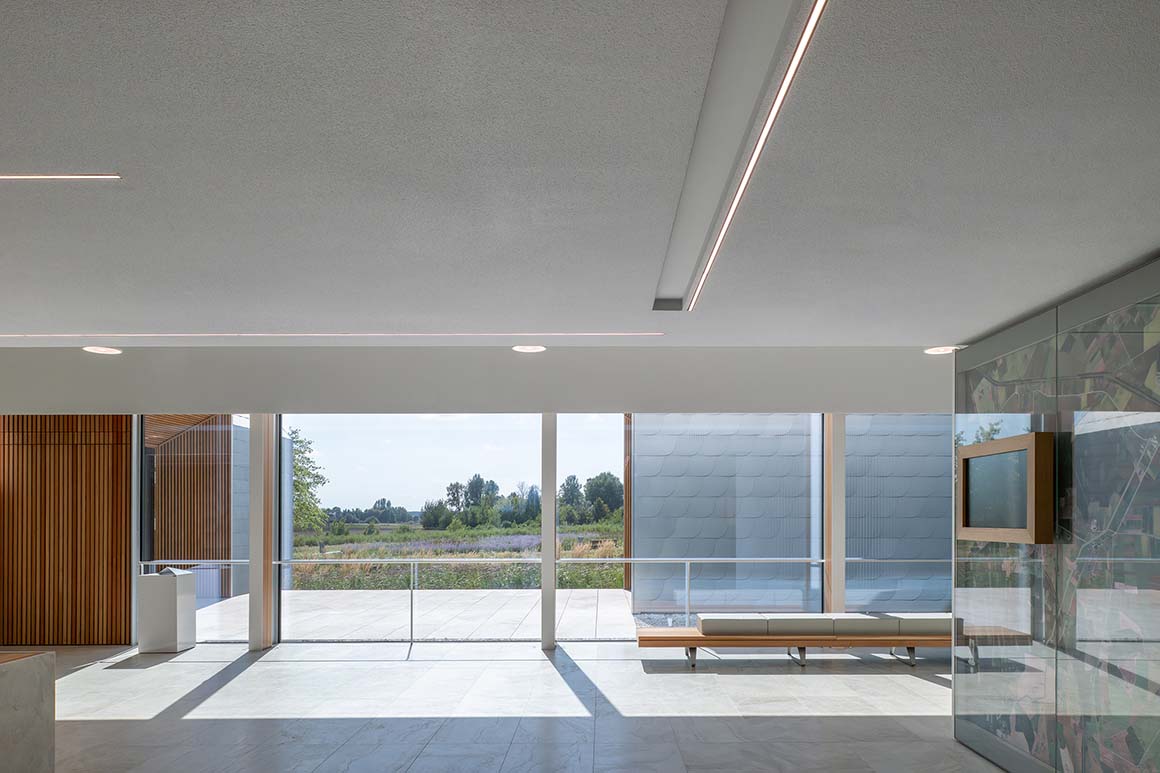
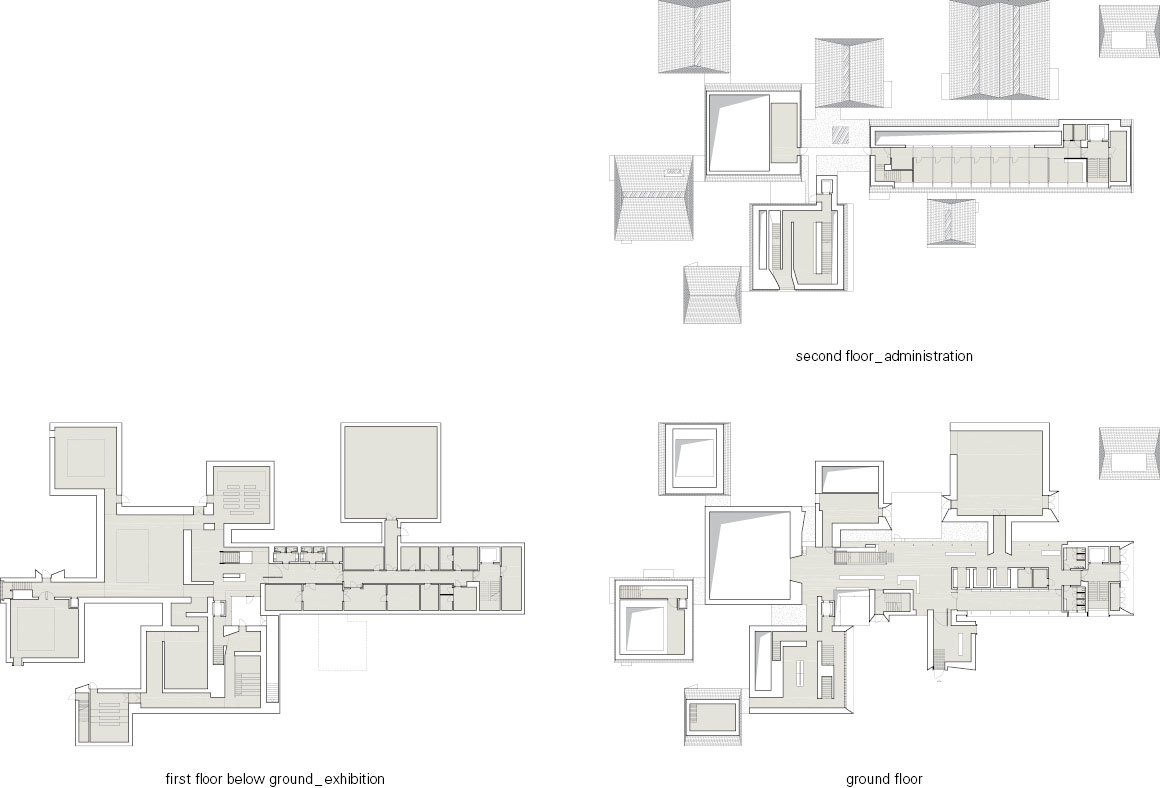
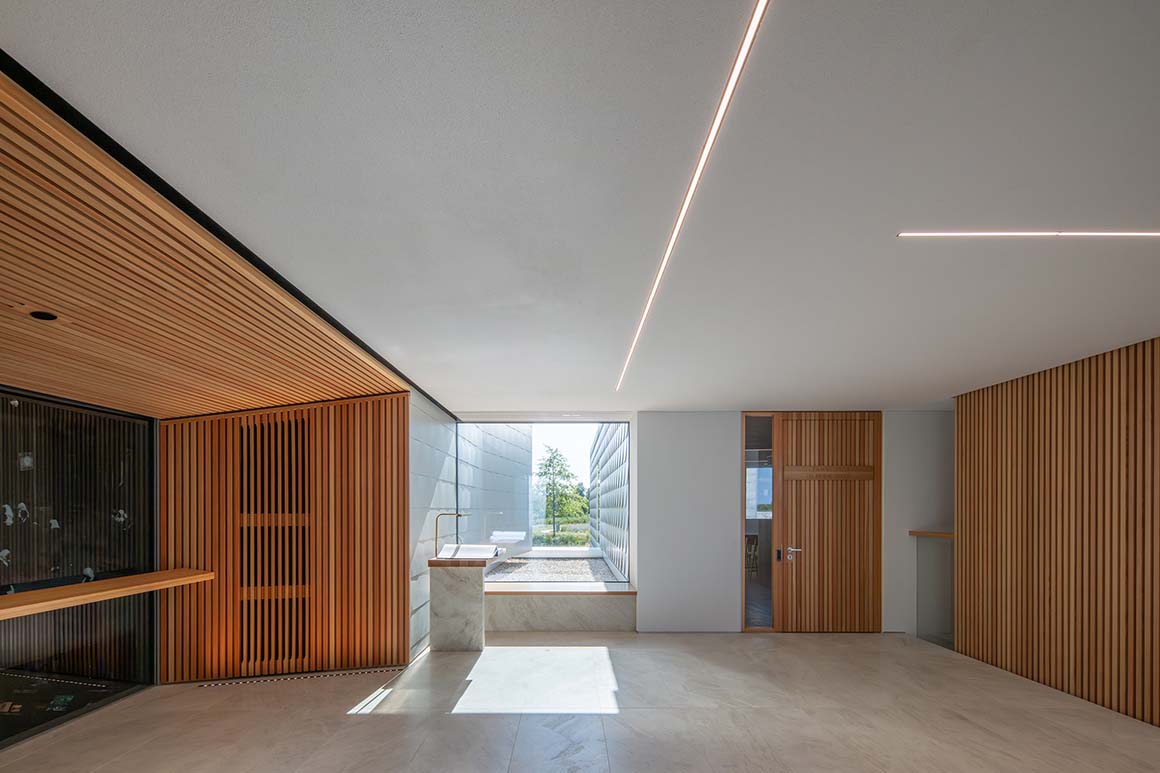
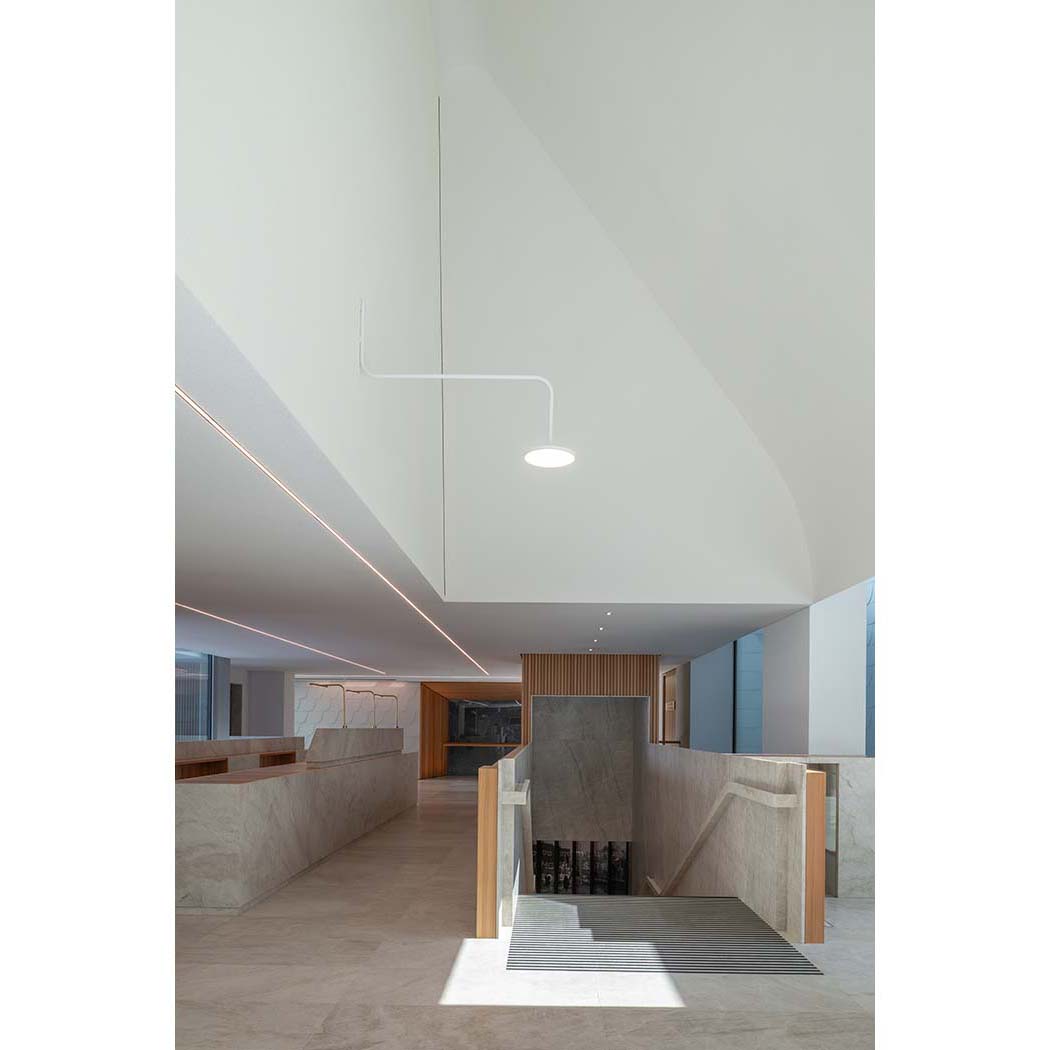
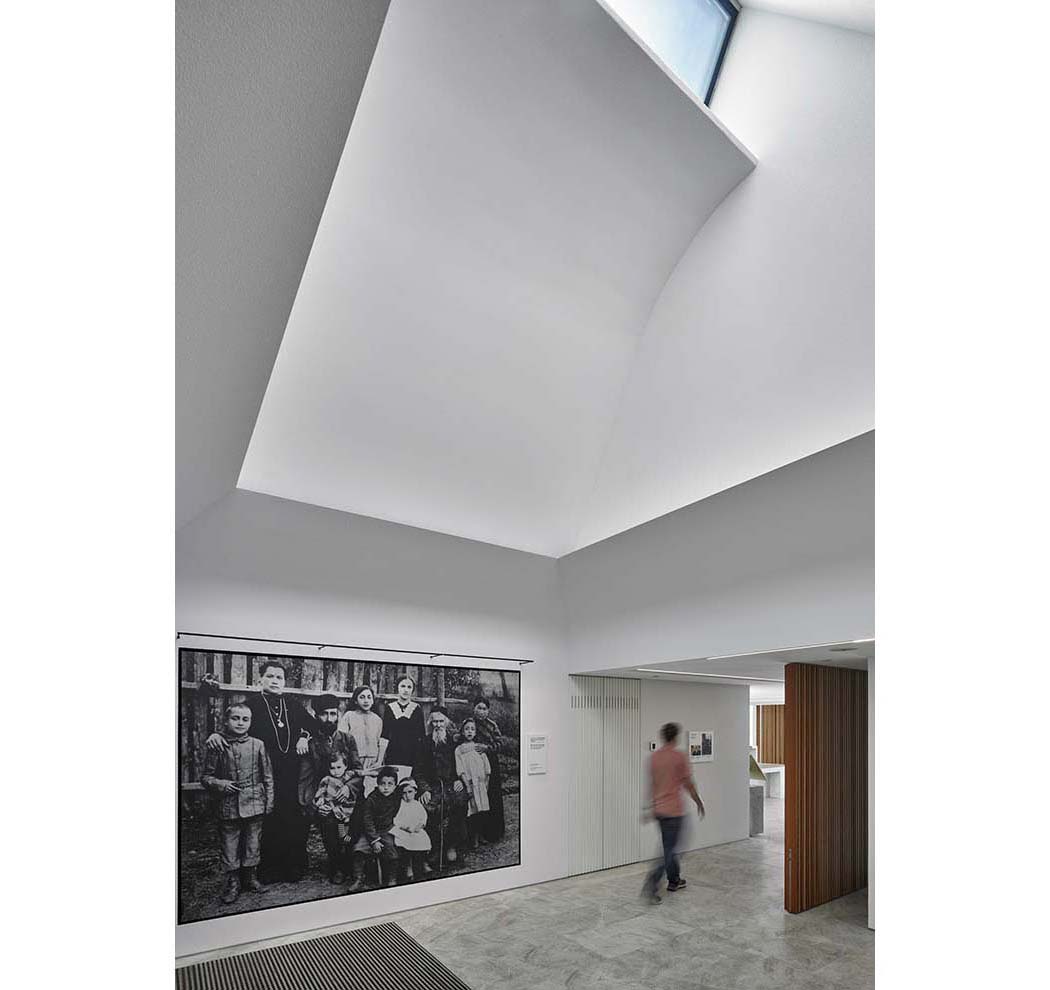
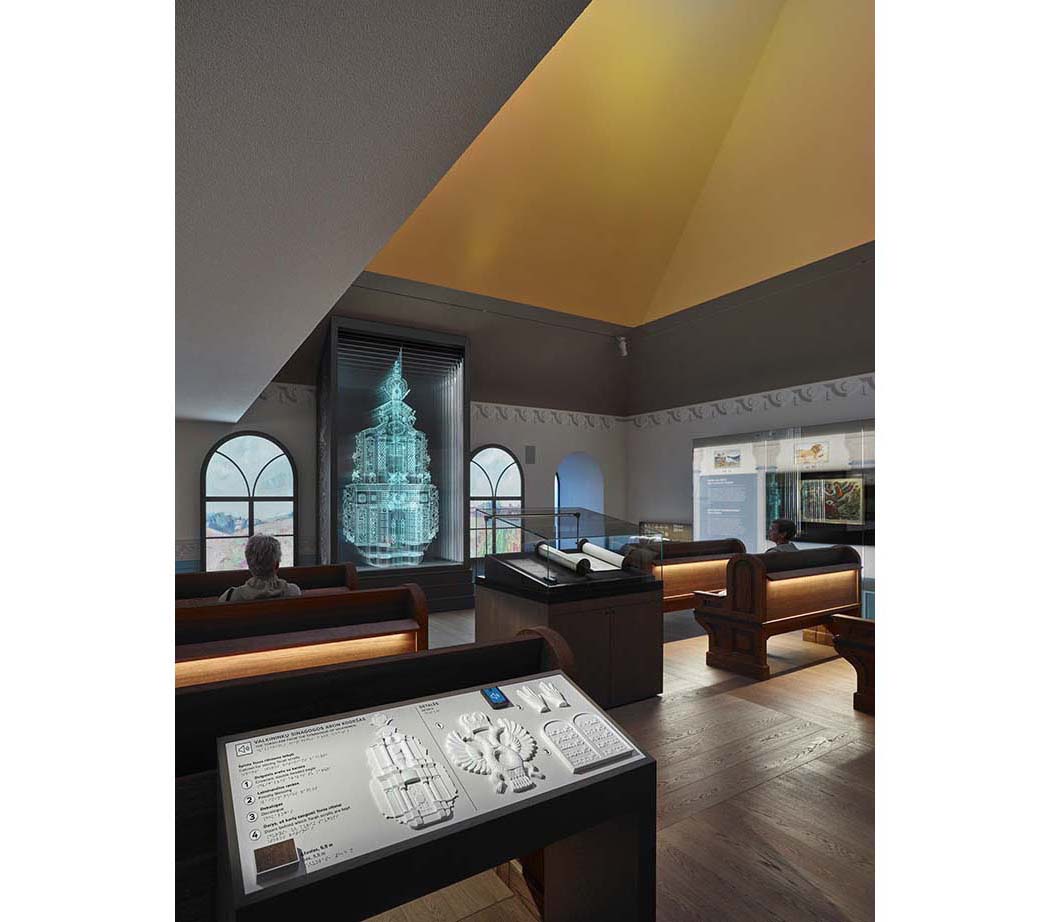
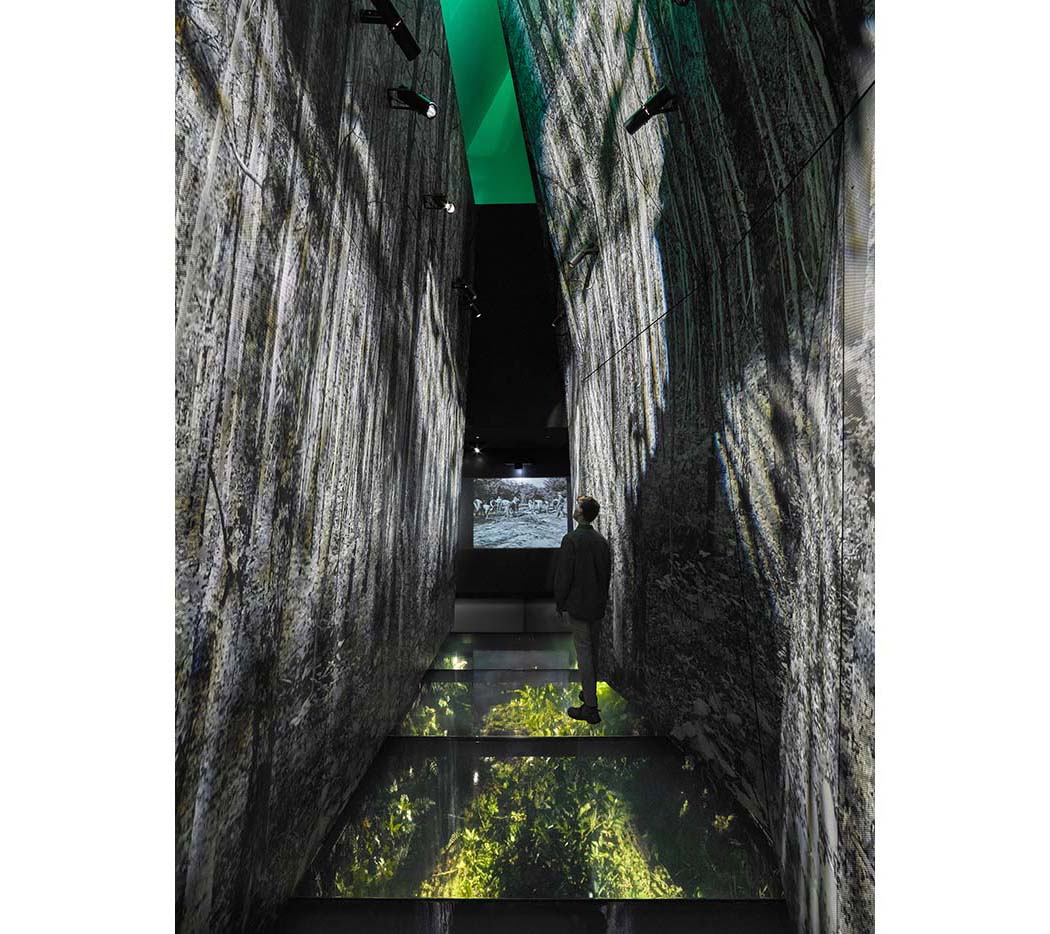
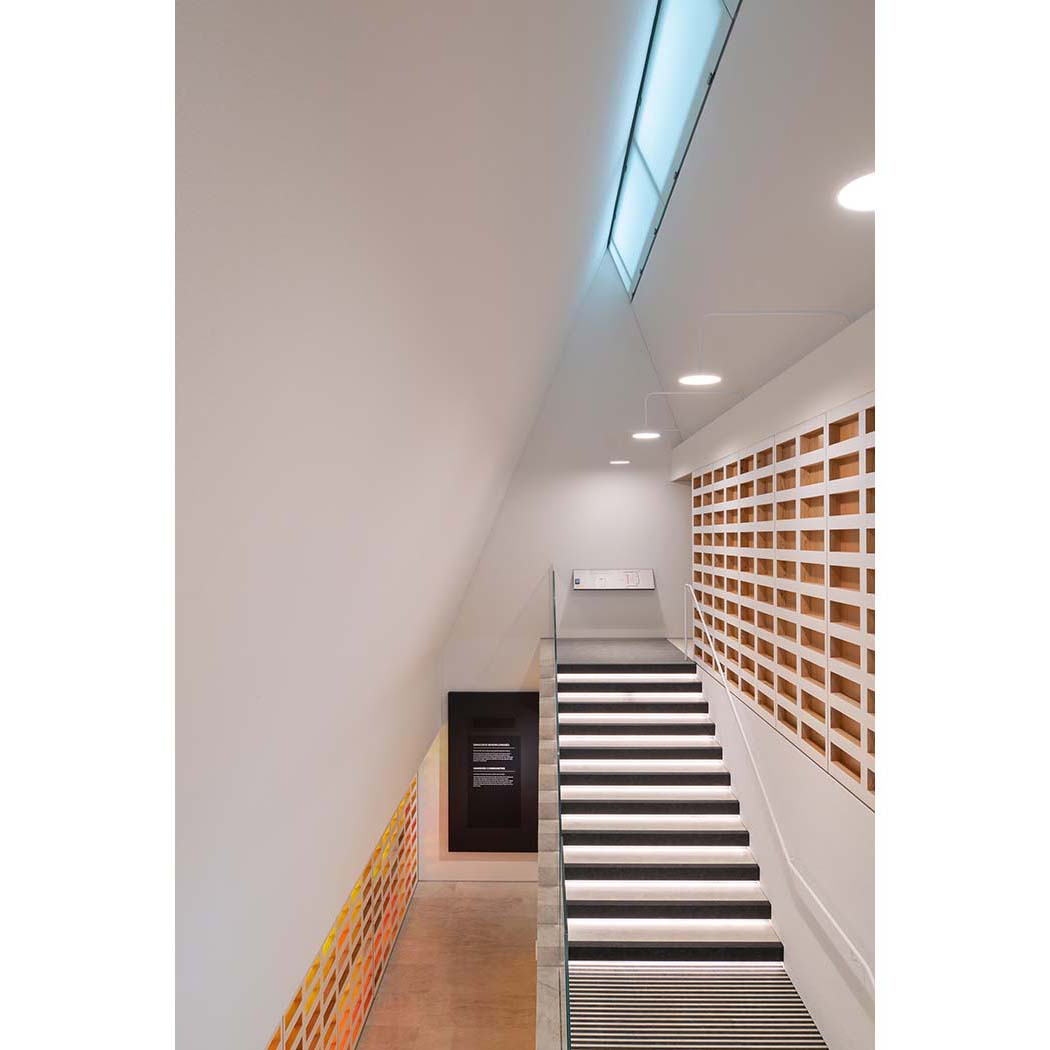
Exhibition spaces are distributed across the individual volumes and linked by narrow passages. Moving between them recalls the experience of passing from house to house within a village. While the galleries largely follow an enclosed and immersive exhibition approach, the architecture introduces moments of spatial release. Roof forms are expressed inside, and carefully placed skylights draw daylight in from above, creating a quiet dialogue between enclosure and openness.
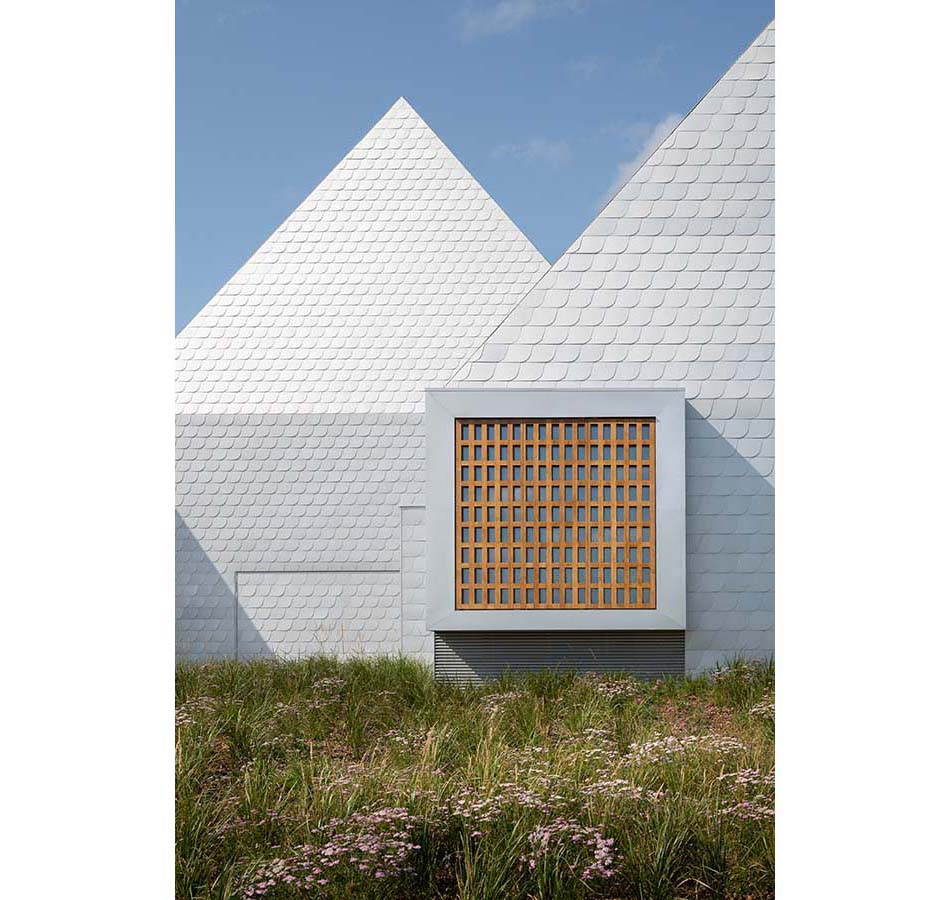
Toward the end of the sequence, two vertically oriented spaces shift the spatial atmosphere. One is compressed and dim; the other opens upward and outward, framing views toward the surrounding landscape. Without relying on overt narrative devices, these spaces encourage reflection through spatial experience alone. The exterior is clad in aluminum panels whose surface subtly responds to changing light and weather. Referencing traditional wooden shingles, the material lends the buildings a restrained, almost domestic character. Inside, wood and stone soften the atmosphere, balancing the exterior’s precision with warmth.
The Lost Shtetl Jewish Museum does not seek to overwhelm. Its architecture remains calm and measured, allowing memory to surface gradually. History is not presented as spectacle, but encountered through movement, light, and the quiet presence of place.
Project: Lost Shtetl Jewish Museum / Location: Šeduva, Lithuania / Architect: Lahdelma & Mahlamäki architects / Head Designer: Rainer Mahlamäki / Project team: Ilkka Syrjäkari / Executive Architect: Studija 2A / Landscape Design: Enea landscape architecture / Exhibition Design: Ralph Appelbaum Associates / Client: The Lost Shtetl Jewish Museum / Use: museum / Program: Exhibition spaces, multipurpose hall, administration spaces, library, cafe / Gross floor area: 4,900m² / Completion: 2025 / Photograph: ©Aiste Rakauskaite (courtesy of the architect); ©Andrew Lee (courtesy of the architect);©Kuvatoimisto Kuvio (courtesy of the architect); courtesy of the Lost Shtetl Museum