


Zero Concrete Architecture by Climate Responsiveness, Regional Materials and Craftsmanship
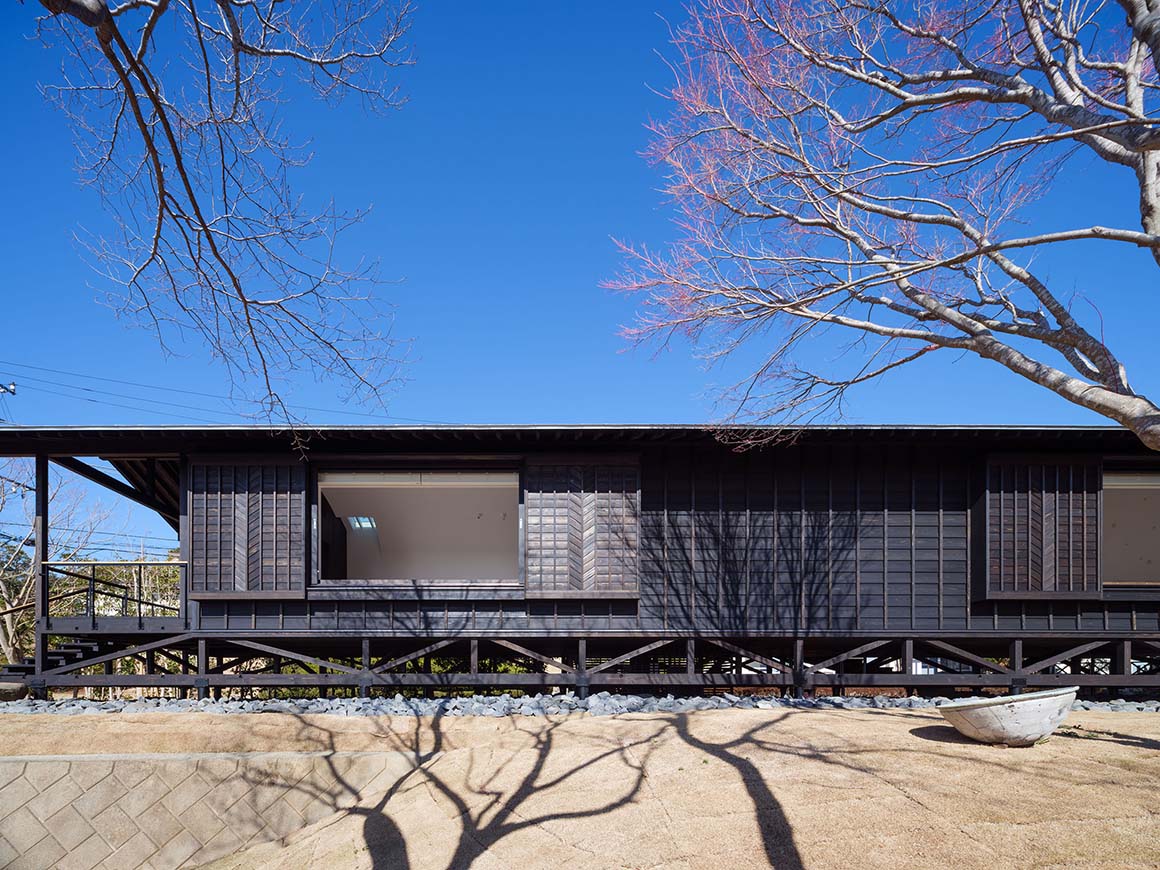
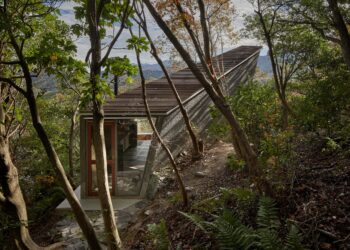
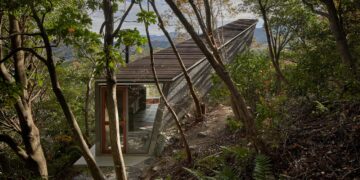
Villa Boso is a private residence located on a mountain ridge on the Boso Peninsula in Japan, overlooking the Pacific Ocean. Developed around the concept of “zero concrete architecture,” the project departs from the convention of reinforced concrete construction and instead takes local materials, geological conditions, and the dimension of time as its architectural point of departure. Drawing from vernacular architecture built without concrete through regional materials, climate responsiveness, and craftsmanship, the project reinterprets this architectural lineage in a contemporary way.
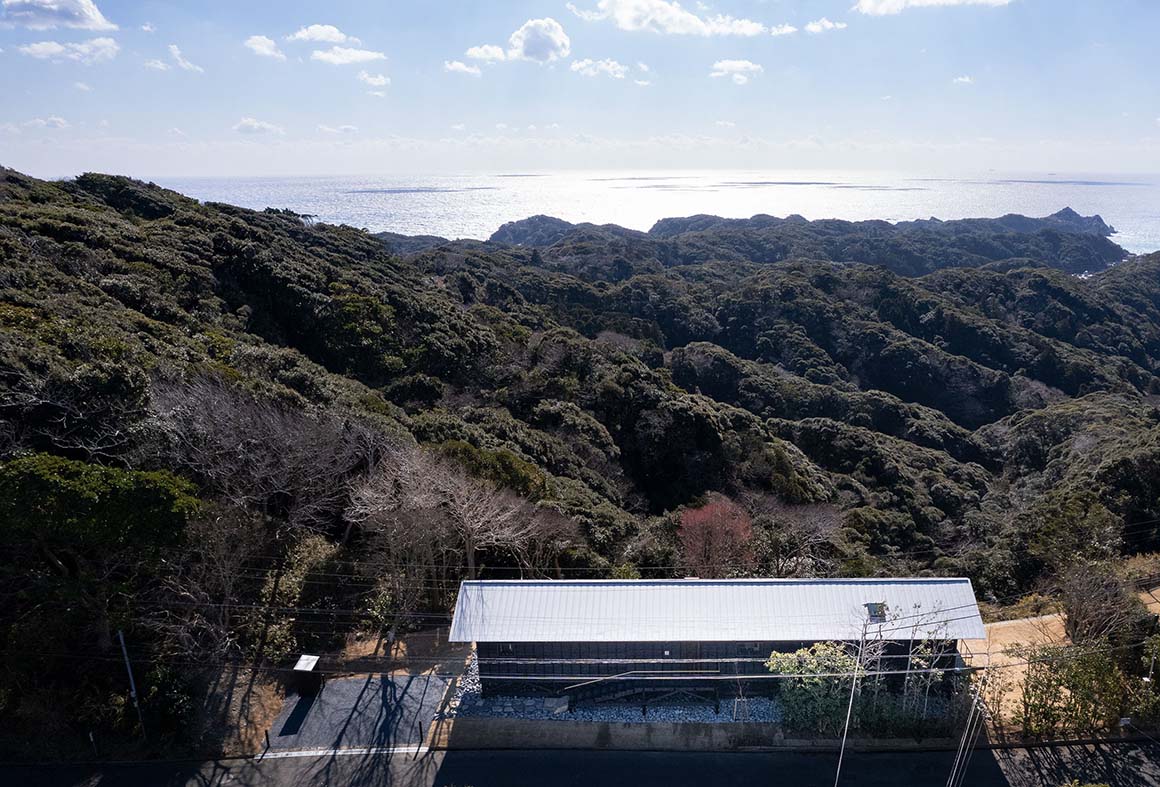
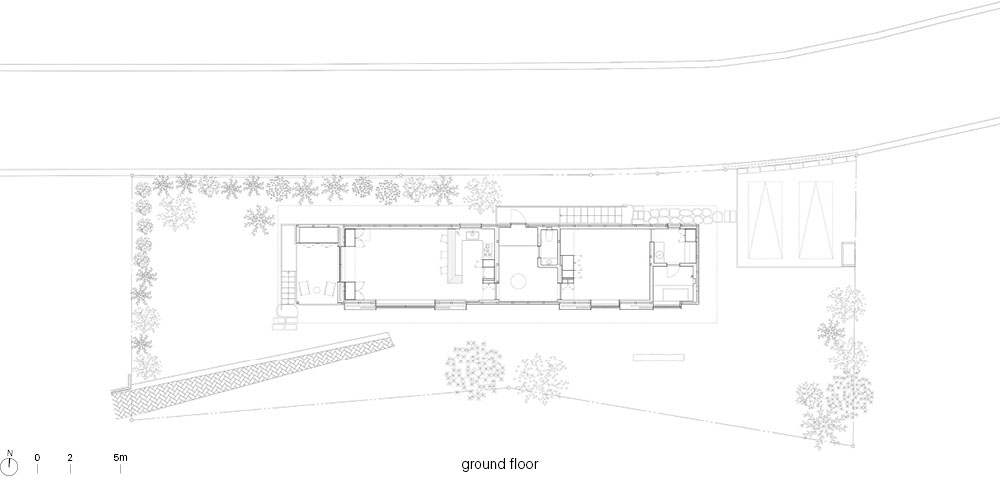
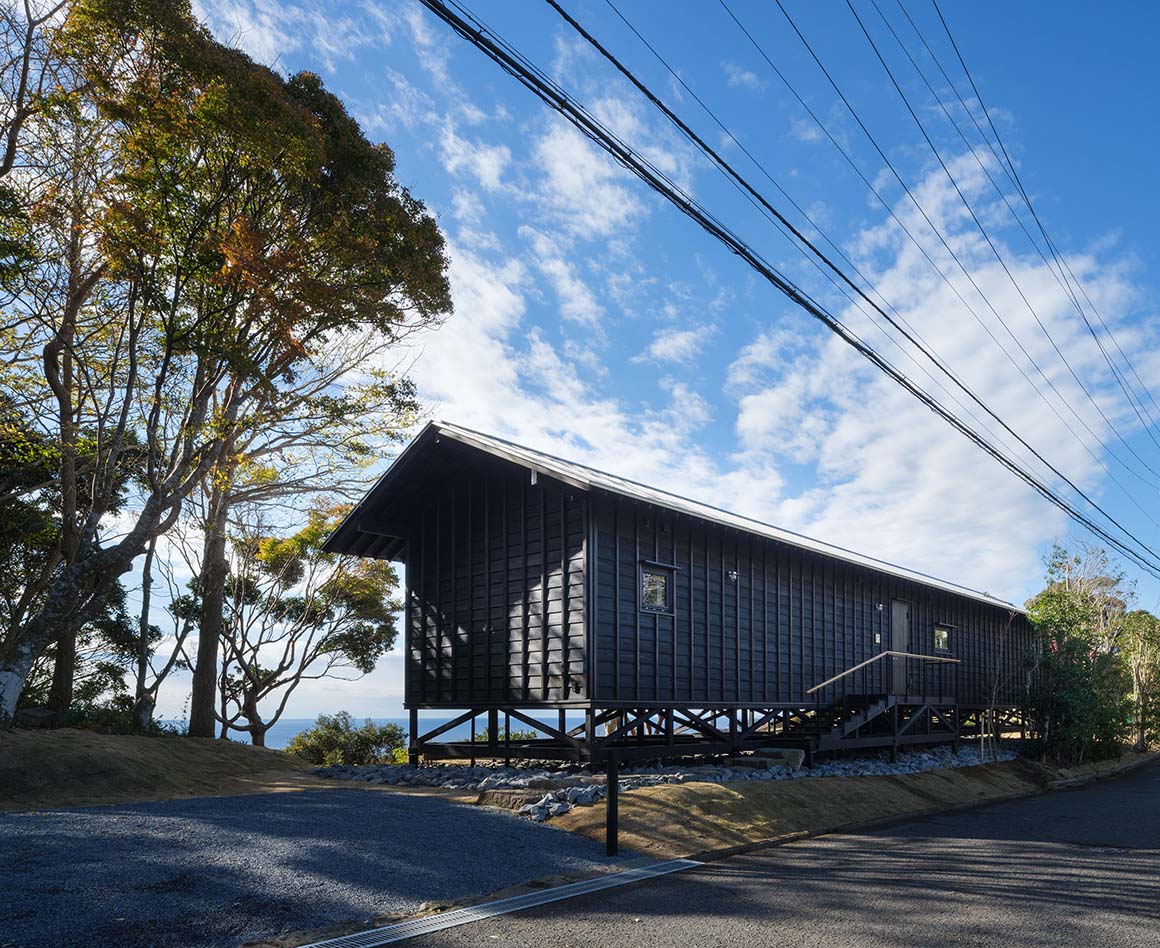
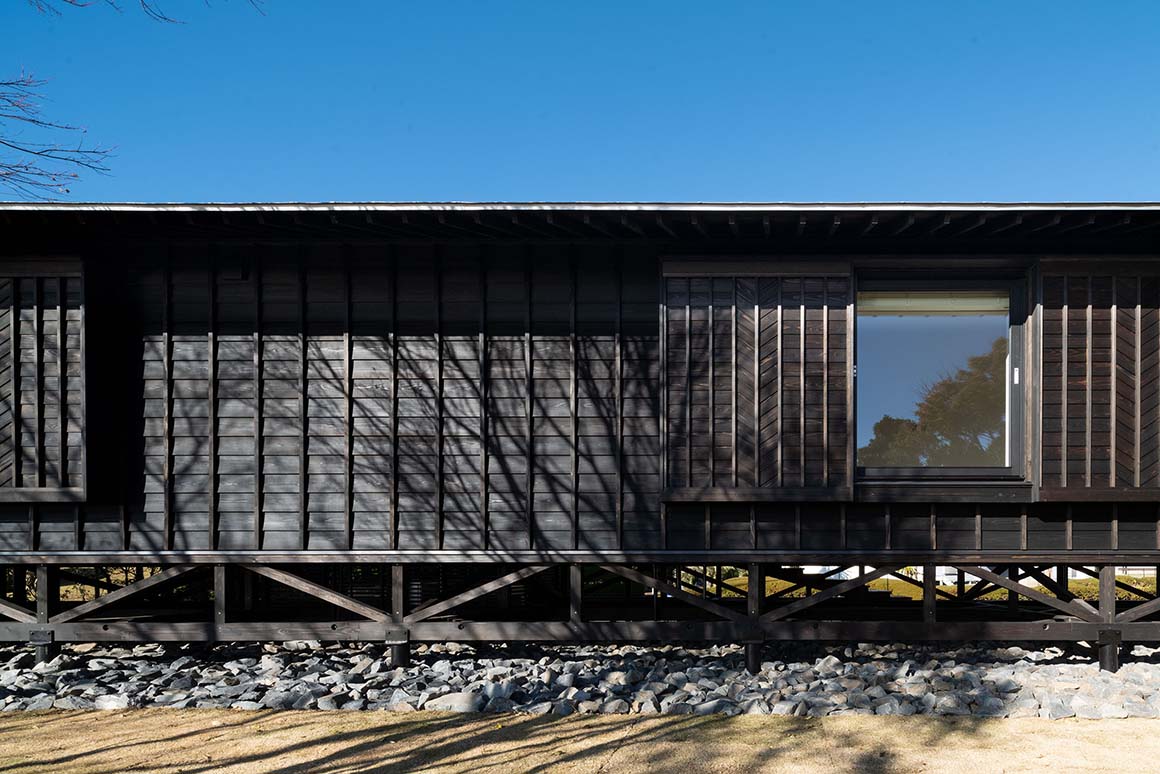
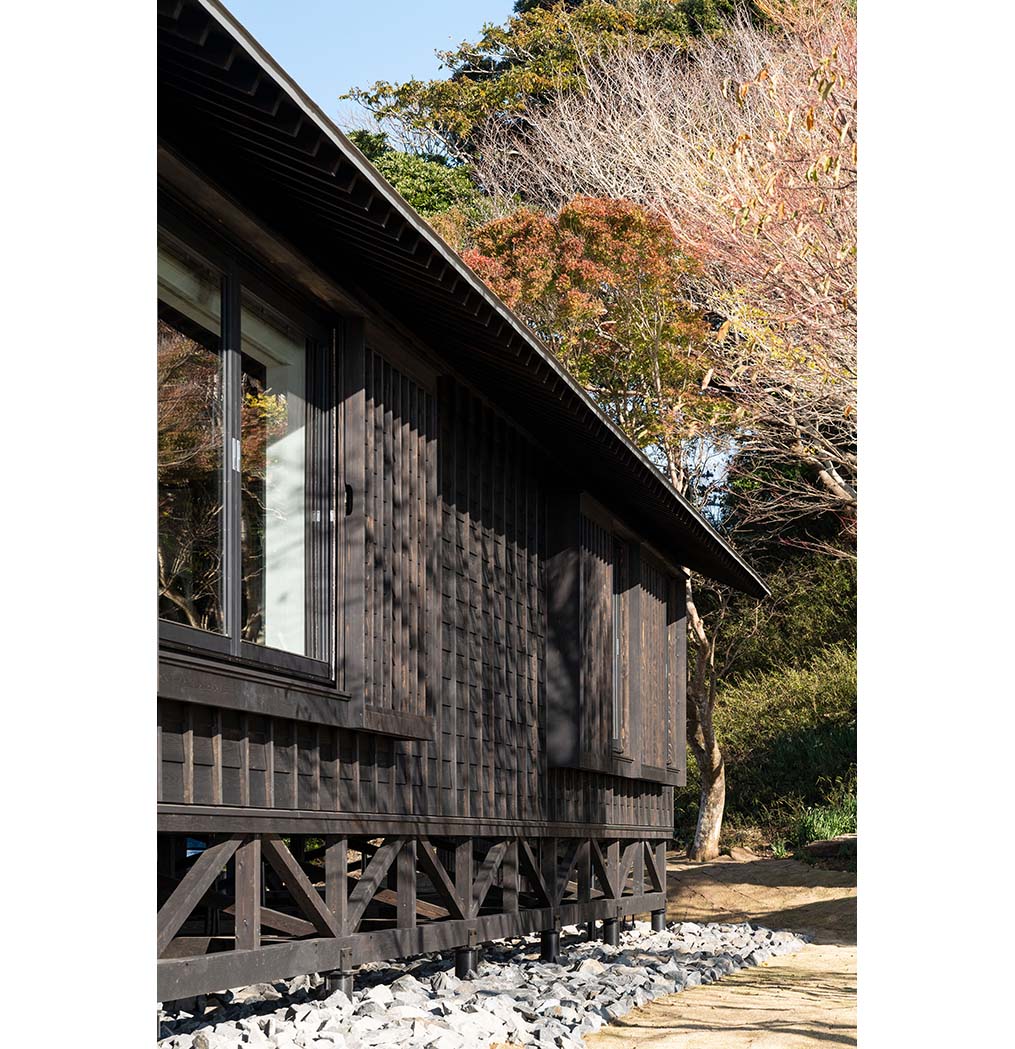
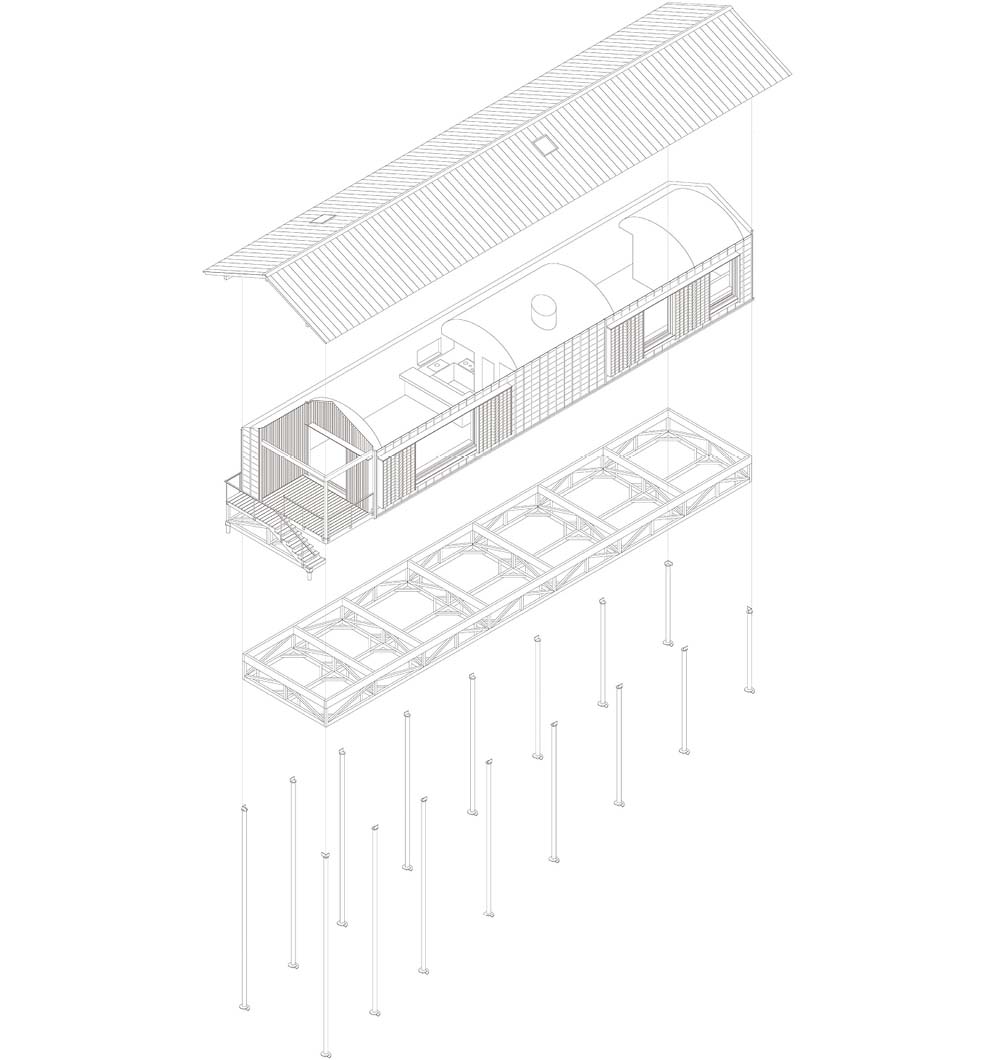
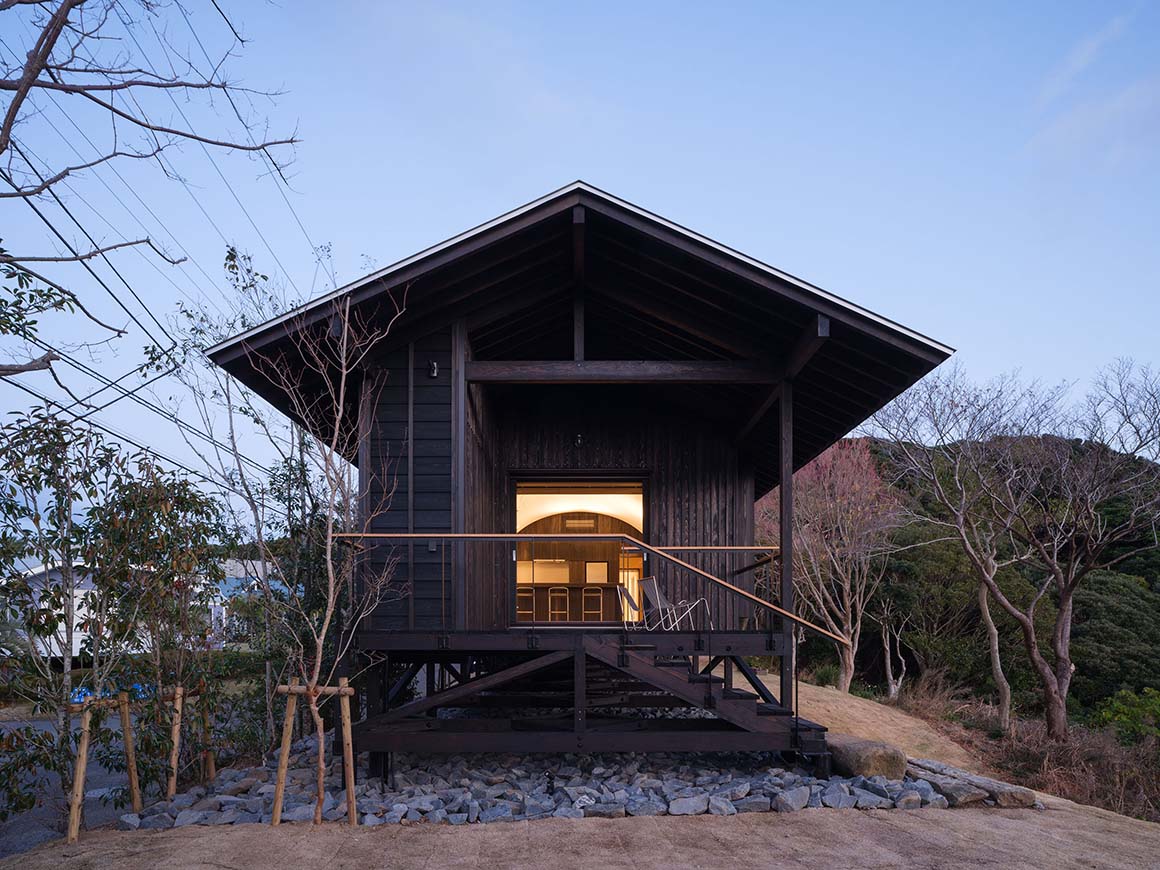
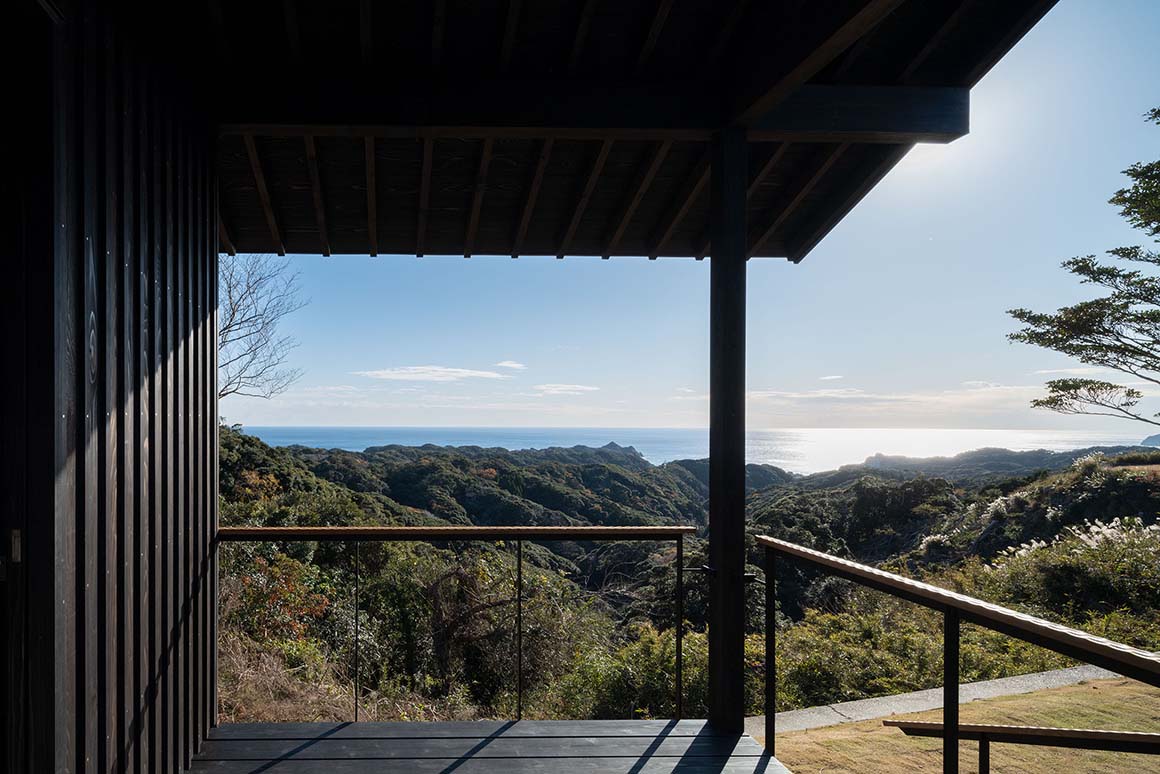
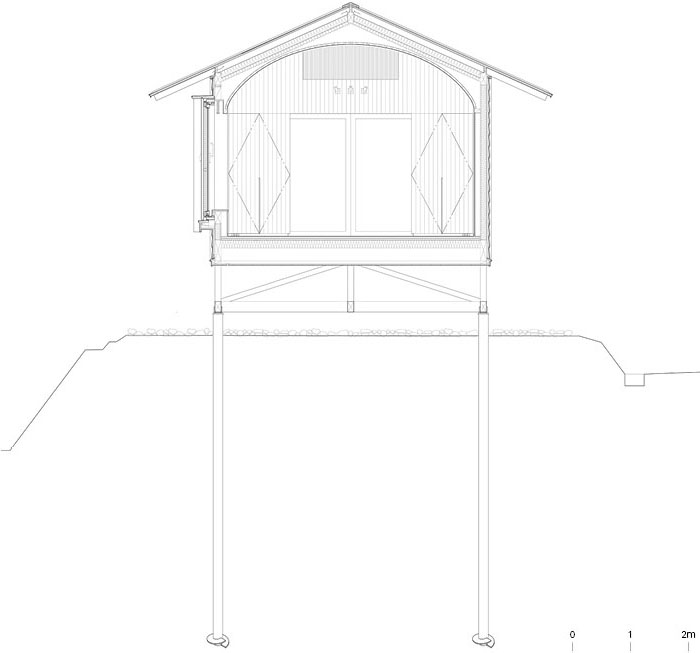
Site investigations revealed a stable Pleistocene claystone layer formed approximately two million years ago beneath the artificially altered ground, and the house was designed to establish a direct relationship with this geological stratum. Small-diameter piles were inserted roughly seven meters into the ground using a rotary screw-in method, allowing the structure to stand on geological foundations rather than concrete footings. Excluding excavation and concrete, the system minimizes intervention and remains fully reversible.
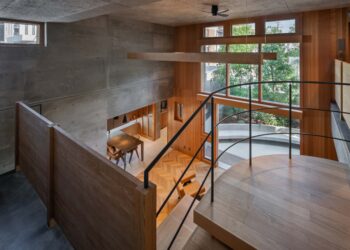
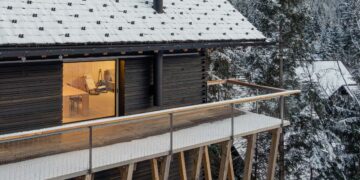
The upper structure consists of a contemporary timber frame combined with recyclable steel and wood, lightly elevated above the exposed piles. This reinterprets the traditional Japanese method of placing wooden buildings on stone foundations. The raised floor improves views, privacy, and natural ventilation while protecting the building from humid conditions. Spatially, the house balances functionality with sensory experience. Beneath a simple gabled roof lies an arched ceiling.
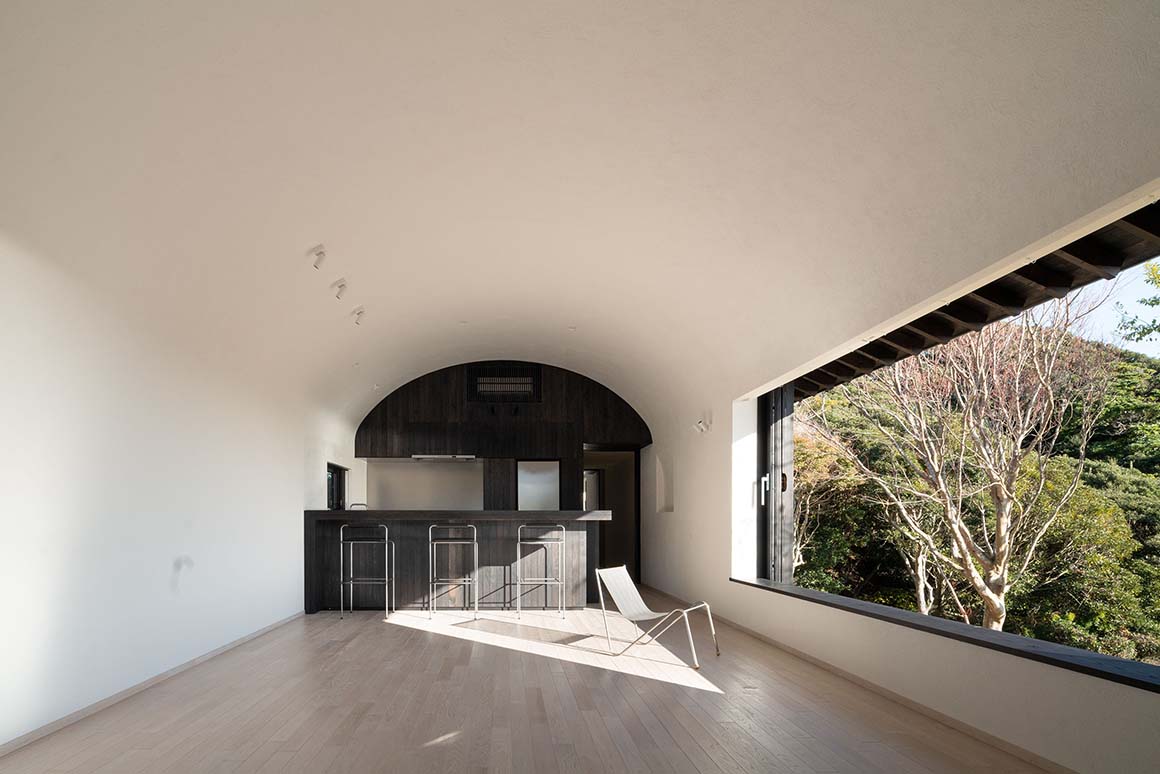
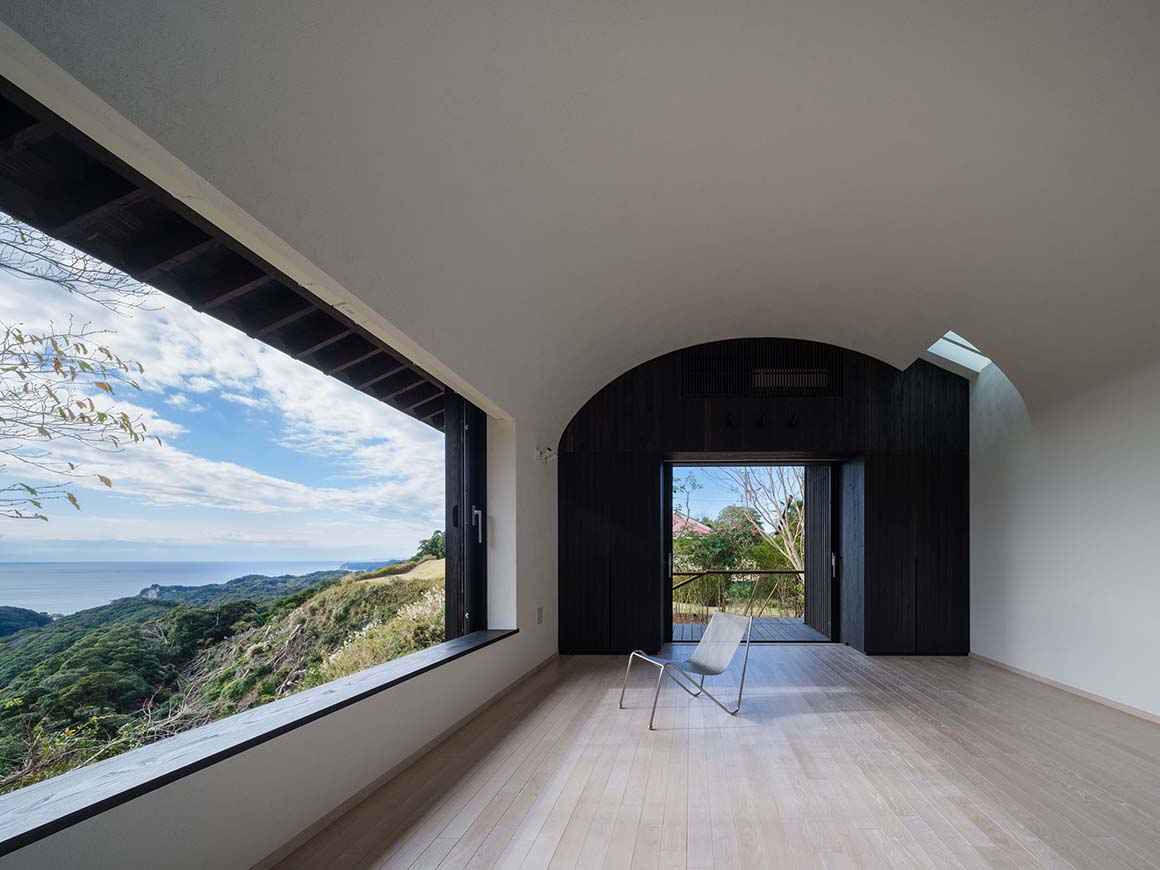
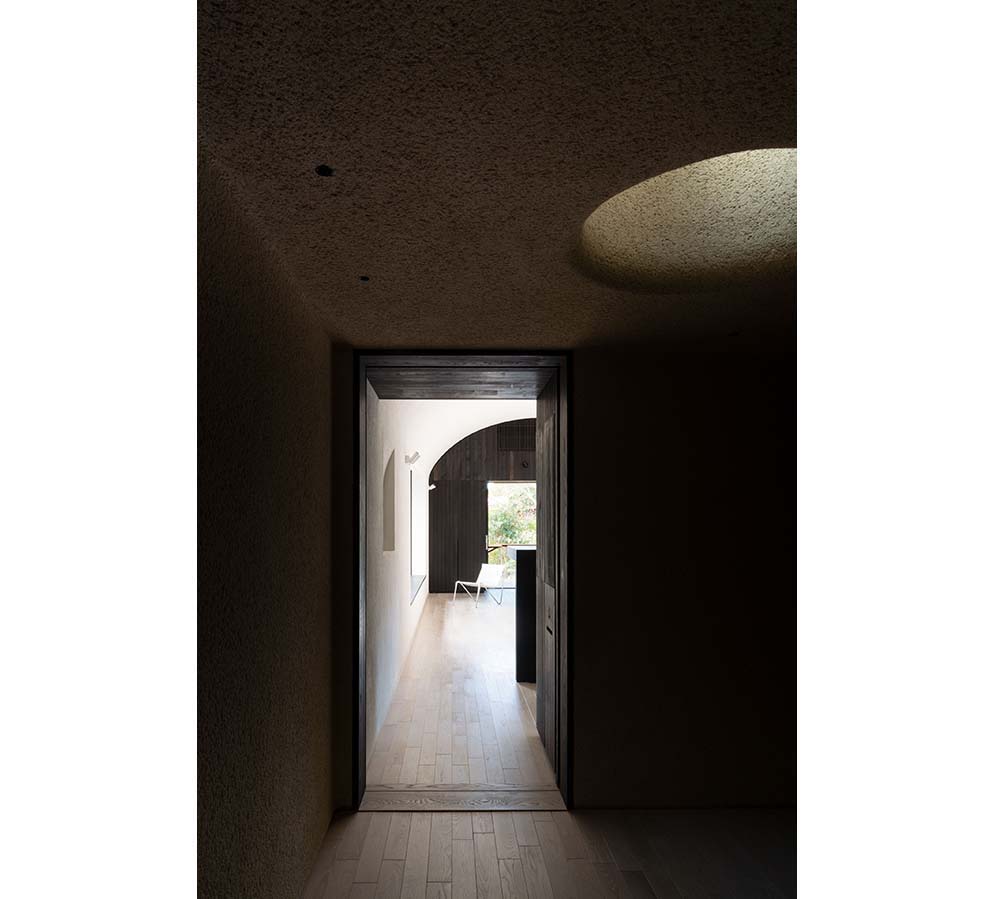
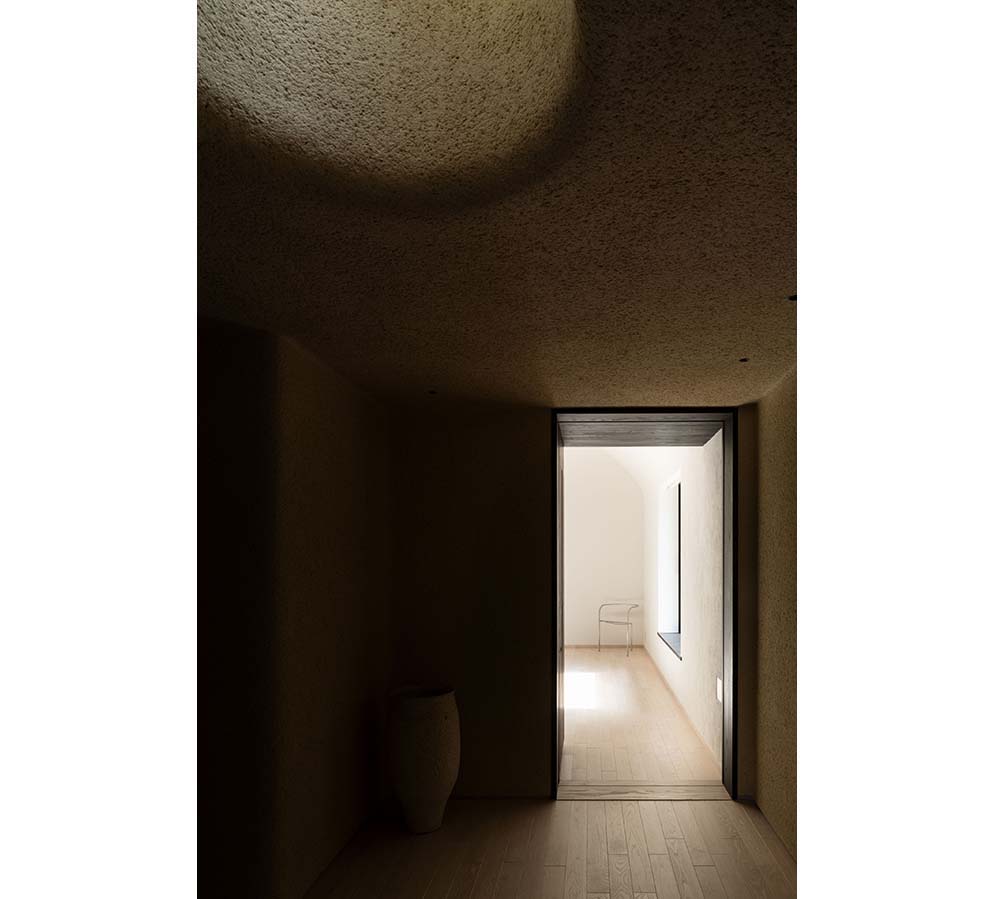
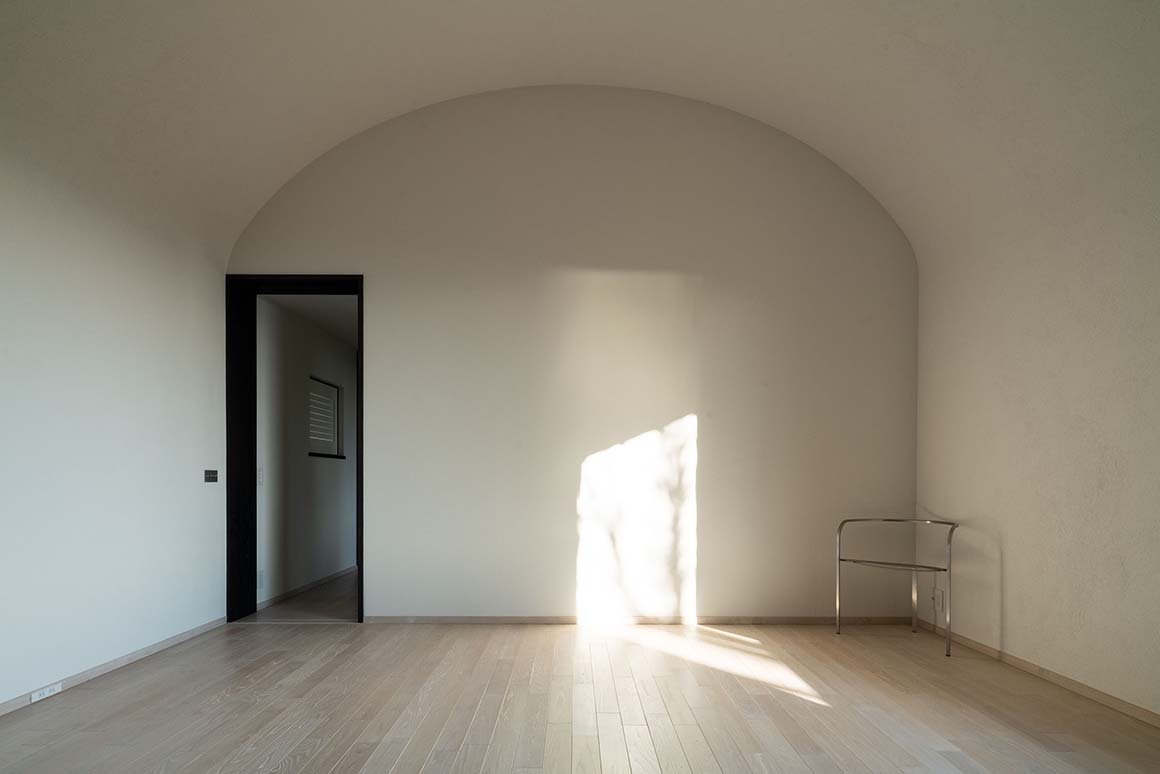
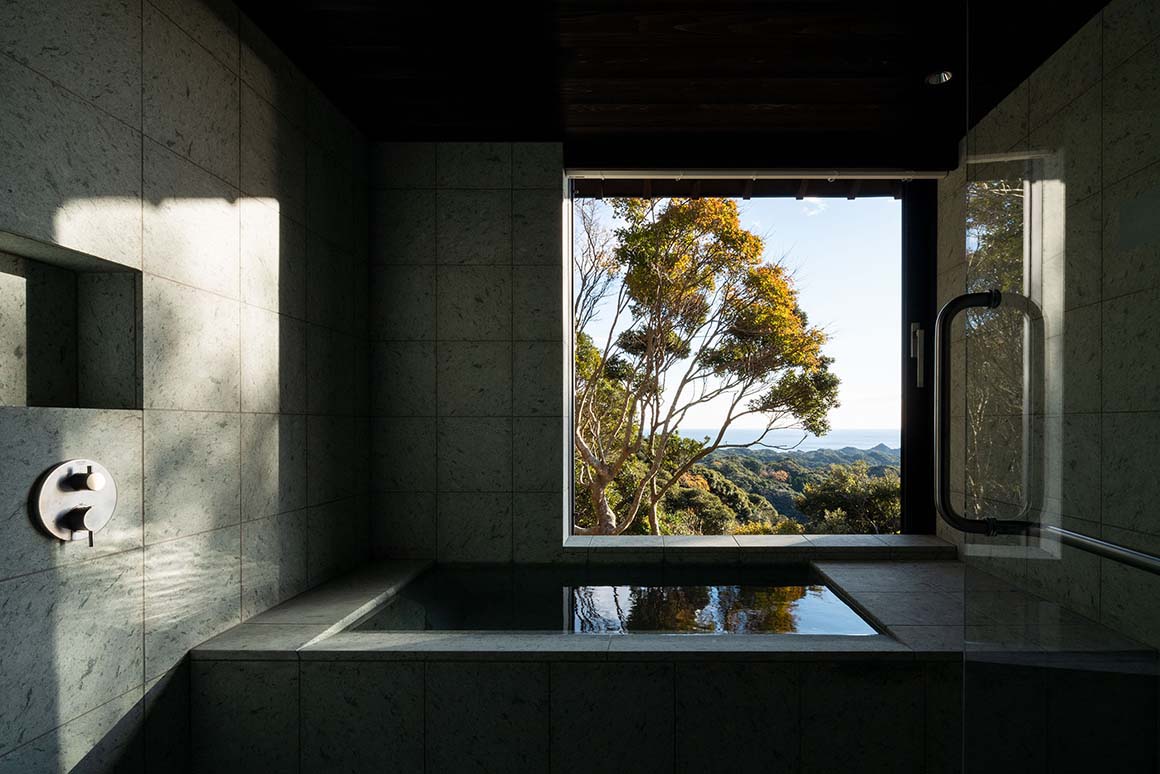
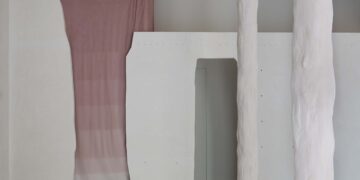
Material choices throughout reflect both regional identity and sustainability. Chestnut wood, diatomaceous earth, persimmon tannin, eggshells, and recycled wood fiber are used extensively as natural or renewable materials. Light diffuses across walls finished with white silica sand, producing subtle atmospheric changes over time. The entrance is finished with a traditional earthen wall made from local soil mixed with hemp fiber, while Towada stone in the bathroom changes color when wet, responding to moisture and environmental change.
Villa Boso connects architecture to the deep timescale of geological strata, regional materials, the craftsmanship associated with them, and an approach that seeks to reduce environmental impact. Within the humid climate and geological landscape of the Boso Peninsula facing the Pacific, the building rests lightly upon the terrain rather than dominating or permanently fixing itself to the land. In doing so, it frames architecture not as a permanent object, but as something that coexists with nature while adapting to time, climate, and the aging of materials.
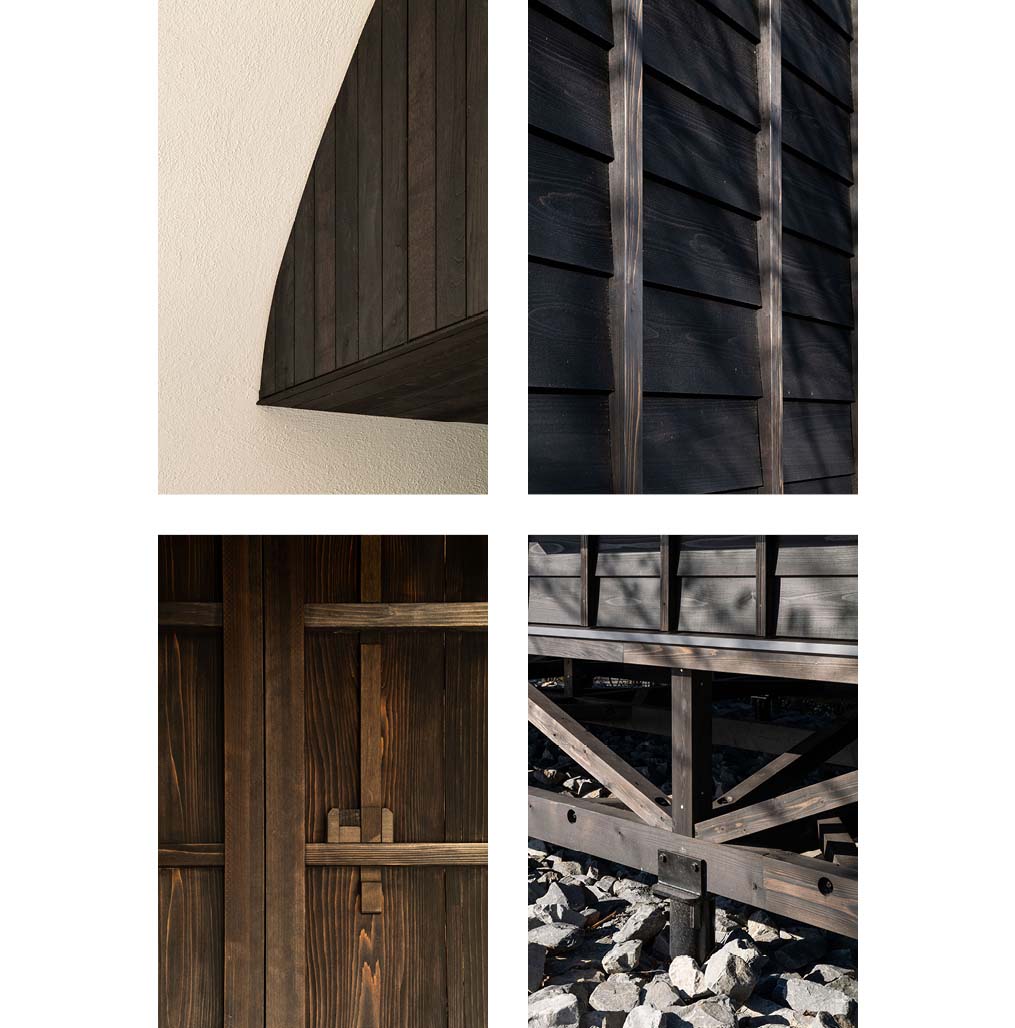
Project: Villa Boso / Location: Boso Peninsula, Japan / Architect: office of Teramoto (Kenichi Teramoto) / Project team: Shohei Tanaka, Sho Hiratsuka / Collaborator: Hoshigarasu (Yoshikazu Takahashi) / Structural engineer: Graph Studio (Yuko Mihara) / General contractor: TK base house / Use: private residence / Gross floor area: 109m² / Completion: 2025 / Photograph: ©Masao Nishikawa (courtesy of the architect)