





A Ring-Shaped Space with Its Materiality Attuned to the Environment
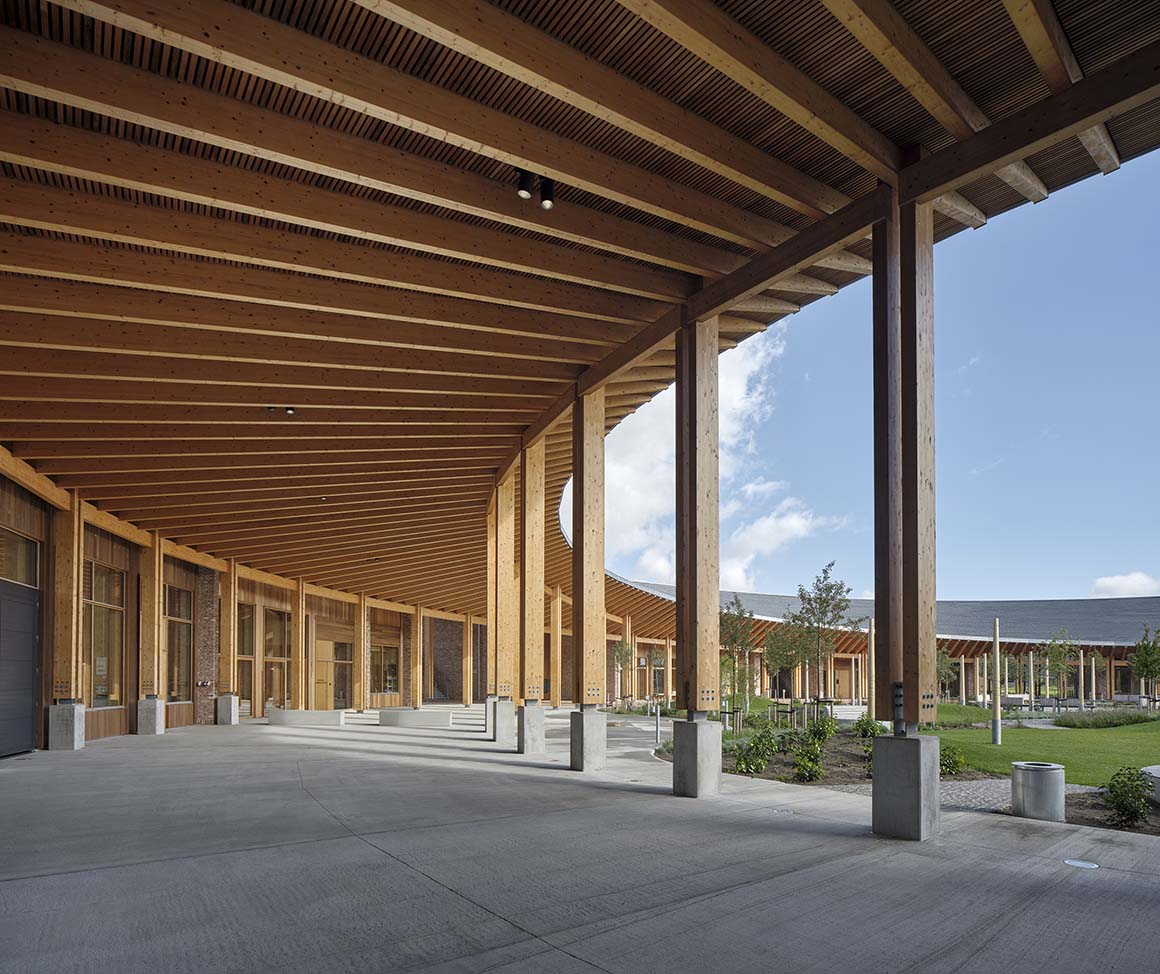
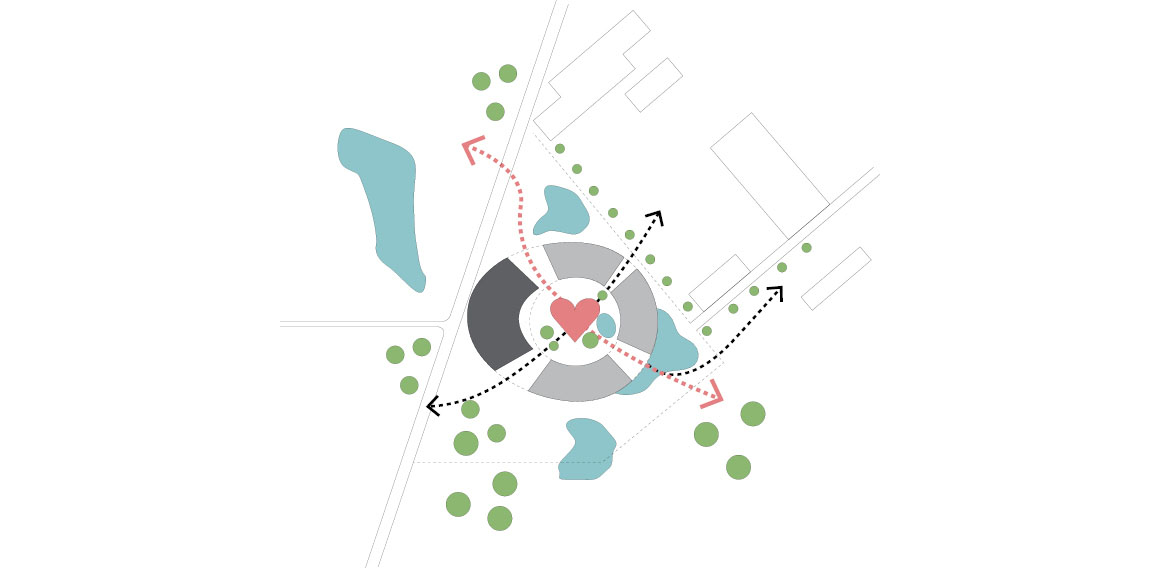
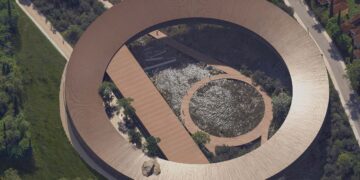
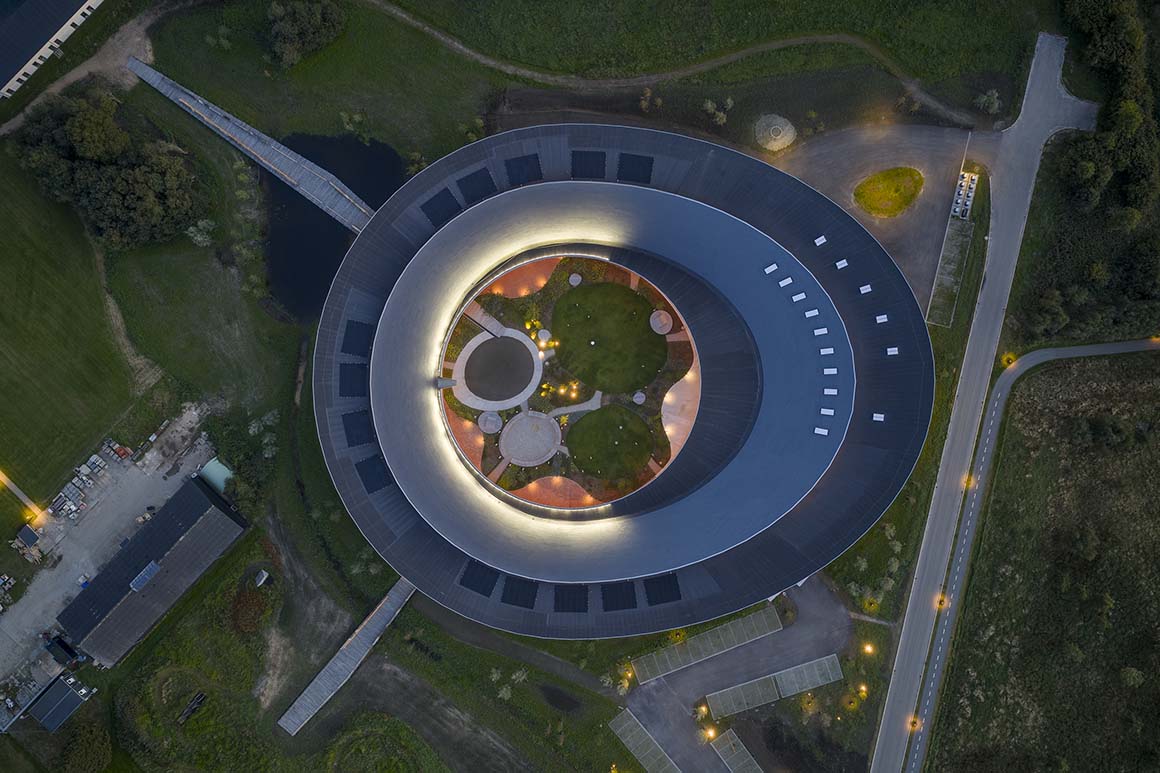
Located on the outskirts of Herning, Denmark, Crafts College is a facility for young people preparing for construction-related professions. About seventy students reside here for four years, gaining hands-on training and practical skills. Beneath a vast ring-shaped roof are dormitories, workshops, and community spaces. Unlike a conventional educational institution, it operates as a hybrid environment that fosters collaboration and solidarity. The spatial organization follows a natural hierarchy. Shared functions are located at the center, while more private areas are arranged toward the perimeter. Workshops and common facilities line the inner ring and open toward the courtyard. Studio-type residential units are positioned along the outer edge, each with a private terrace overlooking the landscape. The structure balances a strong sense of community with individual autonomy.
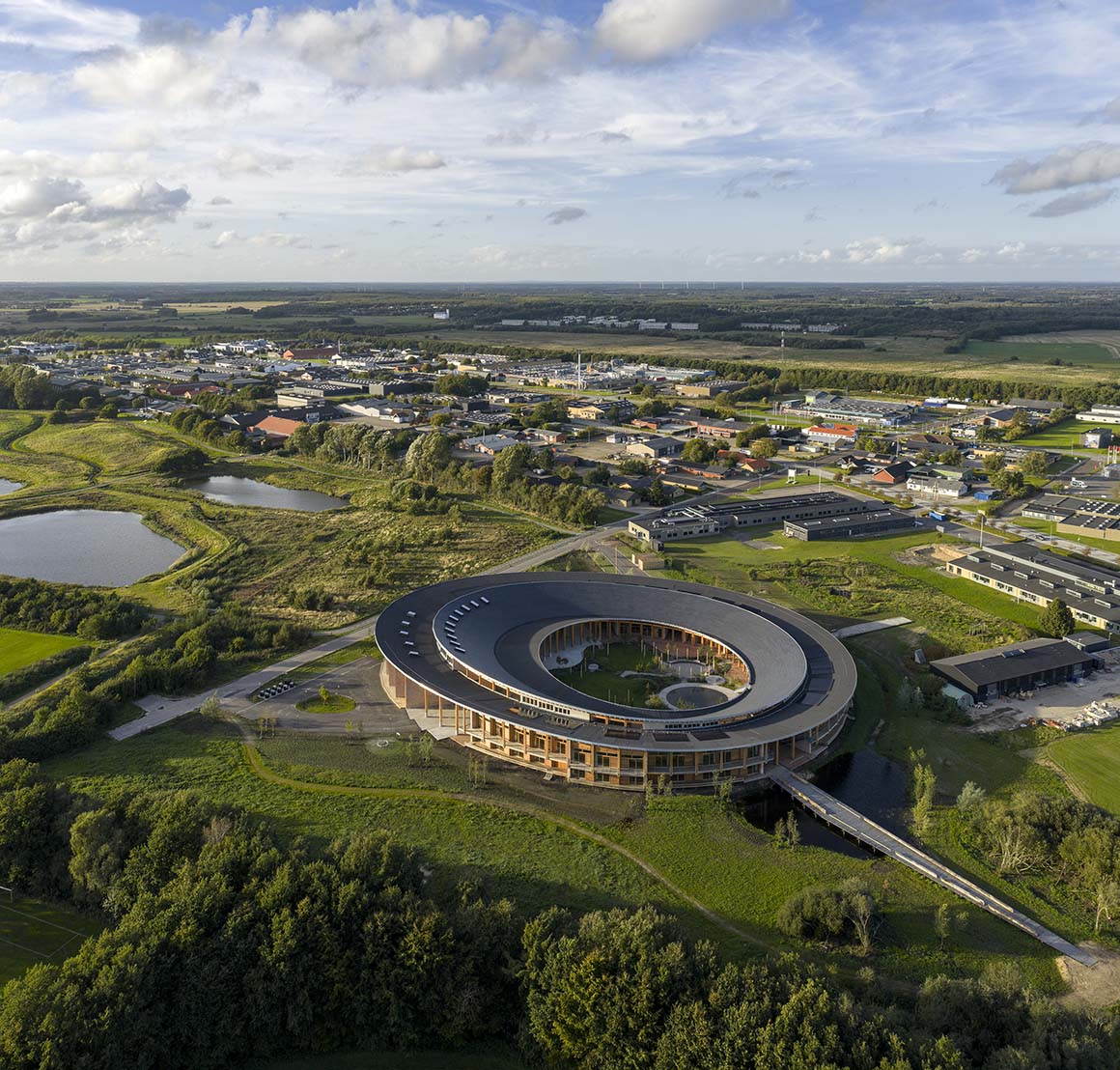
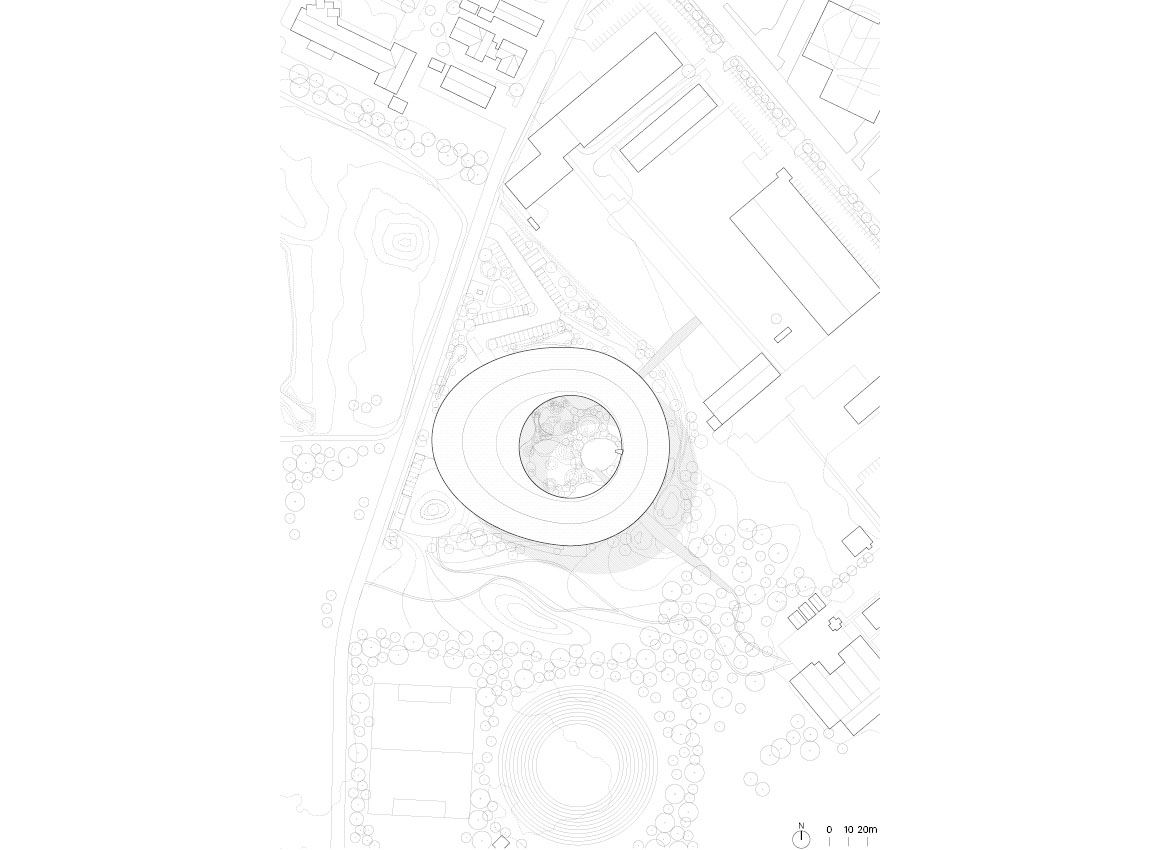
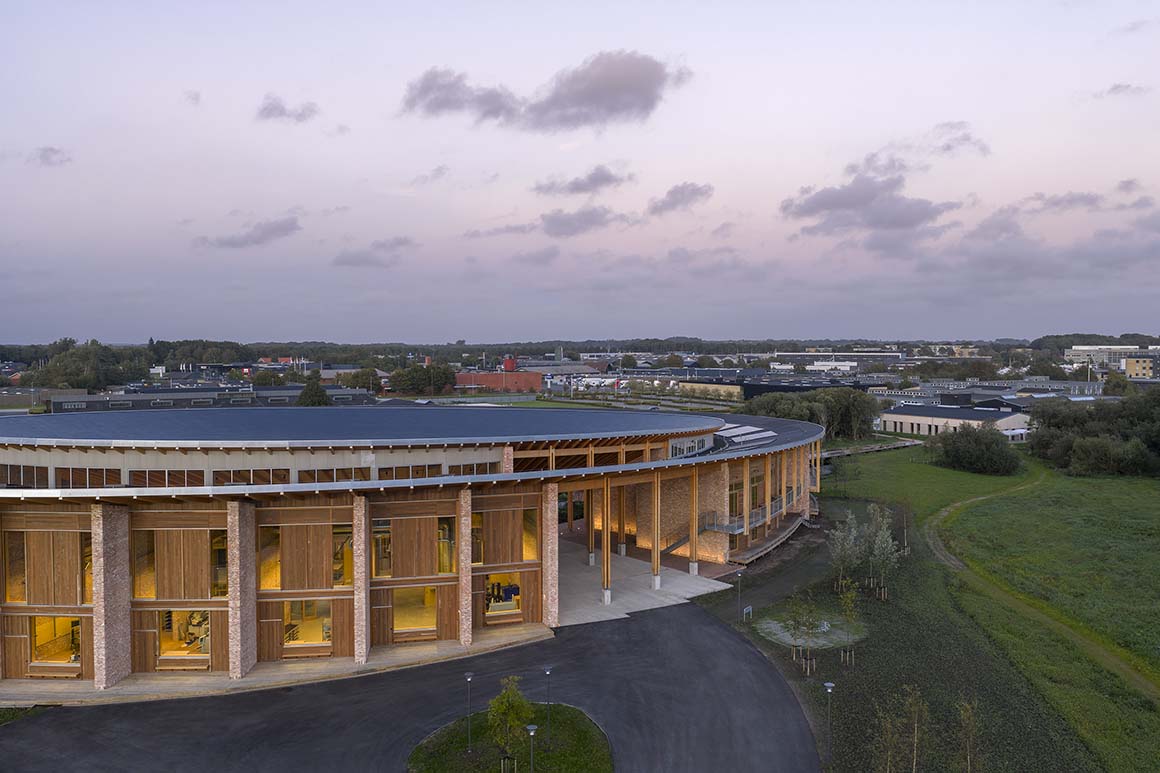
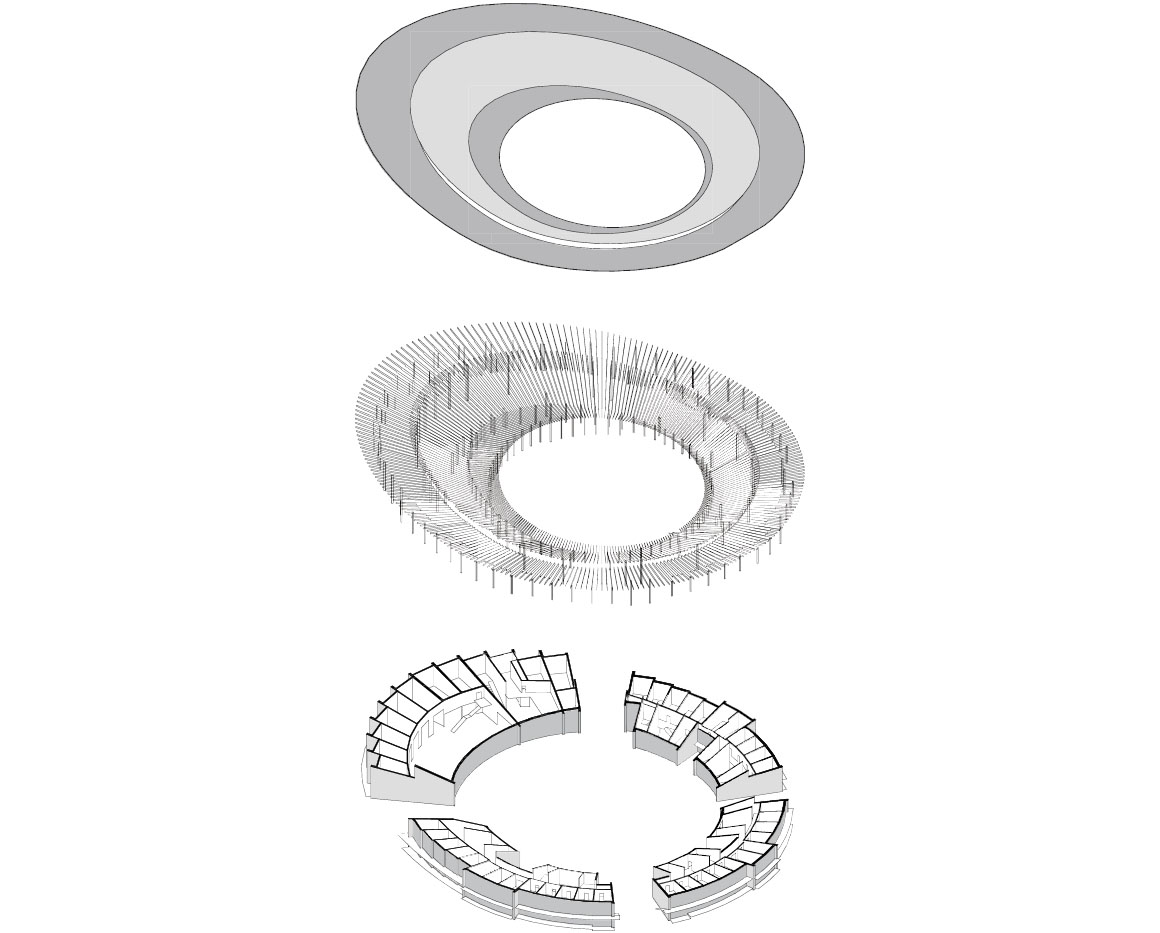
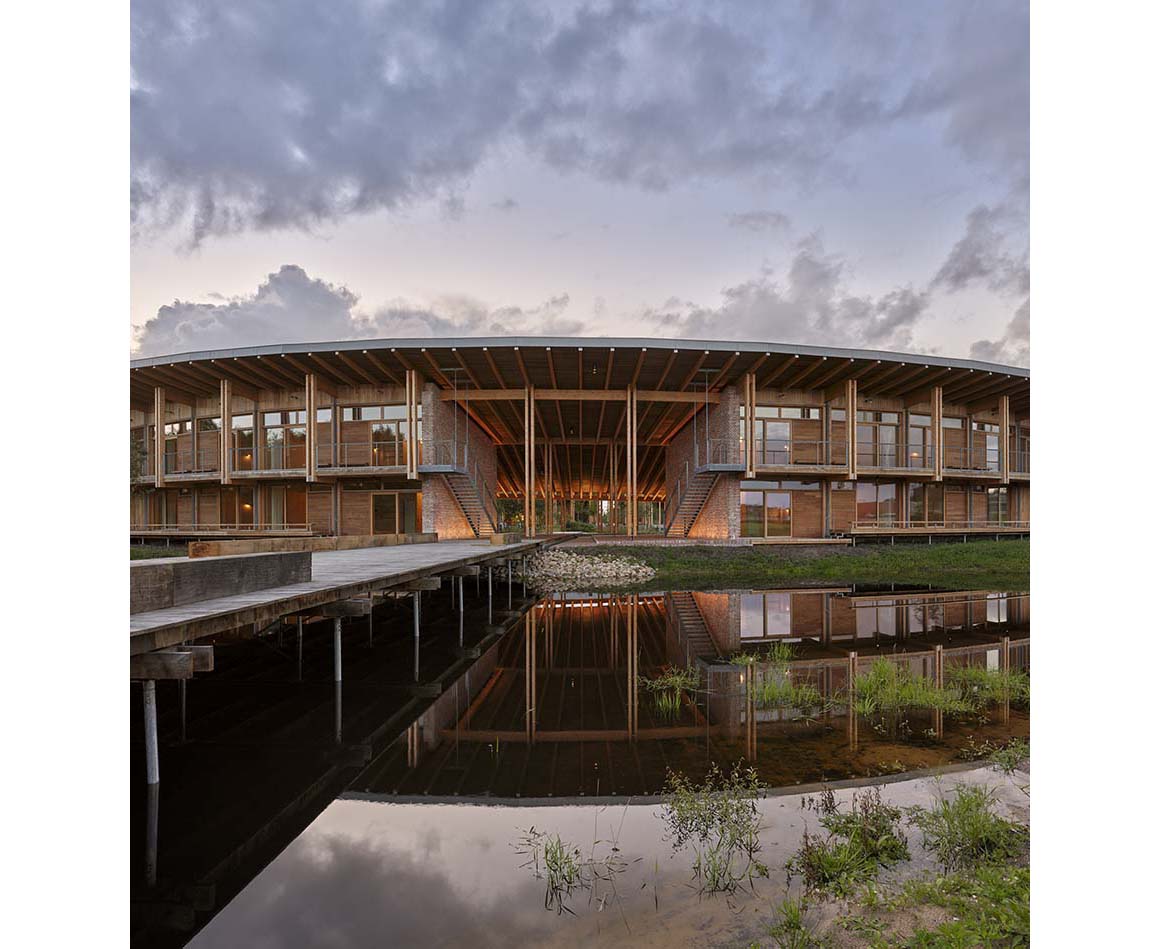
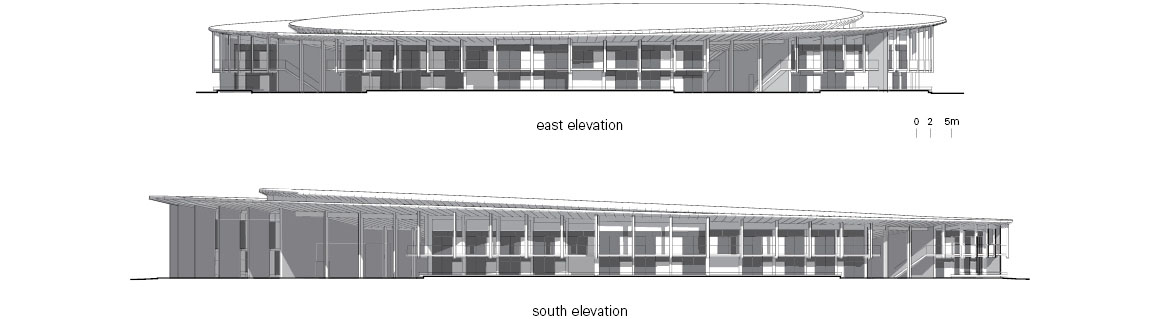
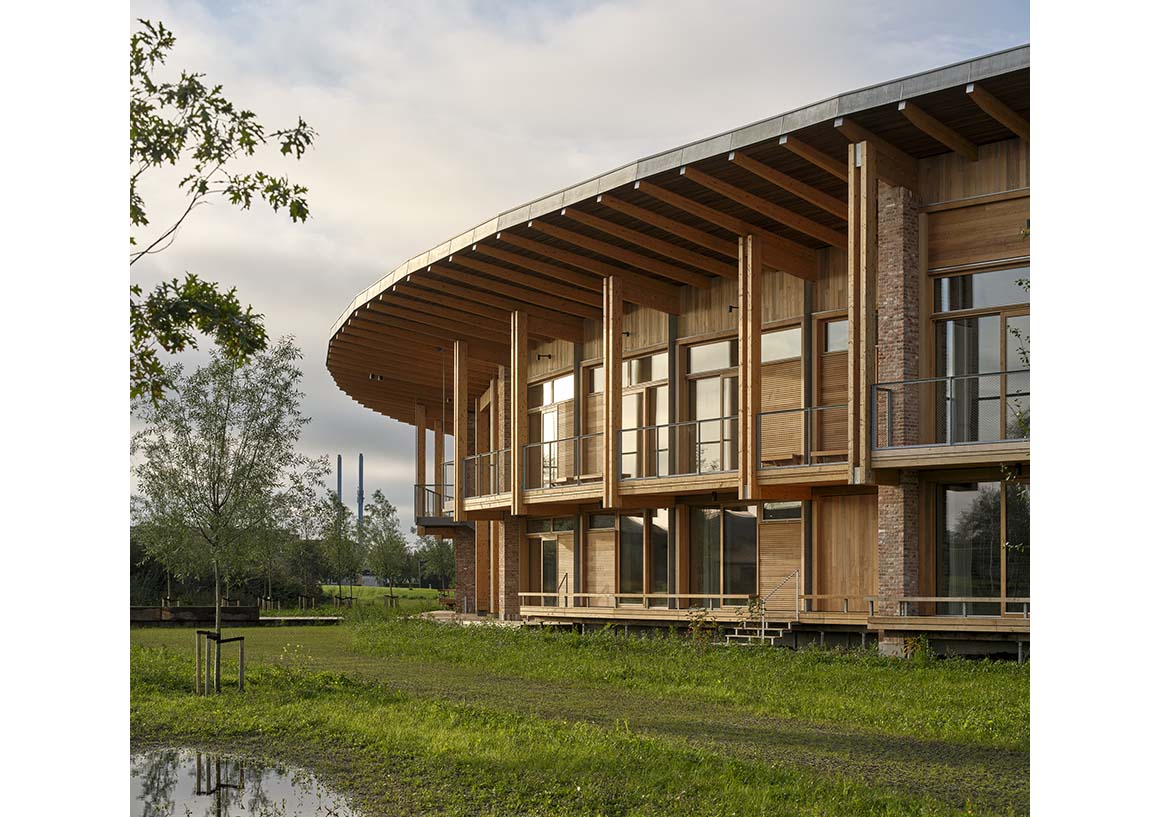
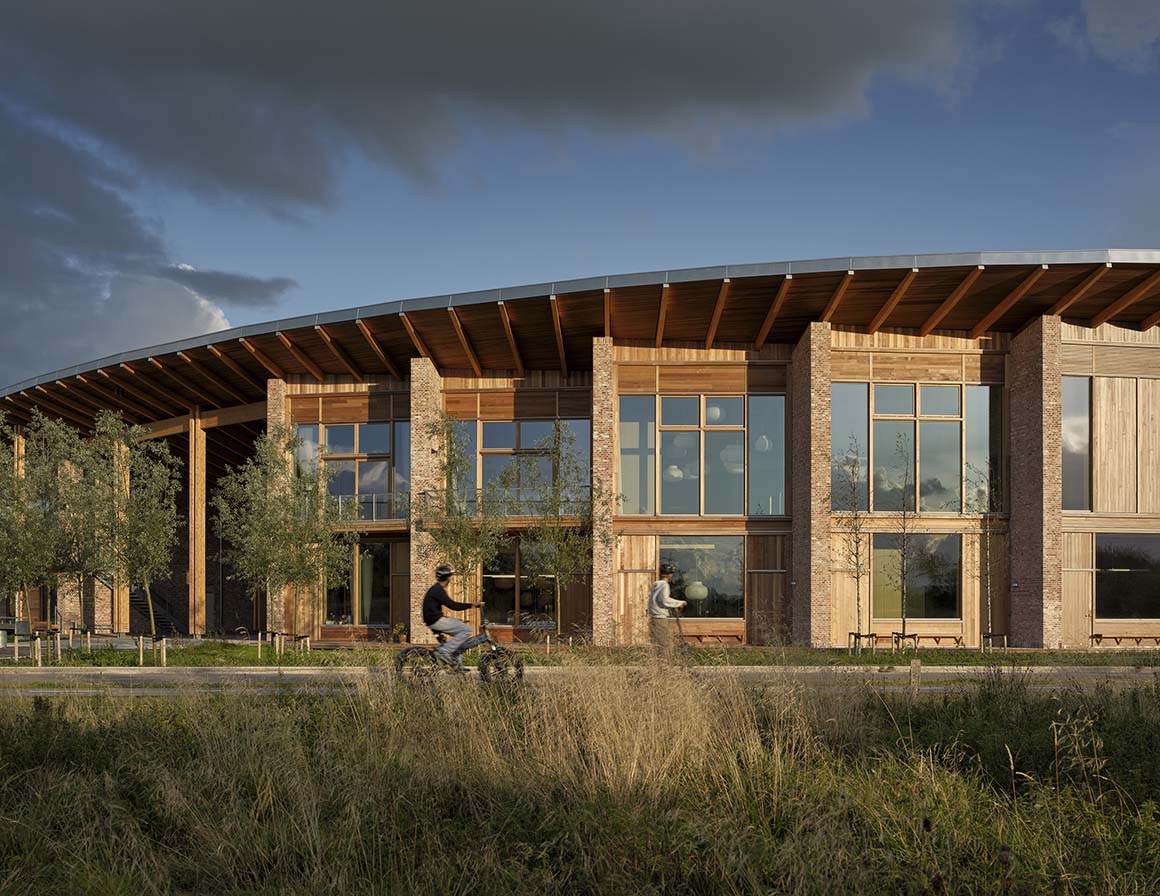
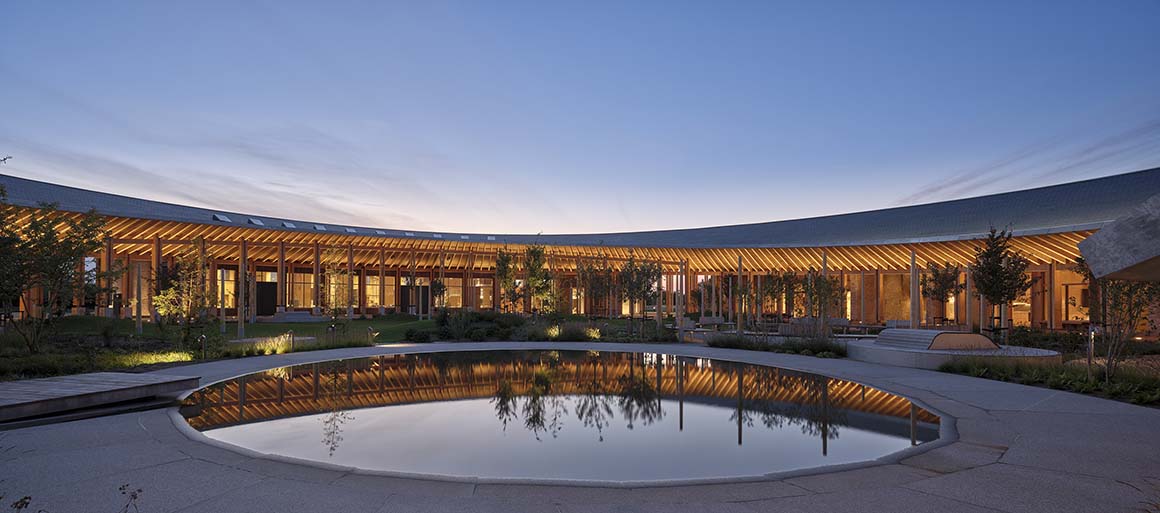
The oval form encloses a circular courtyard, creating a sheltered space protected from the strong winds of the barren heathland. At its center, a large wooden bench serves as a natural meeting point and encourages social interaction. Rainwater is collected from the inner surface of the roof and directed to a retention basin. This strategy creates a resilient landscape while transforming a functional element into a sensory experience. Four large openings connect the building to the surrounding natural scenery and the city of Herning, enabling apprentices to engage closely with the region.
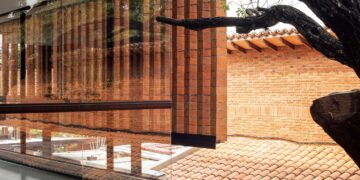
Crafts College emphasizes the reciprocal relation between architecture and craftsmanship and has evolved through a collaborative creative process involving multiple disciplines. Both the design direction and the selection of materials were carefully considered to demonstrate how craftsmanship and architecture can combine to create spaces that are functional, beautiful, and centered on a healthy quality of life. Designed to endure long-term use and transformation, the building employs durable materials with low environmental impact. Certified timber, slate, granite, and recycled brick were used, with more than one million reclaimed bricks applied to the exterior walls, interior walls, and floors. Bearing traces of wear, mortar marks, and remnants of paint, the bricks add narrative depth to the architecture, creating rich texture and character. Observing this aging process also serves as an educational tool, allowing students to study how materials respond to climate, patterns of use, and the passage of time.
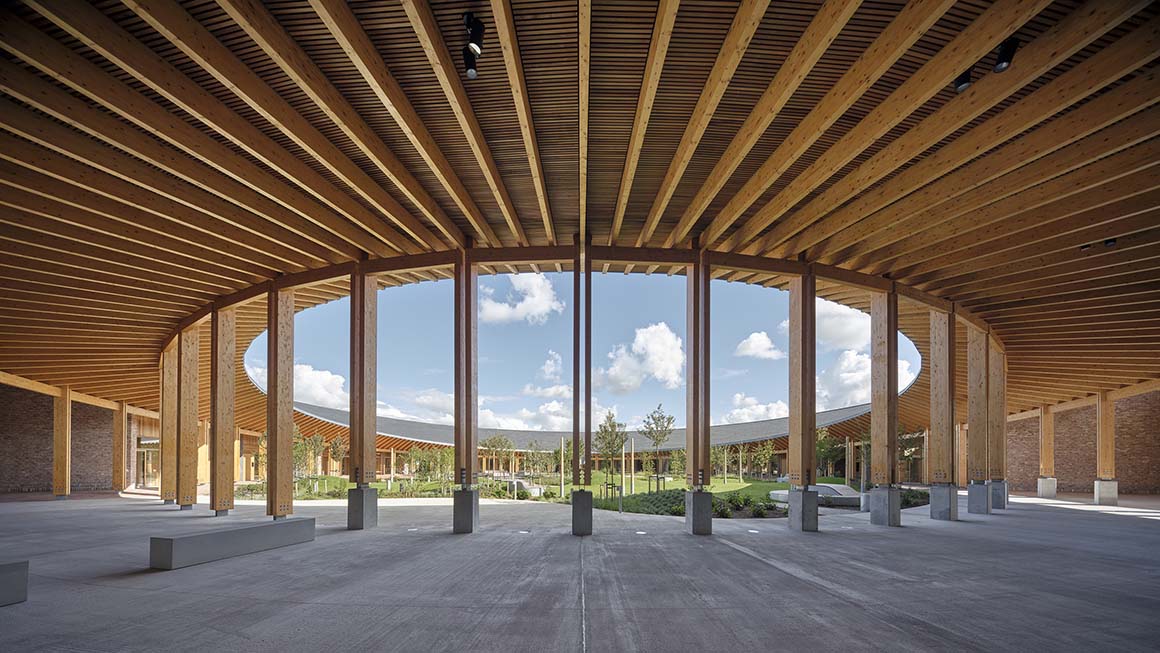
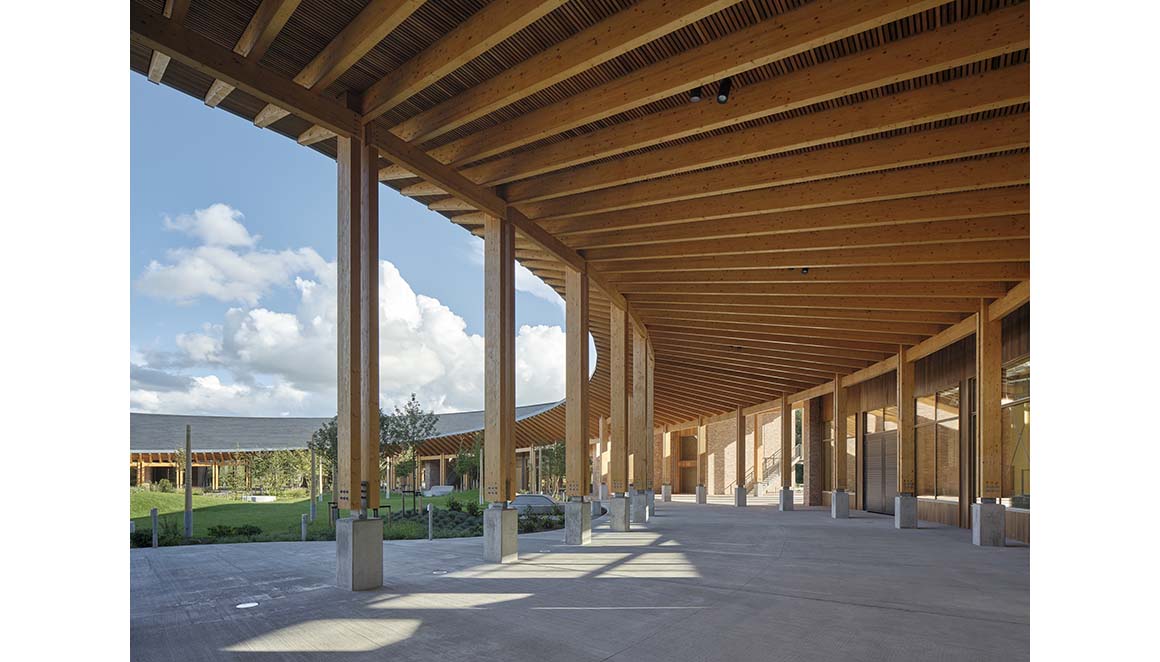
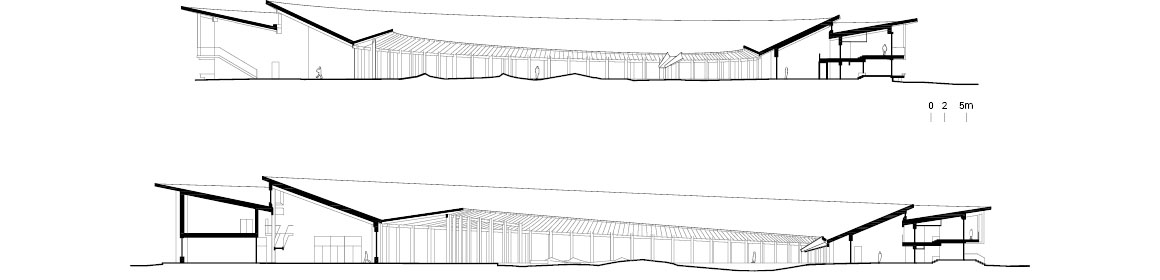
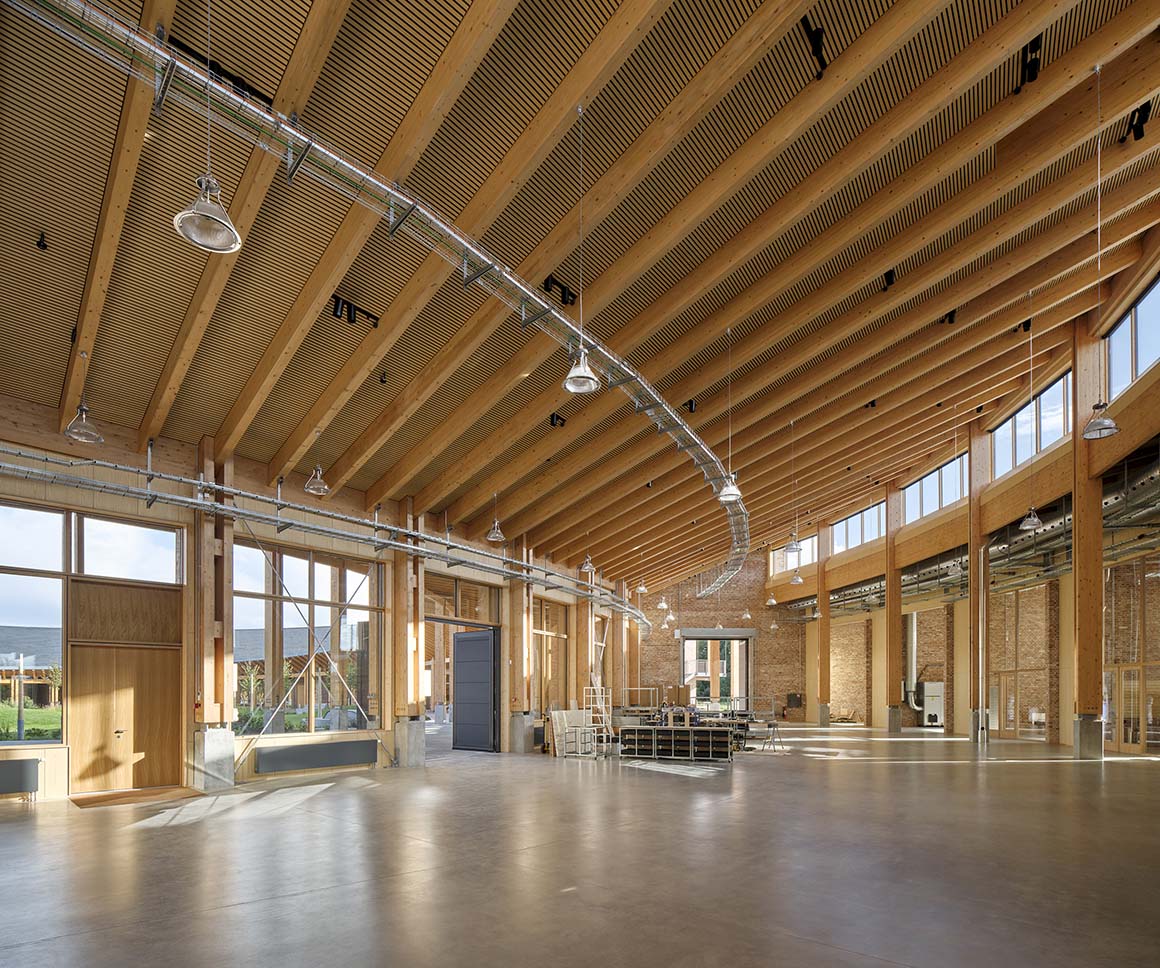
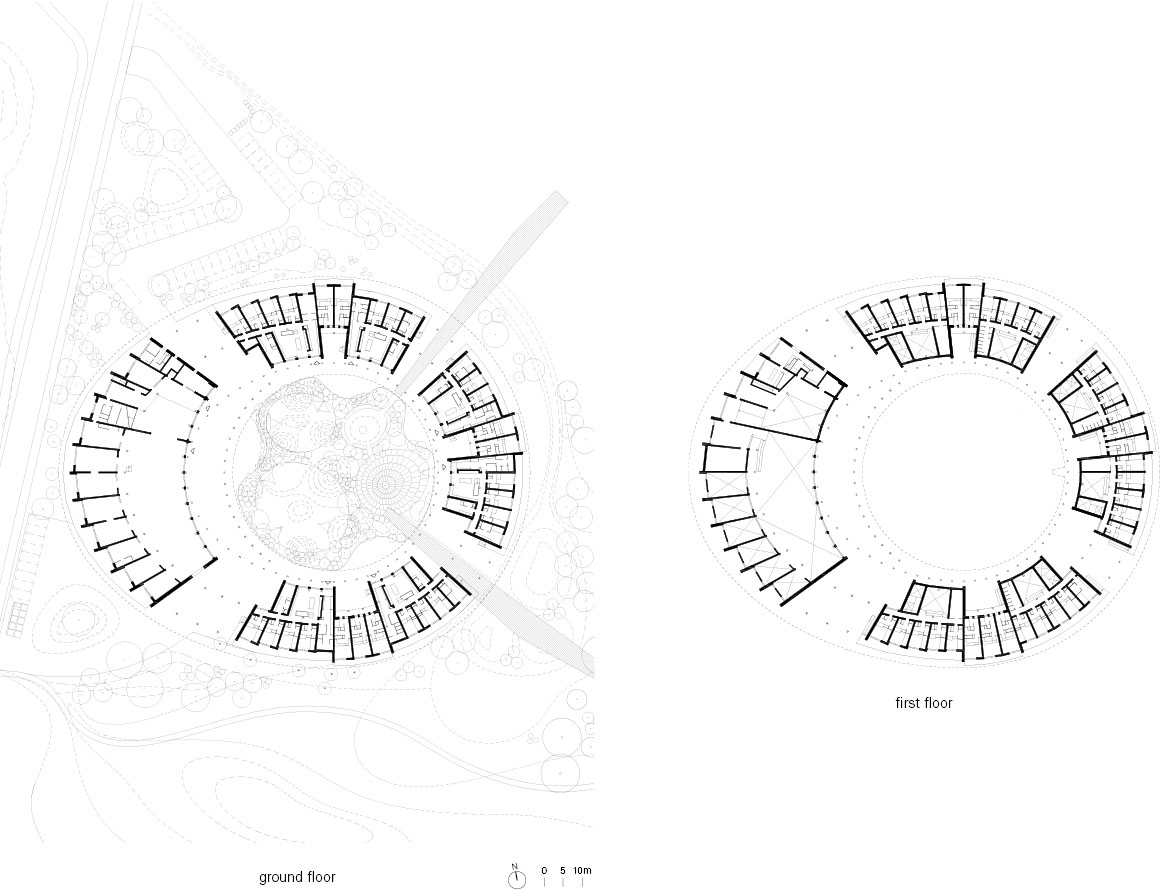
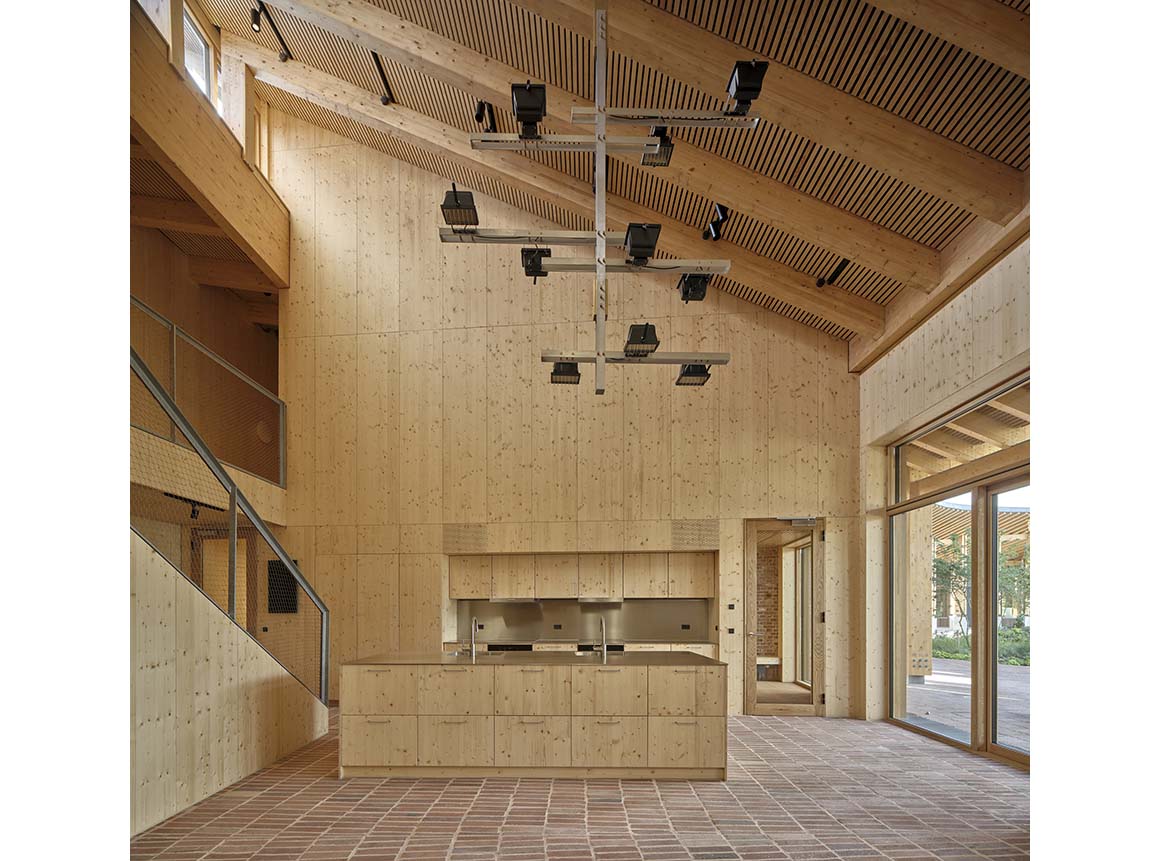
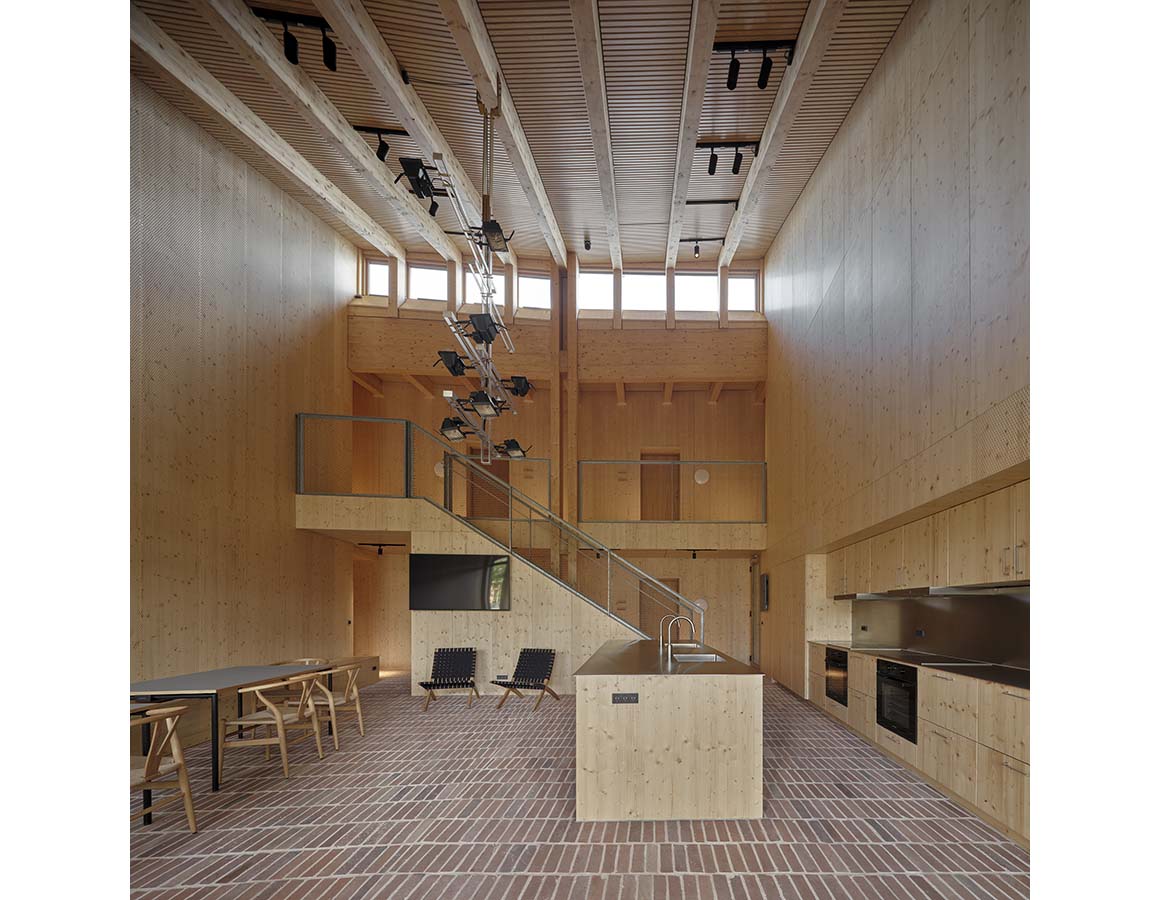
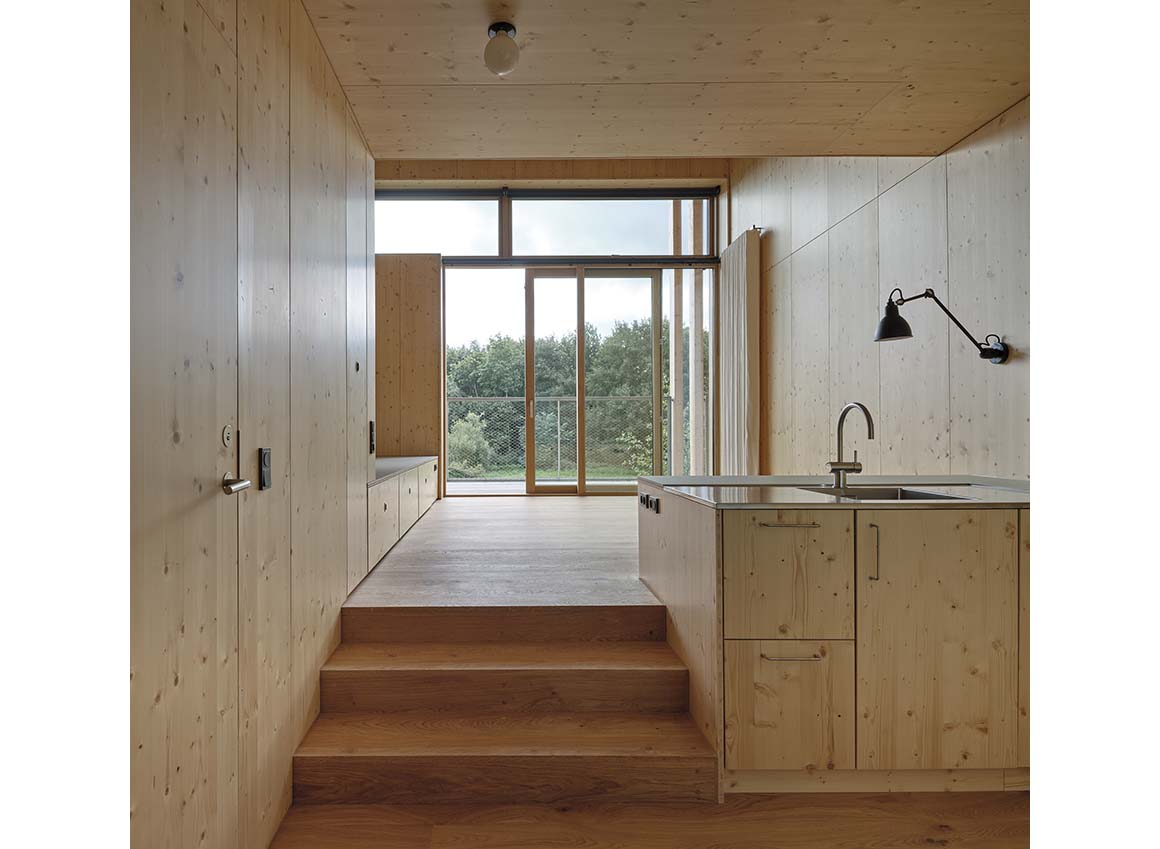
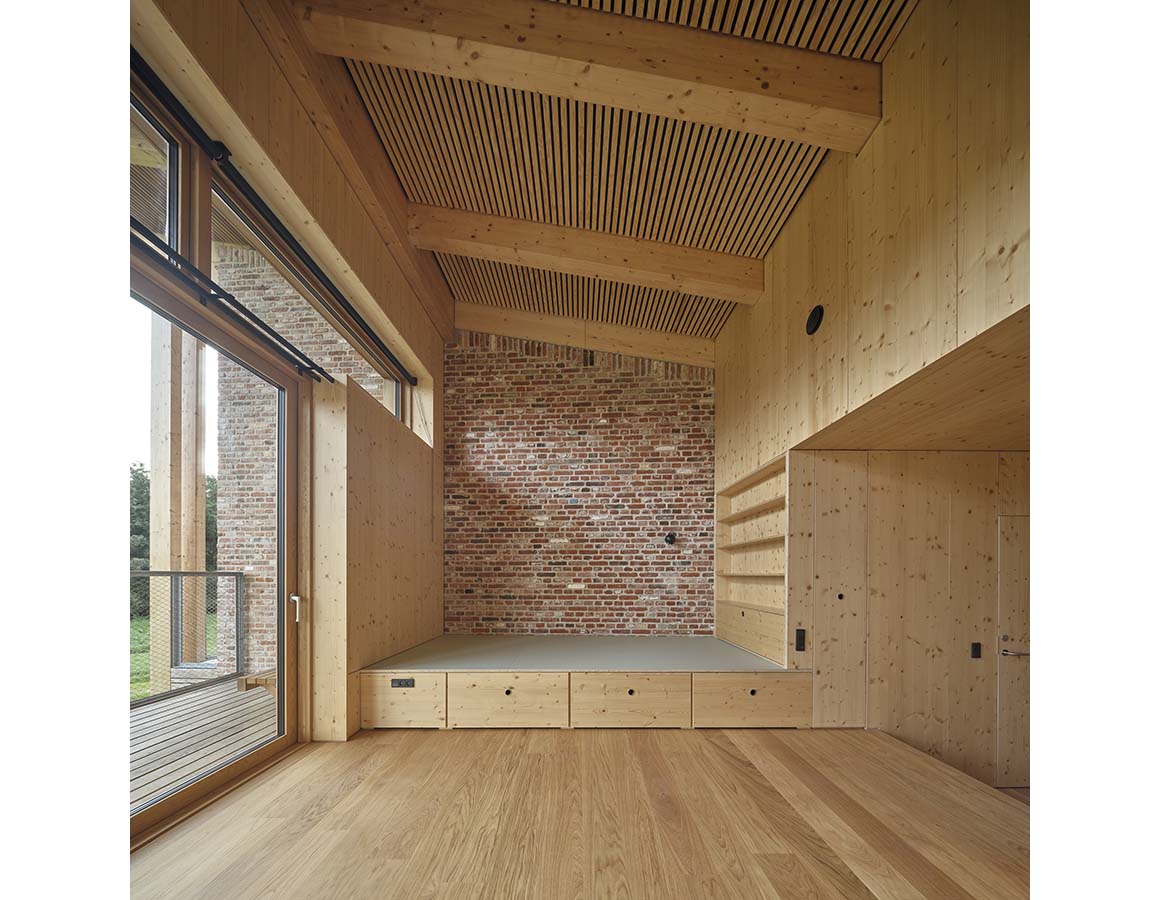
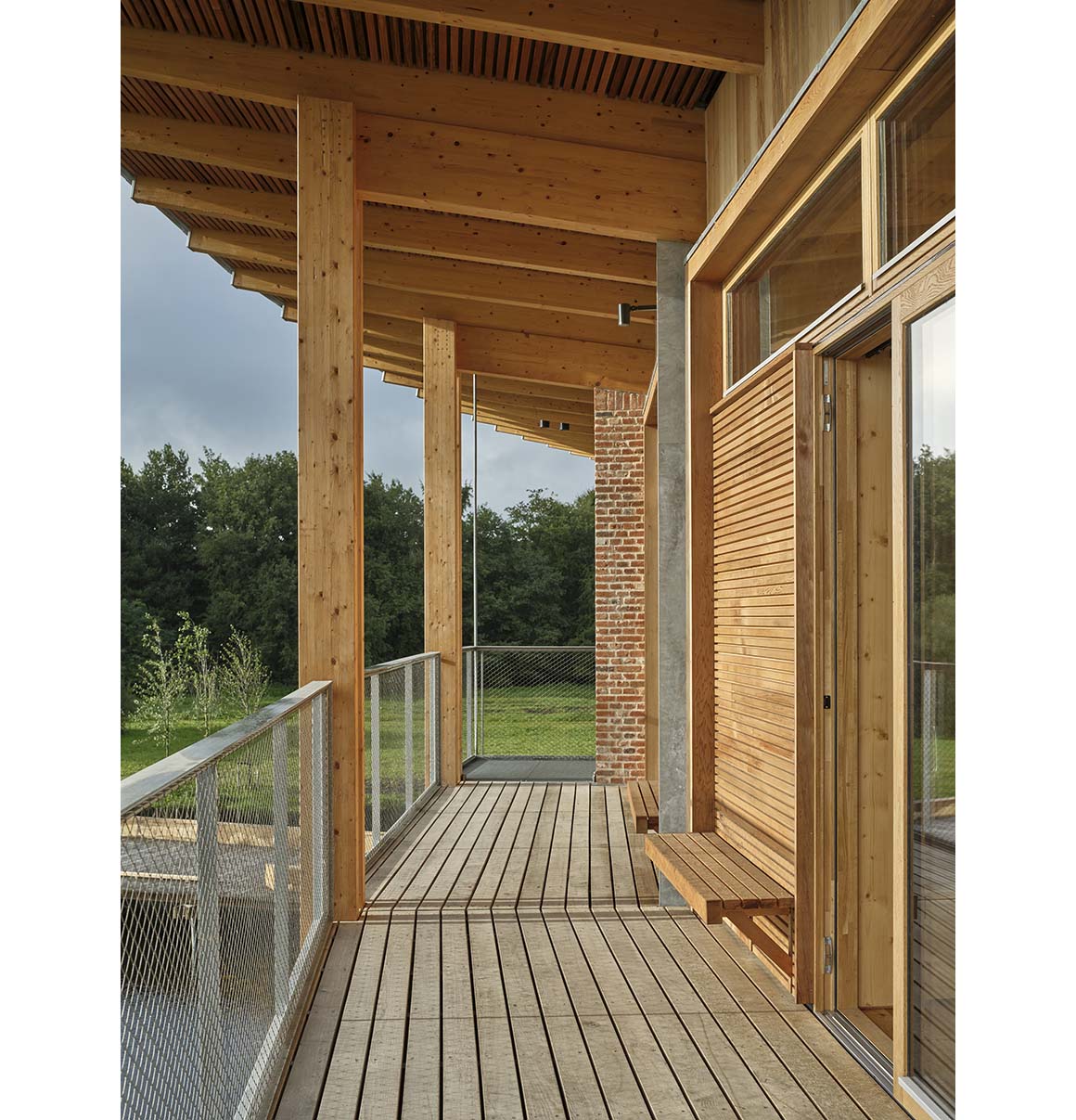
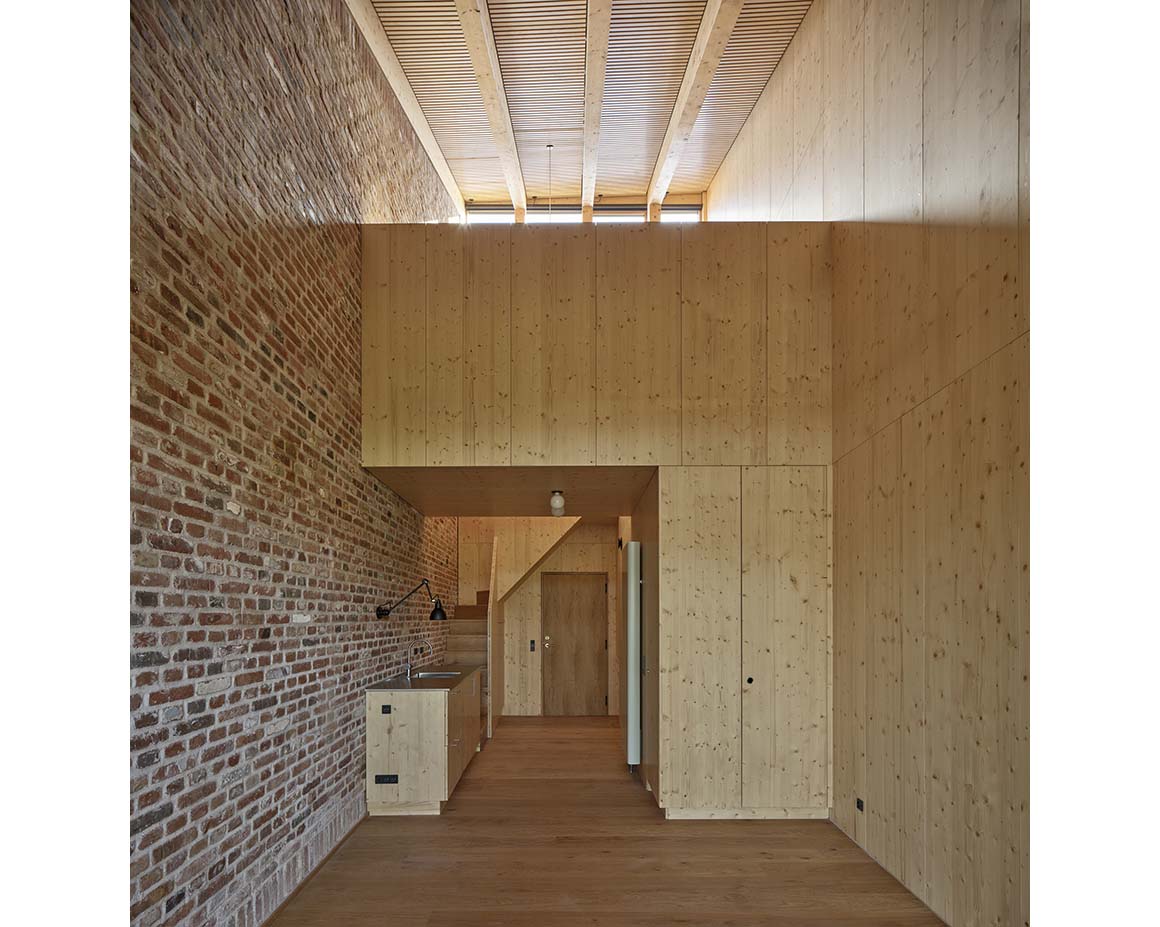
The architect explains: “There is a relationship of mutual influence between architecture and craftsmanship. Without skilled craftspeople with deep knowledge of materials and methods, architecture simply cannot be realised. With the Crafts College, we wanted to cultivate our common profession and create a space where young craftspeople can discover the impact and possibilities of their work. An important aspect of the design is the honesty in materiality—allowing the materials we use to be experienced in their natural, exposed state and become sources of inspiration and knowledge. In this way, form and materiality act both as didactic tools and a frame for community building and mutual support among the different crafts.”
Project: Crafts College / Location: Svanekevej 15, 7400 Herning, Denmark / Architect: Dorte Mandrup / Landscape architect: Kristine Jensen Landscape & Henning Larsen / Lighting design: fortheloveoflight / Engineer: Artelia / Main contractor: CC Contractor / Roof-cassettes: Taasinge / Masonry: Gamle Mursten / Exterior wood facades: Frøslev / Client: Fonden for Håndværkskollegier (FFHK) / Sponsor: BRF Fonden / Use: education, workspace / Site area: 21.679m² / Bldg. area: 4,211m² / Gross floor area: 9,105m² / Bldg. scale: two stories above ground / Completion: 2025 / Photograph: ©Adam Mørk (courtesy of the architect)