

Five stations reshaping Melbourne’s underground landscape
Hassell + WW+P Architects + RSHP
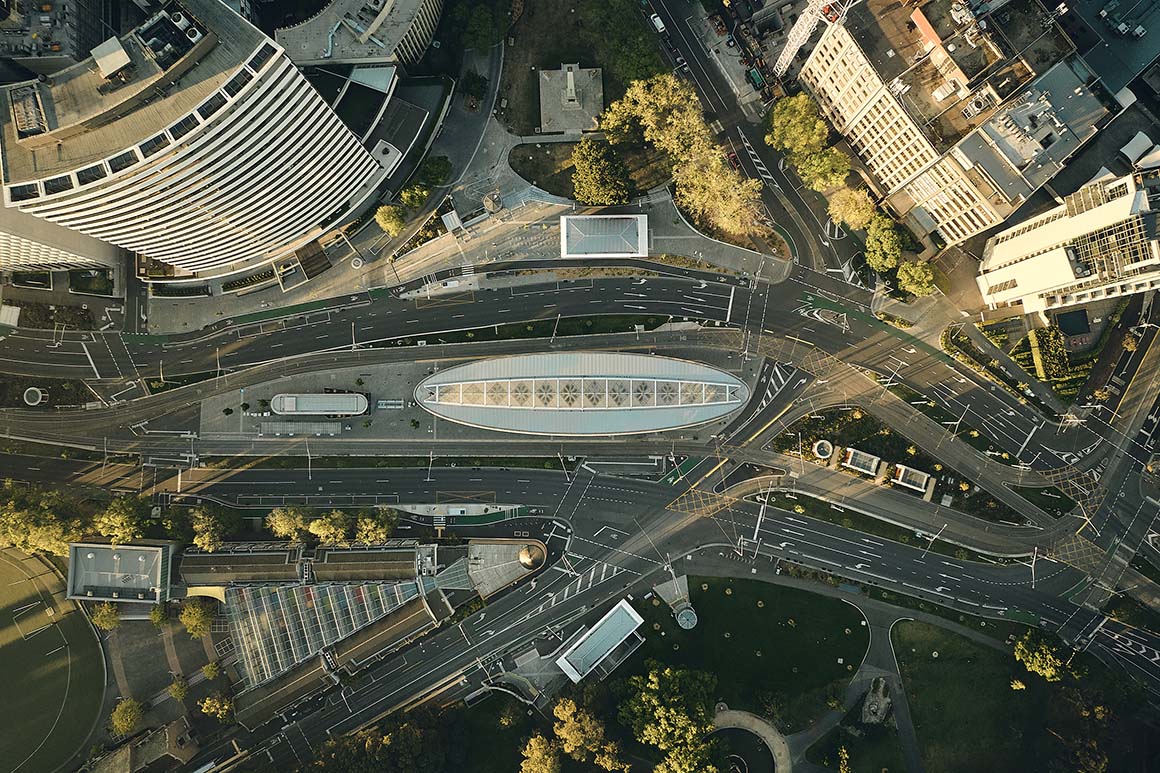
Melbourne’s underground landscape is undergoing a significant shift. Scheduled for completion in February 2026, the Metro Tunnel Project marks the most substantial change to the city’s rail network in four decades, reshaping how trains move through the metropolitan core.
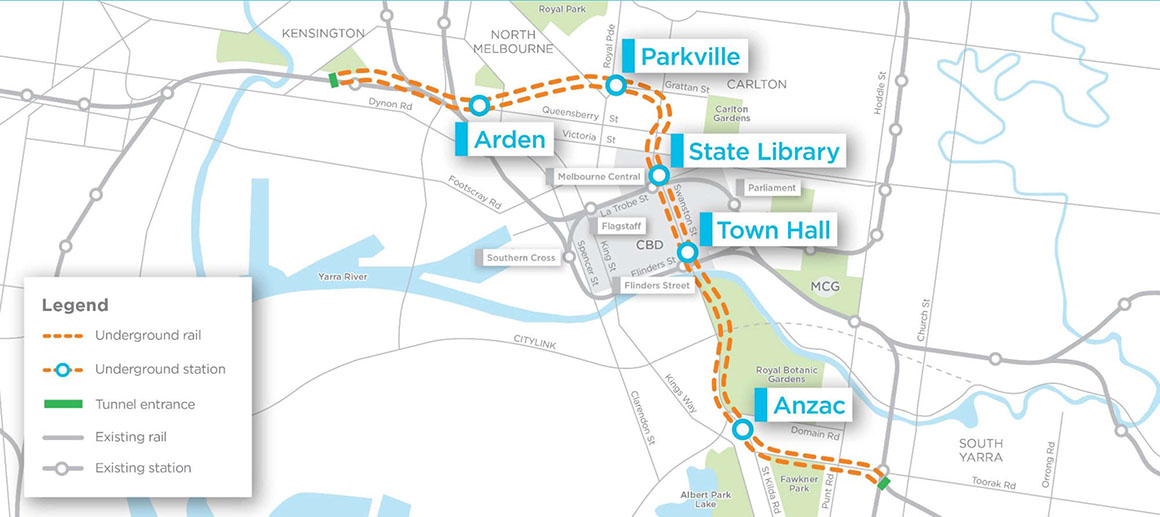
At the center of the project is a 9km twin tunnel running beneath the city, accompanied by five new underground stations. Until now, Melbourne’s rail system has relied heavily on the City Loop, where regional and suburban lines converge, resulting in persistent congestion. By introducing a dedicated north–south corridor and separating these services, the project relieves pressure on the existing loop and increases capacity across the network.
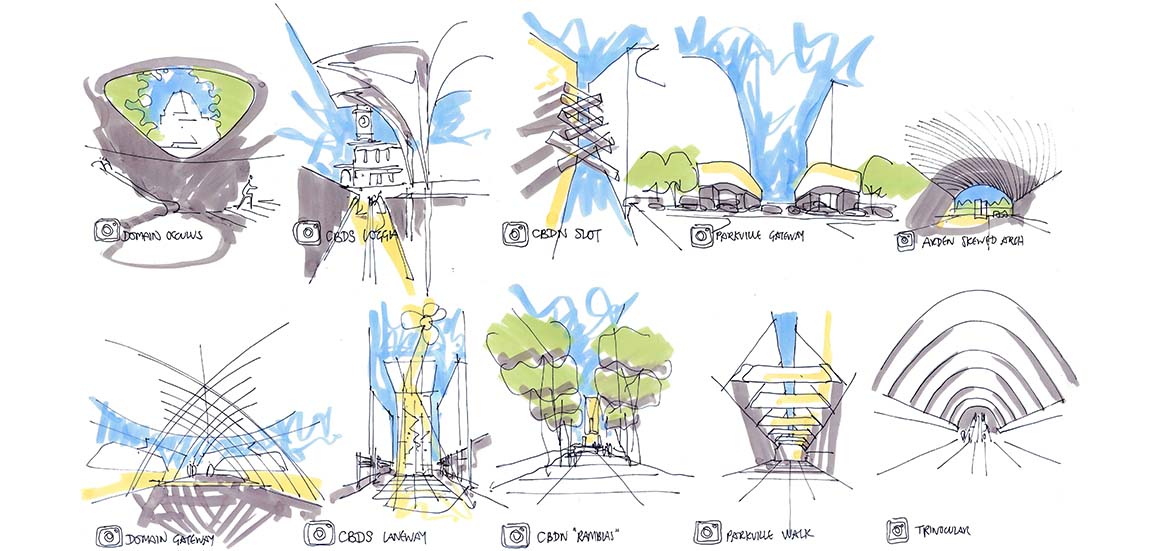
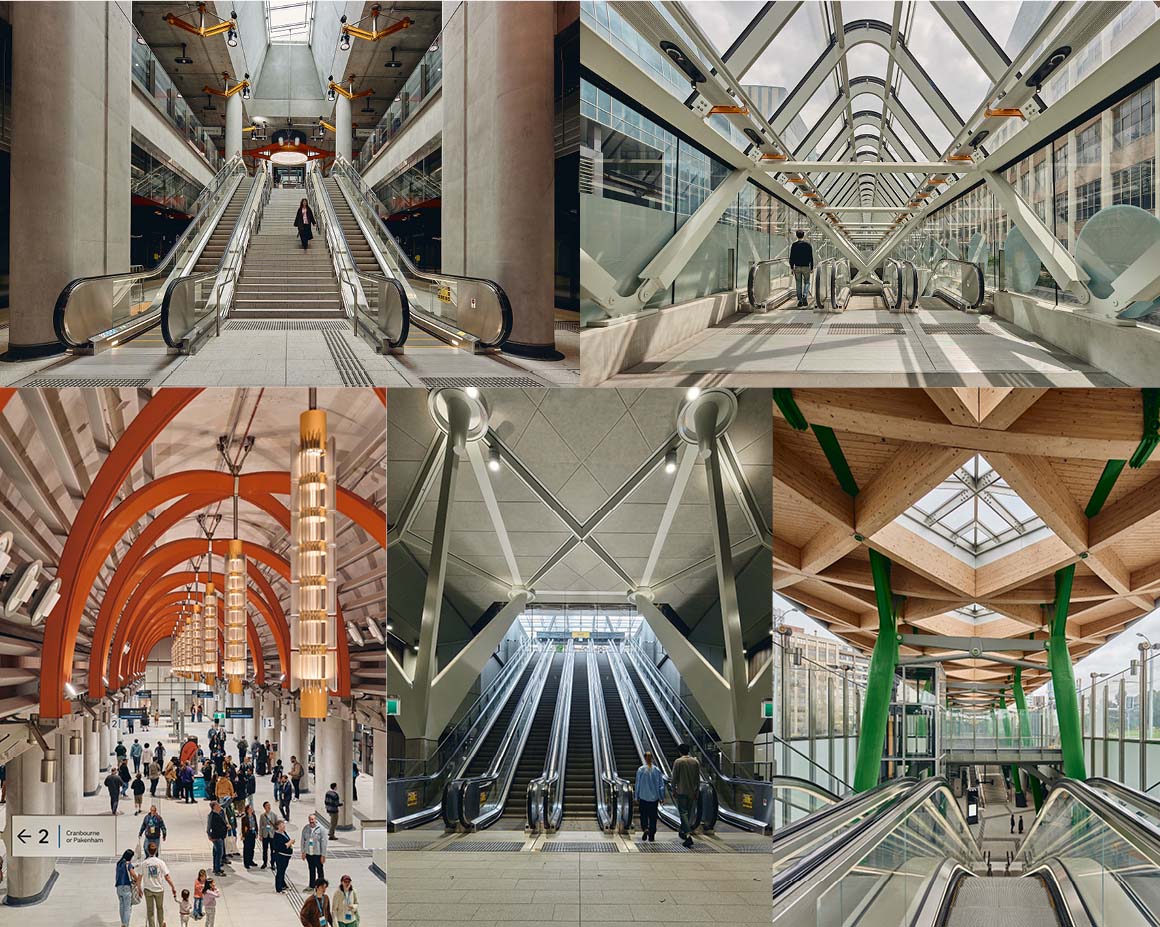
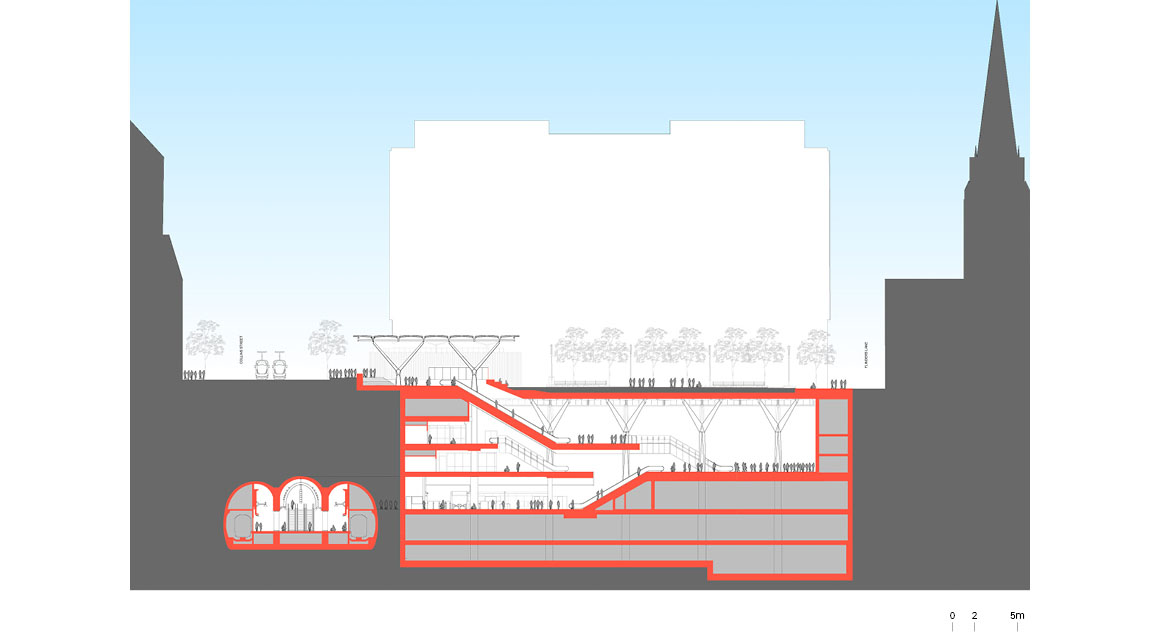
The most visible expression of this shift lies in the new stations themselves. Conceived as more than transit infrastructure, they are designed as urban destinations that connect underground platforms with street-level life. A shared architectural strategy addresses the challenges of subterranean space by drawing natural light and fresh air deep below ground, while each station responds to the character of its surrounding neighborhood, transforming formerly utilitarian environments into vibrant civic spaces.
1. Arden Station
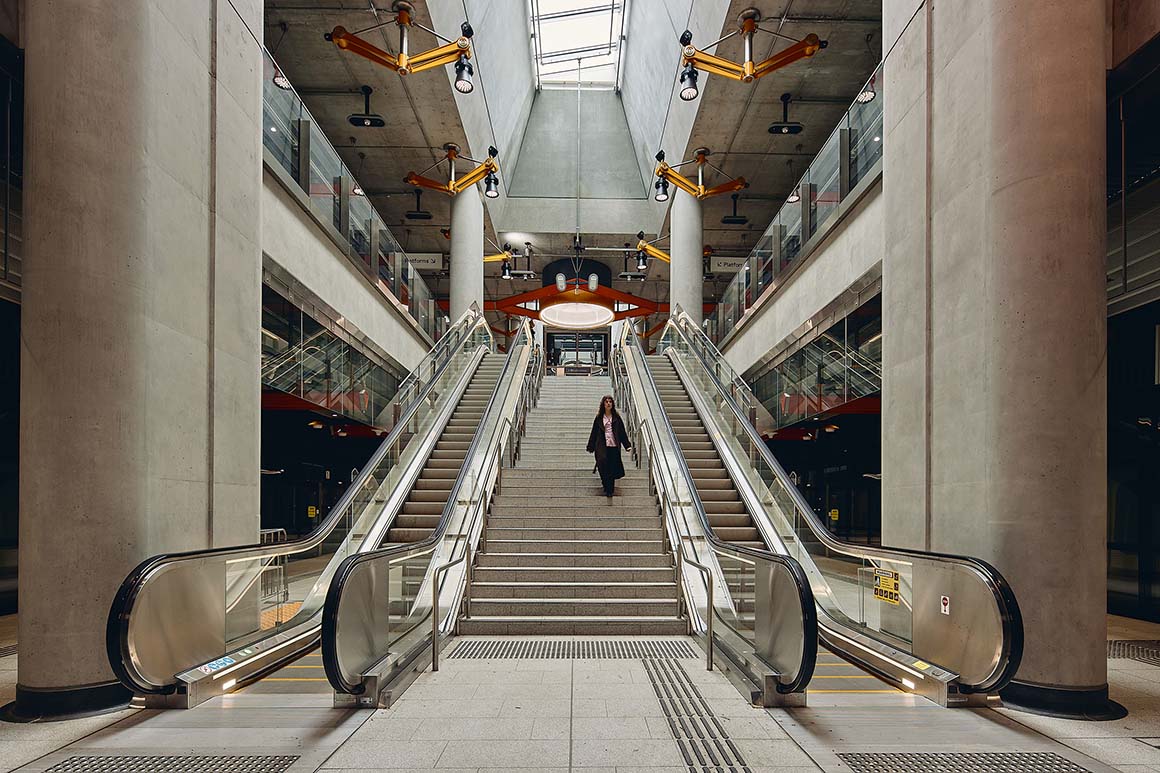
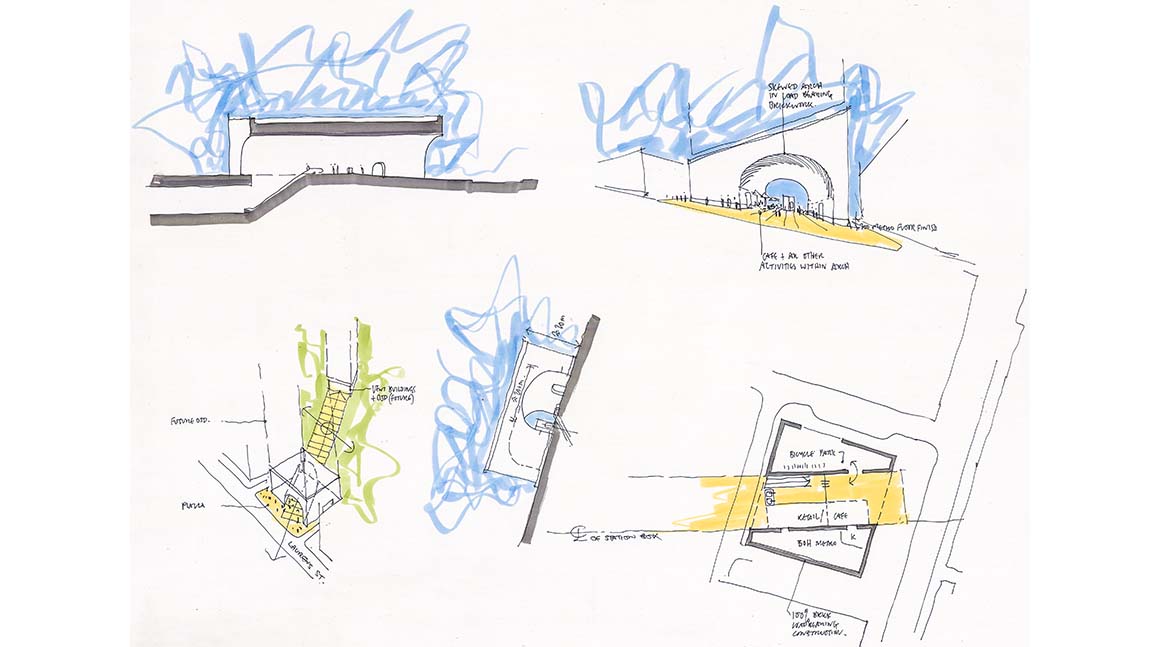
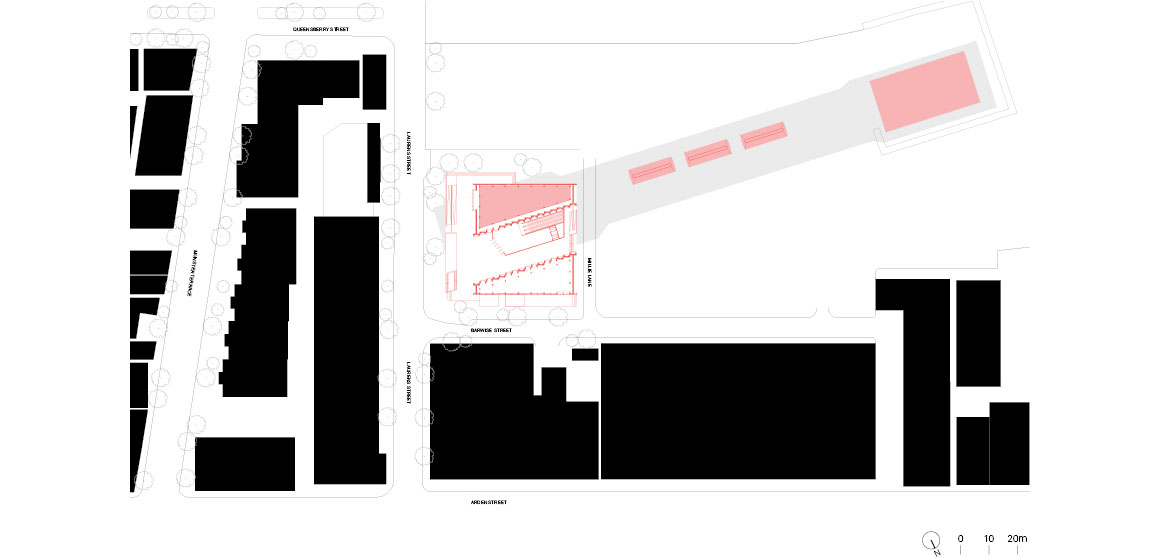
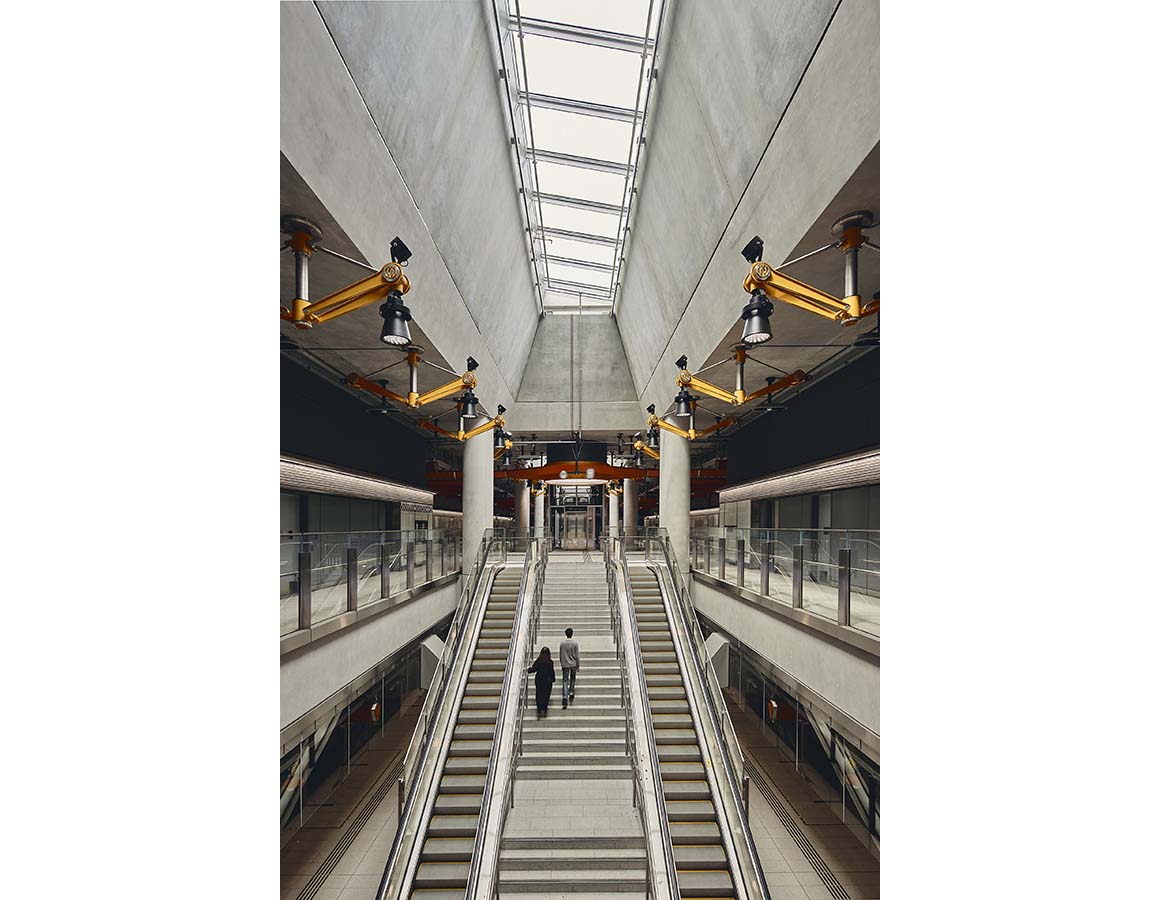
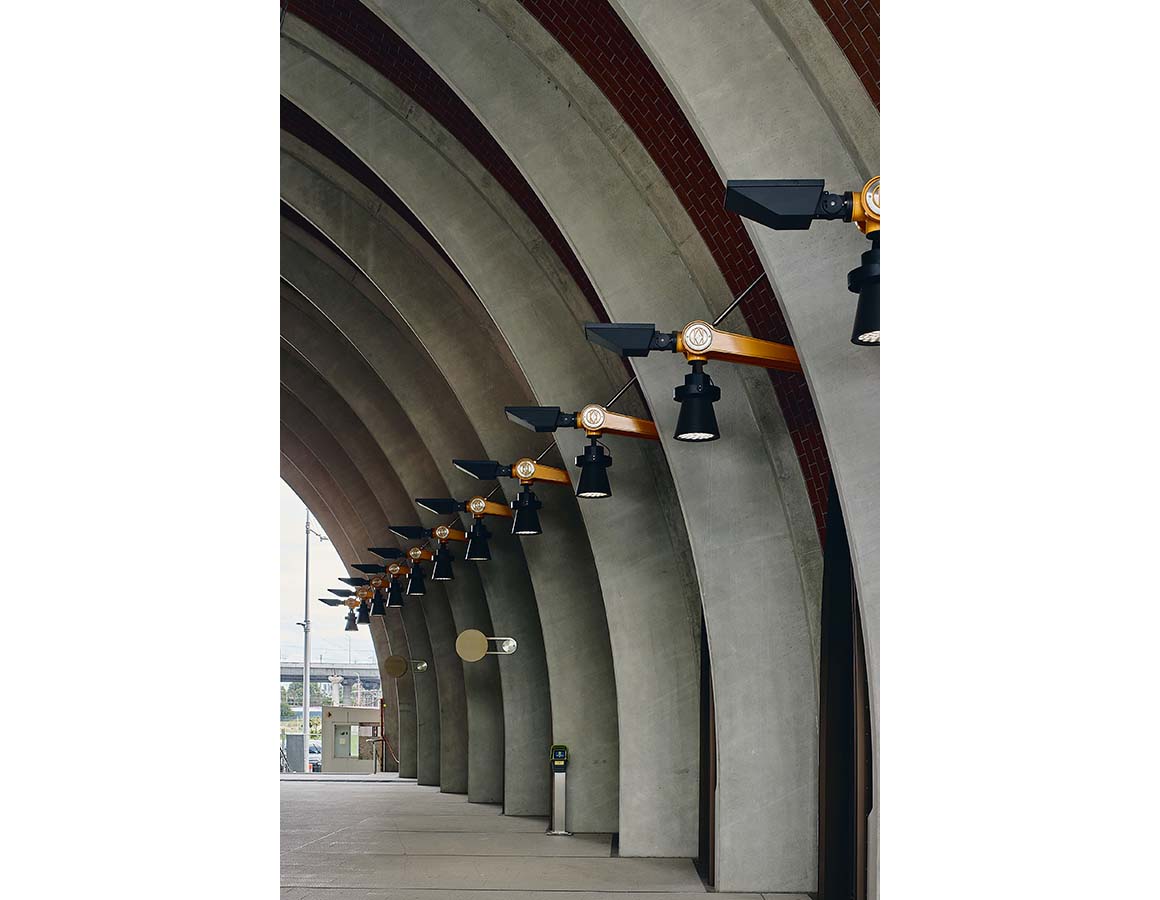
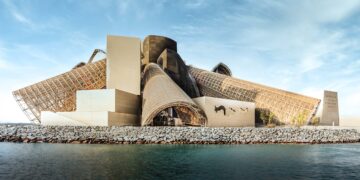
This approach is particularly evident at Arden Station. Referencing the area’s industrial past, its entrance is defined by a monumental brick arch constructed from approximately 150,000 bricks. Functioning both as a landmark and as a skylight, the arch channels daylight down to the platforms below. Light and masonry combine to form a space in which the site’s industrial legacy is reinterpreted through contemporary infrastructure.
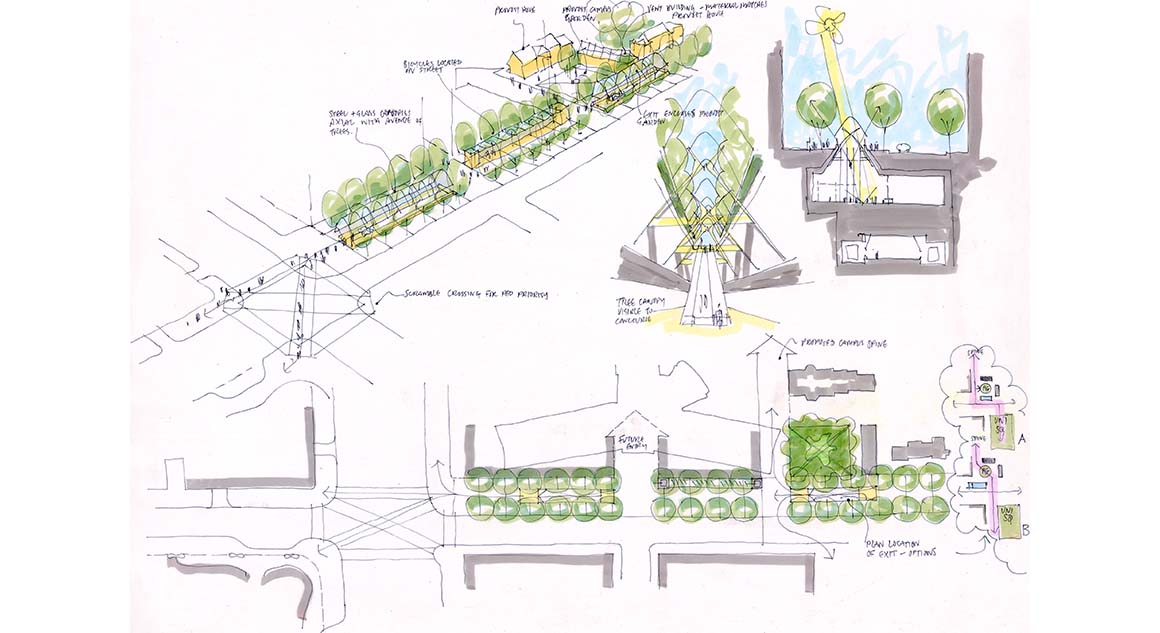
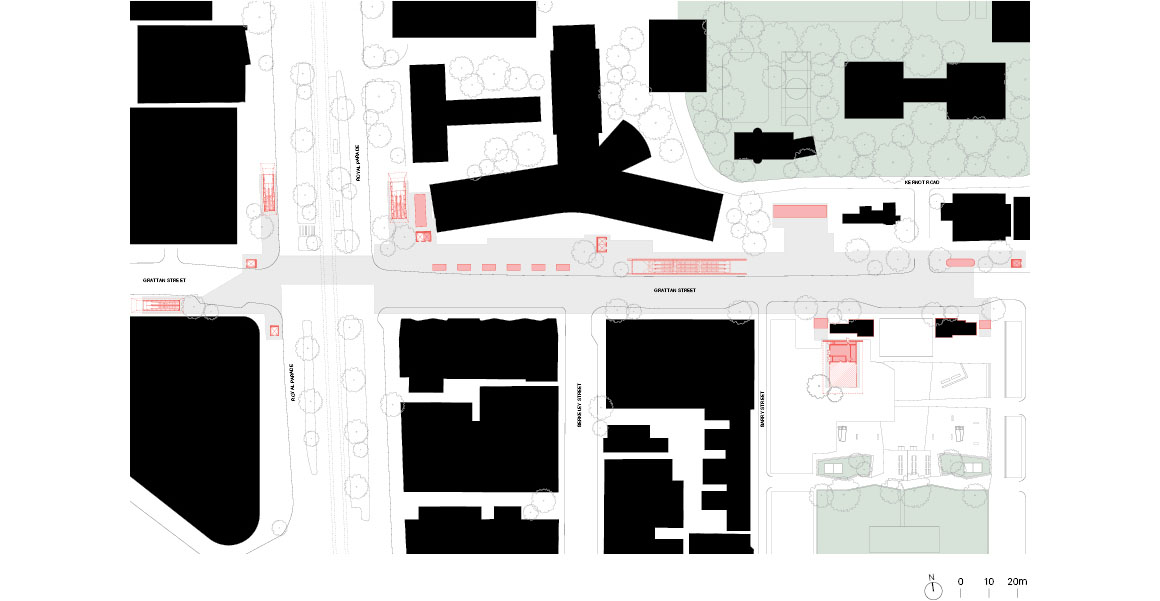
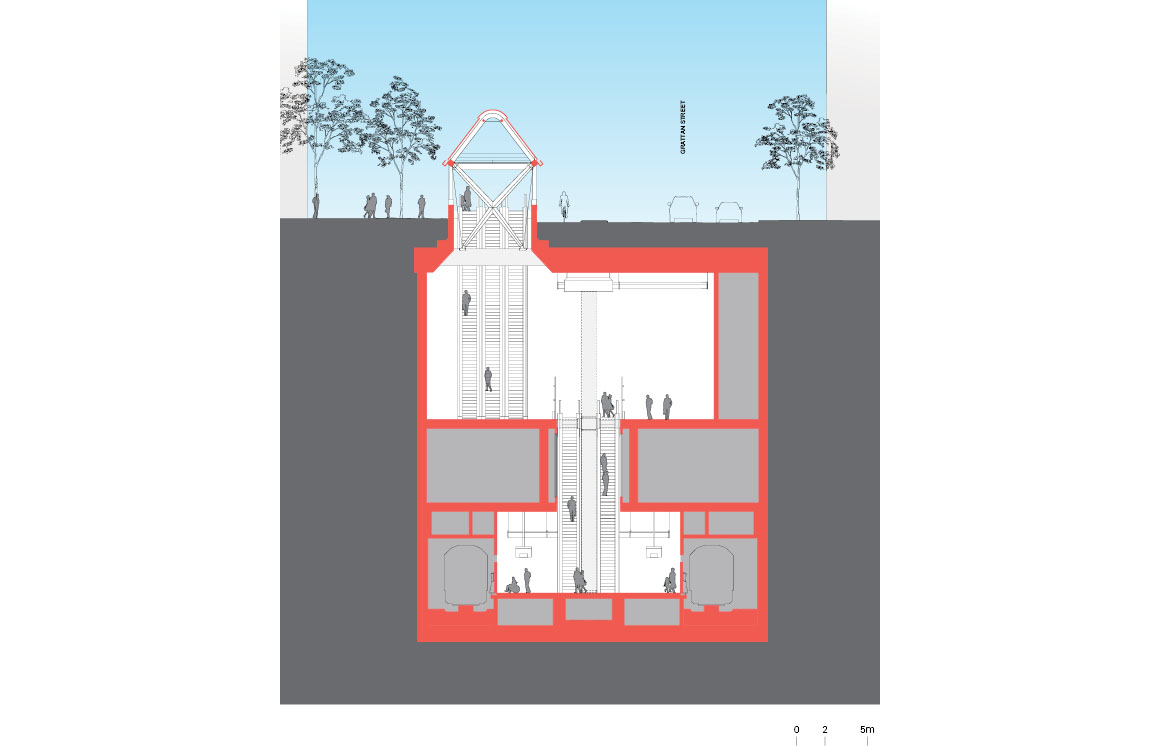
At Parkville Station, transparency serves as the guiding principle. Located within a major health and education precinct, the station is capped with expansive glass skylights that draw daylight into the concourse. From below, passengers retain visual connections to the trees and buildings above, reinforcing a sense of continuity between the station and the surrounding university and hospital grounds.
2. Park Ville Station


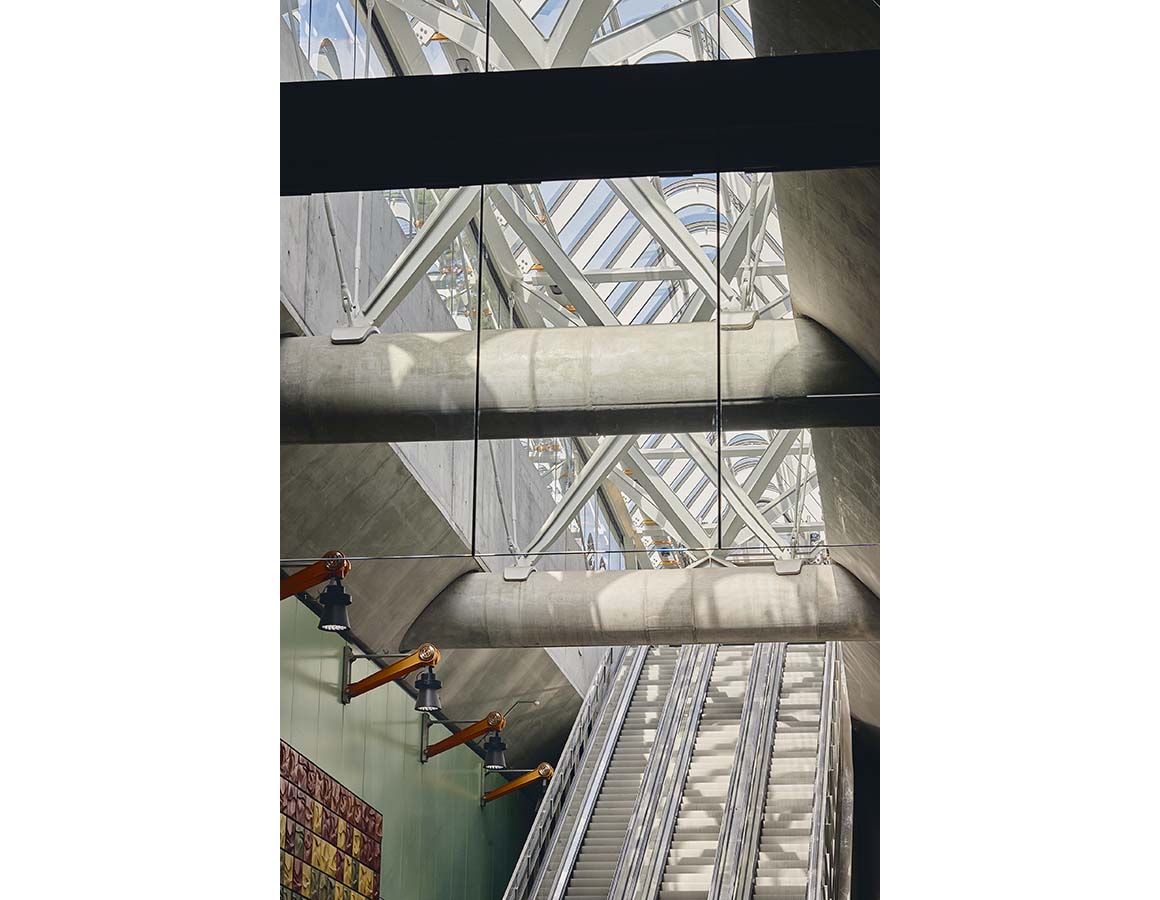
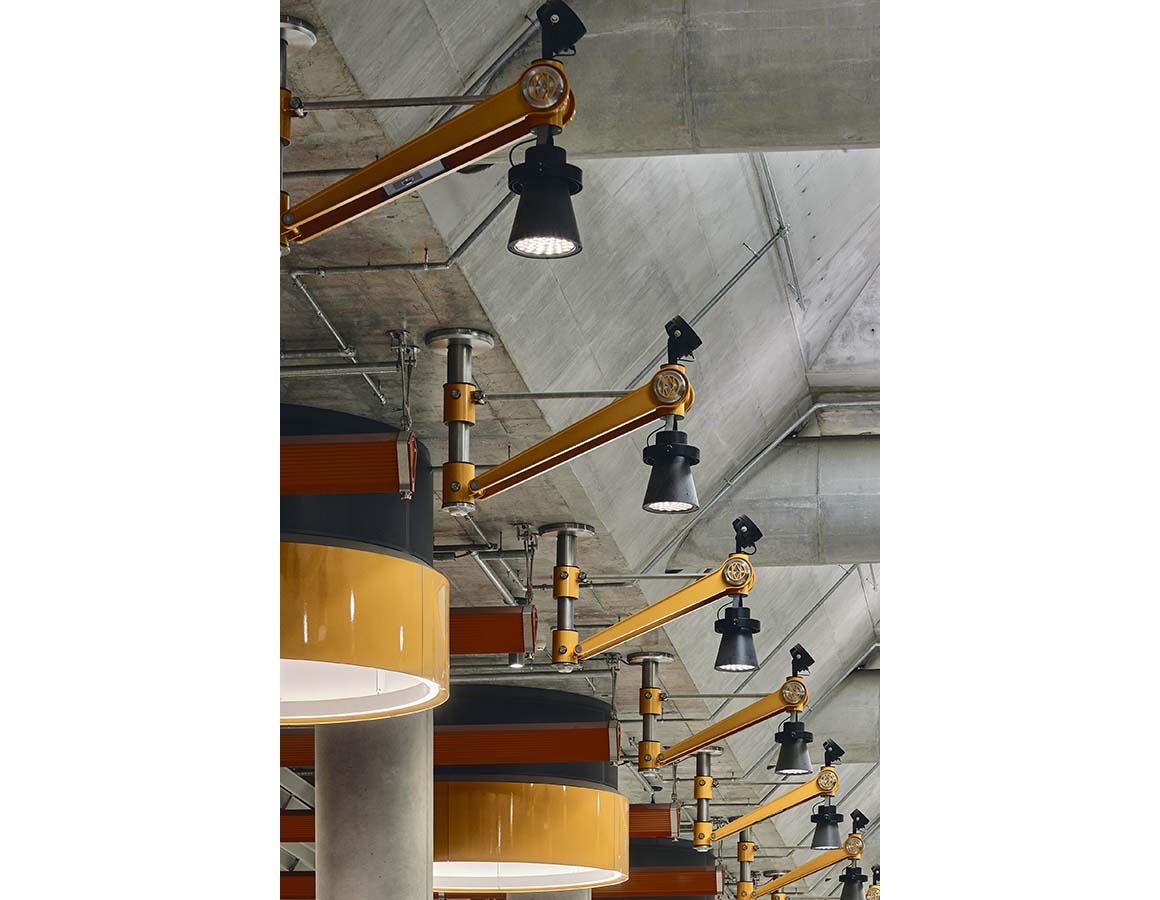
3. State Library Station
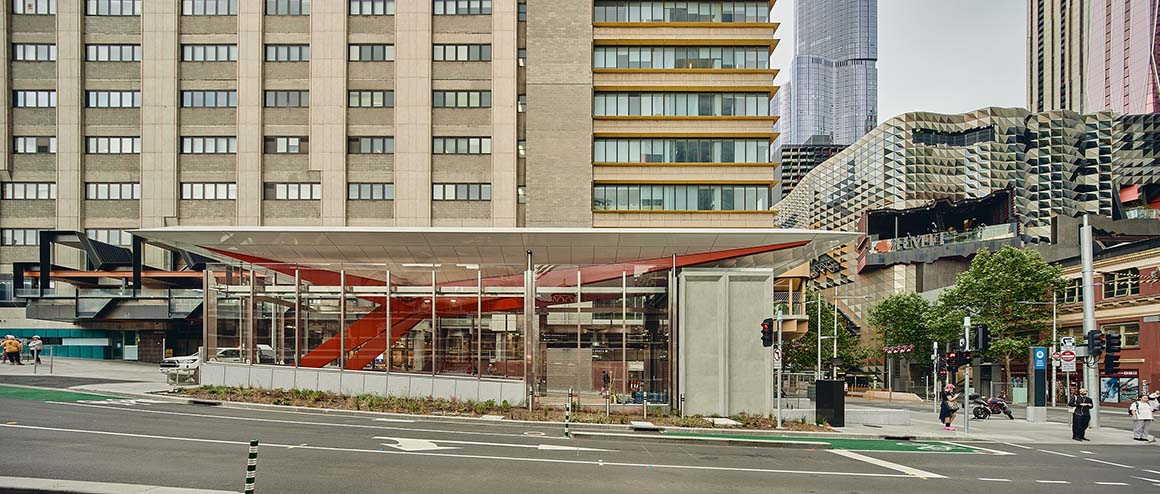
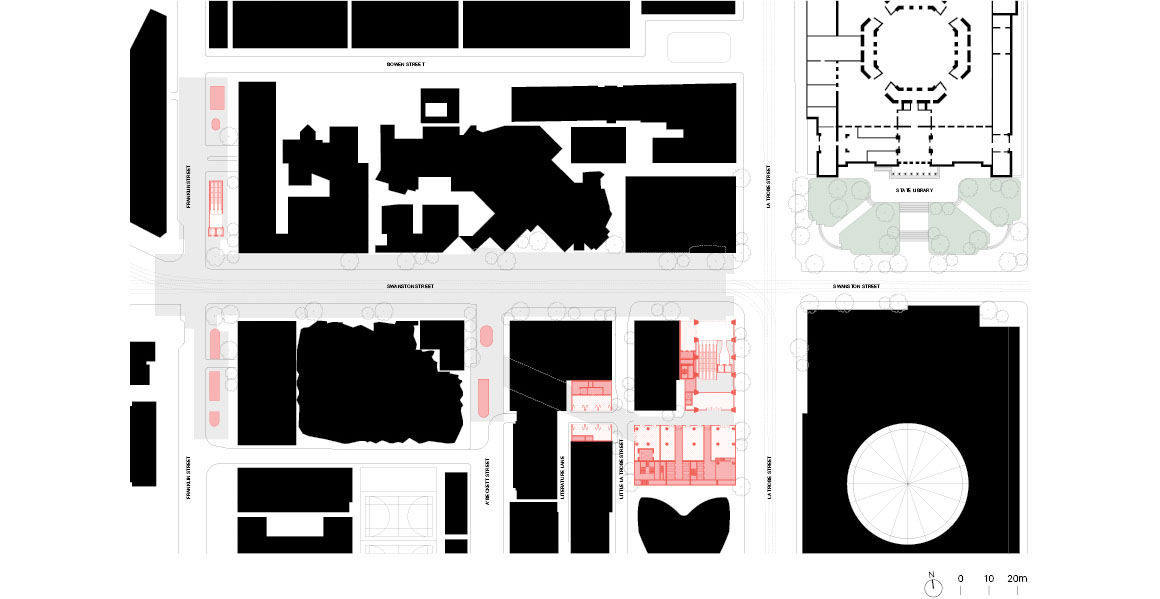
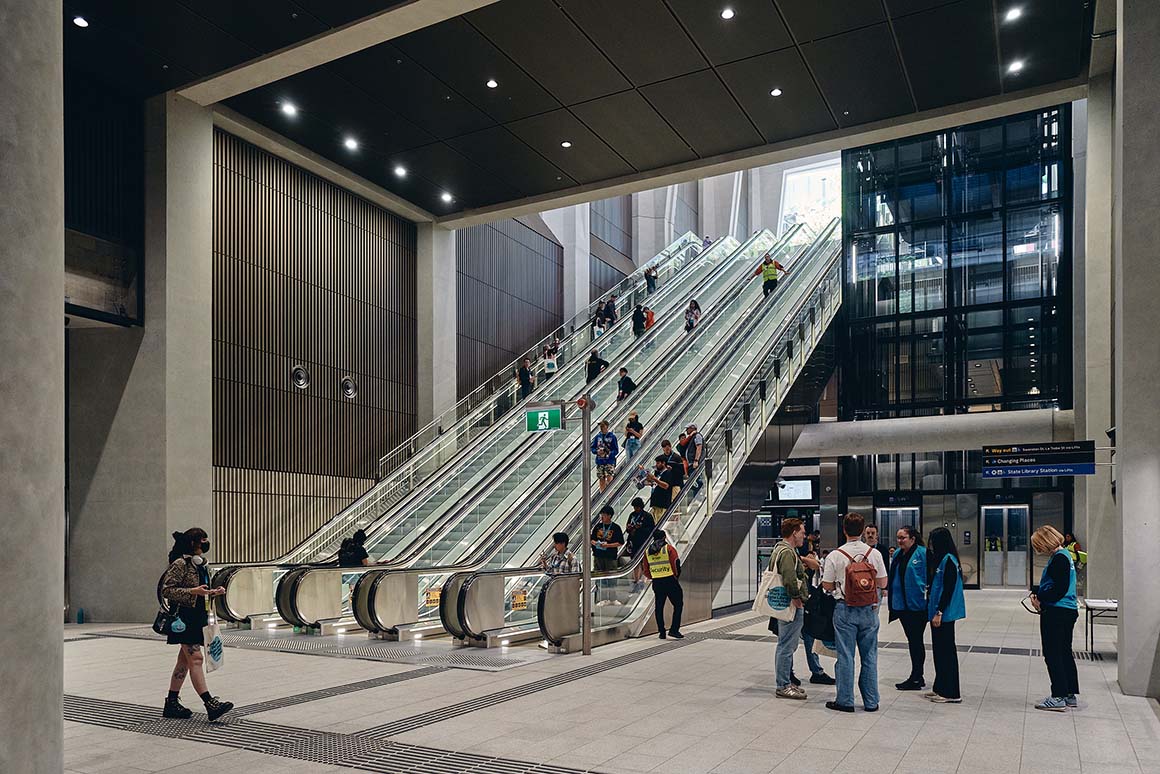
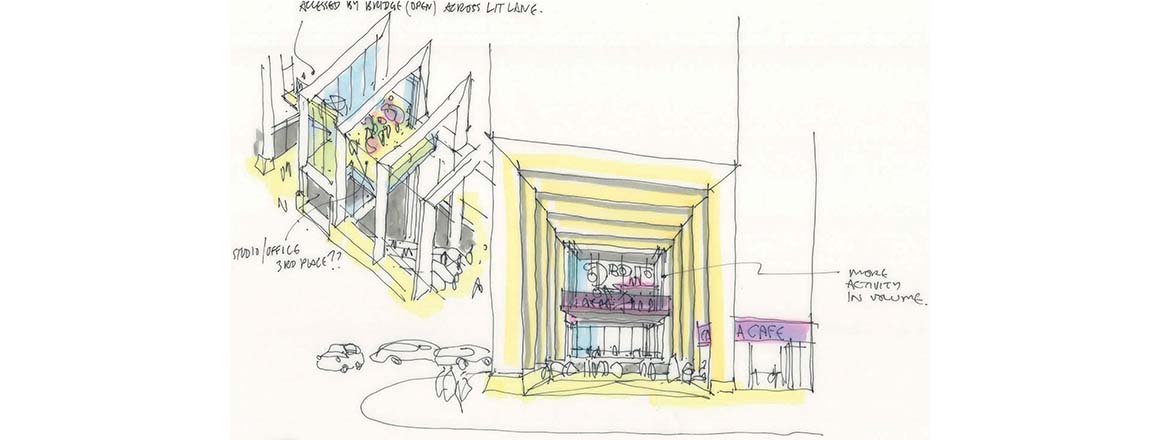
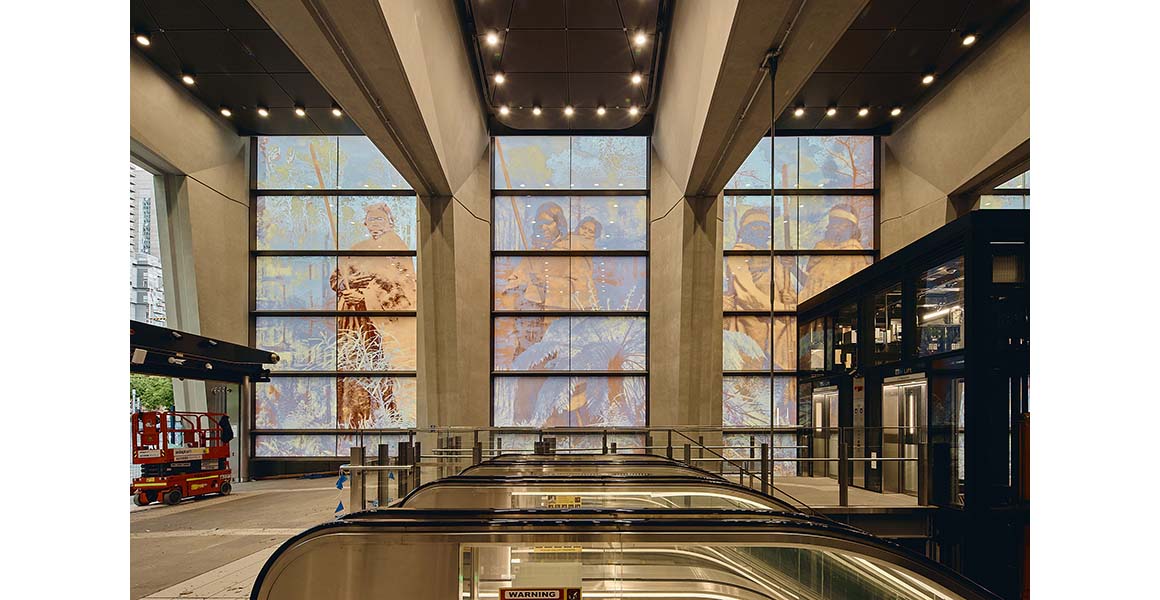
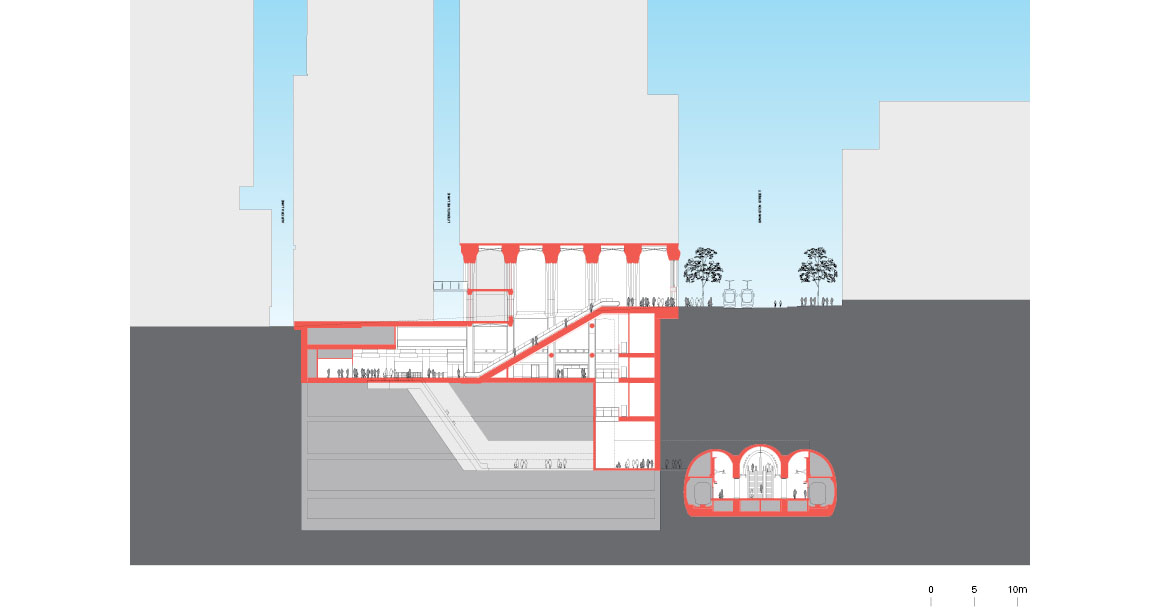
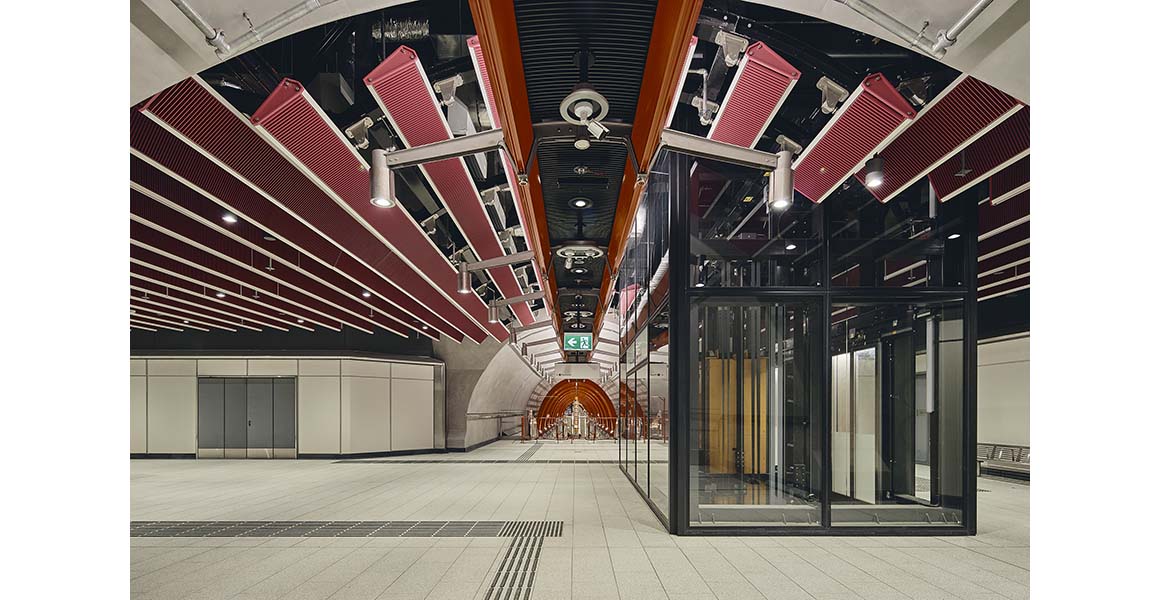
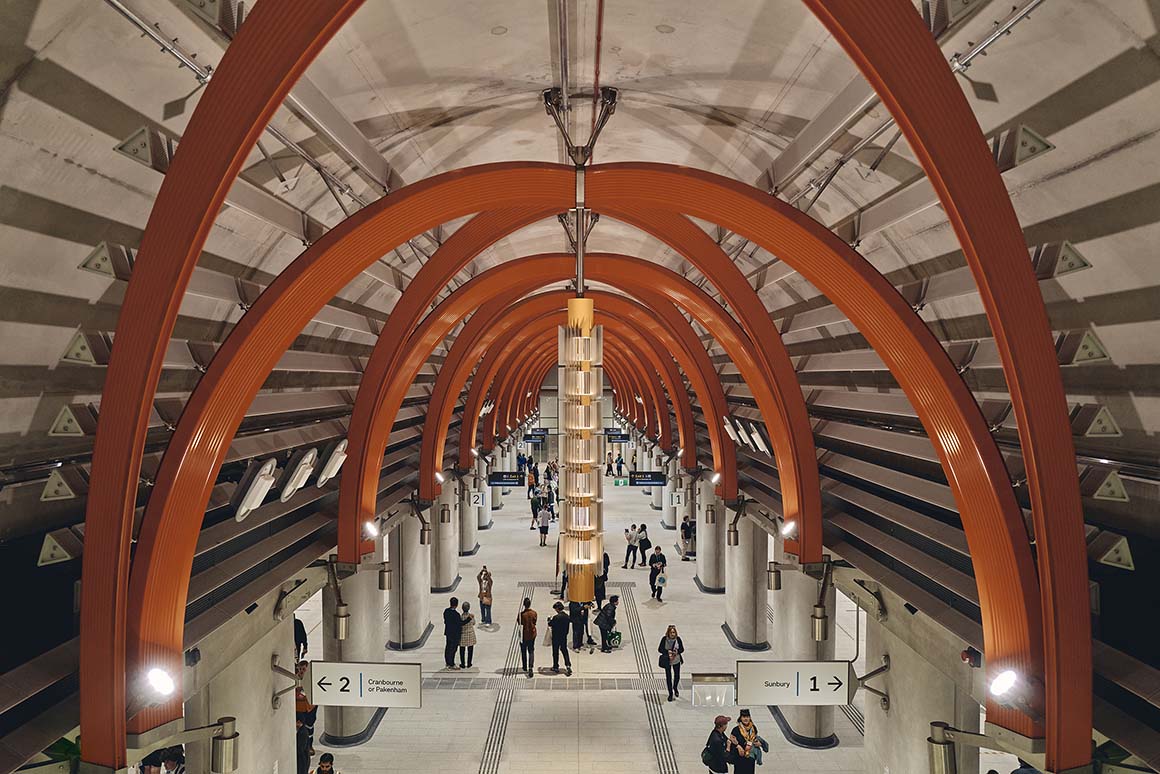
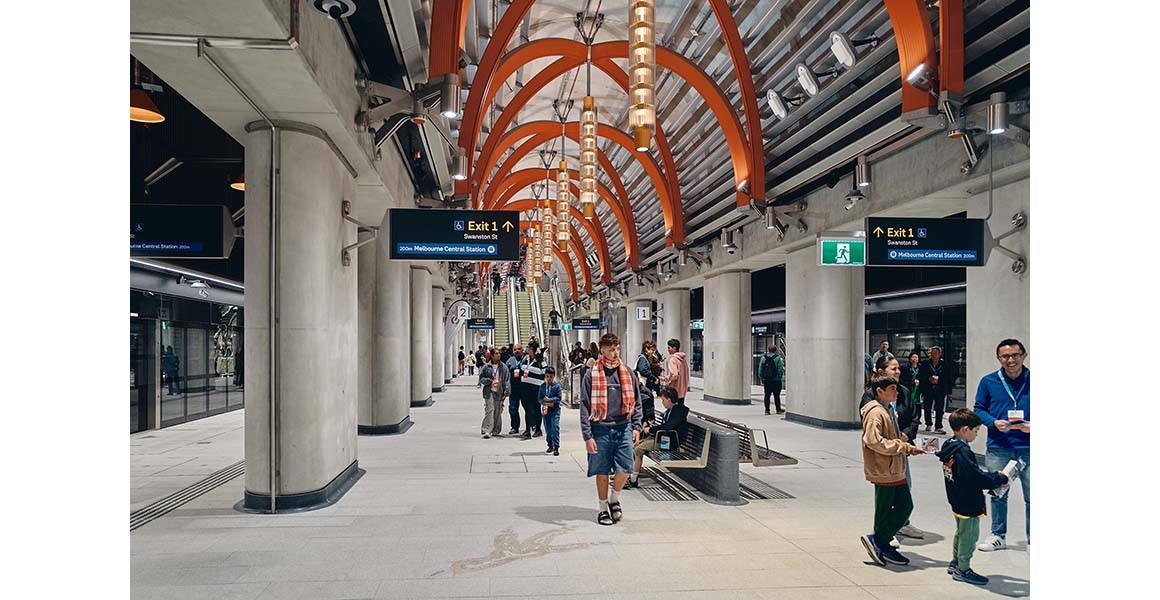
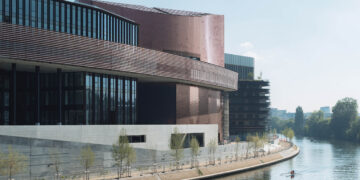
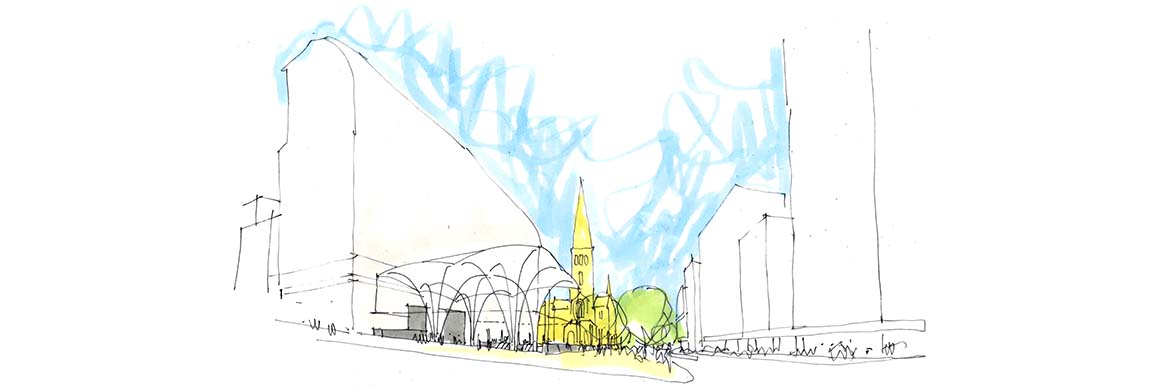
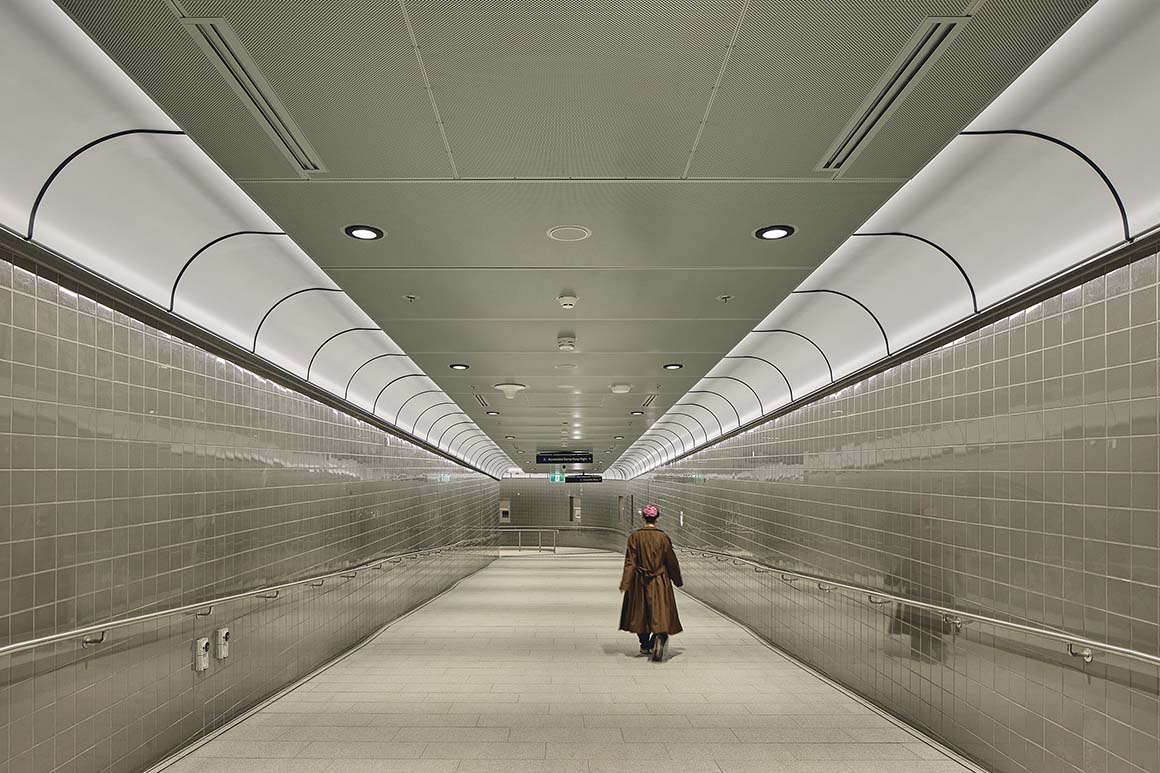
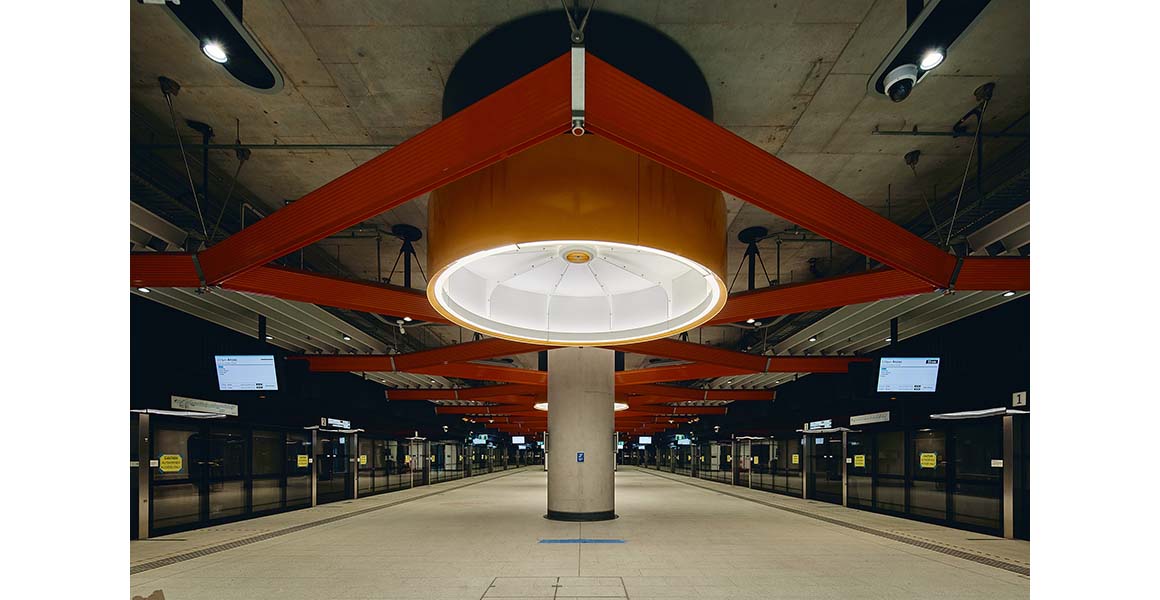
State Library Station adopts a markedly different spatial language. Inspired by the scale and volume of the adjacent State Library Victoria, its vaulted ceilings create a cavernous interior that counters the sense of enclosure typically associated with underground stations. Town Hall Station, by contrast, is organized around a broad, column-free hall that accommodates high passenger volumes while maintaining clear sightlines and intuitive orientation.
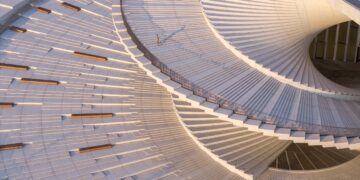
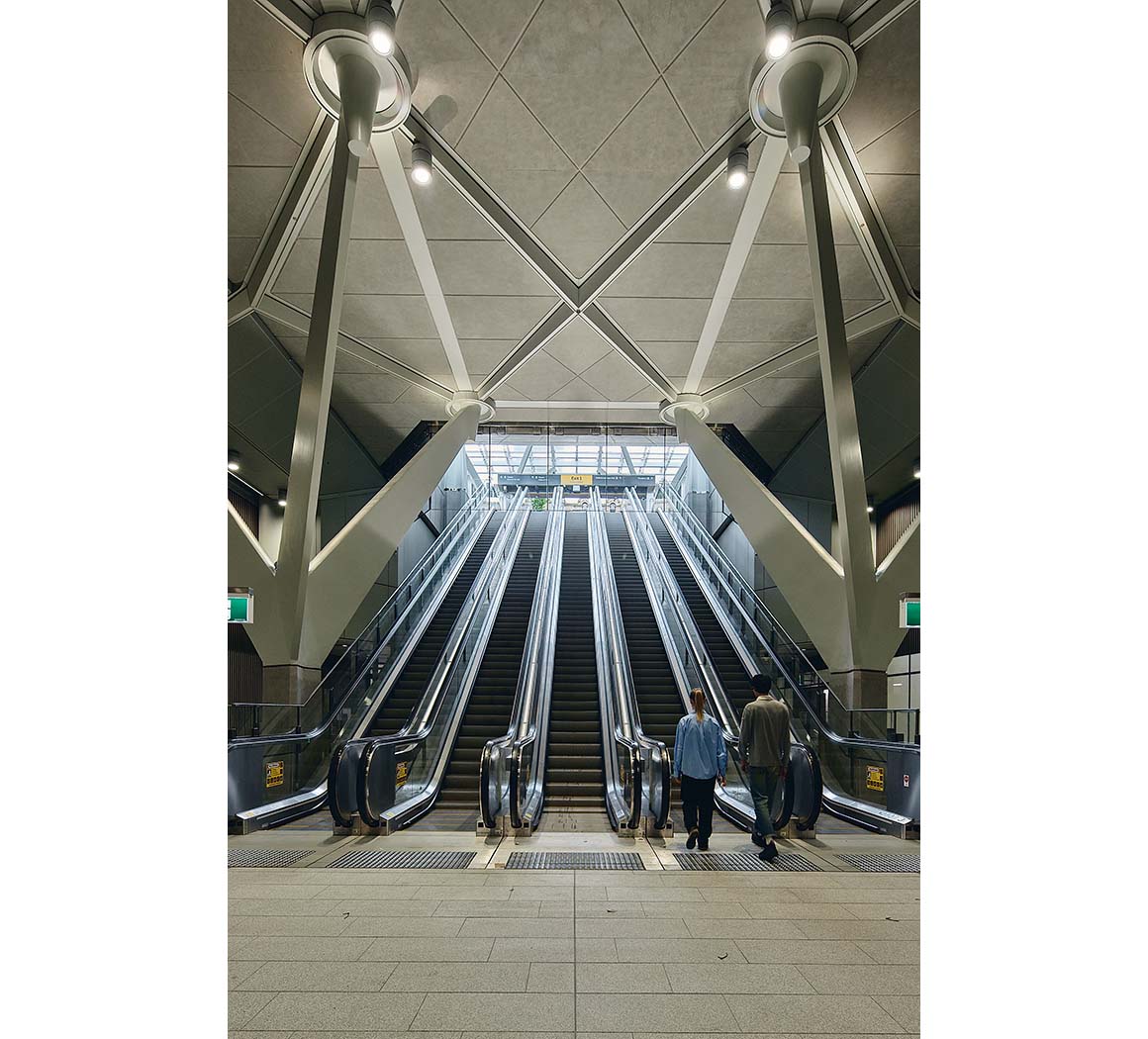
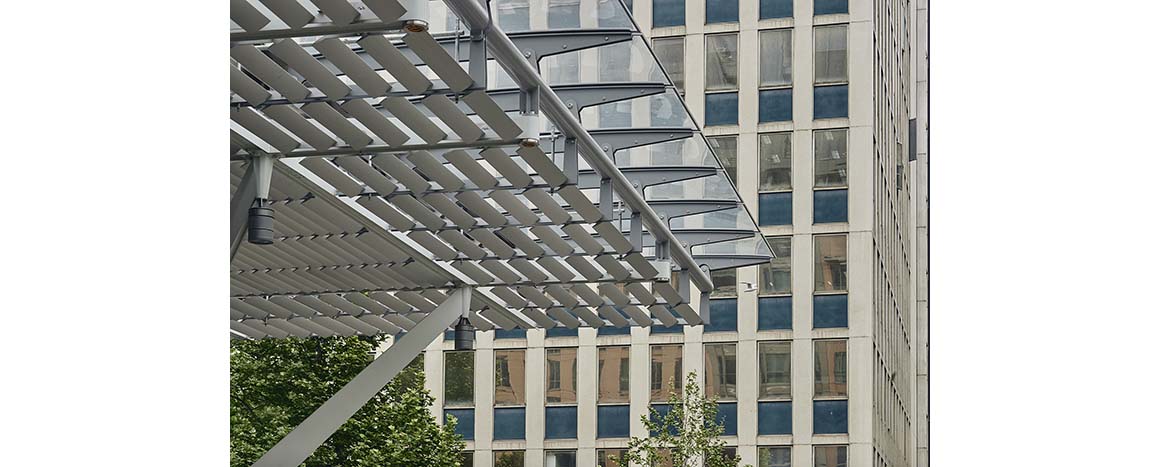
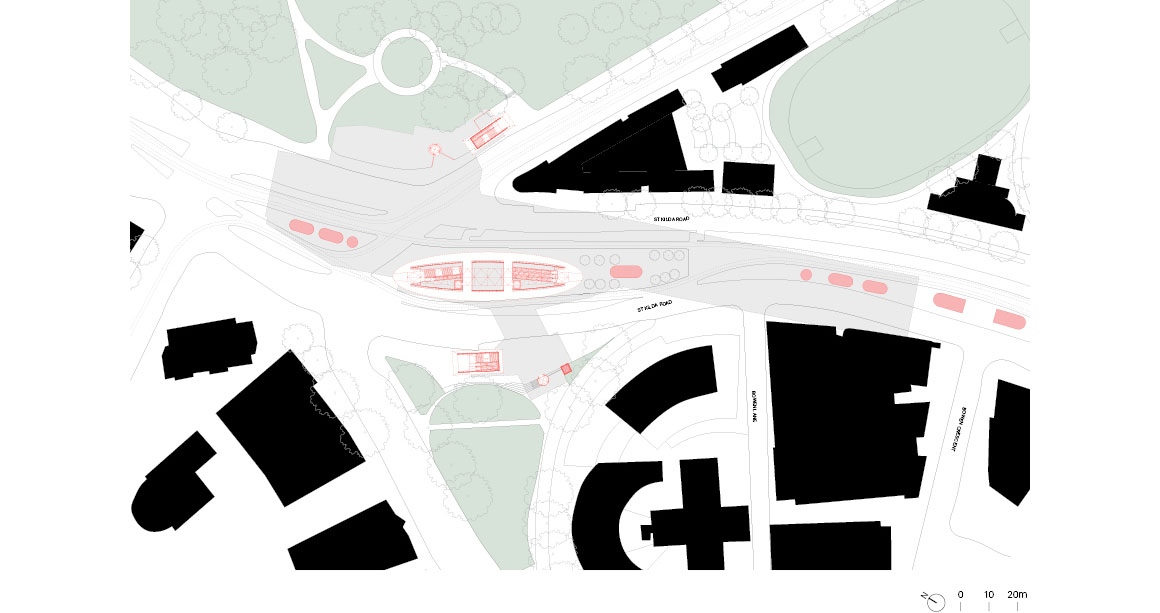
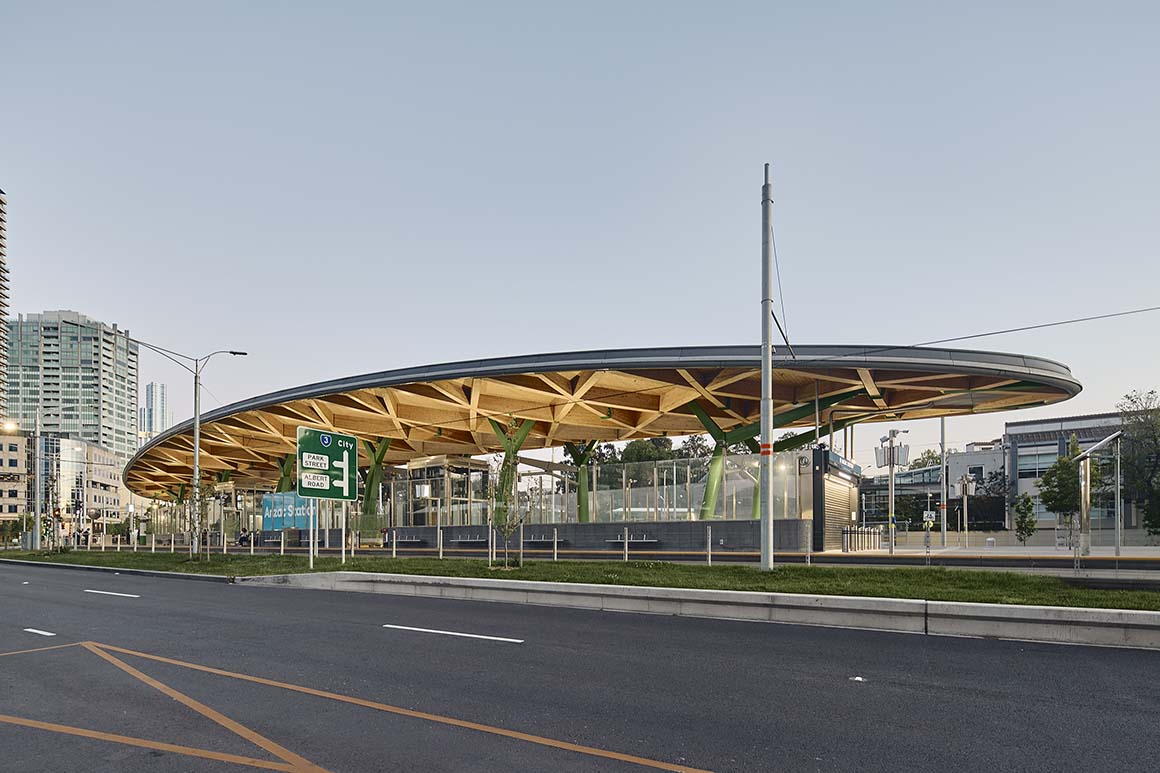
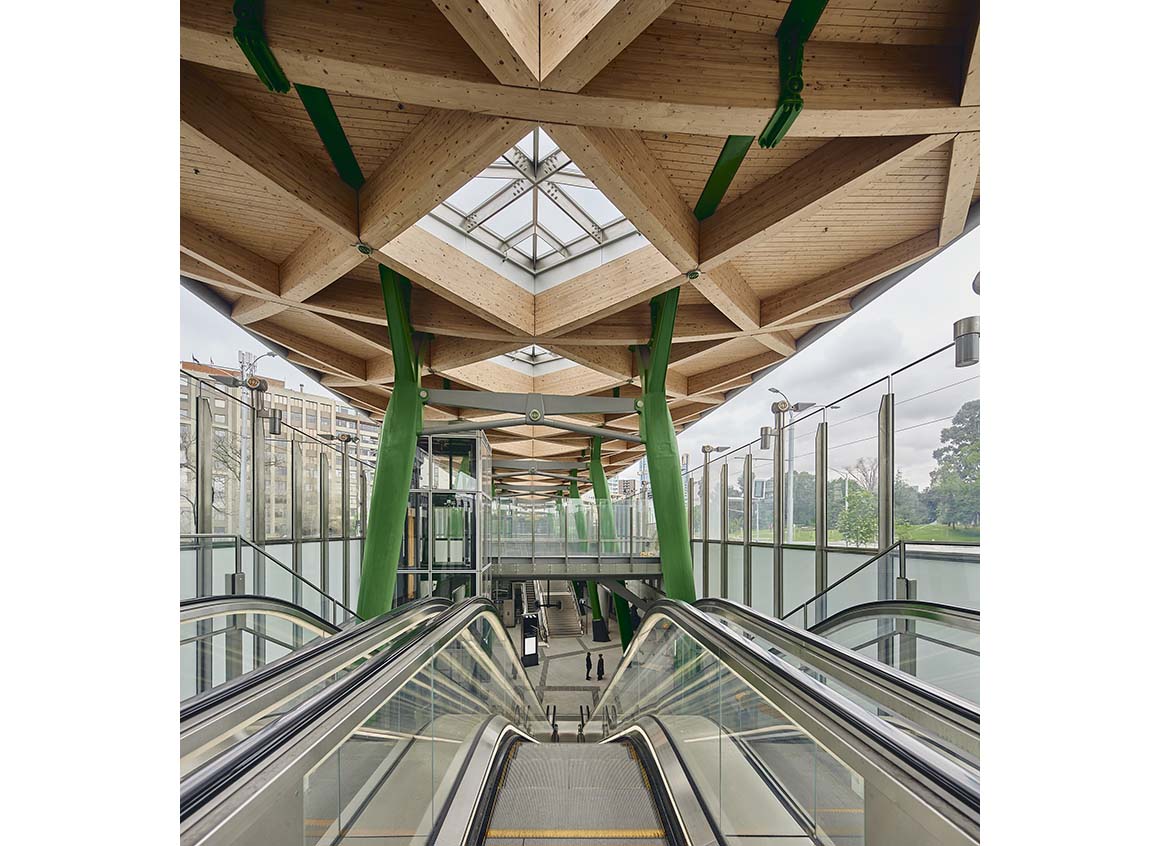
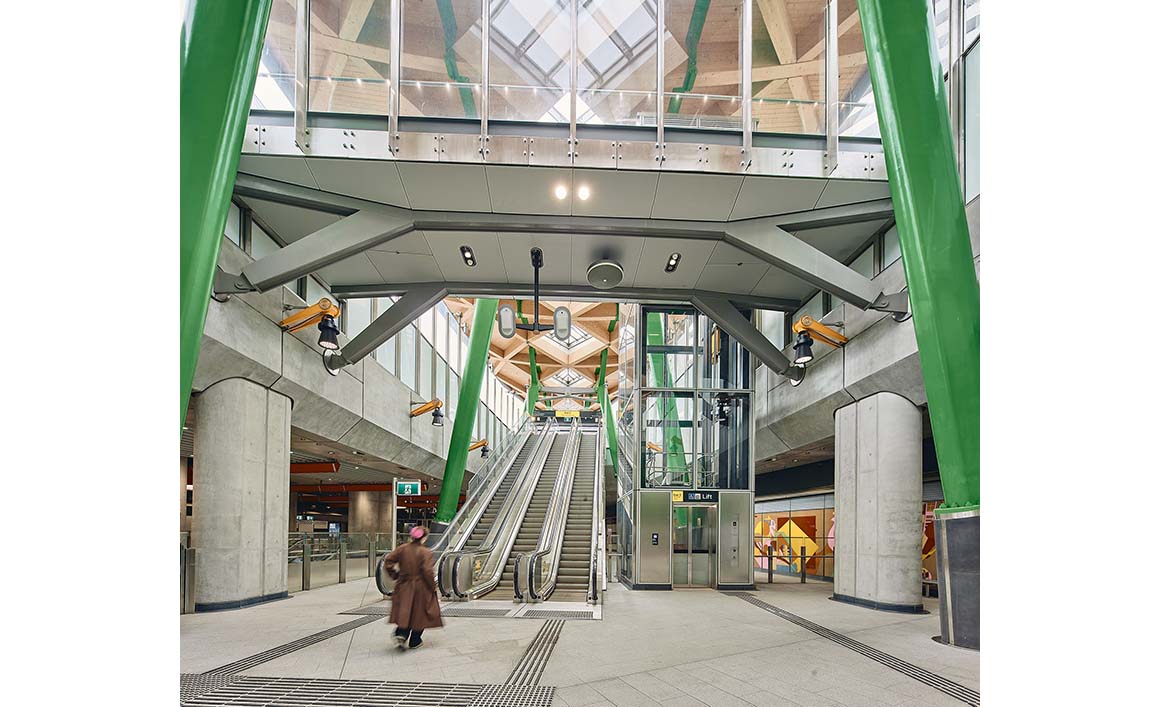
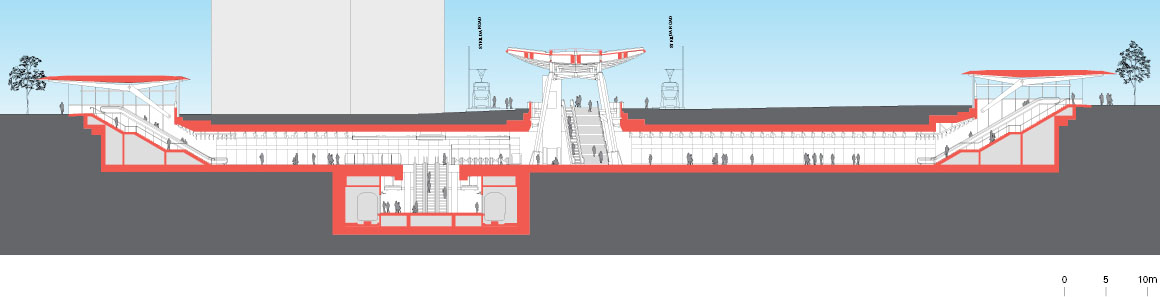
At the southern end of the tunnel, Anzac Station extends the landscape of St Kilda Road into the underground realm. A sculptural, non-linear canopy draws light and greenery down into the station, marking a serene conclusion to the 9km journey beneath the city.
4. Town Hall Station

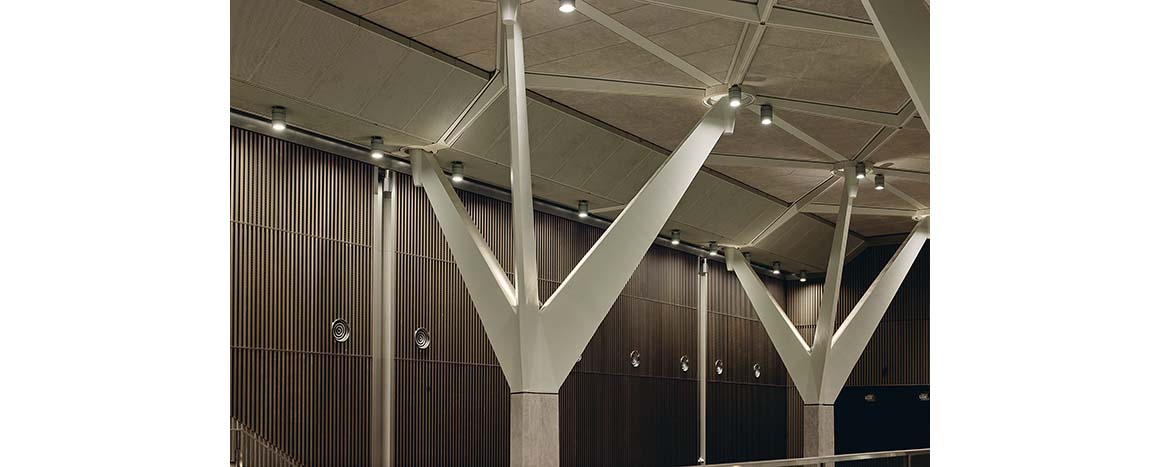
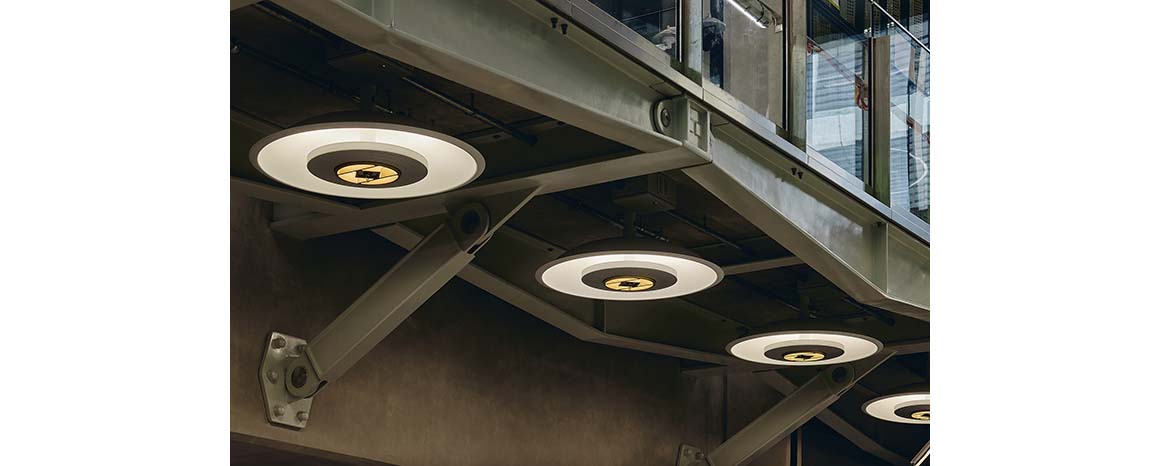
5. Anzac Station
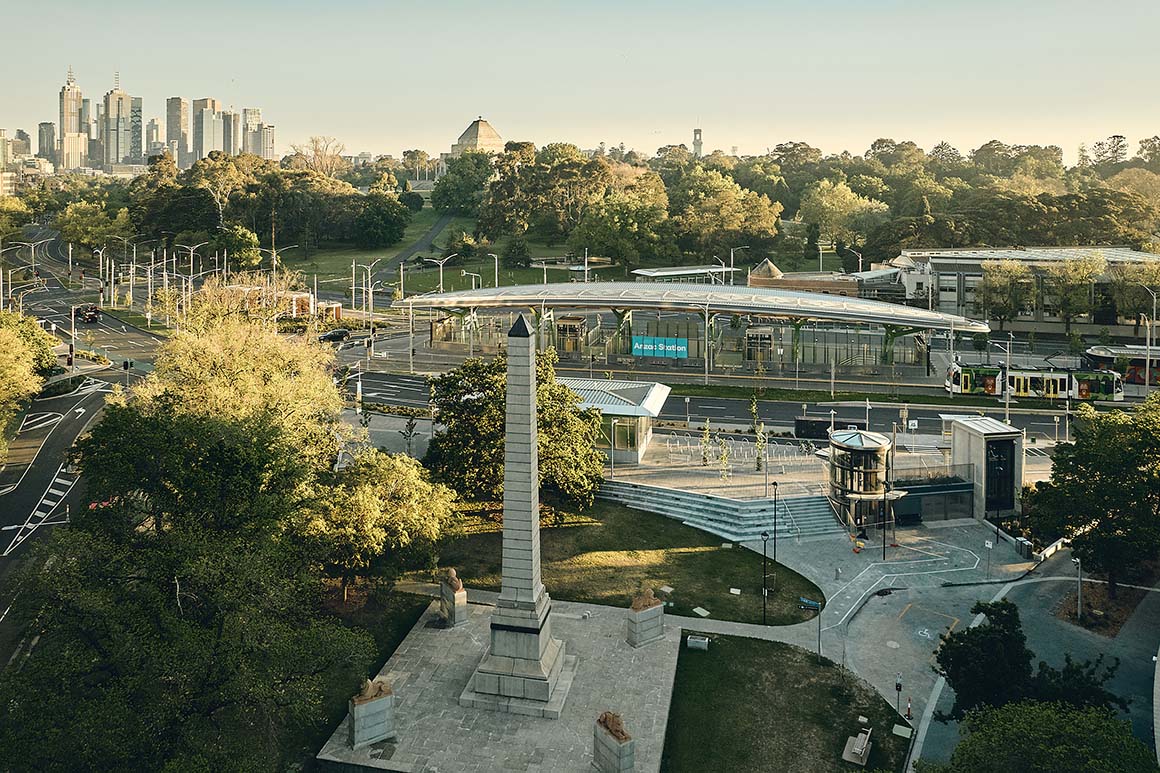
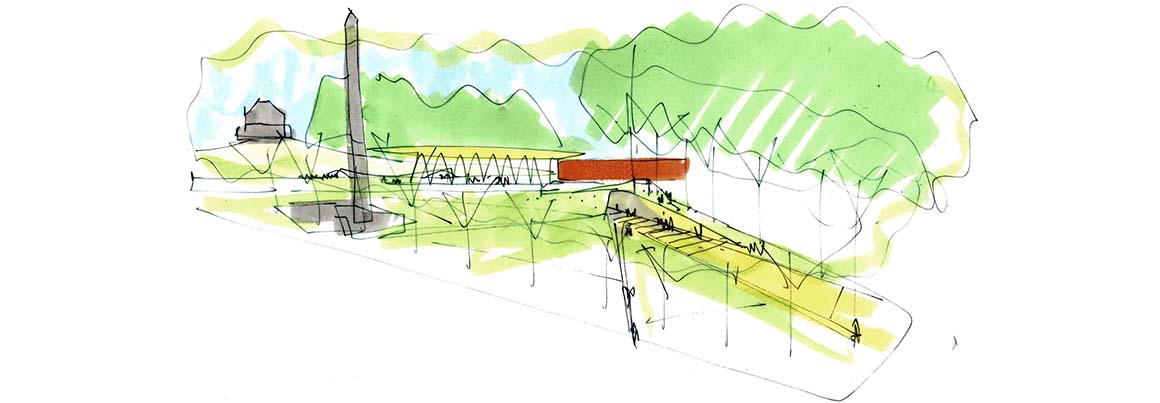


Project: Metro Tunnel Project / Location: Wurundjeri and Bunurong Country, Melbourne, Australia / Architects: Hassell + WW+P Architects + RSHP / Wayfinding: Maynard / Lighting engineer: Speirs Major / Contractor: Cross Yarra Partnership (CYP), John Holland, Lendlease, Bouygues UK / Client: Victoria State Government / Use: transport / Gross floor area: 16,500m² / Design and construction: 2017~2025 / Completion: 2025 / Photograph: ©Peter Bennetts (courtesy of the architect)