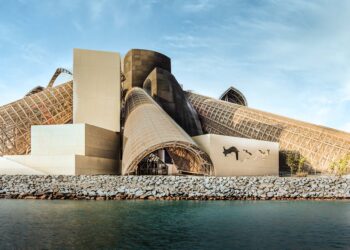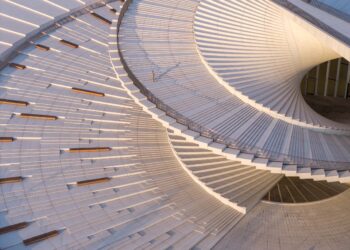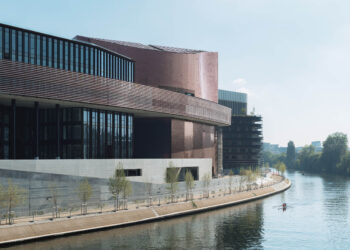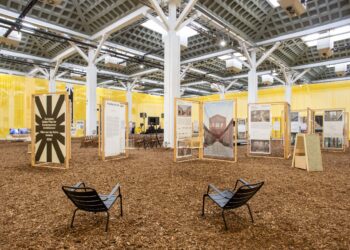
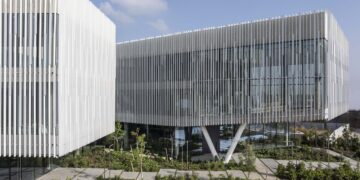
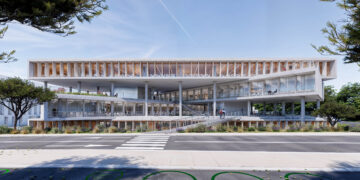
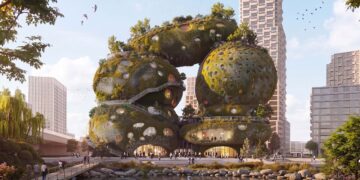
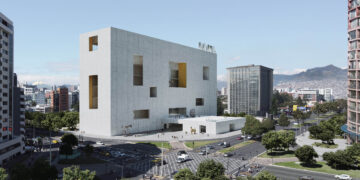
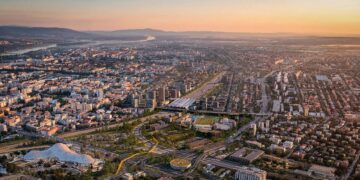
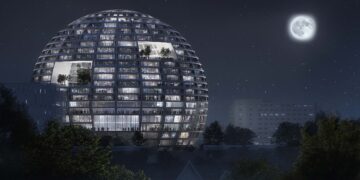
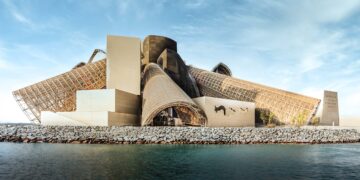
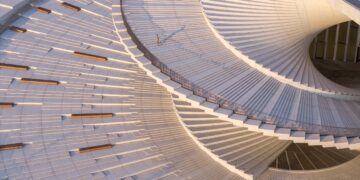
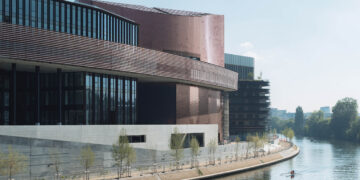
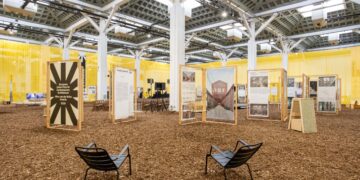

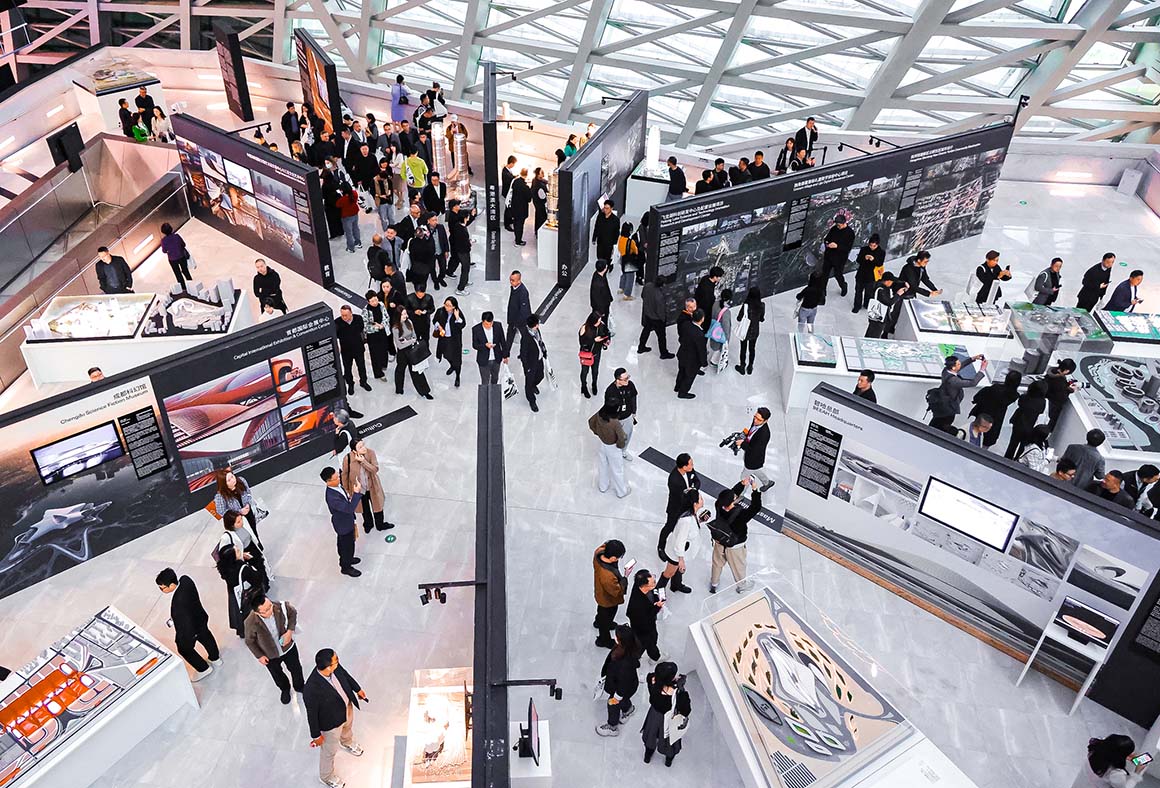
Architecture of Possibility: Zaha Hadid Architects is on view at the Museum of Contemporary Art and Urban PlanningMOCAUP in Shenzhen until April 10, 2026. Rather than presenting Zaha Hadid ArchitectsZHA through a singular stylistic lens, the exhibition examines how the studio’s architecture has taken shape in response to specific urban and technological conditions, with a particular focus on projects developed in China.
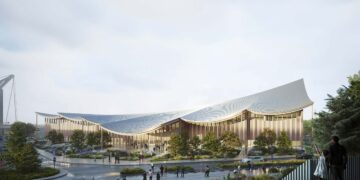
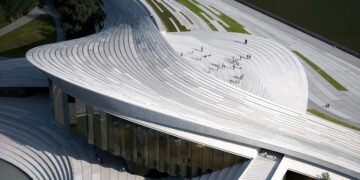
The exhibition foregrounds southern China as its primary context. Since Zaha Hadid’s first visit to the country in the early 1980s, regions including Guangdong, Hong Kong, and Macau have experienced rapid urban growth alongside extensive infrastructure development. Over the past decades, this area has also become one of the most concentrated fields of ZHA’s practice. Transportation hubs, public infrastructure, cultural institutions, and commercial projects developed here reveal how the studio’s design approaches have evolved in dialogue with large-scale urban transformation.


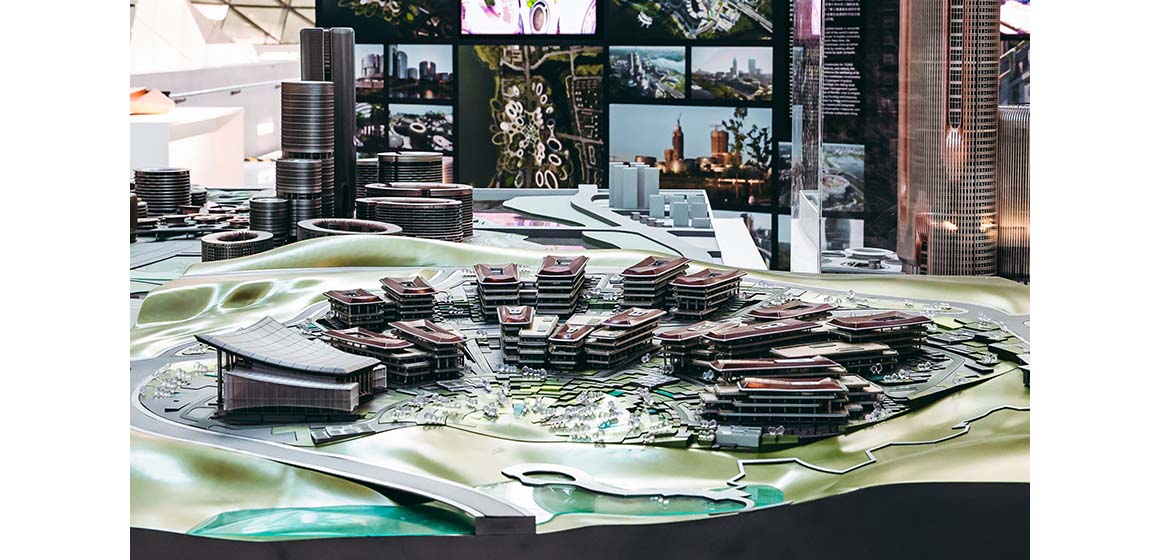


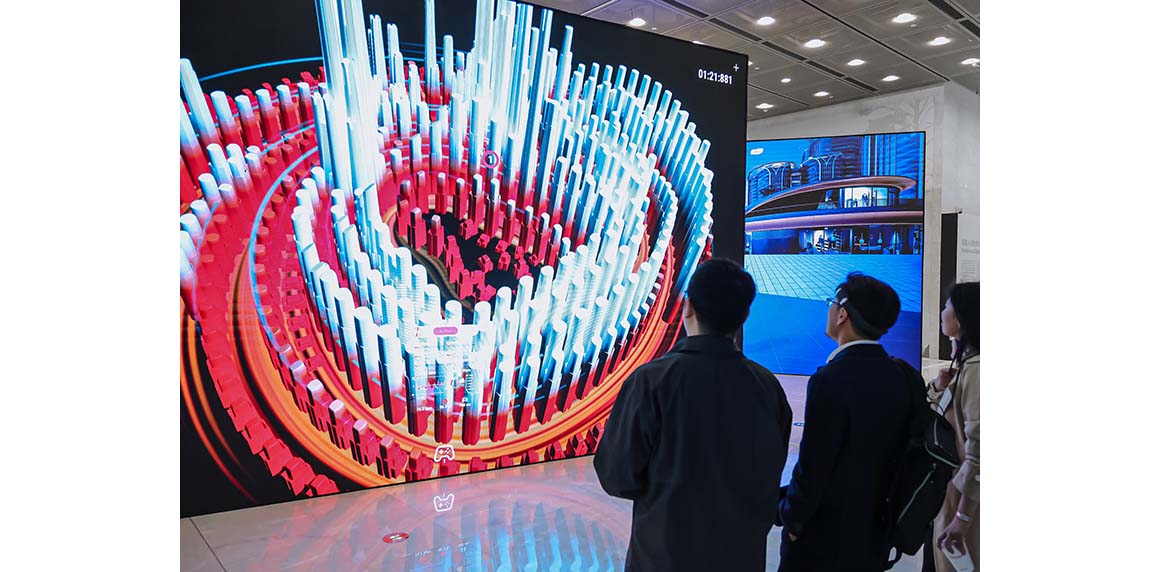
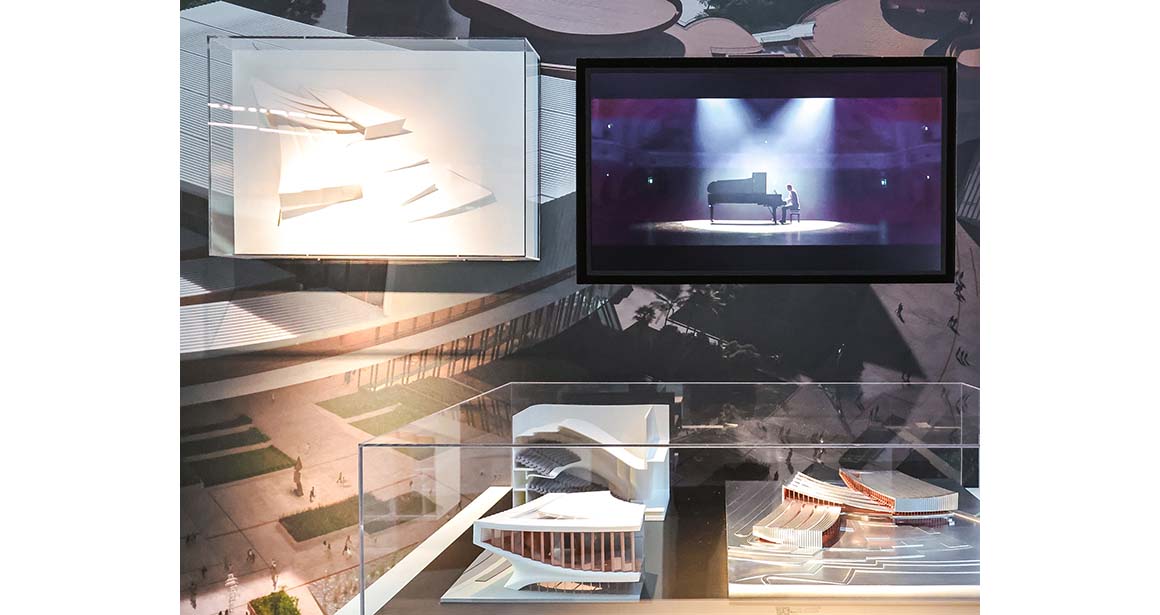
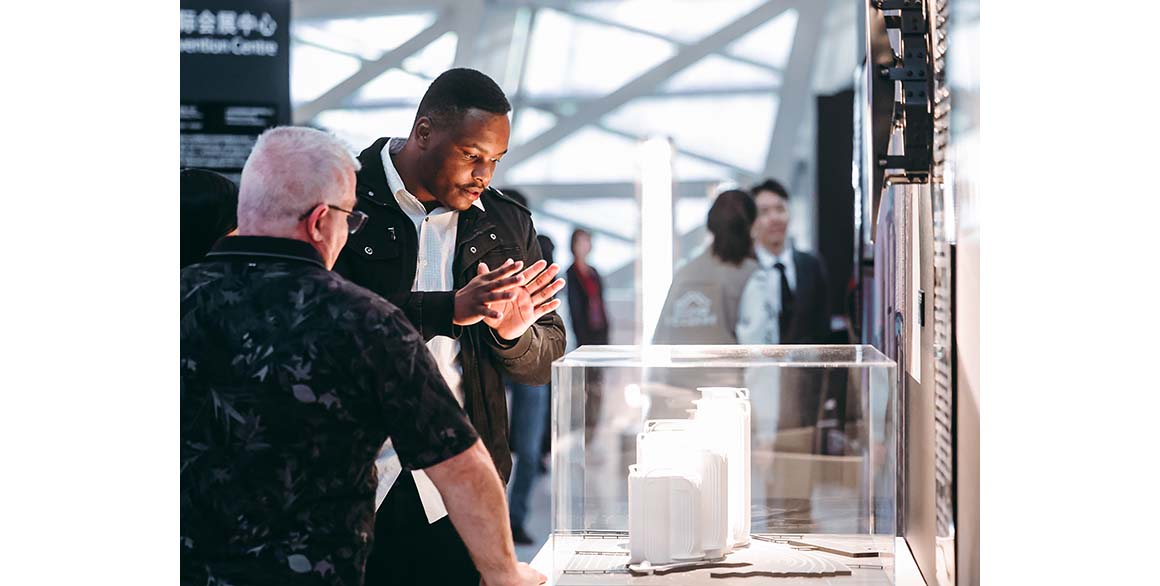
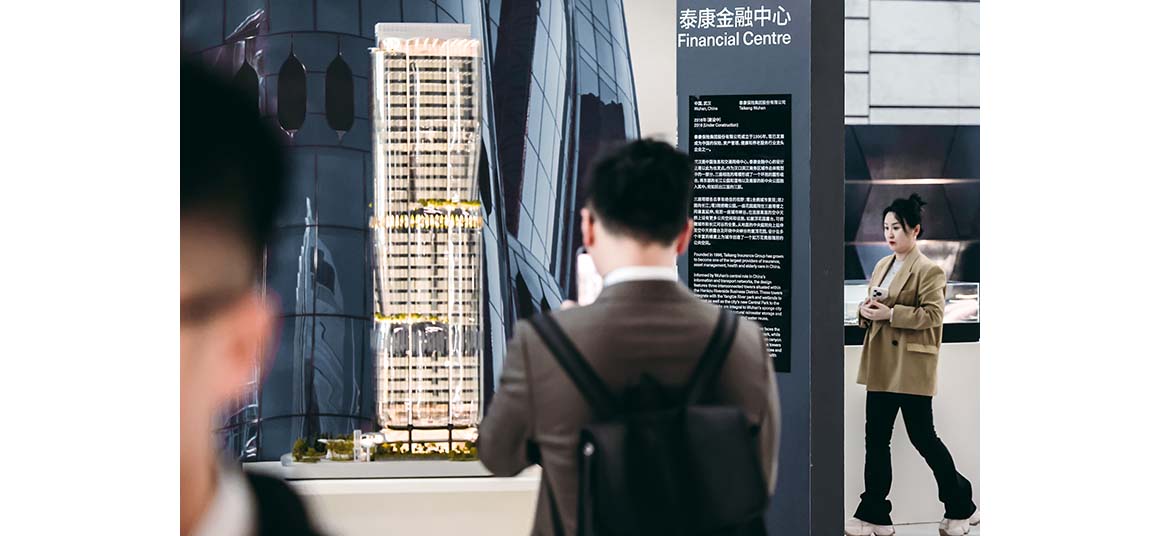
This context informs the exhibition’s structure. Divided into five zones, the exhibition moves across multiple scales—from regional urban frameworks to design processes and digital environments. ZHA City: Greater Bay Area District situates the studio’s work within the metropolitan landscape of southern China, while Metrotopia explores large-scale infrastructure and future urban scenarios. Brainstorming traces early-stage design thinking, followed by the Interactive Plan Configurator and Exhibition Digital Twin, which allow visitors to engage with spatial configurations in virtual environments.
Technology forms a central thread throughout the exhibition. ZHA’s use of artificial intelligence, machine learning, and data-driven digital tools is presented as a means of analysing complex geometries, environmental conditions, and patterns of use. Design emerges not as the pursuit of a single solution, but as a process of testing, adjusting, and negotiating multiple possibilities—an approach closely aligned with the pace and scale of contemporary urban development in China.
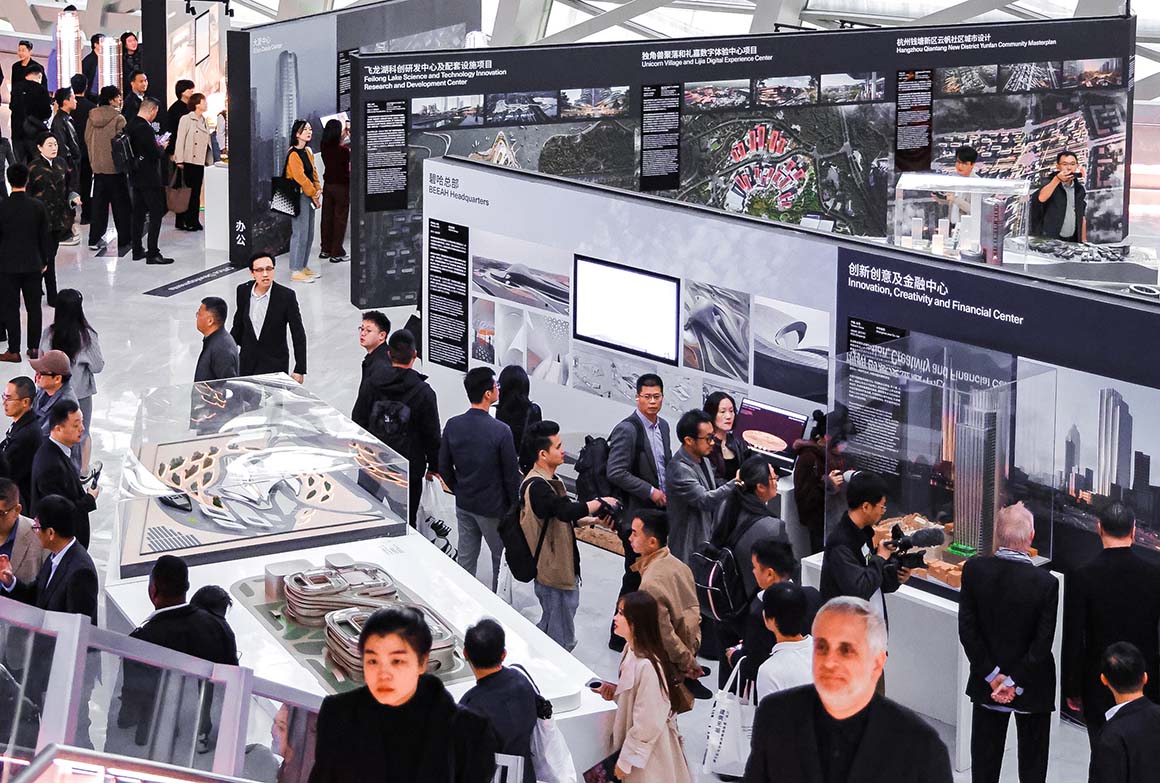
Virtual reality, game-engine platforms, and metaverse environments further extend this design ecosystem, enabling architectural proposals to be experienced as immersive, navigable spaces. Research into Robotics and Digital FabricationRDF is also introduced, illustrating how digital design models interact directly with robotic fabrication processes and how relationships between design and construction continue to shift.
Architecture of Possibility ultimately frames architecture as an evolving practice shaped by urban change, technological experimentation, and ongoing recalibration, rather than a fixed or final outcome. Photograph: courtesy of MOCAUP