

















A modular school of the future both for the students and the community
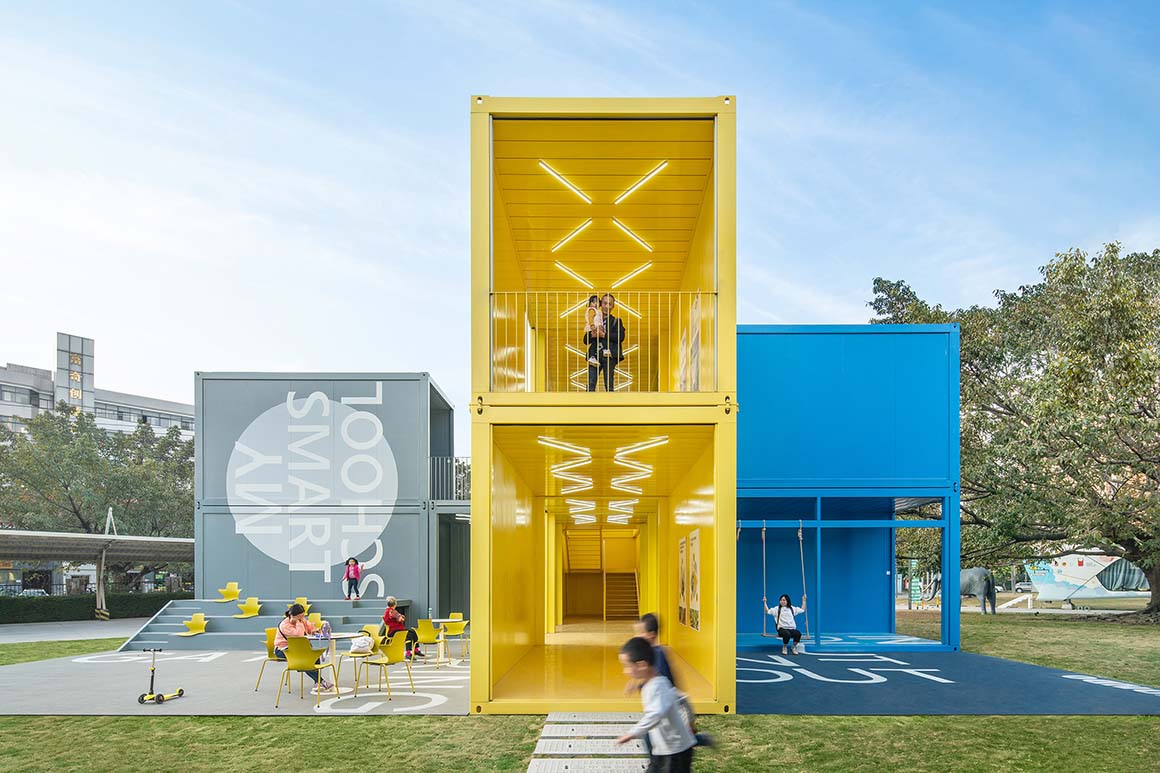
The “Infinity 6” is a part of the 2019 Shenzhen-Hong Kong Biennale, themed around potential models for future schools and the possibilities of prefabrication and modularization in educational buildings. It is a small demo of this future school, the infrastructural beginning of a thought that can be multiplied, added to and plugged into existing cities.
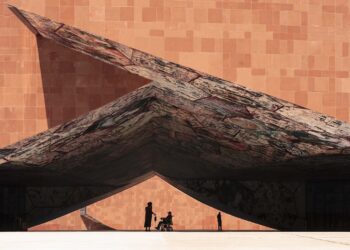
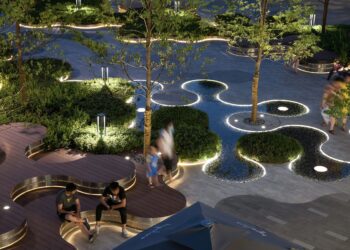
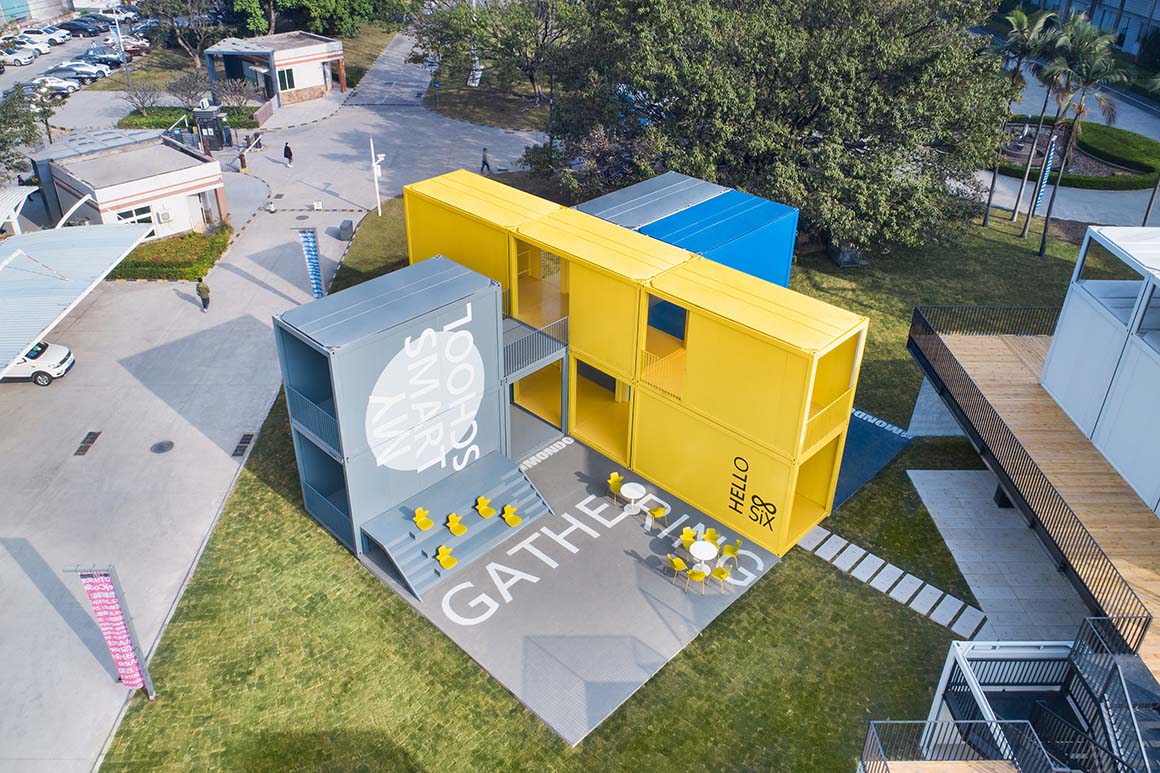
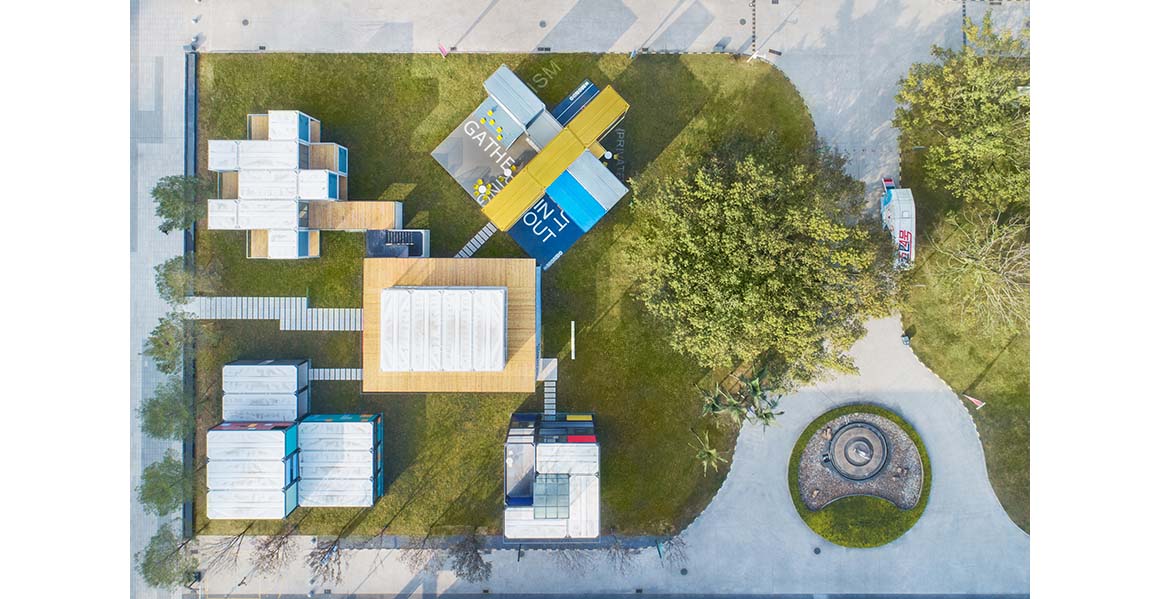
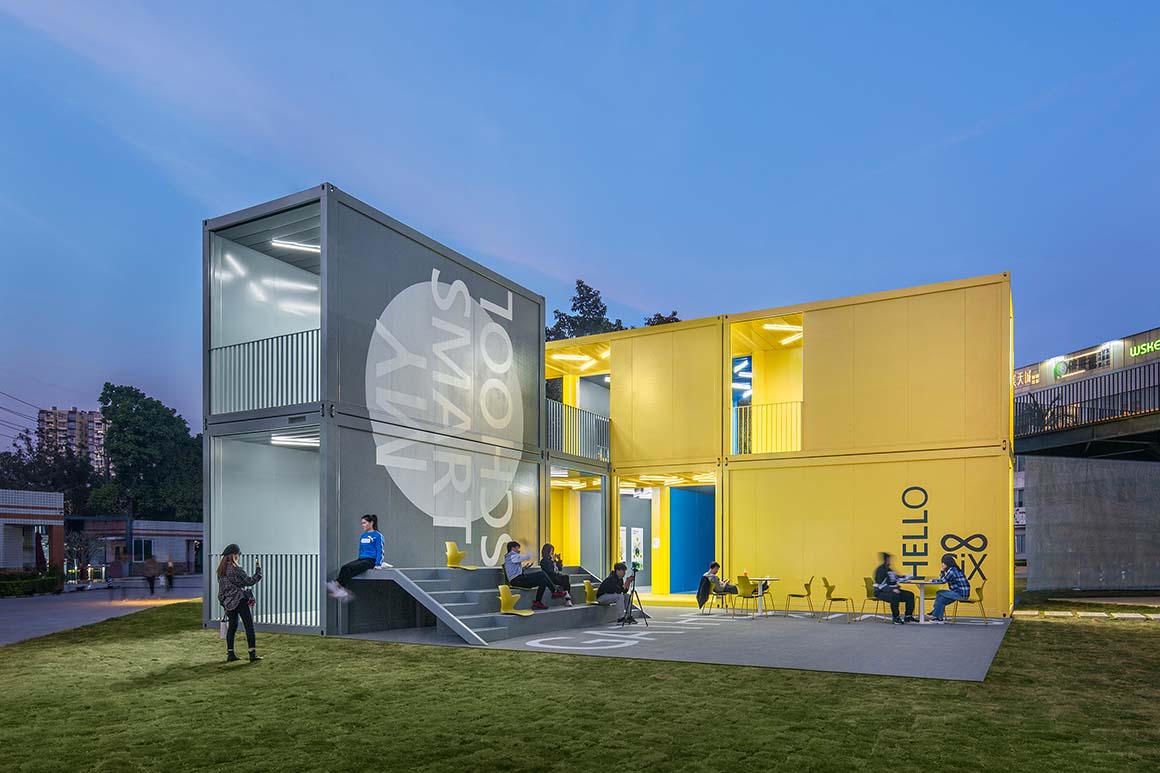
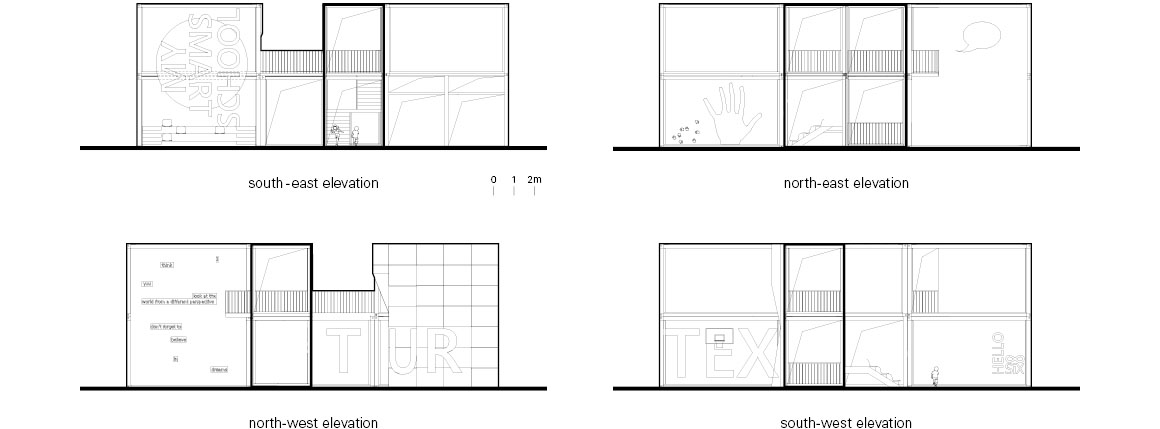
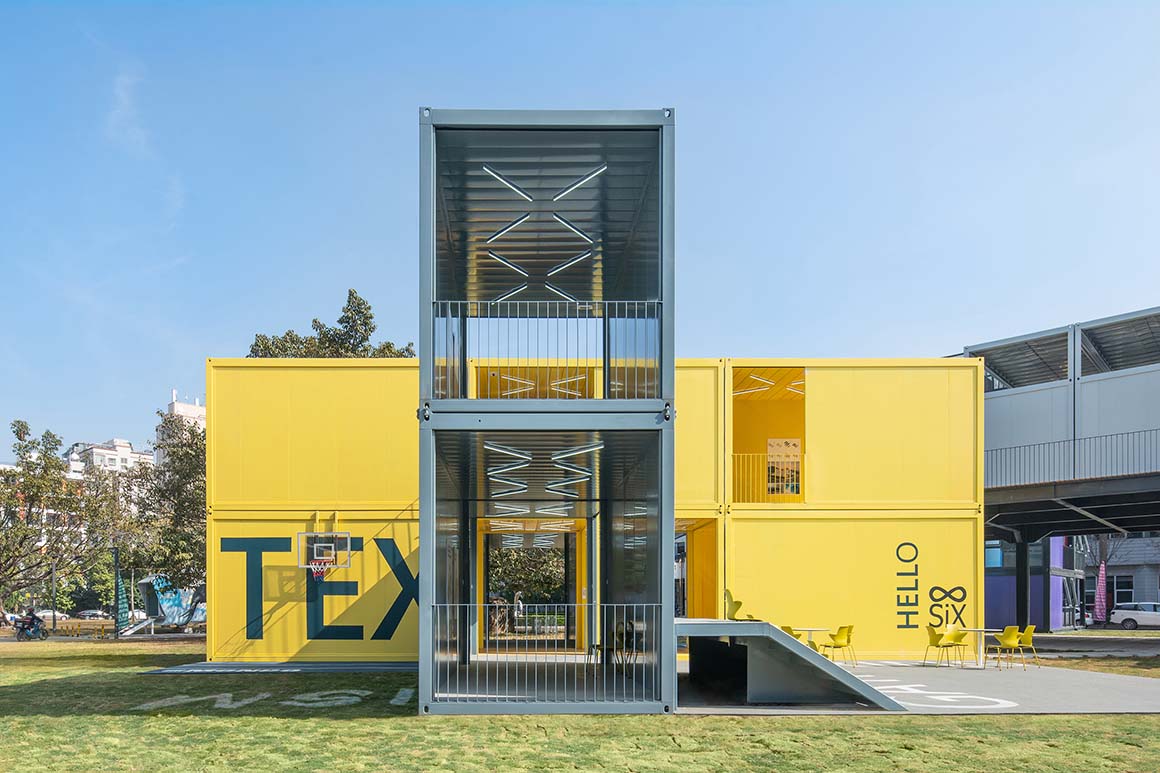
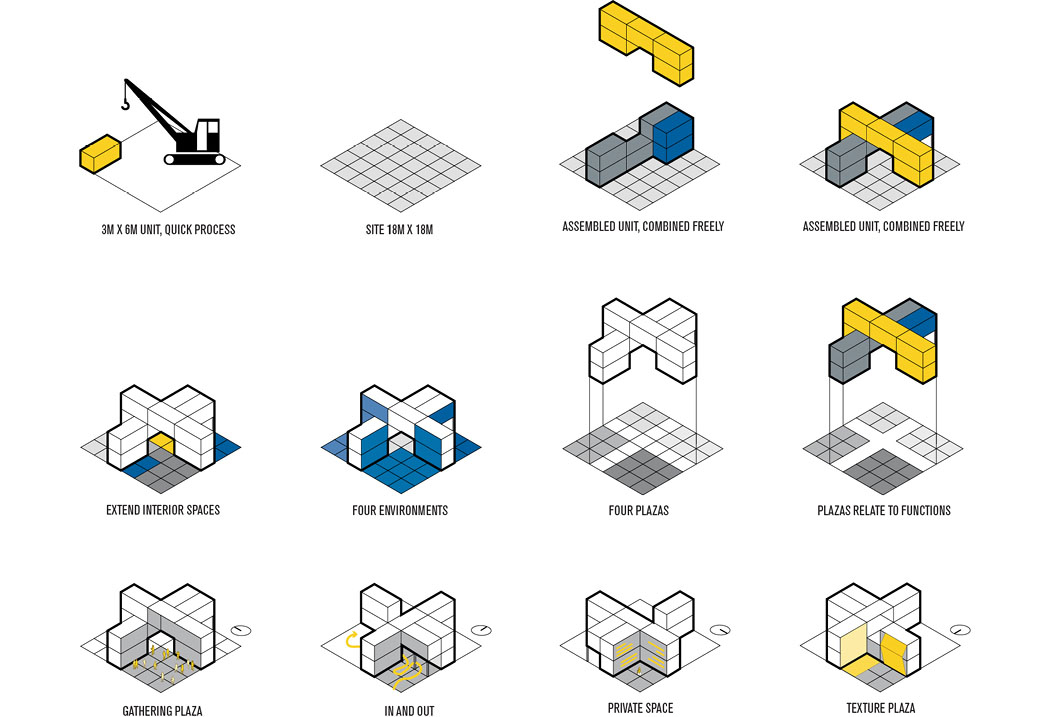
The installation takes an interlocked “X” shape on an 18 x 18m site. This shape creates plazas of different sizes and moods, leaving the whole structure open and welcoming no matter which side one approaches it from. This idea carries into a vision of the future, where school extends beyond its walls and becomes an open, interactive space. Education becomes a lifelong journey, no longer limited to certain ages, places or linear teaching programs, and ‘school’ is transformed by a more flexible, improvisational and collaborative mindset.
The architects express this vision through six principles:
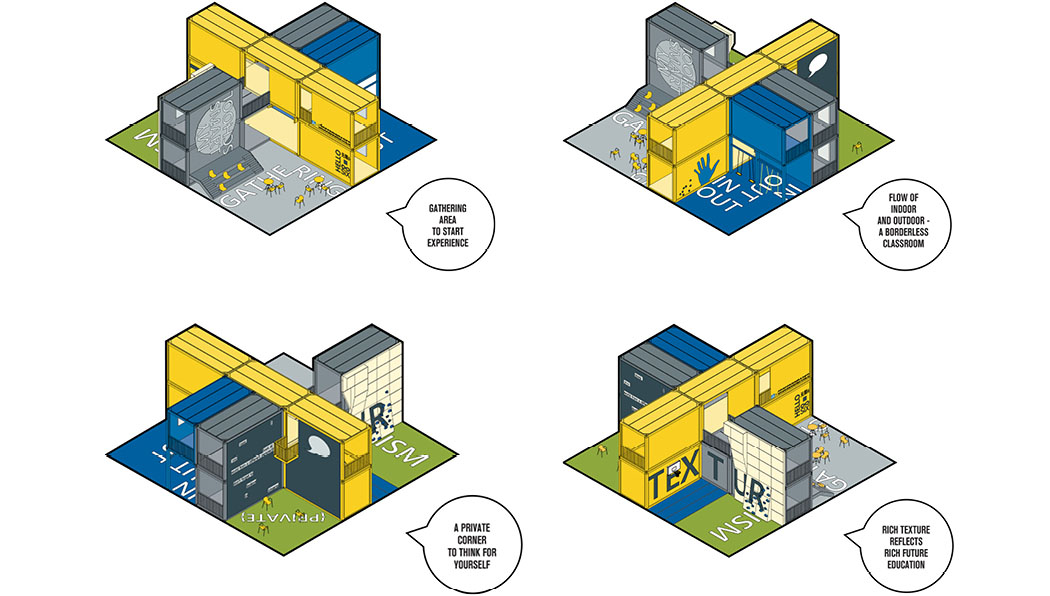
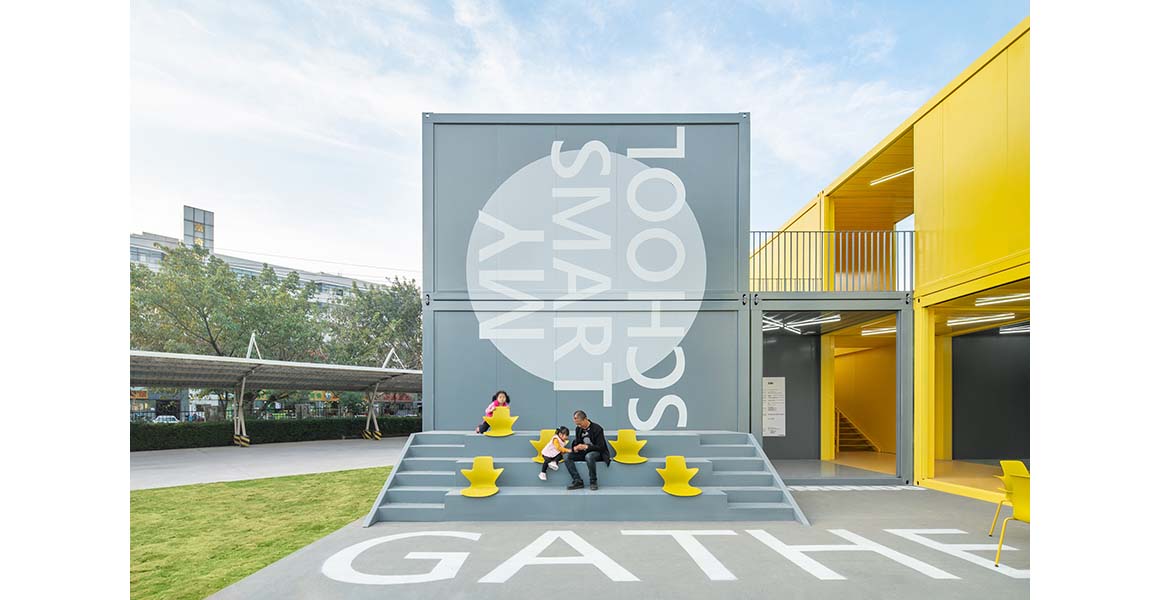
1. School should be a shared gathering place, a hub and an incubator that engages students, teachers and community alike.
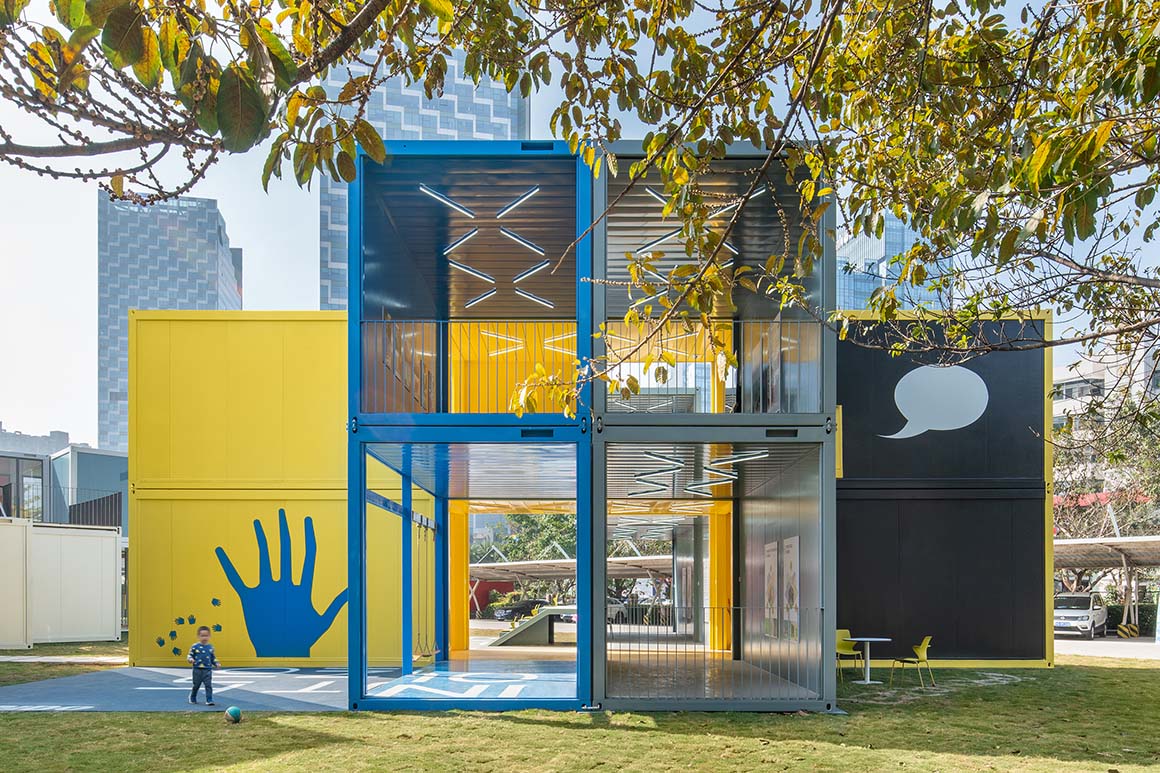
2. School should provide a richness of spatial experiences for children, blurring the separation between inside and outside, in terms of spaces and the kinds of activities occurring in them. Classrooms can spill out into the school yard, hallway or city and nature can be brought inside.
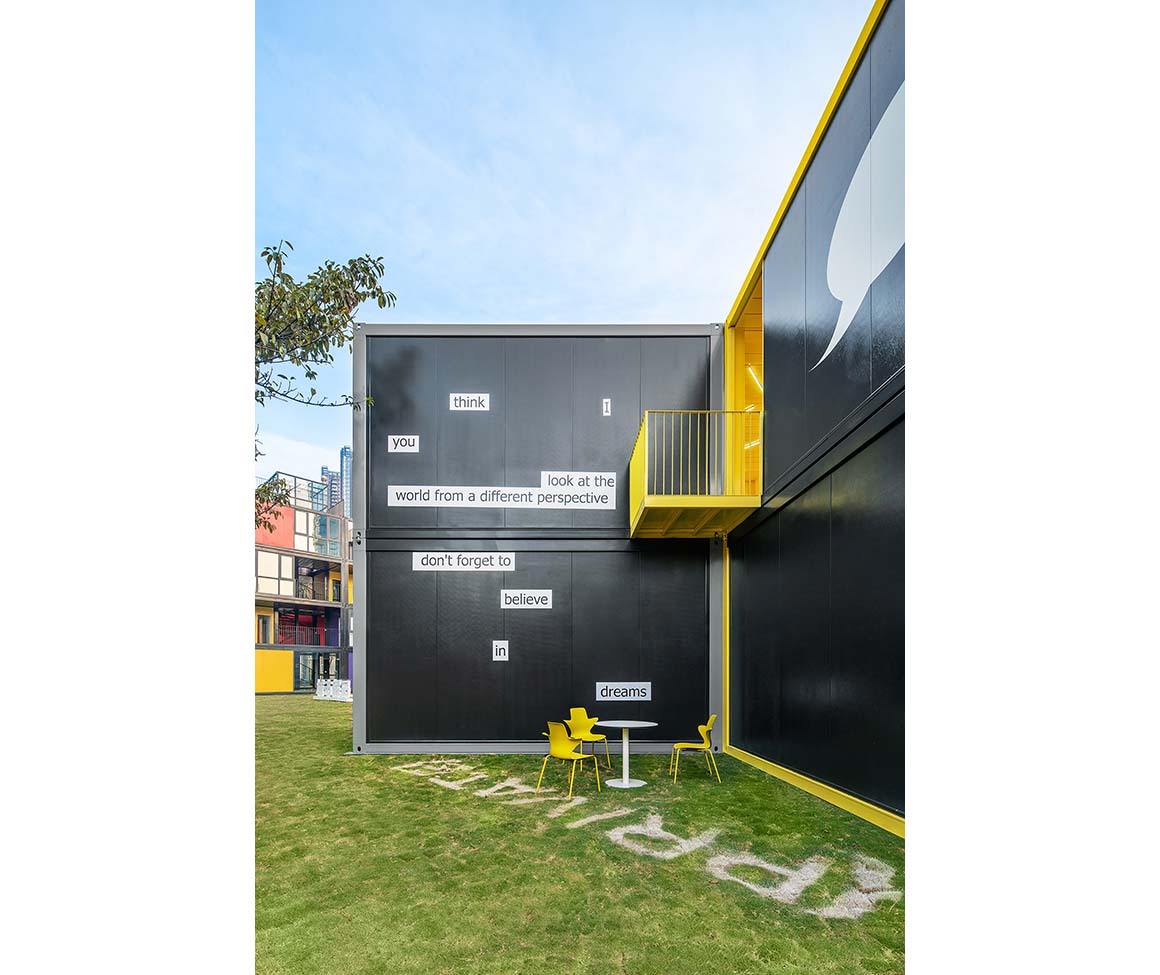
3. Private spaces as antidotes to gathering are also essential in offering a place of calm and isolation that allows for individuality and encourages deep thinking.
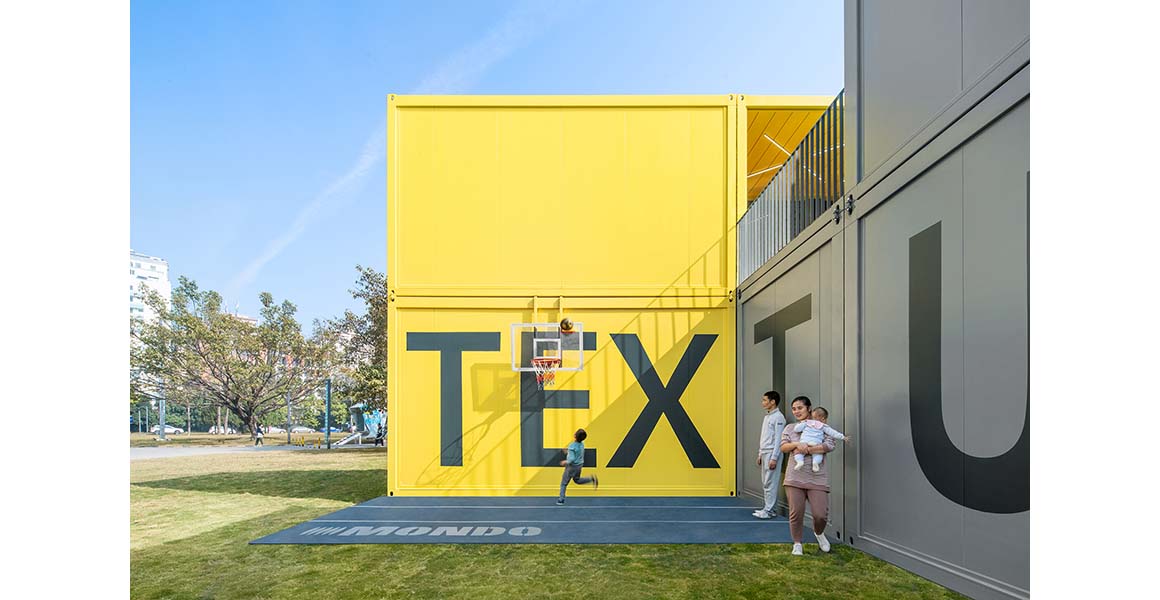
4. Adding texture and color to the sensory palette of a school exterior and interior, combined with kids’ unrestrained imagination, can significantly expand and enrich daily learning experiences.
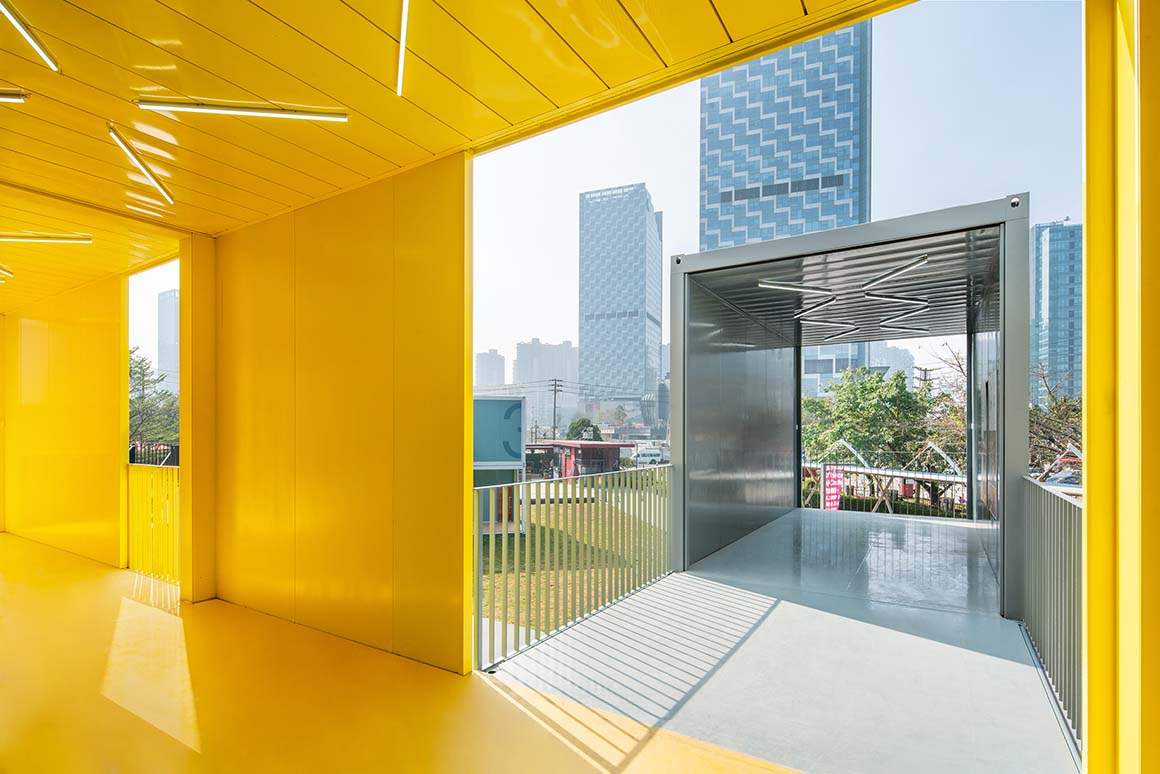
5. Generous openings on the façade can integrate the school with its surroundings, providing the glimpses into the school’s inner world and framing interesting views of the city. Windows can extend their role further, as reading niches that participate in new, dynamic ways that learning can occur outside the classroom.
6. Finally, the school should be conceived as a smart, evolving space that encourages interactivity, embraces the unpredictability of skills required for the future, and thrives on constant adaptation and change.
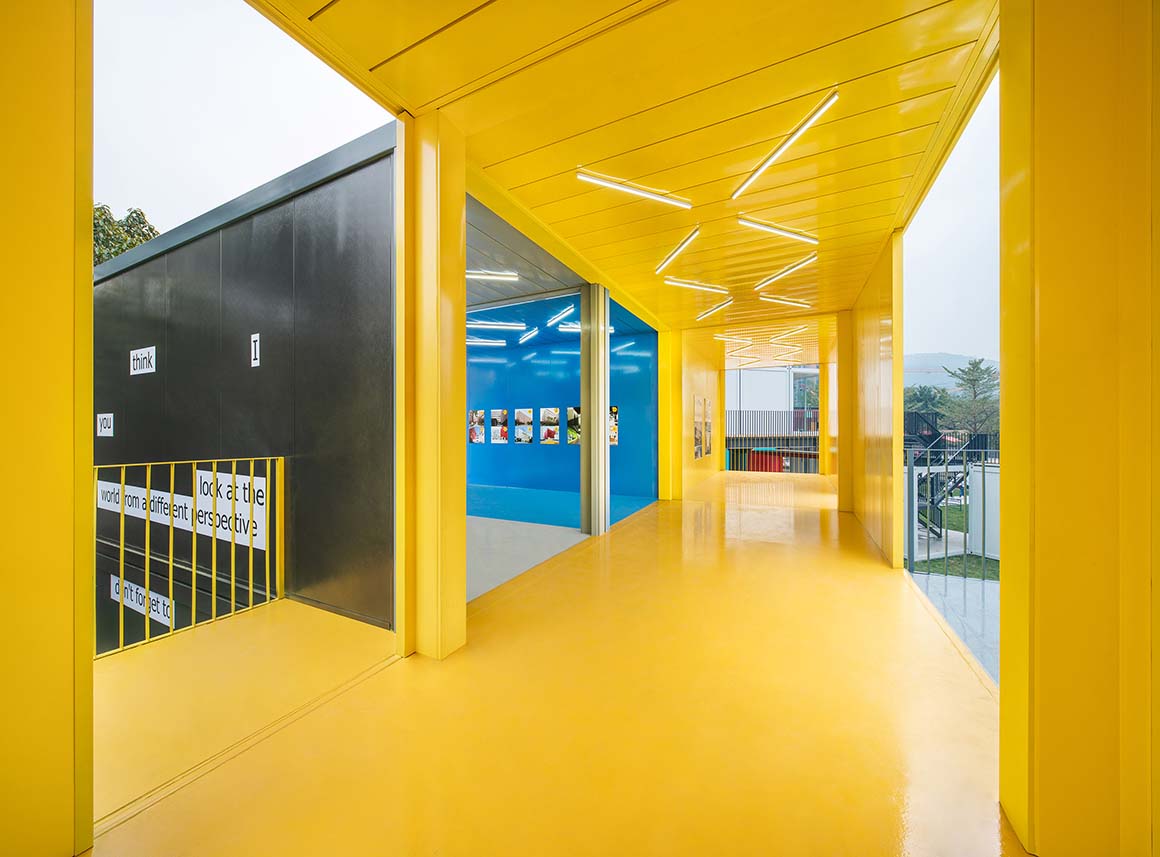
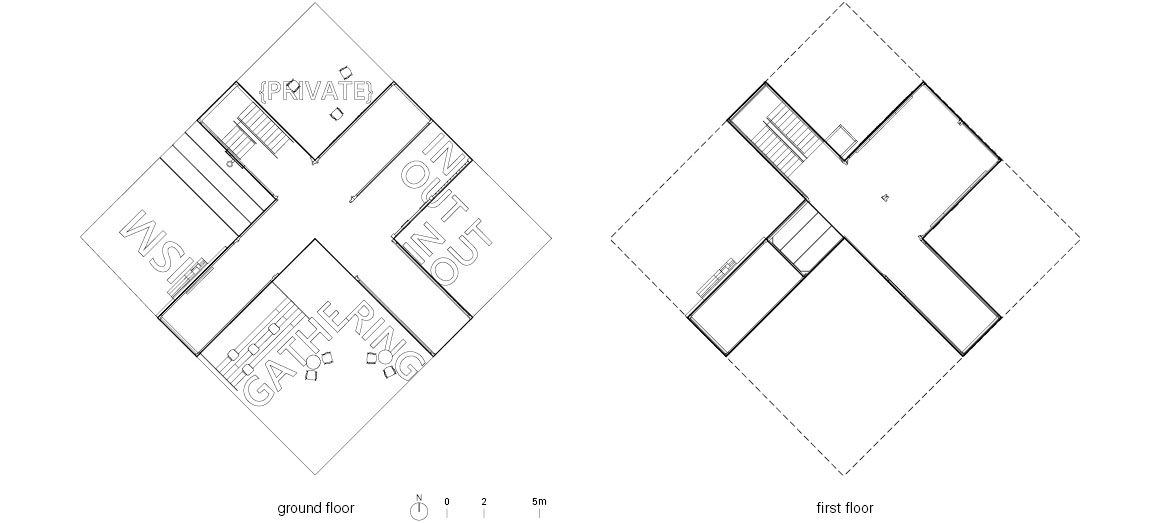
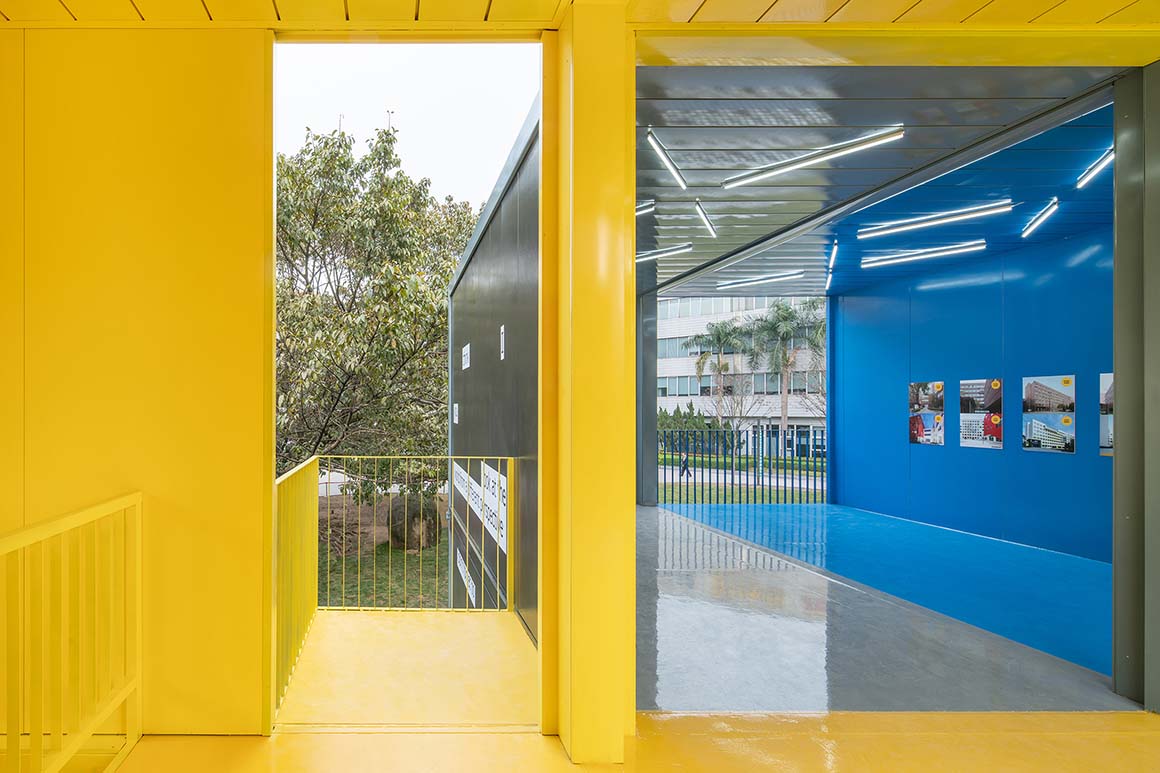
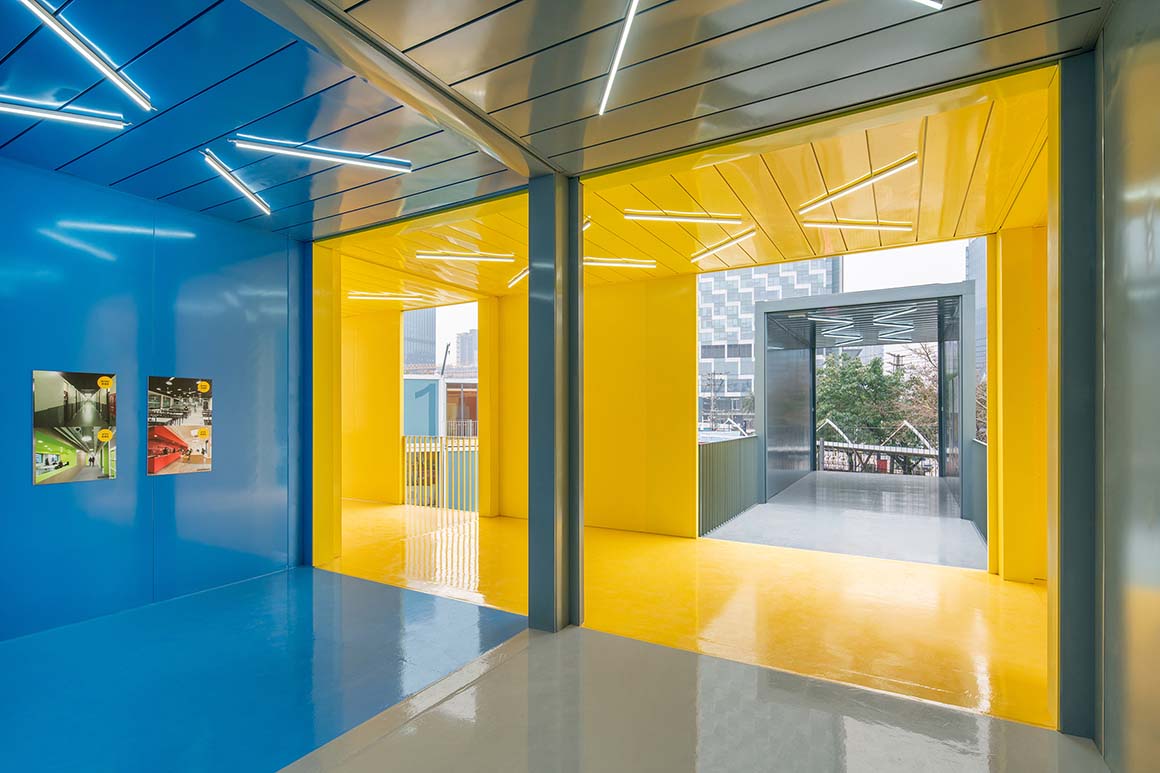
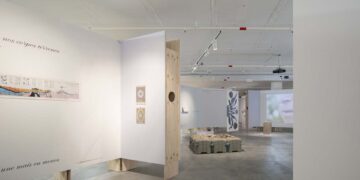
The plazas differ in scale and materiality and by adding playful elements that support each function. Gathering Plaza features the “hang out stairs” and Private Plaza is more enclosed; the in-and-out principle is represented with a small porch that extends to a more open play area, and texture is added on the Sport Plaza. The building itself demonstrates generous openings and semi-open corridors and features an exhibition of the architects’ tested school projects.
This school doesn’t imply ‘conventional classroom’. Instead, it offers an entire learning landscape that spills out to the hallways, stairs, yards and ultimately the entire city.
The installation also addresses the question: can a modular school still result in unique and inspiring spaces? The installation shows how progressive teaching methods, that encourage customized learning, can go hand in hand with the time-saving, mass-produced modular building systems that are increasingly attractive for investors.
Project: Pop-up campus – Infitity 6 / Location: Shenzhen, China / Design: Crossboundaries / Partners in charge: Binke Lenhardt, Dong Hao / Design team: Marijana Simic, Cynthia Cui, Hou Jinghui, Hao Hongyi, Gao Yang / Organizer: Longgang District Government / Construction company: China Construction Science & Technology Co., Ltd. / Site area: 324m2 / Bldg. area: about 200m2 / Material: steel structure, corrugated steel panel, insulation / Design: 2019.11 / Construction: 2019.11~2019.12 / Completion: 2019.12.22 / Photograph: ©Bai Yu (courtesy of the architect)