



Playful Tents for Learning, Play, and Rest
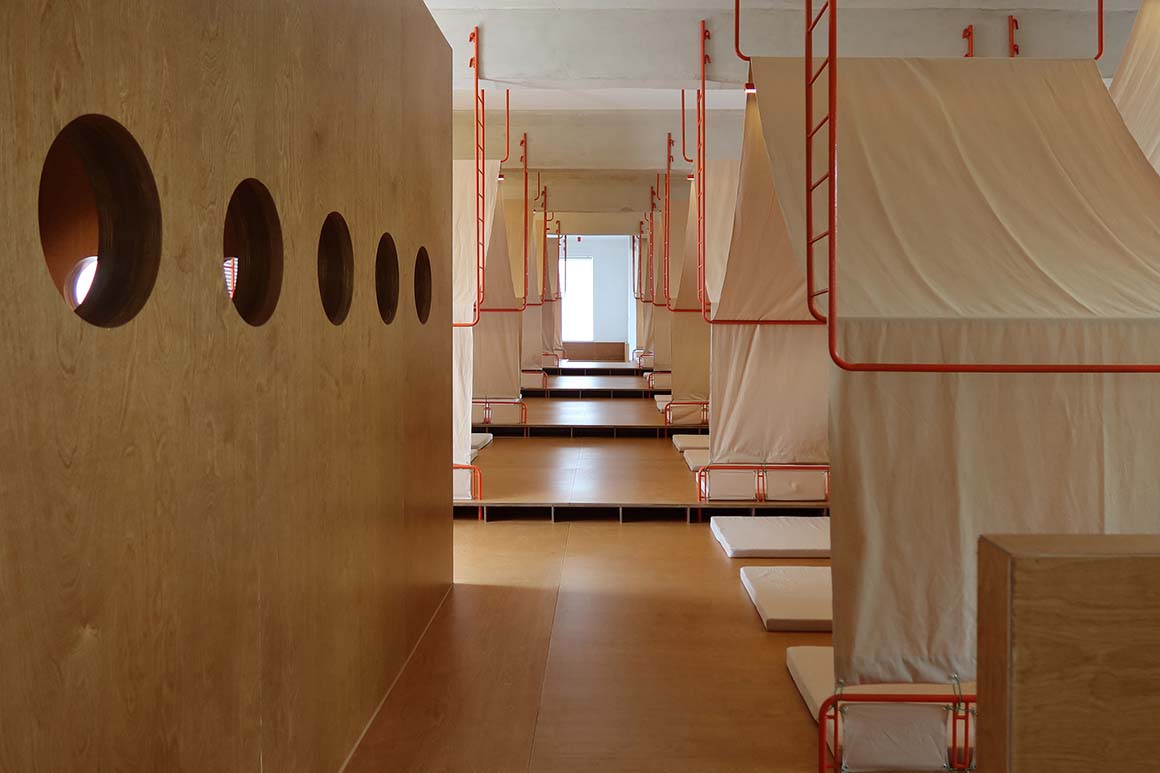
In Yantai, Shandong Province, the DEYA Day Care and After-School Center serves children aged six to twelve—an age group often caught between the spatial expectations of “school” and the rhythms of care. Within a modest 270㎡ footprint, 11-Design has recast a generic interior into an environment that supports study, play, and downtime without separating them into rigid zones.
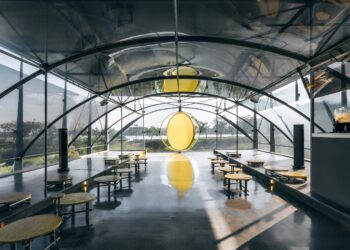
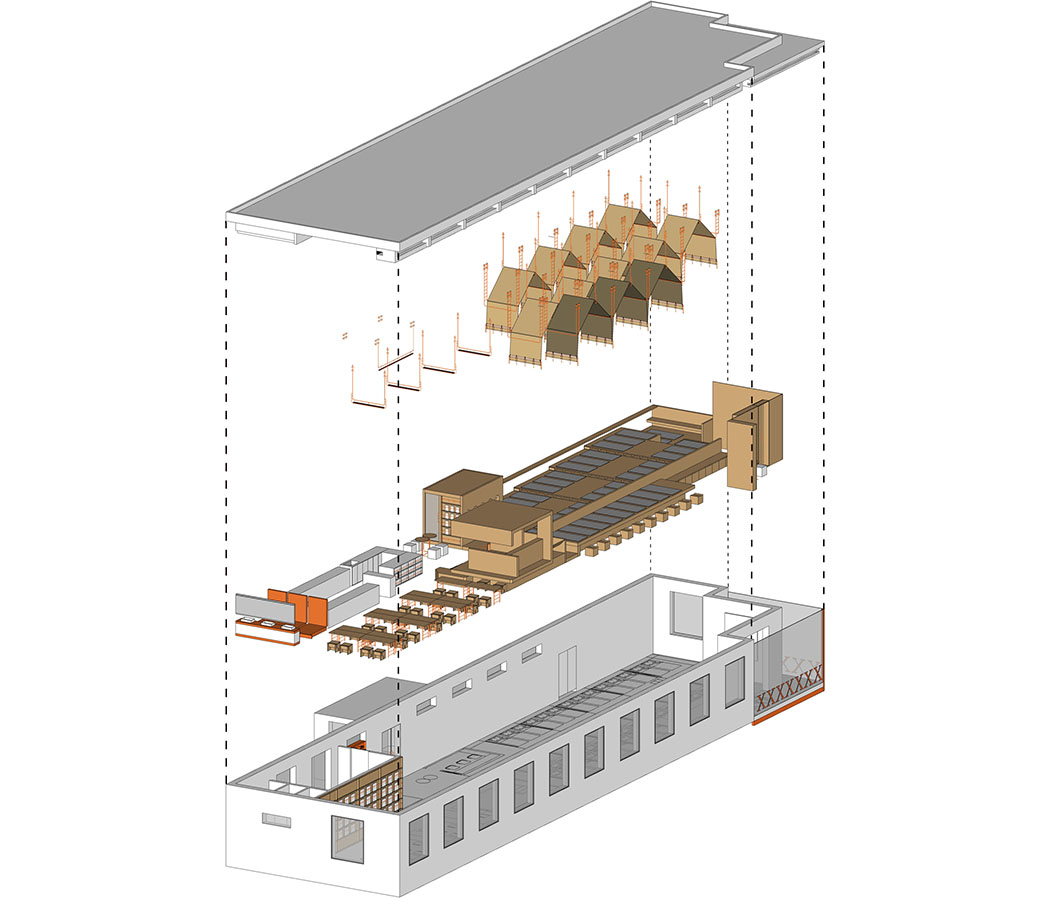
The project’s key move is to treat the “tent” not as a decorative motif, but as the basic spatial unit. Standard off-the-shelf tents, the team found, were either inefficient in plan or poorly scaled to the room. DEYA’s answer is a custom system: orange metal frames, off-white canvas, timber platforms, and lighting integrated into the structure. Each tent becomes a small, comprehensible room—somewhere to enter freely, stay awhile, and claim as one’s own. In practice, it functions as both a personal refuge and a shared learning landscape, offering children a sense of security and belonging while keeping the overall space open.
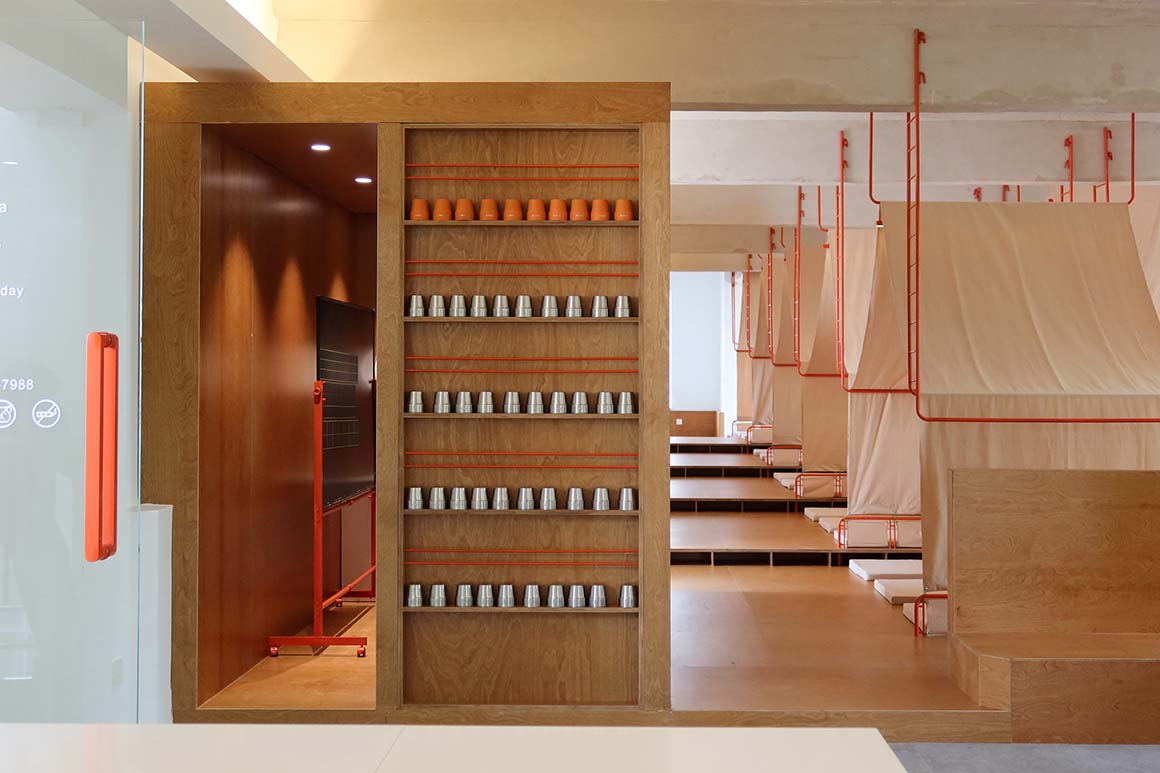
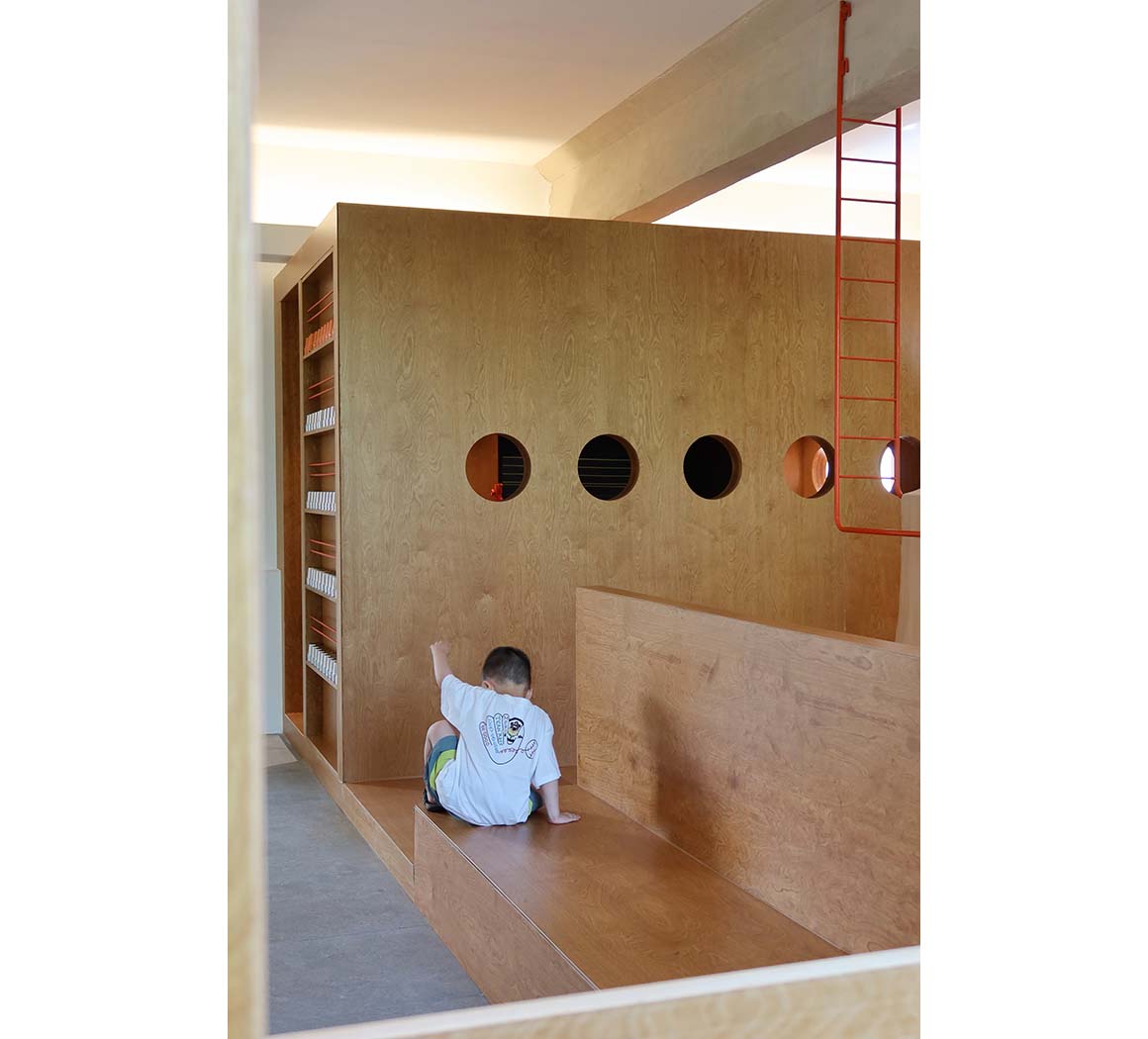
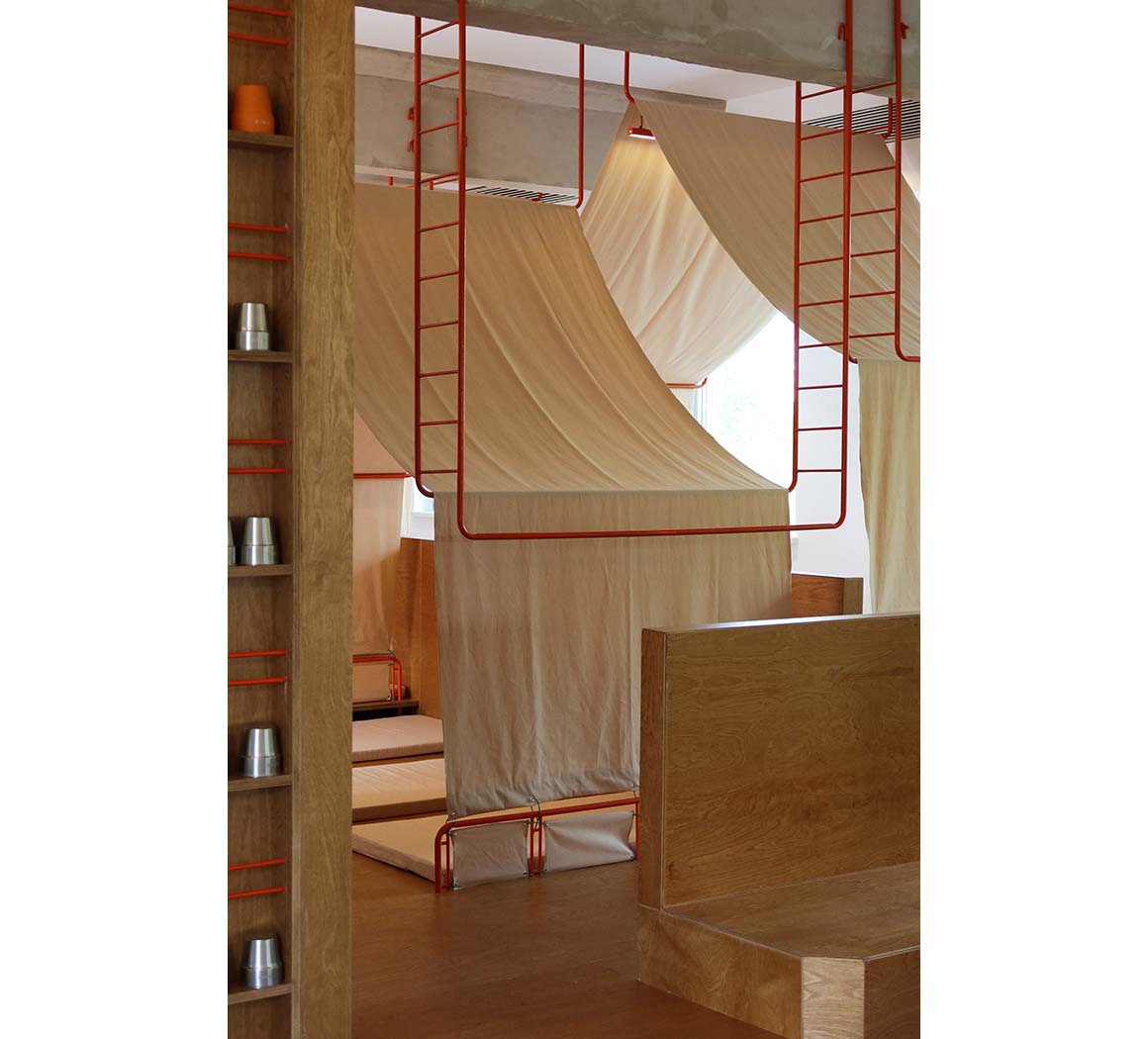
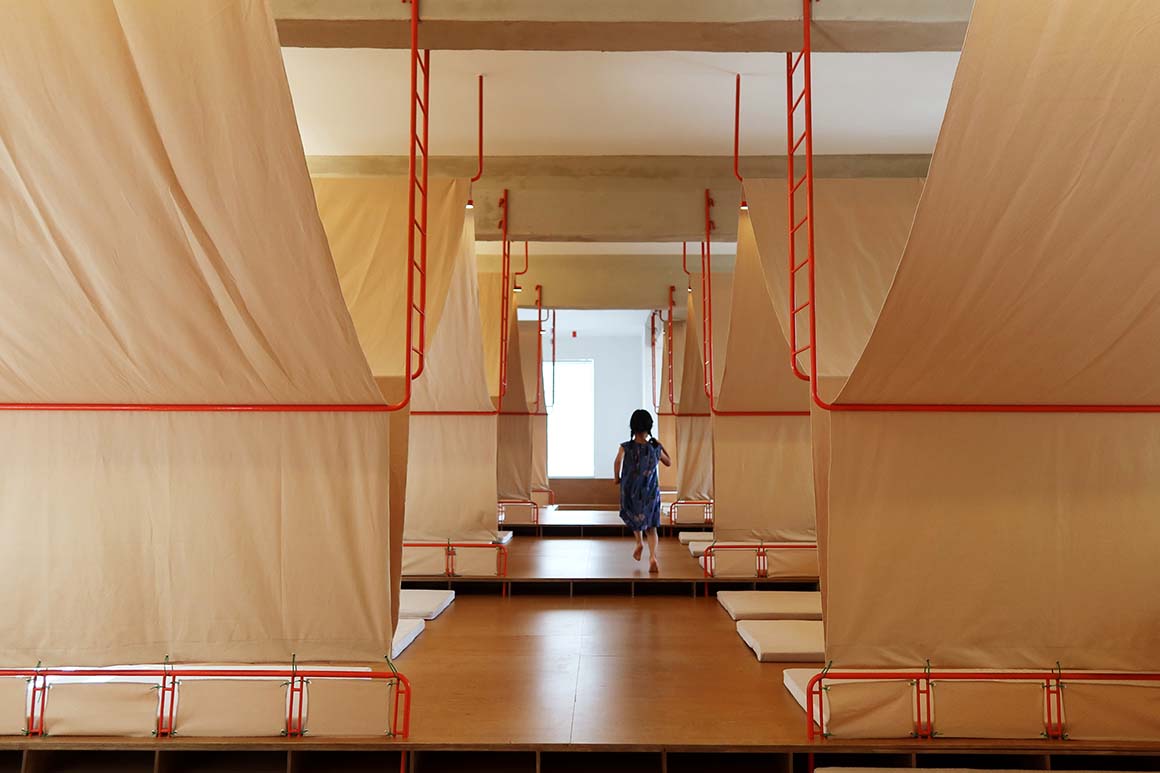
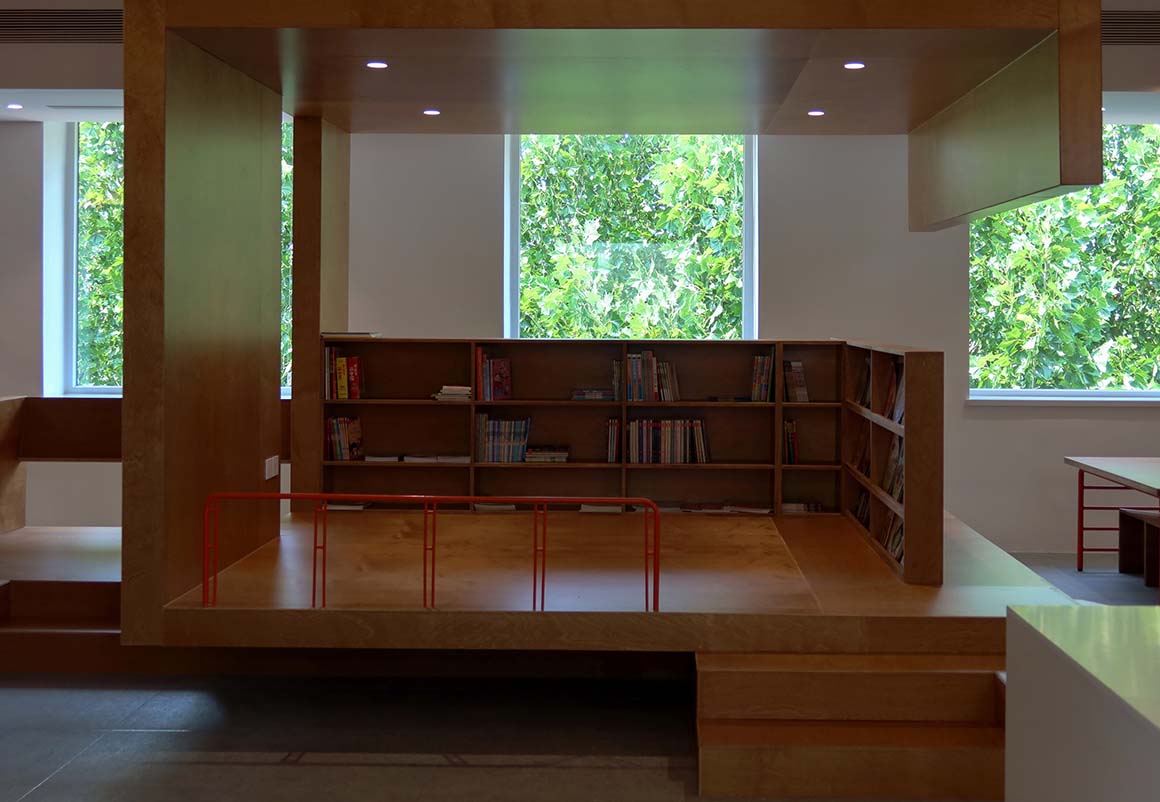
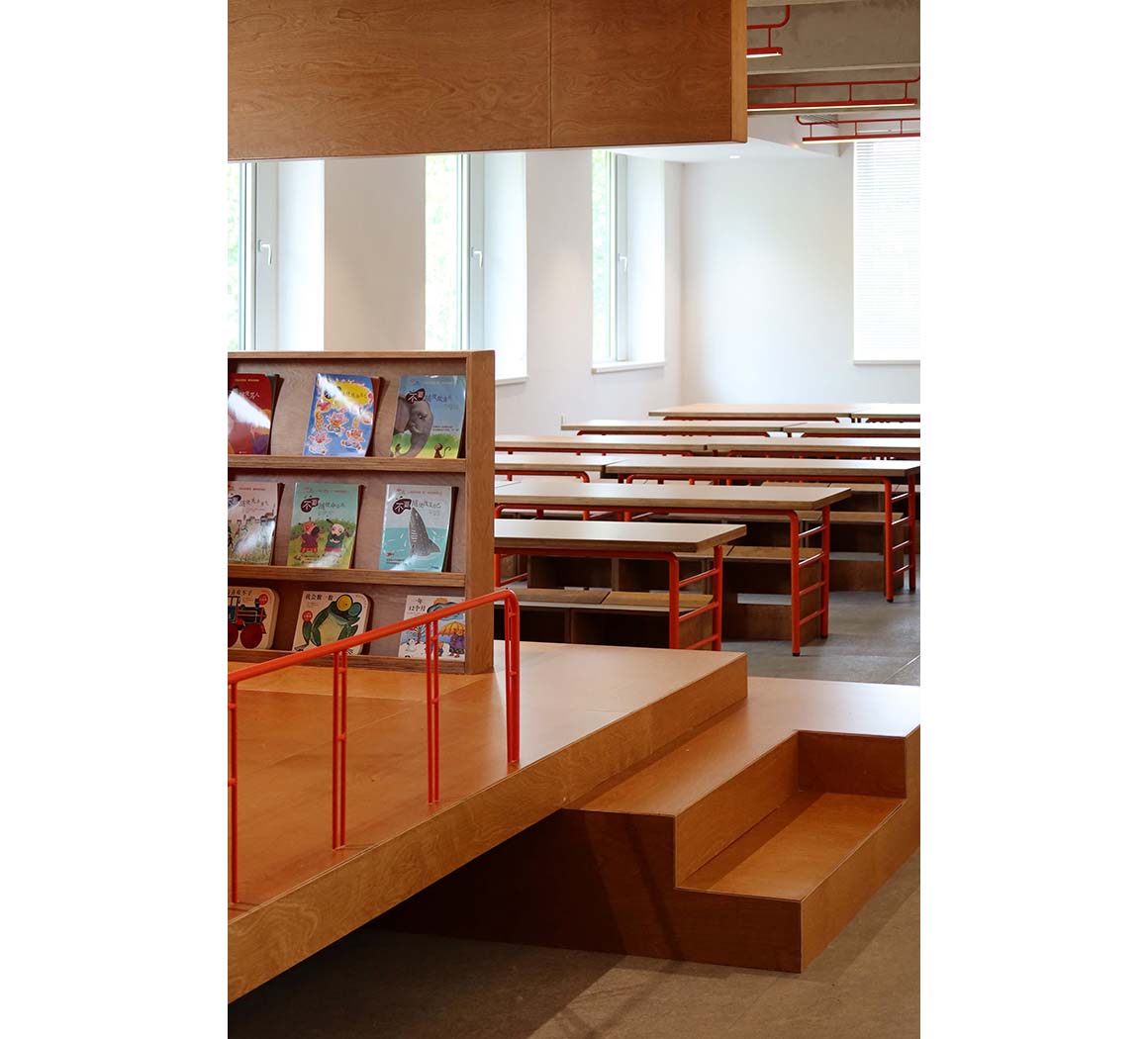
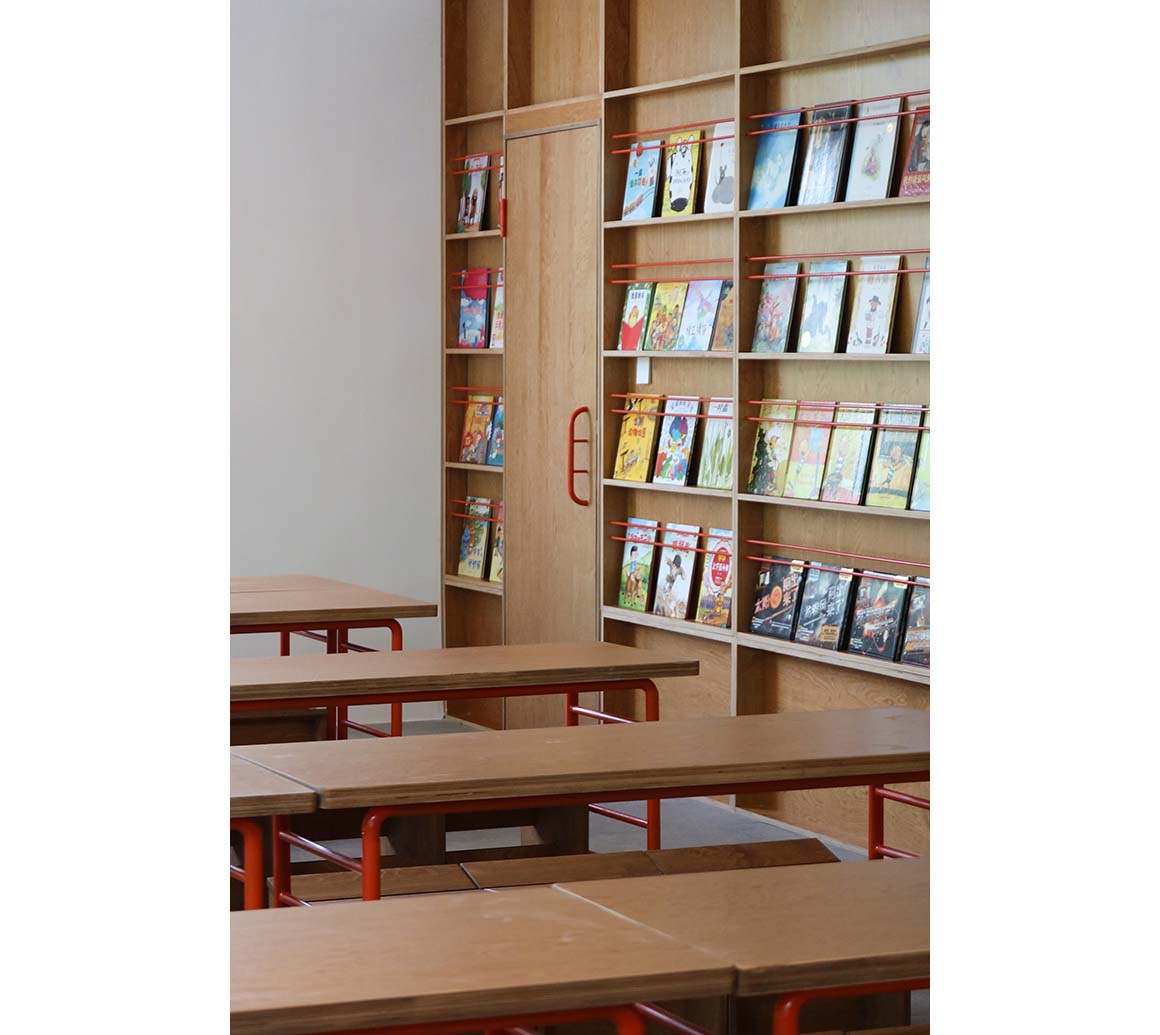
A stepped field of timber platforms organizes the interior. The level changes are not simply resolved; they are made productive. As the tents “cascade” across different heights, circulation becomes movement with purpose—climbing, walking, pausing—turning the act of getting somewhere into play. The platform edges are used as open bookshelves, keeping materials within easy reach. At midday, the same platforms shift roles again, becoming nap surfaces. With a small number of elements, the design accommodates the daily cycle of activity and rest as part of a single spatial continuum.
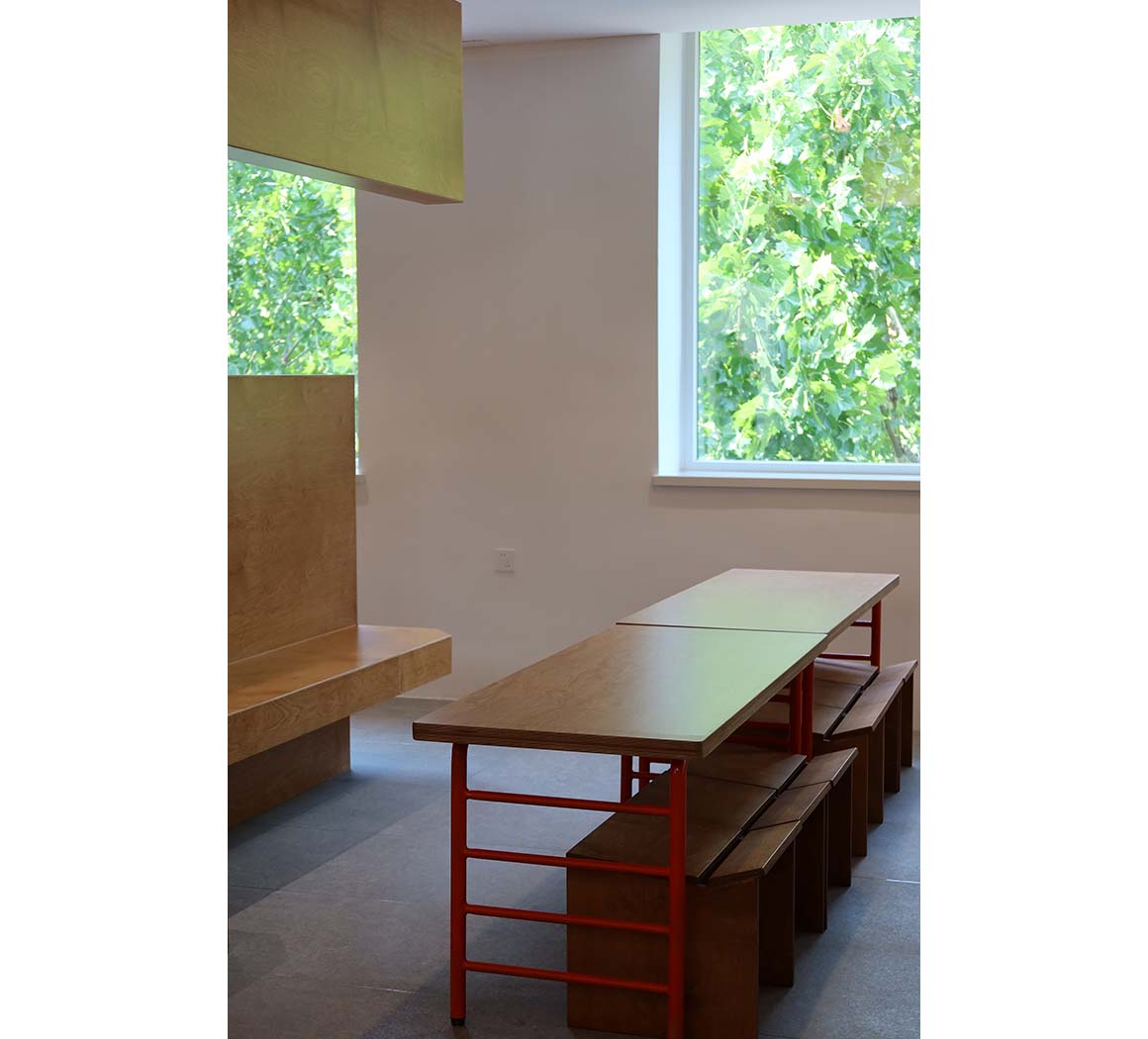
Material and construction choices reinforce this clarity. Plywood, canvas, and standard steel pipe—readily available and cost-effective—are used to establish a consistent structural logic and a unified visual system. Furniture and fittings follow the same grammar: desks, blackboard stands, handles, and cup holders are all resolved through similar details and fabrication methods. The result is an environment children can “read” intuitively, where how things are made is visible and understandable. 11-Design describes this approach as an “aesthetic of honesty”—a deliberate avoidance of unnecessary ornament in favor of direct relationships between structure, function, and experience.
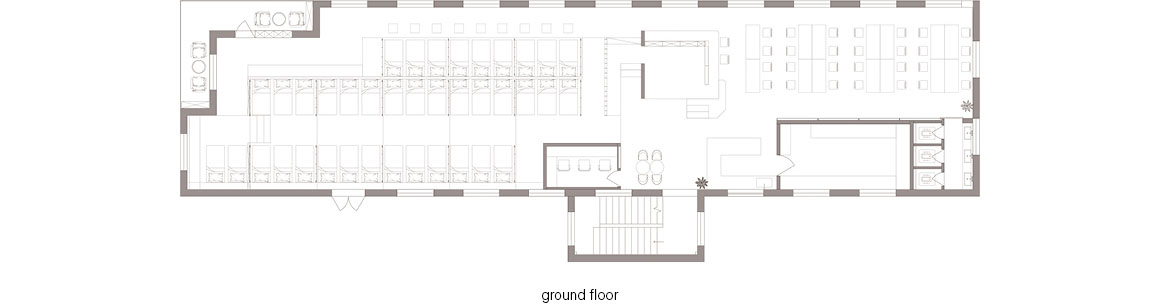
On the third floor, west-facing windows pull in daylight and the soft presence of street trees, moderating the interior with views of greenery. The teacher’s office and reception are placed near the entrance to keep oversight and circulation efficient. A central “wooden box” works as both partition and a small waiting-and-reading nook for guardians. Service areas such as the kitchen and restrooms are tucked into windowless zones, preserving the perimeter for spaces where light and activity matter most.

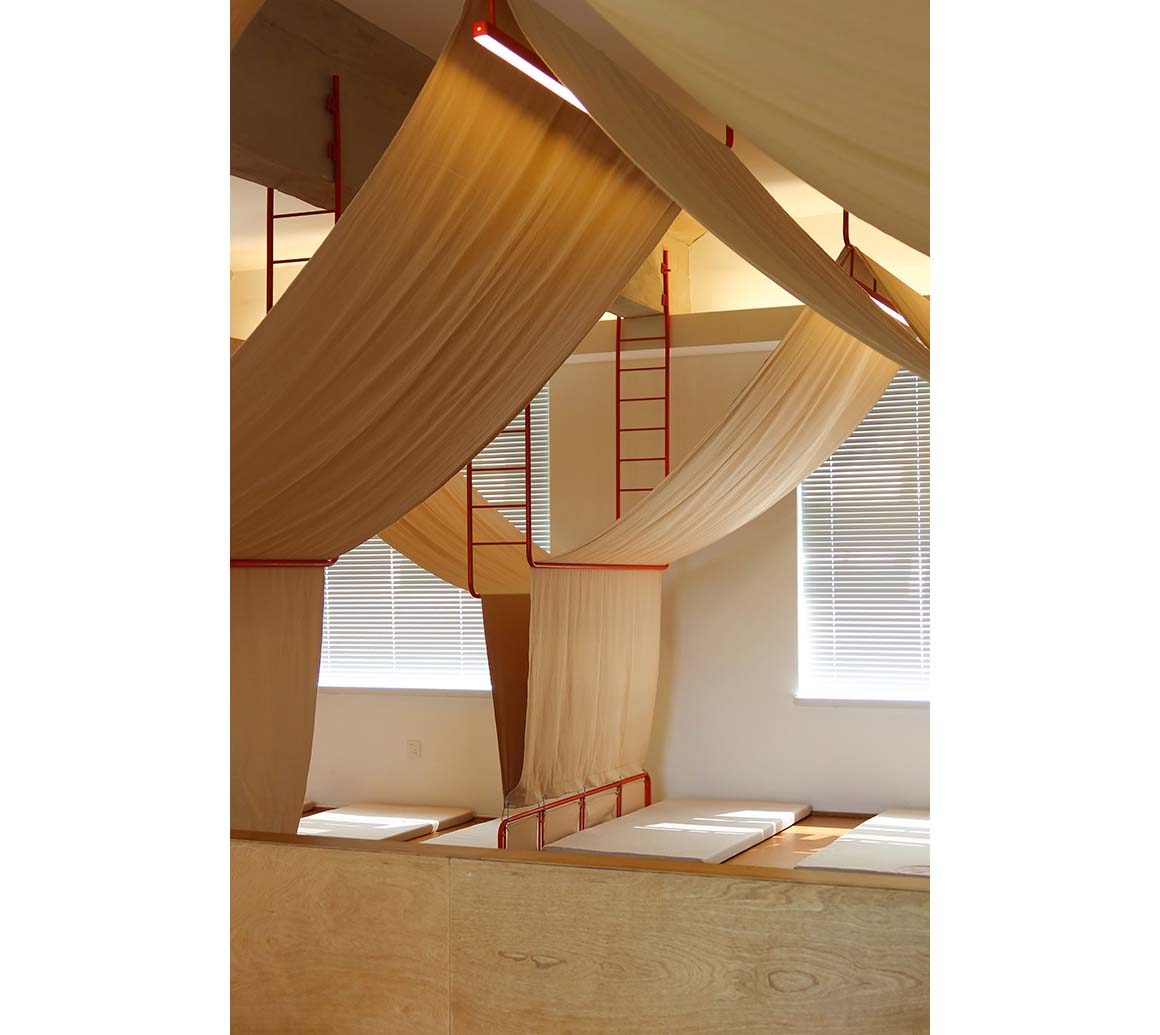

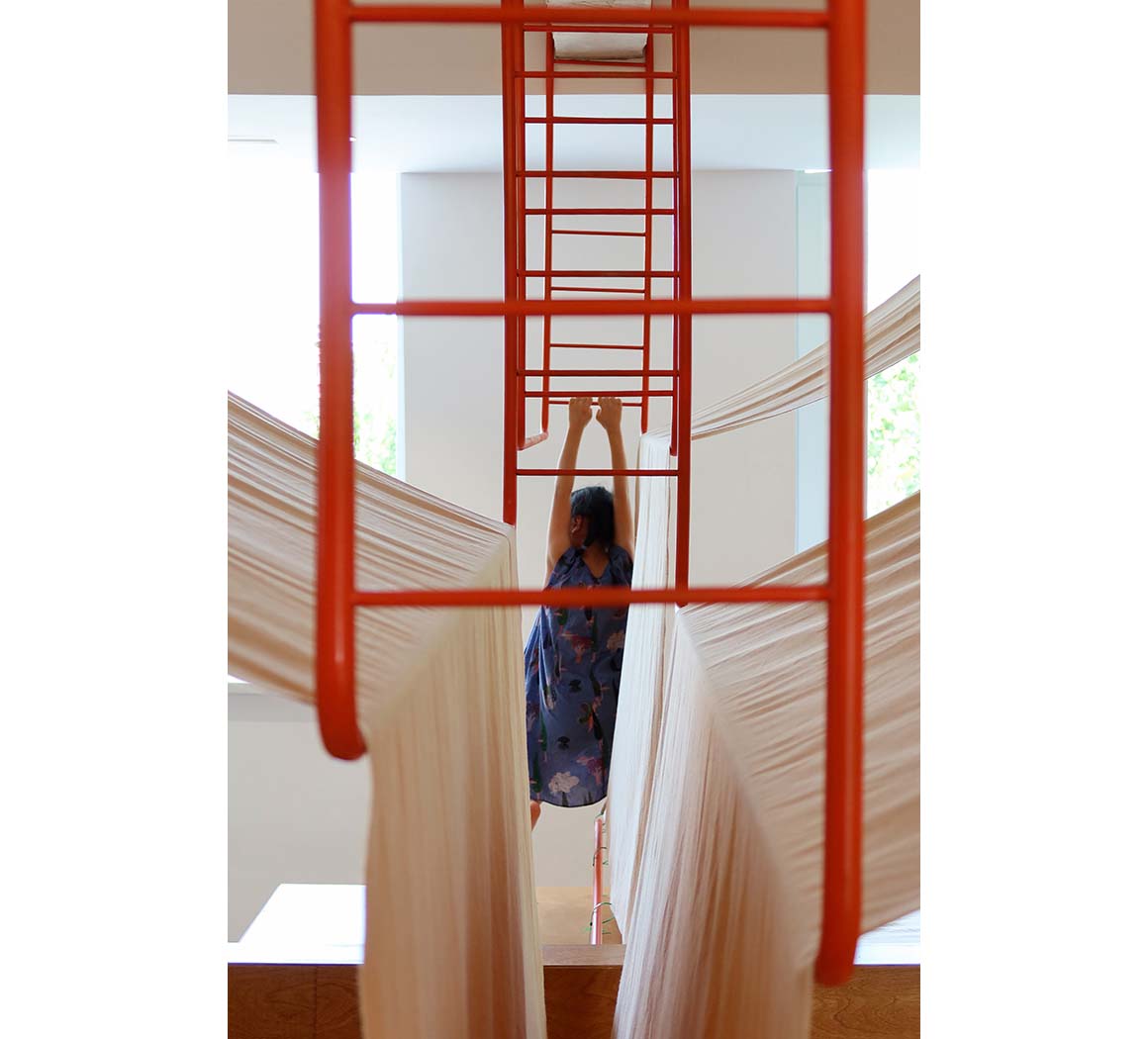
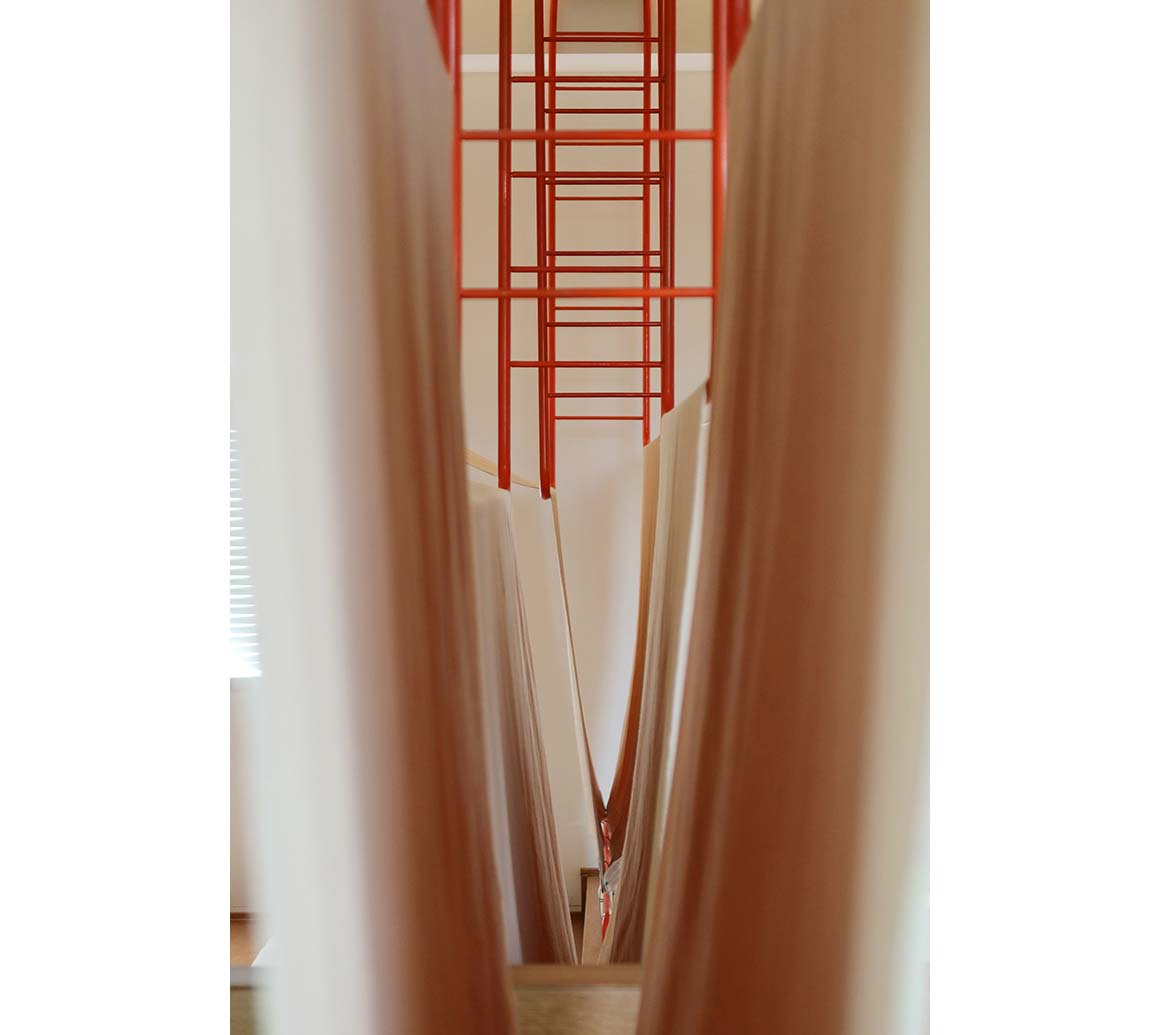

DEYA is a straightforward argument for impact without excess. Within tight budget and material constraints, it produces a child-centered environment through a modular system, careful detailing, and a spatial logic that stays legible from the scale of a handhold to the scale of the room. More than a place for homework and naps, it is a daily stage—one that allows imagination and relationships to form through ordinary routines, shaped by simple parts assembled with patience and craft.

Project: DEYA Day Care and After-School Center / Location: Yantai, Shandong, China / Design Firm: 11-Design / Design Directors: Li Xiaosi, Cao Rong / Design Team: Chang Xiaoying, Li Jia, Qu Xiaotong, Yu Guangxin / Use: Care center / Area: 270m² / Architecture Height: 3.43m / Design: 2025.1~2025.3 / Construction: 2025.4~2025.7 / Completion: 2025 / Photograph: ©Cao Rong (courtesy of the architect) / Copywriting: Current-Newswire